sospechar Present Subjunctive Conjugation
sospechar — to suspect
The present subjunctive of sospechar uses the 'e' endings: sospeche, sospeches, sospeche, sospechemos, sospechéis, sospechen.
sospechar Present Subjunctive Forms
When to Use the Present Subjunctive
Use this mood when expressing doubt, denial, or emotion about someone suspecting something, or after phrases like 'es posible que'.
Notes on sospechar in the Present Subjunctive
Sospechar is regular in the subjunctive; it follows the standard pattern of switching to 'e' for -ar verbs.
Example Sentences
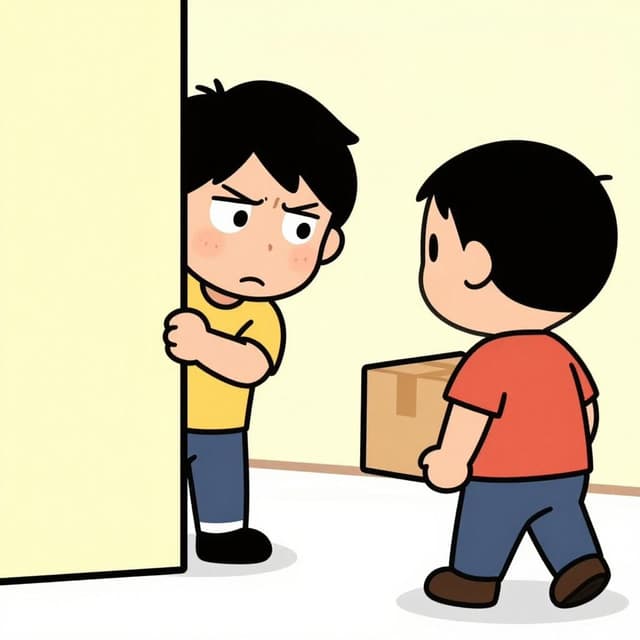
No quiero que ella sospeche nada de la fiesta sorpresa.
I don't want her to suspect anything about the surprise party.
él/ella/usted
Es probable que ellos sospechen de nosotros.
It is probable that they suspect us.
ellos/ellas/ustedes
Dudo que tú sospeches la verdad.
I doubt that you suspect the truth.
tú
Common Mistakes
Mistake: sospecha (in a subjunctive context)
Correct: sospeche
Why: Learners often use the indicative when they should use the subjunctive after 'que' and verbs of wanting or doubt.
Master Spanish verbs in context
Memorizing tables only gets you so far. Read 200+ illustrated and narrated Spanish stories to see verbs like 'sospechar' used naturally — in the tenses you're learning.
Related Tenses
Present
yo: sospecho
Sospechar is regular in the present: sospecho, sospechas, sospecha, sospechamos, sospecháis, sospechan.
Preterite
yo: sospeché
Sospechar is regular in the preterite: sospeché, sospechaste, sospechó, sospechamos, sospechasteis, sospecharon.
Imperfect
yo: sospechaba
Sospechar is regular in the imperfect: sospechaba, sospechabas, sospechaba, sospechábamos, sospechabais, sospechaban.
Future
yo: sospecharé
The future of sospechar is regular: sospecharé, sospecharás, sospechará, sospecharemos, sospecharéis, sospecharán.
Conditional
yo: sospecharía
The conditional of sospechar is regular: sospecharía, sospecharías, sospecharía, sospecharíamos, sospecharíais, sospecharían.
Imperfect Subjunctive
yo: sospechara
The imperfect subjunctive of sospechar is formed from the 'ellos' preterite: sospechara, sospecharas, sospechara, sospecháramos, sospecharais, sospecharan.
Affirmative Imperative
yo: sospecha
The imperative of sospechar follows standard -ar rules: sospecha (tú), sospeche (usted), sospechad (vosotros).
Negative Imperative
yo: no sospeches
The negative imperative of sospechar uses the present subjunctive: no sospeches, no sospeche, no sospechemos, no sospechéis, no sospechen.