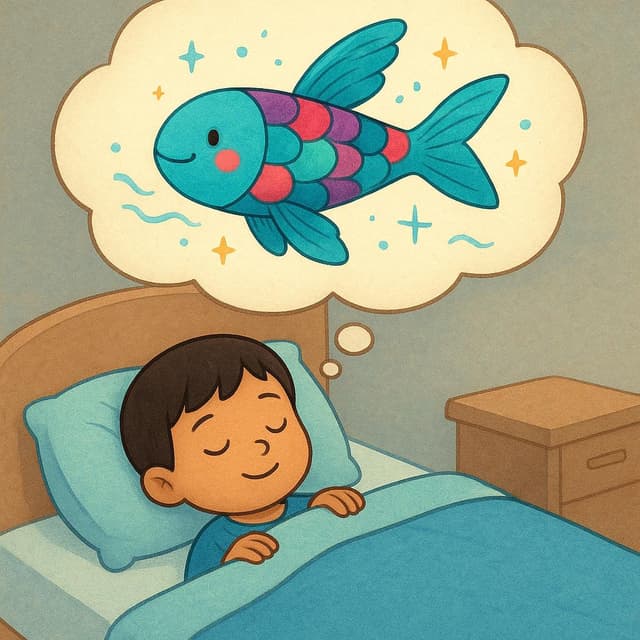
soñar Affirmative Imperative Conjugation
soñar — to dream
The imperative uses 'sueña' for tú and 'soñad' for vosotros.
soñar Affirmative Imperative Forms
When to Use the Affirmative Imperative
Use the imperative to tell someone to dream, often used poetically or in common phrases like 'sueña en grande'.
Notes on soñar in the Affirmative Imperative
The 'tú', 'usted', and 'ustedes' forms use the 'ue' stem change. 'Vosotros' and 'nosotros' do not.
Example Sentences
¡Sueña en grande!
Dream big!
tú
Sueñe con los angelitos.
Dream with the little angels (Sleep well).
Common Mistakes
Mistake: soña
Correct: sueña
Why: The informal 'tú' command requires the stem change 'o to ue'.
Master Spanish verbs in context
Memorizing tables only gets you so far. Read 200+ illustrated and narrated Spanish stories to see verbs like 'soñar' used naturally — in the tenses you're learning.
Related Tenses
Present
yo: sueño
Soñar is a stem-changing verb where the 'o' becomes 'ue' in all forms except nosotros and vosotros.
Preterite
yo: soñé
The preterite of soñar is regular: soñé, soñaste, soñó, soñamos, soñasteis, soñaron.
Imperfect
yo: soñaba
The imperfect of soñar is regular: soñaba, soñabas, soñaba, soñábamos, soñabais, soñaban.
Future
yo: soñaré
The future of soñar is regular: soñaré, soñarás, soñará, soñaremos, soñaréis, soñarán.
Conditional
yo: soñaría
The conditional of soñar is regular: soñaría, soñarías, soñaría, soñaríamos, soñaríais, soñarían.
Present Subjunctive
yo: sueñe
In the present subjunctive, soñar keeps its 'o to ue' stem change in the same pattern as the present indicative.
Imperfect Subjunctive
yo: soñara
The imperfect subjunctive of soñar is regular: soñara, soñaras, soñara, soñáramos, soñarais, soñaran.
Negative Imperative
yo: no sueñes
The negative imperative uses the present subjunctive forms: no sueñes, no sueñe, no soñemos, no soñéis, no sueñen.