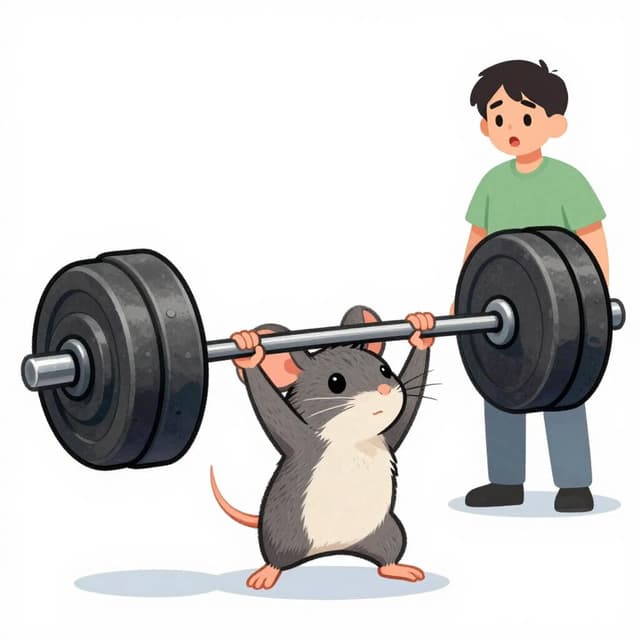
subestimar Preterite Conjugation
subestimar — underestimate
Subestimé, subestimaste, subestimó, etc., mark completed past actions of underestimating.
subestimar Preterite Forms
When to Use the Preterite
Use the preterite to describe a specific, completed action of underestimating in the past. Think of it as a snapshot of a finished event.
Notes on subestimar in the Preterite
Subestimar is regular in the preterite. All the forms follow the standard -ar verb pattern.
Example Sentences
Yo subestimé la dificultad de la tarea.
I underestimated the difficulty of the task.
yo
¿Tú subestimaste su habilidad?
Did you underestimate his ability?
tú
Él subestimó el tiempo necesario.
He underestimated the time needed.
él/ella/usted
Nosotros subestimamos la reacción del público.
We underestimated the audience's reaction.
nosotros
Ellos subestimaron el costo total.
They underestimated the total cost.
ellos/ellas/ustedes
Common Mistakes
Mistake: Using the imperfect instead of the preterite for a single, completed act of underestimating.
Correct: For a specific instance like 'I underestimated him yesterday,' use the preterite: 'Lo subestimé ayer.'
Why: The preterite is for completed actions, while the imperfect describes ongoing or habitual past actions.
Mistake: Forgetting the accent on 'subestimé' (yo) and 'subestimó' (él/ella/usted).
Correct: Remember the accents: 'subestimé' and 'subestimó'.
Why: These accents are crucial for correct pronunciation and to distinguish these forms from similar-sounding words.
Master Spanish verbs in context
Memorizing tables only gets you so far. Read 200+ illustrated and narrated Spanish stories to see verbs like 'subestimar' used naturally — in the tenses you're learning.
Related Tenses
Present
yo: subestimo
Subestimo, subestimas, subestima, etc., describe current or habitual underestimating.
Imperfect
yo: subestimaba
Subestimaba, subestimabas, subestimaba, etc., describe past habits or ongoing situations.
Future
yo: subestimaré
Subestimaré, subestimarás, subestimará, etc., indicate future actions of underestimating.
Conditional
yo: subestimaría
Subestimaría, subestimarías, subestimaría, etc., express hypothetical 'would' scenarios.
Present Subjunctive
yo: subestime
Subestime, subestimes, subestimemos, etc., express wishes, doubts, or emotions.
Imperfect Subjunctive
yo: subestimara
Subestimara/subestimase and its variants express past hypothetical or uncertain actions.
Affirmative Imperative
yo: subestima
Subestima, subestime, subestimemos, subestimad, subestimen are commands for 'subestimar'.
Negative Imperative
yo: no subestimes
Use 'no subestimes', 'no subestime', etc., for negative commands with 'subestimar'.