suspirar Imperfect Subjunctive Conjugation
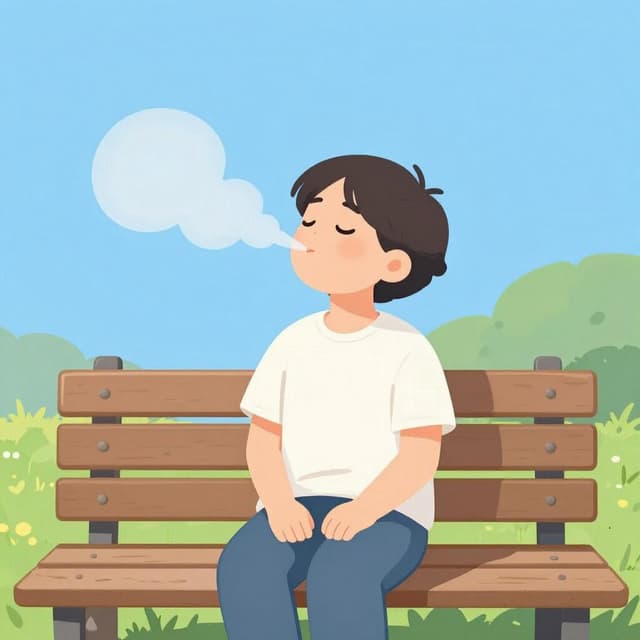
suspirar — to sigh
The imperfect subjunctive ('suspirara' or 'suspirase') is used for past hypotheticals, wishes, or doubts.
suspirar Imperfect Subjunctive Forms
When to Use the Imperfect Subjunctive
Use the imperfect subjunctive for hypothetical situations in the past, wishes, or when expressing doubt about something that happened or might have happened. For example, 'Ojalá suspirara menos' (I wish he sighed less).
Notes on suspirar in the Imperfect Subjunctive
Suspirar is regular in the imperfect subjunctive. You can use either the -ra or -se ending (e.g., suspirara or suspirase), though -ra is more common in many regions.
Example Sentences
Si yo suspirara menos, me sentiría mejor.
If I sighed less, I would feel better.
yo
Me gustaría que tú suspirasas con más calma.
I would like you to sigh more calmly.
tú
Él actuaría diferente si suspirara antes de hablar.
He would act differently if he sighed before speaking.
él/ella/usted
Era importante que nosotros suspiráramos juntos.
It was important that we sighed together.
nosotros
Ellos dijeron que suspiraran al final.
They said that they would sigh at the end.
ellos/ellas/ustedes
Common Mistakes
Mistake: Using the imperfect indicative instead of the imperfect subjunctive.
Correct: Instead of 'Si yo suspiraba menos...', use 'Si yo suspirara menos...'.
Why: Conditional clauses ('if') often require the subjunctive mood when the action is hypothetical or uncertain.
Mistake: Confusing the -ra and -se endings.
Correct: Both 'suspirara' and 'suspirase' are correct imperfect subjunctive forms for 'yo'.
Why: While both are grammatically correct, usage varies by region, with -ra often being more common in spoken Spanish.
Master Spanish verbs in context
Memorizing tables only gets you so far. Read 200+ illustrated and narrated Spanish stories to see verbs like 'suspirar' used naturally — in the tenses you're learning.
Related Tenses
Present
yo: suspiro
The present tense 'suspiro', 'suspiras', etc. is for actions happening now or habitually.
Preterite
yo: suspiré
The preterite of suspirar is regular: suspiré, suspiraste, suspiró, suspiramos, suspirasteis, suspiraron.
Imperfect
yo: suspiraba
The imperfect 'suspiraba', 'suspirabas', etc. describes ongoing or habitual past sighing.
Future
yo: suspiraré
The future tense 'suspiraré', 'suspirarás', etc. indicates actions that will happen.
Conditional
yo: suspiraría
The conditional 'suspiraría', 'suspirarías', etc. expresses 'would' actions or polite requests.
Present Subjunctive
yo: suspire
The present subjunctive ('suspiré' / 'suspires' etc.) is for wishes, doubts, emotions, and uncertainty.
Affirmative Imperative
yo: suspira
Use 'suspira' and 'suspad' for tú and vosotros commands; 'suspire(n)' for usted(es); 'suspiramos' for nosotros.
Negative Imperative
yo: no suspires
Negative commands use 'no' + present subjunctive: 'no suspire(s/mos/n/is)'.