tachar Imperfect Subjunctive Conjugation
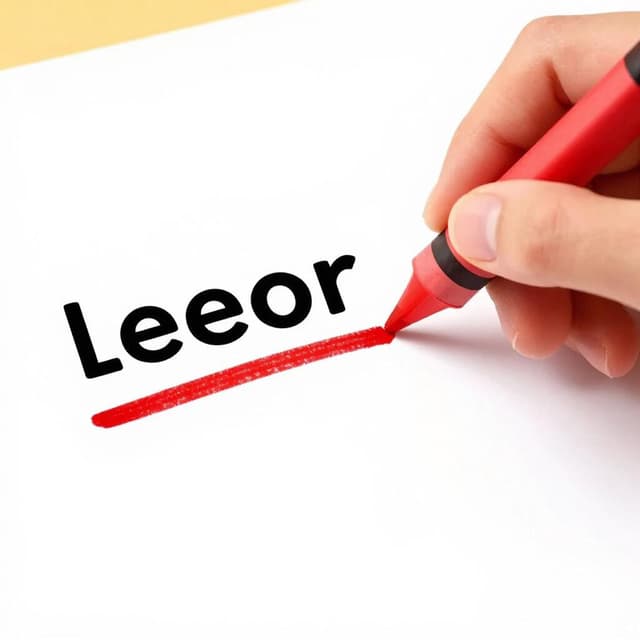
tachar — to cross out
The imperfect subjunctive of tachar (tachara, tacharas, tacháramos, etc.) expresses hypothetical past actions or wishes.
tachar Imperfect Subjunctive Forms
When to Use the Imperfect Subjunctive
Use the imperfect subjunctive for hypothetical situations, wishes, or doubts in the past. It often appears after 'si' (if) clauses or expressions of desire or emotion related to the past.
Notes on tachar in the Imperfect Subjunctive
Tachar is regular in the imperfect subjunctive. Both the -ra and -se forms exist, but the -ra form (tachara, tacharas, etc.) is more common in everyday speech.
Example Sentences
Si tachara todos los errores, el documento estaría perfecto.
If I were to cross out all the errors, the document would be perfect.
yo
Me gustaría que tú tacharas esa parte.
I would like you to cross out that part.
tú
Él actuaría diferente si tachara sus deudas.
He would act differently if he crossed out his debts.
él/ella/usted
Era importante que tacháramos los detalles innecesarios.
It was important that we cross out the unnecessary details.
nosotros
Ellos no creían que yo tachara su nombre de la lista.
They didn't believe I would cross their name off the list.
ellos/ellas/ustedes
Common Mistakes
Mistake: Using the preterite instead of the imperfect subjunctive: 'Si taché todos los errores...'.
Correct: 'Si tachara todos los errores...'.
Why: Hypothetical or conditional situations in the past require the imperfect subjunctive, not the preterite.
Mistake: Confusing the -ra and -se forms, especially with accents: 'tachase' instead of 'tachara'.
Correct: The -ra form is generally more common and safer to use: 'tachara'.
Why: While both are correct, the -ra form is more frequent in many regions and contexts.
Master Spanish verbs in context
Memorizing tables only gets you so far. Read 200+ illustrated and narrated Spanish stories to see verbs like 'tachar' used naturally — in the tenses you're learning.
Related Tenses
Present
yo: tacho
The present tense of tachar is regular: tacho, tachas, tacha, tachamos, tacháis, tachan.
Preterite
yo: taché
The preterite of tachar is regular: taché, tachaste, tachó, tachamos, tachasteis, tacharon.
Imperfect
yo: tachaba
The imperfect of tachar is regular: tachaba, tachabas, tachaba, tachábamos, tachabais, tachaban.
Future
yo: tacharé
The future tense of tachar is regular: tacharé, tacharás, tachará, tacharemos, tacharéis, tacharán.
Conditional
yo: tacharía
The conditional of tachar is regular: tacharía, tacharías, tacharía, tacharíamos, tacharíais, tacharían.
Present Subjunctive
yo: tache
The present subjunctive of tachar (tache, taches, tachen, etc.) is used after expressions of doubt, desire, emotion, or uncertainty.
Affirmative Imperative
yo: tacha
Use the imperative of tachar for direct commands: tacha, tache, tachen, tachemos, tachad.
Negative Imperative
yo: no taches
To give negative commands with tachar, use 'no' plus the present subjunctive: no tacha, no tache, no tachen, no tachemos, no tachéis.