trasladar Affirmative Imperative Conjugation
trasladar — to move
The imperative of trasladar has regular commands like 'traslada' (tú) and 'trasladen' (ustedes).
trasladar Affirmative Imperative Forms
When to Use the Affirmative Imperative
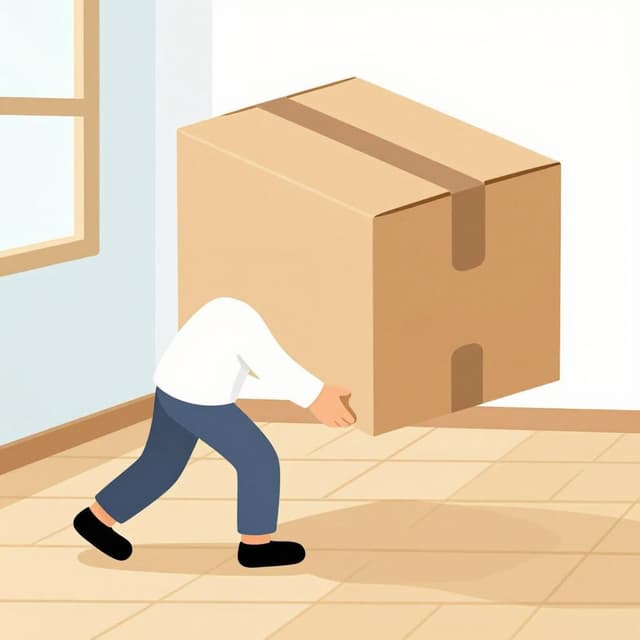
Use the imperative to give direct commands. For 'trasladar', this means telling someone to move something or to move themselves, like '¡Traslada esa caja!' (Move that box!) or '¡Trasladémonos a la sala!' (Let's move to the living room!).
Notes on trasladar in the Affirmative Imperative
Trasladar is regular in the affirmative and negative imperative. The tú form 'traslada' is the same as the present indicative, but the context makes it a command.
Example Sentences
Traslada la silla más cerca de la ventana.
Move the chair closer to the window.
tú
Traslademos nuestros libros a la otra mesa.
Let's move our books to the other table.
nosotros
¡Trasladen todo al nuevo edificio!
Move everything to the new building!
Trasladad el equipo con cuidado.
Move the equipment carefully.
vosotros
Common Mistakes
Mistake: Using the infinitive instead of the imperative, like 'Trasladar la mesa'.
Correct: Use the correct imperative form, e.g., 'Traslada la mesa' (tú) or 'Traslade la mesa' (usted).
Why: The infinitive is the base form of the verb, not a command.
Mistake: Confusing 'traslada' (tú imperative) with 'traslada' (él/ella/usted present indicative).
Correct: In context, 'Traslada el sofá' can be a command to 'you' or a statement about 'him/her/it'. Add context or use a pronoun if needed to clarify.
Why: They are spelled identically, so context is key.
Master Spanish verbs in context
Memorizing tables only gets you so far. Read 200+ illustrated and narrated Spanish stories to see verbs like 'trasladar' used naturally — in the tenses you're learning.
Related Tenses
Present
yo: traslado
The present tense of trasladar (traslado, trasladas, traslada...) describes current actions, habits, or general truths about moving.
Preterite
yo: trasladé
The preterite of trasladar is regular: trasladé, trasladaste, trasladó, trasladamos, trasladasteis, trasladaron.
Imperfect
yo: trasladaba
The imperfect of trasladar (trasladaba, trasladabas, trasladaba...) describes ongoing or habitual past actions of moving.
Future
yo: trasladaré
The future tense of trasladar (trasladaré, trasladarás, trasladará...) indicates actions that will happen.
Conditional
yo: trasladaría
The conditional of trasladar (trasladaría, trasladarías, trasladaría...) expresses hypothetical actions ('would move') or polite requests.
Present Subjunctive
yo: traslade
The present subjunctive of trasladar (e.g., traslade, traslades, trasladen) follows expressions of doubt, desire, emotion, or uncertainty.
Imperfect Subjunctive
yo: trasladara
The imperfect subjunctive of trasladar (e.g., trasladara, trasladase) is used for past wishes, hypothetical situations, or polite requests.
Negative Imperative
yo: no traslades
Negative commands for 'trasladar' use the present subjunctive, like 'no traslades' (tú) and 'no trasladen' (ustedes).