volcar Future Conjugation
volcar — to tip over
Volcar is regular in the future; just add endings to the infinitive: volcaré, volcarás...
volcar Future Forms
When to Use the Future
Use this to predict that something will tip over or to express probability about a spill.
Notes on volcar in the Future
The verb is fully regular in the future tense.
Example Sentences
Si pones eso ahí, volcarás la torre.
If you put that there, you will knock over the tower.
tú
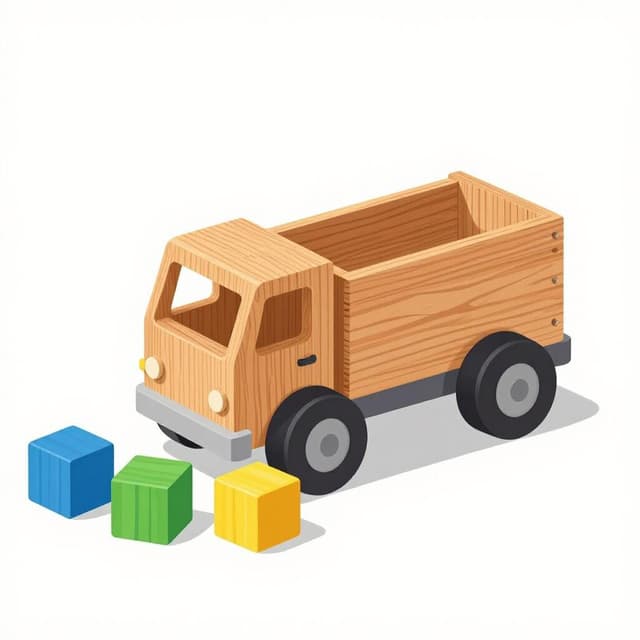
El camión volcará si va muy rápido.
The truck will tip over if it goes too fast.
él/ella/usted
Mañana volcaremos la tierra en el jardín.
Tomorrow we will dump the soil in the garden.
nosotros
Common Mistakes
Mistake: Using 'vuelcaré'.
Correct: volcaré
Why: The future tense uses the full infinitive as the stem; no stem changes occur.
Master Spanish verbs in context
Memorizing tables only gets you so far. Read 200+ illustrated and narrated Spanish stories to see verbs like 'volcar' used naturally — in the tenses you're learning.
Related Tenses
Present
yo: vuelco
Volcar is a stem-changing verb where the 'o' becomes 'ue' in all forms except nosotros and vosotros.
Preterite
yo: volqué
Volcar has a spelling change in the 'yo' form (volqué) to keep the hard 'k' sound.
Imperfect
yo: volcaba
Volcar is completely regular in the imperfect: volcaba, volcabas, volcaba...
Conditional
yo: volcaría
Volcar is regular in the conditional: volcaría, volcarías, volcaría...
Present Subjunctive
yo: vuelque
Volcar combines the 'o > ue' stem change with the 'c > qu' spelling change in all forms.
Imperfect Subjunctive
yo: volcara
Volcar is regular in the imperfect subjunctive, based on the third-person preterite 'volcaron'.
Affirmative Imperative
yo: vuelca
Use 'vuelca' (tú) or 'vuelquen' (ustedes) to tell someone to tip or dump something.
Negative Imperative
yo: no vuelques
Negative commands use the present subjunctive forms: no vuelques, no vuelque.