España
“España” means “Spain” in Spanish (The European country).
Spain
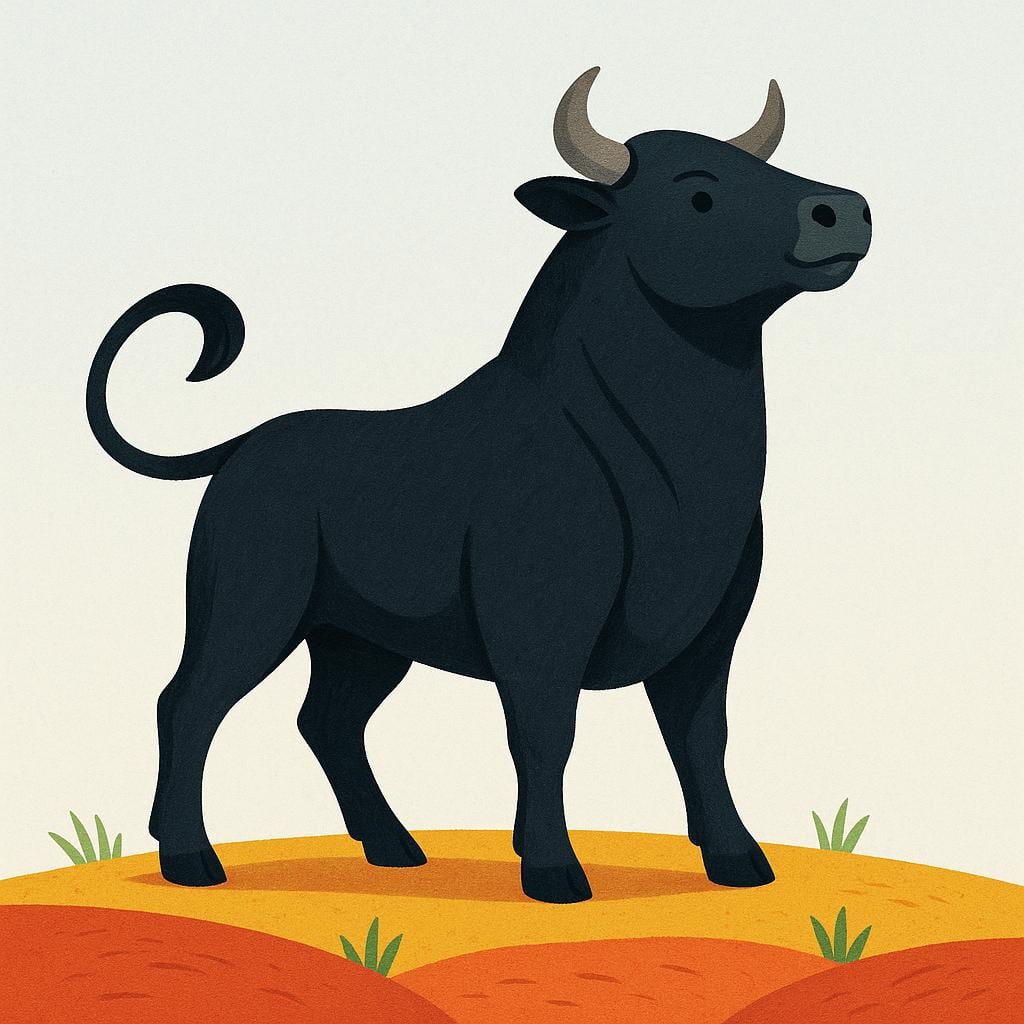
📝 In Action
¿Conoces a alguien que viva en España?
A1Do you know anyone who lives in Spain?
Viajaremos a España el próximo verano.
A1We will travel to Spain next summer.
La historia de España es muy antigua.
B1The history of Spain is very old.
Translate to Spanish
Words that translate to "España" in Spanish:
spain→✏️ Quick Practice
Quick Quiz: España
Question 1 of 2
Which word refers to the language spoken in España?
📚 More Resources
👥 Word Family▼
🎵 Rhymes▼
📚 Etymology▼
The name comes from the Latin word 'Hispania,' which was used by the Romans to refer to the entire Iberian Peninsula. The origin of 'Hispania' itself is debated, but one popular theory suggests it came from Phoenician words meaning 'land of rabbits' or 'land where metal is forged.'
First recorded: Ancient Roman era (as Hispania)
Cognates (Related words)
💡 Master Spanish
Take your Spanish to the next level. Read 200+ illustrated and narrated Spanish stories tailored to your level with the Inklingo app!
Frequently Asked Questions
Is 'España' masculine or feminine?
'España' is a feminine noun, just like most country names that end in -a. However, you usually don't need to put 'la' (the) in front of it unless you are adding a descriptor.
Is 'España' the same as 'Iberia'?
No, 'Iberia' refers to the geographical peninsula that includes both Spain and Portugal. 'España' is just the country.