acuerda
“acuerda” means “remembers” in Spanish. It has 2 different meanings depending on context:
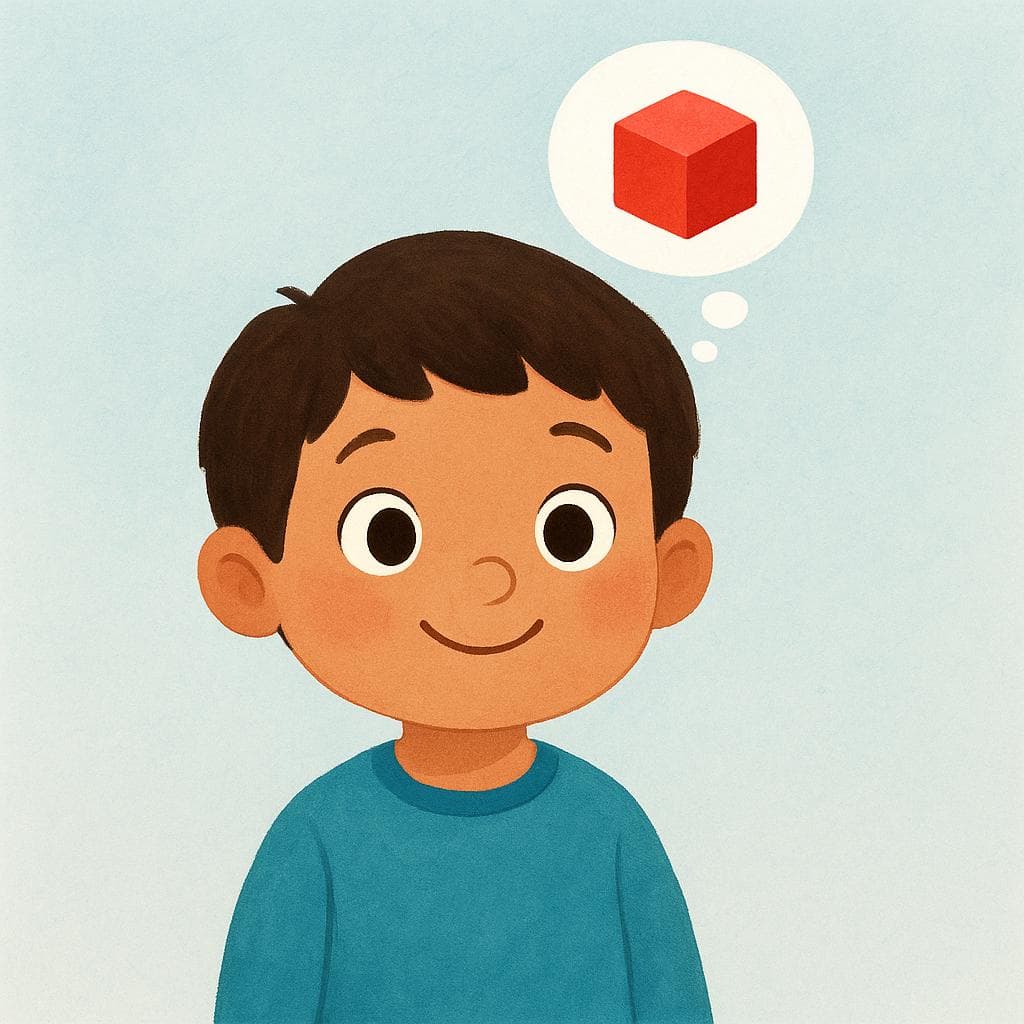

remembers, recalls
Also: is mindful of
📝 In Action
Mi abuela no se acuerda de dónde puso las llaves.
A2My grandmother doesn't remember where she put the keys.
¿Usted se acuerda de nuestro primer viaje?
B1Do you (formal) remember our first trip?
El perro se acuerda de la casa incluso después de un año.
A2The dog remembers the house even after a year.
agrees, resolves
Also: decides
📝 In Action
La comisión acuerda revisar los estatutos.
B1The commission agrees to review the statutes.
El director acuerda el nuevo horario con los empleados.
B2The director agrees on the new schedule with the employees.
El juez acuerda levantar la prohibición de viajar.
C1The judge resolves to lift the travel ban.
Indicative
Present
Imperfect
Preterite
Subjunctive
Present Subjunctive
Imperfect Subjunctive
Translate to Spanish
✏️ Quick Practice
Quick Quiz: acuerda
Question 1 of 2
Which sentence correctly uses 'acuerda' to mean 'to remember'?
📚 More Resources
👥 Word Family▼
📚 Etymology▼
Comes from the Vulgar Latin verb *accordare*, which literally meant 'to be of one heart' (from *ad-* 'to' + *cor* 'heart'). This origin explains the two main modern meanings: agreement (shared heart) and memory (bringing something back to the heart/mind).
First recorded: Mid-13th century
Cognates (Related words)
💡 Master Spanish
Take your Spanish to the next level. Read 200+ illustrated and narrated Spanish stories tailored to your level with the Inklingo app!
Frequently Asked Questions
What is the difference between 'acordar' and 'acordarse'?
'Acordar' (without 'se') means 'to agree' or 'to resolve a decision.' 'Acordarse' (with 'se') means 'to remember' or 'to recall.' They use the same stem-changing pattern, but their meanings and grammar rules are completely different.
Is 'acuerda' the same as 'recuerda'?
They both mean 'remembers' (3rd person singular), but they come from different verbs. 'Recuerda' comes from the verb 'recordar,' which is not reflexive and doesn't need the 'se' (e.g., 'Él recuerda la fecha'). 'Acuerda' comes from 'acordarse,' which *must* use the 'se' (e.g., 'Él se acuerda de la fecha').