anciano
“anciano” means “old” in Spanish. It has 2 different meanings depending on context:
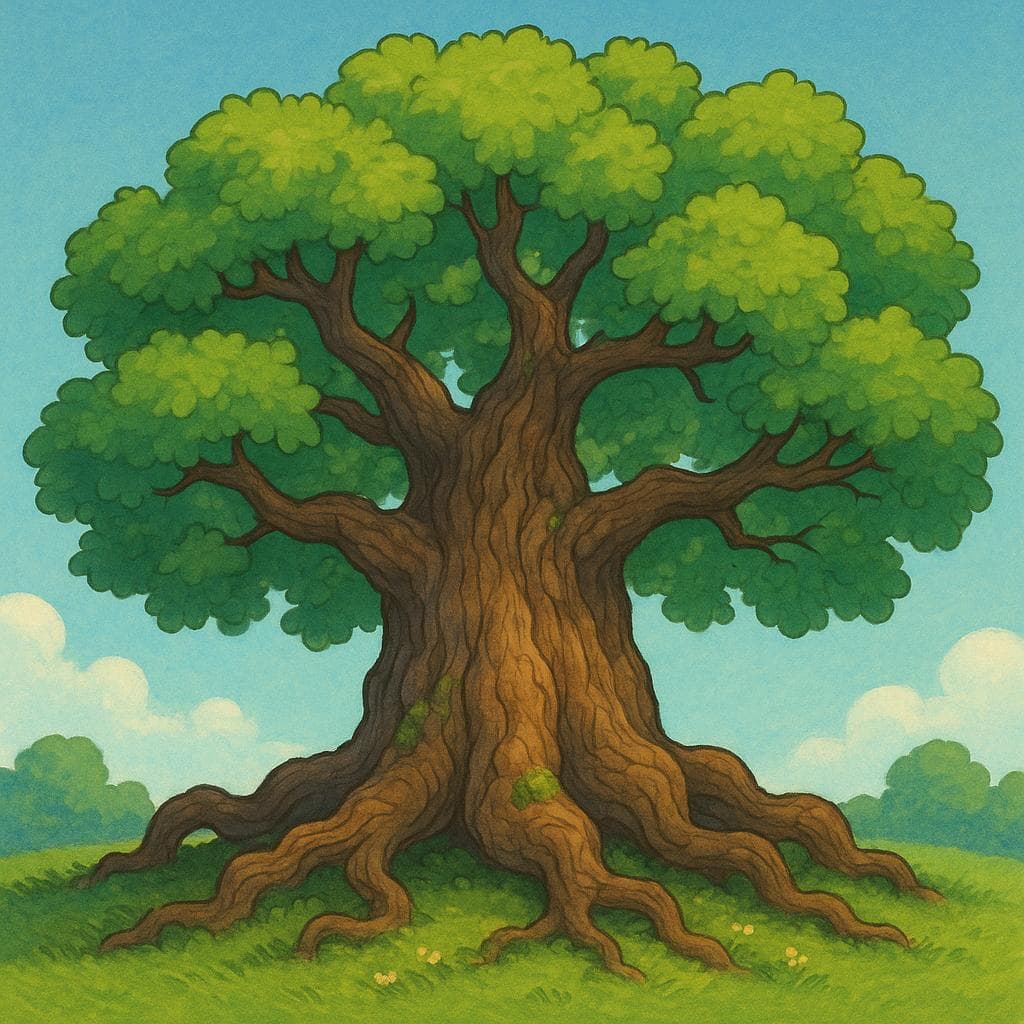
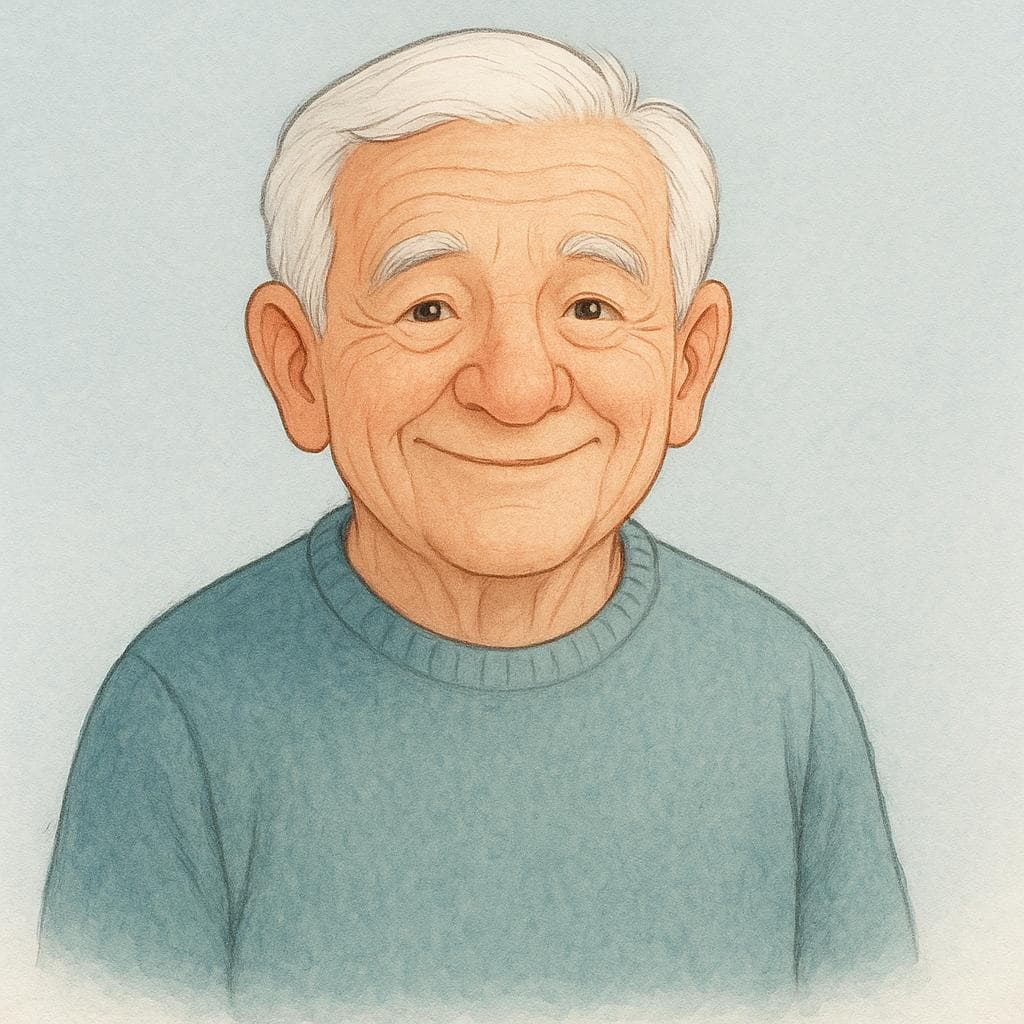
old, elderlyAlso: ancient

📝 In Action
Mi abuelo es un hombre anciano, pero todavía es muy activo.
A2My grandfather is an old man, but he is still very active.
Vimos una casa anciana abandonada cerca del río.
B1We saw an ancient abandoned house near the river.
Necesitamos usar formas ancianas de agricultura.
C1We need to use old forms of agriculture.
Word Connections
old man, elderAlso: senior citizen

📝 In Action
El anciano del pueblo nos contó muchas historias.
A2The elder (old man) of the village told us many stories.
Los ancianos tienen derecho a un trato especial.
B1The elderly (plural) have the right to special treatment.
Vimos a una anciana leyendo en el parque.
A2We saw an old woman reading in the park.
Word Connections
Translate to Spanish
✏️ Quick Practice
Quick Quiz: anciano
Question 1 of 2
Which sentence uses 'anciano' correctly as a noun?
📚 More Resources
👥 Word Family
📚 Etymology
The word comes from the Late Latin term *antianus*, which itself is derived from the Latin word *ante*, meaning 'before.' It literally means 'someone who came before' or 'someone who is older.'
First recorded: 13th century
Cognates (Related words)
💡 Master Spanish
Take your Spanish to the next level. Read 200+ illustrated and narrated Spanish stories tailored to your level with the Inklingo app!
Frequently Asked Questions
What is the difference between 'anciano' and 'viejo'?
'Anciano' is generally more formal and respectful, especially when referring to people. 'Viejo' is a very common synonym for 'old,' but when applied to a person, it can sometimes be perceived as less polite or slightly derogatory, depending on the context and tone. For things (like cars or clothes), 'viejo' is perfectly fine.
Can 'anciano' be used to describe things, like 'ancient history'?
Yes, 'anciano' can mean 'ancient' or 'old,' but for history, buildings, or artifacts, the word 'antiguo' (ancient/antique) is much more commonly used in Spanish. 'Anciano' usually focuses on the age of living beings.