anciana
“anciana” means “old woman” in Spanish. It has 2 different meanings depending on context:
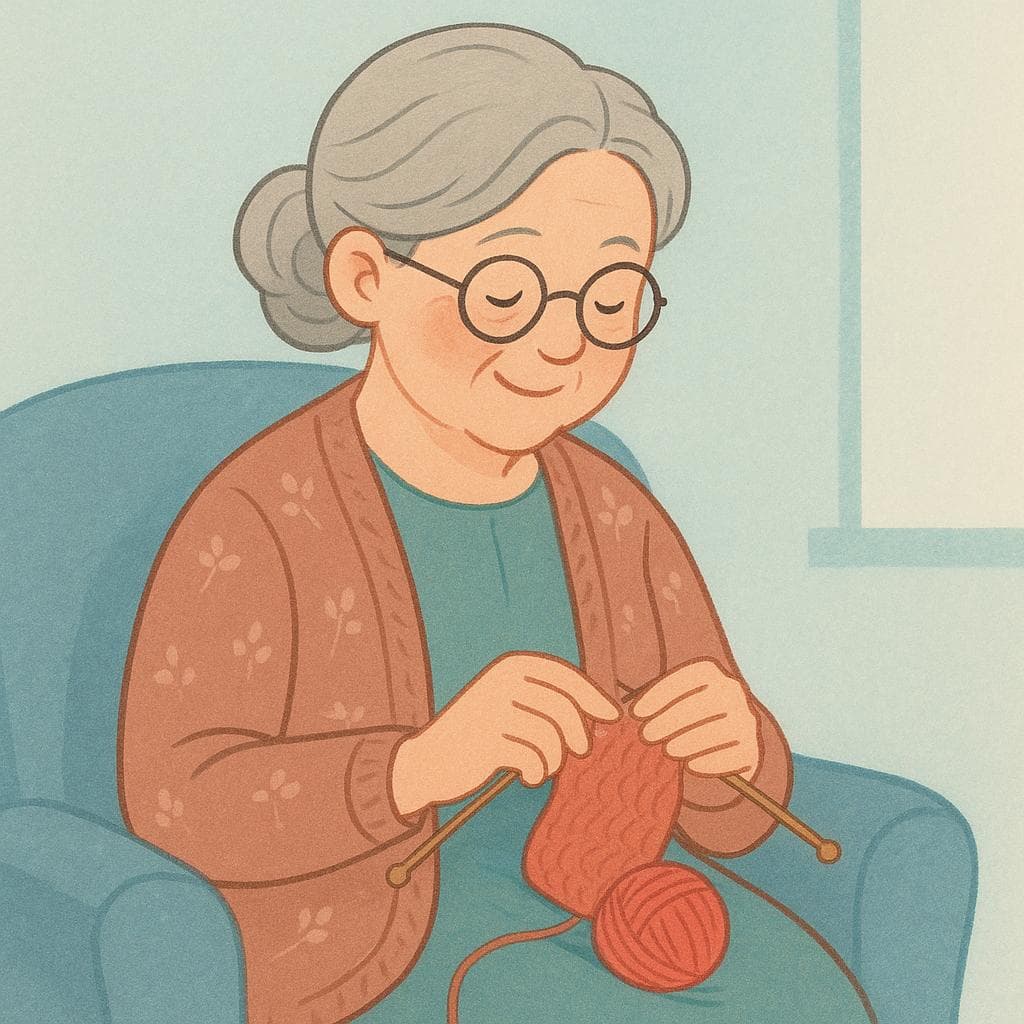
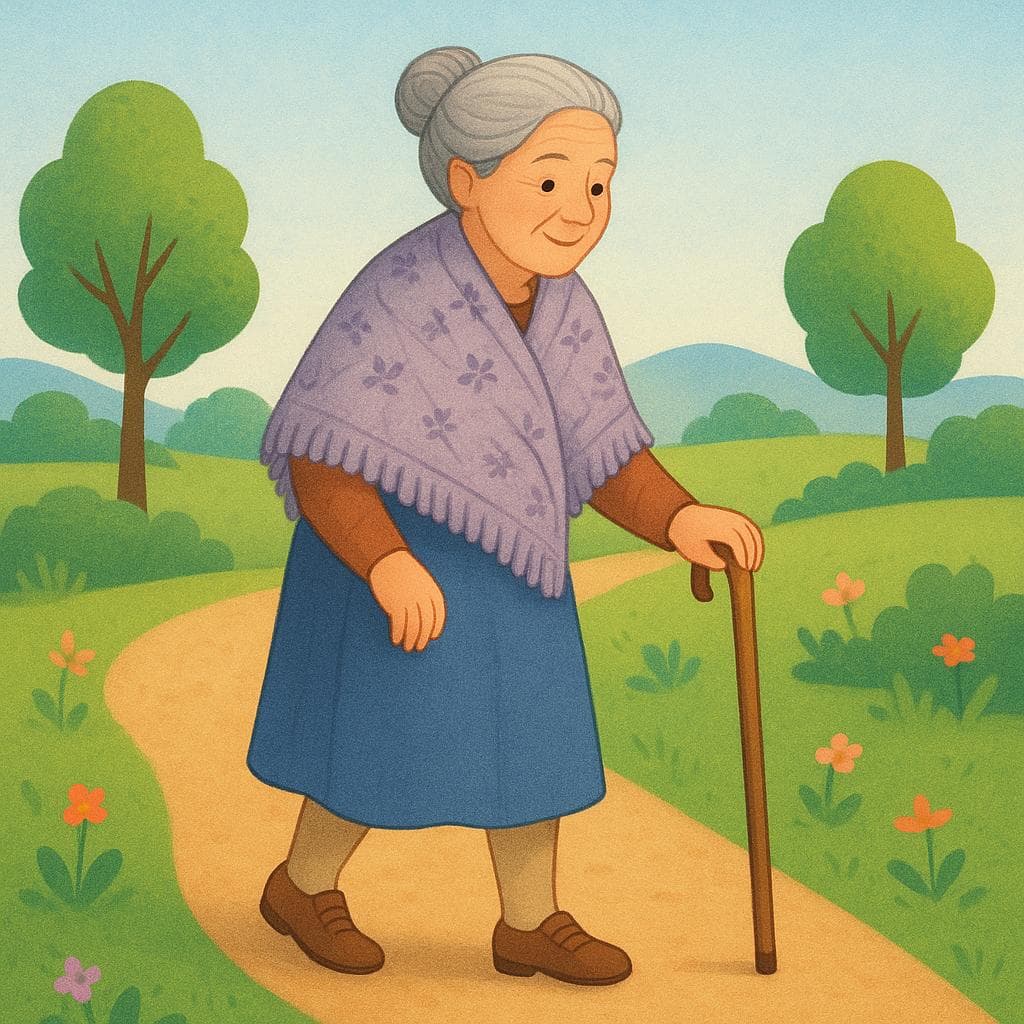
old woman, elderly womanAlso: senior citizen

📝 In Action
La anciana cruzó la calle con ayuda de su nieto.
A2The old woman crossed the street with the help of her grandson.
Mi vecina es una anciana muy sabia que siempre da buenos consejos.
B1My neighbor is a very wise elderly woman who always gives good advice.
Los residentes del hogar de ancianas salieron al jardín.
B2The residents of the retirement home (home for elderly women) went out to the garden.
Word Connections
old, elderlyAlso: aged

📝 In Action
La reina anciana gobernó el país por medio siglo.
B1The elderly queen ruled the country for half a century.
Visitamos la iglesia más anciana del pueblo.
B2We visited the oldest/most ancient church in the town.
Word Connections
Translate to Spanish
Words that translate to "anciana" in Spanish:
✏️ Quick Practice
Quick Quiz: anciana
Question 1 of 1
Which sentence uses 'anciana' as a noun (referring to a person)?
📚 More Resources
👥 Word Family
🎵 Rhymes
📚 Etymology
The word comes from the Latin *antianus*, meaning 'prior' or 'preceding.' This is derived from the Latin root *ante*, meaning 'before.' So, an 'anciana' is someone who has been around for a long time, or 'before' others.
First recorded: 13th century
Cognates (Related words)
💡 Master Spanish
Take your Spanish to the next level. Read 200+ illustrated and narrated Spanish stories tailored to your level with the Inklingo app!
Frequently Asked Questions
What is the difference between 'anciana' and 'vieja'?
'Anciana' is generally the preferred and more respectful term for an older woman, focusing on her seniority or age. 'Vieja' literally means 'old' but can sound rude or derogatory, especially when referring directly to a person. It's best to use 'anciana' or 'mujer mayor' instead.
How do I make 'anciana' plural?
To talk about multiple elderly women, you simply add an 's': 'ancianas'. For example, 'Las ancianas están en el parque' (The elderly women are in the park).