Inklingo

antiguos

/an-TEE-gwos/

old

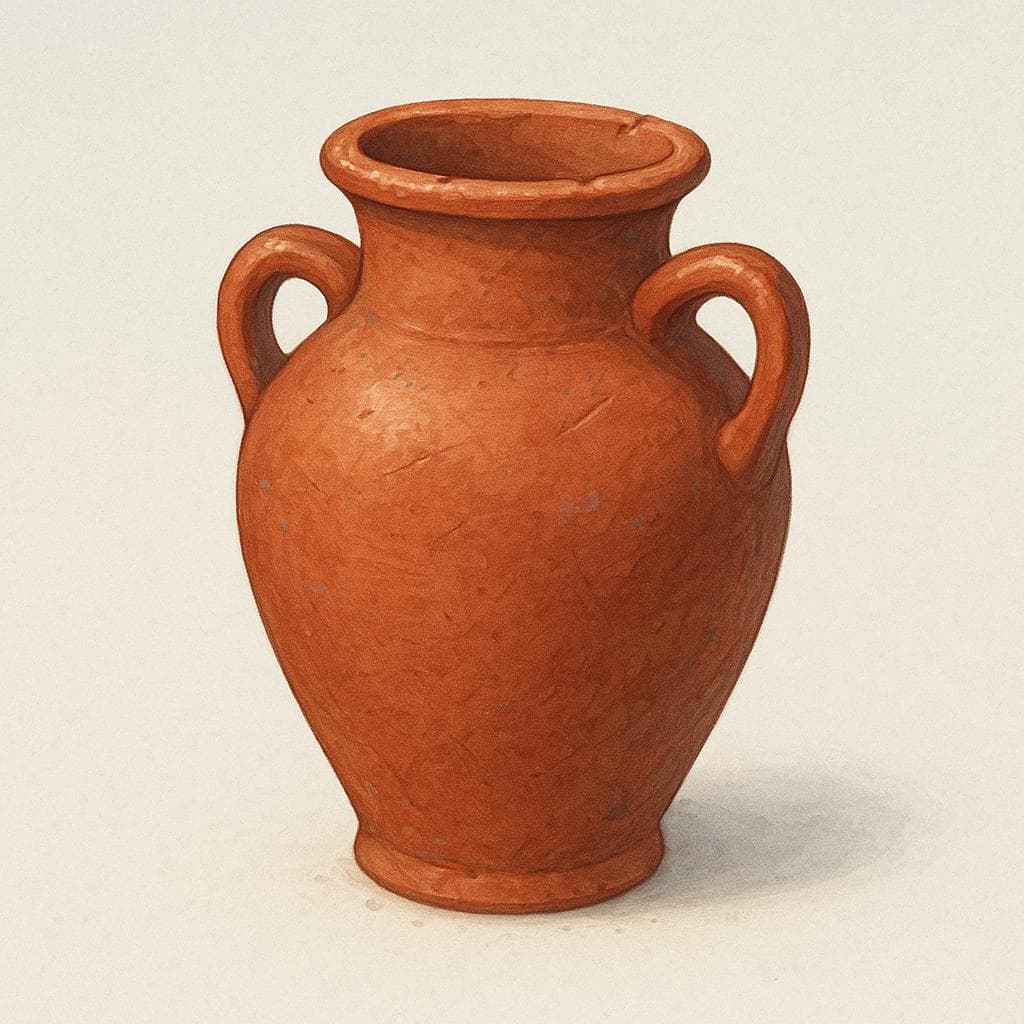
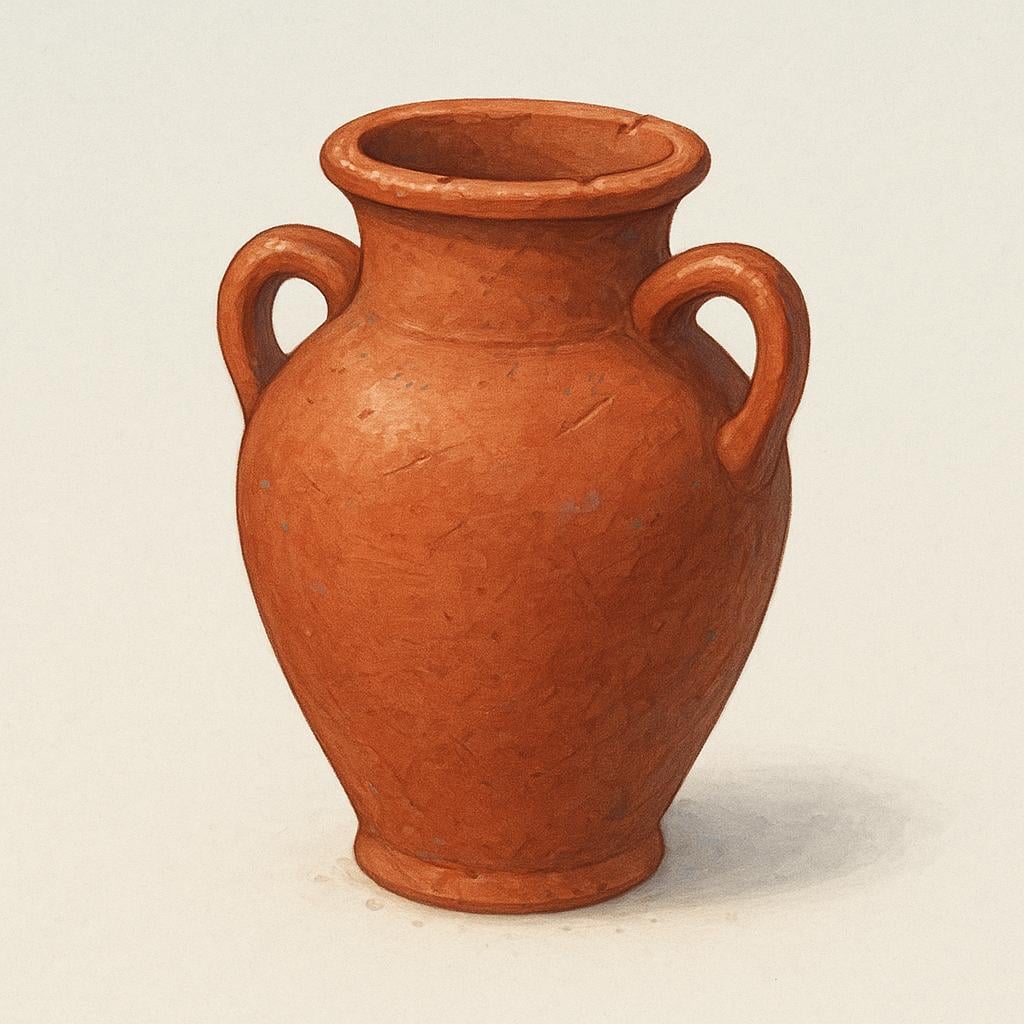
A dusty, cracked clay amphora sitting on a plain surface, illustrating age and history.

Depicting something 'old' or historical, like this ancient jar.

antiguos(Adjective)

mA2

old

?

referring to things or history

,

ancient

?

referring to historical civilizations or relics

Also:

antique

?

referring to valuable items

📝 In Action

Estos jarrones chinos son muy antiguos.

A2

These Chinese vases are very old/antique.

Los romanos eran pueblos antiguos que construyeron grandes ciudades.

B1

The Romans were ancient peoples who built great cities.

Word Connections

Synonyms

  • milenarios (millennial/age-old)
  • históricos (historic)

Antonyms

Common Collocations

  • documentos antiguosold documents
  • textos antiguosancient texts

💡 Grammar Points

Adjective Agreement

Since 'antiguos' ends in '-os', it must describe masculine, plural nouns (like 'libros' or 'monumentos').

❌ Common Pitfalls

Old vs. Worn Out

Mistake: "Using 'antiguos' for people or things that are just aged or worn out."

Correction: Use 'viejos' (old/aged) for people, or things that are just deteriorating. 'Antiguos' often suggests historical value or great age.

⭐ Usage Tips

Historical Context

When talking about history, civilizations, or artifacts, 'antiguos' is the perfect word to use.

A faded, curled blue ribbon lying on a wooden table next to a new, shiny gold badge, symbolizing a former status.

Showing something that was 'former' or previous, like this old ribbon that has been replaced.

antiguos(Adjective)

mB1

former

?

referring to a previous position or status

,

previous

?

referring to a past relationship

📝 In Action

Mis antiguos jefes me dieron una buena recomendación.

B1

My former bosses gave me a good recommendation.

Los antiguos alumnos visitaron la escuela.

B2

The previous students (alumni) visited the school.

Word Connections

Synonyms

  • anteriores (previous)
  • pasados (past)

Antonyms

  • actuales (current)

Common Collocations

  • antiguos colegasformer colleagues
  • antiguos noviosex-boyfriends

💡 Grammar Points

Placement is Key

When 'antiguos' is placed before the noun (e.g., 'antiguos amigos'), it means 'former' or 'previous.' When placed after the noun (e.g., 'amigos antiguos'), it means 'old' in age.

⭐ Usage Tips

Relationship Status

Use 'antiguos' before a noun to clearly indicate that the relationship or position is now over, like saying 'ex-.' For example, 'antiguos dueños' (former owners).

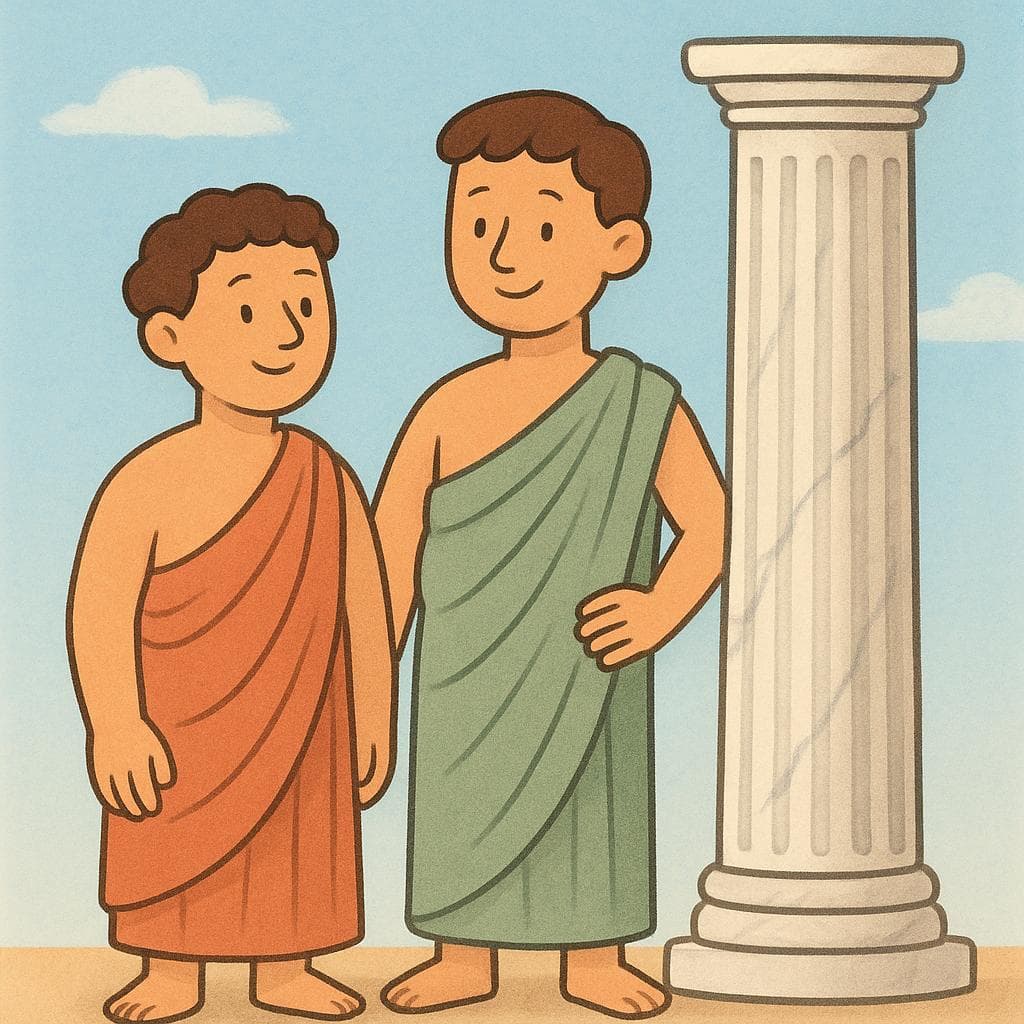
Two stylized figures wearing simple white togas standing next to a classical marble column, representing the ancients.

Representing 'the ancients,' or people from classical times.

antiguos(Noun)

mB2

the ancients

?

referring to people of classical times

Also:

ancestors

?

used formally or poetically

📝 In Action

Los antiguos nos dejaron un gran legado arquitectónico.

B2

The ancients left us a great architectural legacy.

Debemos aprender de los errores de nuestros antiguos.

C1

We must learn from the mistakes of our ancestors.

Word Connections

Synonyms

  • ancestros (ancestors)
  • predecesores (predecessors)

Antonyms

  • descendientes (descendants)

💡 Grammar Points

Adjective to Noun

In Spanish, you can often turn an adjective (like 'antiguo') into a noun (like 'los antiguos') by placing an article (like 'los') in front of it. This means 'the old ones' or 'the people who are ancient.'

⭐ Usage Tips

Formal/Historical Use

This noun form is best reserved for talking about historical figures, classical civilizations (like the Greeks or Egyptians), or traditions passed down through generations.

✏️ Quick Practice

💡 Quick Quiz: antiguos

Question 1 of 1

Which sentence uses 'antiguos' to mean 'former' or 'previous'?

📚 More Resources

Word Family

Frequently Asked Questions

What is the difference between 'antiguos' and 'viejos'?

'Antiguos' usually describes things that are old but historically important, or things that refer to a previous time or status (like a 'former boss'). 'Viejos' describes things or people that are simply aged, worn out, or elderly.

Can I use 'antiguos' to describe old people?

It is generally better to use 'viejos' or, more respectfully, 'personas mayores' (older people) or 'ancianos'. While 'antiguos' can refer to 'the ancients' (historical figures), it is not used in modern conversation to describe a person's age.