apagar
“apagar” means “turn off” in Spanish. It has 3 different meanings depending on context:
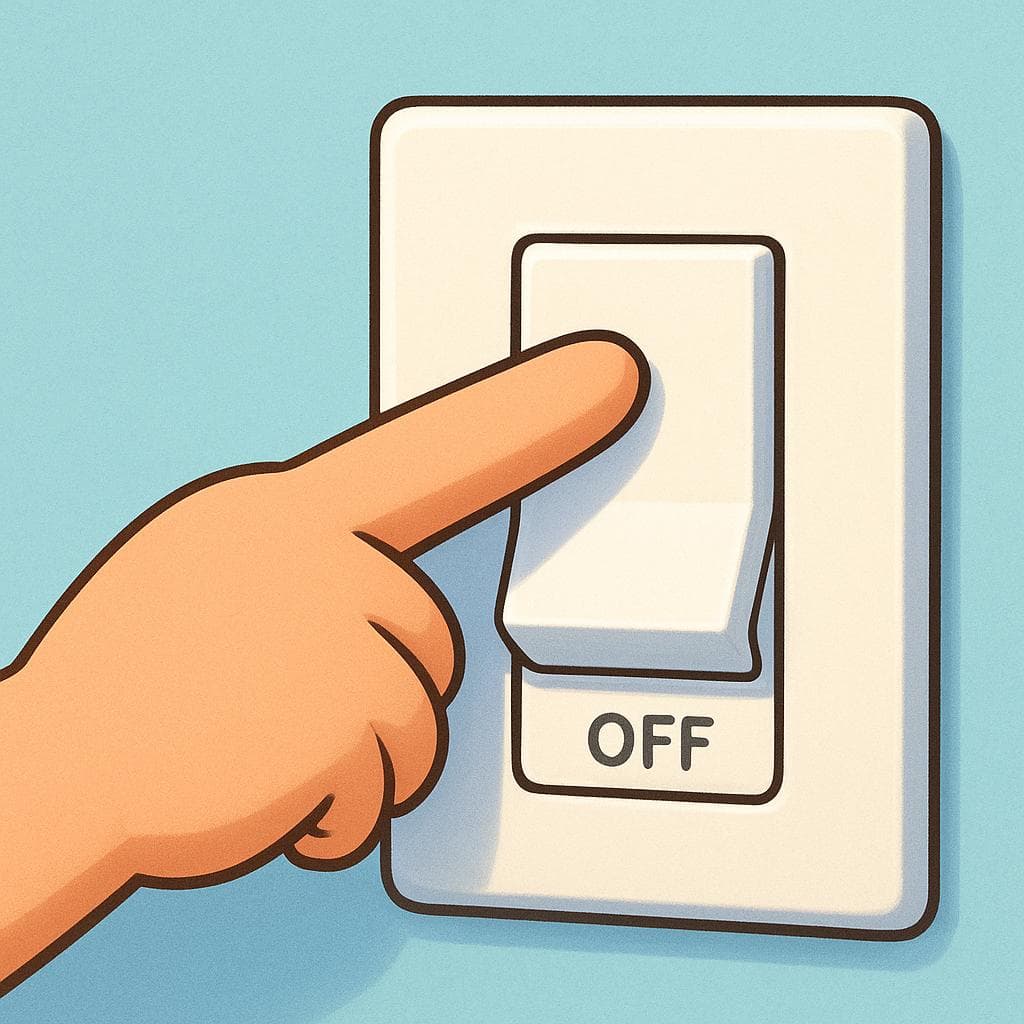

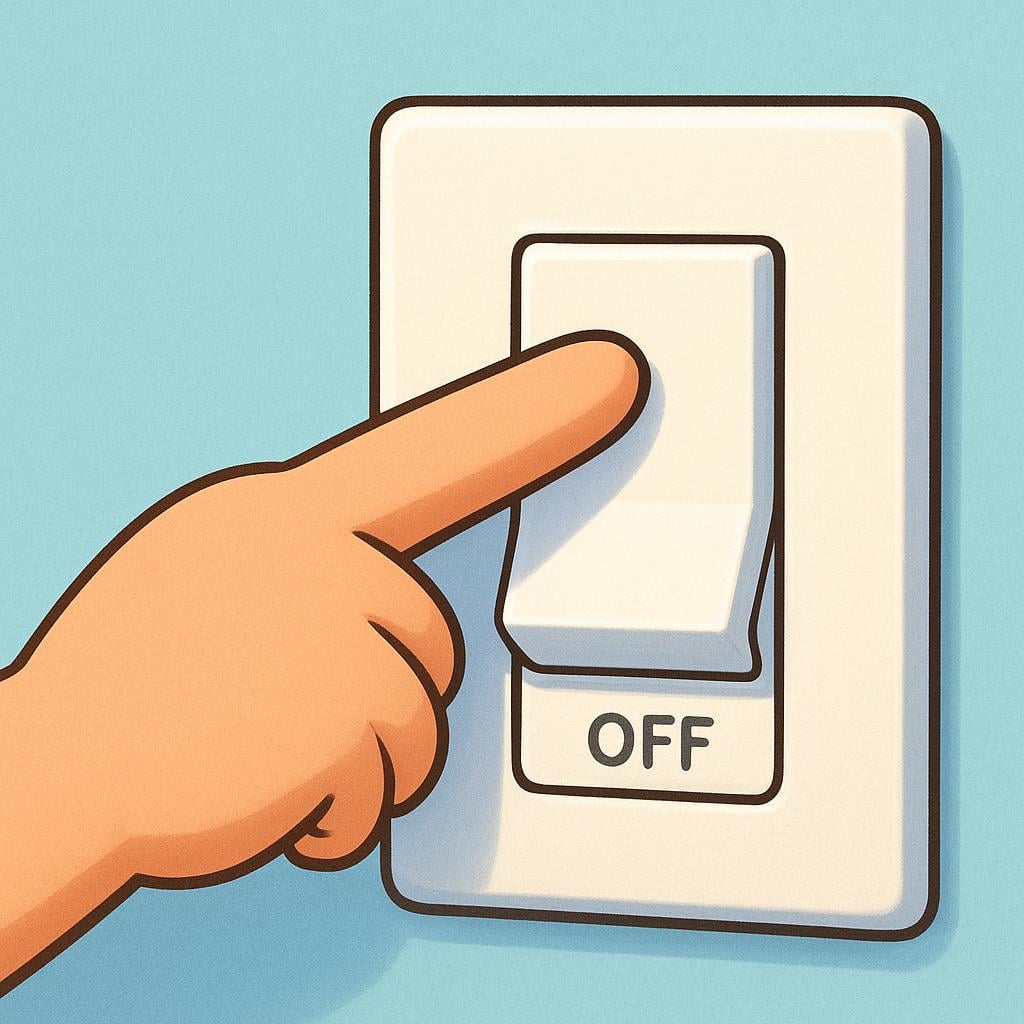
turn off, switch offAlso: shut down
📝 In Action
Por favor, apaga la luz antes de salir.
A1Please turn off the light before leaving.
Tienes que apagar el móvil en el cine.
A2You have to turn off your cell phone in the movie theater.
Apagué la computadora y me fui a casa.
A2I turned off the computer and went home.
Word Connections
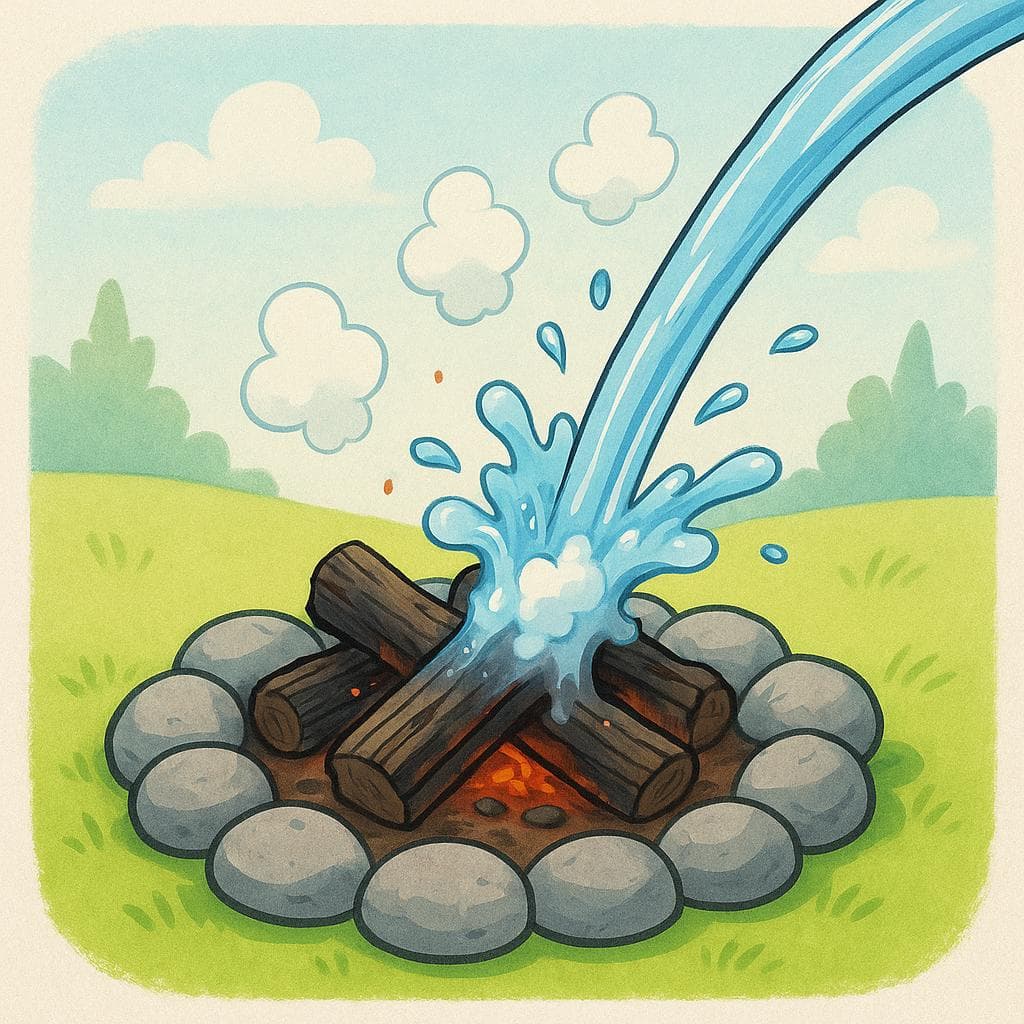
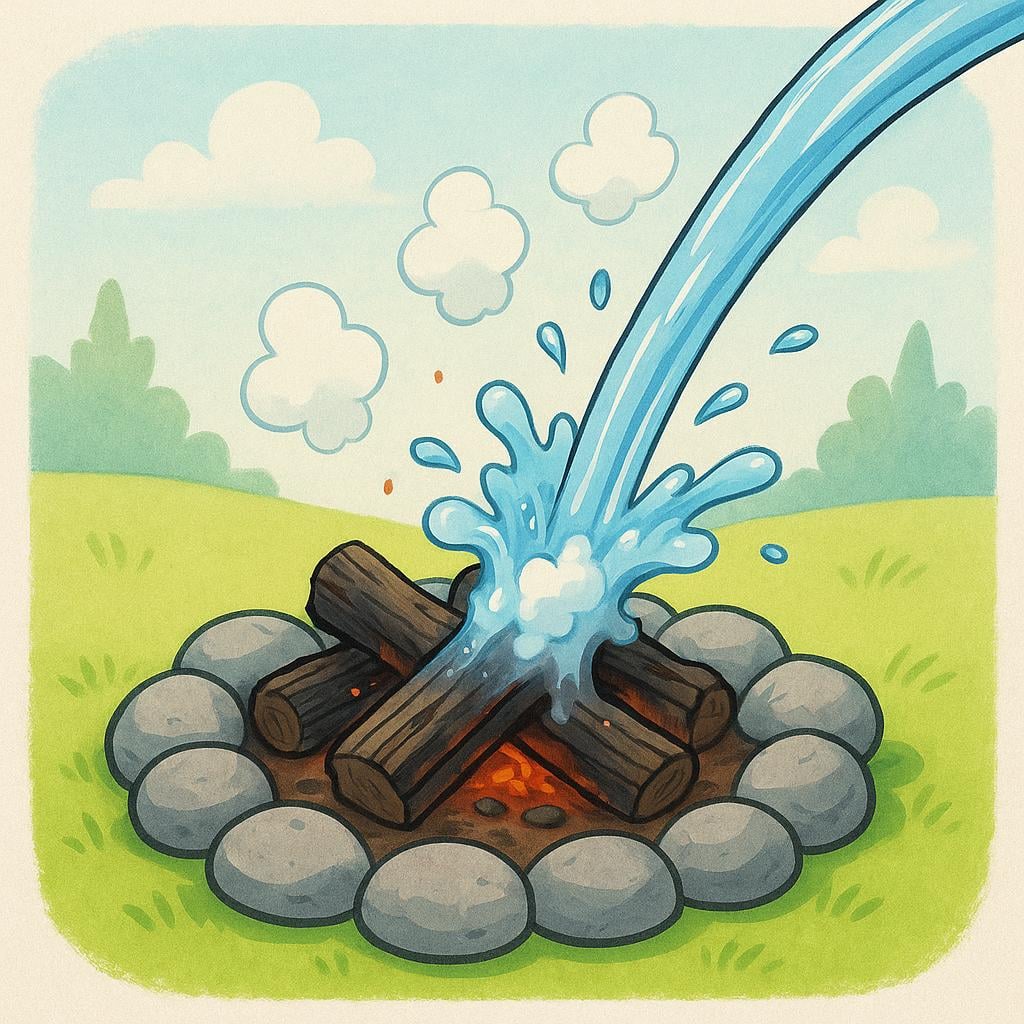
put out, extinguishAlso: douse
📝 In Action
Los bomberos tardaron horas en apagar el incendio.
B1The firefighters took hours to put out the fire.
Apaga las velas antes de irte a dormir.
A2Extinguish the candles before going to sleep.
Usaron arena para apagar el fuego pequeño.
B1They used sand to put out the small fire.
Word Connections
quench, dampenAlso: satisfy

📝 In Action
Este jugo frío es perfecto para apagar la sed.
B2This cold juice is perfect for quenching your thirst.
La lluvia no logró apagar el ruido de la fiesta.
C1The rain didn't manage to dampen the noise of the party.
Su tristeza apagó su deseo de viajar.
C1His sadness extinguished his desire to travel.
Word Connections
Indicative
Present
Imperfect
Preterite
Subjunctive
Present Subjunctive
Imperfect Subjunctive
🔀 Commonly Confused With
Translate to Spanish
Words that translate to "apagar" in Spanish:
✏️ Quick Practice
Quick Quiz: apagar
Question 1 of 2
Which sentence uses 'apagar' in its metaphorical sense?
📚 More Resources
👥 Word Family
📚 Etymology
The word comes from the Latin verb *pacare*, meaning 'to pacify' or 'to make peaceful.' Over time, with the prefix 'a-', it evolved in Spanish to mean 'to stop' or 'to cease movement or light,' literally bringing something to a peaceful, inactive state.
First recorded: Medieval Spanish (around 13th century)
Cognates (Related words)
💡 Master Spanish
Take your Spanish to the next level. Read 200+ illustrated and narrated Spanish stories tailored to your level with the Inklingo app!
Frequently Asked Questions
What is the difference between 'apagar' and 'cerrar'?
'Apagar' means to turn off power (lights, electronics, fire). 'Cerrar' means to close something physically (a door, a window, a book). You 'apagas' the TV, but you 'cierras' the door.
How do I say 'to turn myself off' or 'to calm down'?
You can use the reflexive form 'apagarse' to mean 'to go out' (like a flame) or, metaphorically, 'to fade away' or 'to become quiet.' For calming down, 'calmarse' or 'tranquilizarse' are better choices.