encender
“encender” means “turn on” in Spanish. It has 3 different meanings depending on context:
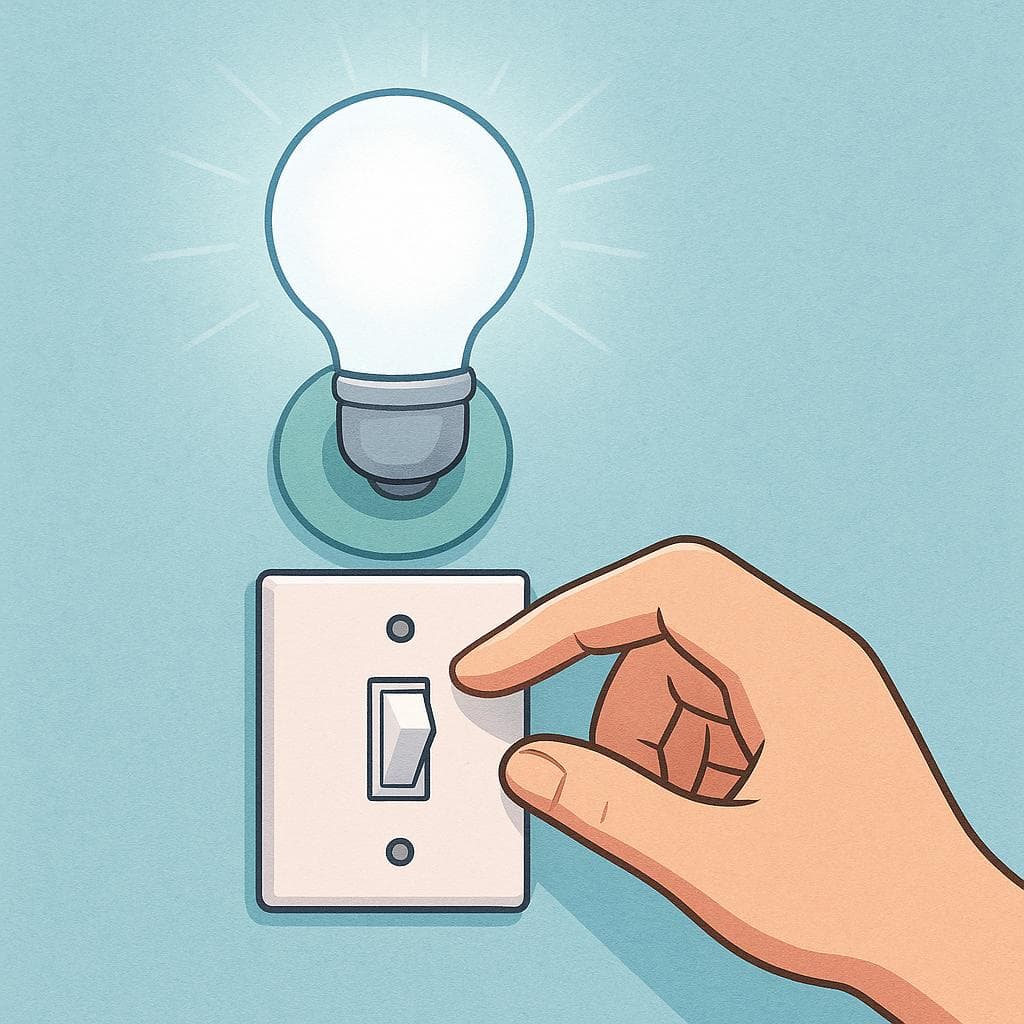

turn on, switch onAlso: start

📝 In Action
Por favor, ¿puedes encender la televisión?
A1Please, can you turn on the television?
Siempre enciendo las luces antes de que oscurezca.
A2I always switch on the lights before it gets dark.
Mi coche no enciende por el frío.
B1My car won't start because of the cold.
Word Connections
light, ignite
📝 In Action
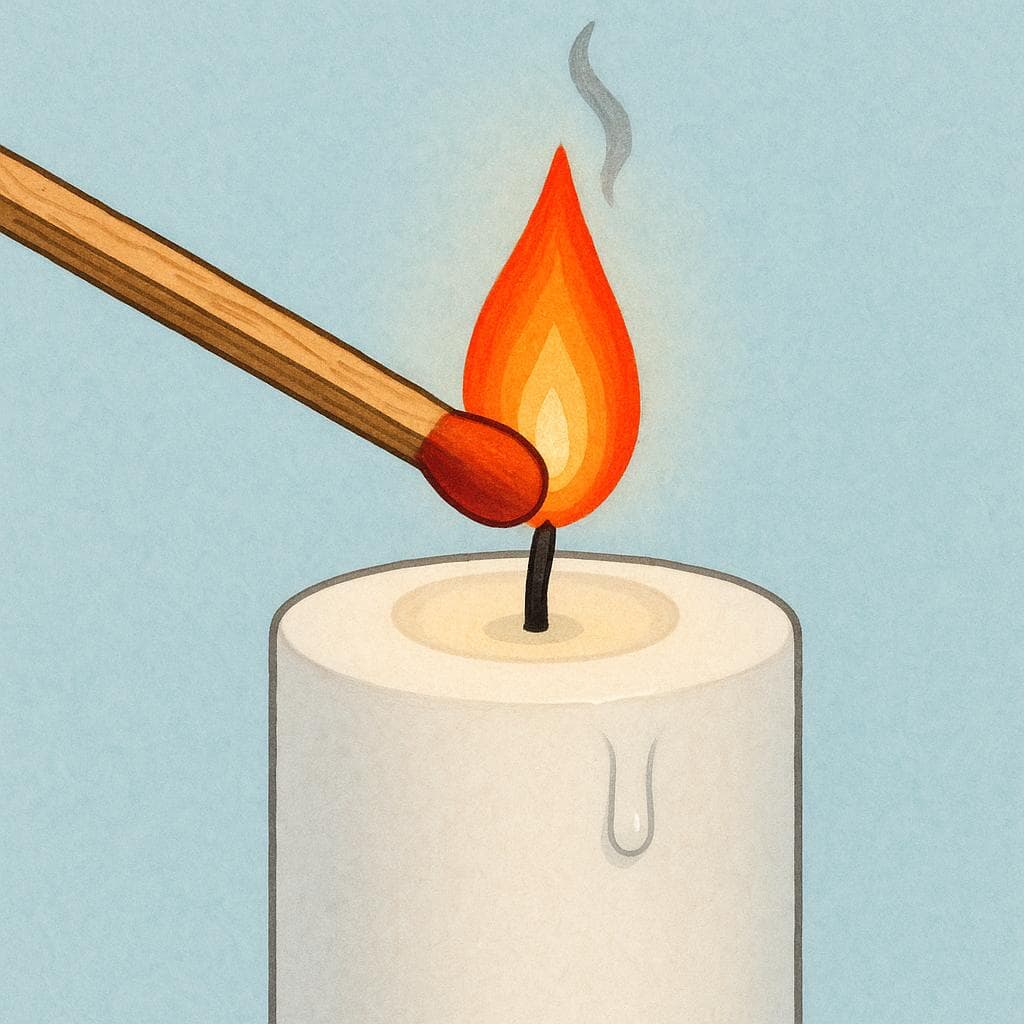
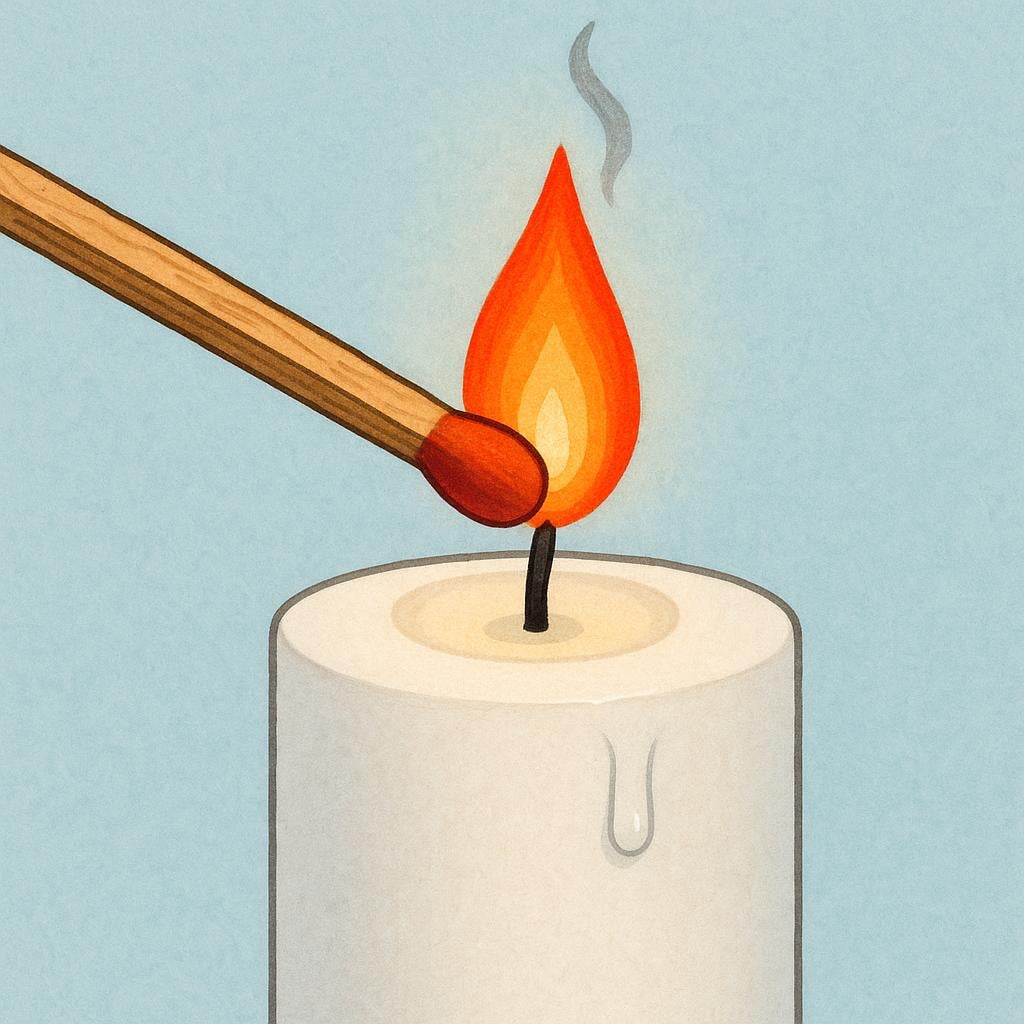
Necesitamos leña para encender la fogata.
A2We need firewood to light the bonfire.
Él encendió un cigarrillo después de la cena.
B1He lit a cigarette after dinner.
Word Connections
ignite, arouseAlso: stir up

📝 In Action
La injusticia encendió la rabia de los manifestantes.
B1The injustice ignited the protesters' rage.
Esa canción siempre me enciende la nostalgia.
B2That song always stirs up nostalgia in me.
Word Connections
Indicative
Present
Imperfect
Preterite
Subjunctive
Present Subjunctive
Imperfect Subjunctive
🔀 Commonly Confused With
Translate to Spanish
✏️ Quick Practice
Quick Quiz: encender
Question 1 of 2
Which sentence uses 'encender' in its figurative meaning?
📚 More Resources
👥 Word Family
📚 Etymology
Comes directly from the Latin verb *incendere*, which literally meant 'to set on fire' or 'to kindle.' This perfectly explains the modern Spanish meanings of lighting a match and turning on a light.
First recorded: 13th century
Cognates (Related words)
💡 Master Spanish
Take your Spanish to the next level. Read 200+ illustrated and narrated Spanish stories tailored to your level with the Inklingo app!
Frequently Asked Questions
¿Cuál es la diferencia entre 'encender' y 'prender'?
Both mean 'to turn on' or 'to light.' 'Encender' is used everywhere, but 'prender' is extremely common in many parts of Latin America, especially for devices and lights. You can usually use them interchangeably.
How do I say 'The light is on'?
You use the past participle 'encendido' with the verb 'estar': 'La luz está encendida.' Remember to match the ending to the gender of the noun (encendida for 'la luz').