How to Say "turn on" in Spanish
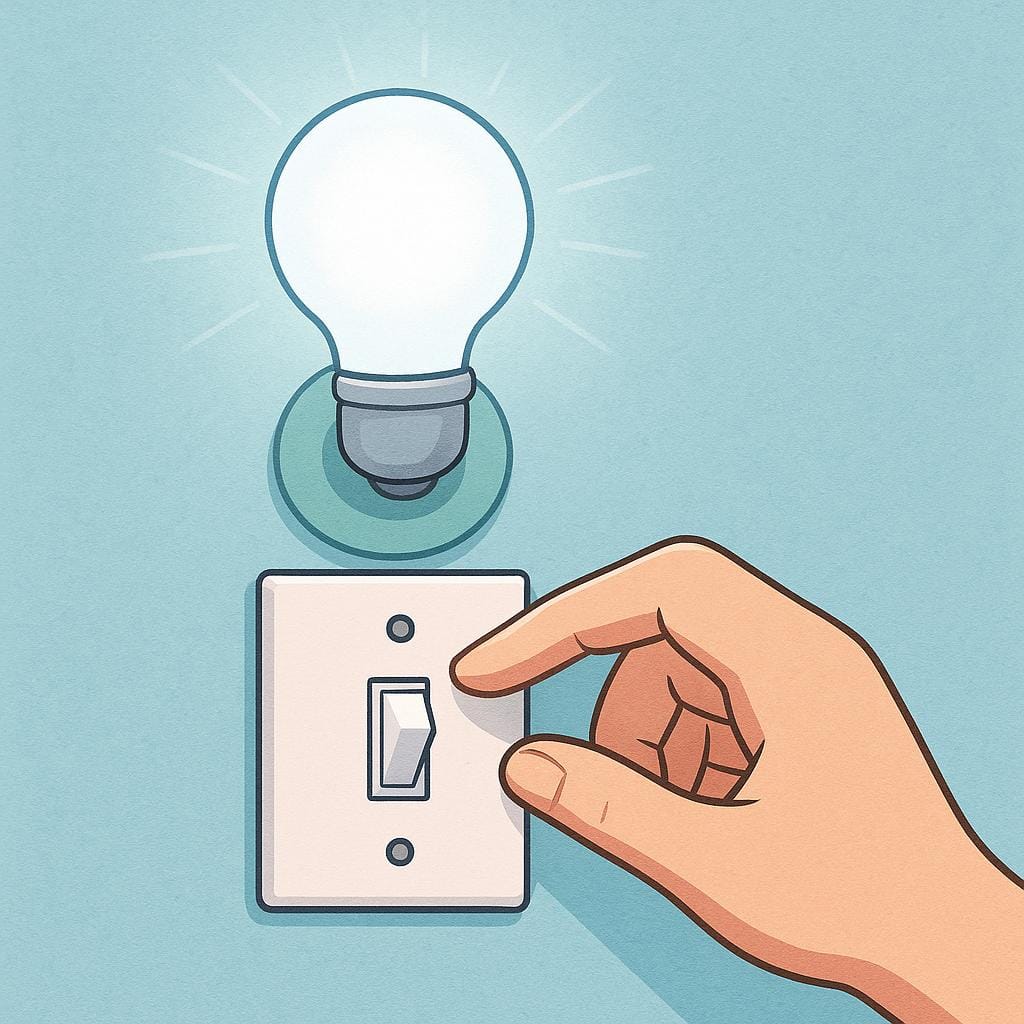
The most common Spanish word for “turn on” is “encender” — use 'encender' for general purposes when turning on lights, electronic devices, or appliances.
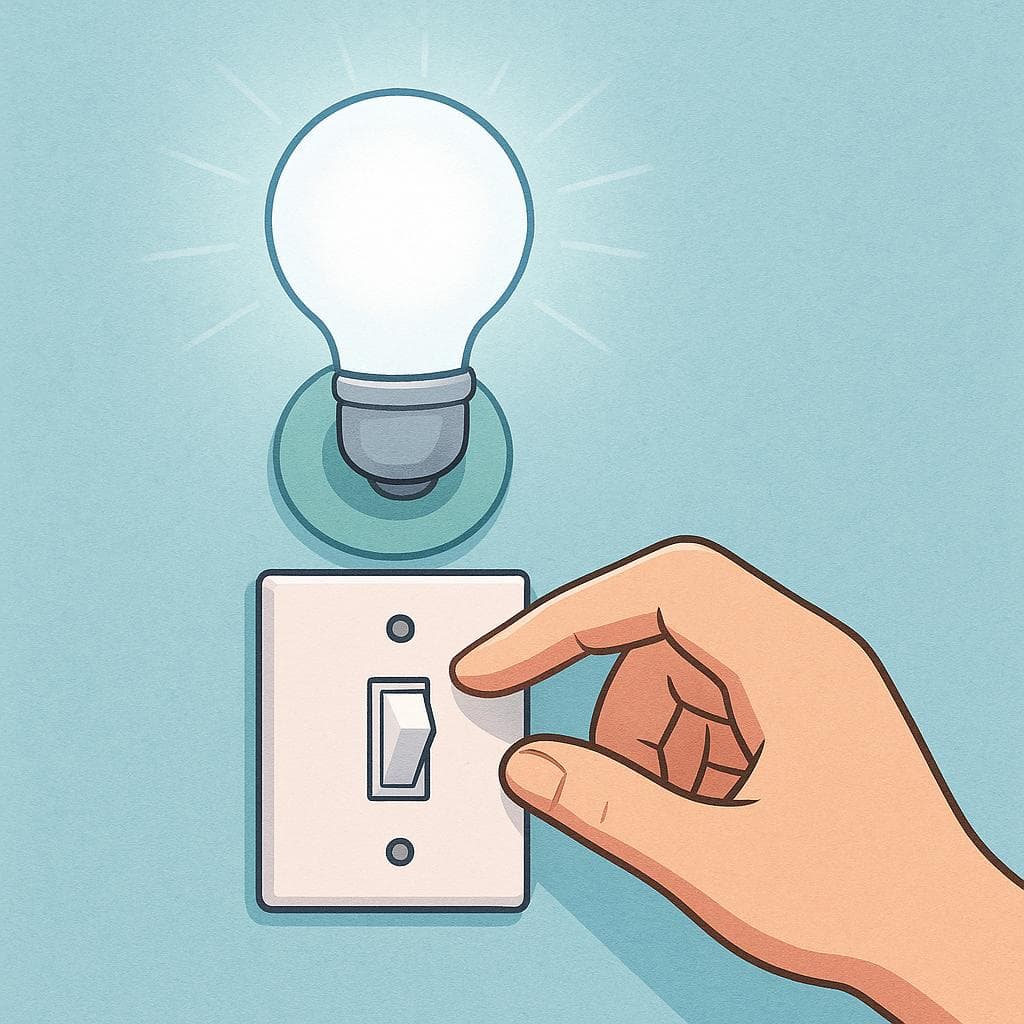

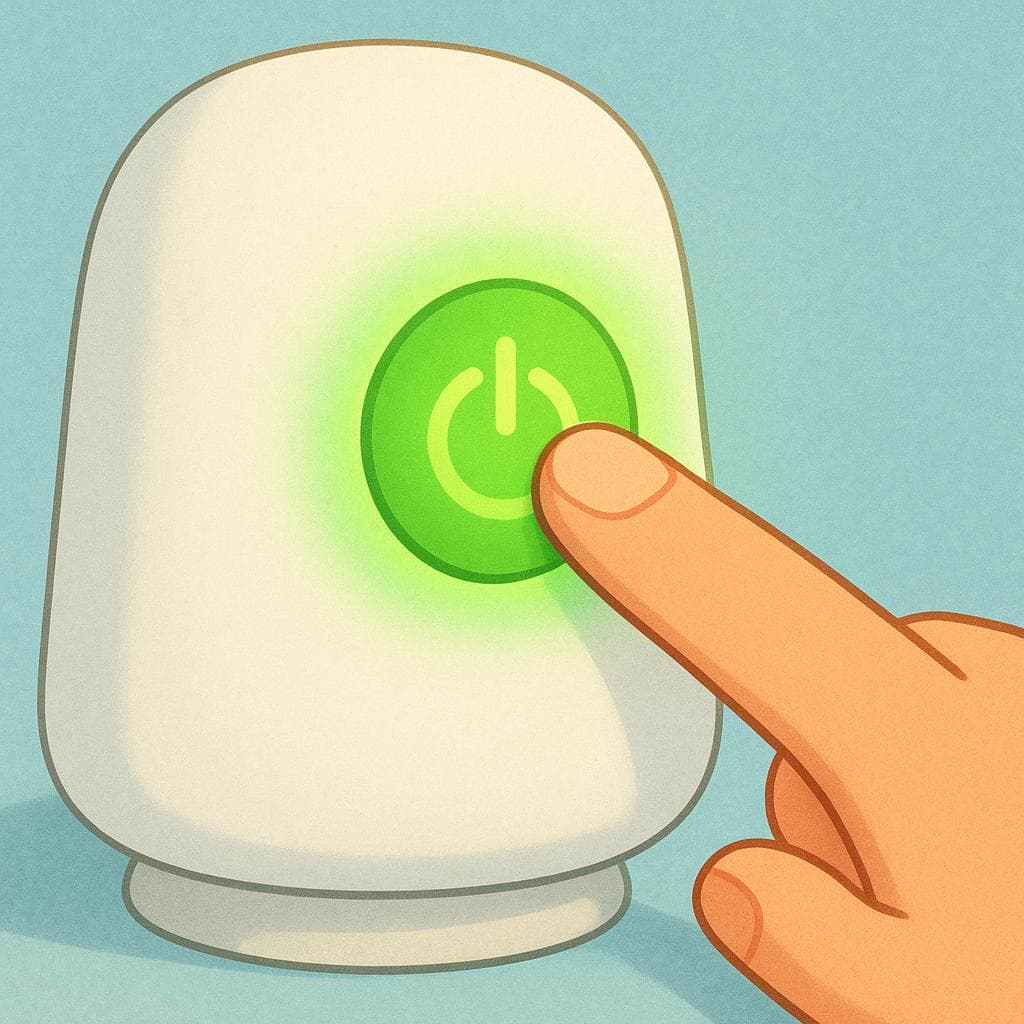
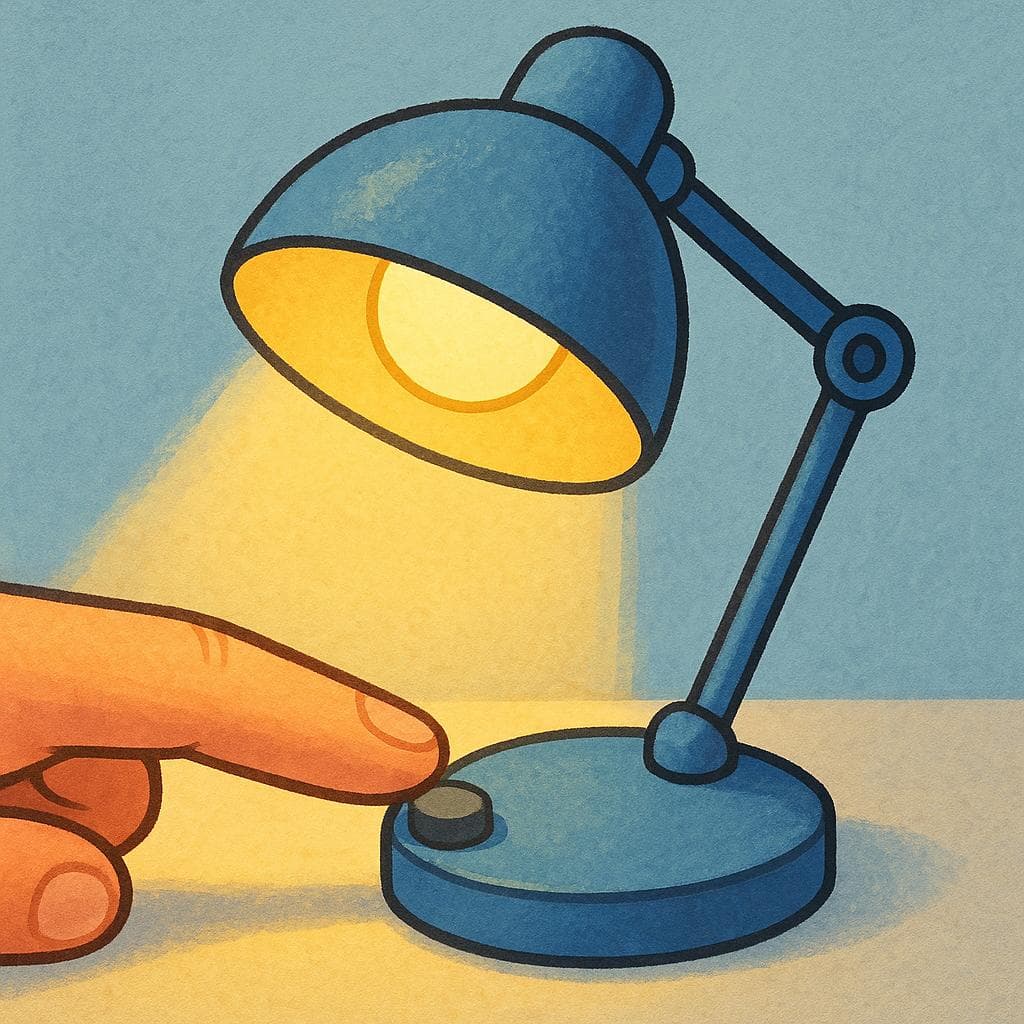
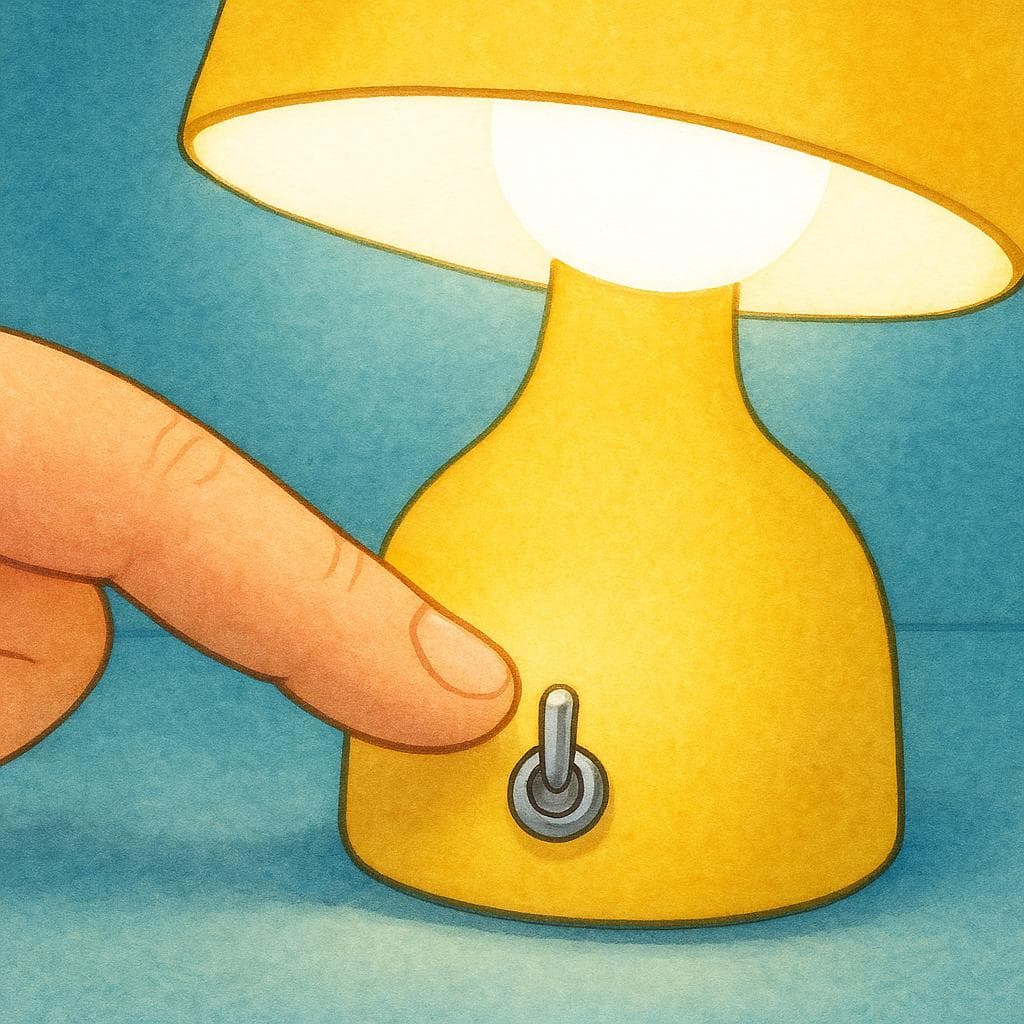
encender
en-sen-DEHRen.senˈdeɾ
Examples
Por favor, ¿puedes encender la televisión?
Please, can you turn on the television?
Siempre enciendo las luces antes de que oscurezca.
I always switch on the lights before it gets dark.
Mi coche no enciende por el frío.
My car won't start because of the cold.
The 'E to IE' Trick
In the present tense, the 'e' in the middle of 'encender' changes to 'ie' (enciendo). This happens for almost all subjects except 'nosotros' and 'vosotros'.
Forgetting the Stem Change
Mistake: “Yo encendo la luz.”
Correction: Yo enciendo la luz. (The 'e' must change to 'ie' in the present tense to sound natural.)
enciende
en-SYEN-deenˈsjen̪.d̪e

Examples
Ella siempre enciende la radio cuando cocina.
She always turns on the radio when she cooks.
Disculpe, ¿usted enciende el aire acondicionado?
Excuse me, are you turning on the air conditioning?
¡Enciende la pantalla para ver la película!
Turn on the screen to watch the movie!
Dual Role of Enciende
This single form, 'enciende', can mean two things: 'he/she/it turns on' (describing an action) OR 'turn on!' (a direct command to 'tú').
Stem Change (e > ie)
The vowel 'e' in the middle of the verb 'encender' changes to 'ie' in most forms, except for the 'nosotros' and 'vosotros' forms.
Forgetting the Stem Change
Mistake: “Usando 'él encende' en lugar de 'él enciende'.”
Correction: Always remember the 'e' becomes 'ie' when the stress falls on that syllable: 'enciende'.
pon
ponpon
Examples
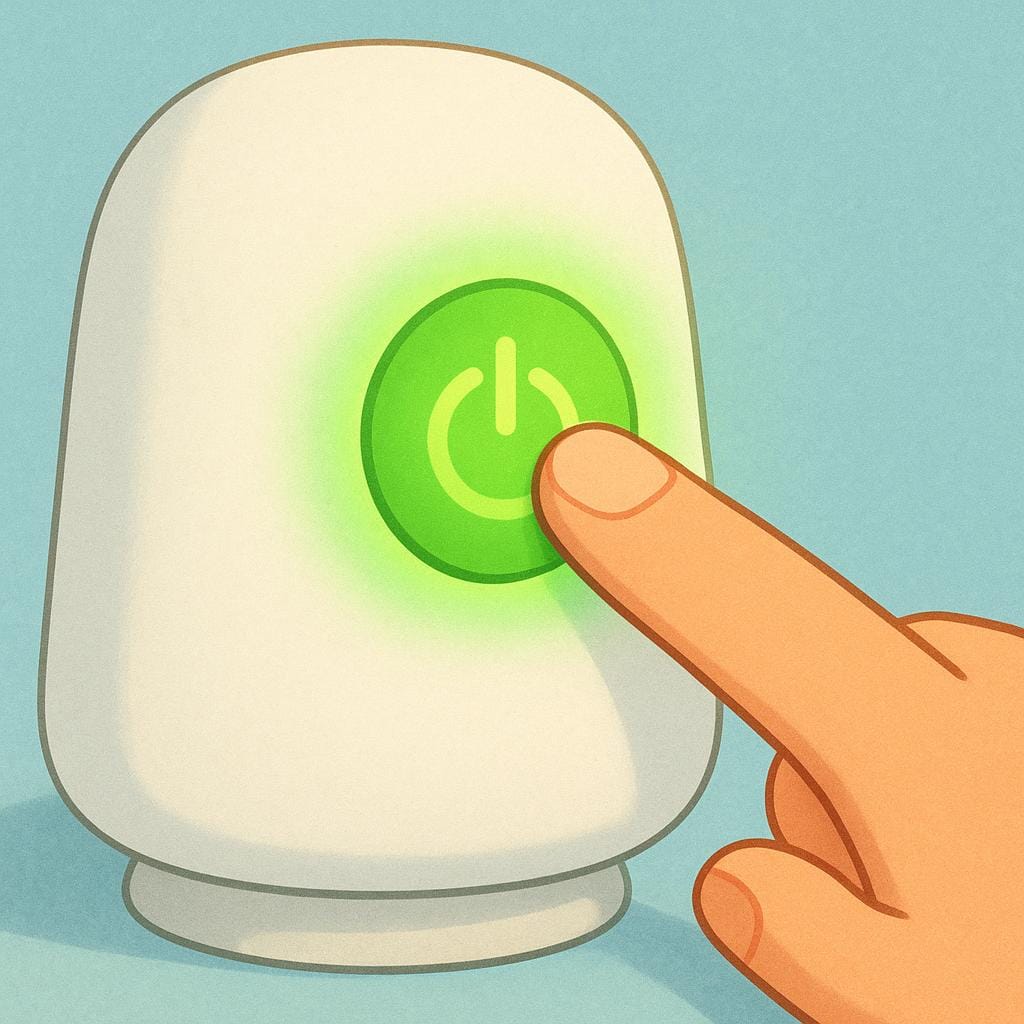
¡Pon la televisión, por favor! Quiero ver las noticias.
Turn on the TV, please! I want to watch the news.
¡Pon mucha crema solar! El sol está muy fuerte.
Put on a lot of sunscreen! The sun is very strong.
Pon tu alarma para las siete de la mañana.
Set your alarm for seven in the morning.
Using 'Poner' for Technology
In many Spanish-speaking regions, 'poner' (pon) is the most common verb used to tell someone to turn on a TV, radio, or music, instead of the more literal 'encender'.
ponga
pon-gaˈpoŋɡa
Examples
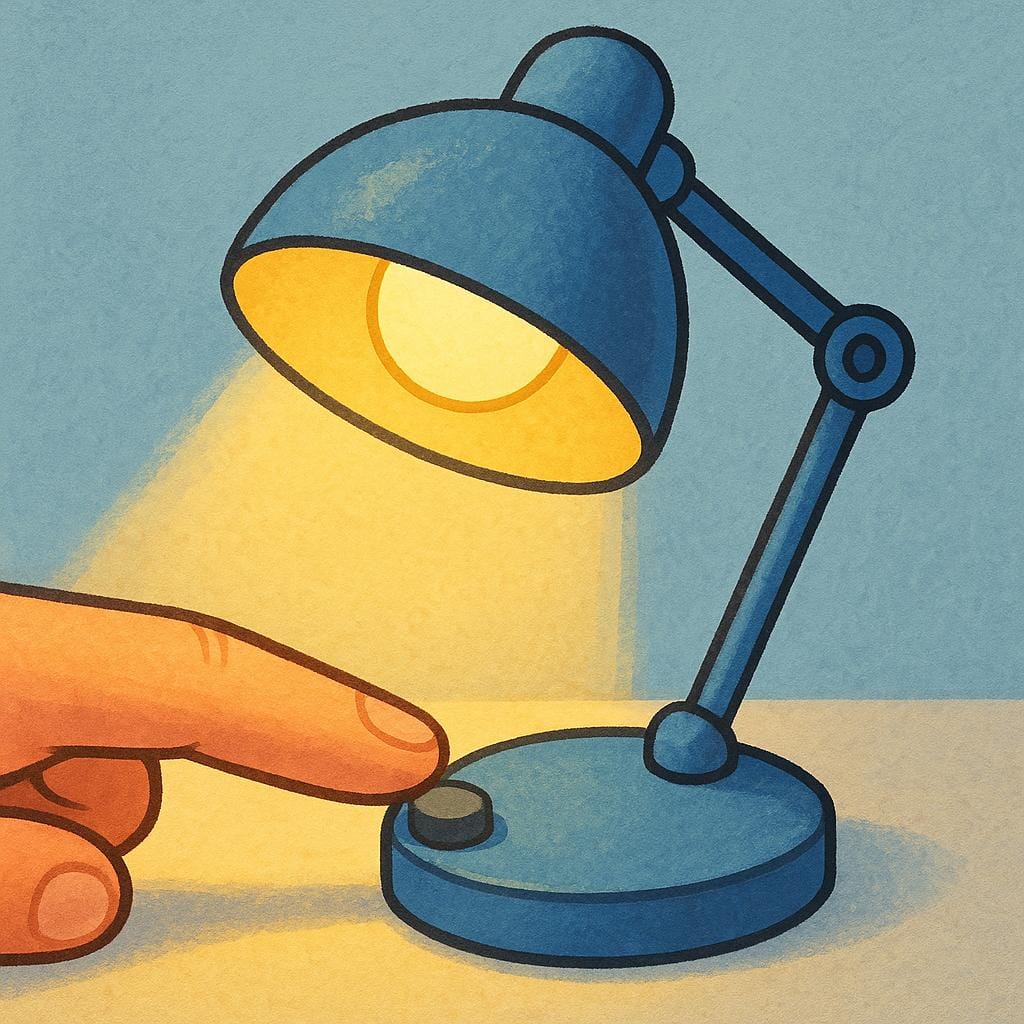
Ponga su canción favorita ahora.
Play your favorite song now (formal command).
El doctor sugirió que ponga hielo en la rodilla.
The doctor suggested that I/he put ice on the knee (Subjunctive necessity).
Si usted no ponga interés, no lo entenderá.
If you don't apply interest, you won't understand it.
Indirect Commands for Media
In Spanish, you don't 'turn on' music; you 'put' the radio or music on. Use 'ponga' for this formal instruction: 'Ponga la radio' (Turn on the radio).
Literal Translation of 'turn on'
Mistake: “Encienda la música.”
Correction: Ponga la música. (While 'encender' means to turn on, 'poner' is much more natural when referring to playing media.)
pongan
POHN-gahnˈpoŋ.ɡan
Examples
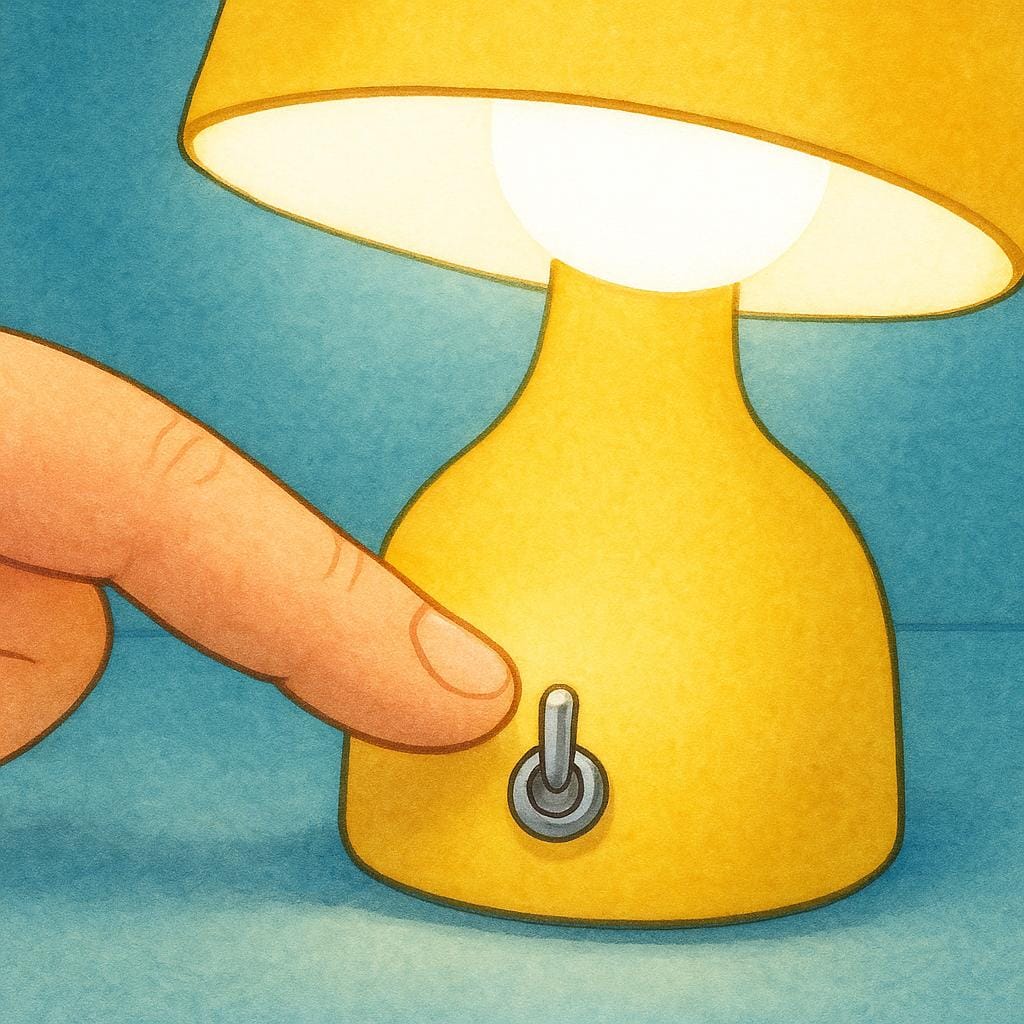
¡Que pongan la música ya!
They should play the music already!
Les pedimos que pongan la calefacción.
We ask you all to turn on the heating.
Cuando lleguen, pongan ese canal de noticias.
When you all arrive, turn on that news channel.
Mixing up 'poner' and 'encender'
Mistake: “Sometimes learners use 'encender' (to light/turn on) for media, when 'poner' is more common.”
Correction: Use 'poner' (pongan) when you mean 'play' or 'put on' a movie, show, or music. Use 'encender' for simple light switches.
Confusing 'encender' with 'poner' forms
Learn Spanish with Inklingo
Interactive stories, personalized learning, and more.