How to Say "put" in Spanish
The most common Spanish word for “put” is “puesto” — use 'puesto' when forming the present perfect tense to indicate that something has been placed, like 'I have put'.

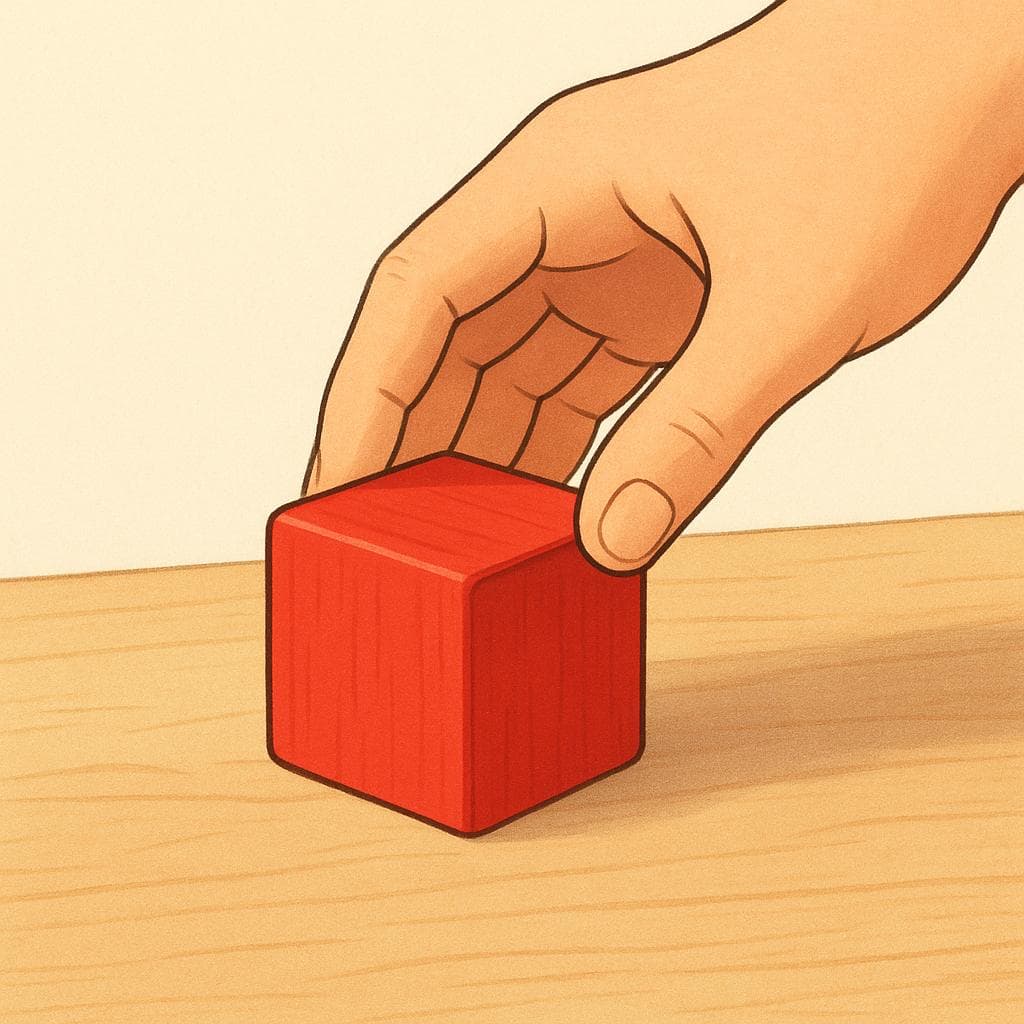
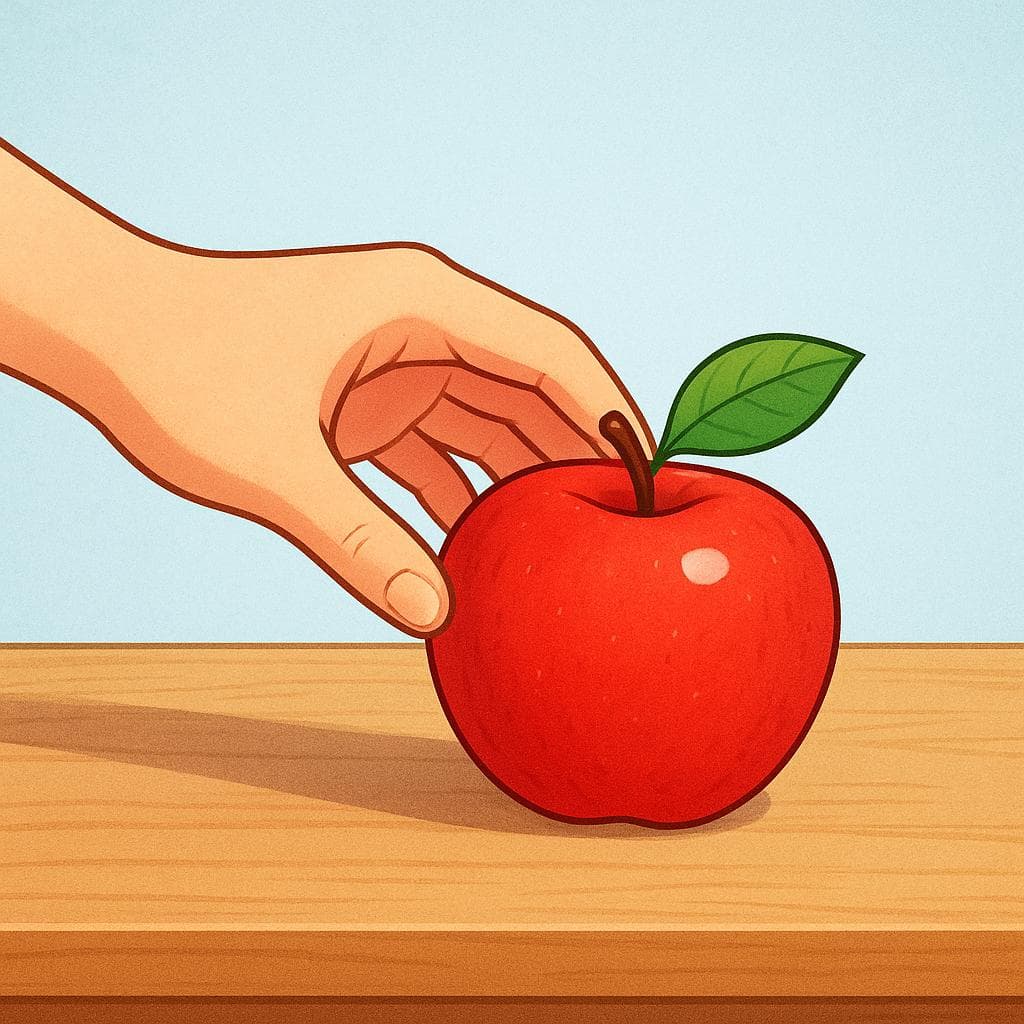
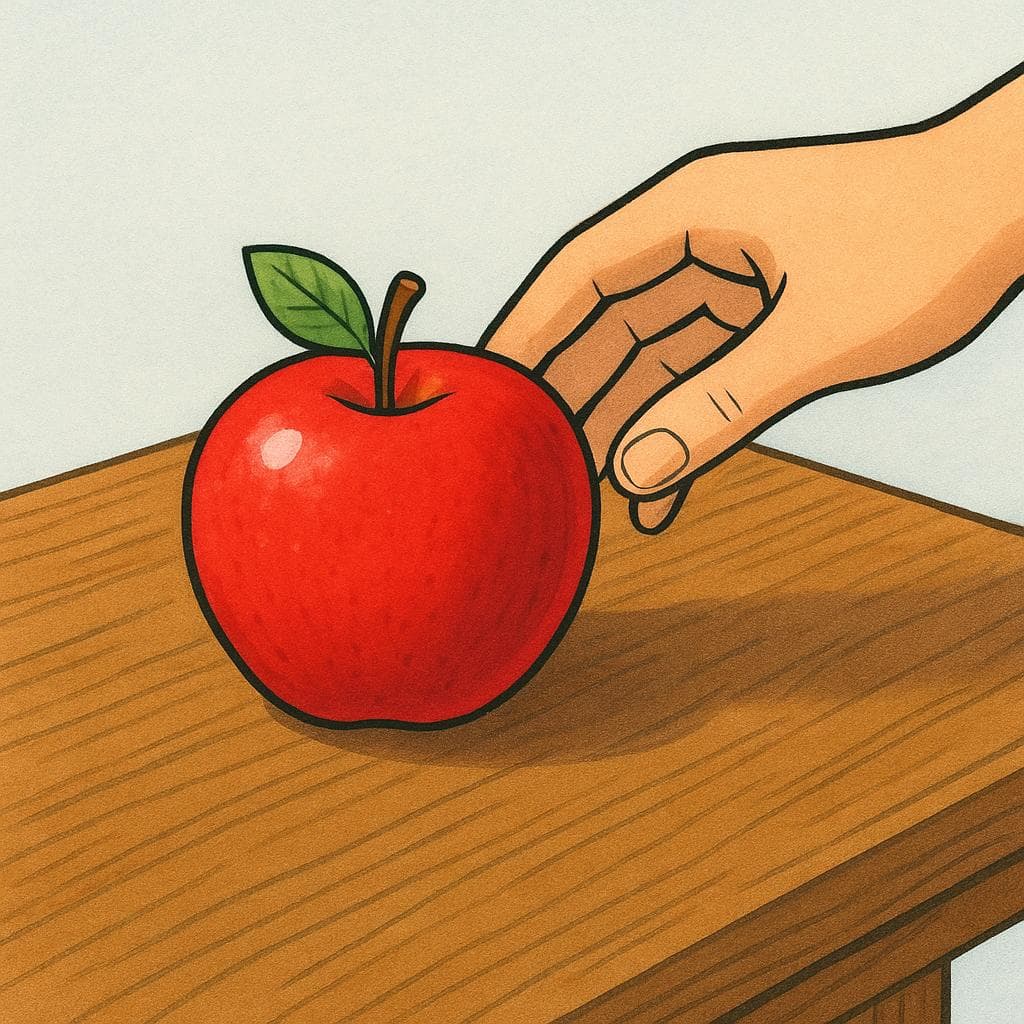
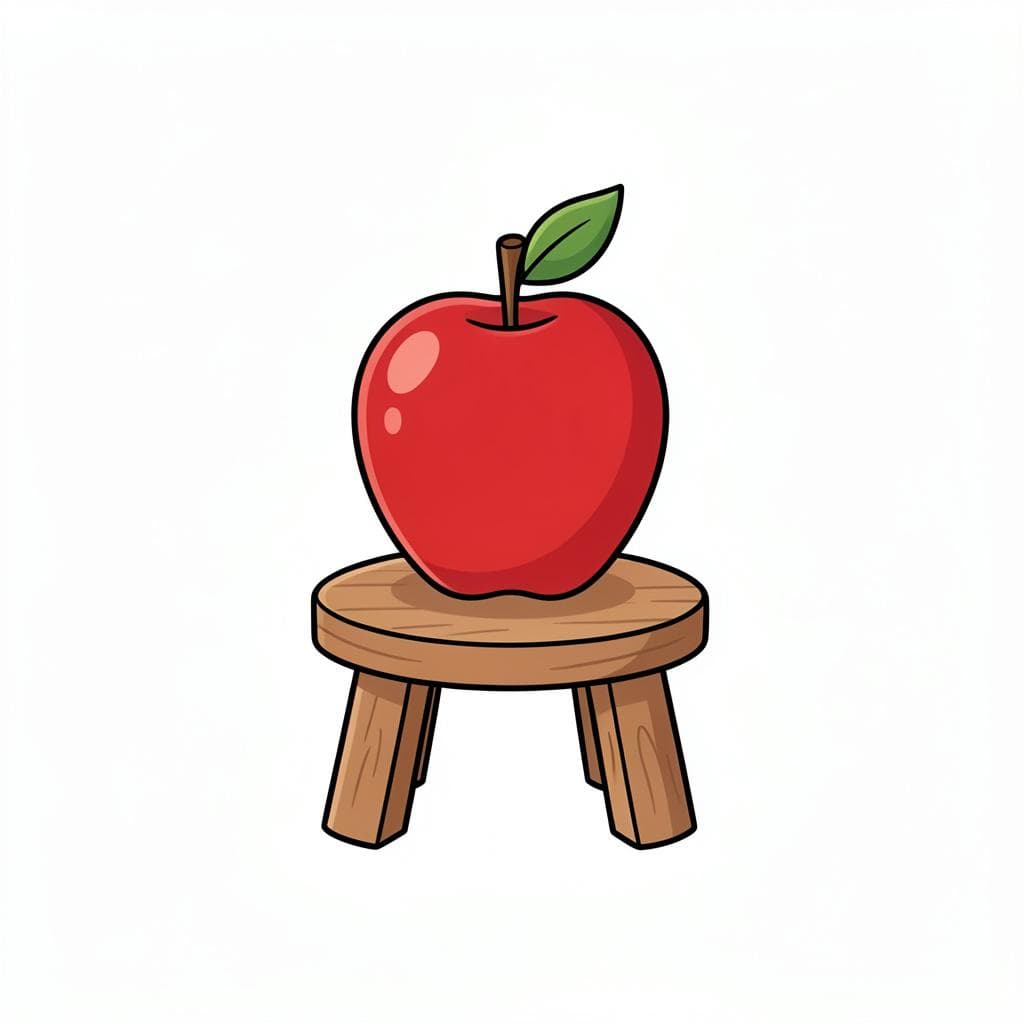

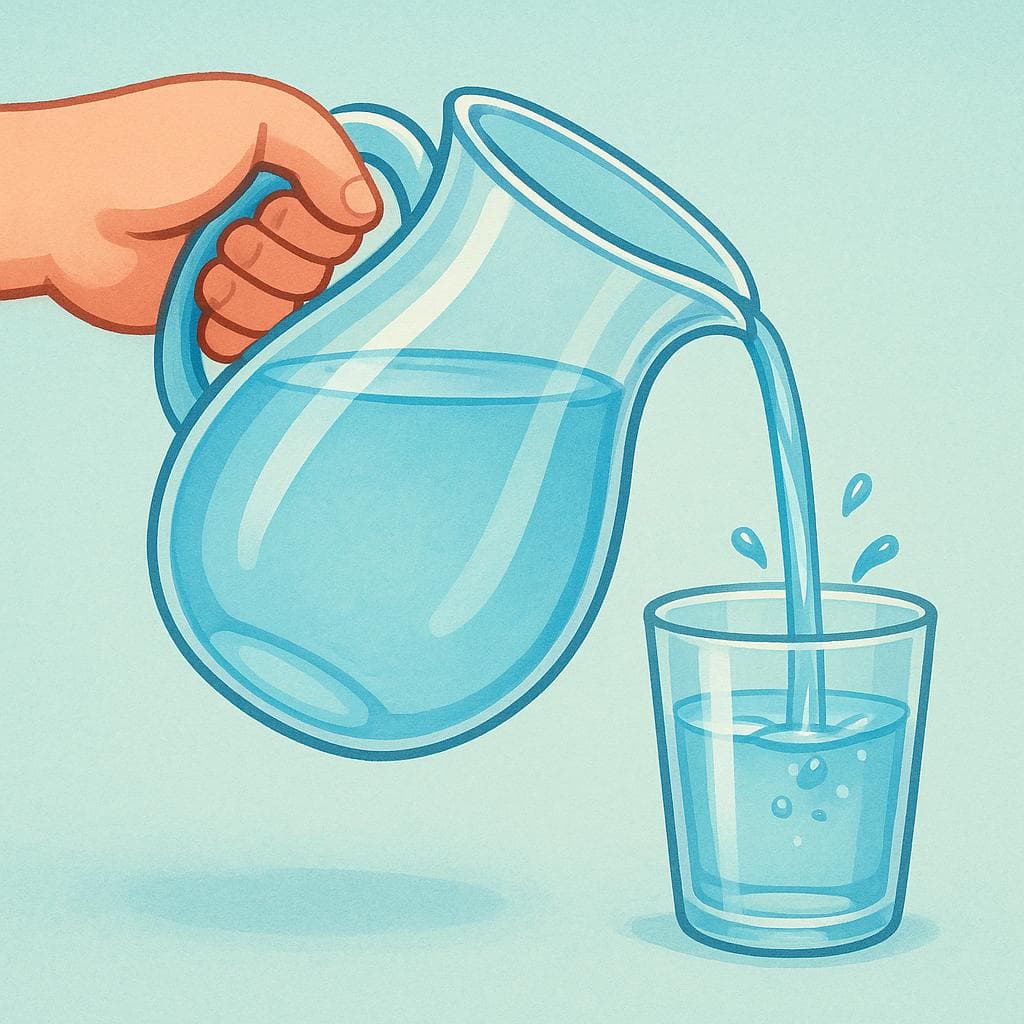

puesto
PWES-tohˈpwesto

Examples
He puesto las llaves sobre la mesa.
I have put the keys on the table.
¿Dónde has puesto mi libro?
Where have you put my book?
Nunca habíamos puesto un pie en esta ciudad.
We had never set foot in this city.
The 'Have Done' Form
This is the special form of 'poner' (to put) that you use with the helper verb 'haber' (to have) to talk about things that 'have happened.' For example, 'he puesto' means 'I have put'.
It Doesn't Change Here
When used with 'haber' to form a main verb (like in 'he puesto'), 'puesto' always stays the same. It doesn't change for masculine or feminine things.
Irregular vs. Regular
Mistake: “A common mistake is trying to make a regular form, like 'ponido'.”
Correction: The verb 'poner' is irregular, so its past participle is always 'puesto'. Just remember: 'poner' -> 'puesto'.
pon
ponpon
Examples
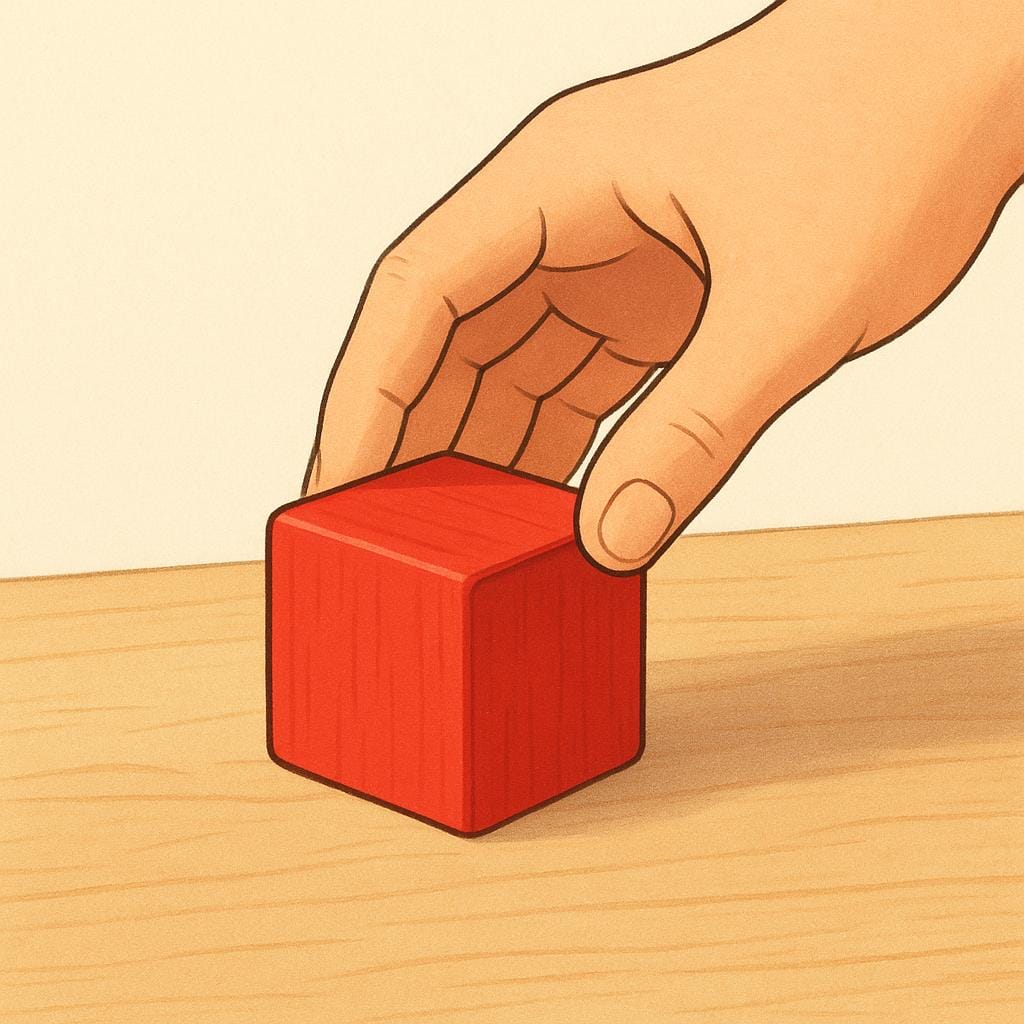
¡Pon la mesa ahora mismo! Vamos a cenar.
Set the table right now! We are going to have dinner.
Pon el vaso sobre el posavasos, por favor.
Put the glass on the coaster, please.
Cuando llegues, pon las llaves en el gancho de la entrada.
When you arrive, put the keys on the hook by the entrance.
The 'Irregular Eight' Commands
'Pon' is one of eight highly irregular informal (tú) affirmative commands. You just have to memorize it! It does not follow the normal pattern of verb endings.
Pronoun Placement
When you use 'pon' with words like 'lo' or 'la' (it), they always stick directly onto the end of the command: 'Ponlo aquí' (Put it here).
Using the 'er' Ending
Mistake: “Pones el libro allí.”
Correction: ¡Pon el libro allí! The form 'pones' is used for regular statements, not direct commands.
ponga
pon-gaˈpoŋɡa
Examples
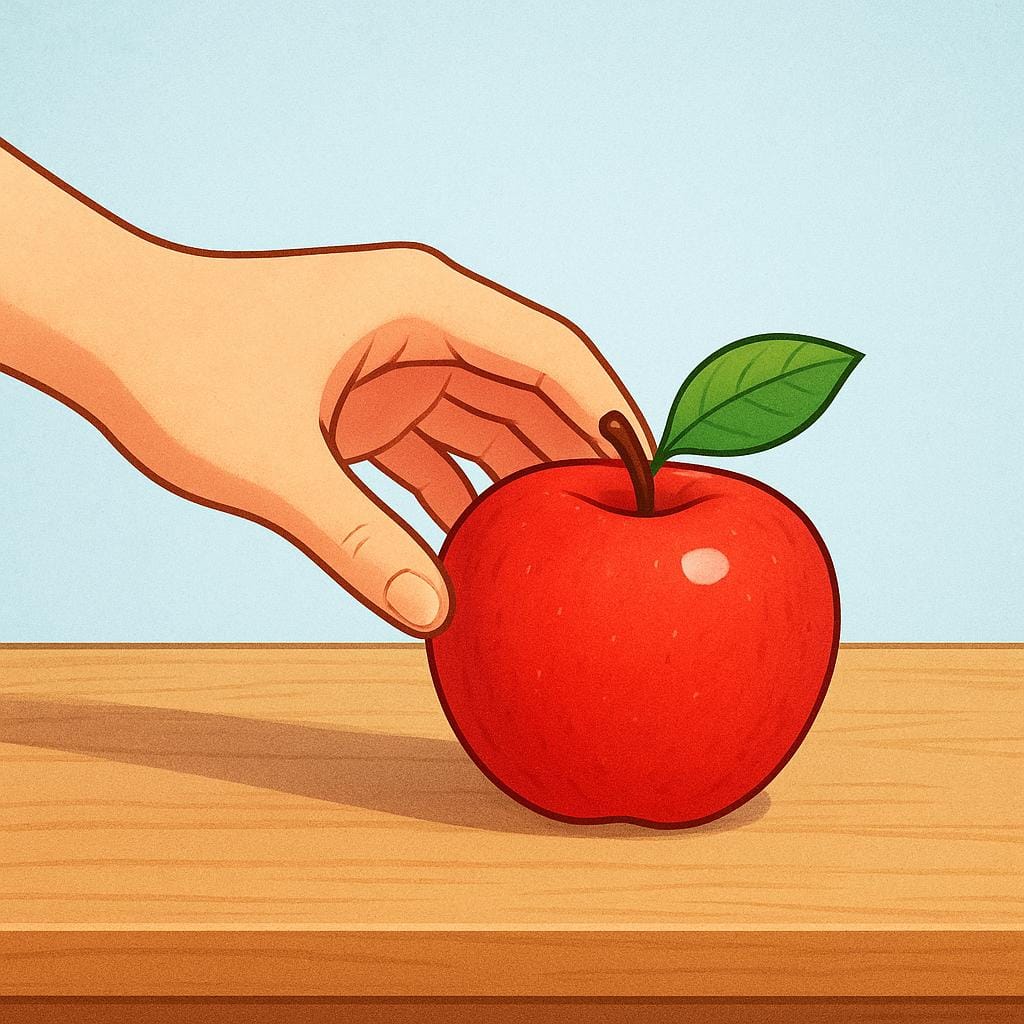
Ponga los libros sobre el escritorio.
Put the books on the desk (formal command).
Es necesario que yo ponga atención a la clase.
It is necessary that I pay attention to the class (Subjunctive 'I' form).
No creo que mi jefe ponga el dinero mañana.
I don't believe that my boss will put the money down tomorrow (Subjunctive 'he' form).
Formal Commands
'Ponga' is the standard way to tell someone politely ('usted') what to put or place, like saying 'Please, put the dish here.'
The 'Yo-Go' Rule
The stem of 'ponga' comes from the irregular 'yo' form of the present tense ('yo pongo'). All verbs whose 'yo' form ends in '-go' follow this pattern in the special 'wish/doubt' forms (Subjunctive).
Using the wrong mood
Mistake: “No creo que él pone la llave aquí.”
Correction: No creo que él ponga la llave aquí. (Use 'ponga' after expressions of doubt, like 'No creo que...').
pongan
POHN-gahnˈpoŋ.ɡan
Examples
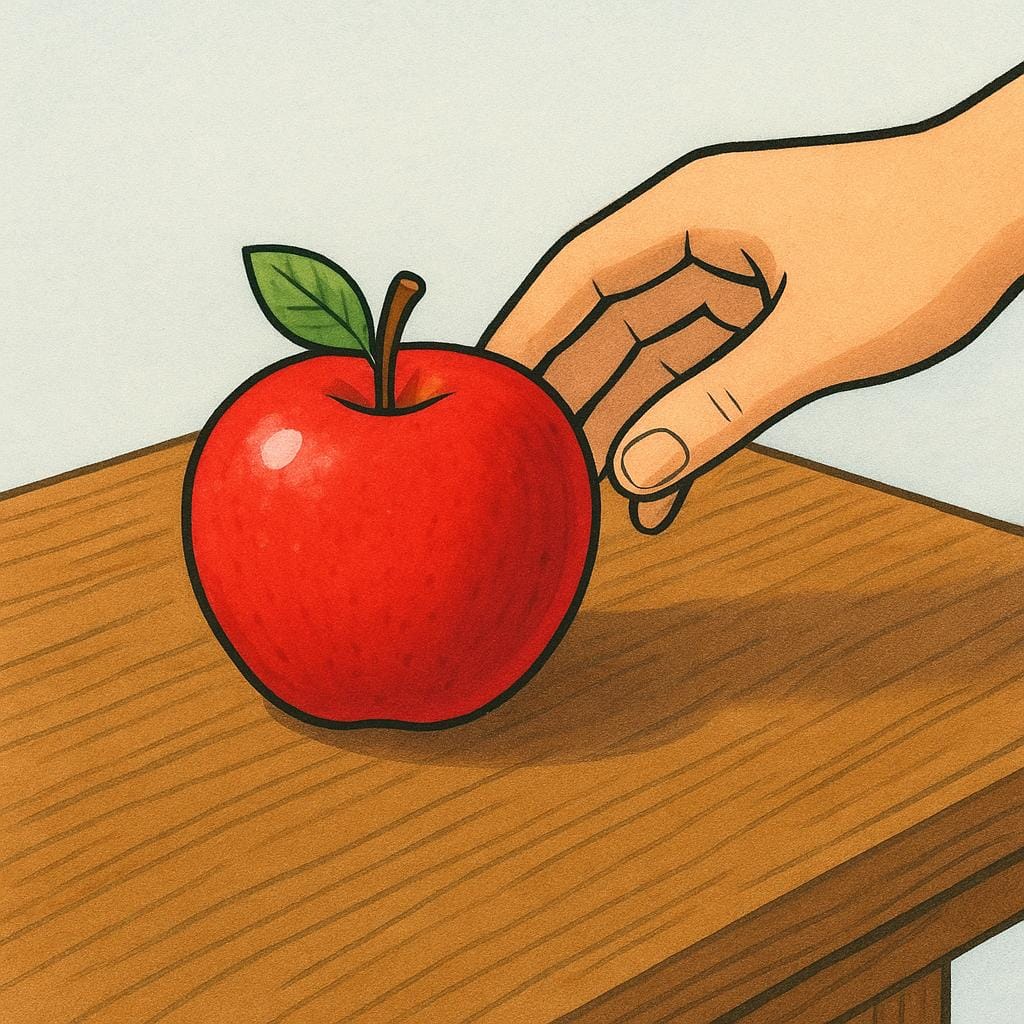
Por favor, pongan sus maletas aquí.
Please, put your suitcases here (formal 'you all' command).
Necesito que pongan atención a las instrucciones.
I need you all to pay attention to the instructions (subjunctive).
Ojalá que nos pongan una mesa grande.
Hopefully, they set a big table for us (wish).
Formal Group Command
When giving a command to a group of people (ustedes), use 'pongan.' This is the formal way to say 'you all put/place.'
The Subjunctive Mood
The form 'pongan' is the special verb form (present subjunctive) used after words that express doubt, desire, necessity, or emotion, like 'Es necesario que pongan...' (It is necessary that you all put...).
Using the 'g' sound incorrectly
Mistake: “Sometimes learners forget the 'g' sound and say 'ponan'.”
Correction: The verb 'poner' is irregular and adds a 'g' in many forms, including 'pongan'. Remember P-O-N-G-A-N.
colocado
koh-loh-KAH-dohkoloˈkaðo
Examples
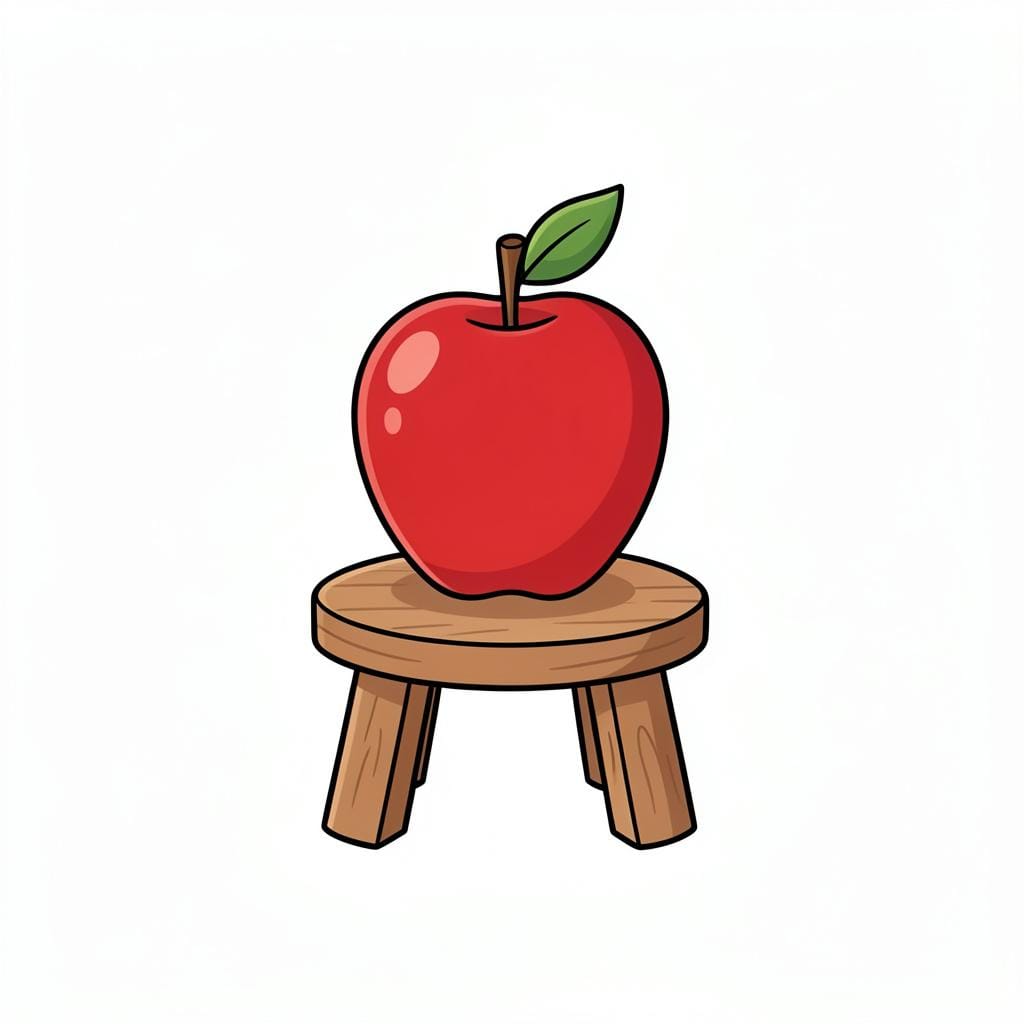
El jarrón está bien colocado sobre la mesa.
The vase is well placed on the table.
Los libros están colocados por orden alfabético.
The books are arranged in alphabetical order.
Changing the Ending
Since this word describes a noun, you must change the 'o' to 'a' if you are talking about a feminine thing (una silla colocada) or add 's' for plurals (libros colocados).
Using with 'Estar'
When describing where something is currently located, always use the verb 'estar' (to be) before 'colocado'.
echado
eh-CHAH-doheˈt͡ʃa.ðo

Examples
Ya hemos echado la carta al buzón.
We have already put/thrown the letter in the mailbox.
Ella había echado demasiada azúcar al café.
She had poured/put too much sugar in the coffee.
Forming Perfect Tenses
'Echado' is combined with forms of the helping verb 'haber' (to have) to create perfect tenses like the present perfect ('he echado', I have thrown/put) and past perfect ('había echado', I had thrown/put).
Use in Passive Voice
It can also be combined with the verb 'ser' (to be) to show that an action was done to someone or something: 'El balón fue echado fuera' (The ball was thrown out).
Confusing Echar and Hacer
Mistake: “Some learners confuse 'echar' (to throw/put) with 'hacer' (to do/make).”
Correction: Remember that 'echado' is only the participle of 'echar'. The participle of 'hacer' is 'hecho'.
echó
eh-CHOHeˈt͡ʃo
Examples
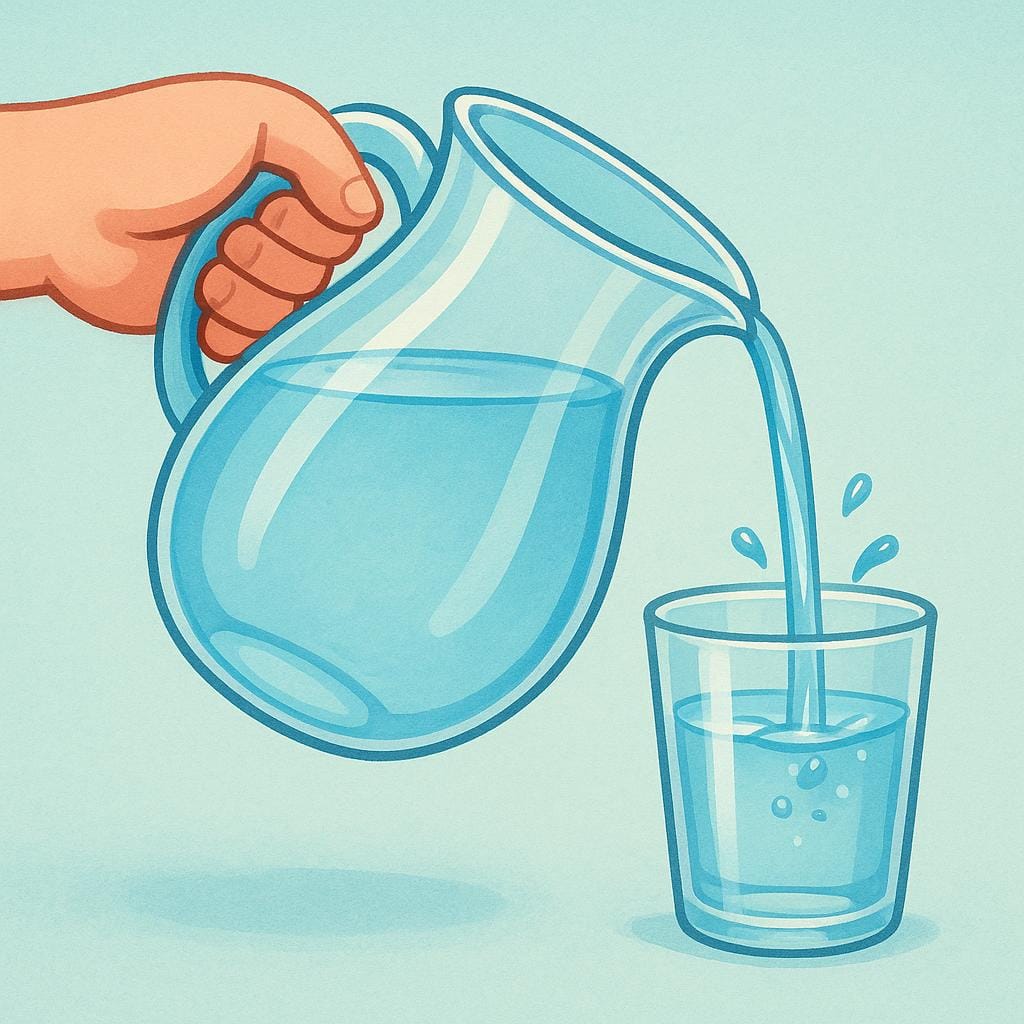
Antes de salir, la camarera echó más café en su taza.
Before leaving, the waitress poured more coffee into his cup.
Mi abuela echó demasiada azúcar al postre.
My grandmother added too much sugar to the dessert.
A Verb of Placement
In Spanish, 'echar' is often used where English uses 'put' or 'pour,' emphasizing the action of sending something into a space or mixture.
lanzamiento
lan-sah-MYEN-tohlanθaˈmjento

Examples
Ganó la medalla de oro en el lanzamiento de jabalina.
He won the gold medal in the javelin throw.
El árbitro pitó un lanzamiento de falta.
The referee whistled for a free throw.
Verb Conjugations vs. Adjectives
Learn Spanish with Inklingo
Interactive stories, personalized learning, and more.