How to Say "play" in Spanish
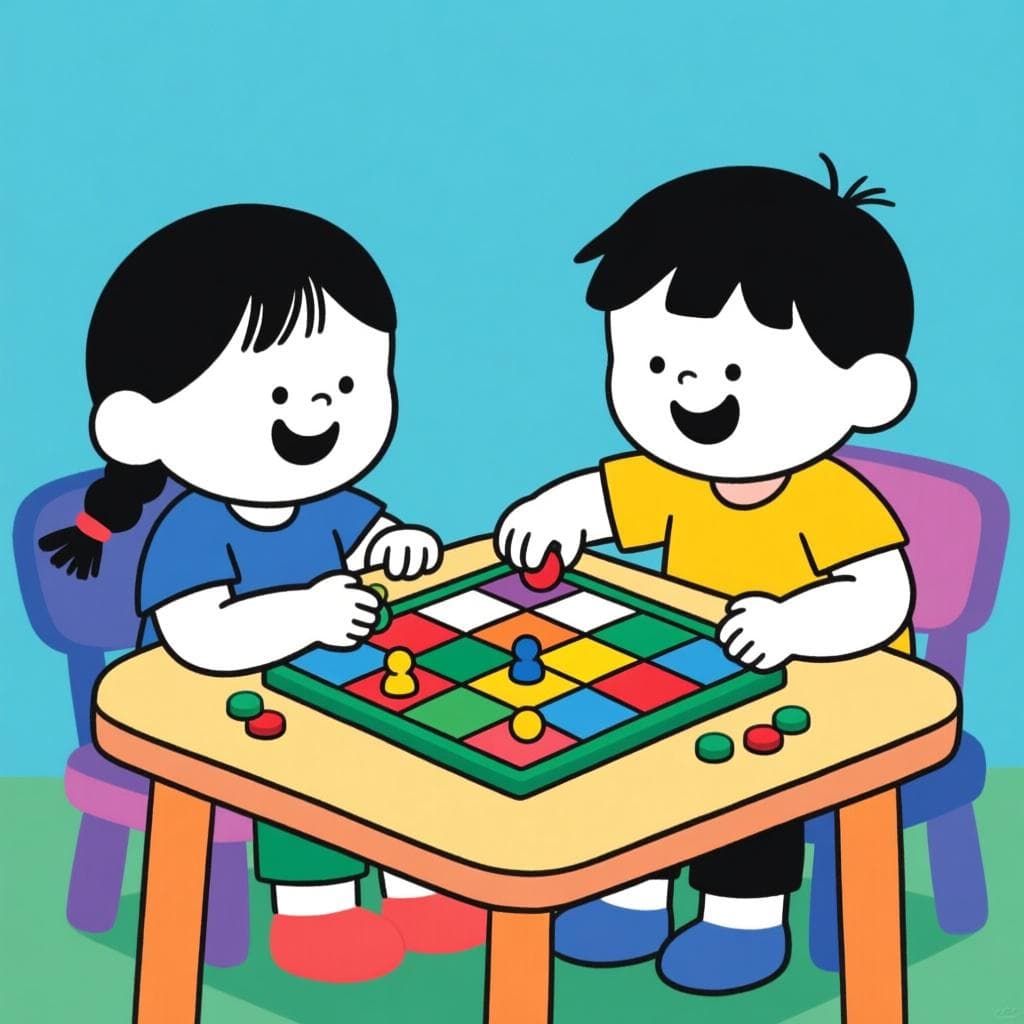
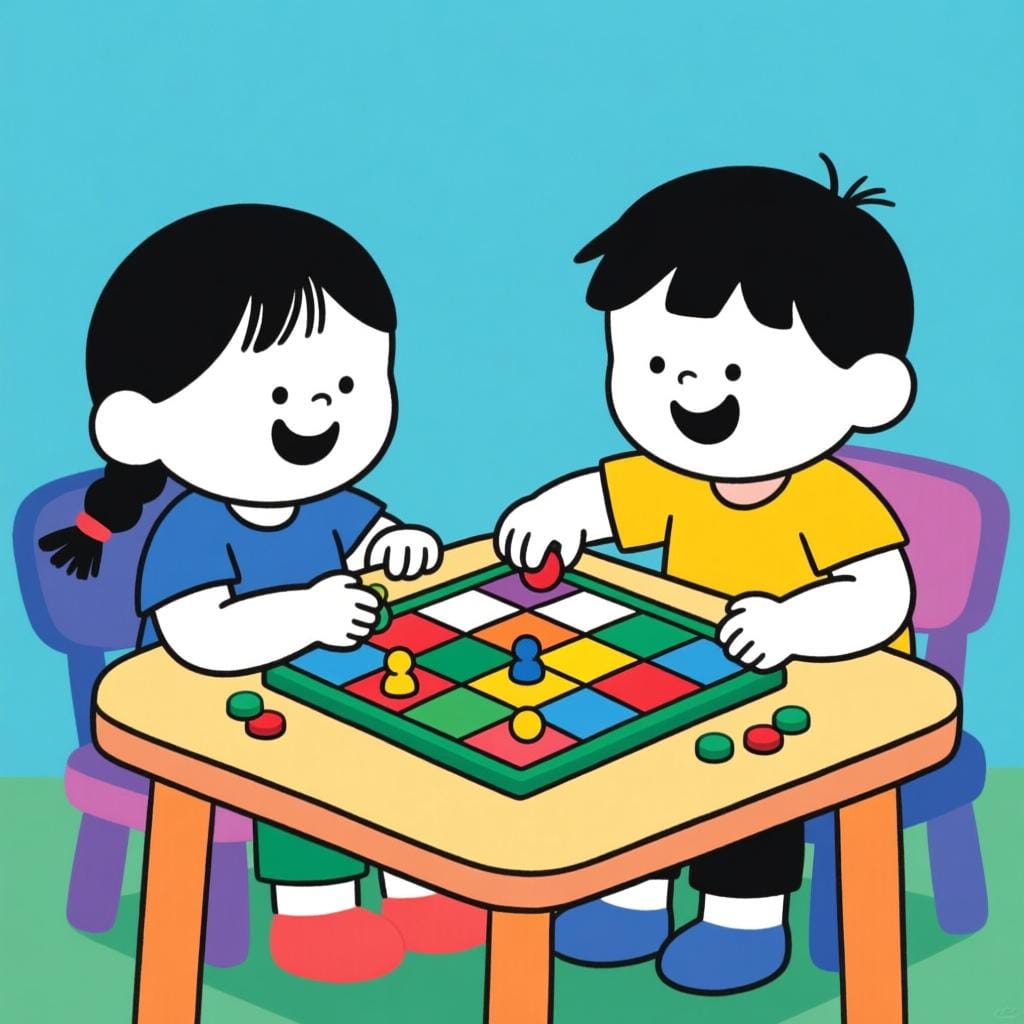
The most common Spanish word for “play” is “juego” — use 'juego' when referring to the general concept of playing, games, or a specific sport as an activity.




juego
khweh-goˈxweɣo
Examples
El fútbol es mi juego favorito.
Soccer is my favorite game.
Compramos un juego de mesa para la fiesta.
We bought a board game for the party.
Los niños están en el parque de juegos.
The children are at the playground (park of games).
obra
OH-brahˈoβɾa

Examples
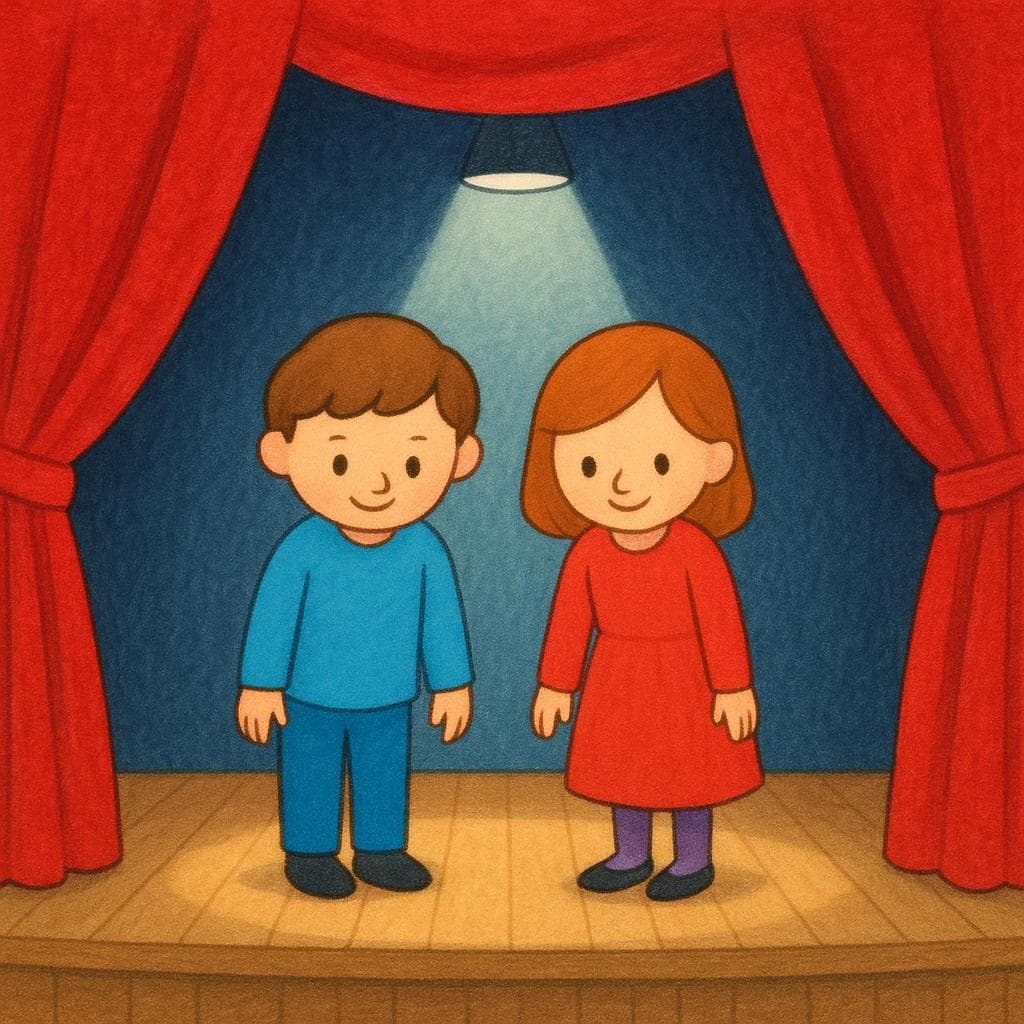
Fueron al teatro a ver una obra de Shakespeare.
They went to the theater to see a play by Shakespeare.
La obra que montaron fue un éxito total.
The play they staged was a total success.
Sus buenas obras fueron reconocidas por la comunidad.
His good deeds were recognized by the community. (Meaning 3, secondary)
Deeds and Actions
When 'obra' means a deed or action (usually moral or charitable), it is often used in the plural: 'hacer buenas obras' (to do good deeds).
jugada
hoo-GAH-dahxuˈɣaða

Examples
Fue una jugada brillante del delantero, por eso metió el gol.
It was a brilliant play by the forward, that's why he scored the goal.
Ahora te toca a ti. ¿Cuál es tu próxima jugada?
Now it's your turn. What is your next move?
El entrenador diseñó una jugada secreta para el último cuarto.
The coach designed a secret play for the last quarter.
Gender Reminder
Even though 'jugada' comes from the verb 'jugar,' it is a feminine noun, so you must always use 'la' or 'una' with it.
ponga
pon-gaˈpoŋɡa

Examples
Ponga su canción favorita ahora.
Play your favorite song now (formal command).
El doctor sugirió que ponga hielo en la rodilla.
The doctor suggested that I/he put ice on the knee (Subjunctive necessity).
Si usted no ponga interés, no lo entenderá.
If you don't apply interest, you won't understand it.
Indirect Commands for Media
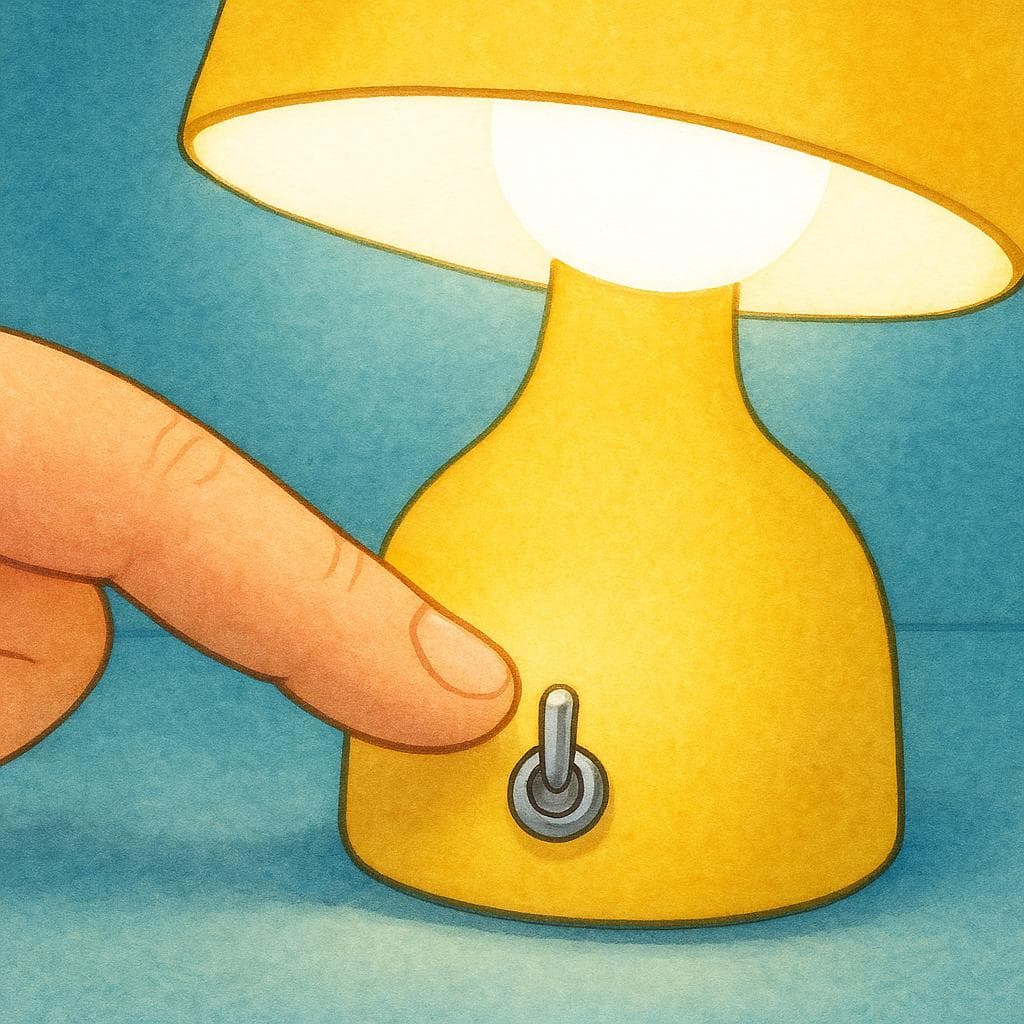
In Spanish, you don't 'turn on' music; you 'put' the radio or music on. Use 'ponga' for this formal instruction: 'Ponga la radio' (Turn on the radio).
Literal Translation of 'turn on'
Mistake: “Encienda la música.”
Correction: Ponga la música. (While 'encender' means to turn on, 'poner' is much more natural when referring to playing media.)
pongan
POHN-gahnˈpoŋ.ɡan
Examples
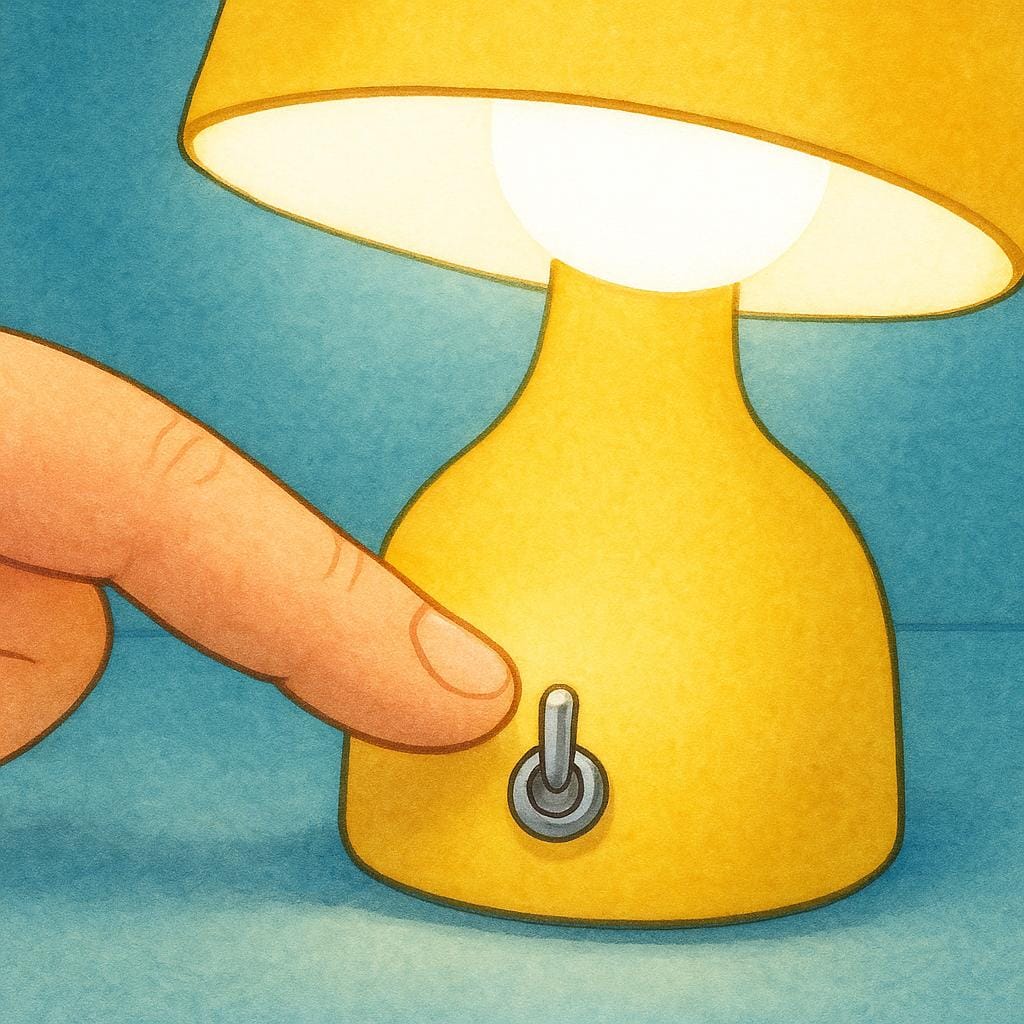
¡Que pongan la música ya!
They should play the music already!
Les pedimos que pongan la calefacción.
We ask you all to turn on the heating.
Cuando lleguen, pongan ese canal de noticias.
When you all arrive, turn on that news channel.
Mixing up 'poner' and 'encender'
Mistake: “Sometimes learners use 'encender' (to light/turn on) for media, when 'poner' is more common.”
Correction: Use 'poner' (pongan) when you mean 'play' or 'put on' a movie, show, or music. Use 'encender' for simple light switches.
drama
DRAH-mahˈdɾa.ma
Examples
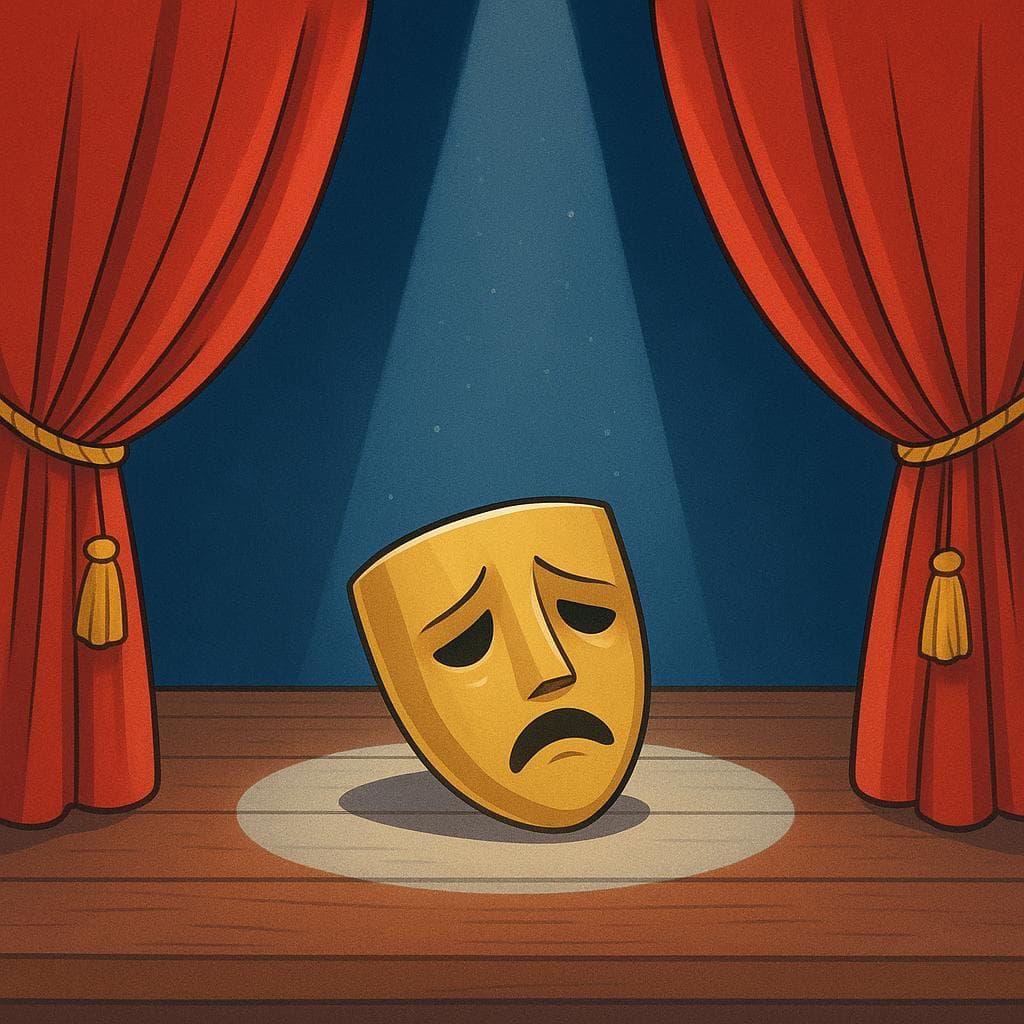
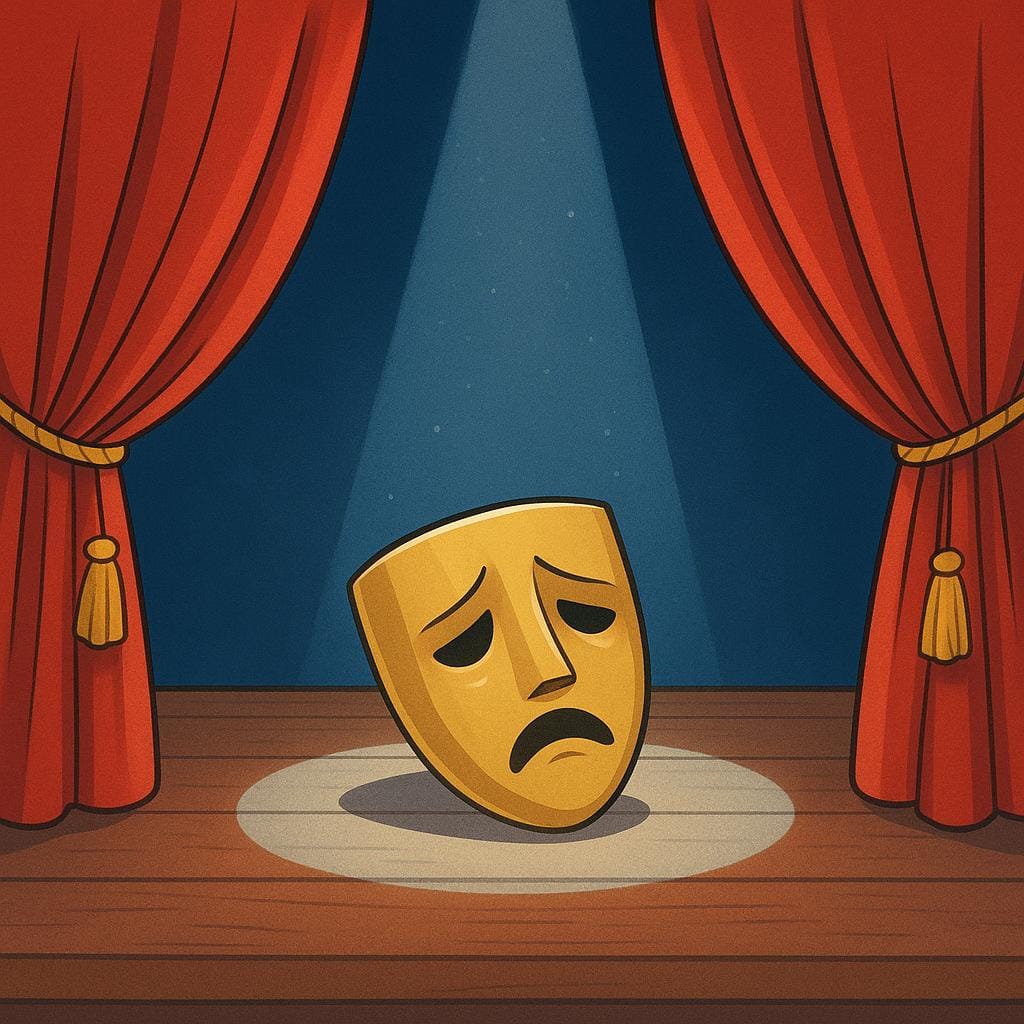
El drama de Shakespeare 'Hamlet' es estudiado en todo el mundo.
Shakespeare's drama 'Hamlet' is studied all over the world.
La película es un drama intenso sobre la guerra civil.
The film is an intense drama about the civil war.
Masculine Noun Ending in -a
Even though 'drama' ends in -a, it is masculine ('el drama'). This happens with many words borrowed from Greek, like 'el problema' or 'el tema'.
toquen
TOH-kehnˈtoken

Examples
No toquen nada en el museo, por favor.
Don't touch anything in the museum, please.
Espero que ellos toquen mi canción favorita.
I hope they play my favorite song.
Diles que toquen la puerta antes de entrar.
Tell them to knock on the door before coming in.
Why the 'qu' spelling?
The letter 'c' sounds like an 's' when it is next to an 'e'. Since the original verb is 'tocar' (with a hard 'k' sound), we change the 'c' to 'qu' so the sound stays the same when we add the 'en' ending.
When to use 'toquen'
Use this form when you are giving a command to a group of people (you all) or when you are expressing a wish or doubt about 'them' or 'you all'.
Toquen vs. Tocan
Mistake: “Using 'tocan' for commands.”
Correction: Use 'toquen' for commands and 'tocan' for simple facts. Say '¡No toquen!' (Don't touch!) instead of '¡No tocan!'
pieza
pee-EH-sahˈpjeθa

Examples
La orquesta tocó una pieza clásica de Beethoven.
The orchestra played a classical work by Beethoven.
Esa pieza de teatro ganó varios premios internacionales.
That theatrical play won several international awards.
Play vs. Game vs. Theatrical Work
Learn Spanish with Inklingo
Interactive stories, personalized learning, and more.