How to Say "place" in Spanish
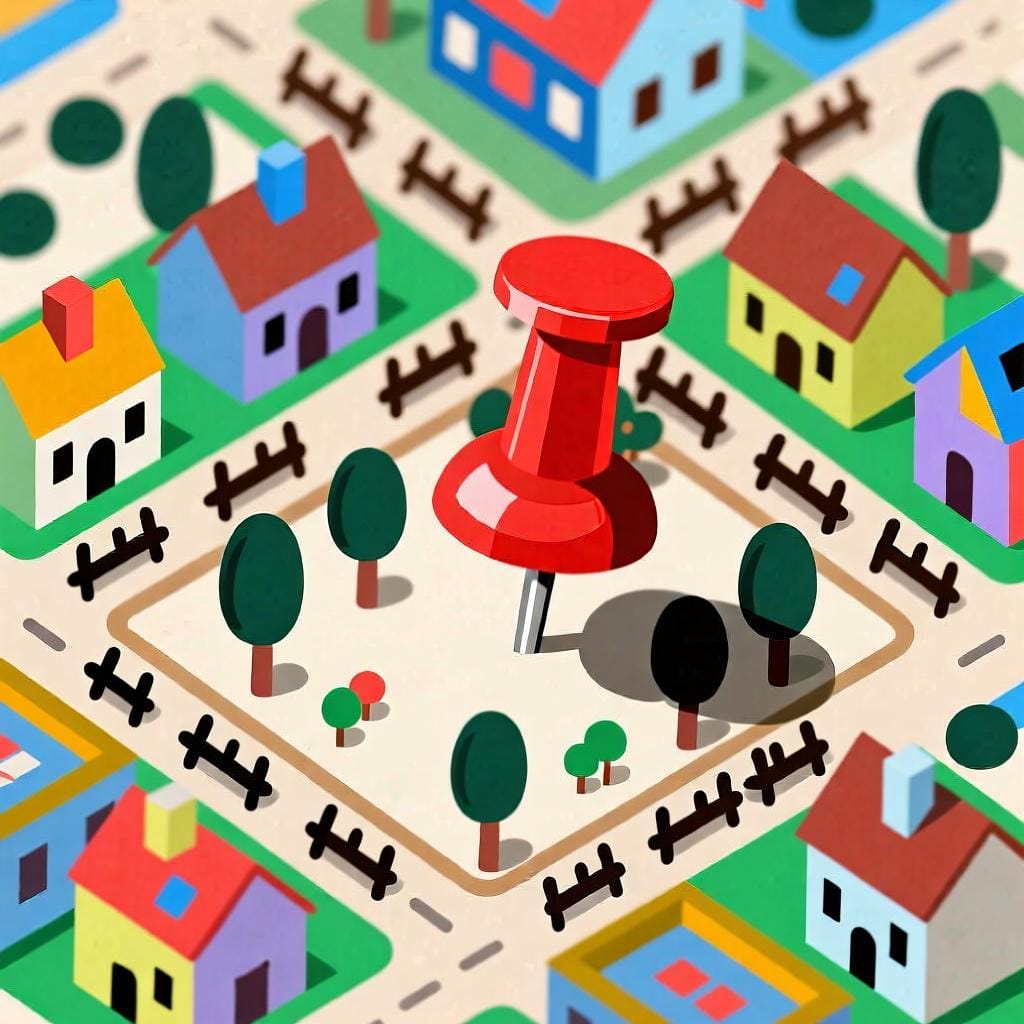
The most common Spanish word for “place” is “lugar” — use 'lugar' for a general, non-specific location or area, or when referring to a position in a competition.
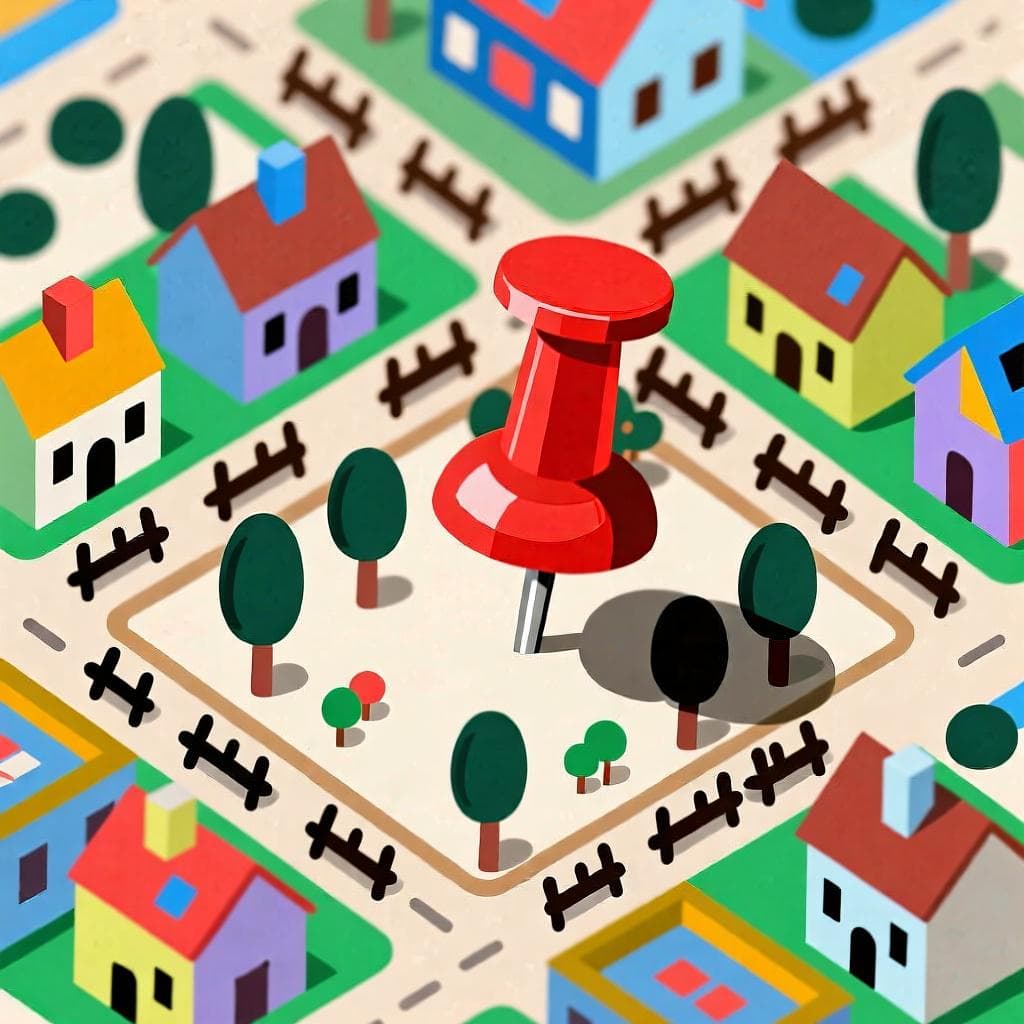



lugar
loo-GARluˈɡaɾ
Examples
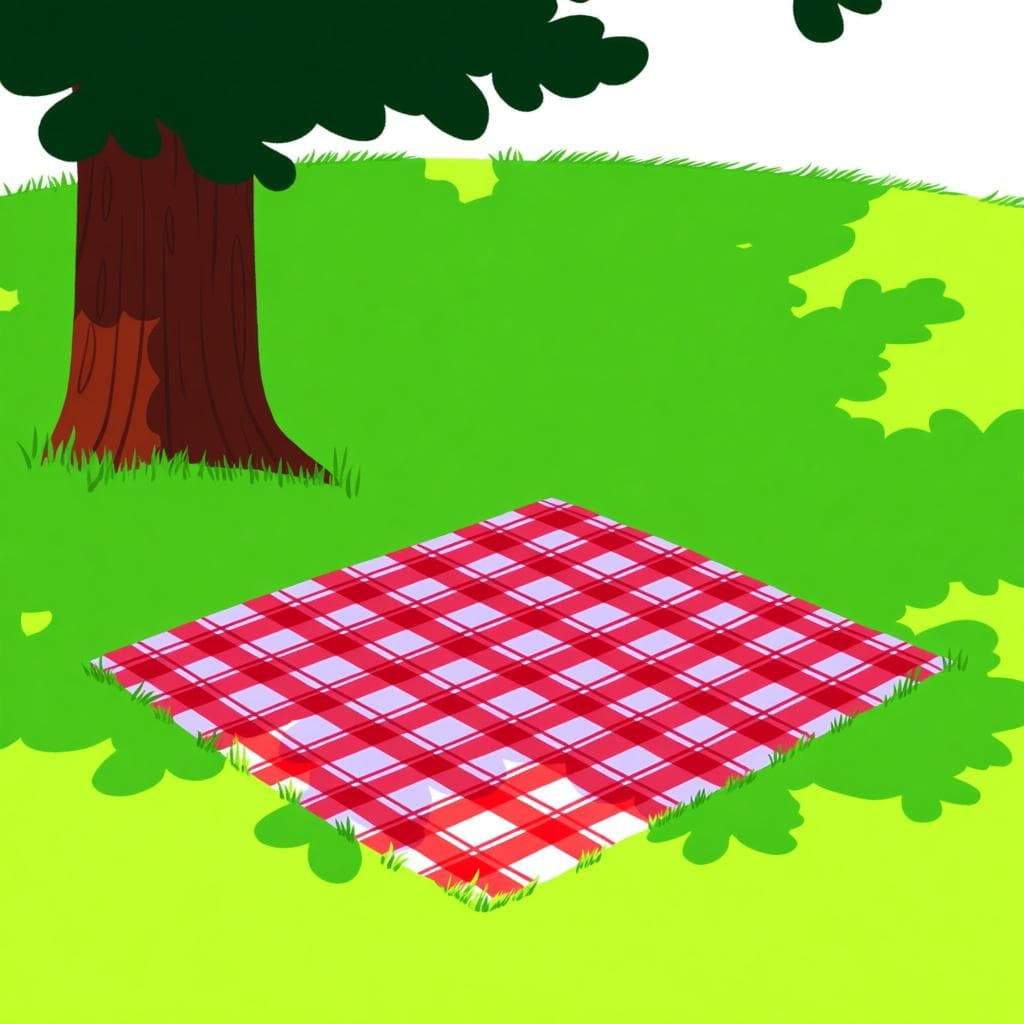
Este es un buen lugar para un pícnic.
This is a good place for a picnic.
¿Cuál es tu lugar favorito en la ciudad?
What is your favorite place in the city?
Busco un lugar tranquilo para leer.
I'm looking for a quiet place to read.
Ella obtuvo el primer lugar en la competencia.
She got first place in the competition.
Always 'el lugar'
'Lugar' is a masculine word, so you'll always use 'el' or 'un' with it, not 'la' or 'una'. For example, 'el lugar es bonito' (the place is beautiful).
Confusing 'lugar' and 'sitio'
Mistake: “Using them in ways that aren't interchangeable.”
Correction: For a general 'place,' 'lugar' and 'sitio' are often synonyms. You can say 'un buen lugar para comer' or 'un buen sitio para comer'. Both are perfect!
sitio
SEE-tyohˈsitjo
Examples
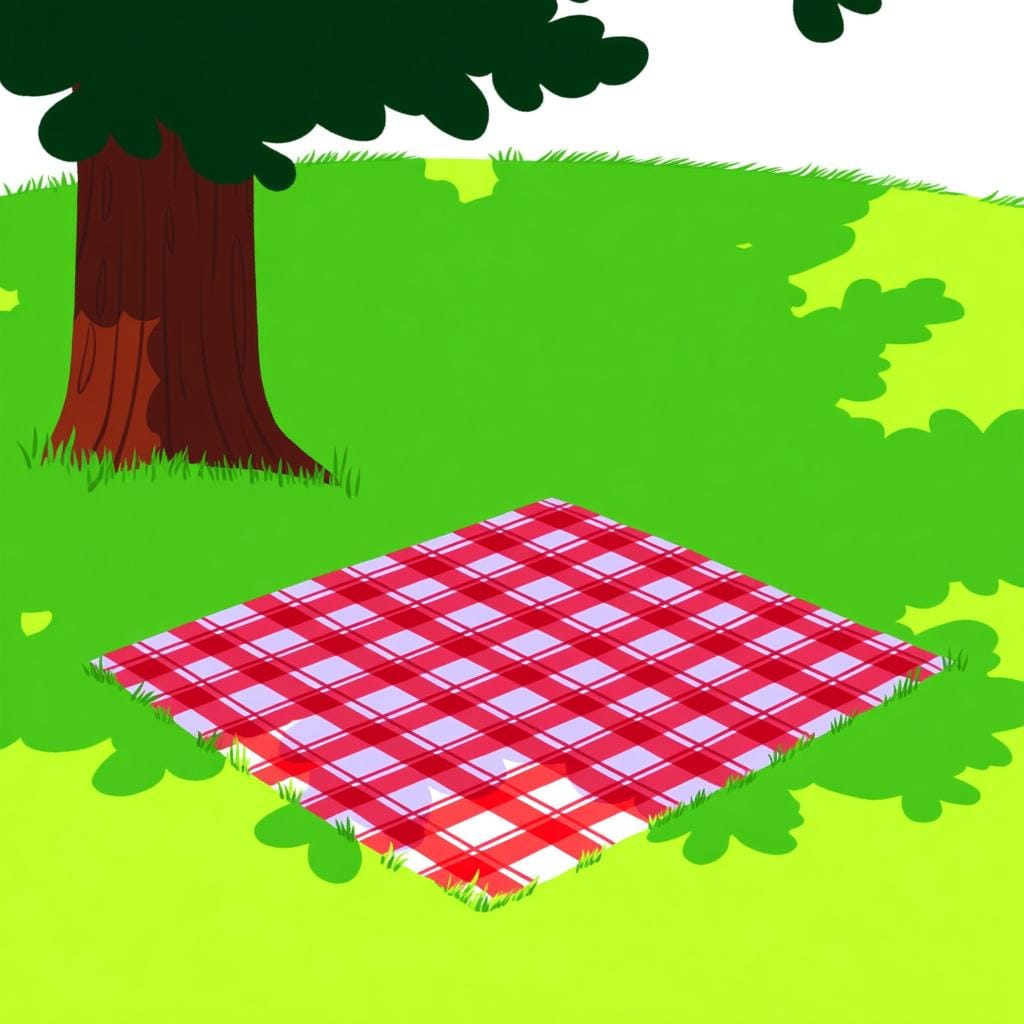
Este es un buen sitio para un pícnic.
This is a good spot for a picnic.
Busquemos un sitio con sombra para sentarnos.
Let's look for a place in the shade to sit.
El sitio arqueológico está cerrado los lunes.
The archaeological site is closed on Mondays.
Confusing with 'lugar'
Mistake: “Thinking 'sitio' and 'lugar' are always perfectly interchangeable.”
Correction: 'Lugar' is a bit more general or abstract ('my place in the world'), while 'sitio' often refers to a more concrete, physical spot you can point to. In many everyday cases, though, you can use either!
espacio
es-PA-syoesˈpa.sjo

Examples
No hay espacio en el coche para más maletas.
There's no space/room in the car for more suitcases.
Necesitamos más espacio para la mesa nueva.
We need more space for the new table.
Por favor, haz un poco de espacio para que pueda sentarme.
Please, make a little space so I can sit down.
Always Masculine
Even though it ends in 'o', it's good to remember that 'espacio' is always masculine. So, you'll always say 'el espacio' (the space) or 'un espacio' (a space).
'Space' vs. 'Room'
Mistake: “Quiero reservar un espacio en el hotel.”
Correction: Quiero reservar una habitación en el hotel. Use 'habitación' or 'cuarto' for a room in a building like a hotel or house. 'Espacio' refers to general, open area or capacity.
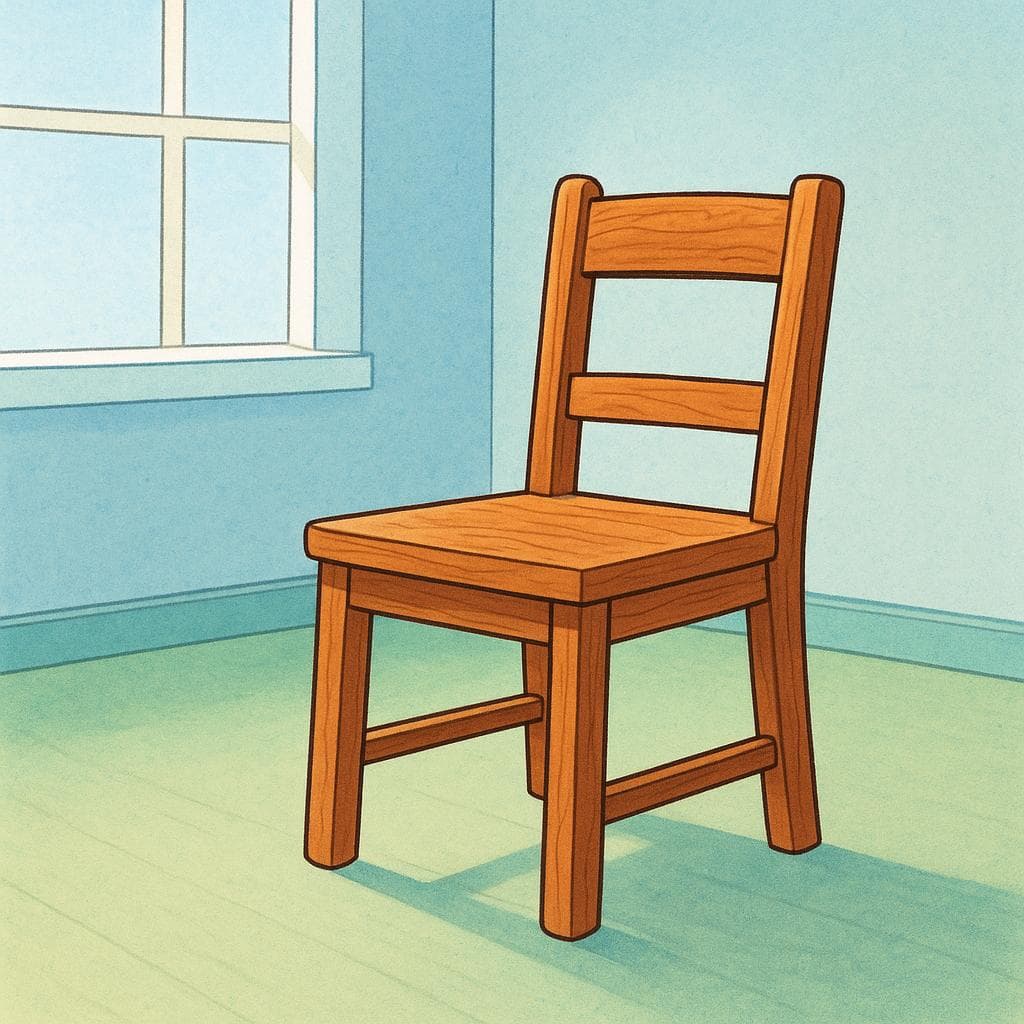
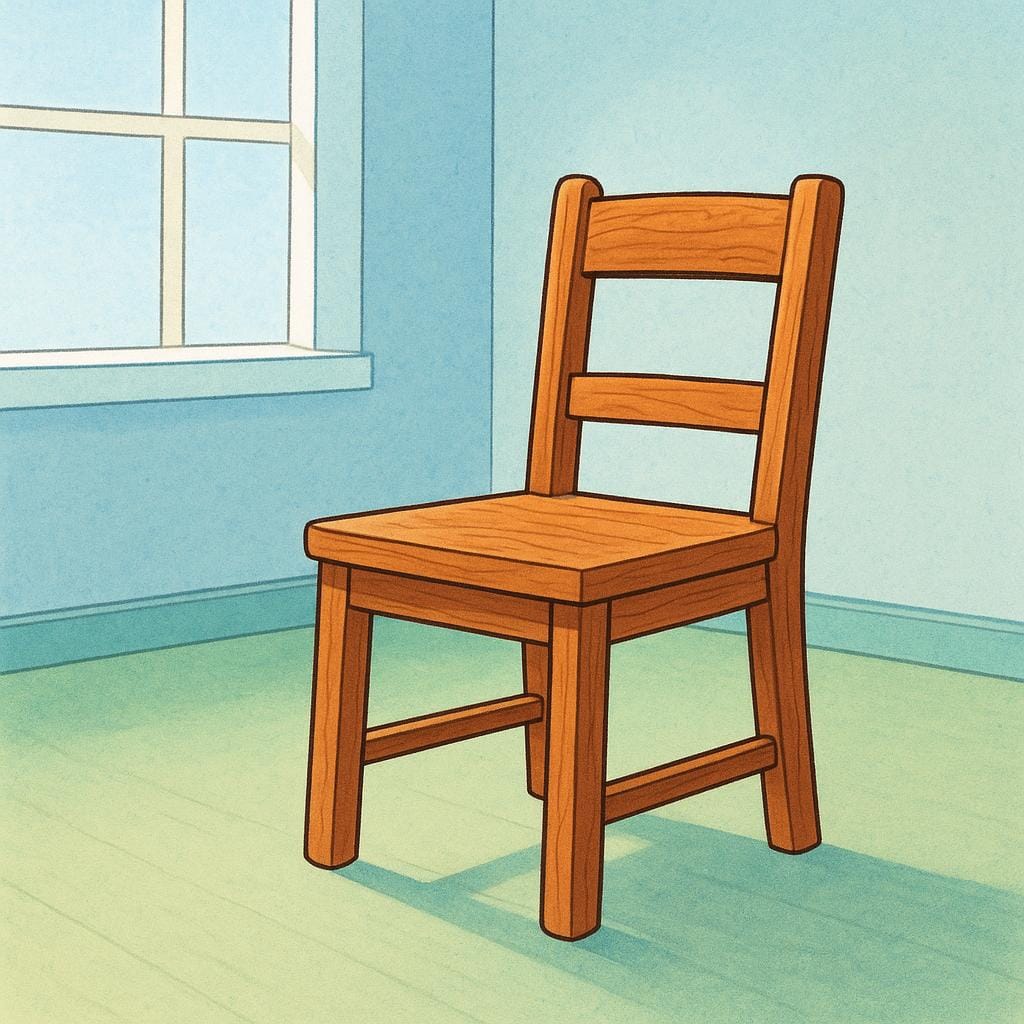
asiento
ah-SYEN-tohaˈsjento
Examples
¿Puedes guardar mi asiento por favor? Voy al baño.
Can you save my seat please? I’m going to the bathroom.
Todos los asientos del autobús estaban ocupados.
All the seats on the bus were taken.
Este asiento es muy cómodo, pero está un poco sucio.
This chair is very comfortable, but it is a bit dirty.
Gender Check
Since 'asiento' ends in -o, it is masculine. Use 'el asiento' or 'un asiento'.
punto
poon-tohˈpun.to

Examples
El punto de encuentro es la estación de tren.
The meeting point is the train station.
Desde mi punto de vista, la idea es buena.
From my point of view, the idea is good.
Llegamos al punto más alto de la montaña.
We reached the highest point of the mountain.
localidad
lo-kah-lee-DAHDloka.liˈðað

Examples
Vivo en una localidad pequeña cerca de Madrid.
I live in a small town near Madrid.
Esta localidad es famosa por su vino.
This town is famous for its wine.
El temporal afectó a varias localidades del sur.
The storm affected several towns in the south.
Identifying Feminine Words
In Spanish, words that end in '-dad' (like localidad, ciudad, and universidad) are almost always feminine, so you should use 'la' or 'una' with them.
Confusing with 'Location'
Mistake: “Usar 'localidad' para hablar de la ubicación de un objeto perdido.”
Correction: Use 'ubicación' for the coordinates or position of something, and 'localidad' for a town or city where people live.
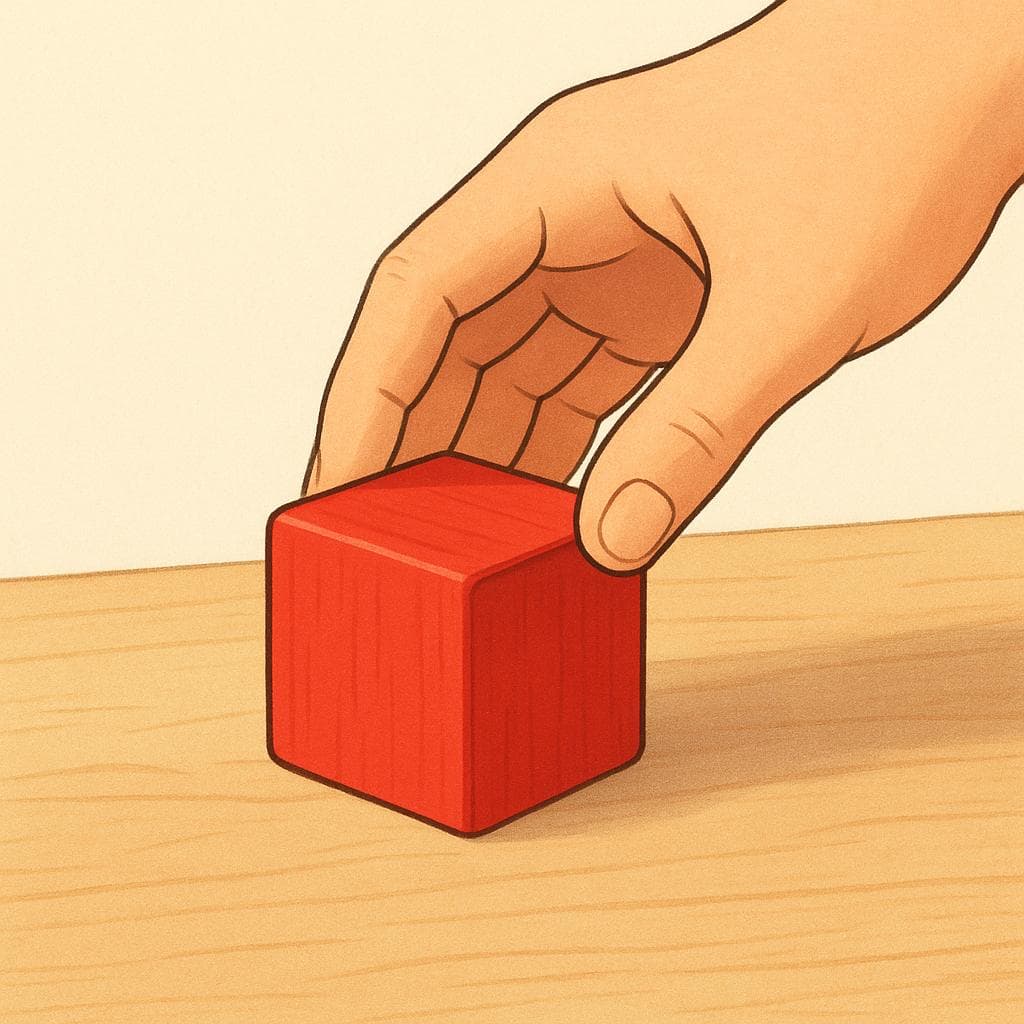
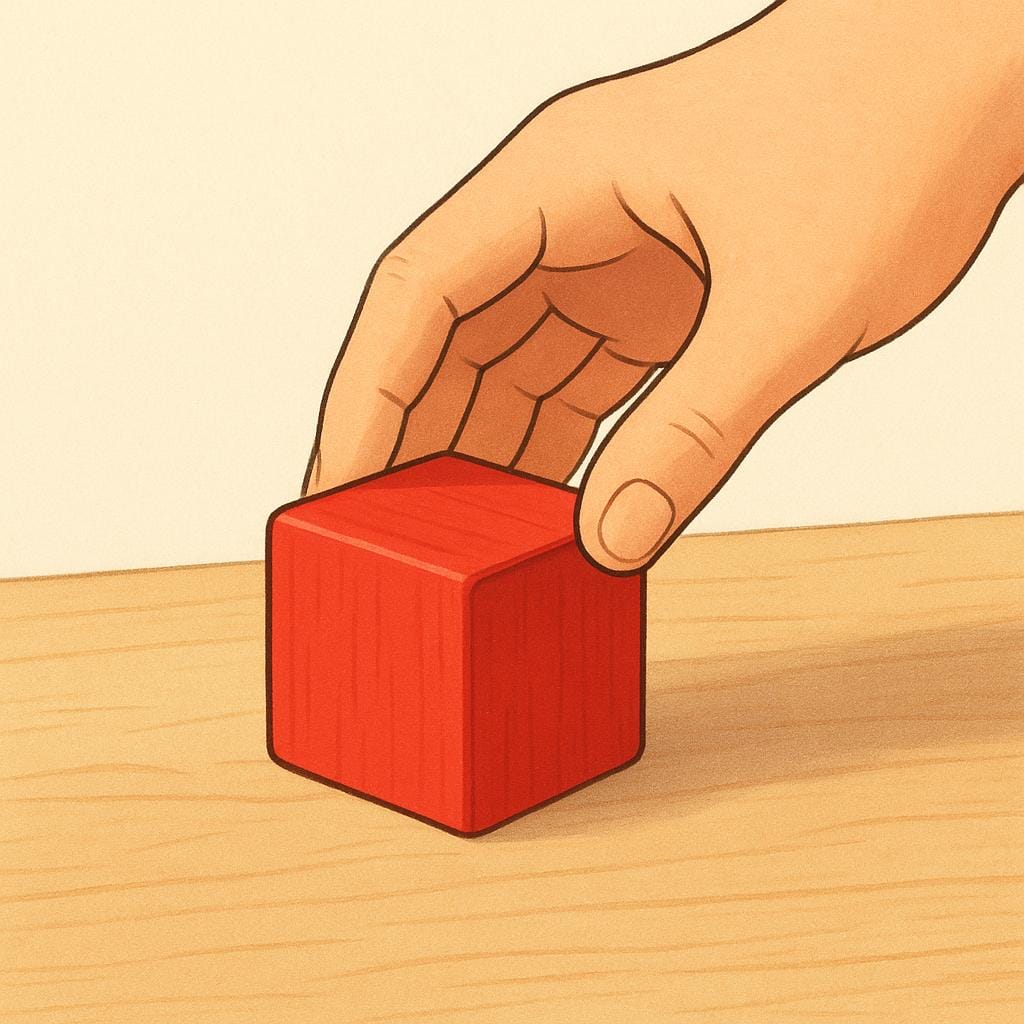
pon
ponpon
Examples
¡Pon la mesa ahora mismo! Vamos a cenar.
Set the table right now! We are going to have dinner.
Pon el vaso sobre el posavasos, por favor.
Put the glass on the coaster, please.
Cuando llegues, pon las llaves en el gancho de la entrada.
When you arrive, put the keys on the hook by the entrance.
The 'Irregular Eight' Commands
'Pon' is one of eight highly irregular informal (tú) affirmative commands. You just have to memorize it! It does not follow the normal pattern of verb endings.
Pronoun Placement
When you use 'pon' with words like 'lo' or 'la' (it), they always stick directly onto the end of the command: 'Ponlo aquí' (Put it here).
Using the 'er' Ending
Mistake: “Pones el libro allí.”
Correction: ¡Pon el libro allí! The form 'pones' is used for regular statements, not direct commands.
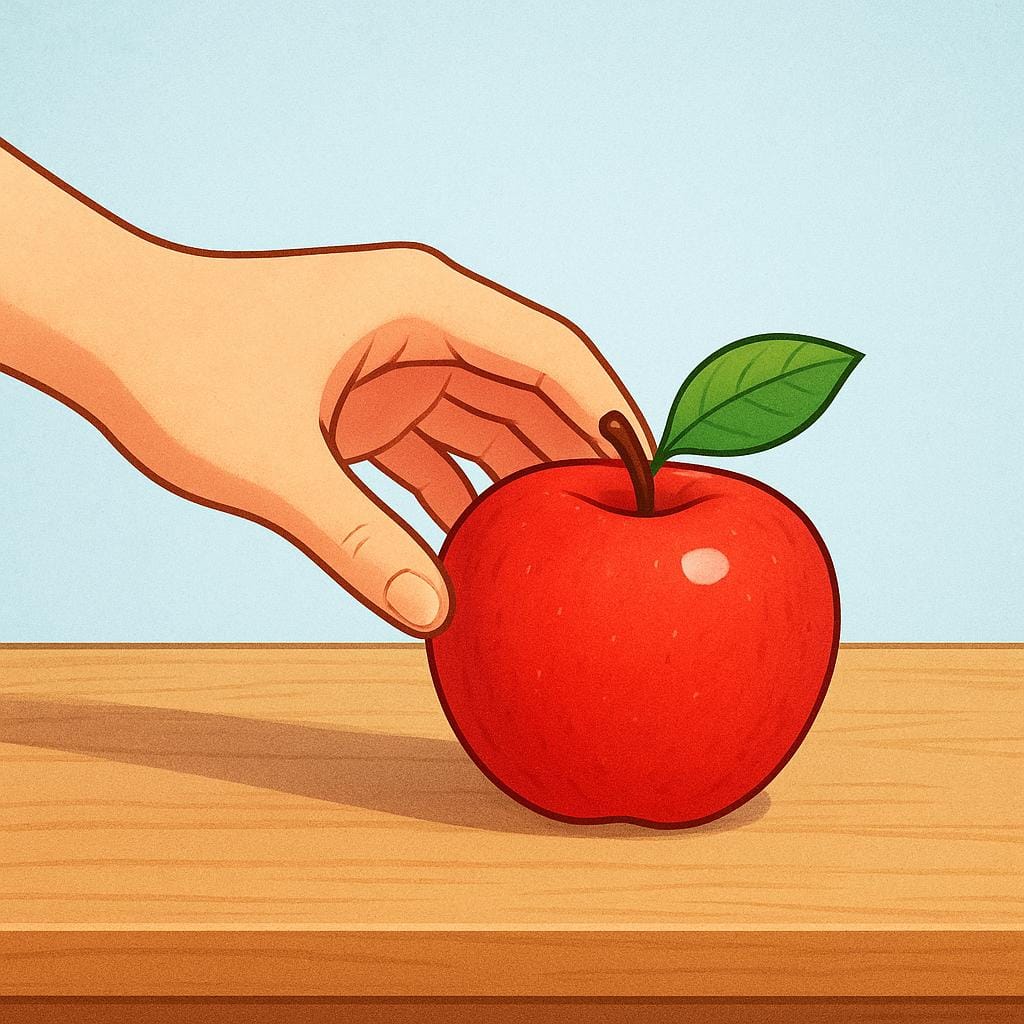
ponga
pon-gaˈpoŋɡa
Examples
Ponga los libros sobre el escritorio.
Put the books on the desk (formal command).
Es necesario que yo ponga atención a la clase.
It is necessary that I pay attention to the class (Subjunctive 'I' form).
No creo que mi jefe ponga el dinero mañana.
I don't believe that my boss will put the money down tomorrow (Subjunctive 'he' form).
Formal Commands
'Ponga' is the standard way to tell someone politely ('usted') what to put or place, like saying 'Please, put the dish here.'
The 'Yo-Go' Rule
The stem of 'ponga' comes from the irregular 'yo' form of the present tense ('yo pongo'). All verbs whose 'yo' form ends in '-go' follow this pattern in the special 'wish/doubt' forms (Subjunctive).
Using the wrong mood
Mistake: “No creo que él pone la llave aquí.”
Correction: No creo que él ponga la llave aquí. (Use 'ponga' after expressions of doubt, like 'No creo que...').
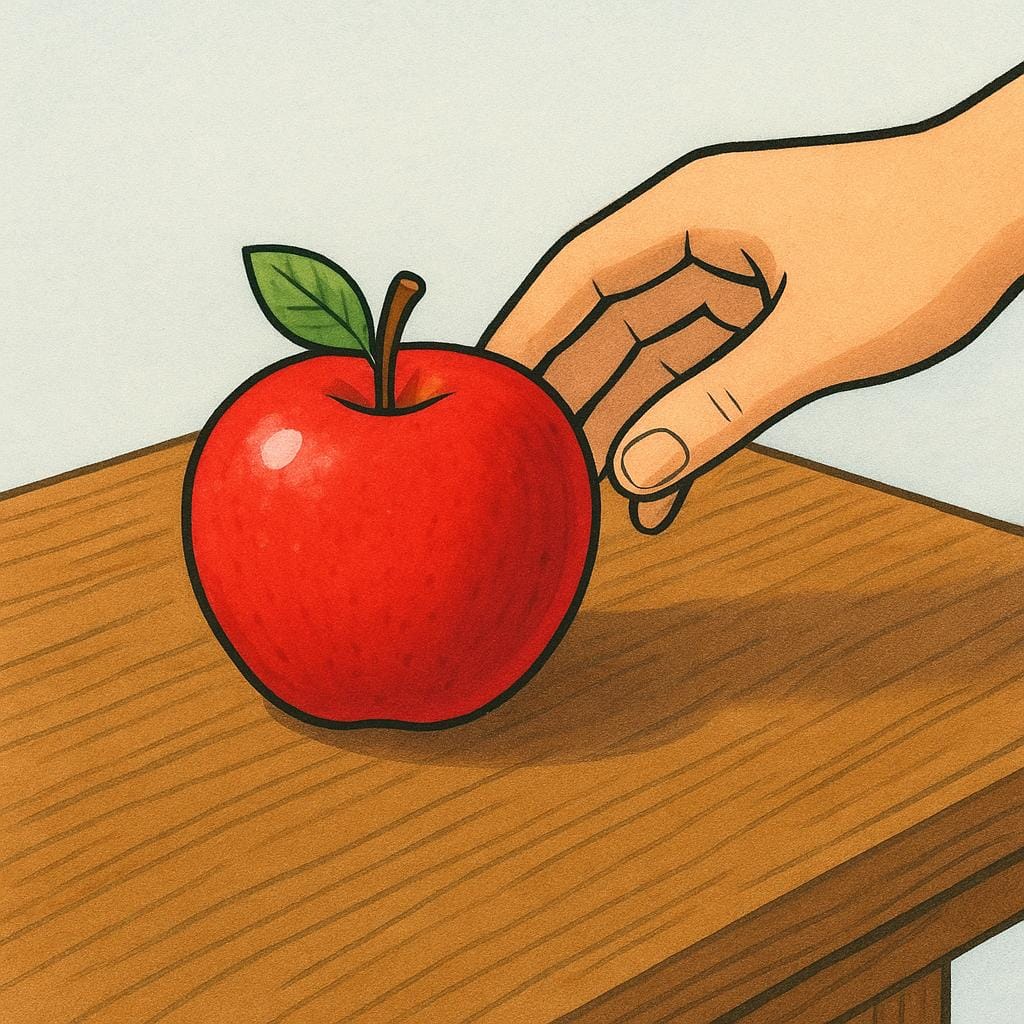
pongan
POHN-gahnˈpoŋ.ɡan
Examples
Por favor, pongan sus maletas aquí.
Please, put your suitcases here (formal 'you all' command).
Necesito que pongan atención a las instrucciones.
I need you all to pay attention to the instructions (subjunctive).
Ojalá que nos pongan una mesa grande.
Hopefully, they set a big table for us (wish).
Formal Group Command
When giving a command to a group of people (ustedes), use 'pongan.' This is the formal way to say 'you all put/place.'
The Subjunctive Mood
The form 'pongan' is the special verb form (present subjunctive) used after words that express doubt, desire, necessity, or emotion, like 'Es necesario que pongan...' (It is necessary that you all put...).
Using the 'g' sound incorrectly
Mistake: “Sometimes learners forget the 'g' sound and say 'ponan'.”
Correction: The verb 'poner' is irregular and adds a 'g' in many forms, including 'pongan'. Remember P-O-N-G-A-N.
Nouns vs. Verbs for 'Place'
Learn Spanish with Inklingo
Interactive stories, personalized learning, and more.