How to Say "space" in Spanish
The most common Spanish word for “space” is “espacio” — use 'espacio' for a general physical area, room, or the vastness of outer space and the universe.




espacio
es-PA-syoesˈpa.sjo

Examples
El coche tiene mucho espacio para los pasajeros.
The car has a lot of space for the passengers.
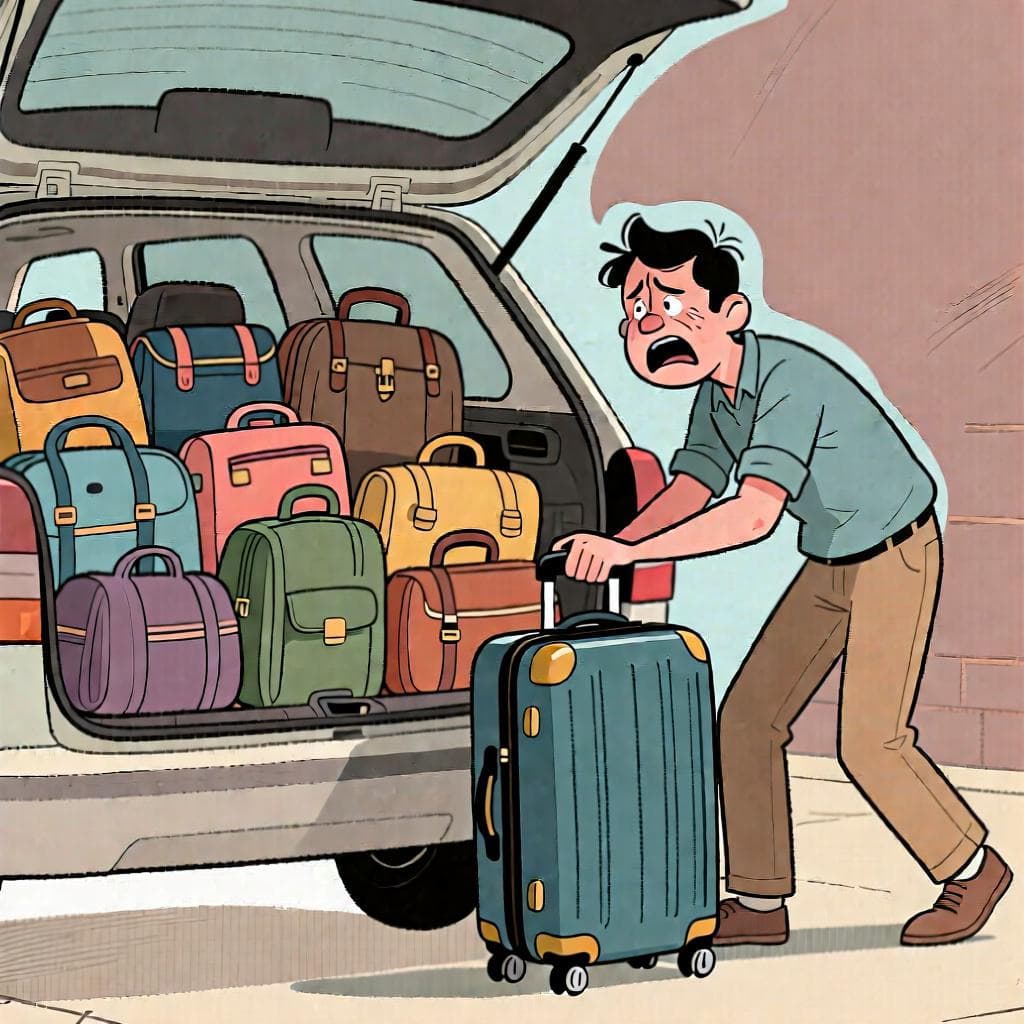
No hay espacio en el coche para más maletas.
There's no space/room in the car for more suitcases.
Necesitamos más espacio para la mesa nueva.
We need more space for the new table.
Por favor, haz un poco de espacio para que pueda sentarme.
Please, make a little space so I can sit down.
Always Masculine
Even though it ends in 'o', it's good to remember that 'espacio' is always masculine. So, you'll always say 'el espacio' (the space) or 'un espacio' (a space).
'Space' vs. 'Room'
Mistake: “Quiero reservar un espacio en el hotel.”
Correction: Quiero reservar una habitación en el hotel. Use 'habitación' or 'cuarto' for a room in a building like a hotel or house. 'Espacio' refers to general, open area or capacity.
espacio
es-PA-syoesˈpa.sjo
Examples
Deja un espacio aquí para tu firma.
Leave a space here for your signature.
No hay espacio en el coche para más maletas.
There's no space/room in the car for more suitcases.
Necesitamos más espacio para la mesa nueva.
We need more space for the new table.
Por favor, haz un poco de espacio para que pueda sentarme.
Please, make a little space so I can sit down.
Always Masculine
Even though it ends in 'o', it's good to remember that 'espacio' is always masculine. So, you'll always say 'el espacio' (the space) or 'un espacio' (a space).
'Space' vs. 'Room'
Mistake: “Quiero reservar un espacio en el hotel.”
Correction: Quiero reservar una habitación en el hotel. Use 'habitación' or 'cuarto' for a room in a building like a hotel or house. 'Espacio' refers to general, open area or capacity.
espacio
es-PA-syoesˈpa.sjo
Examples
Terminaremos el proyecto en el espacio de dos semanas.
We will finish the project in the space of two weeks.
No hay espacio en el coche para más maletas.
There's no space/room in the car for more suitcases.
Necesitamos más espacio para la mesa nueva.
We need more space for the new table.
Por favor, haz un poco de espacio para que pueda sentarme.
Please, make a little space so I can sit down.
Always Masculine
Even though it ends in 'o', it's good to remember that 'espacio' is always masculine. So, you'll always say 'el espacio' (the space) or 'un espacio' (a space).
'Space' vs. 'Room'
Mistake: “Quiero reservar un espacio en el hotel.”
Correction: Quiero reservar una habitación en el hotel. Use 'habitación' or 'cuarto' for a room in a building like a hotel or house. 'Espacio' refers to general, open area or capacity.
lugar
loo-GARluˈɡaɾ
Examples
¿Hay lugar para mí en la mesa?
Is there space/room for me at the table?
¿Hay lugar para una persona más en el coche?
Is there room for one more person in the car?
Hazme un lugar en el sofá, por favor.
Make some room for me on the sofa, please.
No tengo lugar en mi agenda esta semana.
I don't have space/room in my schedule this week.
sitio
SEE-tyohˈsitjo

Examples
No queda sitio en el restaurante.
There is no space/room left in the restaurant.
¿Hay sitio para uno más en el coche?
Is there room for one more in the car?
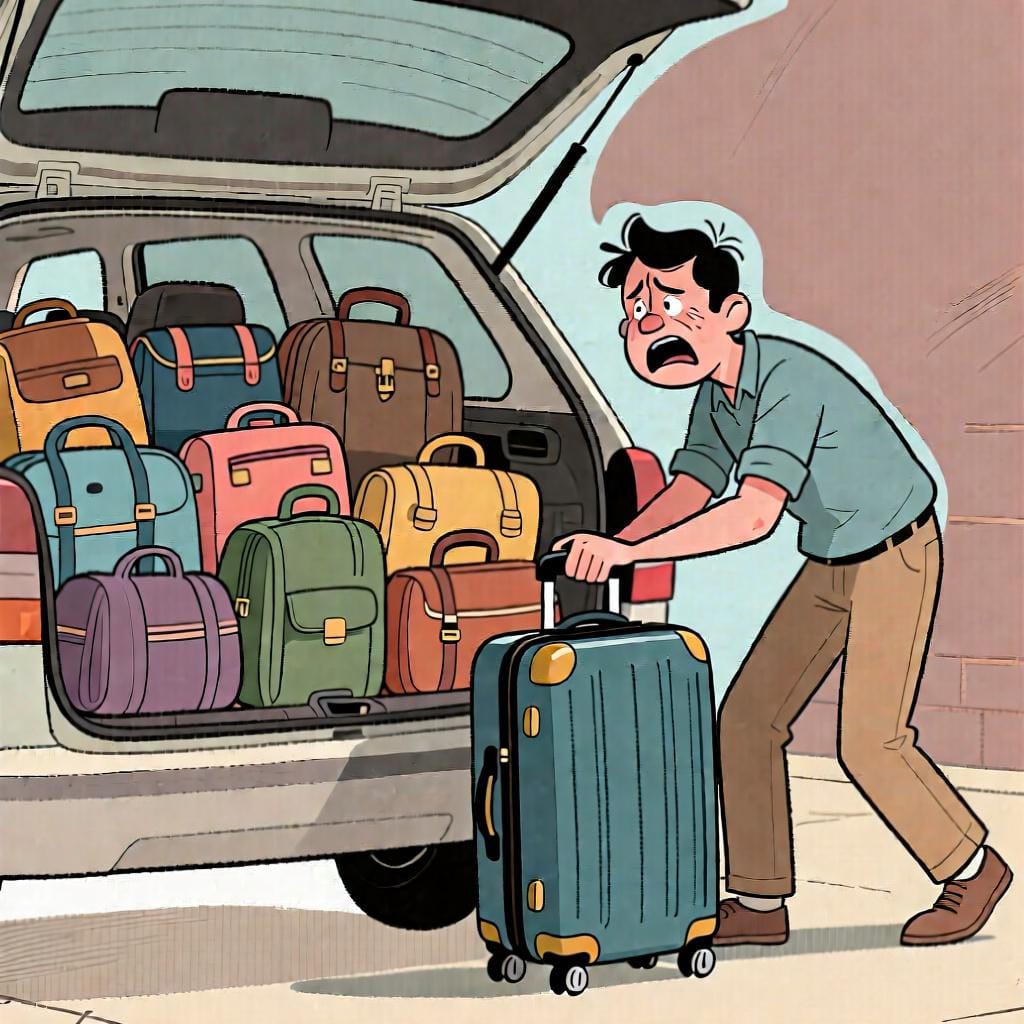
No tengo sitio en mi maleta para más cosas.
I don't have space in my suitcase for more things.
Por favor, hazme un sitio en el sofá.
Please, make room for me on the sofa.
Confusing with 'Habitación'
Mistake: “Using 'habitación' or 'cuarto' to mean 'available space'.”
Correction: 'Habitación' and 'cuarto' mean a physical room in a house (like a bedroom). Use 'sitio' or 'espacio' when you're talking about whether there's enough space for something or someone.
hueco
WAY-kohˈw̝e.ko

Examples
Hay un hueco en la cerca por donde se escapó el perro.
There is a gap/hole in the fence through which the dog escaped.
Tapa ese hueco en la pared antes de que entre agua.
Cover that hole in the wall before water gets in.
Dejó un gran hueco en su corazón cuando se fue.
He left a big void (or hole) in her heart when he left.
Gender Agreement
As a masculine noun, 'hueco' uses masculine articles and adjectives (e.g., 'el hueco', 'un hueco grande').
plaza
/plá-sa/ (or /plá-tha/ in Spain)ˈplaθa

Examples
Consiguió una plaza en la universidad.
He got a place/spot at the university.
Hay una plaza disponible en el departamento de ventas.
There is a position available in the sales department.
¿Cuántas plazas hay para el curso de verano?
How many spots are there for the summer course?
Formal Context
This meaning is often used in formal job listings or university applications, making it sound more serious or official than using 'trabajo' or 'puesto'.
cósmico
Examples
El documental trataba sobre fenómenos cósmicos.
The documentary was about cosmic phenomena.
Espacio vs. Lugar/Sitio
Learn Spanish with Inklingo
Interactive stories, personalized learning, and more.