How to Say "period" in Spanish
The most common Spanish word for “period” is “periodo” — use this for a general span of time, duration, or for menstruation.
periodo
peh-ree-OH-dohpeˈɾjoðo
Examples
El periodo de vacaciones es muy corto este año.
The vacation period is very short this year.
El periodo de construcción duró tres meses.
The construction period lasted three months.
Necesitamos un periodo de prueba antes de decidir.
We need a trial period before deciding.
Este es un periodo muy importante para la compañía.
This is a very important time for the company.
Masculine Noun
Remember that 'periodo' is always a masculine noun, so use 'el' or 'un' before it: 'el periodo.' This is true even though many words ending in '-o' in Spanish are masculine.
Gender Trap
Even when referring to menstruation, 'periodo' remains masculine: 'el periodo'. Be careful, as other common words for this, like 'la regla,' are feminine.
punto
poon-tohˈpun.to
Examples
No olvides poner un punto al final de la oración.
Don't forget to put a period at the end of the sentence.
Termina la frase con un punto.
End the sentence with a period.
Mi correo es [email protected], se escribe con un punto.
My email is [email protected], it's written with a dot.
Confusing with 'Coma'
Mistake: “Using 'punto' when you mean 'comma'.”
Correction: Use 'punto' (.) for a full stop and 'coma' (,) to separate items in a list or pause in a sentence.
etapa
eh-TAH-paheˈtapa
Examples
La niñez es una etapa importante en la vida.
Childhood is an important stage of life.
Mi abuela dice que la vejez es una etapa muy tranquila.
My grandmother says that old age is a very peaceful stage.
Estamos en la etapa final de la construcción de la casa.
We are in the final phase of the house construction.
La niñez es una etapa de mucho aprendizaje.
Childhood is a period of great learning.
Always Feminine
Remember that 'etapa' is always feminine, so you must use 'la' or 'una' before it: 'la etapa', 'una etapa importante'.
Gender Confusion
Mistake: “El etapa”
Correction: La etapa. Even though it ends in '-a', Spanish nouns are sometimes tricky, but 'etapa' is always feminine.
temporada
tem-po-RAH-dahtem.poˈɾa.ða

Examples
La temporada de conciertos empieza en junio.
The concert season begins in June.
La próxima temporada de fútbol comienza en agosto.
The next football season begins in August.
Esta es la última temporada de mi serie favorita.
This is the final season of my favorite series.
Durante la temporada de lluvias, necesitamos paraguas.
During the rainy season, we need umbrellas.
Gender Check
Remember that 'temporada' is feminine, so you must use feminine words with it, like 'la' (the) and 'esta' (this).
Season vs. Estación
Mistake: “Using 'temporada' for the four main climate seasons (spring, summer, fall, winter).”
Correction: Use 'estación' (la estación) for climate seasons. Reserve 'temporada' for specific activity periods (TV, sports, business, holidays).
plazo
PLAH-sohˈplaθo
Examples
El plazo para entregar el proyecto es mañana.
The deadline to submit the project is tomorrow.
Esta es una inversión a largo plazo.
This is a long-term investment.
El plan solo funciona a corto plazo.
The plan only works in the short term.
Fixed Phrases
The phrases 'a largo plazo' and 'a corto plazo' are fixed prepositional phrases and are extremely common. Memorize them as single units!
ciclo
SEE-kloh/ˈθiklo/ (Spain), /ˈsiklo/ (Latin America)
Examples
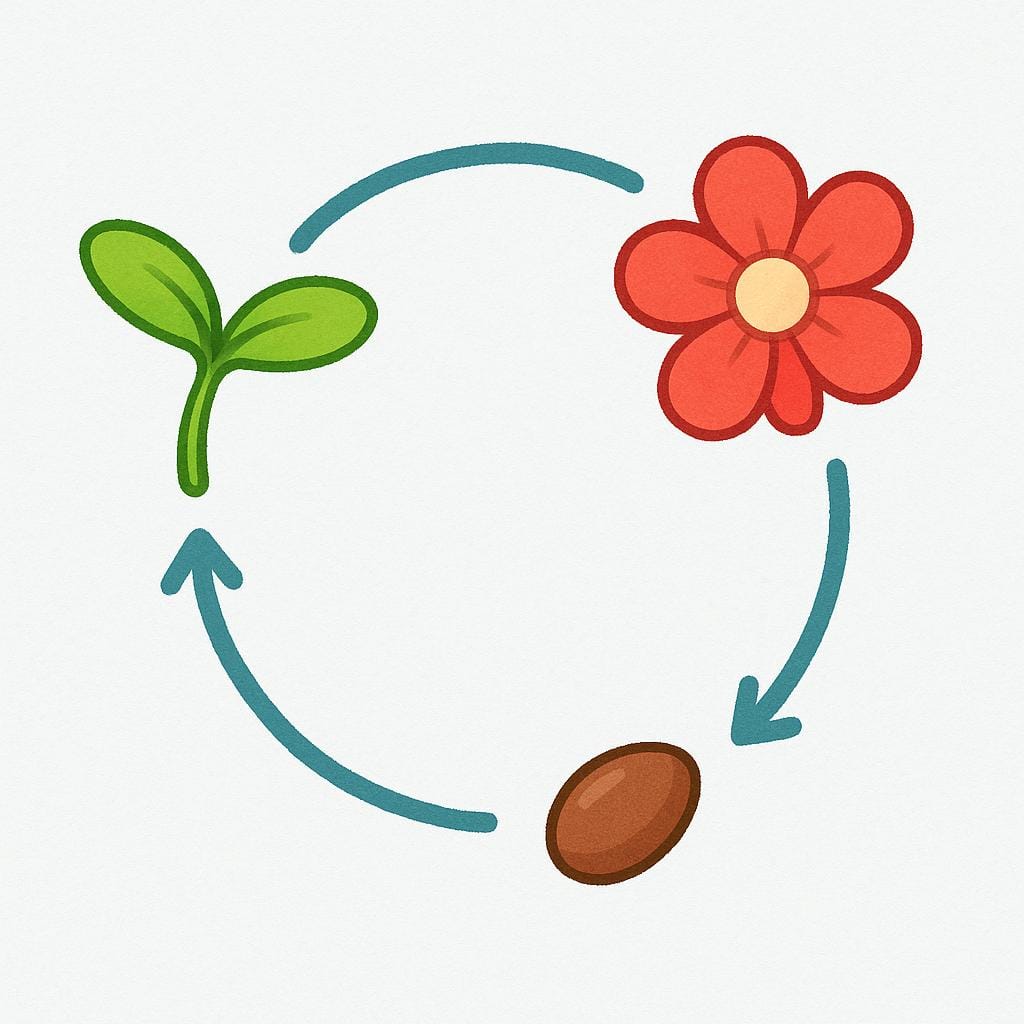
El ciclo lunar afecta las mareas.
The lunar cycle affects the tides.
El ciclo del agua es vital para la vida.
The water cycle is vital for life.
Estamos al final de un ciclo económico.
We are at the end of an economic cycle.
La luna completa su ciclo en menos de un mes.
The moon completes its cycle in less than a month.
Gender Tip
Remember that 'ciclo' is a masculine word, so you must always use masculine articles and adjectives with it (e.g., 'el ciclo', 'un ciclo largo').
época
Examples
La época victoriana tuvo muchas innovaciones.
The Victorian era had many innovations.
edad
e-dadeˈðað
Examples
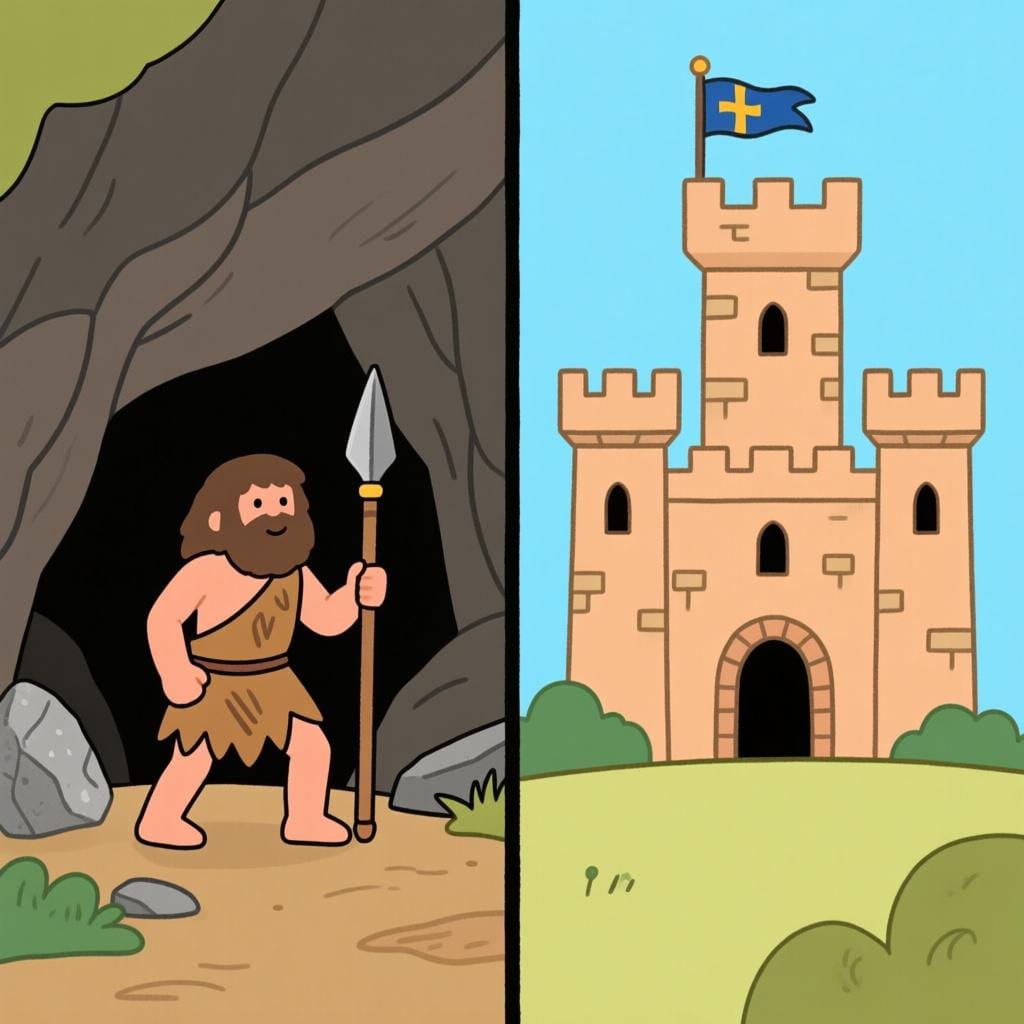
La Edad de Piedra fue antes de la Edad de Bronce.
The Stone Age was before the Bronze Age.
La Edad Media fue una época fascinante.
The Middle Ages was a fascinating era.
Vivimos en la edad de la información.
We live in the information age.
La Edad de Piedra es el período más antiguo de la prehistoria.
The Stone Age is the oldest period of prehistory.
episodio
eh-pee-SOH-dyohe.piˈso.ðjo
Examples
Ese fue un episodio difícil en su carrera.
That was a difficult episode in his career.
Ese episodio de su vida fue difícil de superar.
That episode of her life was difficult to overcome.
La crisis económica fue un episodio oscuro en la historia del país.
The economic crisis was a dark episode in the country's history.
El paciente sufrió un episodio de ansiedad severa.
The patient suffered an episode of severe anxiety.
Describing Severity
To talk about how serious an event was, you often pair 'episodio' with adjectives like 'grave' (serious), 'difícil' (difficult), or 'oscuro' (dark).
espacio
es-PA-syoesˈpa.sjo
Examples
En el espacio de dos semanas, aprendió mucho.
In the space of two weeks, he learned a lot.
En el espacio de una hora, la tormenta pasó.
In the space of an hour, the storm passed.
Muchas cosas pueden cambiar en un corto espacio de tiempo.
A lot of things can change in a short period of time.
fase
FAH-sehˈfase
Examples
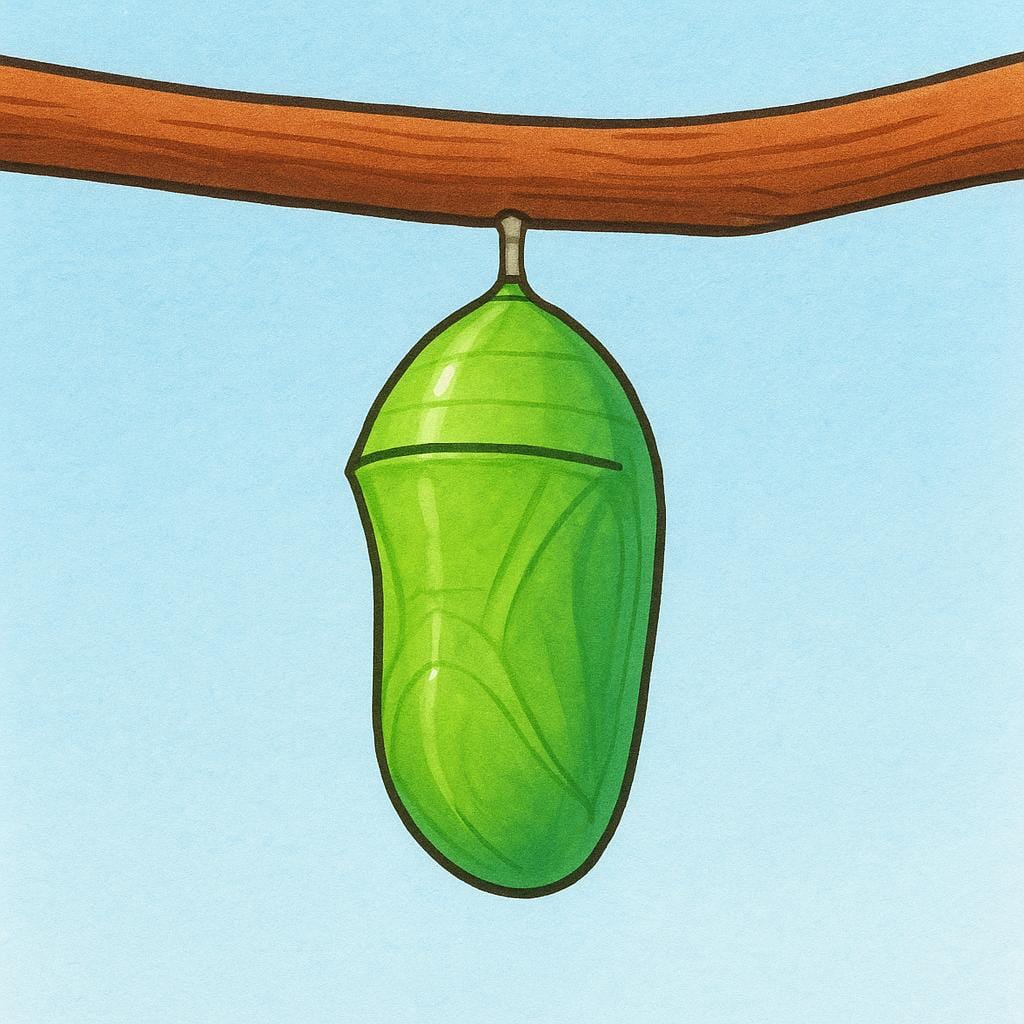
La fase de pruebas del software ha comenzado.
The testing phase of the software has begun.
Estamos en la fase de diseño del nuevo edificio.
We are in the design phase of the new building.
La luna está en su fase de cuarto creciente.
The moon is in its waxing quarter phase.
Después de esta fase de prueba, lanzaremos el producto.
After this testing stage, we will launch the product.
Gender Rule Breaker
Even though many Spanish nouns ending in '-e' are masculine, 'fase' is feminine (la fase). Memorize it with the article 'la'.
Incorrect Gender
Mistake: “El fase del proyecto.”
Correction: La fase del proyecto. Remember: 'fase' is always feminine.
tiempo
tyem-poˈtjempo
Examples
En tiempos de guerra, la comida escasea.
In times of war, food is scarce.
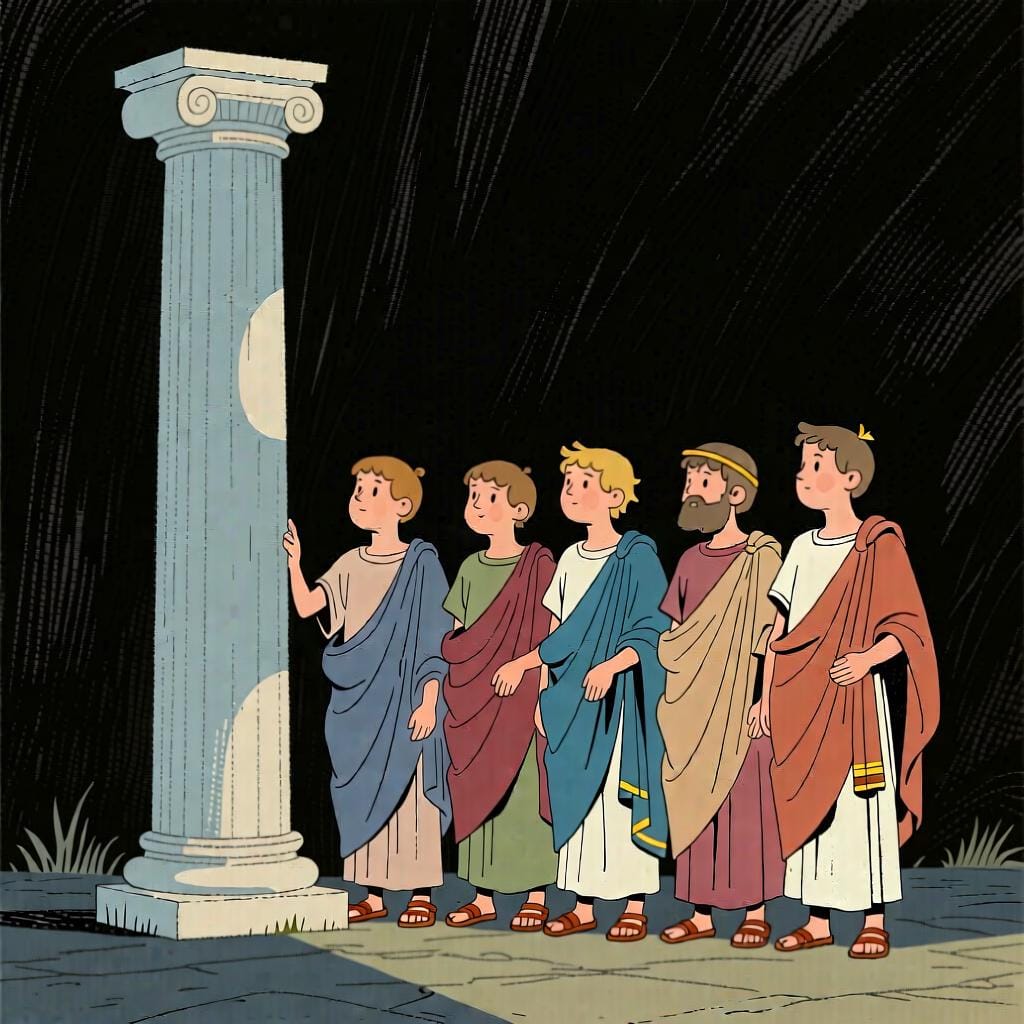
En tiempos de los romanos, la vida era muy diferente.
In Roman times, life was very different.
En mis tiempos de estudiante, leía mucho.
In my student days, I read a lot.
Es tiempo de cosecha.
It's harvest time.
regla
RREH-glahˈreɣla
Examples
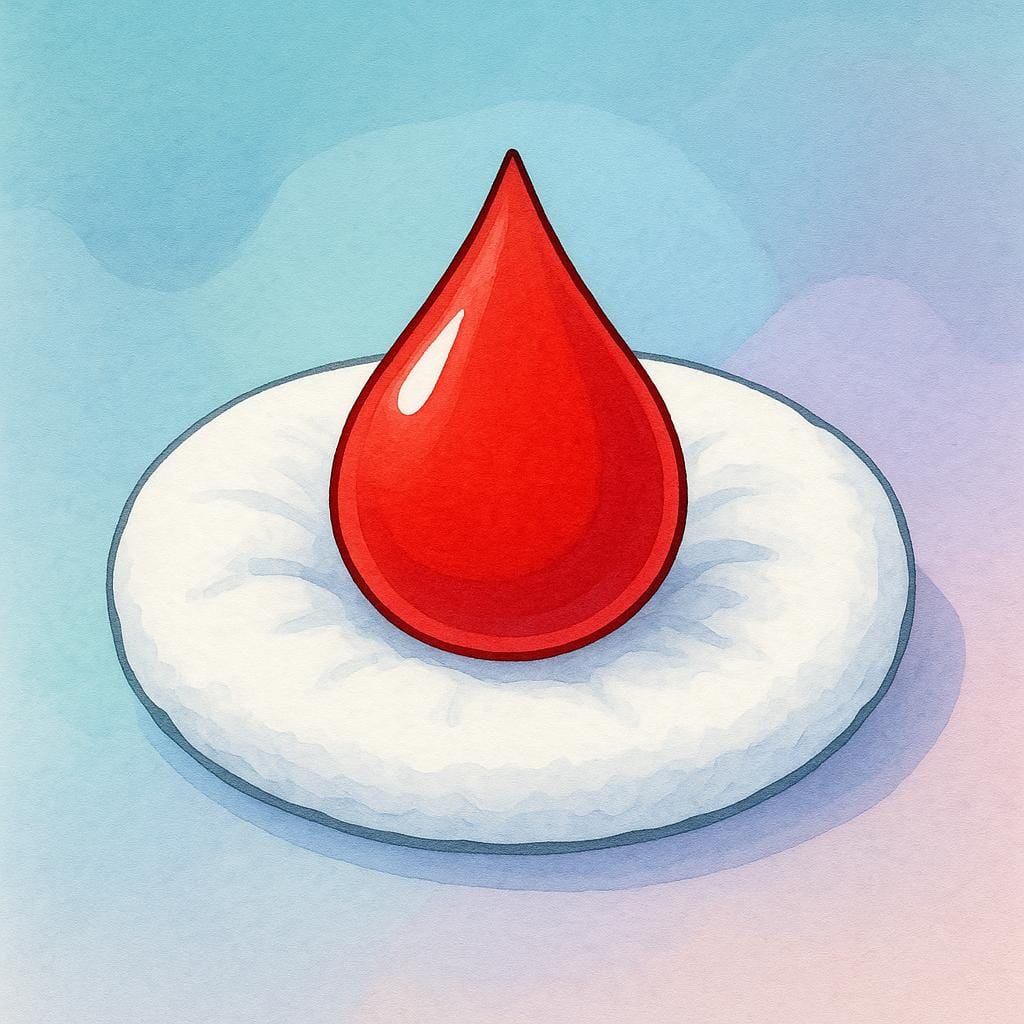
Tengo un dolor de regla terrible hoy.
I have terrible period pain today.
Mi regla es muy irregular este mes.
My period is very irregular this month.
Cuando me llega la regla, me duele mucho la cabeza.
When my period starts, I get a bad headache.
Time Spans vs. Specific Meanings
Learn Spanish with Inklingo
Interactive stories, personalized learning, and more.