How to Say "phase" in Spanish
The most common Spanish word for “phase” is “etapa” — use 'etapa' for a general, distinct period or stage in life, a process, or a development, often implying a natural progression.
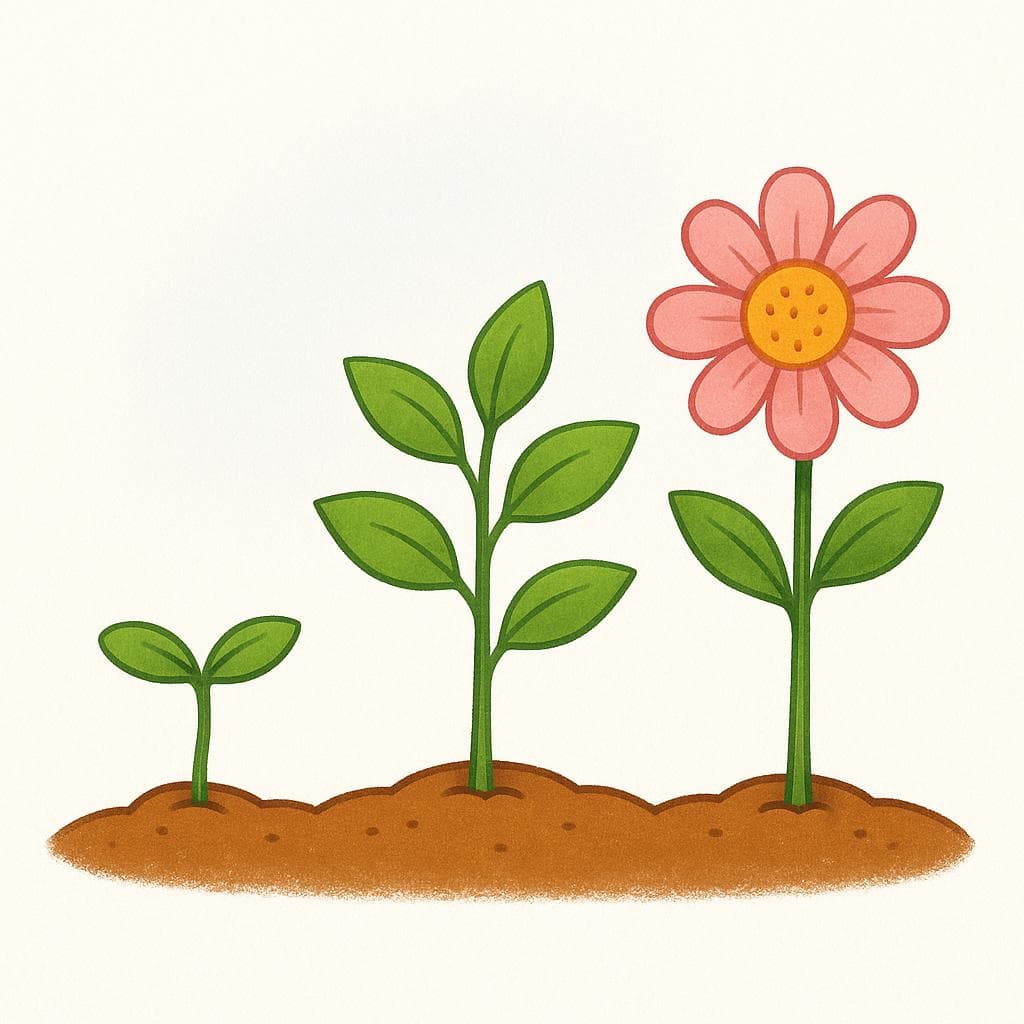



etapa
eh-TAH-paheˈtapa

Examples
Mi abuela dice que la vejez es una etapa muy tranquila.
My grandmother says that old age is a very peaceful stage.
Estamos en la etapa final de la construcción de la casa.
We are in the final phase of the house construction.
La niñez es una etapa de mucho aprendizaje.
Childhood is a period of great learning.
Always Feminine
Remember that 'etapa' is always feminine, so you must use 'la' or 'una' before it: 'la etapa', 'una etapa importante'.
Gender Confusion
Mistake: “El etapa”
Correction: La etapa. Even though it ends in '-a', Spanish nouns are sometimes tricky, but 'etapa' is always feminine.
periodo
peh-ree-OH-dohpeˈɾjoðo

Examples
El periodo de construcción duró tres meses.
The construction period lasted three months.
Necesitamos un periodo de prueba antes de decidir.
We need a trial period before deciding.
Este es un periodo muy importante para la compañía.
This is a very important time for the company.
Masculine Noun
Remember that 'periodo' is always a masculine noun, so use 'el' or 'un' before it: 'el periodo.' This is true even though many words ending in '-o' in Spanish are masculine.
fase
FAH-sehˈfase

Examples
Estamos en la fase de diseño del nuevo edificio.
We are in the design phase of the new building.
La luna está en su fase de cuarto creciente.
The moon is in its waxing quarter phase.
Después de esta fase de prueba, lanzaremos el producto.
After this testing stage, we will launch the product.
El hielo es la fase sólida del agua.
Ice is the solid phase of water.
Gender Rule Breaker
Even though many Spanish nouns ending in '-e' are masculine, 'fase' is feminine (la fase). Memorize it with the article 'la'.
Incorrect Gender
Mistake: “El fase del proyecto.”
Correction: La fase del proyecto. Remember: 'fase' is always feminine.
estadio
es-TAH-dee-ohesˈtaðjo

Examples
El proyecto está ahora en el estadio de planificación final.
The project is now in the final planning stage.
Descubrieron la enfermedad en un estadio muy temprano.
They discovered the illness at a very early stage.
Formal Context Warning
When you mean 'stage' or 'phase' in everyday conversation, it's safer to use 'etapa' or 'fase'. 'Estadio' in this sense is usually reserved for formal reports, science, or medicine.
Choosing Between 'Etapa', 'Fase', and 'Periodo'
Learn Spanish with Inklingo
Interactive stories, personalized learning, and more.