How to Say "interval" in Spanish
The most common Spanish word for “interval” is “período” — use 'período' when referring to a distinct duration of time, like a school term, a historical era, or a scheduled break such as exam time.


Examples
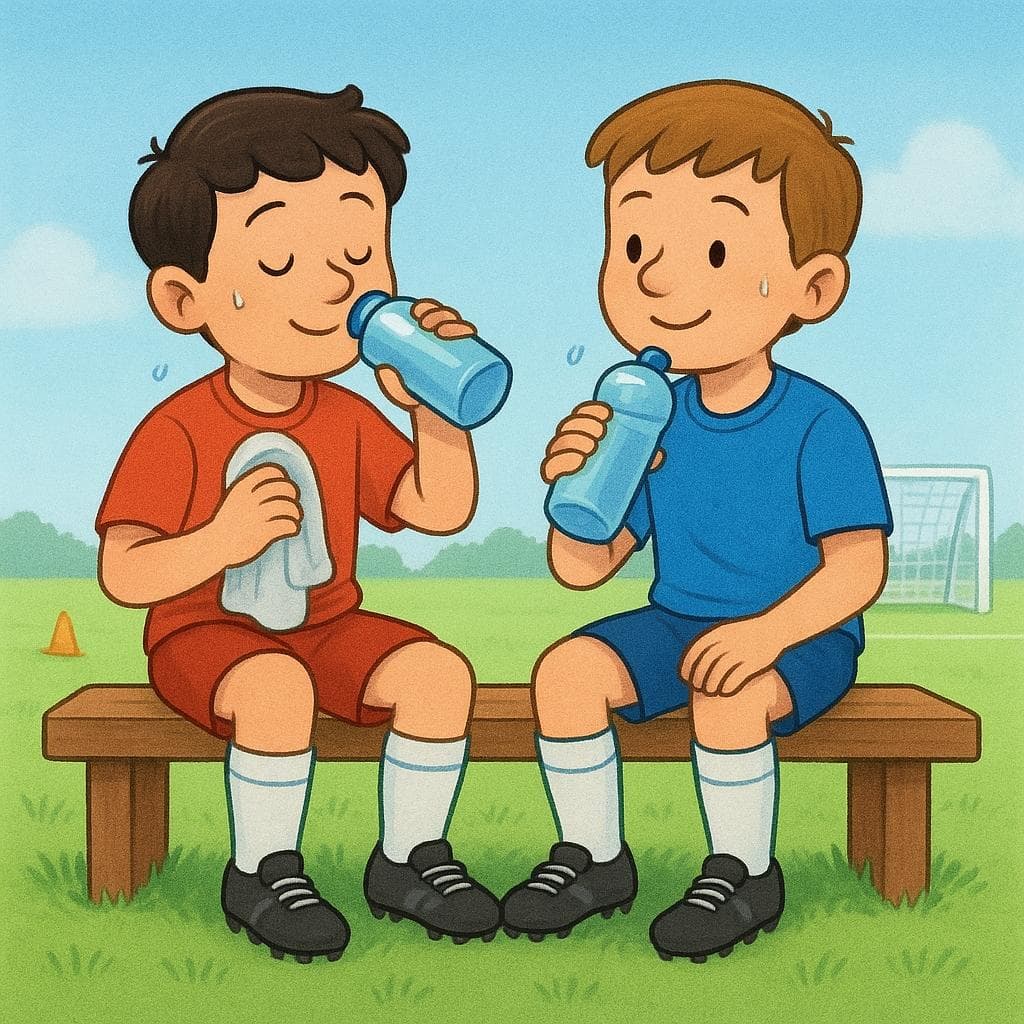
El período de vacaciones es en agosto.
The vacation period is in August.
intervalo
een-ter-BA-lointeɾˈbalo

Examples
Hubo un intervalo de diez minutos entre las dos películas.
There was a ten-minute interval between the two movies.
Las luces parpadean a intervalos de cinco segundos.
The lights blink at five-second intervals.
El intervalo de temperatura hoy será de 15 a 20 grados.
The temperature range today will be from 15 to 20 degrees.
Using 'a intervalos'
Use this phrase when you want to say something happens 'every now and then' or with a specific rhythm, like 'a intervalos regulares' (at regular intervals).
Gender memory aid
It's a masculine noun ending in -o. Think of 'un intervalo' as 'a period,' which is also masculine (un periodo).
Intervalo vs. Descanso
Mistake: “Using 'intervalo' for a coffee break at work.”
Correction: Use 'descanso' or 'pausa' for a work break; 'intervalo' is more about the measurement of the gap between events.
lapso
LAHP-sohˈlap.so

Examples
En un lapso de diez minutos, terminamos el trabajo.
In a ten-minute period, we finished the work.
Hubo un breve lapso de silencio en la habitación.
There was a brief interval of silence in the room.
El contrato se renovará tras un lapso de seis meses.
The contract will be renewed after a six-month period.
Using 'de' with time
When 'lapso' refers to a duration, it is almost always followed by 'de' and the amount of time (e.g., 'lapso de un año').
Always Masculine
Even though it ends in 'o', just remember it stays masculine regardless of the time word following it: 'el lapso'.
Redundancy Warning
Mistake: “Using 'lapso de tiempo' in very formal writing.”
Correction: In strict formal Spanish, 'lapso' already implies time, so 'de tiempo' is technically extra, though everyone says it in conversation!
descanso
des-CAN-sodesˈkanso
Examples
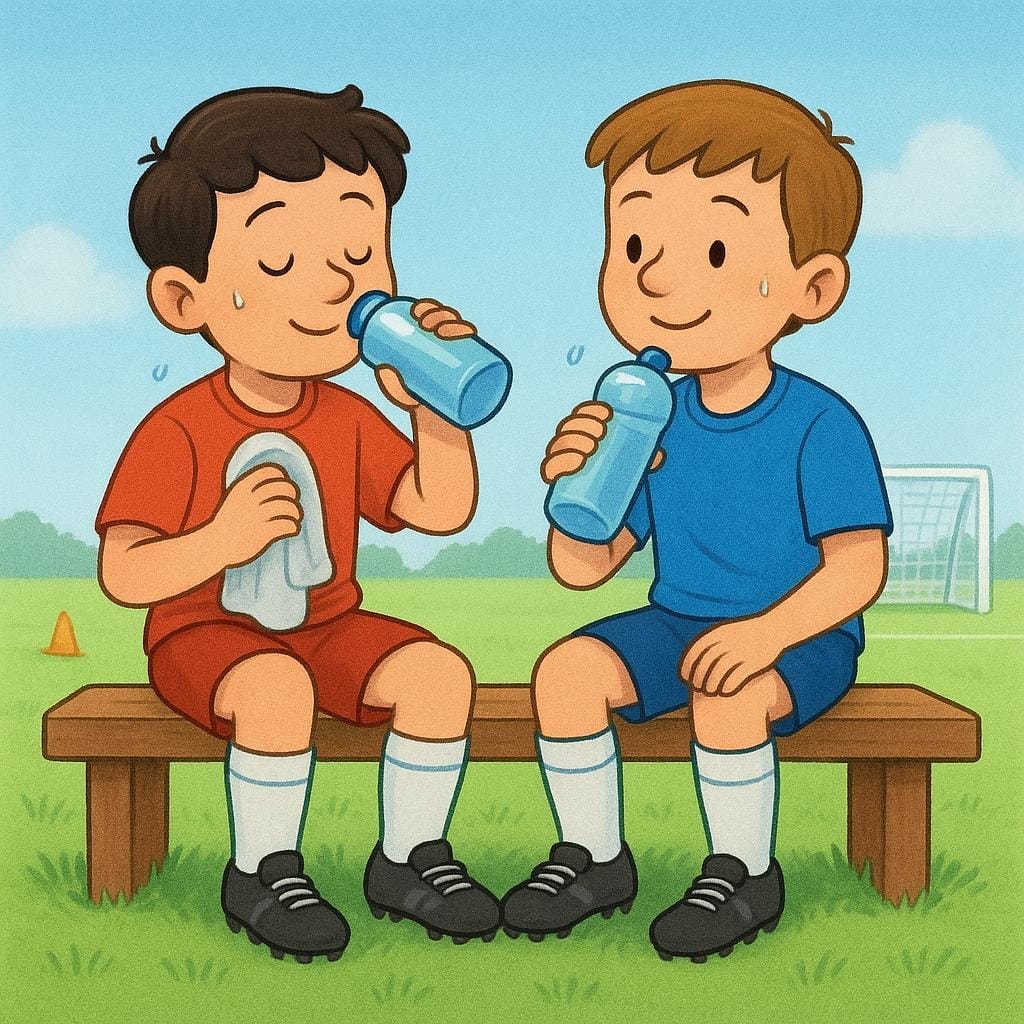
El marcador estaba 1-0 cuando llegó el descanso.
The score was 1-0 when half-time arrived.
Aprovecharemos el descanso para estirar las piernas y comprar bebidas.
We will use the intermission to stretch our legs and buy drinks.
The Specific Break
When referring to a scheduled break during a public event, 'descanso' is treated as a specific event, often preceded by the definite article 'el'.
Confusing Breaks
Mistake: “Using 'descanso' for school lunch break.”
Correction: In school, the break is usually called 'el recreo' or 'el recreo' (recess/break time).
Distinguishing Between Time Spans and Breaks
Related Translations
Learn Spanish with Inklingo
Interactive stories, personalized learning, and more.