How to Say "break" in Spanish
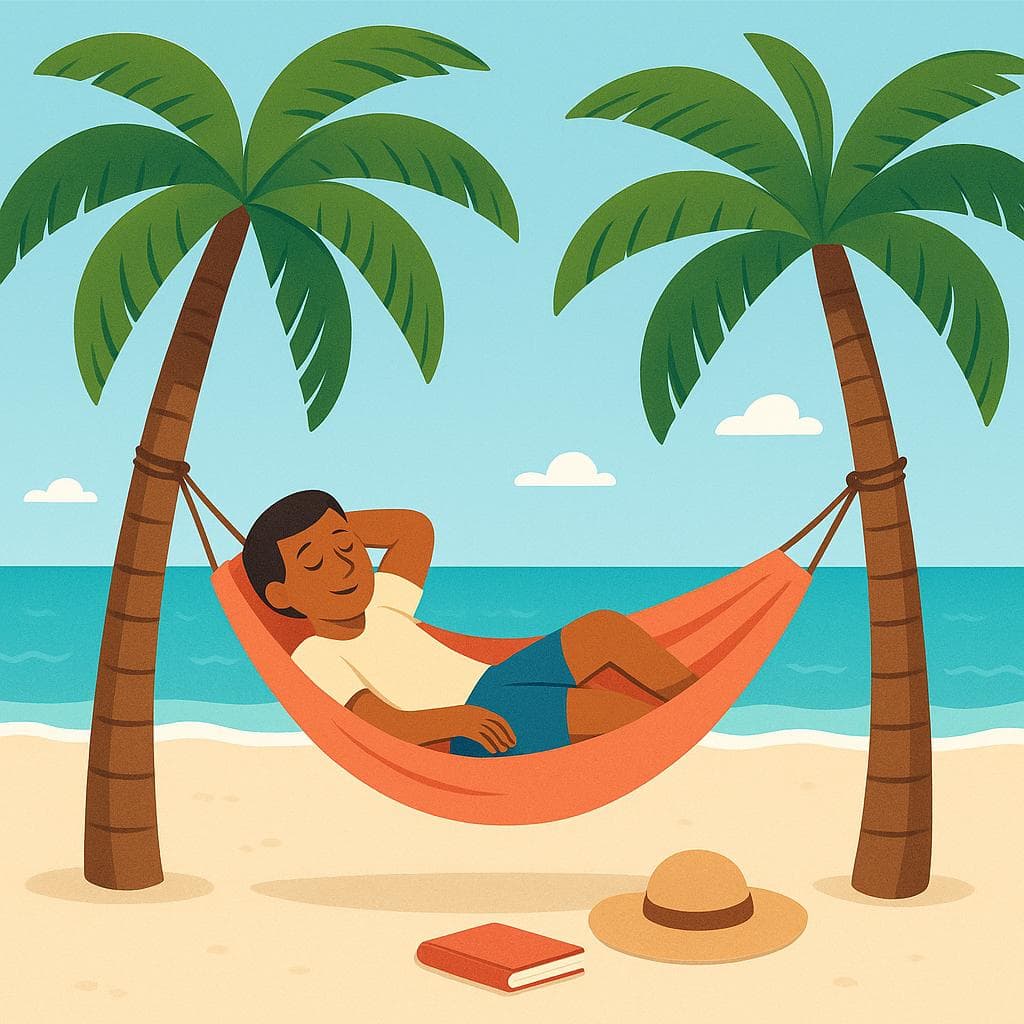
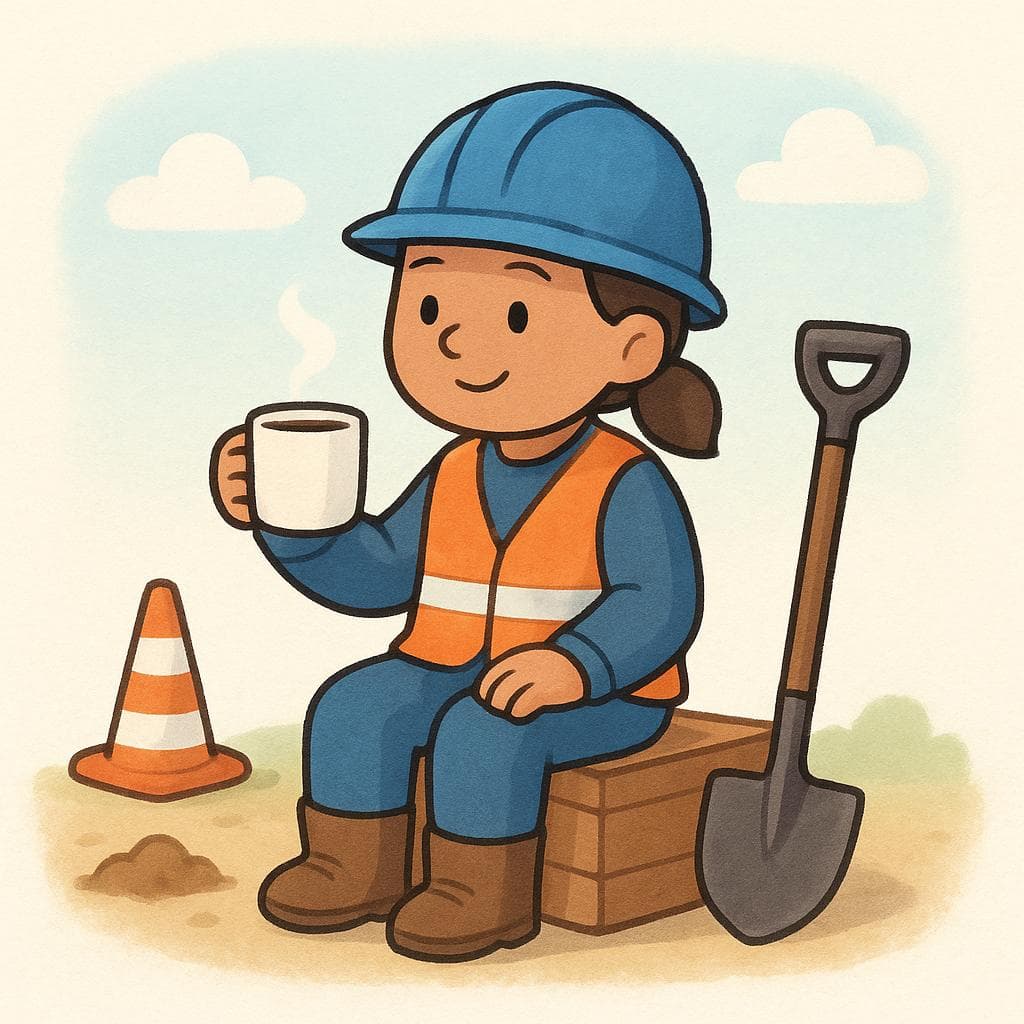
The most common Spanish word for “break” is “pausa” — use 'pausa' for a short, general rest period from any activity, work, or study.



pausa
PAH-oo-sahˈpau̯.sa
Examples
Hagamos una pausa de diez minutos antes de seguir trabajando.
Let's take a ten-minute break before continuing work.
El locutor hizo una pausa larga para generar suspenso.
The announcer made a long pause to build suspense.
Voy a ponerle pausa a la película para ir al baño.
I'm going to put the movie on pause to go to the bathroom.
Gender Check
Remember that 'pausa' is always a feminine word, so you must use feminine articles and adjectives with it (e.g., 'una pausa corta' means 'a short break').
Using 'Pausa' as a Verb
Mistake: “Yo pausa (I pause)”
Correction: The verb form is 'pausar'. The most common way to express the action is using the phrase 'hacer una pausa' (to make a pause/take a break).
descanso
des-CAN-sodesˈkanso
Examples
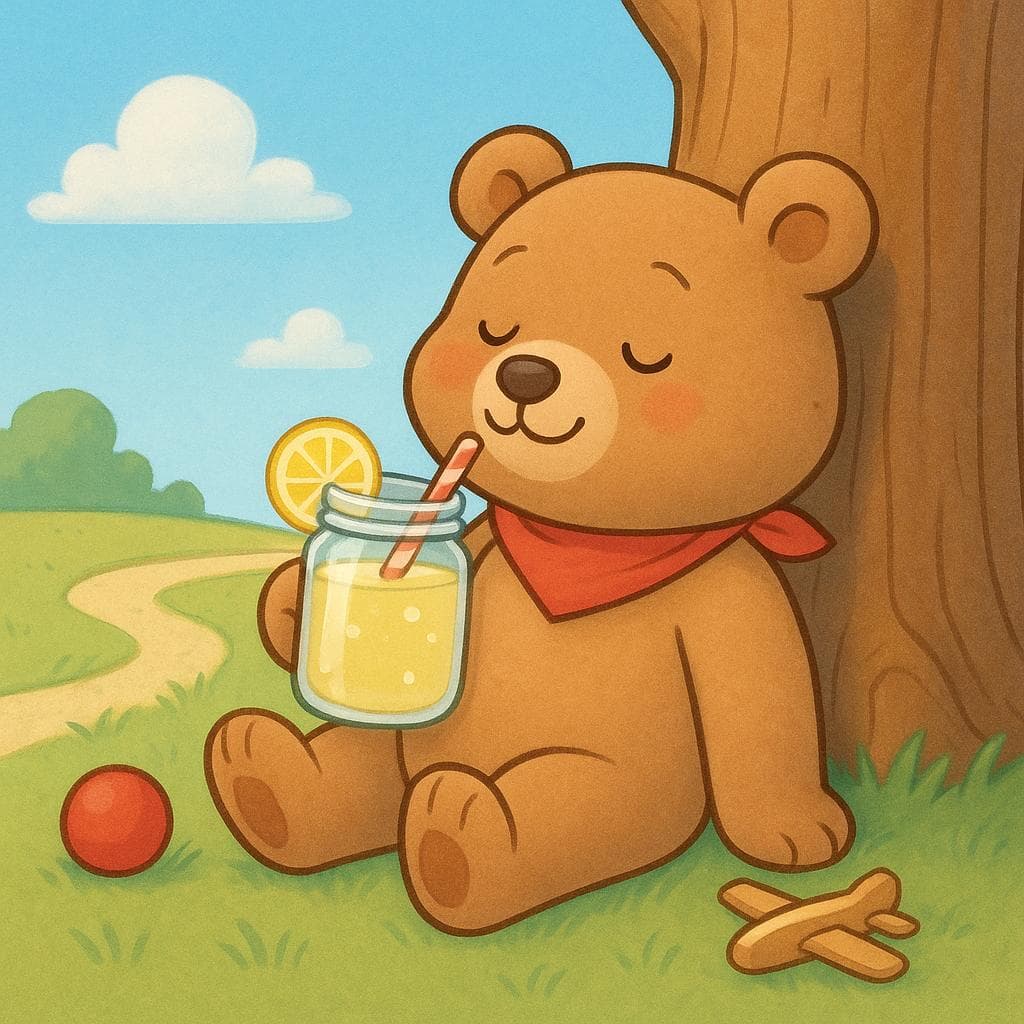
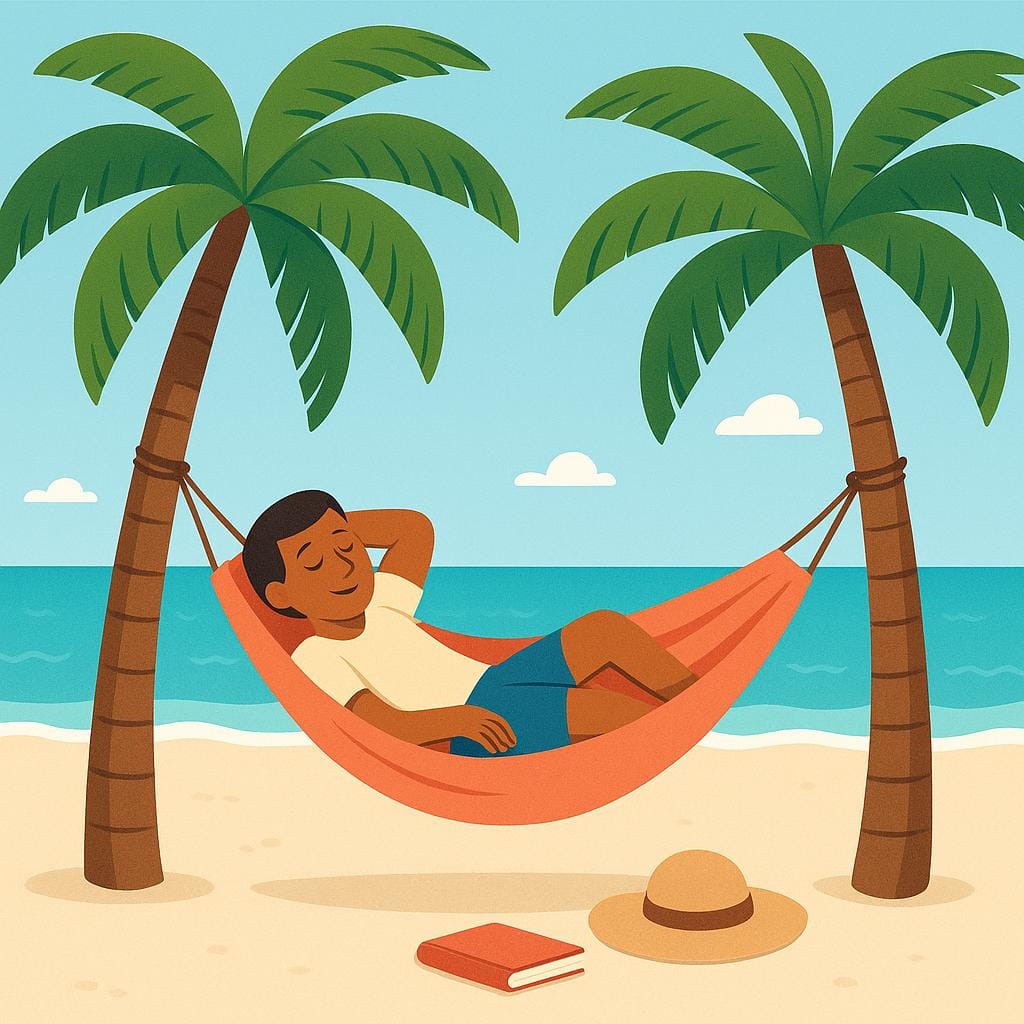
Necesito un descanso después de caminar tanto.
I need a rest after walking so much.
El médico me ordenó descanso absoluto por dos días.
The doctor ordered me complete rest for two days.
¿Tomamos cinco minutos de descanso?
Shall we take a five-minute break?
Using the Verb Form
This noun comes from the verb 'descansar' (to rest). If you want to say 'I am resting,' use the verb: 'Estoy descansando' instead of trying to use the noun.
Confusing 'descanso' and 'sueño'
Mistake: “Using 'descanso' when you specifically mean 'sleep' (sueño/dormir).”
Correction: While rest is related to sleep, 'descanso' usually refers to a waking break or relaxation. Sleep itself is 'sueño'.
recreo
reh-KREH-ohreˈkɾeo
Examples
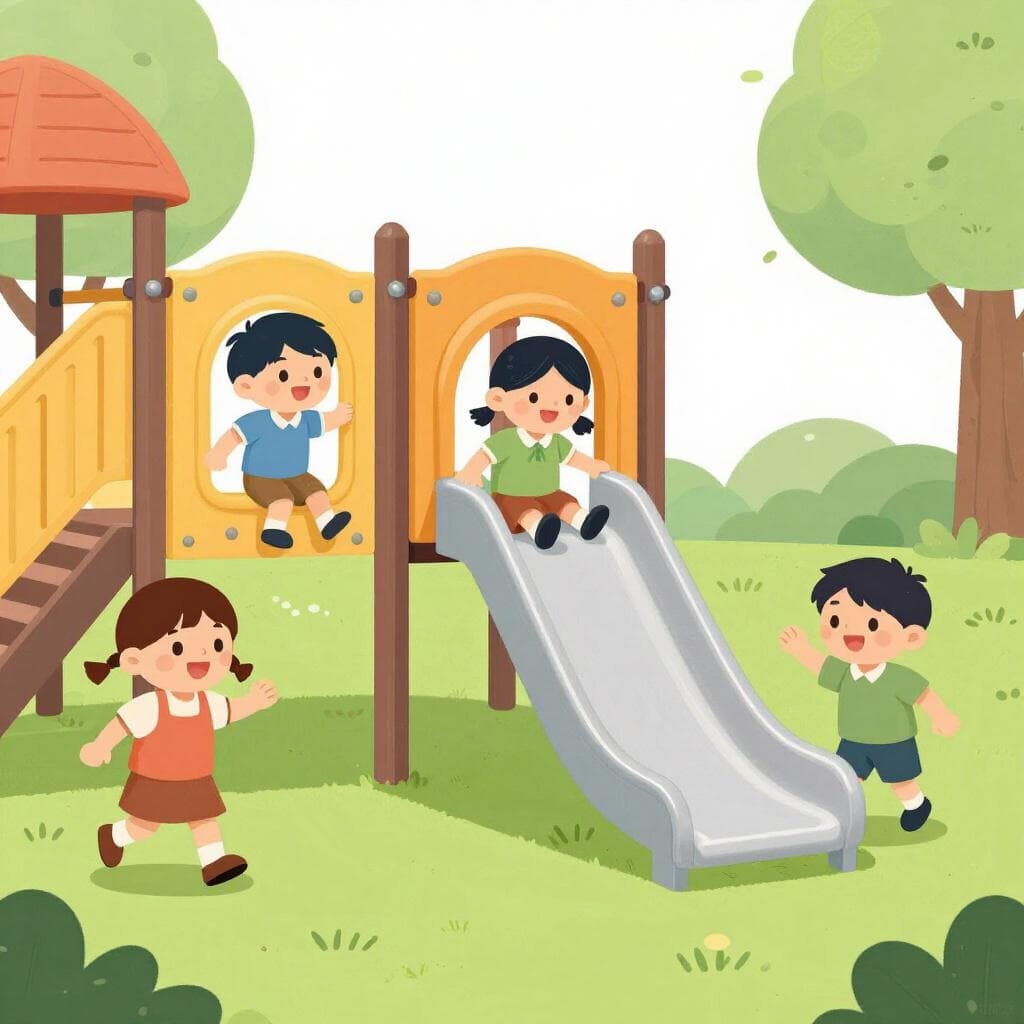
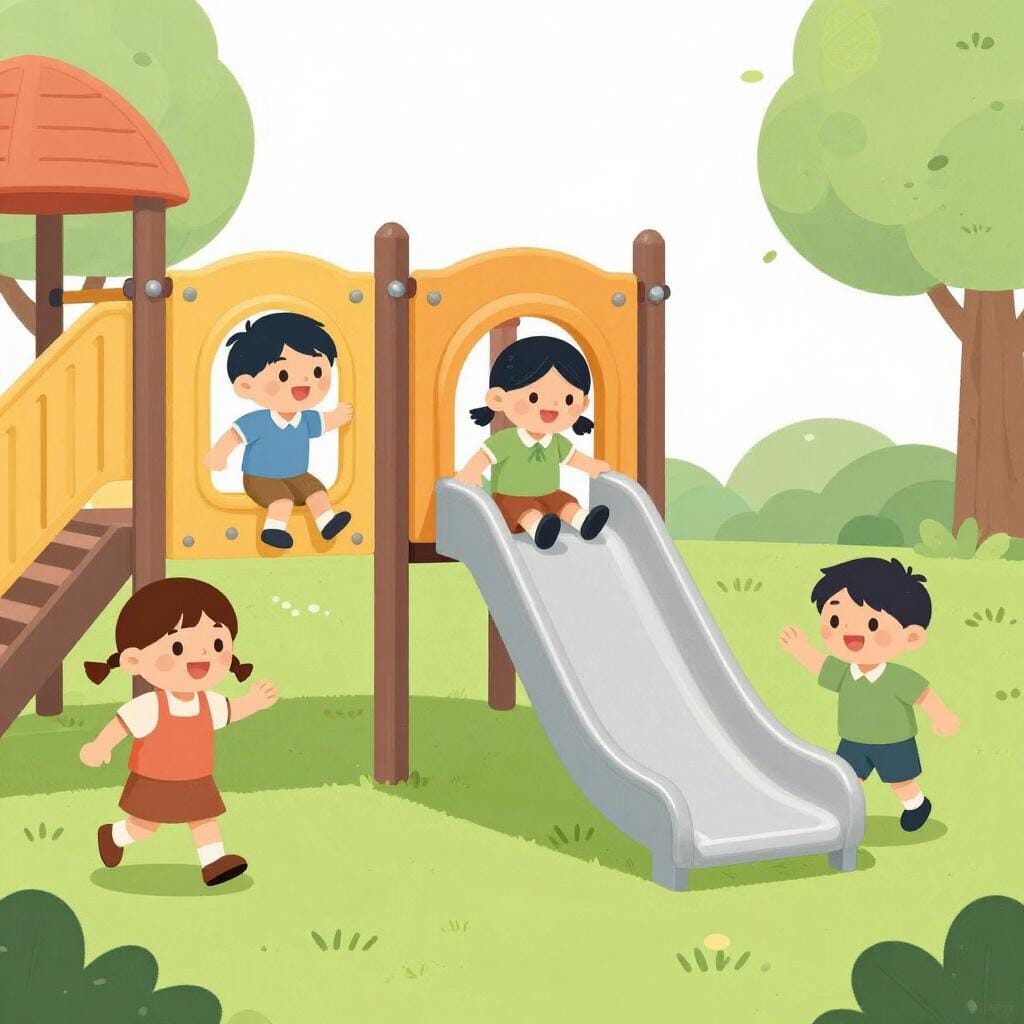
Los niños juegan al fútbol en el recreo.
The children play soccer at recess.
Nos vemos en el patio durante el recreo.
We'll see each other in the courtyard during the break.
El profesor vigila a los alumnos en la hora del recreo.
The teacher watches the students during break time.
Always Masculine
Even though it ends in 'o', it follows the standard rule and is always 'el recreo'.
Using 'at' or 'in'
To say 'at recess' or 'during break,' use the phrase 'en el recreo'.
Confusing with 'Descanso'
Mistake: “Using 'descanso' for school recess.”
Correction: While 'descanso' means break, 'recreo' is specifically used for the scheduled playtime at school.
vacación
Examples
Tengo una semana de vacación pendiente.
I have one week of vacation pending.
ruptura
roop-TOO-rahrupˈtu.ɾa
Examples
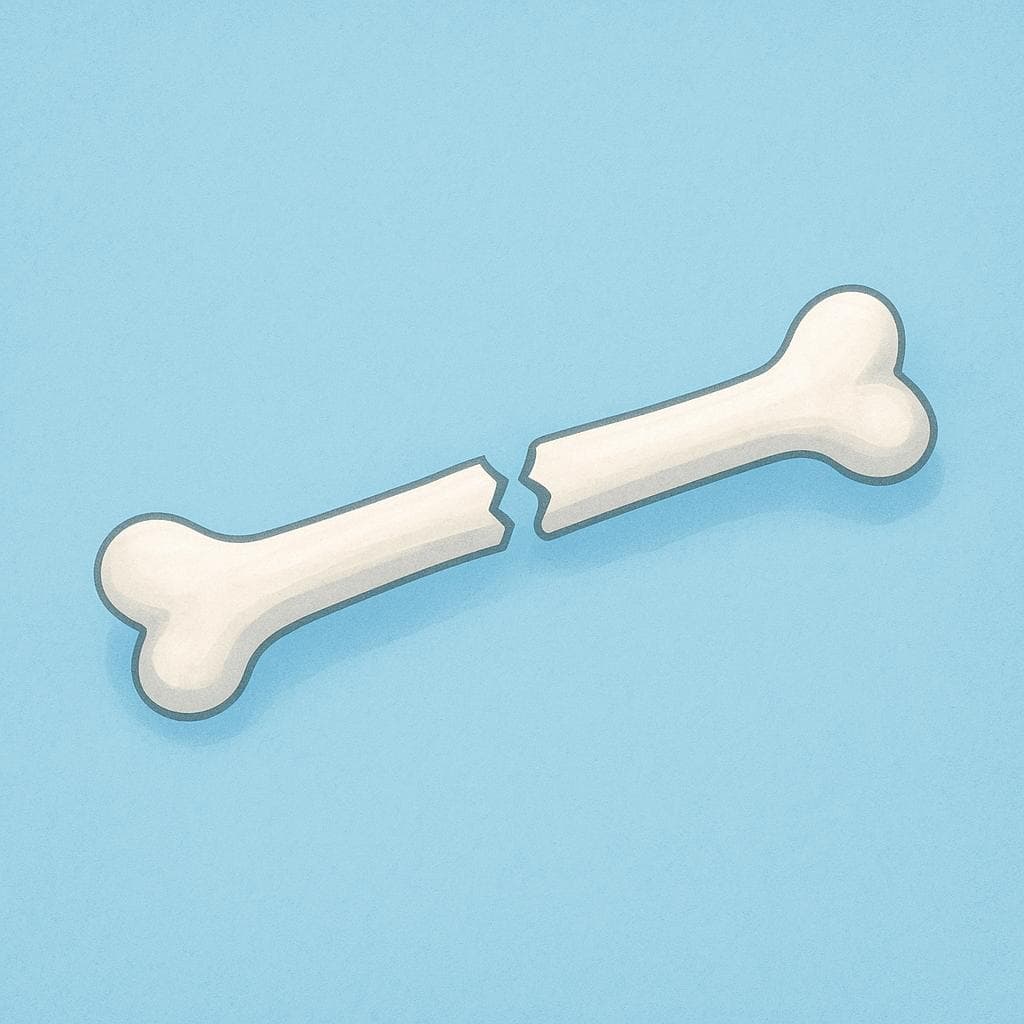
El doctor confirmó la ruptura del hueso.
The doctor confirmed the fracture of the bone.
Tuvimos que reparar la ruptura en la tubería de agua.
We had to repair the break in the water pipe.
Using 'rotura' vs 'ruptura'
Mistake: “Using 'rotura' for a relationship breakup.”
Correction: 'Rotura' is often preferred for simple physical breaks (like a broken glass), while 'ruptura' is used for bone fractures, ligament tears, and all figurative breaks (relationships, diplomacy, etc.).
fractura
frak-TOO-rahfɾakˈtuɾa
Examples
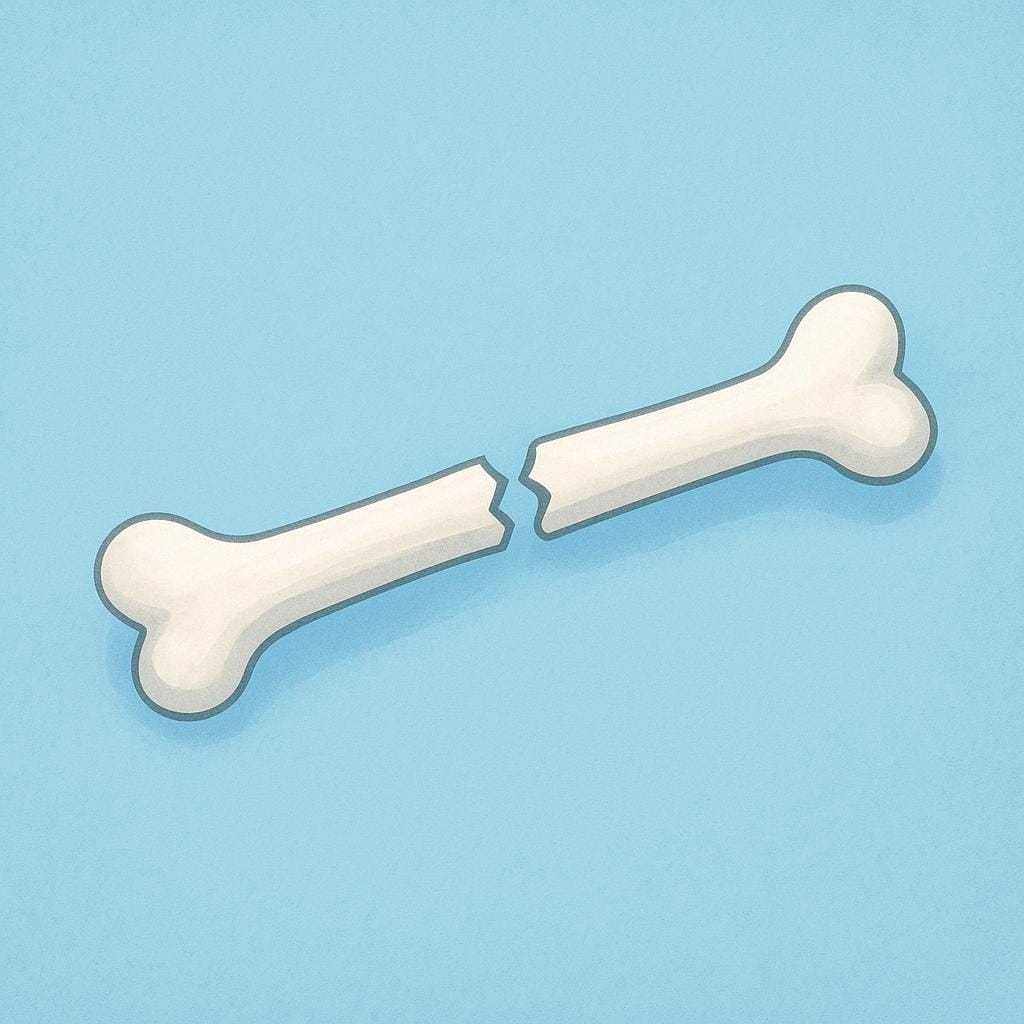
El médico confirmó que el niño tiene una fractura en el brazo.
The doctor confirmed that the boy has a fracture in his arm.
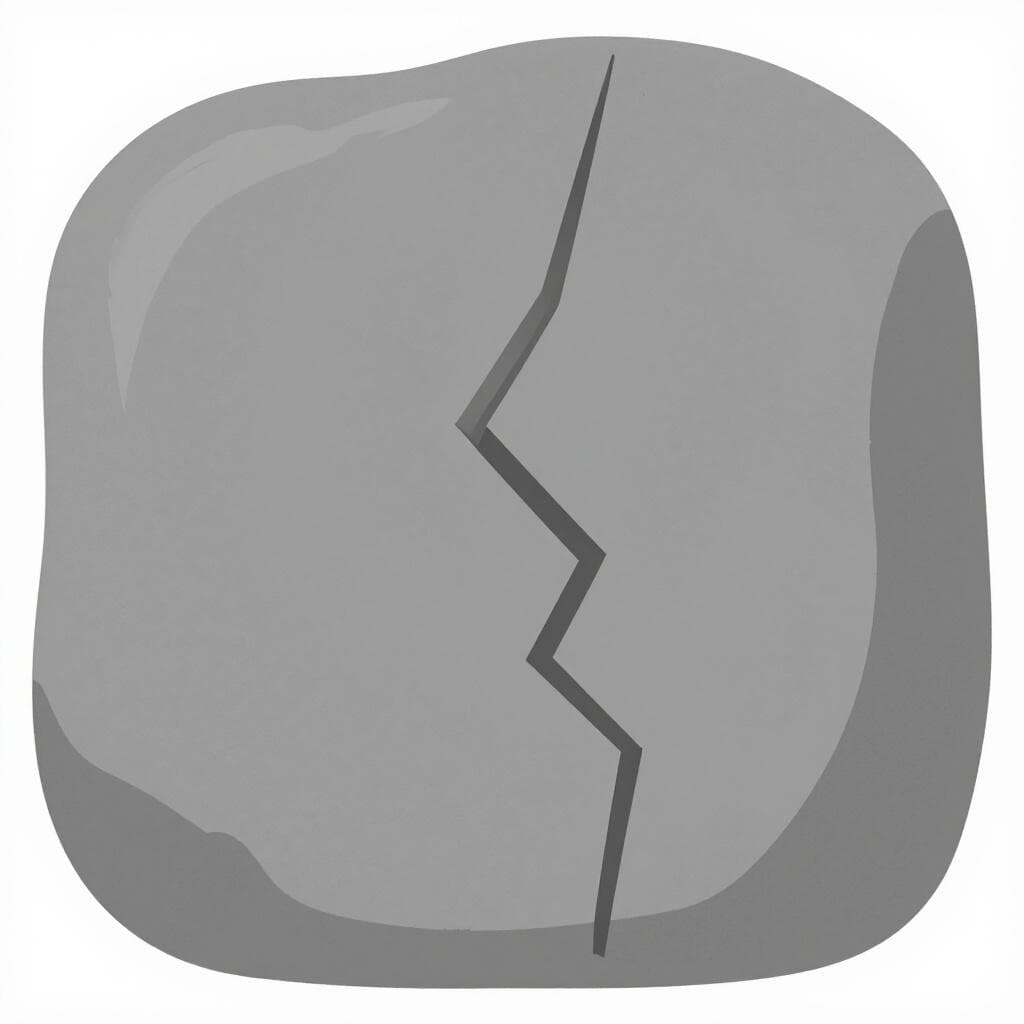
Esta roca tiene una pequeña fractura por el frío.
This rock has a small crack because of the cold.
Gender of the word
This word is feminine. You should always use 'la' or 'una' with it, like 'la fractura'.
Fractura vs. Roto
Mistake: “Saying 'Tengo una fractura brazo'.”
Correction: Say 'Tengo una fractura en el brazo'. You need the word 'en' (in) to show where the break is located.
intermedio
een-tehr-MEH-dyohinteɾˈmeðjo

Examples
Compré palomitas durante el intermedio.
I bought popcorn during the intermission.
El intermedio de la obra durará diez minutos.
The play's intermission will last ten minutes.
Aproveché el intermedio para saludar a los músicos.
I took advantage of the interval to say hello to the musicians.
Always Masculine
When referring to a break in a show, 'intermedio' is a masculine noun. You will always use 'el' or 'un' with it.
Intermedio vs. Entretiempo
Mistake: “El intermedio del partido de fútbol.”
Correction: El descanso (or entretiempo) del partido de fútbol.
interrupción
Examples
Perdón por la interrupción, pero tengo una pregunta.
Sorry for the interruption, but I have a question.
parada
pah-RAH-dahpaˈɾaða
Examples
Hagamos una parada para comer algo antes de seguir el camino.
Let's make a stop to eat something before continuing the journey.
El vuelo tiene una parada de tres horas en Madrid.
The flight has a three-hour layover in Madrid.
Common Verb Partner
The most frequent way to use this meaning is with the verb 'hacer' (to do/make): 'hacer una parada'.
respiro
ress-PEE-rohresˈpiɾo
Examples
Necesito un respiro de la rutina diaria.
I need a break from the daily routine.
La tormenta nos dio un respiro del calor sofocante.
The storm gave us a respite from the suffocating heat.
Tómate un respiro, has estado trabajando por horas.
Take a break, you've been working for hours.
Masculine Noun Rule
'Respiro' is always a masculine noun, so you must use 'el' or 'un' before it, like 'el respiro' or 'un respiro'.
rotura
ro-TOO-rahroˈtuɾa

Examples
La rotura de la tubería causó una inundación en el sótano.
The pipe break caused a flood in the basement.
El deportista tiene una rotura de fibras en la pierna.
The athlete has a muscle tear in his leg.
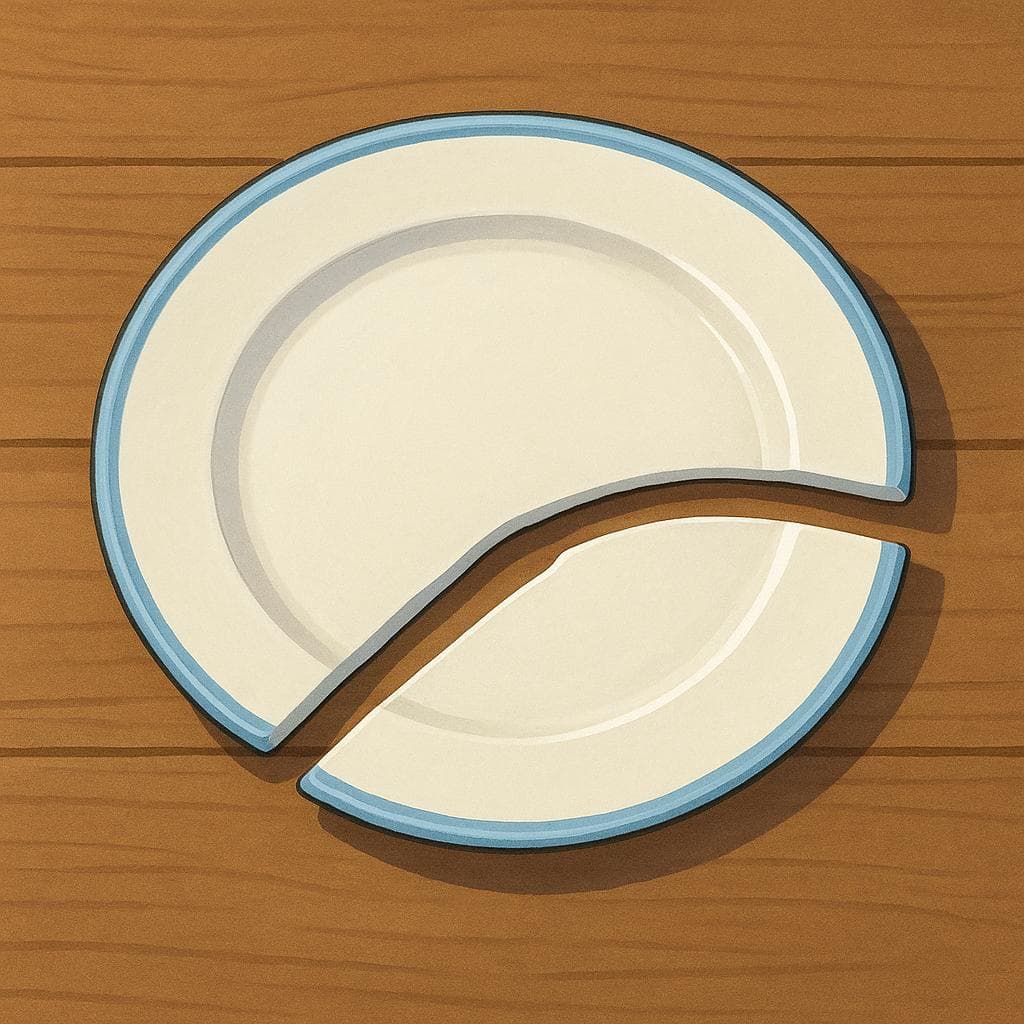
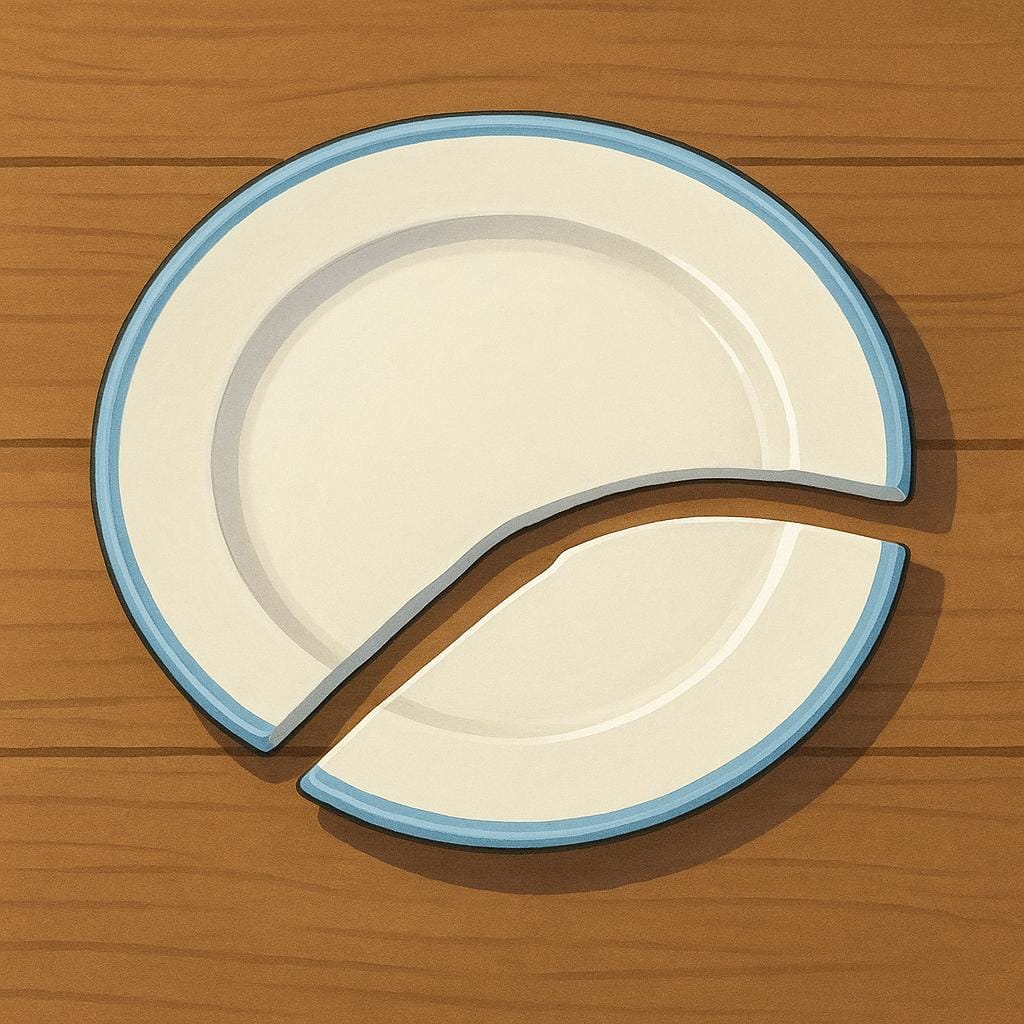
No podemos vender este plato por la rotura del borde.
We can't sell this plate because of the crack on the rim.
Always Feminine
Even though it ends in 'a', it's good to remember that 'la rotura' is a naming word for a thing (a noun) and stays feminine regardless of what object broke.
Describing the Damage
Use 'de' after 'rotura' to name the object that is broken, like 'rotura de cristal' (glass break).
Rotura vs. Ruptura
Mistake: “La ruptura de la tubería.”
Correction: La rotura de la tubería. Use 'rotura' for physical objects and 'ruptura' for relationships or abstract ideas.
parte
PAR-tehˈpaɾte
Examples
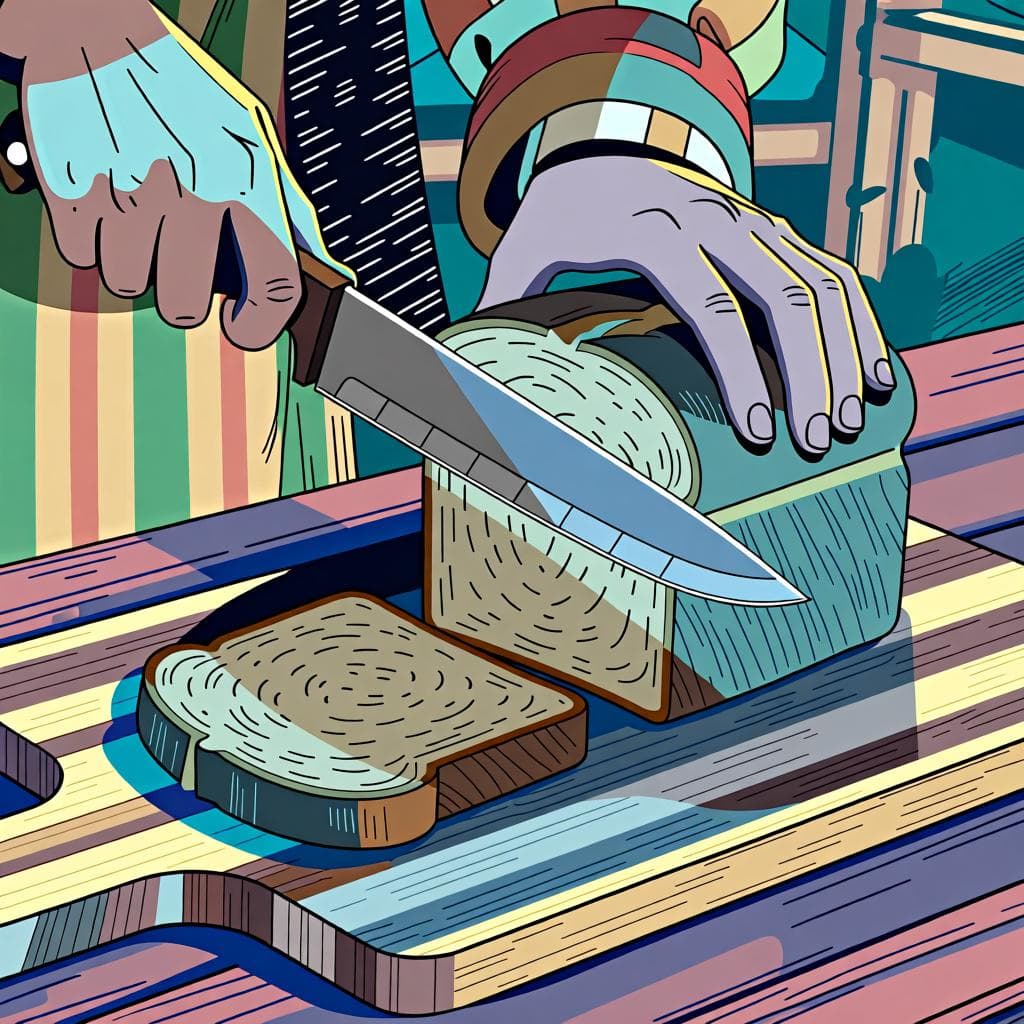
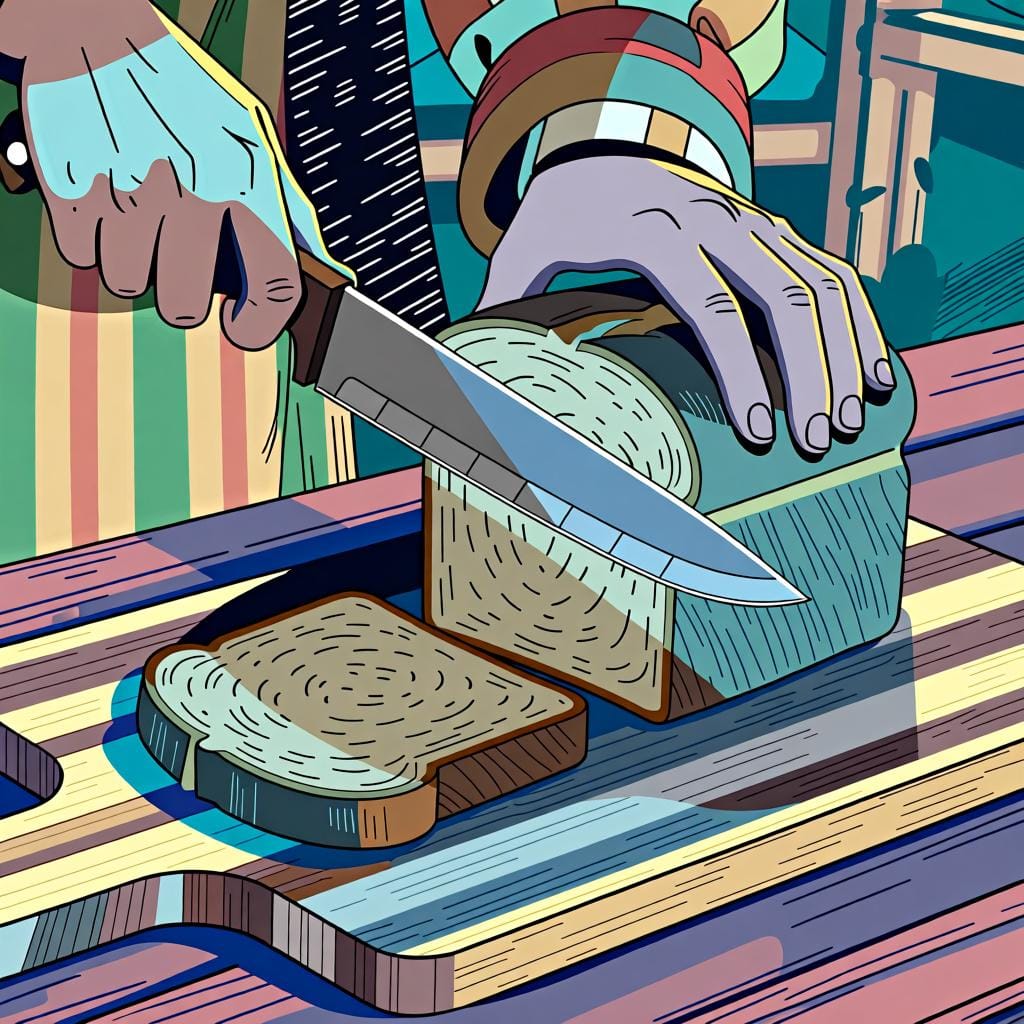
Parte el pastel en ocho trozos, por favor.
Cut the cake into eight pieces, please.
Es importante que usted parte de cero en este proyecto.
It's important that you start from scratch on this project.
No quiero que se parte la cuerda.
I don't want the rope to break.
A Form of the Verb 'partir'
This isn't a word on its own, but a form of the verb 'partir' (to cut, split, leave). You'll see 'parte' used as a command for 'tú' (you): '¡Parte el pan!' (Cut the bread!).
abra
AH-brahˈa.βɾa

Examples
Tuvimos que cruzar la abra de la sierra para llegar al valle.
We had to cross the mountain pass to reach the valley.
La abra en la costa ofrecía un refugio natural para los barcos.
The inlet on the coast offered a natural shelter for the boats.
Gender Note
This noun is feminine: 'la abra'. Note that it does not follow the rule of using 'el' before feminine nouns that start with a stressed 'a' sound, because 'abra' is not stressed on the first syllable.
quiebra
KYEH-brahˈkje.βɾa
Examples
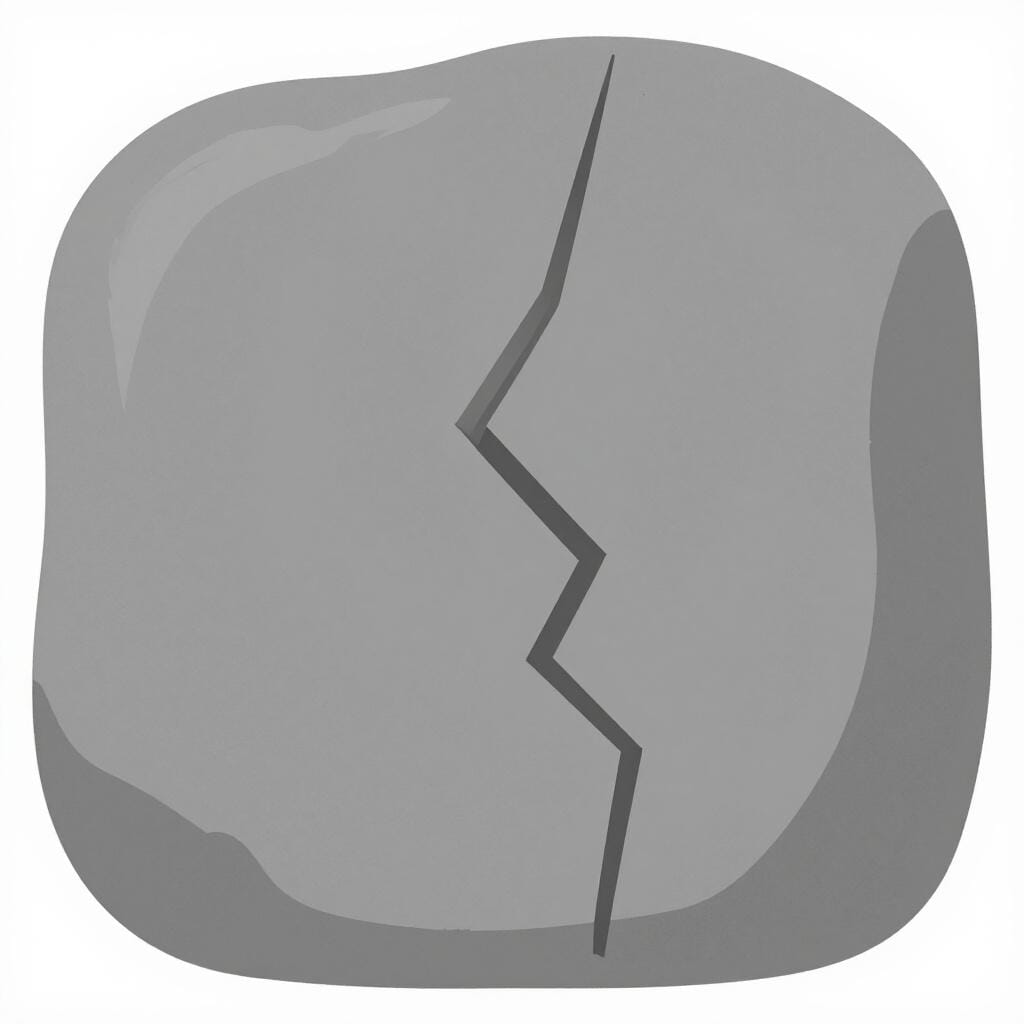
La quiebra en el muro permitía ver el otro lado.
The crack in the wall allowed us to see the other side.
Physical Breaks vs. Pauses
Related Translations
Learn Spanish with Inklingo
Interactive stories, personalized learning, and more.