How to Say "split" in Spanish
The most common Spanish word for “split” is “partido” — use 'partido' as a past participle to describe something that has been divided or broken into pieces, often referring to food or physical objects.
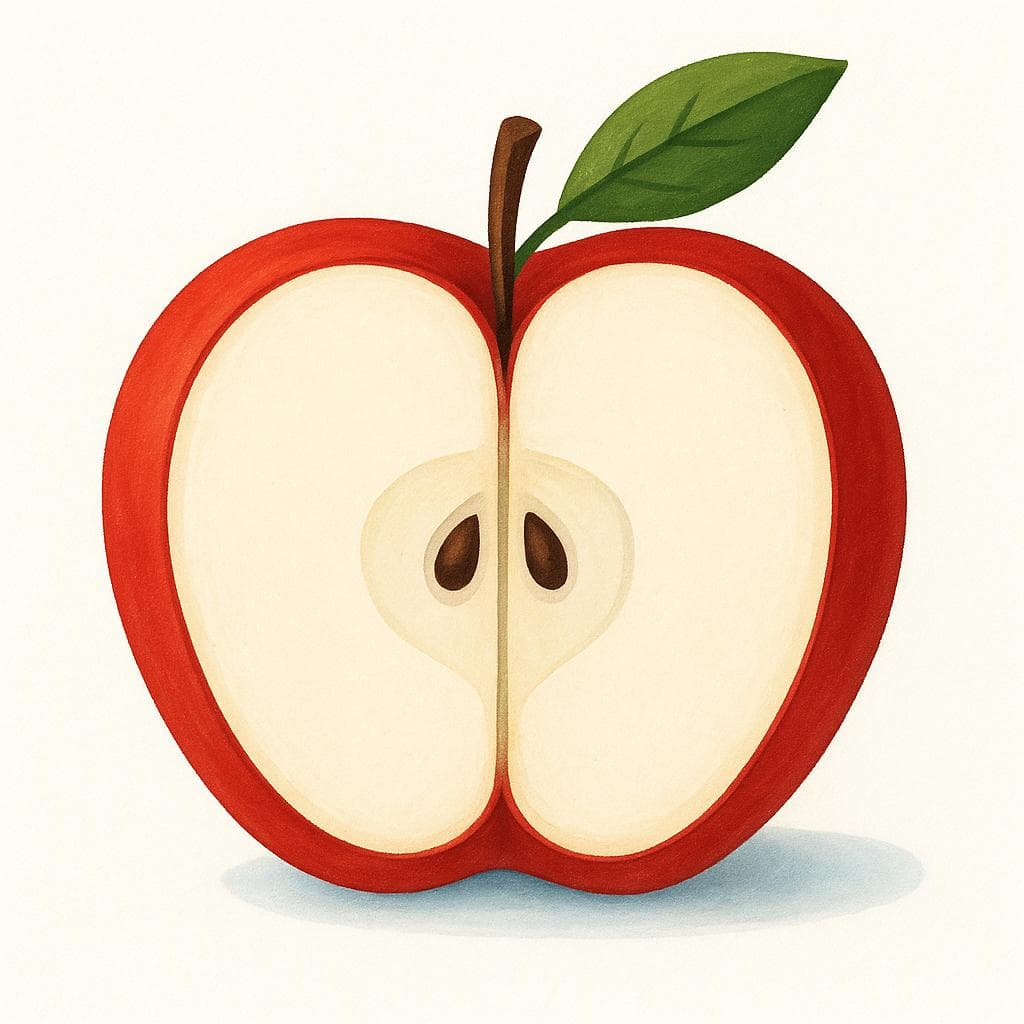
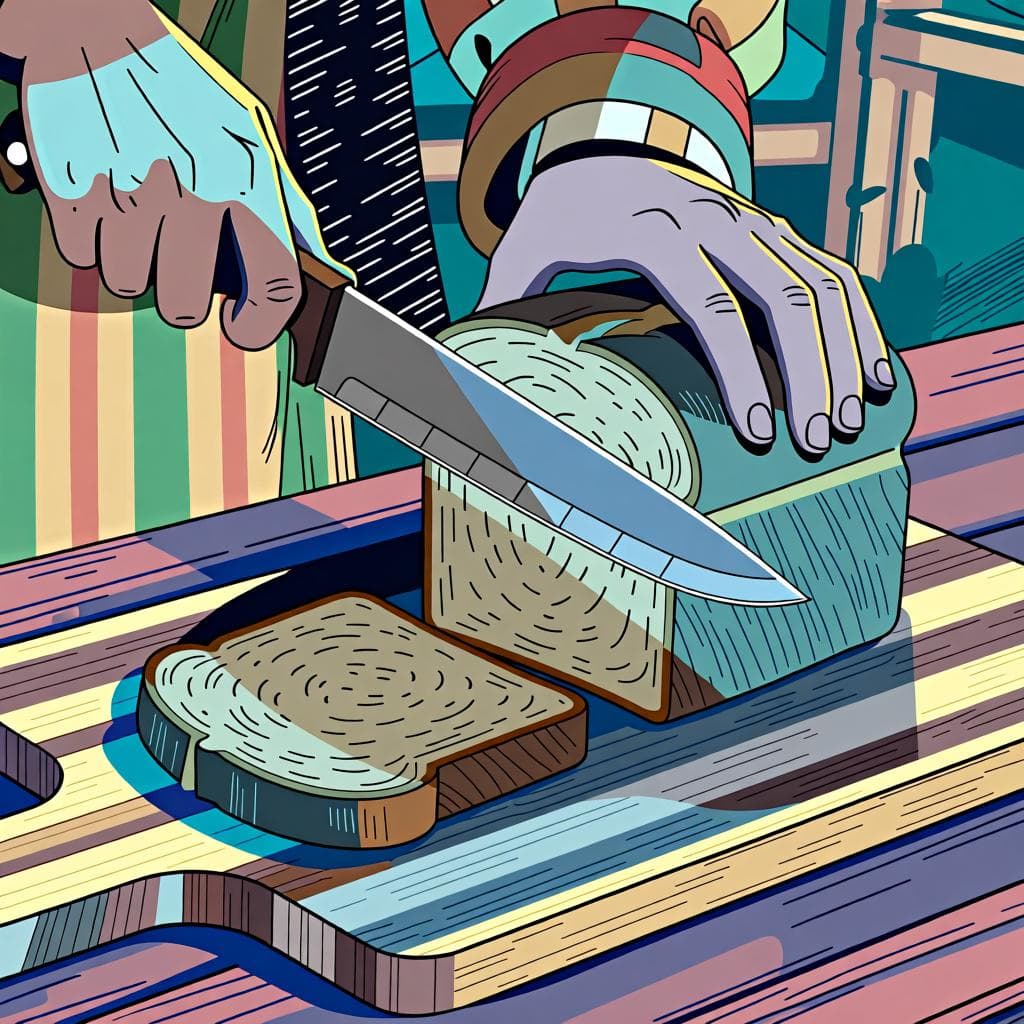

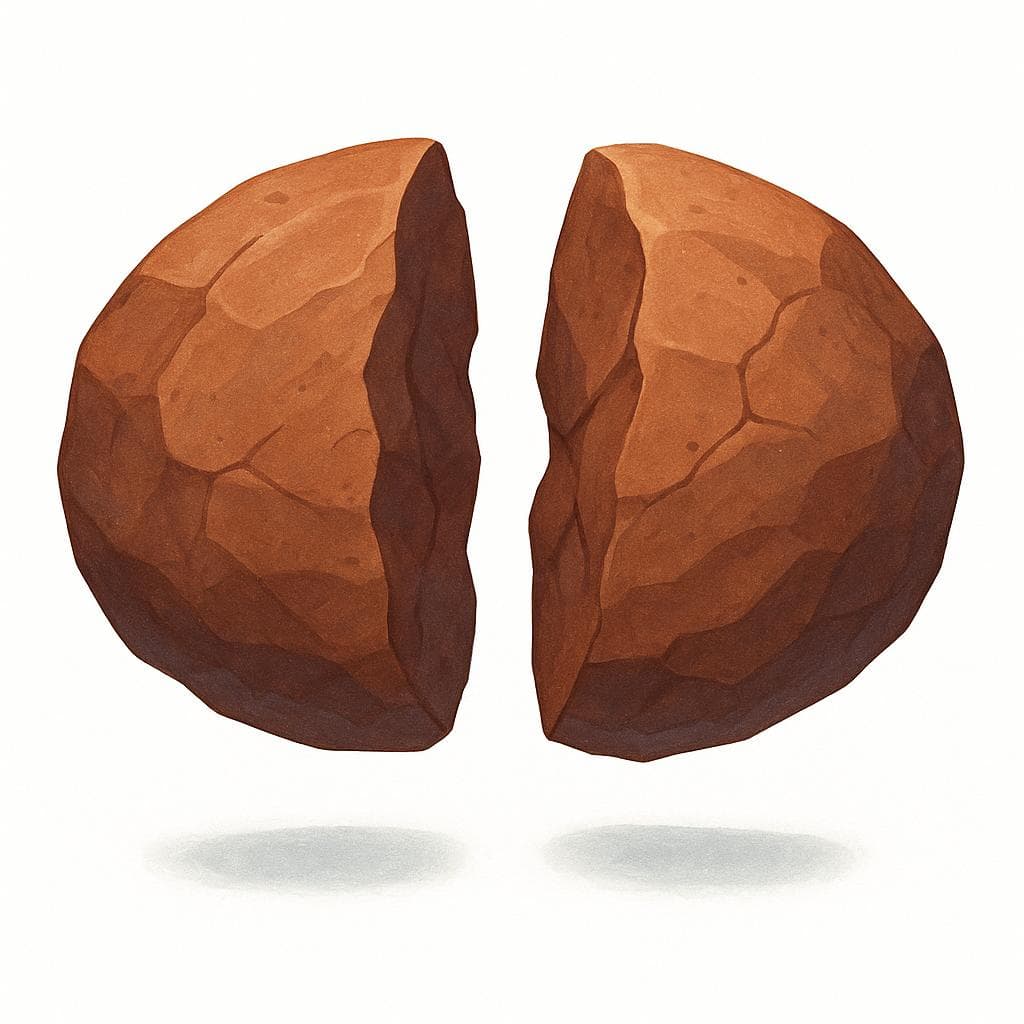
partido
par-TEE-dohpaɾˈti.ðo
Examples
Hemos partido la tarta en seis trozos.
We have split the cake into six pieces.
Encontré un billete partido por la mitad en la calle.
I found a bill split in half on the street.
Con este frío, siempre tengo los labios partidos.
With this cold weather, I always have chapped lips.
El espejo está partido, ten cuidado.
The mirror is cracked, be careful.
Making it Match
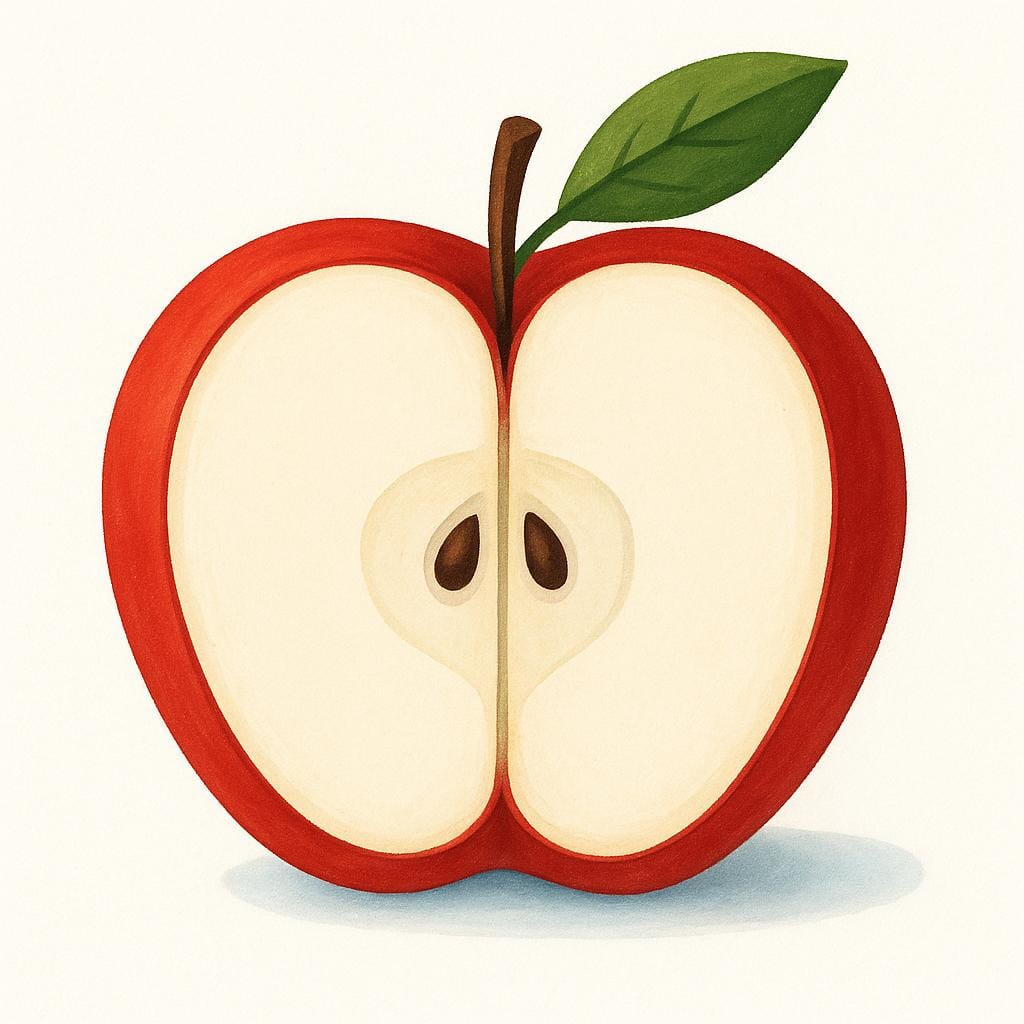
Because this is a describing word (an adjective), it needs to match the thing it's describing. Use partido for masculine things ('el coco partido') and partida for feminine things ('la manzana partida').
Two Main Jobs
Partido does two things as a verb form. First, it teams up with haber to talk about completed actions (e.g., he partido - I have split). Second, it can act as a describing word, just like the adjective version (e.g., la leña partida - the split firewood).
parte
PAR-tehˈpaɾte
Examples
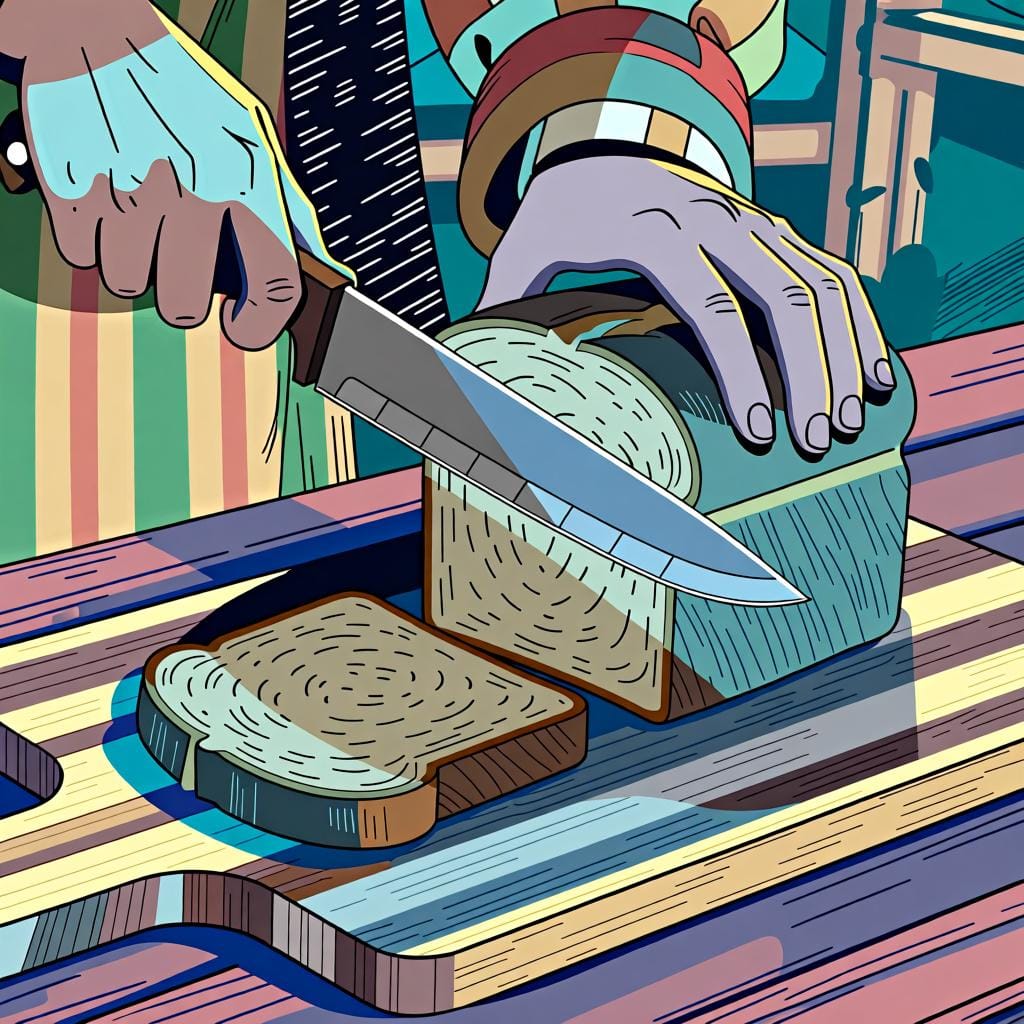
Parte el pastel en ocho trozos, por favor.
Cut the cake into eight pieces, please.
Es importante que usted parte de cero en este proyecto.
It's important that you start from scratch on this project.
No quiero que se parte la cuerda.
I don't want the rope to break.
A Form of the Verb 'partir'
This isn't a word on its own, but a form of the verb 'partir' (to cut, split, leave). You'll see 'parte' used as a command for 'tú' (you): '¡Parte el pan!' (Cut the bread!).
división
Examples
Hay mucha división en el partido político.
There is a lot of division in the political party.
ruptura
roop-TOO-rahrupˈtu.ɾa

Examples
Su ruptura después de cinco años fue muy dolorosa.
Their breakup after five years was very painful.
La ruptura de las negociaciones sorprendió a todos los países.
The rupture of negotiations surprised all the countries.
Always Feminine
Since 'ruptura' ends in '-a' and is a feminine noun, you must always use feminine articles and adjectives with it (e.g., 'la ruptura', 'una ruptura difícil').
fractura
frak-TOO-rahfɾakˈtuɾa
Examples
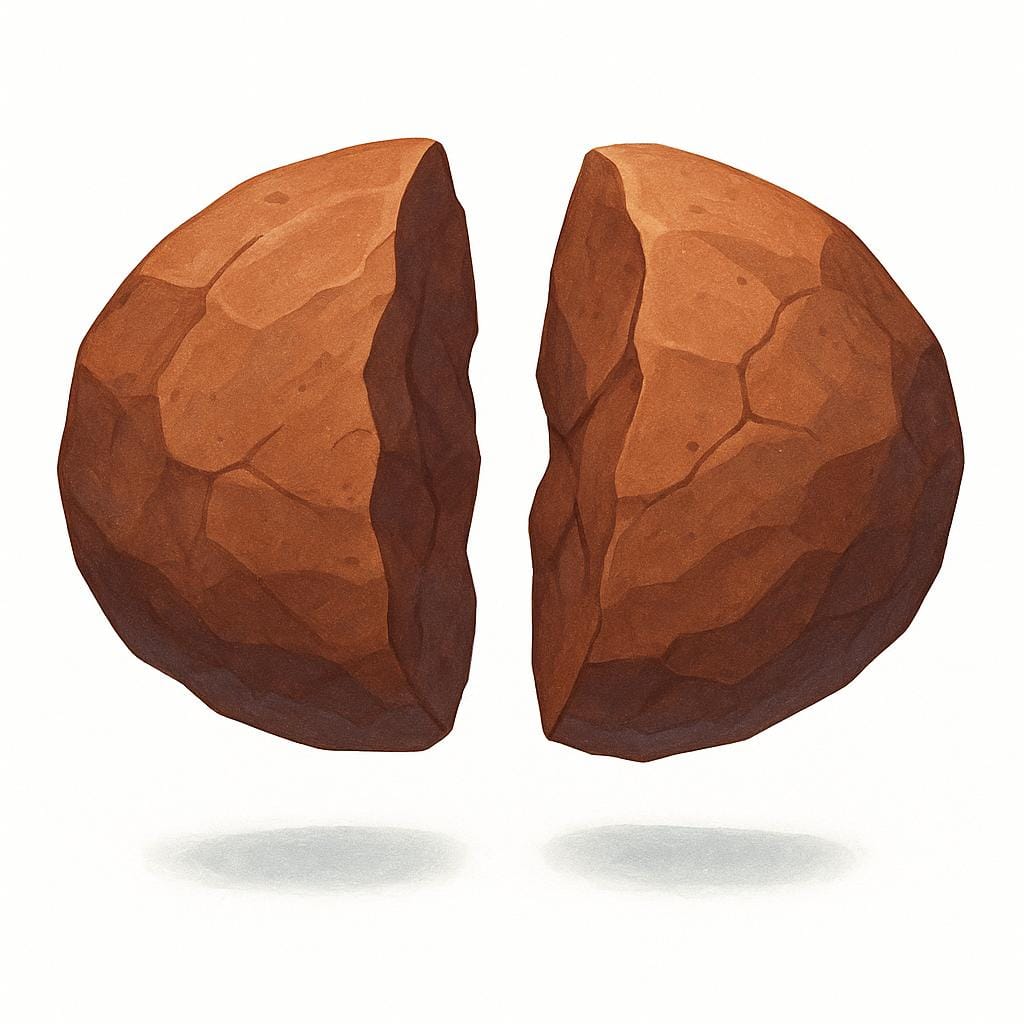
Existe una fractura social profunda entre el campo y la ciudad.
There is a deep social rift between the countryside and the city.
La decisión del líder causó una fractura interna en el partido.
The leader's decision caused an internal split in the party.
Abstract usage
When using the word for ideas or groups, it functions exactly like the physical version but describes a 'break' in unity.
partido
par-TEE-dohpaɾˈti.ðo
Examples
Encontré un billete partido por la mitad en la calle.
I found a bill split in half on the street.
Con este frío, siempre tengo los labios partidos.
With this cold weather, I always have chapped lips.
El espejo está partido, ten cuidado.
The mirror is cracked, be careful.
Hemos partido la tarta en seis trozos.
We have split the cake into six pieces.
Making it Match
Because this is a describing word (an adjective), it needs to match the thing it's describing. Use partido for masculine things ('el coco partido') and partida for feminine things ('la manzana partida').
Two Main Jobs
Partido does two things as a verb form. First, it teams up with haber to talk about completed actions (e.g., he partido - I have split). Second, it can act as a describing word, just like the adjective version (e.g., la leña partida - the split firewood).
Noun vs. Verb for 'Splitting'
Learn Spanish with Inklingo
Interactive stories, personalized learning, and more.