How to Say "broken" in Spanish
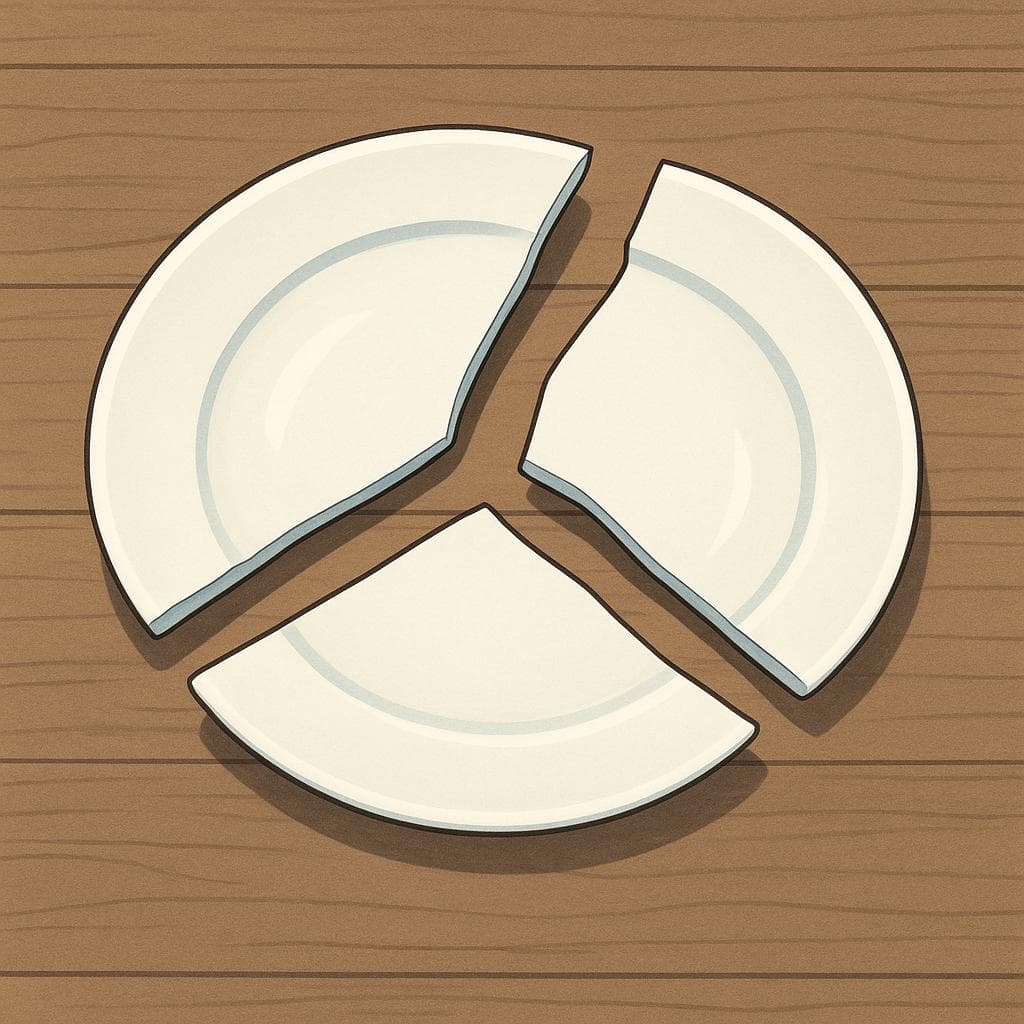
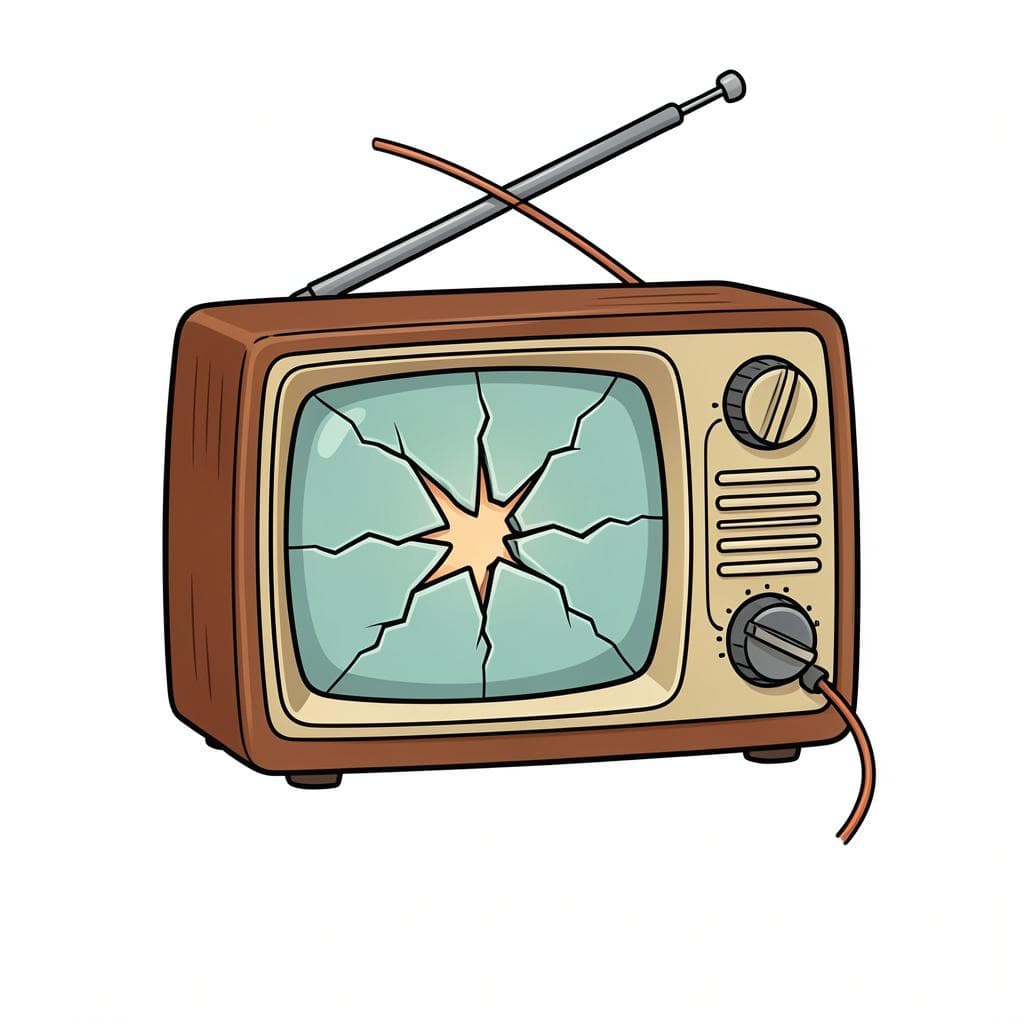
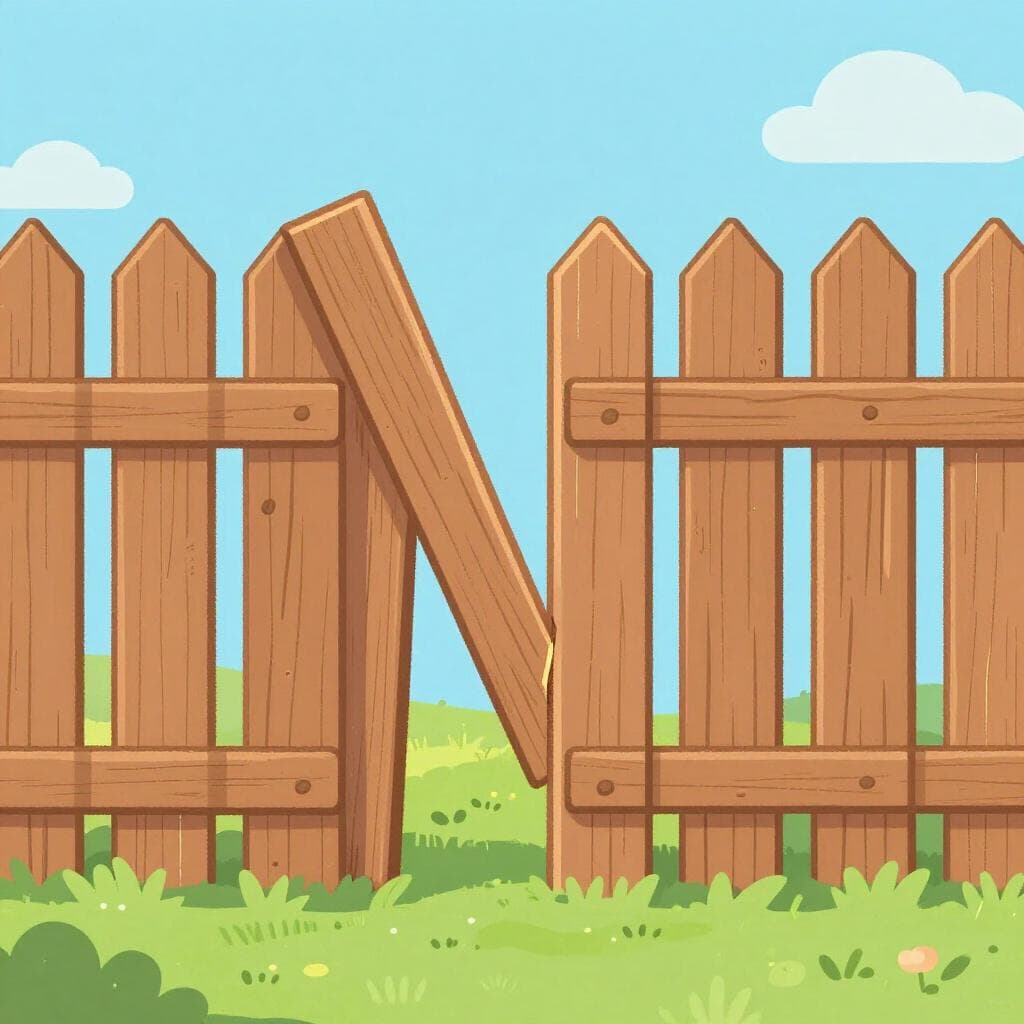
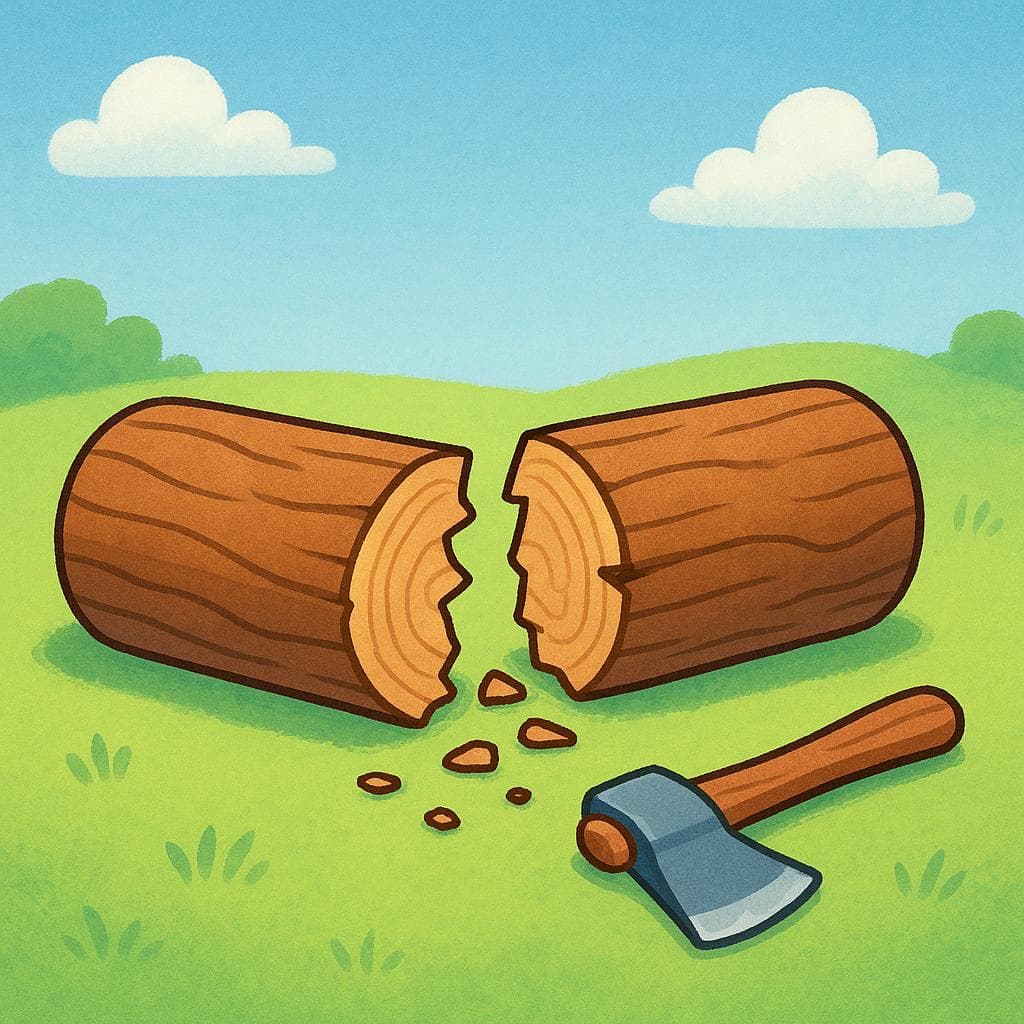
The most common Spanish word for “broken” is “roto” — use 'roto' for something that is physically damaged or not working due to damage, like a dropped phone or a torn item.




roto
ROH-tohˈro.to
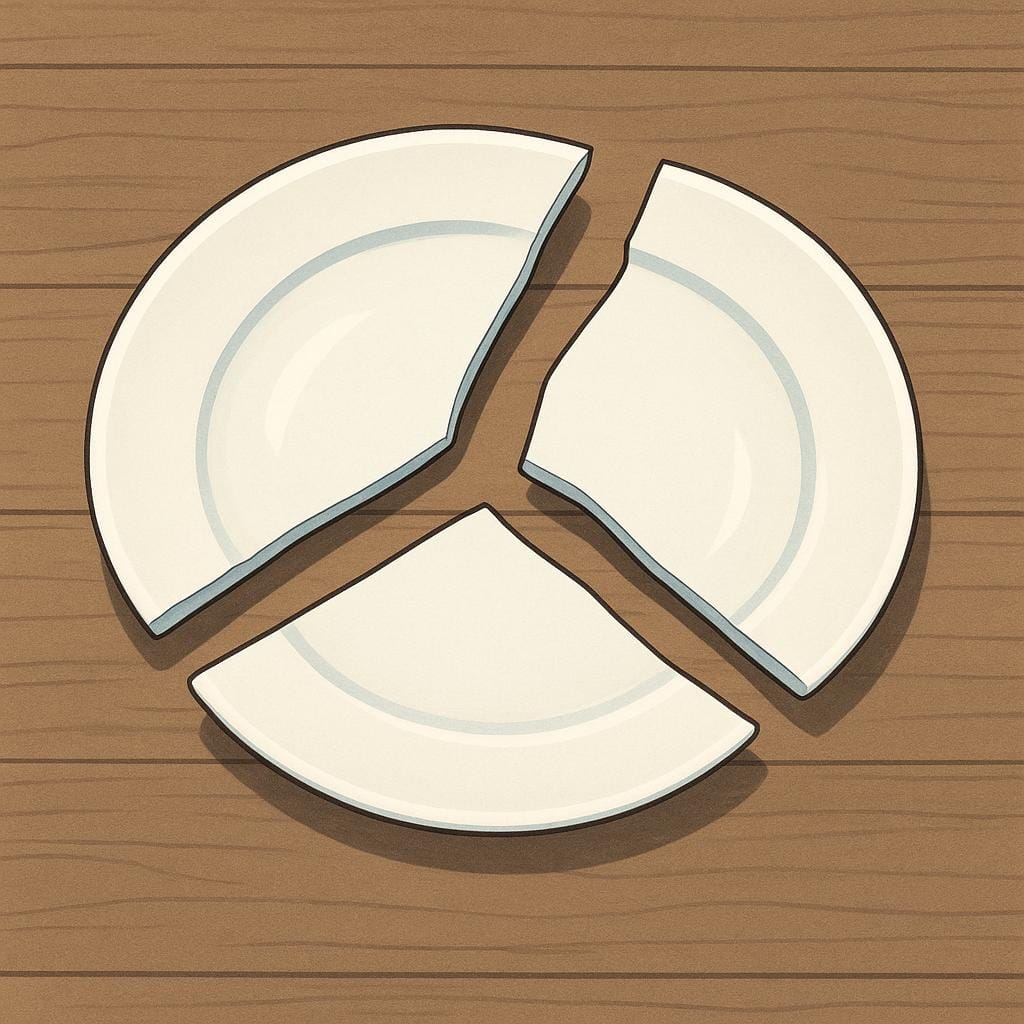
Examples
Mi teléfono está roto; se cayó de la mesa.
My phone is broken; it fell off the table.
Compré una camisa con el cuello roto.
I bought a shirt with a torn collar.
¿Puedes arreglar la silla? Tiene una pata rota.
Can you fix the chair? It has a broken leg.
Agreement is Key
Since 'roto' is an adjective, it must change its ending (roto/a/os/as) to match the gender and number of the thing it describes. Always check what you are talking about!
Past Participle Origin
'Roto' is the irregular past tense form of the verb 'romper' (to break). When used with 'estar', it describes the resulting state of being broken.
Missing Gender Agreement
Mistake: “La ventana es roto.”
Correction: La ventana está rota. ('Ventana' is feminine, so use 'rota'.)
estropeado
es-tro-peh-AH-dohestɾopeˈaðo
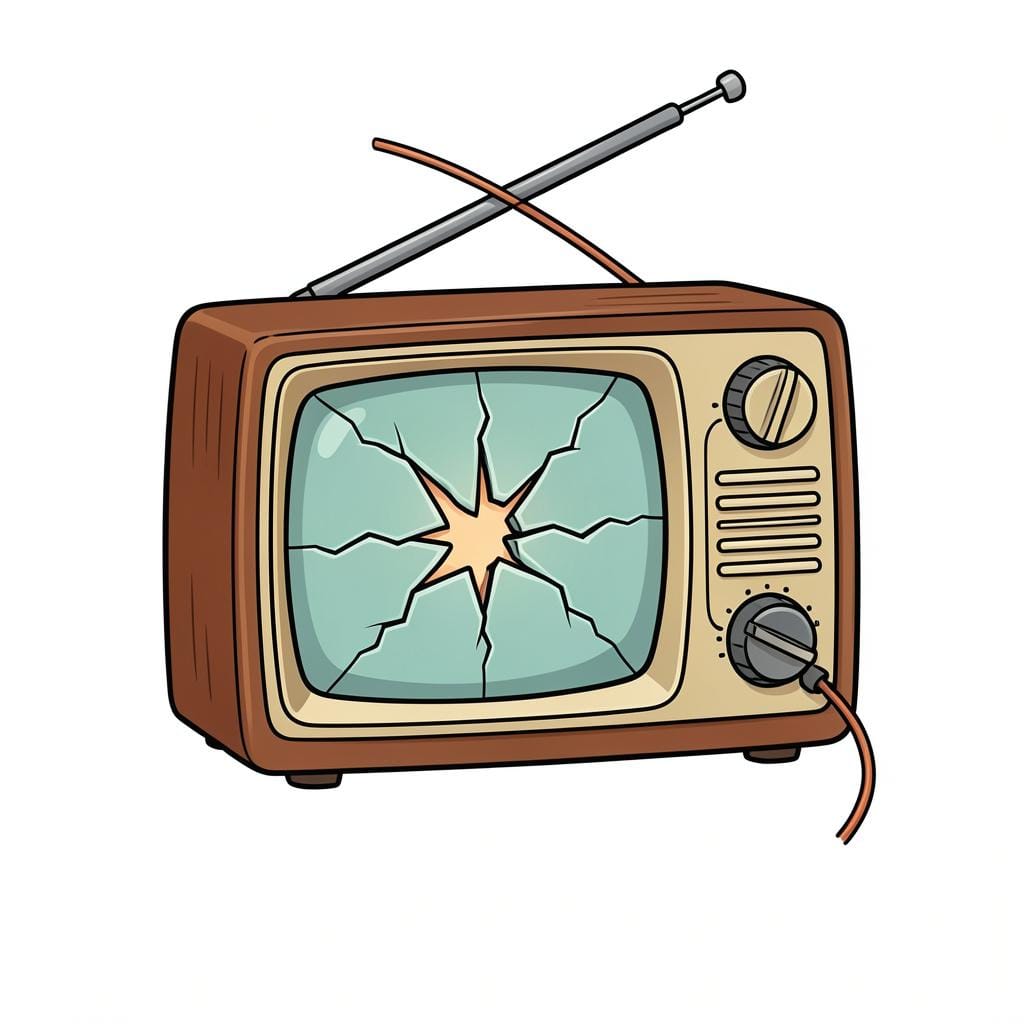
Examples
No puedo enviarte el archivo porque mi ordenador está estropeado.
I can't send you the file because my computer is broken.
El ascensor lleva estropeado toda la semana.
The elevator has been out of order all week.
Changing the Ending
Since this word acts as a description, you must change the ending to 'estropeada' if you are talking about a feminine object like 'una silla' (a chair).
Using with 'Estar'
Always use the verb 'estar' (to be) with this word because it describes a condition or a state that changed, rather than a permanent characteristic.
Don't use 'Ser'
Mistake: “La radio es estropeada.”
Correction: La radio está estropeada. Use 'estar' because the radio wasn't born broken; it's just in that state right now.
dañado
Examples
El motor del coche está dañado.
The car's engine is damaged.
quebrado
keh-BRAH-dohkeˈβɾaðo

Examples
Ten cuidado con ese plato, está quebrado.
Be careful with that plate; it is broken (cracked).
Después de la crisis, el pequeño negocio quedó quebrado.
After the crisis, the small business went bankrupt.
El terreno era muy quebrado y difícil de caminar.
The terrain was very rugged and difficult to walk through.
Adjective Matching
This word must change to 'quebrada' if the object you are describing is feminine, like 'una silla quebrada' (a broken chair).
Using with 'Estar'
We use the verb 'estar' (to be) because being broken or bankrupt is considered a state or condition that could change.
Quebrado vs. Roto
Mistake: “Saying 'mi teléfono está quebrado' for a shattered screen.”
Correction: While 'quebrado' is okay in some regions, 'roto' is more common for completely destroyed items. 'Quebrado' usually implies a crack or a split.
jodido
ho-DEE-dohxoˈðiðo

Examples
Mi ordenador está jodido; no enciende.
My computer is broken; it won't turn on.
Si no entregamos el proyecto hoy, estamos jodidos.
If we don't hand in the project today, we're screwed.
Tengo la espalda un poco jodida de cargar cajas.
My back is a bit messed up from carrying boxes.
Using with 'Estar'
When you use this word with 'estar,' you are describing a temporary state or a result, like something being currently broken or someone being currently in trouble.
Gender and Number
Since this is an adjective here, it must change to 'jodida' for feminine nouns and add an 's' for plurals (jodidos/jodidas).
Formal Situations
Mistake: “Using 'jodido' in a job interview.”
Correction: Use 'estropeado' or 'en una situación difícil' instead, as 'jodido' is considered a curse word in many regions.
corrupto
ko-ROOP-tohkoˈrupto

Examples
No puedo abrir el documento porque el archivo está corrupto.
I can't open the document because the file is corrupt.
violado
bee-oh-LAH-dohbjoˈlaðo
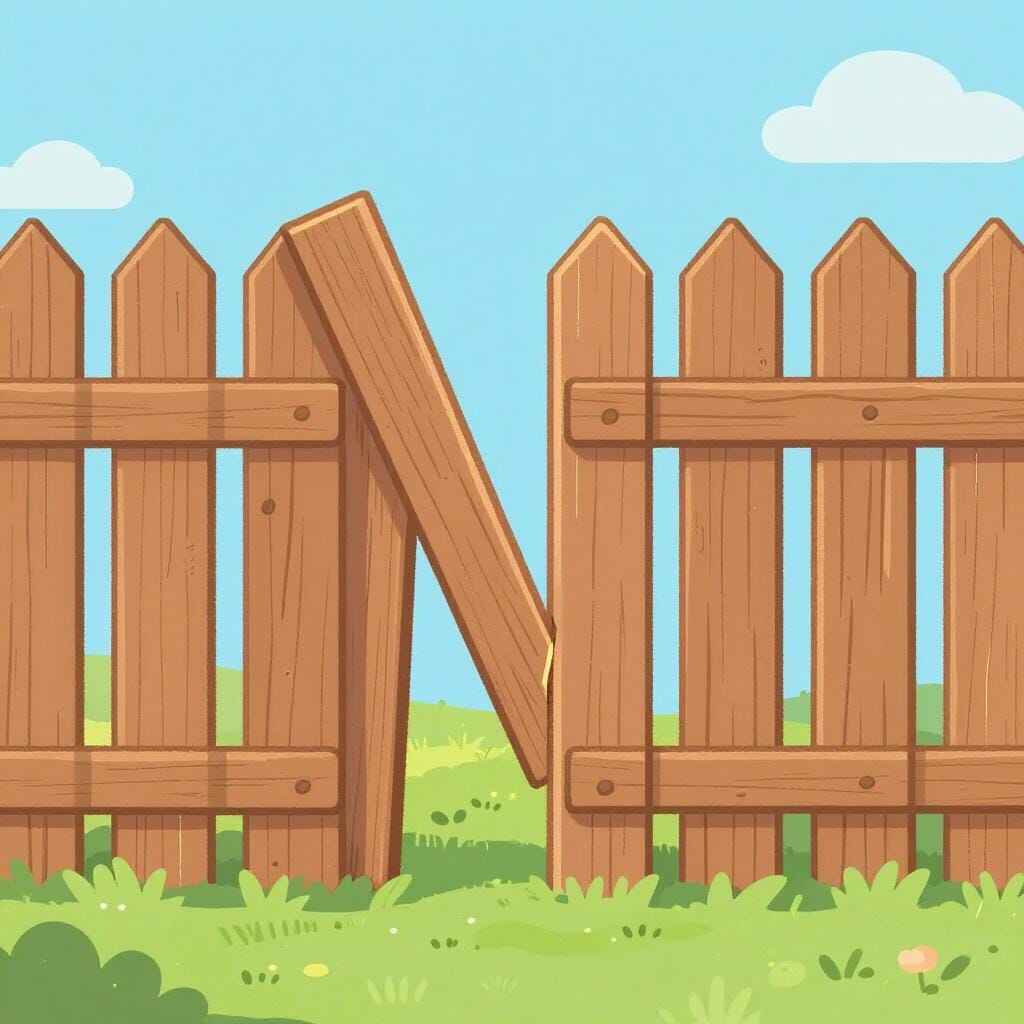
Examples
El acuerdo ha sido violado por ambas partes.
The agreement has been broken by both parties.
Sentí que mi espacio personal fue violado.
I felt that my personal space was violated.
Un sistema de seguridad violado es inútil.
A breached security system is useless.
Matching the Noun
Since this word is describing something, it must match the gender of the noun. Use 'violado' for masculine things (el contrato) and 'violada' for feminine things (la ley).
Violado vs. Roto
Mistake: “El cristal está violado.”
Correction: Say 'El cristal está roto.' Use 'violado' for abstract things like laws or privacy, not for physical objects that break into pieces.
cascada
kas-KAH-dahkasˈkaða

Examples
El abuelo hablaba con una voz cascada.
The grandfather spoke with a raspy/cracked voice.
La vieja campana tenía una nota cascada.
The old bell had a cracked note.
Gender Agreement
Since we are using 'cascada' as a description here, it must match the feminine noun it describes (like 'la voz'). The masculine version is 'cascado'.
Confusing with the Waterfall
Mistake: “Thinking 'voz cascada' means a voice like a waterfall.”
Correction: In this context, it comes from the verb 'cascar' (to crack/break). It means the voice sounds broken or worn out, not flowing.
partido
par-TEE-dohpaɾˈti.ðo
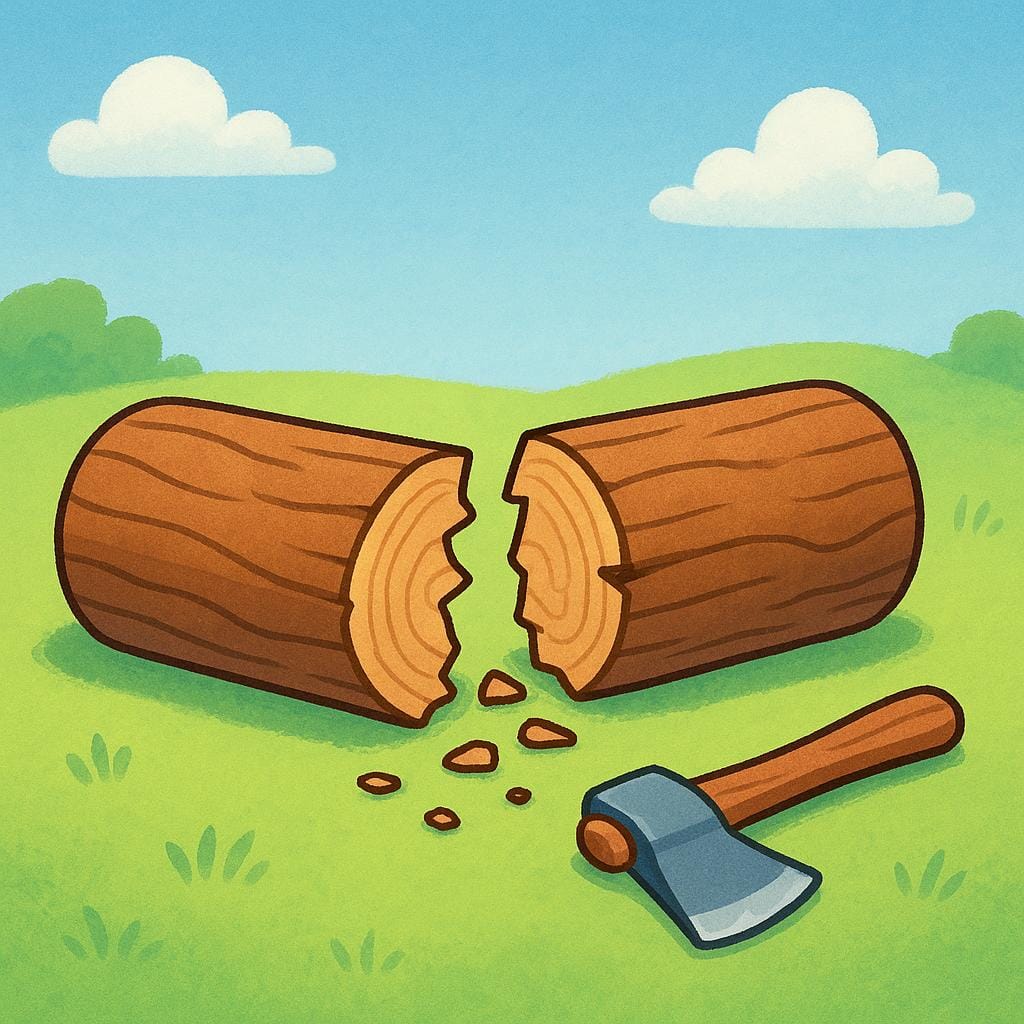
Examples
Hemos partido la tarta en seis trozos.
We have split the cake into six pieces.
El tren ha partido hace cinco minutos.
The train has left five minutes ago.
Two Main Jobs
Partido does two things as a verb form. First, it teams up with haber to talk about completed actions (e.g., he partido - I have split). Second, it can act as a describing word, just like the adjective version (e.g., la leña partida - the split firewood).
Machines vs. Physical Objects
Learn Spanish with Inklingo
Interactive stories, personalized learning, and more.