How to Say "broke" in Spanish
The most common Spanish word for “broke” is “rompió” — use this when describing the past tense action of breaking a physical object or surpassing a record.





rompió
Examples
El corredor rompió el récord olímpico en la final.
The runner broke the Olympic record in the final.
roto
ROH-tohˈro.to

Examples
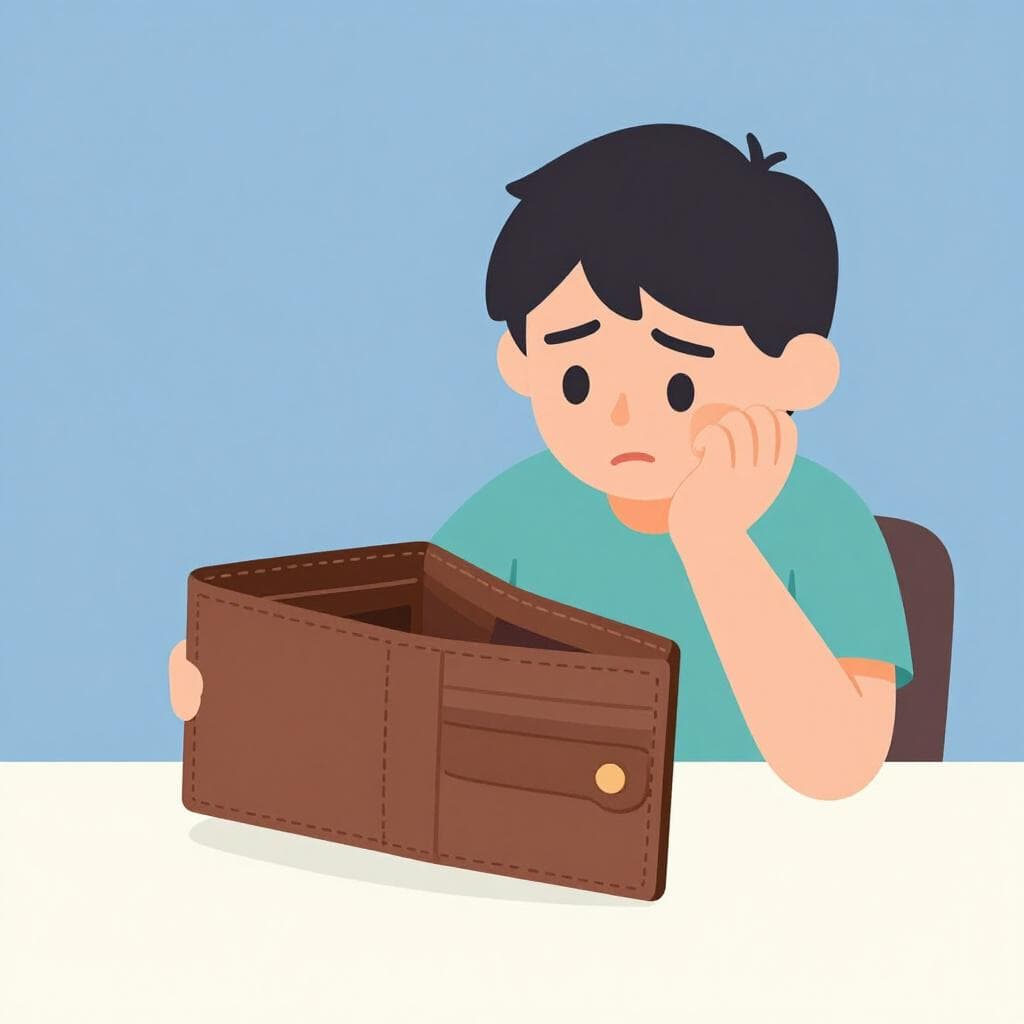
No puedo salir, estoy totalmente roto este mes.
I can't go out, I'm totally broke this month.
Después de la noticia, ella quedó rota, sin palabras.
After the news, she was devastated, speechless.
Emotional States
When describing feelings or mental states (like being exhausted or heartbroken), Spanish always uses 'estar' with 'roto/a' because it describes a current, temporary condition.
pelado
peh-LAH-dohpeˈlaðo
Examples
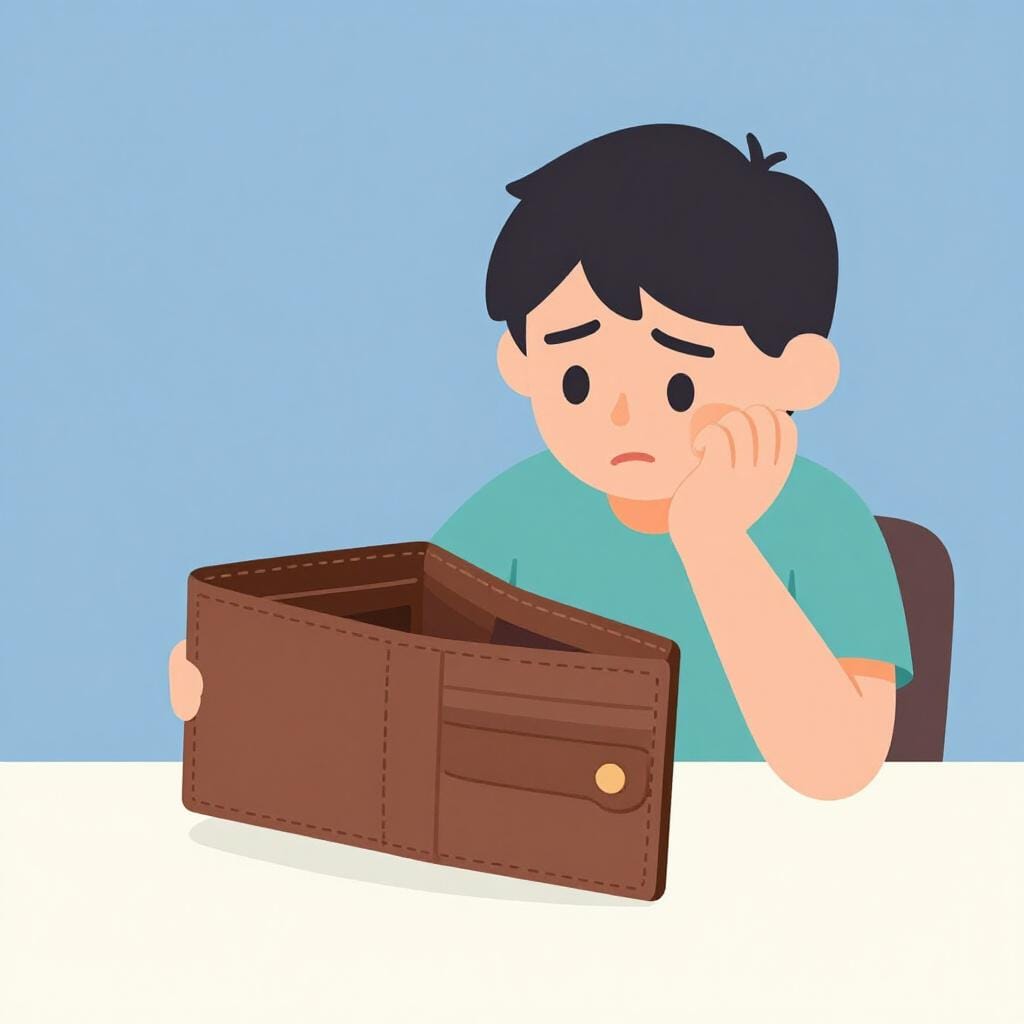
No puedo ir al cine, estoy pelado.
I can't go to the movies, I'm broke.
Después de las vacaciones nos quedamos pelados.
After the holidays we were left penniless.
Always with 'Estar'
Since being broke is usually a temporary state, always use 'estar' or 'quedarse' (to end up), never 'ser'.
Confusing with 'nude'
Mistake: “Estoy pelado (thinking it means naked).”
Correction: In a financial context, it means broke. If you want to say naked informally, use 'en cueros' or 'desnudo'.
apurado
ah-poo-RAH-dohapuˈɾaðo
Examples
Este mes estoy un poco apurado de dinero.
I'm a bit short on money this month.
Me vi muy apurado para entregar el informe a tiempo.
I found myself really struggling to turn in the report on time.
No lo molestes, que está muy apurado con las cuentas.
Don't bother him, he's really hard-pressed with the bills.
Using 'De'
When talking about being short on something (like money), follow the word with 'de': 'apurado de dinero'.
Confusion with 'Hurry'
Mistake: “Estoy apurado de tiempo.”
Correction: Estoy apurado / Tengo prisa.
arruinado
ah-rwee-NAH-dohar.rwiˈna.ðo

Examples
Después de la inversión fallida, se quedó arruinado.
After the failed investment, he was left ruined (broke).
Su reputación está arruinada por el escándalo.
Her reputation is destroyed by the scandal.
El incendio dejó la casa completamente arruinada.
The fire left the house completely ruined.
Agreement is Crucial
Since 'arruinado' is an adjective, make sure it matches the thing it describes in both gender (masculine/feminine) and number (singular/plural): 'arruinado', 'arruinada', 'arruinados', 'arruinadas'.
Using SER vs. ESTAR
You almost always use 'estar' (to be) with 'arruinado' because it describes the current condition or state of someone or something, not an inherent quality.
Forgetting Gender Match
Mistake: “La empresa está arruinado.”
Correction: La empresa está arruinada. (Since 'empresa' is feminine, the adjective must also be feminine.)
jodido
ho-DEE-dohxoˈðiðo

Examples
No tengo ni un euro, estoy jodido.
I don't have a single euro, I'm broke.
Mi ordenador está jodido; no enciende.
My computer is broken; it won't turn on.
Si no entregamos el proyecto hoy, estamos jodidos.
If we don't hand in the project today, we're screwed.
Tengo la espalda un poco jodida de cargar cajas.
My back is a bit messed up from carrying boxes.
Using with 'Estar'
When you use this word with 'estar,' you are describing a temporary state or a result, like something being currently broken or someone being currently in trouble.
Gender and Number
Since this is an adjective here, it must change to 'jodida' for feminine nouns and add an 's' for plurals (jodidos/jodidas).
Formal Situations
Mistake: “Using 'jodido' in a job interview.”
Correction: Use 'estropeado' or 'en una situación difícil' instead, as 'jodido' is considered a curse word in many regions.
limpio
LIM-pyohˈlimpjo

Examples
El salario limpio es lo que recibes después de impuestos.
The net salary is what you receive after taxes.
El cirujano hizo un corte muy limpio.
The surgeon made a very clean (smooth, precise) cut.
Perdí mi cartera y ahora estoy limpio.
I lost my wallet and now I am broke.
Confusing Financial vs. Physical 'Broke'
Related Translations
Learn Spanish with Inklingo
Interactive stories, personalized learning, and more.