How to Say "bare" in Spanish
The most common Spanish word for “bare” is “desnudo” — use 'desnudo' when referring to a person or animal lacking clothing or being completely exposed.
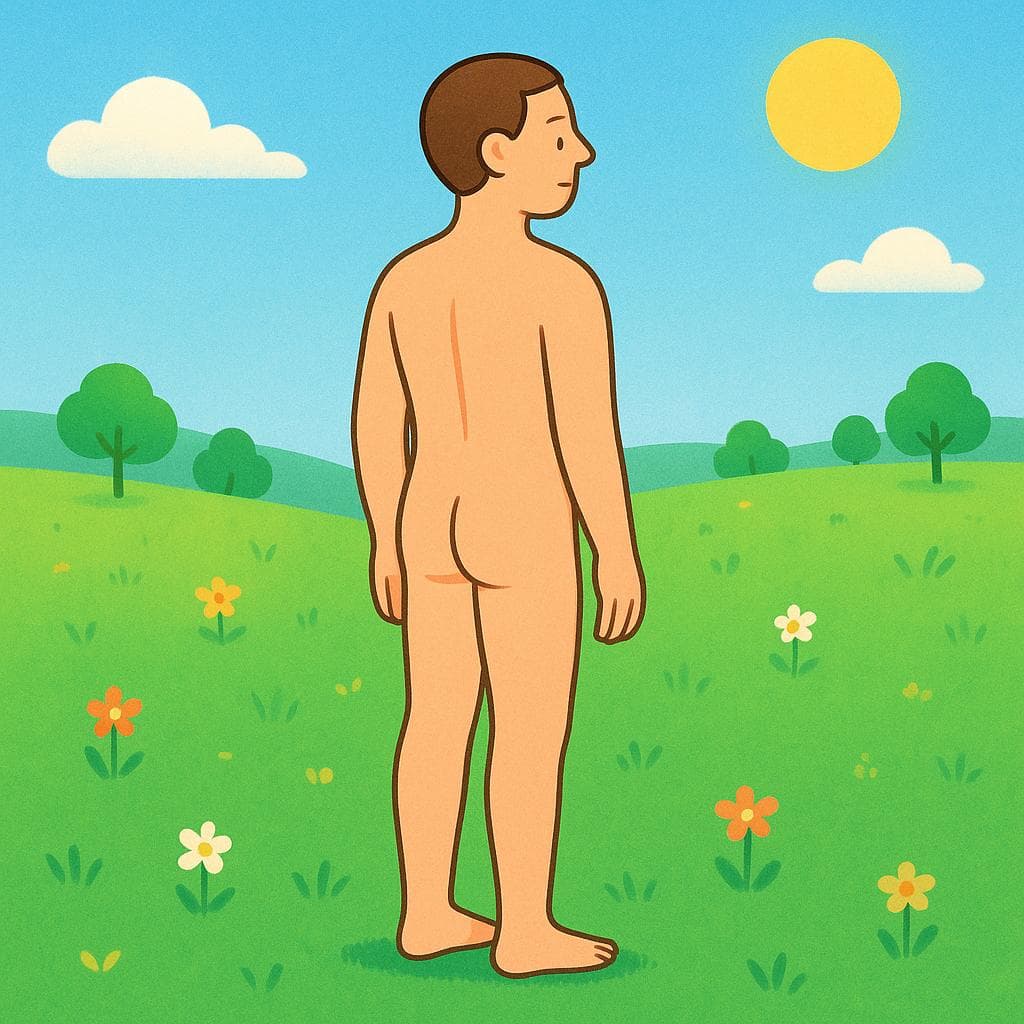


desnudo
des-NOO-dohdezˈnuðo
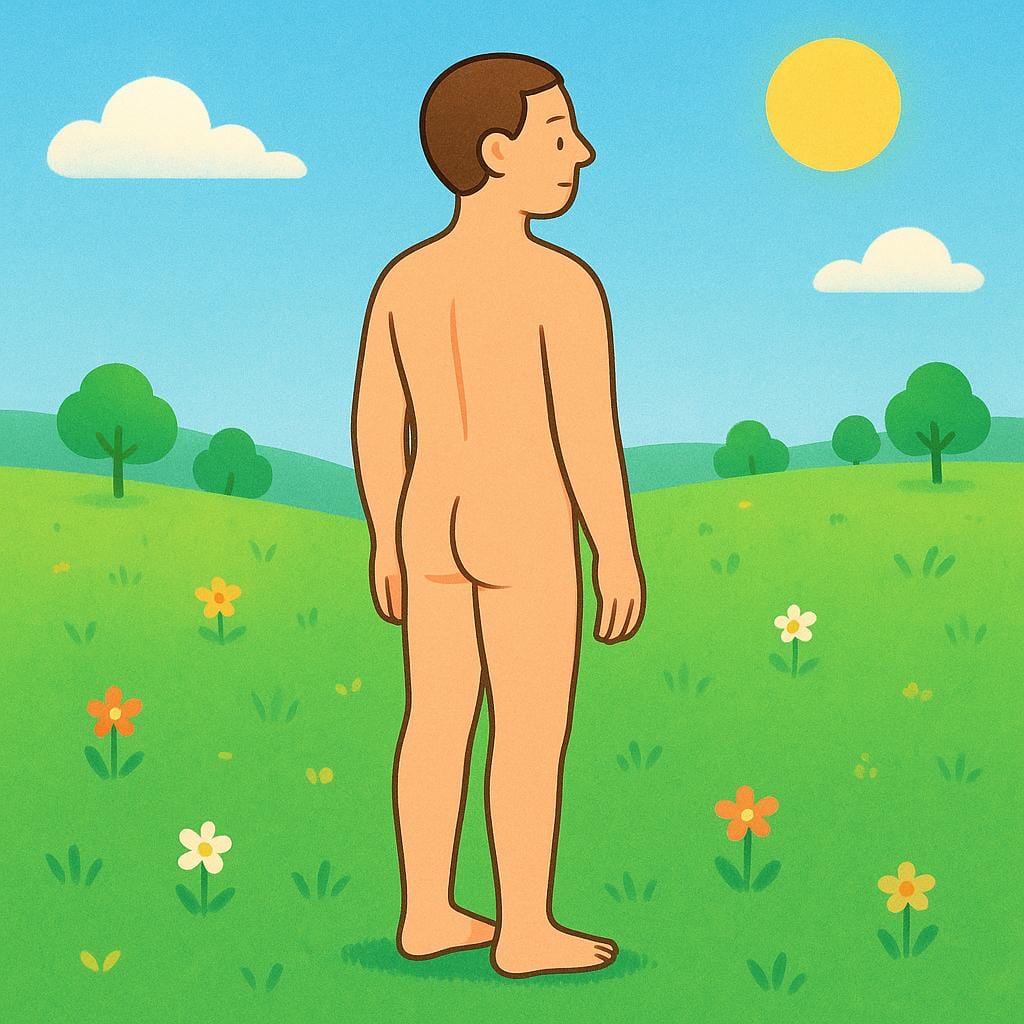
Examples
El niño corría desnudo por la playa.
The child ran bare on the beach.
Estaba tan caliente que el bebé dormía desnudo.
It was so hot that the baby slept naked.
Los árboles están desnudos en invierno, sin hojas.
The trees are bare in winter, without leaves.
El suelo desnudo del estudio era de cemento pulido.
The bare floor of the studio was polished concrete.
Matching the Noun
As an adjective, 'desnudo' must change its ending to match the thing it describes. It can be: desnudo (masculine singular), desnuda (feminine singular), desnudos (masculine plural), or desnudas (feminine plural).
Barefoot vs. Naked
Mistake: “Using 'desnudo' when you mean 'barefoot' (descalzo).”
Correction: If someone is only missing shoes, use 'descalzo'. 'Desnudo' means without clothes entirely (or mostly).
descubierto
des-koo-BYER-tohdeskuˈβjeɾto

Examples
Dejó la cabeza descubierta bajo el sol fuerte y se quemó.
He left his head uncovered under the strong sun and got burned.
Las ruinas históricas quedaron descubiertas tras la excavación.
The historical ruins were left exposed after the excavation.
Adjective Agreement
As an adjective, 'descubierto' must change its ending (-o, -a, -os, -as) to match the person or thing it describes in both gender and number.
pelado
peh-LAH-dohpeˈlaðo

Examples
Prefiero las manzanas peladas.
I prefer peeled apples.
El niño va pelado para el verano.
The boy has a buzz cut for the summer.
Era un monte pelado, sin un solo árbol.
It was a bare mountain, without a single tree.
Agreement with Objects
Like most words that describe things, this changes to 'pelada' if the object is feminine (like 'naranja') and 'pelados/peladas' for plural items.
Using 'Estar' vs 'Ser'
Use 'estar' to say a fruit is currently peeled (a state), and 'ser' if you are describing a person who is naturally bald (a characteristic).
Using it for 'skinned' knees
Mistake: “Me pelé la rodilla y ahora está pelada.”
Correction: While 'pelar' is used for the action, we usually say 'tengo la rodilla raspada' for a scrape. 'Pelado' is better for fruit or total hair removal.
Desnudo vs. Descubierto
Learn Spanish with Inklingo
Interactive stories, personalized learning, and more.