How to Say "kid" in Spanish
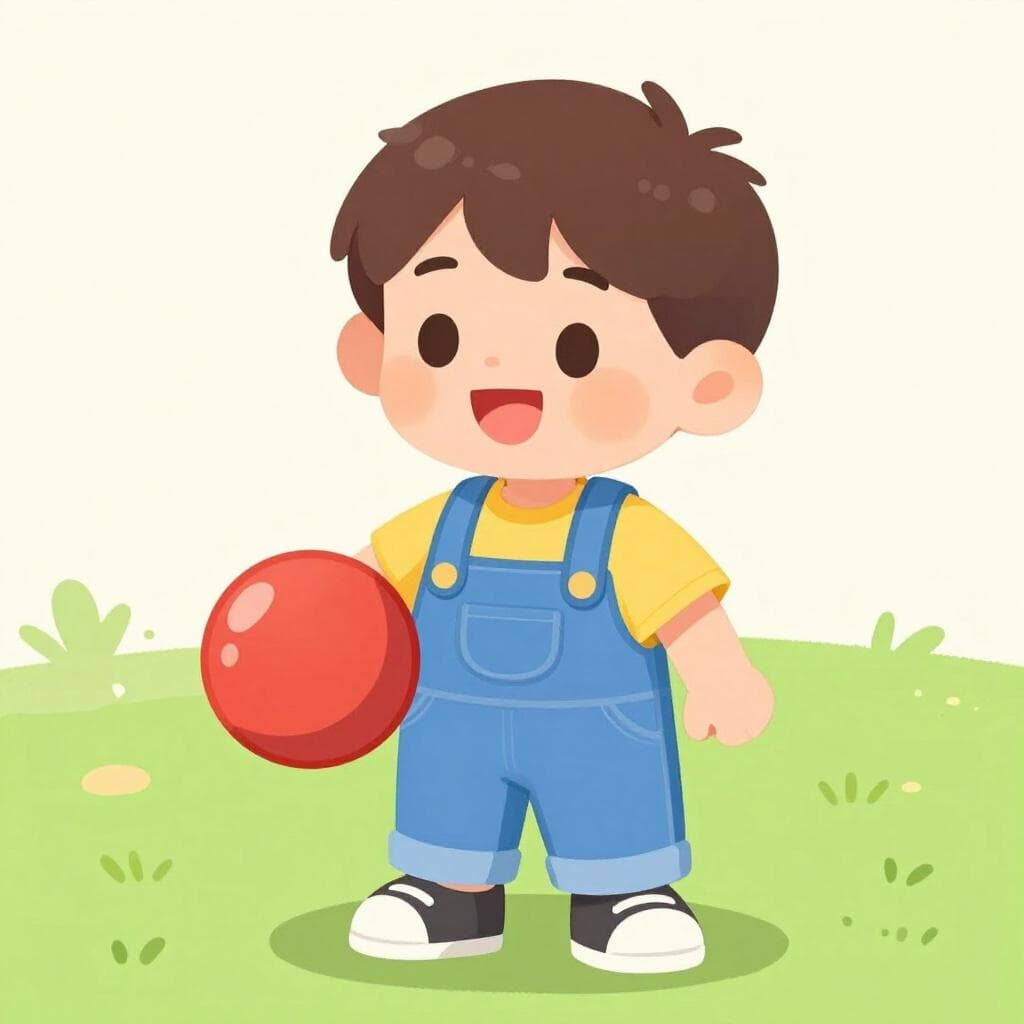
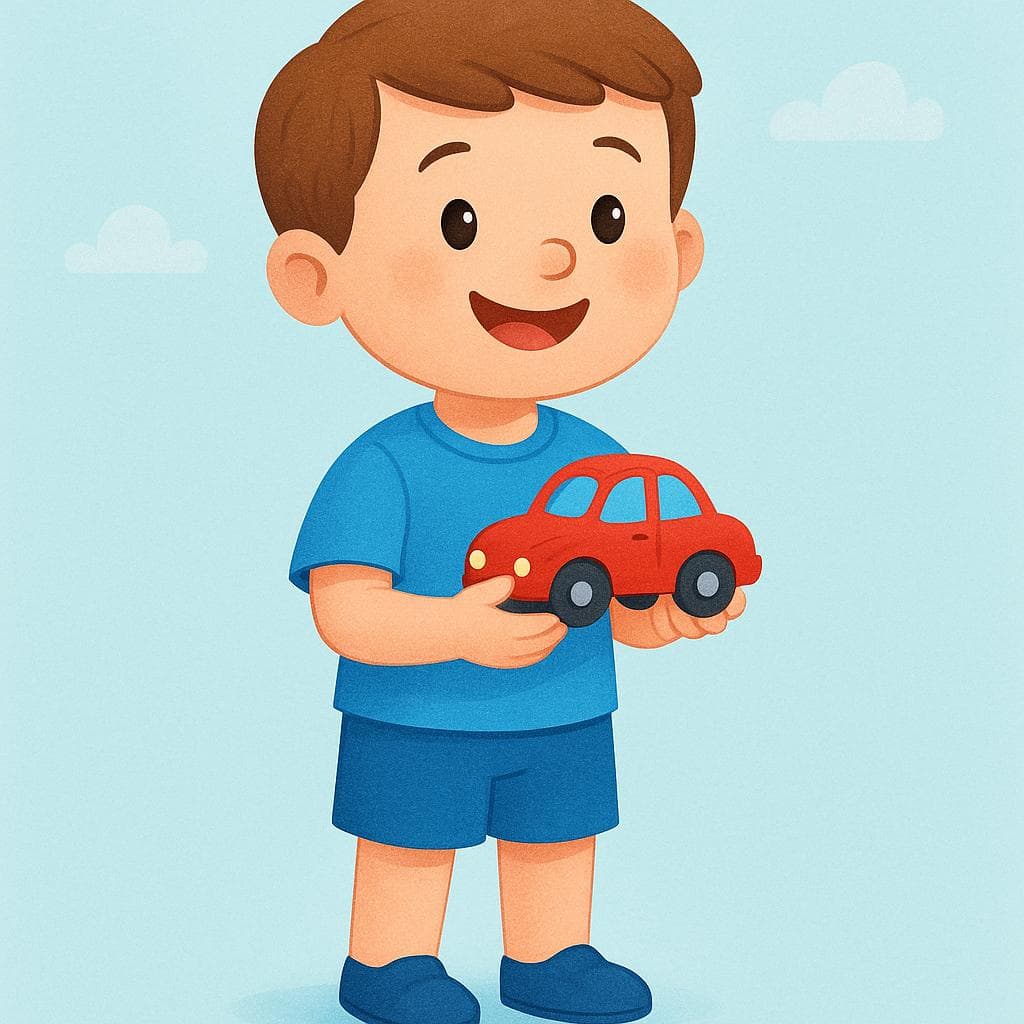
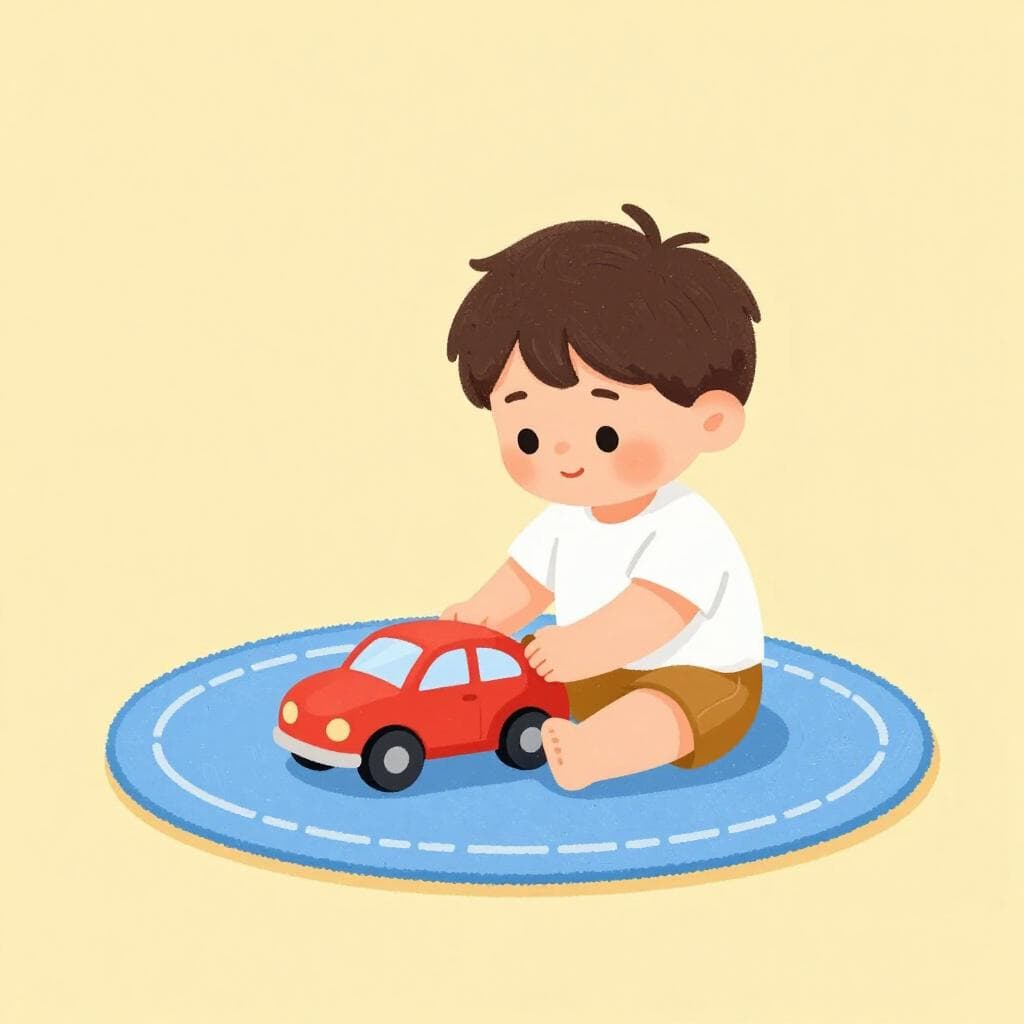
The most common Spanish word for “kid” is “chico” — use this informal term for a boy or young teenager when you want a general, common word for a 'kid'.





chico
CHEE-koˈtʃiko

Examples
El chico juega con su perro en el jardín.
The boy is playing with his dog in the garden.
Hay un chico nuevo en mi clase de español.
There's a new guy in my Spanish class.
¡Chicos, la cena está lista!
Kids, dinner is ready!
Masculine and Feminine Forms
Use chico when talking about a boy. If you're talking about a girl, you just swap the 'o' for an 'a': chica. For a group of boys or a mixed group of boys and girls, use the plural chicos.
`Chico` vs. `Niño`
Mistake: “Using `chico` and `niño` as if they are exactly the same.”
Correction: `Niño` usually refers to a younger child (around 2-10 years old). `Chico` is more general and can be used for a young child, a teenager, or even a young man in his 20s. When in doubt, `chico` is often a safe bet.
nene
NEH-nehˈne.ne

Examples
El nene de mi hermana ya camina solo.
My sister's little boy already walks by himself.
Tienes que cambiarle el pañal al nene.
You have to change the baby's diaper.
Los nenes están jugando en el parque.
The kids are playing in the park.
Masculine/Feminine Pair
Remember that 'nene' refers to a male child. The feminine form, 'nena,' is used for a little girl.
crío
Examples
Ese crío siempre está corriendo por la calle.
That kid is always running through the street.
chiquillo
chee-KEE-yohtʃiˈkiʝo

Examples
Ese chiquillo corre muy rápido.
That kid runs very fast.
De chiquillo, me encantaba jugar con aviones.
When I was a little boy, I loved playing with airplanes.
¡Vengan aquí, chiquillos! La cena está lista.
Come here, kids! Dinner is ready.
The 'Small' Ending
This word uses the '-illo' ending, which is a way Spanish speakers make a word sound smaller or more affectionate. It's like adding 'y' to 'dog' to make 'doggy'.
Gender Matters
This version ends in 'o,' so it specifically refers to a boy. If you want to talk about a girl, you must change it to 'chiquilla'.
Using it for girls
Mistake: “Esa chiquillo es inteligente.”
Correction: Esa chiquilla es inteligente. Remember that words describing people usually have to match their gender.
chiquito
chee-KEE-tohtʃiˈkito

Examples
El chiquito no quiere comer sus verduras.
The little boy doesn't want to eat his vegetables.
De chiquito, yo vivía en Madrid.
When I was a little kid, I lived in Madrid.
Es un chiquito muy inteligente.
He is a very smart little kid.
Talking about the past
The phrase 'de chiquito' is a very common way to start a story about your childhood, similar to saying 'as a boy' in English.
Using it for adults
Mistake: “Calling a boss or stranger 'chiquito'.”
Correction: This is very informal. Only use it for actual children or very close friends as a nickname.
chaval
cha-VALtʃaˈβal

Examples
El chaval nuevo del barrio juega muy bien al fútbol.
The new kid in the neighborhood plays soccer really well.
Cuando era chaval, pasaba los veranos en la playa.
When I was a boy, I used to spend the summers at the beach.
La tienda la lleva un chaval de solo veinte años.
The shop is run by a lad who is only twenty years old.
Gender Pairing
The feminine equivalent is 'chavala' (girl/young woman). If you are referring to a mixed group, use the masculine plural: 'los chavales'.
piojo
pee-OH-hoˈpjo.xo
Examples
¡Vete de aquí, piojo!
Get out of here, you little squirt!
No era más que un piojo cuando lo conocí.
He was nothing but a little nobody when I met him.
Ese piojo se cree el dueño del mundo.
That little runt thinks he owns the world.
Figurative Gender
When used for a person, it's almost always 'un piojo' (masculine), even if the person is female, though 'pioja' is sometimes heard in very slang-heavy Latin American speech.
Tone Sensitivity
Mistake: “Using 'piojo' with a boss.”
Correction: This is very informal and can be insulting; only use it with friends or people you are looking down upon.
hijo
ee-hoh'ixo

Examples
Ten cuidado en la calle, hijo.
Be careful on the street, son.
Gracias por la ayuda, hijo. Eres muy amable.
Thanks for the help, kid. You're very kind.
pequeño
Examples
El pequeño está durmiendo la siesta.
The little one is taking a nap.
pelado
peh-LAH-dohpeˈlaðo

Examples
Ese pelado es muy inteligente.
That kid is very smart.
Había un grupo de pelados en la esquina.
There was a group of guys on the corner.
pendejo
pen-DEH-hopenˈde.xo
Examples
Había un grupo de pendejos jugando fútbol en la calle.
There was a group of kids playing soccer in the street.
Ese pendejo cree que lo sabe todo.
That brat thinks he knows everything.
Regional Meaning Shift
In the 'Southern Cone' (South America), this word refers to age rather than intelligence.
Mixing up regions
Mistake: “Calling a child a 'pendejo' in Mexico thinking you are saying 'kid'.”
Correction: Only use this to mean 'kid' if you are in Argentina, Uruguay, or Peru. In Mexico, you would be insulting the child's intelligence.
Don't confuse 'chico' with 'chiquito' or 'chiquillo'
Learn Spanish with Inklingo
Interactive stories, personalized learning, and more.