hijo
“hijo” means “son” in Spanish. It has 3 different meanings depending on context:

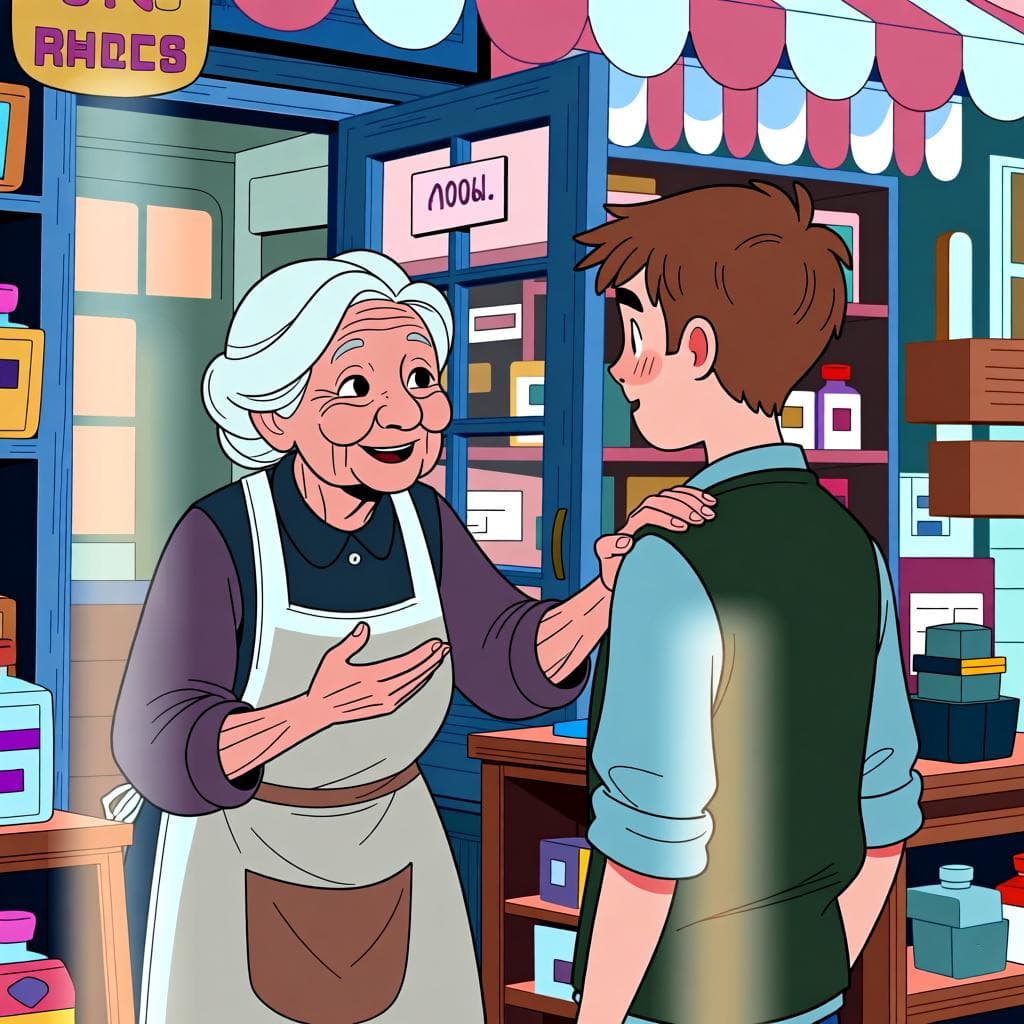

sonAlso: child

📝 In Action
Mi hijo mayor se llama Carlos.
A1My oldest son is named Carlos.
Tengo dos hijos y una hija.
A1I have two sons and one daughter.
El hijo de mi vecina es muy educado.
A2My neighbor's son is very polite.

sonAlso: kid, my boy
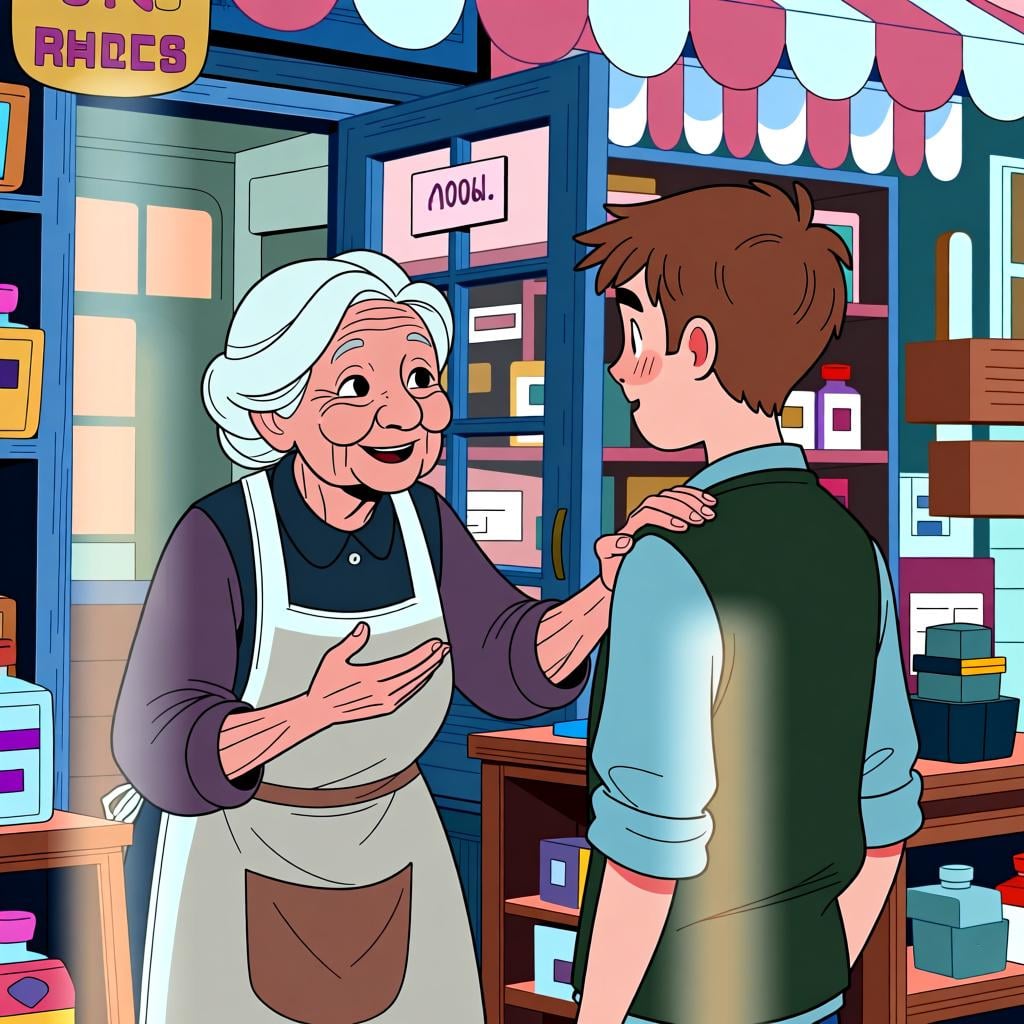
📝 In Action
Ten cuidado en la calle, hijo.
B1Be careful on the street, son.
Gracias por la ayuda, hijo. Eres muy amable.
B1Thanks for the help, kid. You're very kind.
Word Connections
man!Also: wow!, jeez!

📝 In Action
¡Hijo! Qué susto me diste.
B2Man! You scared me.
Se me olvidaron las llaves otra vez. ¡Hijo!
B2I forgot the keys again. Jeez!
Word Connections
✏️ Quick Practice
Quick Quiz: hijo
Question 1 of 2
If a family has one boy and one girl, how would you refer to them together?
📚 More Resources
👥 Word Family
📚 Etymology
Comes from the Latin word 'filius', which also meant 'son'. Over centuries, the 'f' sound at the beginning softened until it disappeared, and the 'li' sound transformed into the Spanish 'j' sound, giving us 'hijo'.
First recorded: Around the 10th century
Cognates (Related words)
💡 Master Spanish
Take your Spanish to the next level. Read 200+ illustrated and narrated Spanish stories tailored to your level with the Inklingo app!
Frequently Asked Questions
What is the difference between 'hijo' and 'niño'?
'Hijo' always talks about a relationship: someone's son. 'Mi hijo' is 'my son'. 'Niño' just means 'boy' or 'child' in general, without mentioning who the parents are. 'El niño juega' means 'the boy is playing'.
How do I say 'children' in Spanish?
You can use 'hijos' to mean 'children' when talking about a specific family's kids (e.g., 'Sus hijos son altos' - 'Their children are tall'). If you're talking about children in general, like 'Children like to play', the word 'niños' is more common.
I heard someone say 'mijo'. What is that?
'Mijo' is a very common and friendly contraction of 'mi hijo' (my son). It's used a lot in Mexico and other parts of Latin America, especially in the same way English speakers might say 'son' or 'kiddo' affectionately.