How to Say "child" in Spanish
The most common Spanish word for “child” is “niño” — use 'niño' when referring to a male child, especially a young boy, in a general context.

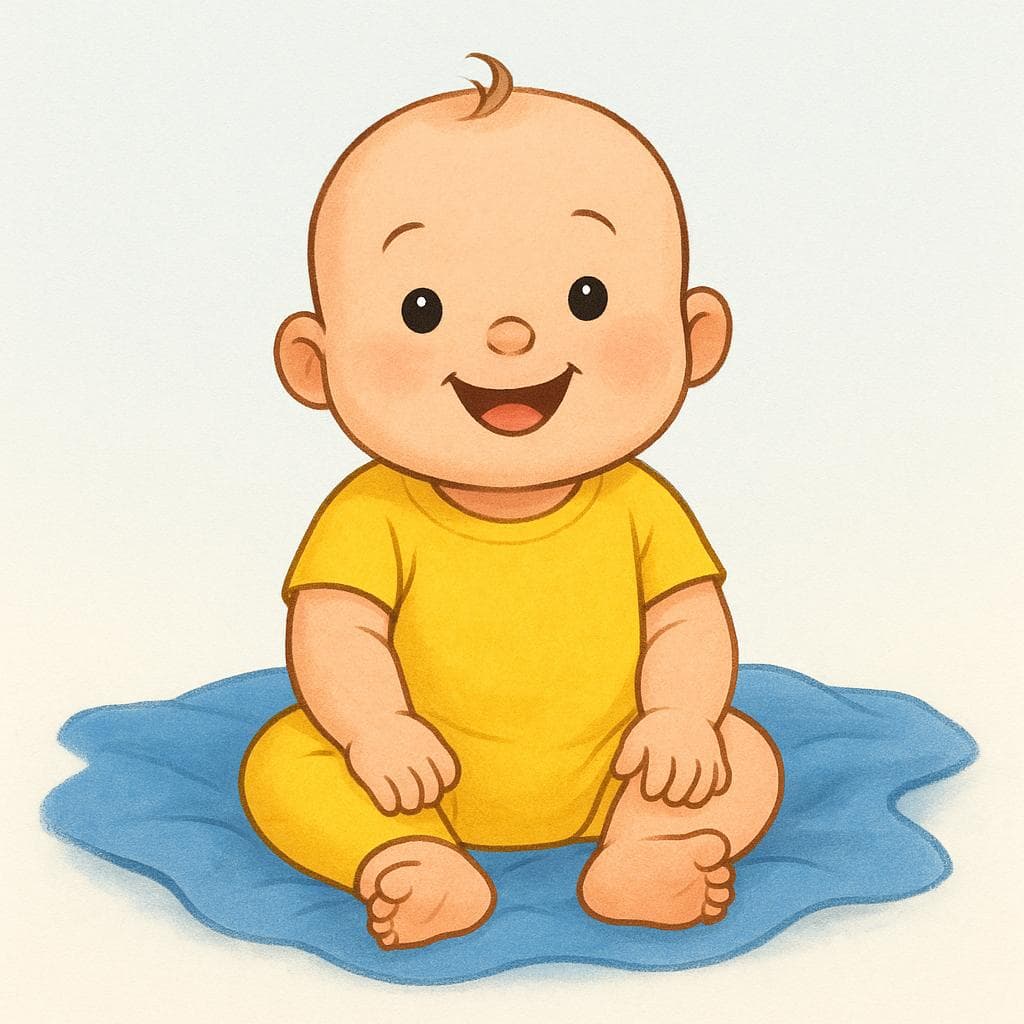
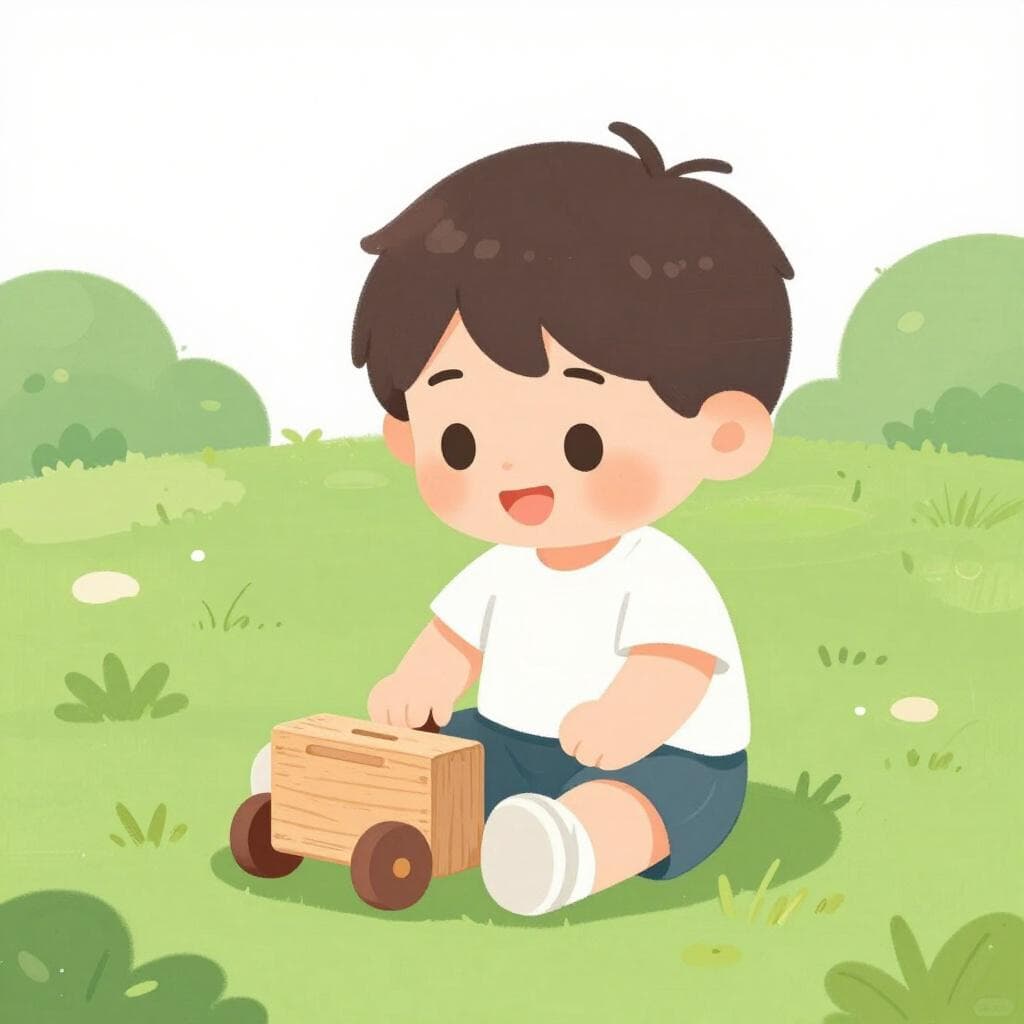
niño
Examples
El niño juega en el parque.
The boy plays in the park.
hijo
ee-hoh'ixo

Examples
Mi hijo mayor se llama Carlos.
My oldest son is named Carlos.
Tengo dos hijos y una hija.
I have two sons and one daughter.
El hijo de mi vecina es muy educado.
My neighbor's son is very polite.
Male and Female Forms
Like many Spanish nouns for people, 'hijo' is for a boy. To talk about a girl, you change the ending to '-a' to get 'hija'.
The 'Default' Plural
The plural form 'hijos' can mean 'sons', but it's also used for a mixed group of 'sons and daughters' or 'children' in general. Spanish often uses the male plural form as the default for a mixed group.
Plural for Mixed Groups
Mistake: “If you have one son and one daughter, you might say: 'Tengo dos hijas.'”
Correction: Use the masculine plural 'hijos' for a mixed group. The correct way is: 'Tengo dos hijos.'
crío
Examples
Ese crío siempre está corriendo por la calle.
That kid is always running through the street.
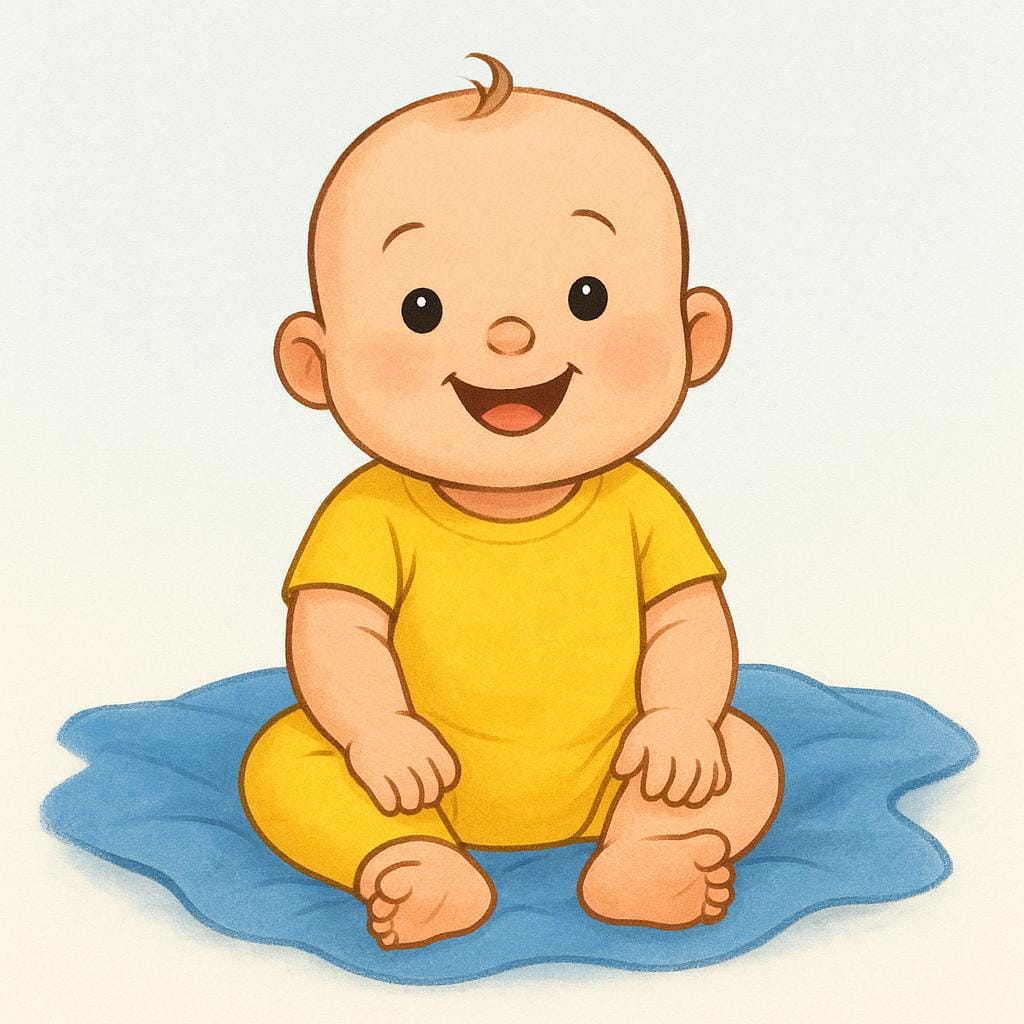
criatura
kree-ah-TOO-rahkɾjaˈtuɾa
Examples
La criatura durmió toda la noche por primera vez.
The baby slept all night for the first time.
¡Mira qué linda criatura! ¿Cuántos años tiene?
Look what a sweet little one! How old is she/he?
Mi hermana dejó a las criaturas con la abuela.
My sister left the children with Grandma.
Fixed Gender
Even if the child is a boy, the word 'criatura' remains feminine ('la criatura'). The gender of the word doesn't change based on the child's actual gender.
Confusing Gender
Mistake: “Usar 'el criaturo' para un niño.”
Correction: Always use 'la criatura,' even for a male child. The word itself is always feminine.
pequeño
Examples
El pequeño está durmiendo la siesta.
The little one is taking a nap.
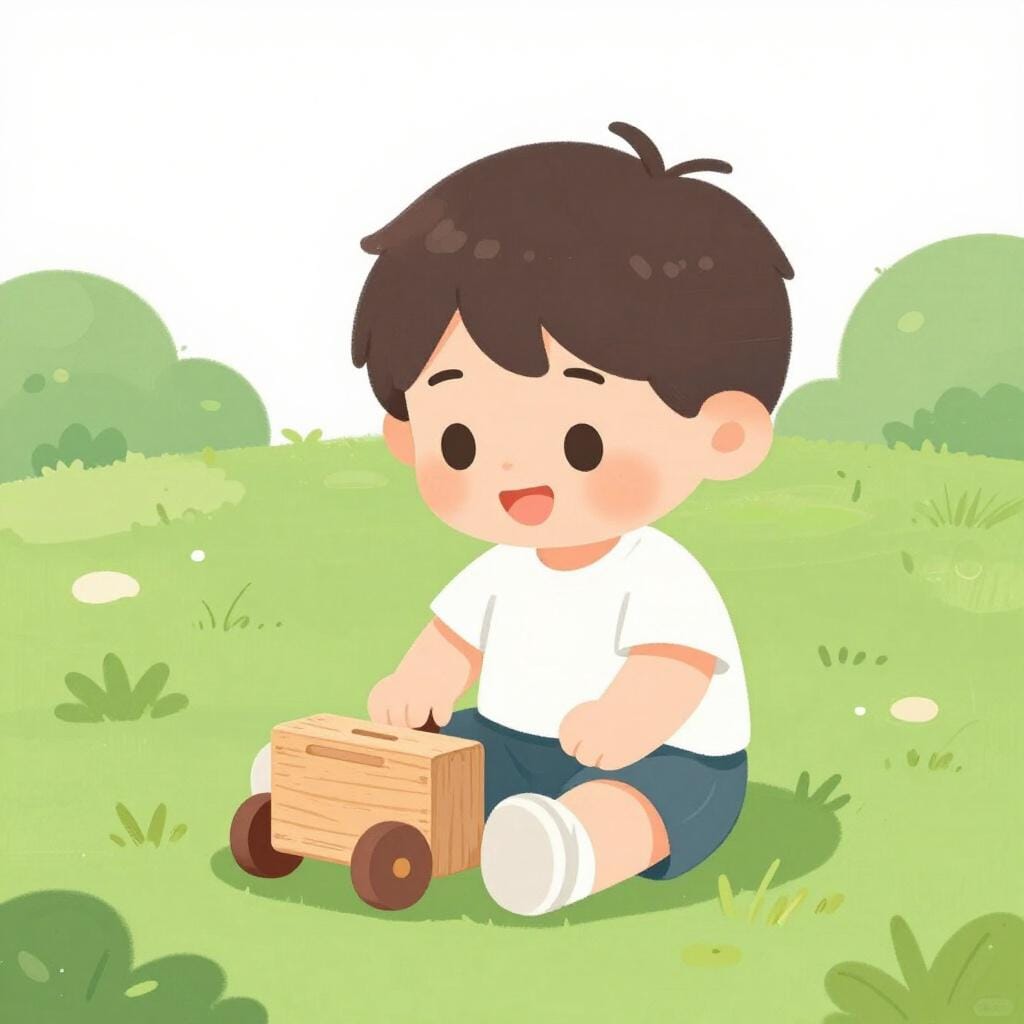
infante
een-FAHN-tehinˈfante
Examples
La ley protege los derechos de todo infante.
The law protects the rights of every child.
Se especializa en psicología del infante.
She specializes in child psychology.
La educación del infante comienza en el hogar.
The child's education begins at home.
Formal Tone
This word is much more formal than 'niño'. It is like the difference between saying 'child' and 'minor' or 'infant' in English.
Daily Conversation
Mistake: “Saying 'Vi a un infante en el parque' to mean 'I saw a kid in the park'.”
Correction: Use 'niño' for everyday situations. 'Infante' sounds like you are reading a legal document.
Niño vs. Hijo
Learn Spanish with Inklingo
Interactive stories, personalized learning, and more.