How to Say "children" in Spanish
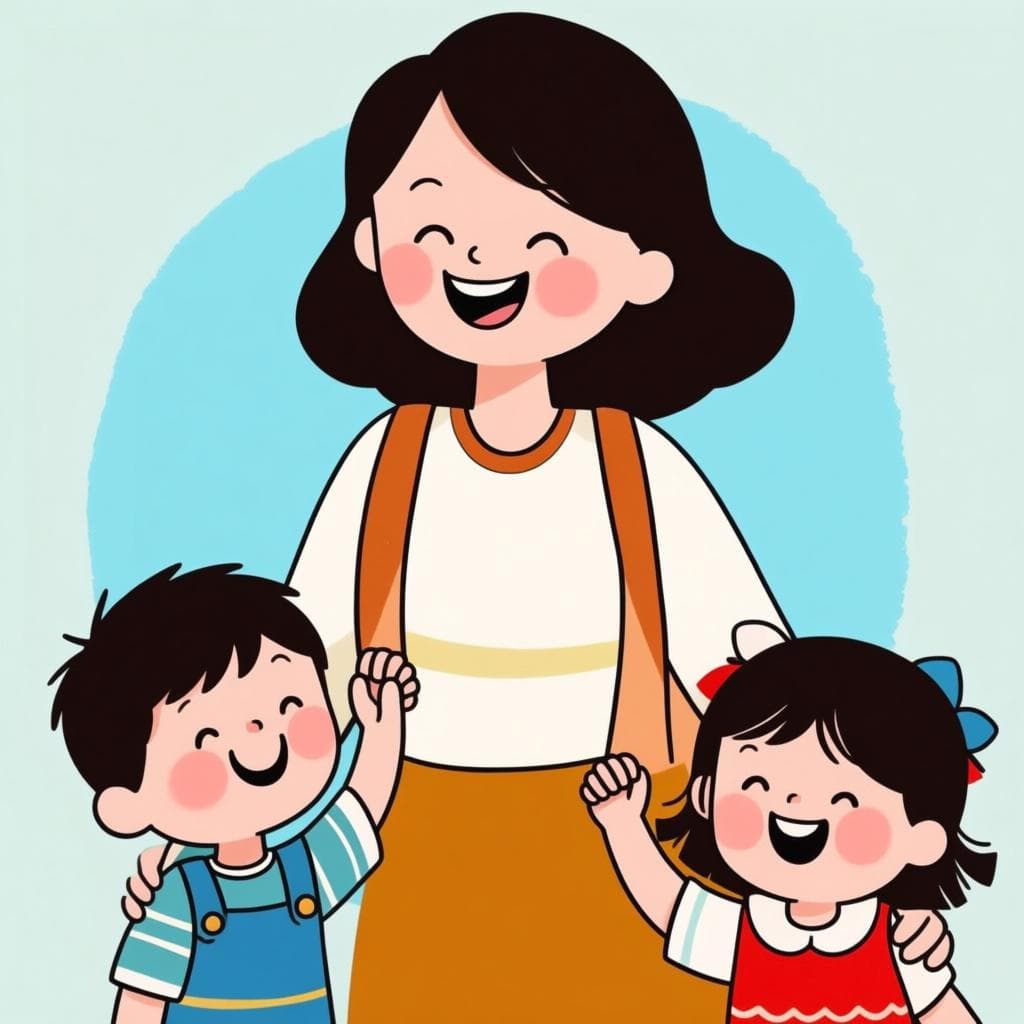
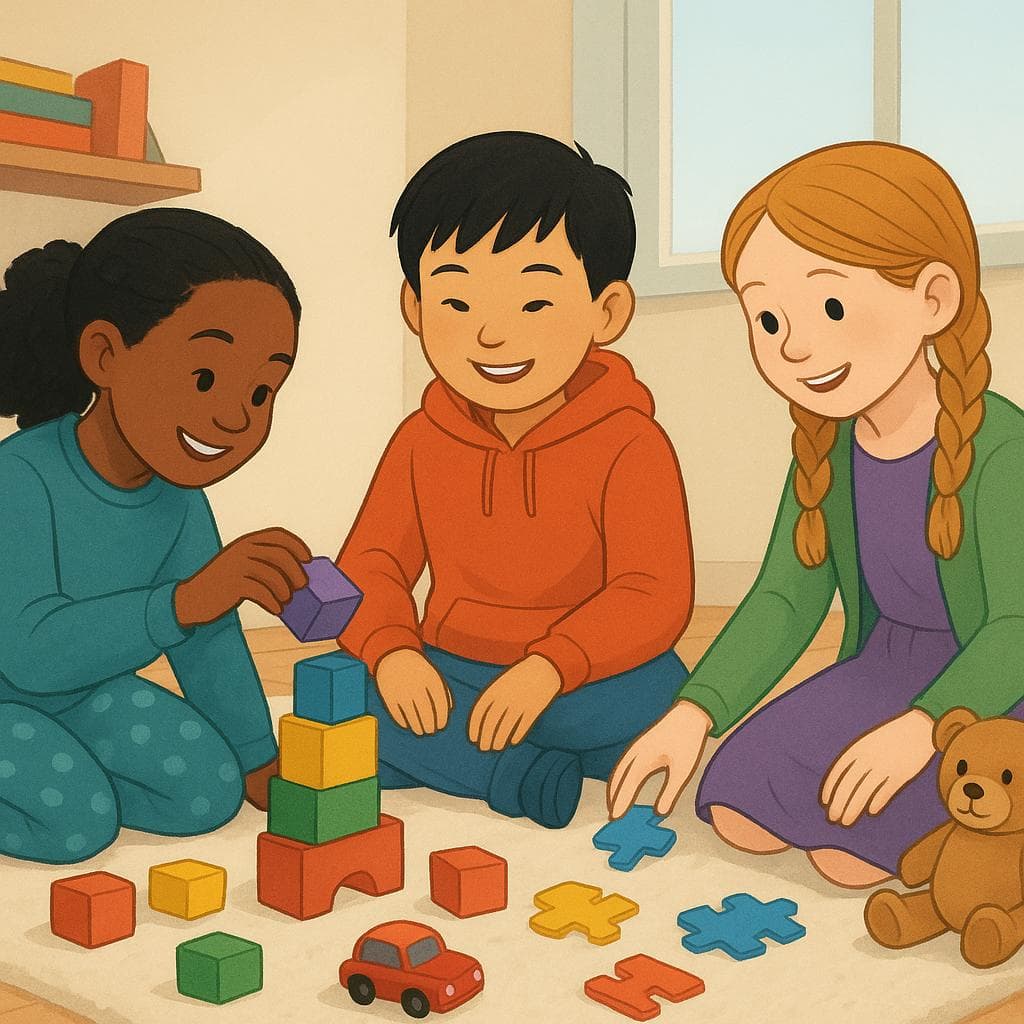
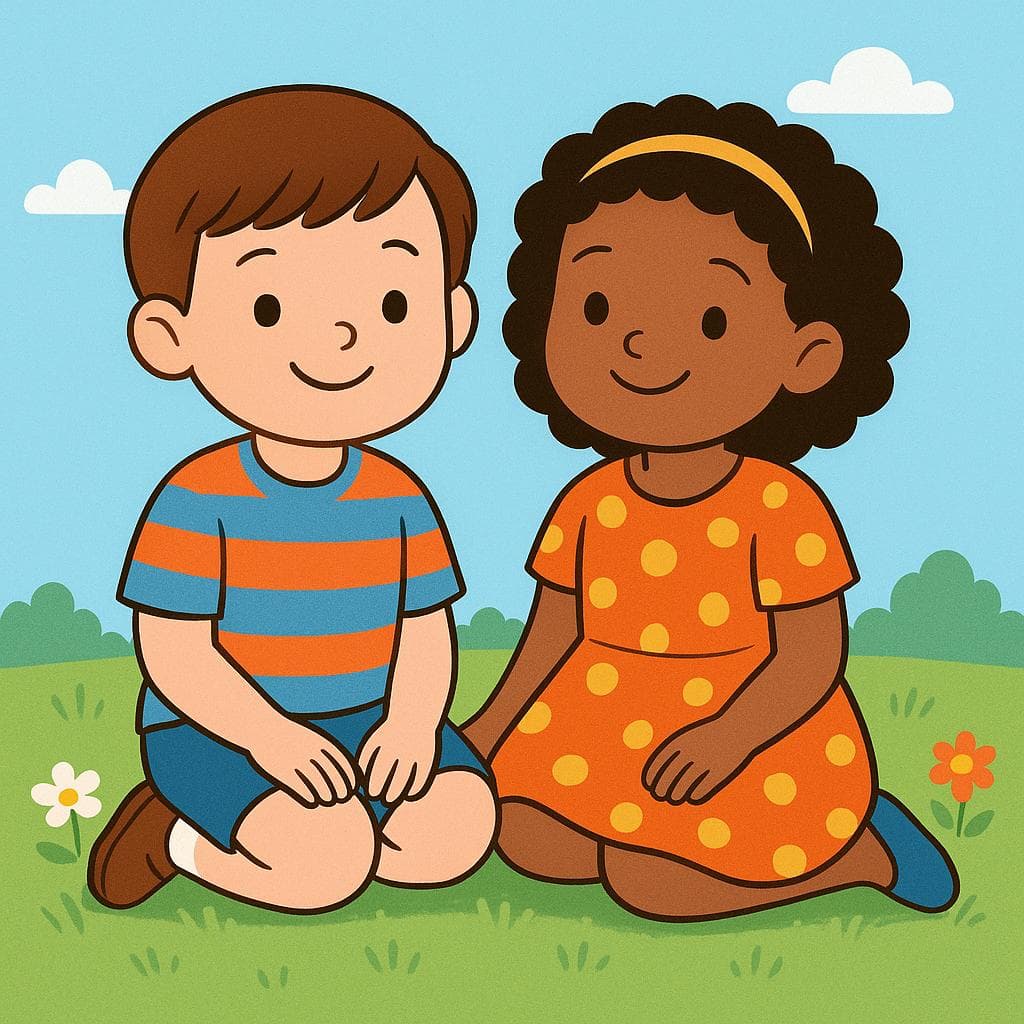
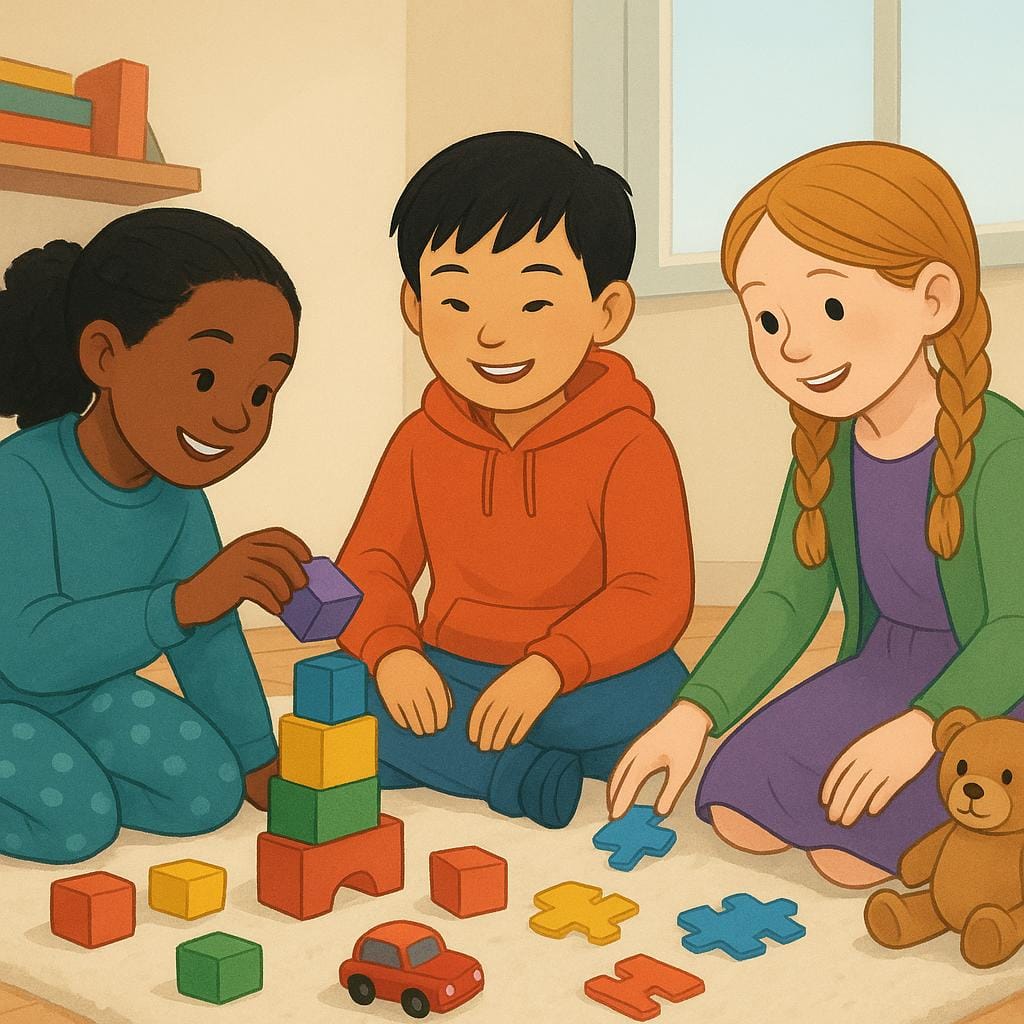
The most common Spanish word for “children” is “niño” — use 'niños' to refer to a general group of young boys and girls together, especially in everyday contexts like school or play.
niño
Examples
Los niños están jugando en el parque.
The children are playing in the park.
hijos
ee-khosˈixos
Examples
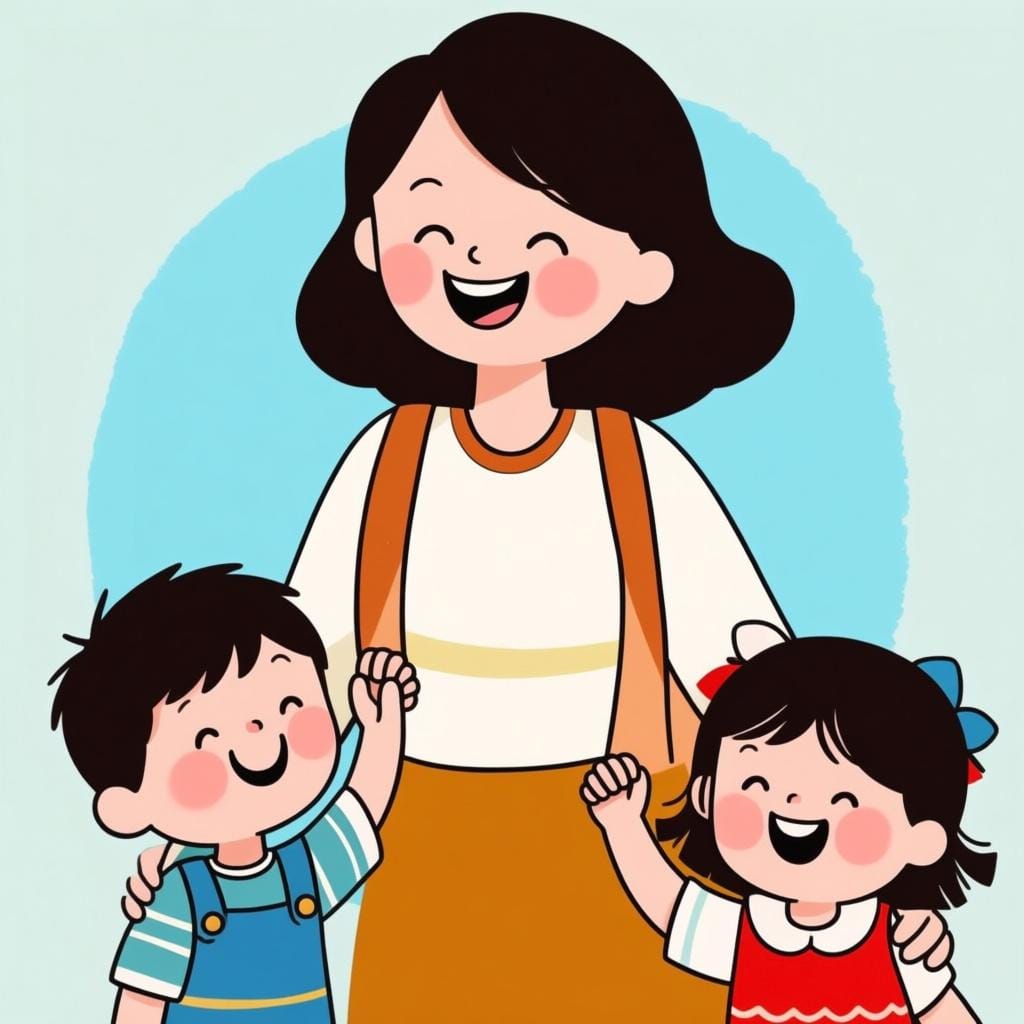
Tengo tres hijos.
I have three children.
¿Cuántos hijos tienes?
How many children do you have?
Tengo dos hijos: un niño y una niña.
I have two children: a boy and a girl.
Todos mis hijos viven en Madrid.
All my children live in Madrid.
The All-Inclusive Plural
In Spanish, if you have a group of people that includes even one male, you use the masculine plural form. So, 'hijos' can mean 'sons', but it most often means 'children' (sons and daughters together).
Using 'hijas' for a mixed group
Mistake: “If you have a son and a daughter, you might say: 'Tengo dos hijas.'”
Correction: Always say 'Tengo dos hijos.' Use 'hijas' only when talking about a group of ALL daughters.
menores
meh-NOH-rehsmeˈnoɾes
Examples
Los menores de 18 años necesitan permiso para entrar.
Children under 18 need permission to enter.
La entrada es gratuita para los menores.
Admission is free for minors/children.
El centro ofrece actividades recreativas para menores de edad.
The center offers recreational activities for underage people.
Adjective to Noun
This is a case where the adjective 'menor' is used as a noun. When you put an article like 'los' or 'las' in front of it, it refers directly to the people who are under the legal age.
criaturas
kree-ah-TOO-raskriaˈtuɾas
Examples
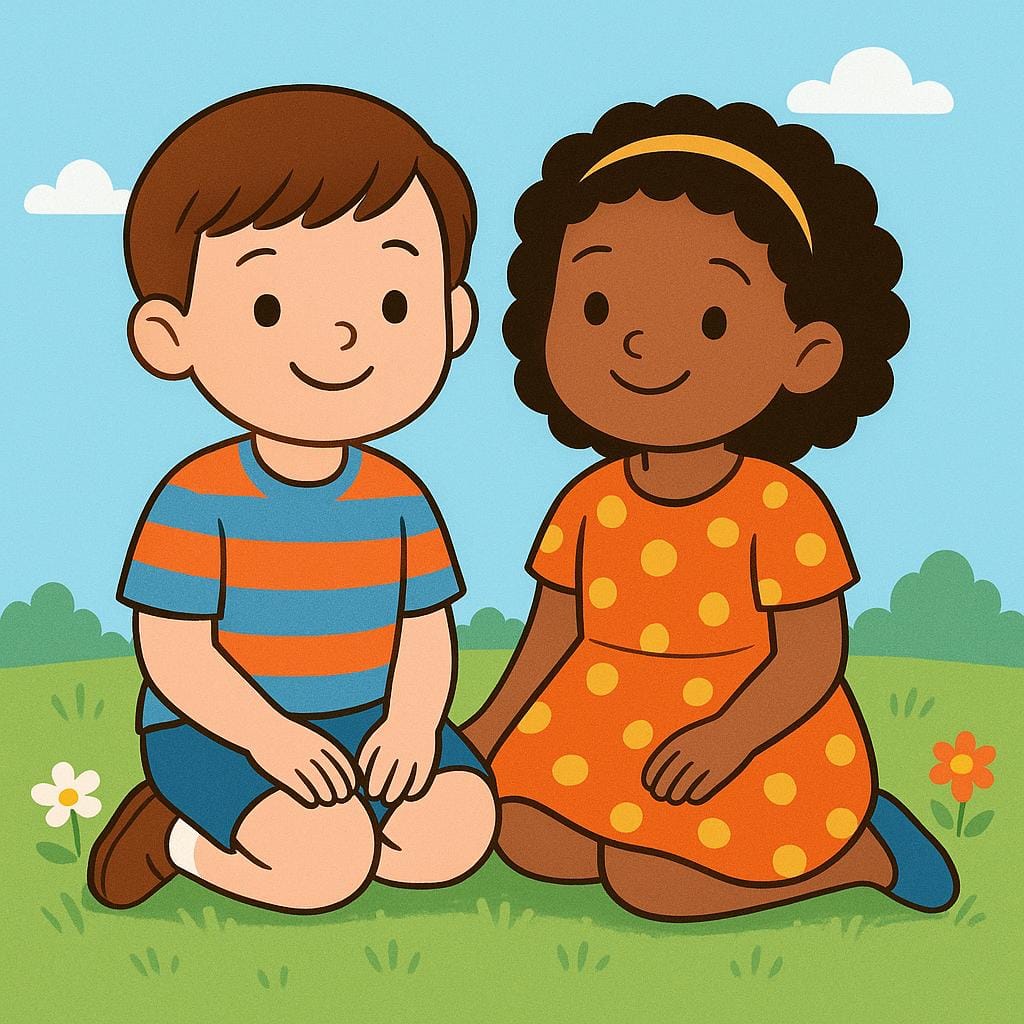
Qué criaturas tan lindas tienes.
What lovely little children you have.
Las criaturas deben estar en cama antes de las nueve.
The children must be in bed before nine.
¡Qué ruido hacen estas criaturas cuando juegan!
What a noise these little ones make when they play!
Always Plural Feminine
Even if the group of children includes boys, 'criaturas' is always a feminine noun, so you use 'las criaturas'.
Confusing Gender
Mistake: “Los criaturas están aquí.”
Correction: Las criaturas están aquí. (Because 'criatura' is always feminine, even when referring to boys.)
Niños vs. Hijos
Related Translations
Learn Spanish with Inklingo
Interactive stories, personalized learning, and more.