menores
“menores” means “smaller” in Spanish. It has 3 different meanings depending on context:
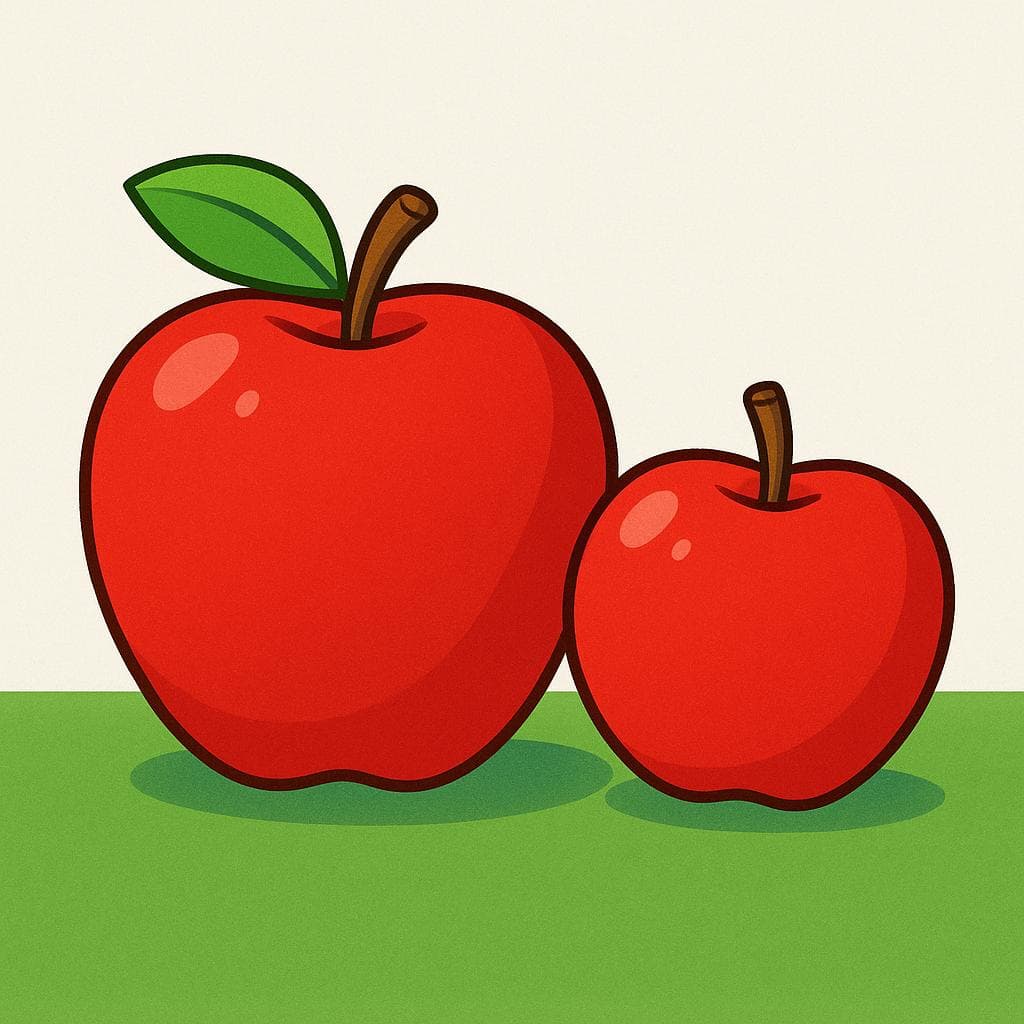
smaller, lesser
Also: minor
📝 In Action
Para la mudanza necesitamos cajas menores.
A2For the move, we need smaller boxes.
Los daños menores no afectaron la estructura.
B1The minor damage didn't affect the structure.
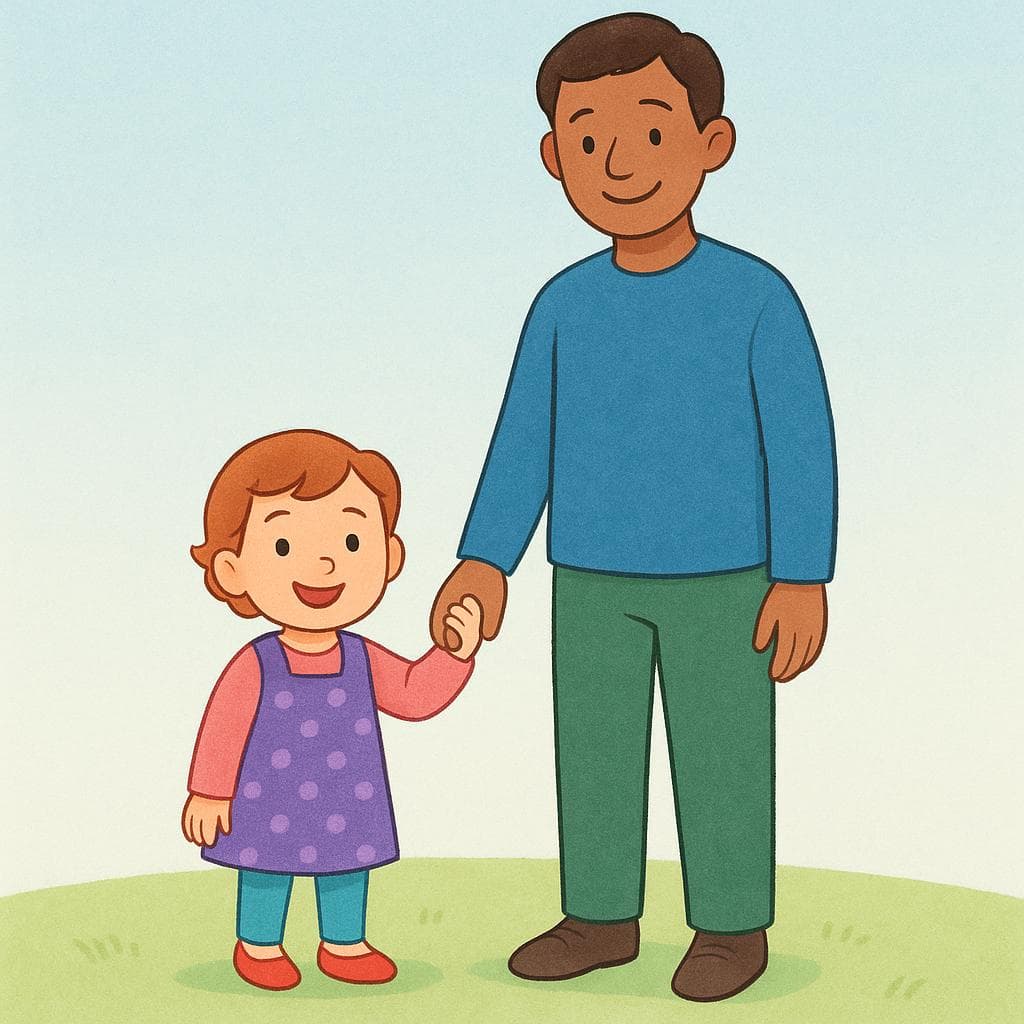
younger
Also: junior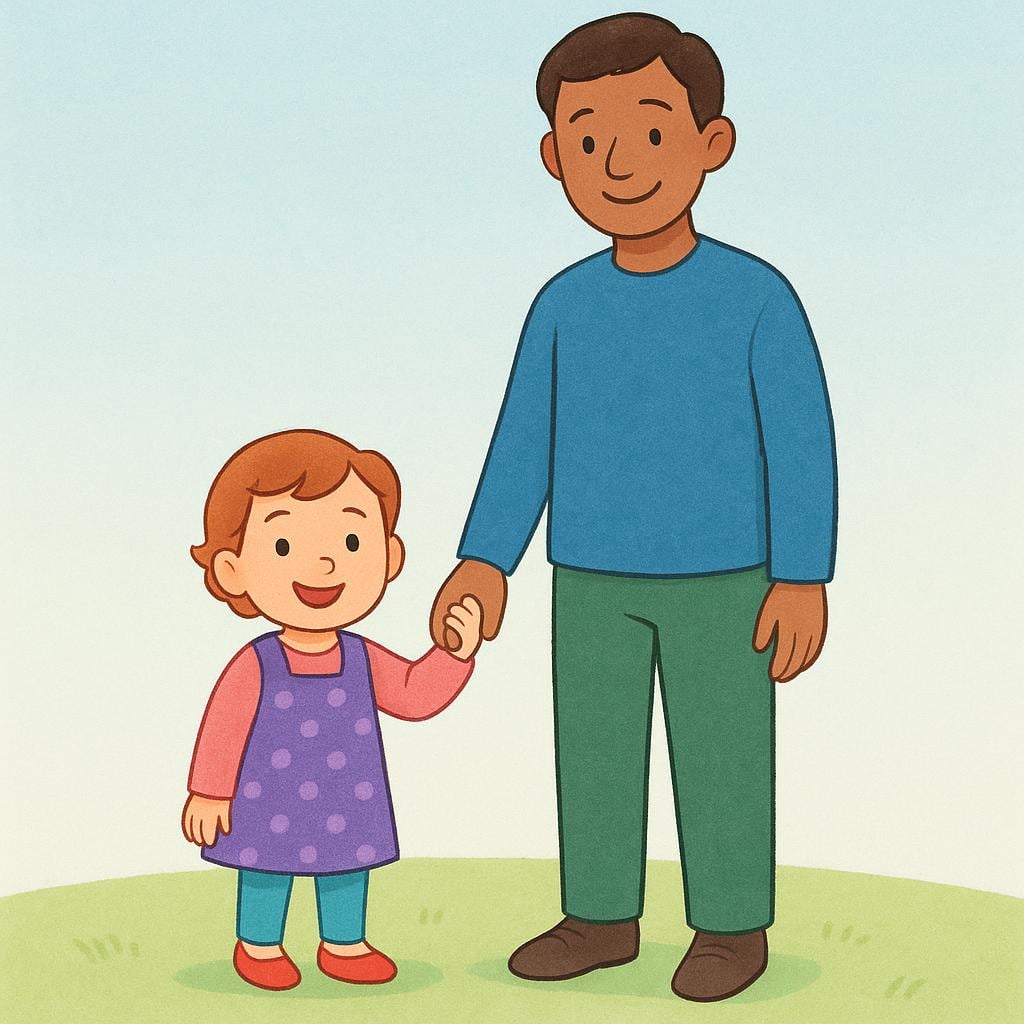
📝 In Action
Mis primas menores todavía están en la universidad.
A2My younger cousins are still in college.
Los jugadores menores de 20 años entrenan aparte.
B1The players younger than 20 train separately.
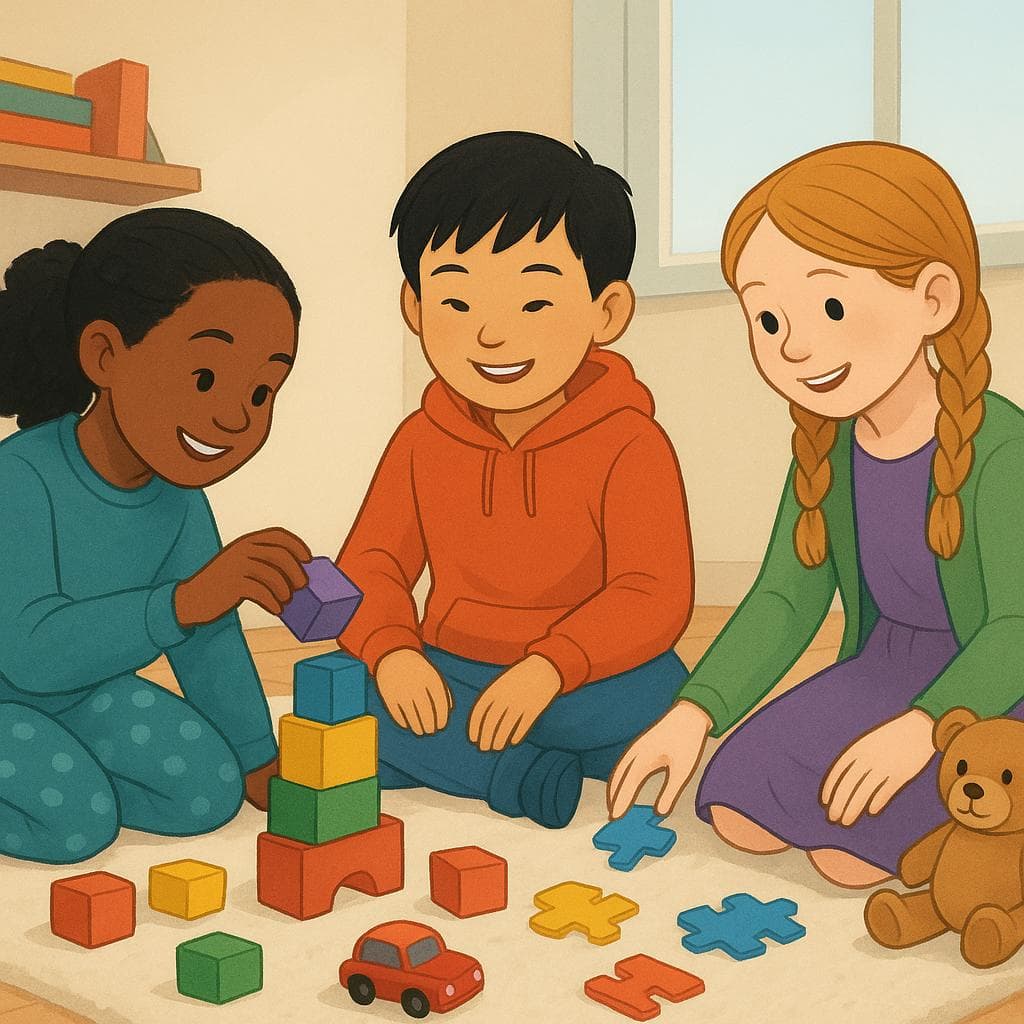
minors, children
Also: juveniles
📝 In Action
La entrada es gratuita para los menores.
A2Admission is free for minors/children.
El centro ofrece actividades recreativas para menores de edad.
B1The center offers recreational activities for underage people.
Translate to Spanish
✏️ Quick Practice
Quick Quiz: menores
Question 1 of 1
Which sentence uses 'menores' to mean 'children' or 'minors'?
📚 More Resources
👥 Word Family▼
📚 Etymology▼
The word comes directly from the Latin word *minor*, which meant 'smaller' or 'less'. It has been used in Spanish since its early days to express comparison.
First recorded: Medieval Spanish
Cognates (Related words)
💡 Master Spanish
Take your Spanish to the next level. Read 200+ illustrated and narrated Spanish stories tailored to your level with the Inklingo app!
Frequently Asked Questions
What is the difference between 'menores' and 'más pequeños'?
'Menores' is the most common and natural way to express 'smaller' or 'younger' when making a simple comparison (e.g., 'younger sibling' = 'hermano menor'). 'Más pequeños' translates literally to 'more small' and is usually used when you are directly comparing the size of two specific things.
Does 'menores' change based on gender?
No. 'Menores' is already the plural form. It is used for both masculine and feminine things (e.g., 'problemas menores' [m.] and 'cajas menores' [f.]). It only needs to match if the noun it describes is singular ('menor') or plural ('menores').