How to Say "younger" in Spanish
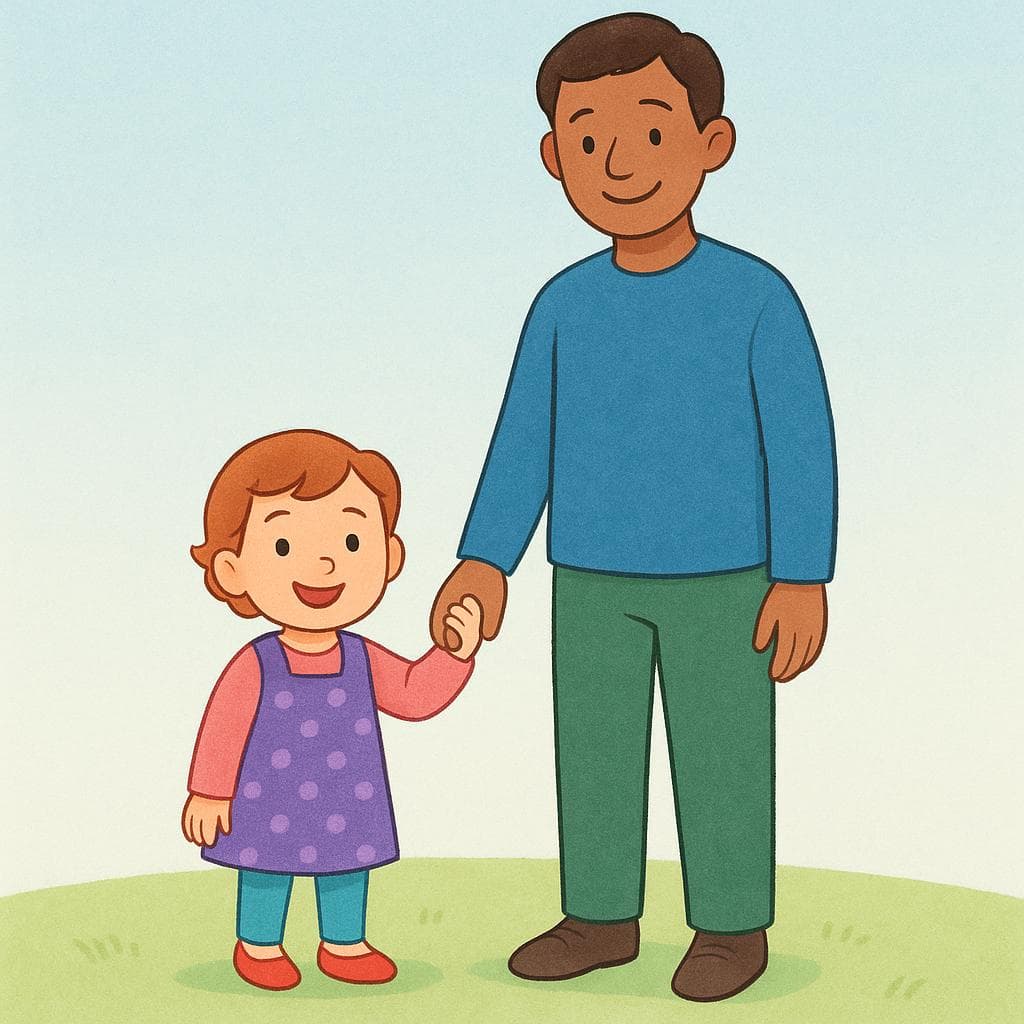
The most common Spanish word for “younger” is “menor” — use 'menor' when referring to one person who is younger in age compared to another.

menor
meh-NORmeˈnoɾ

Examples
Mi hermano menor tiene veinte años.
My younger brother is twenty years old.
Ellos son mucho menores que nosotros.
They are much younger than us.
Standard Age Comparison
While 'más joven' is grammatically correct, 'menor' is the much more natural and common way to talk about a younger sibling or person.
menores
meh-NOH-rehsmeˈnoɾes
Examples
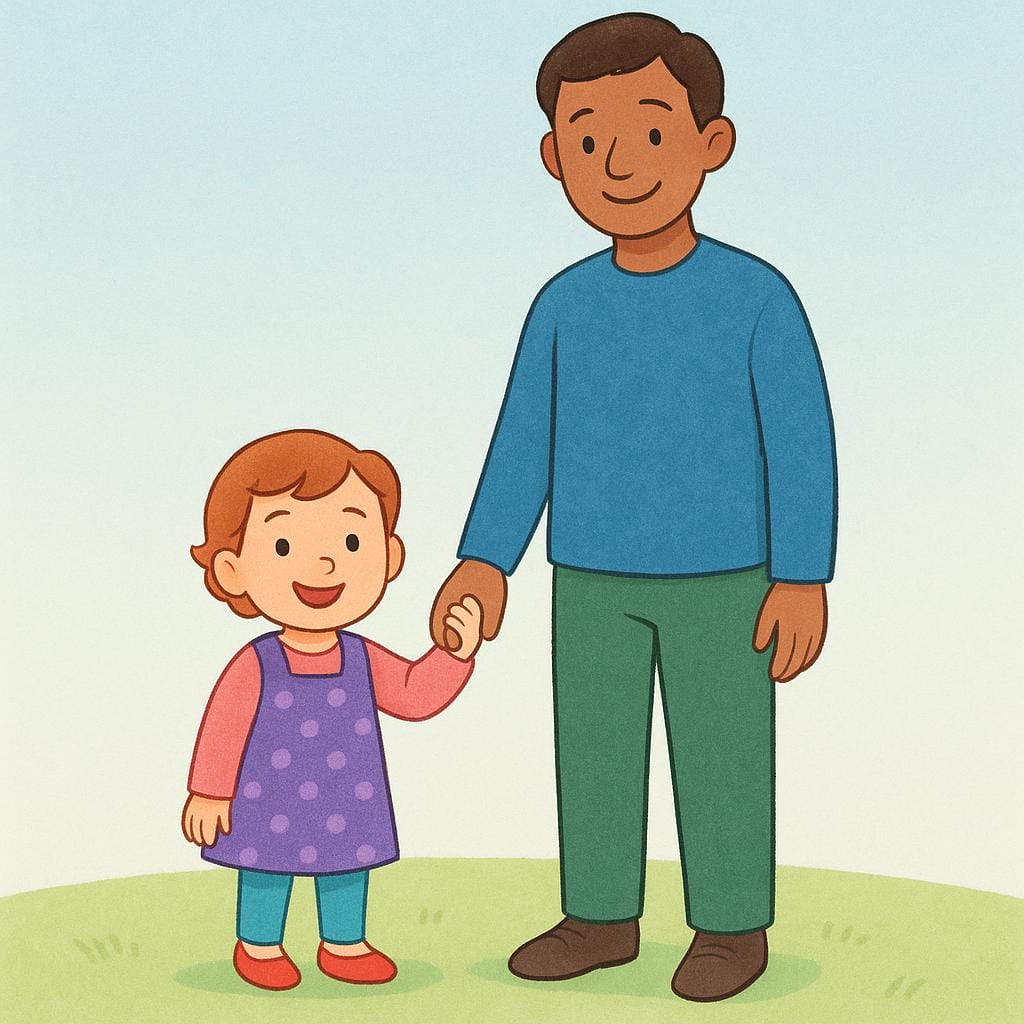
Mis primas menores todavía están en la universidad.
My younger cousins are still in college.
Los jugadores menores de 20 años entrenan aparte.
The players younger than 20 train separately.
Saying 'Younger'
Mistake: “Using 'más jóvenes' to mean 'younger siblings'.”
Correction: Use 'hermanos menores'. 'Menor' is the natural, single-word way to express 'younger' in Spanish when comparing age.
pequeño
Examples
Mi hermano pequeño se llama Carlos.
My younger brother is named Carlos.
Menor vs. Pequeño for siblings
Learn Spanish with Inklingo
Interactive stories, personalized learning, and more.