
Japanese Stories for Learners
Free graded Japanese stories from A0 to B2 — every one with audio narration, images, key vocabulary, and a comprehension quiz. Read at your level and build toward fluency.
Browse by level
Pick your level, then start reading right away — no account needed.
New to the language? Start with A0. Know a little already? Try A1.
17 stories found
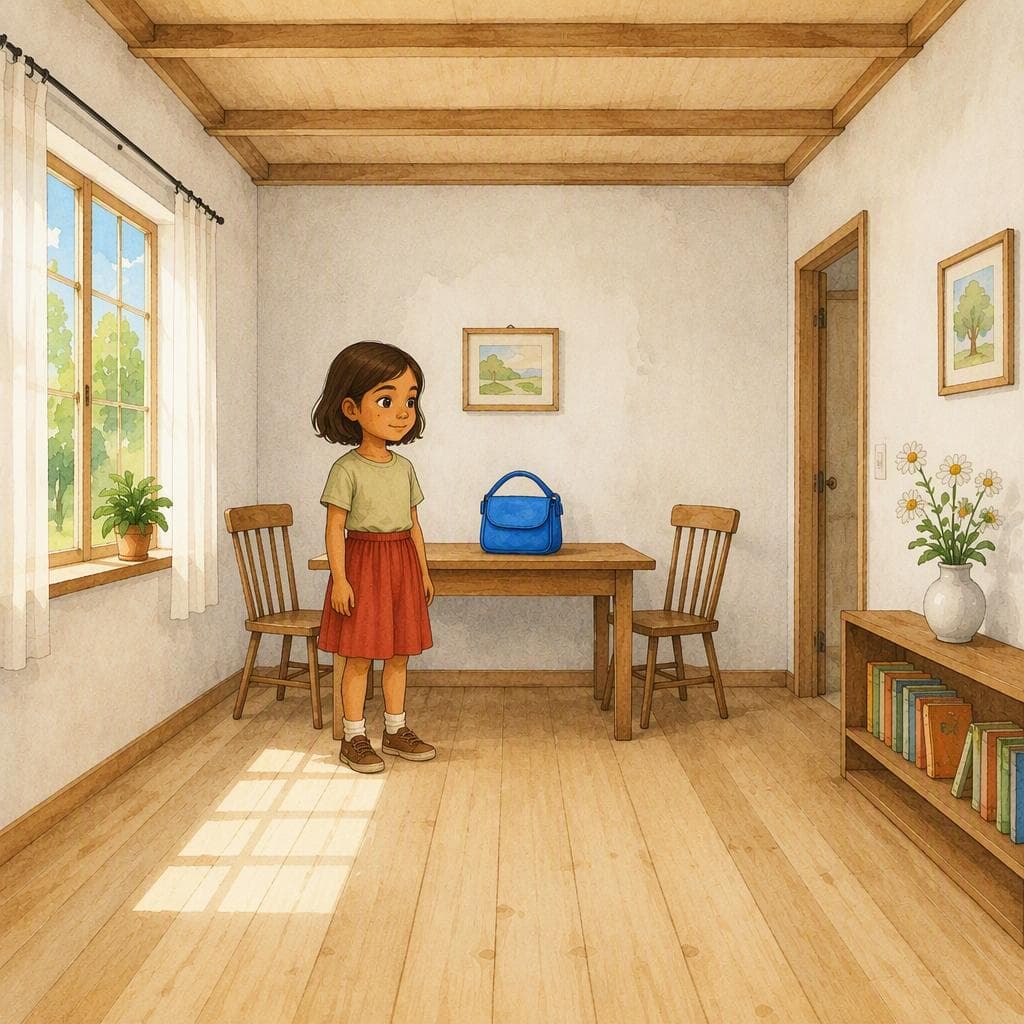
A Blue Bag
A story about a child who gets a blue bag from their mother.
Start reading
A Cup of Water
A child asks their mother for a cup of water.
Start reading
A Friend Comes
A story about a friend who comes to a home and drinks water.
Start reading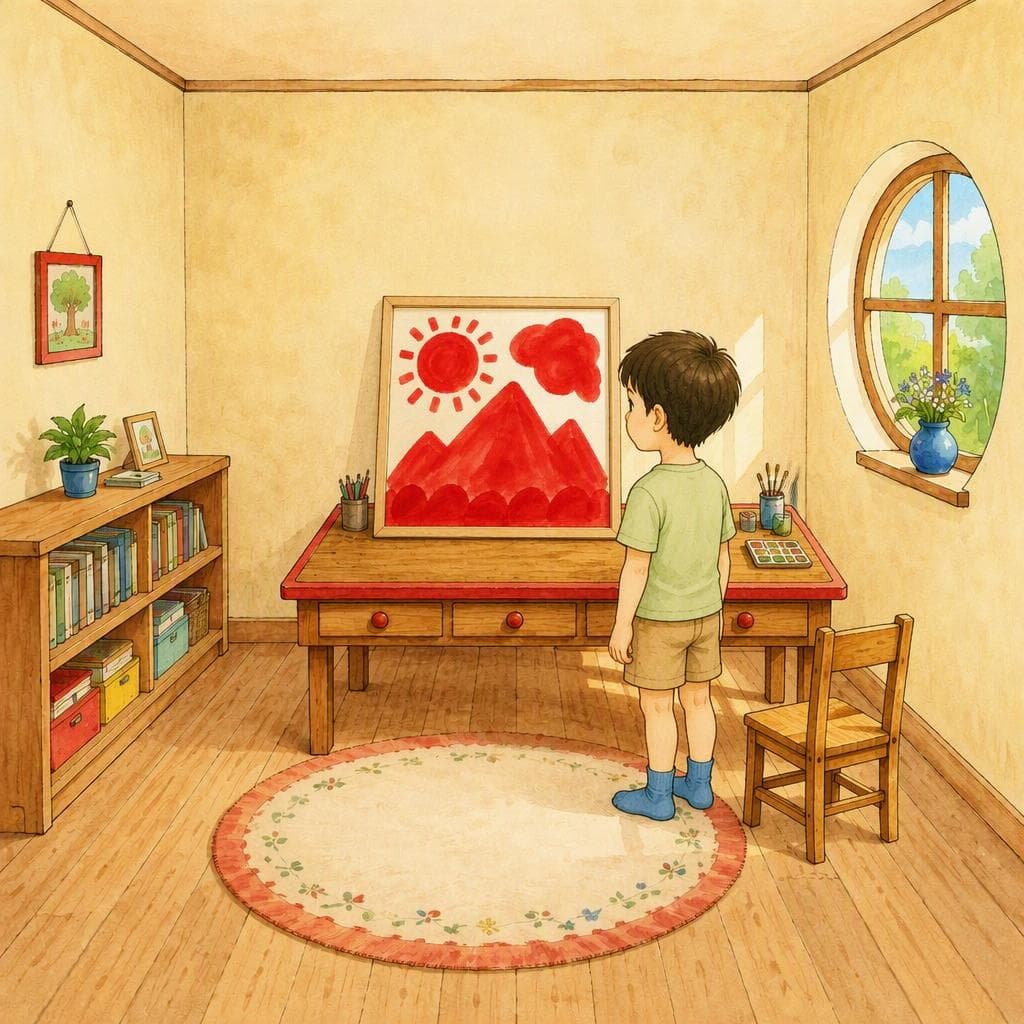
A Red Picture
A child wants a red picture, and the mother gives it to the child.
Start reading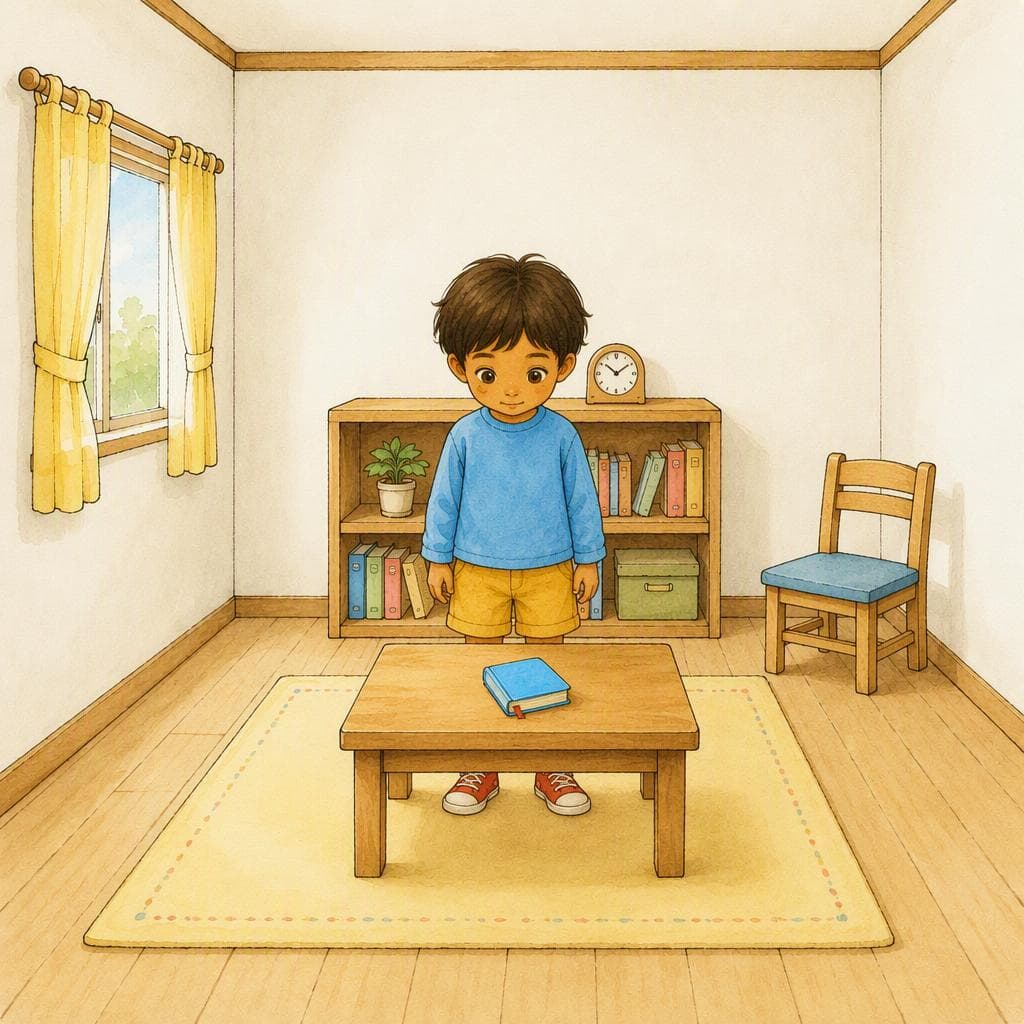
A Small Book
A story about a child and a small book in a room.
Start reading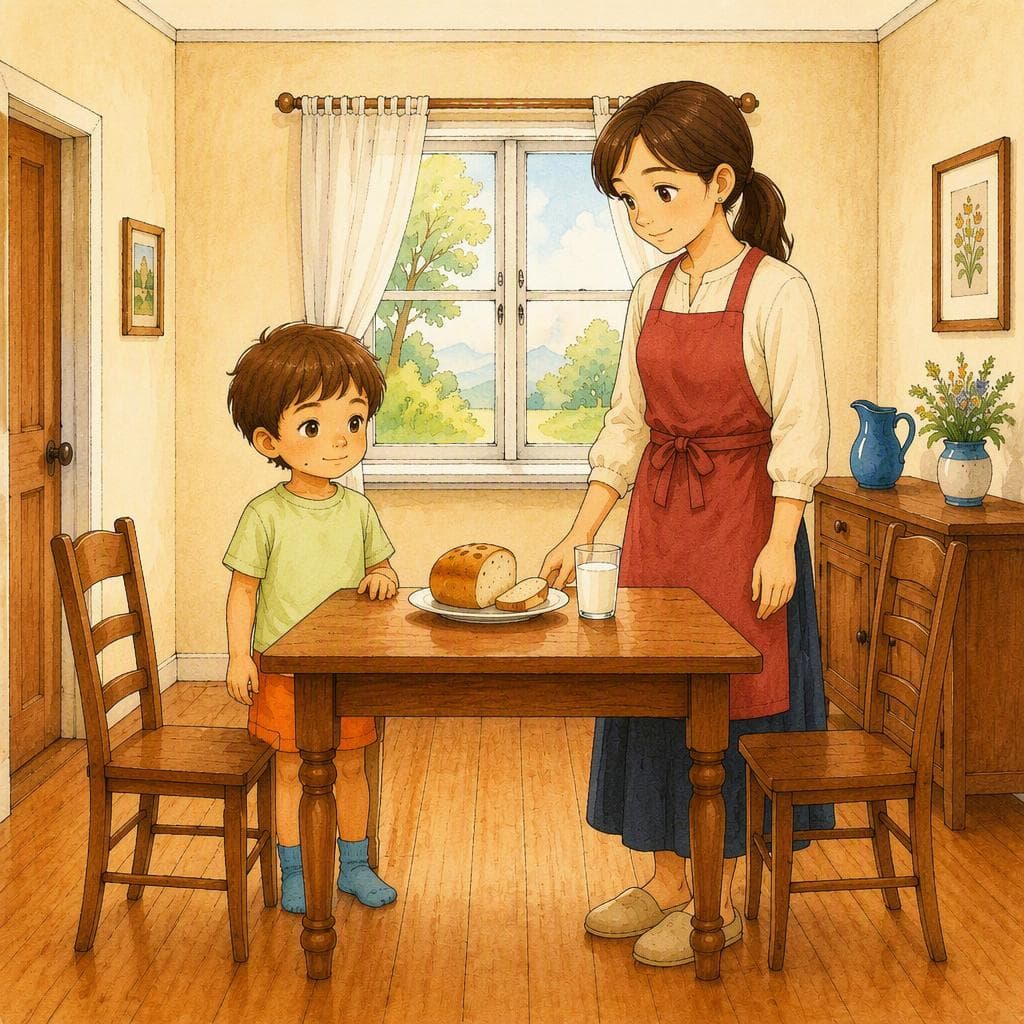
Bread and Milk
A child eats bread and drinks milk at home.
Start readingChoose the kind of Japanese reading practice you need
Start with easy beginner texts, level-based graded readers, or very short stories.
Japanese Stories for Beginners
Easy A0, A1, and A2 Japanese stories with audio, images, key vocabulary, and short comprehension checks.
87+ storiesGraded Japanese Readers
Japanese reading practice organized by CEFR level, from first sentences to richer intermediate stories.
127+ storiesShort Japanese Stories
Quick Japanese stories you can finish in a few minutes while building useful vocabulary in context.
93+ storiesChat storiesPractice Japanese as it appears in messages
Read texting-style Japanese stories with short replies, voice notes, natural dialogue, and everyday phrasing.
73 chat storiesFind Japanese stories by your goal
Whatever you are working on — easy reading, listening, or the jump to intermediate — there is a focused collection for it.
Easy Japanese Stories
The simplest A0–A1 texts with audio and pictures — perfect for your very first story.
A0–A1Intermediate Japanese Stories
B1–B2 narratives with richer vocabulary, idioms, and audio to bridge to fluency.
B1–B2Japanese Reading Practice
Graded comprehensible input from A0 to B2 with tap-to-translate vocabulary and quizzes.
A0–B2Japanese Listening Practice
Native-speaker narration with the full text to read along — train your ear at every level.
With audioJapanese Stories for Kids
Short, picture-filled stories with audio — gentle and fun for young learners.
A0–A2Learn Japanese with Stories
The complete guide: why story-based reading works and how to do it right.
GuideBrowse Japanese stories by topic
Choose from 10 topics, then read at the level that fits.
Daily Life
15 stories · a0, a1, a2, b1, b2Relationships & Drama
14 stories · a0, a1, a2, b1, b2Food & Cuisine
13 stories · a0, a1, a2, b1, b2Music & Arts
13 stories · a0, a1, a2, b1, b2Myths & Legends
13 stories · a0, a1, a2, b1, b2Culture & Travel
12 stories · a0, a1, a2, b1, b2History
12 stories · a0, a1, a2, b1, b2Mystery
12 stories · a0, a1, a2, b1, b2Sports
12 stories · a0, a1, a2, b1, b2Nature & Adventure
11 stories · a0, a1, a2, b1, b2How to learn Japanese with stories
Graded stories are written for language learners, so vocabulary, sentence length, and grammar stay close to a clear CEFR level — easier to finish than random articles or native-level fiction. Read for the main idea first, listen after reading, and save useful words to review later.
Frequently asked questions
Are these Japanese stories free?
Yes. The Japanese stories on this website are free to read, with images, audio, vocabulary support, and level-based browsing.
Which Japanese level should I start with?
Start where you can understand most of the story without stopping constantly. Use A0 or A1 for first reading practice, A2 for longer beginner texts, and B1-B2 for richer intermediate stories.
Do the Japanese stories include audio?
Most story paragraphs include audio, so learners can read first, listen again, and connect written Japanese with natural pronunciation.
Why learn Japanese through stories?
Stories give learners repeated vocabulary, grammar in context, and a reason to keep reading. That makes the practice feel less random than isolated word lists.