
THE INKLINGO LANGUAGE GUIDES
120 Common Italian Phrases (Meaning & Audio)
These 120 common Italian phrases cover greetings, travel, meals and everyday conversation. Start with the survival 25, then practice a short exchange from the situation you need today.
Survival 25
- Buongiorno.Good morning / hello.
- Buonasera.Good evening.
- Arrivederci.Goodbye.
- Per favore.Please.
- Grazie mille.Thank you very much.
- Prego.You are welcome.
- Mi scusi.Excuse me.
- Come si chiama?What is your name?
- Mi chiamo Luca.My name is Luca.
- Non capisco.I do not understand.
- Può ripetere, per favore?Can you repeat that, please?
- Può parlare più lentamente?Can you speak more slowly?
- Come si dice in italiano?How do you say it in Italian?
- Un tavolo per due, per favore.A table for two, please.
- Vorrei un caffè, per favore.I would like a coffee, please.
- Il conto, per favore.The bill, please.
- Quanto costa?How much does it cost?
- Posso pagare con la carta?May I pay by card?
- Dov'è il bagno?Where is the bathroom?
- Dov'è la stazione?Where is the station?
- Ho una prenotazione a nome Rossi.I have a reservation in the name of Rossi.
- Ho sete.I am thirsty.
- Aiuto!Help!
- Chiami un'ambulanza!Call an ambulance!
- Pronto?Hello?
Greetings and goodbyes in Italian
A friendly greeting makes the next sentence easier. Use the time-of-day forms with unfamiliar people.

Buongiorno.
Good morning / hello.
Polite daytime greeting
See it in a story: La Luce Accesa nella Casa Vuota (A1)
See it in a story: La Faccia sul Muro che Ritorna (A2)
Source note.
Good evening.
Polite evening greeting
Source noteCiao!
Hi!
Familiar; also goodbye
See it in a story: Il Messaggio Mandato alla Persona Sbagliata (A1)
See it in a story: L'Inquilino che Nessuno Vide Mai (A1)
Source noteArrivederci.
Goodbye.
Neutral
Source noteA .
See you soon.
Neutral
Source noteA .
See you tomorrow.
Neutral
Source noteBuona !
Have a good day!
Said when parting
Source noteBuona !
Have a good evening!
Said when parting
Source note.
Good night.
Before sleep or a late departure
Source noteCome sta?
How are you?
Polite singular
Familiar singular
Explore these words: Time & dates (flashcards) · Greetings & polite phrases
Put these words into context with a story at your level.
Read Italian storiesItalian phrases for introductions
Offer a short answer, then return the question. The polite forms work when meeting someone for the first time.

si chiama?
What is your name?
Polite singular
Familiar singular
Mi chiamo Luca.
My name is Luca.
Neutral
Source notePiacere di conoscerla.
Pleased to meet you.
Polite singular
Familiar singular
Da dove viene?
Where are you from?
Polite singular
Familiar singular
Vengo dal Canada.
I am from Canada.
Neutral
Source notea Bologna.
I live in Bologna.
Neutral
Source noteSono qui in .
I am here on vacation.
Neutral
Source notein una .
I work in a school.
Neutral
Source noteParla inglese?
Do you speak English?
Polite singular
Familiar singular
Sto imparando l'italiano.
I am learning Italian.
Neutral
Source noteExplore these words: Question words · Exclamations · House & rooms (flashcards)
Put these words into context with a story at your level.
Read Italian storiesPolite Italian requests and apologies
A greeting, a request and a thank-you are enough for many everyday exchanges. Tone matters as much as the formula.

Per .
Please.
Neutral
See it in a story: Anna vuole il pane (A0)
See it in a story: Il pane per papà (A0)
Source note.
Thank you very much.
Neutral
See it in a story: Il Pacco sul Portone Sbagliato (A1)
Source notePrego.
You are welcome.
Also used when offering or inviting
See it in a story: Il Bucato Ritirato dal Balcone Sbagliato (A1)
Source noteMi scusi.
Excuse me.
Polite singular
Familiar singular
See it in a story: La Fermata Sbagliata (A2)
Source noteMi .
I am sorry.
Apology or sympathy
See it in a story: I Cugini dell'Estate Lontana (A1)
See it in a story: Il Podio Scambiato (A1)
Source noteNon si preoccupi.
Do not worry.
Polite singular
Familiar singular
Non c'è .
No problem.
Conversational
Source noteDopo di lei.
After you.
Polite singular
Familiar singular
Può aiutarmi?
Can you help me?
Polite singular
Familiar singular
.
Gladly.
Neutral
See it in a story: Il Regalo di Nozze Restituito (B2)
Source noteExplore these words: Greetings & polite phrases · Emotions & feelings (flashcards)
Put these words into context with a story at your level.
Read Italian storiesItalian restaurant and café phrases
State what you want clearly, then check ingredients or the bill. A complete request is more useful than a list of food nouns.
Un per due, per .
A table for two, please.
Polite
Source noteVorrei un , per .
I would like a coffee, please.
Polite; usually an espresso in Italy
Source noteIl menù, per .
The menu, please.
Polite
Source noteChe cosa ci consiglia?
What do you recommend for us?
Polite singular
Source noteNon .
I do not eat meat.
Neutral
Source notesono in questo ?
Are there walnuts in this dish?
Neutral; name your specific allergen
Source noteIl , per .
The bill, please.
Polite
Source noteUna d'acqua naturale, per .
A bottle of still water, please.
Polite
Source noteEra tutto buonissimo.
Everything was delicious.
Neutral
Source notePosso avere un ?
May I have a spoon?
Polite
Source noteExplore these words: Greetings & polite phrases · Food & cooking (flashcards) · Meals & restaurants (flashcards)
Put these words into context with a story at your level.
Read Italian storiesItalian shopping phrases and paying
Ask the price and size before deciding. These short questions work at a market stall or in a shop.
?
How much does it cost?
Neutral
Source noteSto guardando, .
I am just looking, thank you.
Polite
Source noteAvete una taglia più grande?
Do you have a larger size?
Plural address to the shop
Source notePosso provarlo?
May I try it on?
Masculine item
Feminine item
Posso con la carta?
May I pay by card?
Neutral
Source notePrendo questo.
I will take this one.
Masculine item
Feminine item
Mi dà un sacchetto, per ?
Could you give me a bag, please?
Polite singular
Source noteVorrei lo scontrino.
I would like the receipt.
Polite
Source noteÈ troppo per me.
It is too expensive for me.
Masculine item
Feminine item
A che chiudete?
What time do you close?
Plural address to the shop
Source noteExplore these words: Shopping (flashcards) · Money & banking (flashcards) · Greetings & polite phrases
Put these words into context with a story at your level.
Read Italian storiesItalian travel phrases and directions
Ask one question at a time and repeat the important destination or time. Pointing at a map can help.
Dov'è il ?
Where is the bathroom?
Neutral
Source noteDov'è la stazione?
Where is the station?
Neutral
Source noteCerco questo indirizzo.
I am looking for this address.
Neutral
Source noteÈ da qui?
Is it far from here?
Neutral
Source noteDeve sempre dritto.
You need to go straight ahead.
Polite singular
Source noteGiri a sinistra.
Turn left.
Polite singular
Familiar singular
Un per Roma, per .
A ticket to Rome, please.
Polite
Source noteDa quale binario il ?
Which platform does the train leave from?
Neutral
Source noteA che arriva l'?
What time does the bus arrive?
Neutral
Source noteQuesto posto è ?
Is this seat free?
Neutral
Source noteExplore these words: Directions & position (flashcards) · Travel & hotels (flashcards) · Transport (flashcards)
Put these words into context with a story at your level.
Read Italian storiesItalian hotel phrases
Keep the reservation name and dates ready. These phrases help you ask about facilities and report a simple problem.
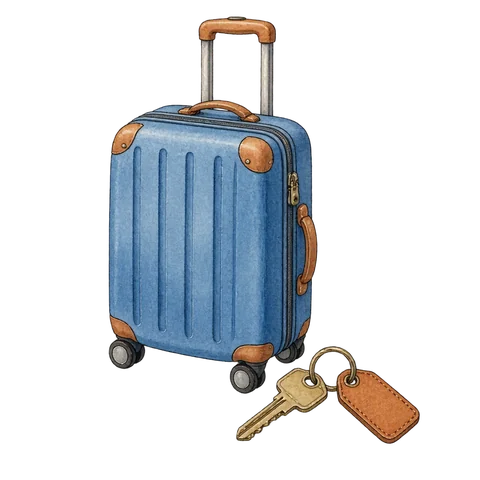
Ho una a nome Rossi.
I have a reservation in the name of Rossi.
Neutral
Source noteEcco il mio passaporto.
Here is my passport.
Neutral
Source noteA che è la ?
What time is breakfast?
Neutral
Source noteLa è inclusa?
Is breakfast included?
Neutral
Source noteQual è la password del Wi-Fi?
What is the Wi-Fi password?
Neutral
Source noteLa chiave non funziona.
The key does not work.
Neutral
Source noteNon è acqua calda.
There is no hot water.
Neutral
Source noteVorrei un altro asciugamano.
I would like another towel.
Polite
Source notePosso qui i ?
May I leave my luggage here?
Polite
Source noteA che devo lasciare la camera?
What time do I need to check out?
Neutral
Source noteExplore these words: Meals & restaurants (flashcards) · Travel & hotels (flashcards) · Time & dates (flashcards)
Put these words into context with a story at your level.
Read Italian storiesItalian small talk and making plans
Start with a shared situation: the weather, a visit or a plan. Follow the other person’s choice of formal or familiar address.

Oggi è una bella .
It is a lovely day today.
Neutral
Source noteSì, ma fa un freddo.
Yes, but it is a little cold.
Neutral
Source noteLe questa ?
Do you like this city?
Polite singular
Familiar singular
È la prima che vengo qui.
This is my first time here.
Neutral
Source noteChe cosa fa questo fine settimana?
What are you doing this weekend?
Polite singular
Familiar singular
Vado al .
I am going to the museum.
Neutral
Source noteHa tempo per un ?
Do you have time for a coffee?
Polite singular
Familiar singular
idea!
Great idea!
Neutral
Source noteCi alle ?
Shall we meet at six?
Conversational
Source noteA !
See you later!
Neutral
Source noteExplore these words: Time & dates (flashcards) · City & places (flashcards) · Technology & phones (flashcards)
Put these words into context with a story at your level.
Read Italian storiesItalian phrases for feelings and daily needs
These are ordinary conversational phrases. Choose the form that agrees with the speaker where an adjective changes.

sete.
I am thirsty.
Neutral
Source noteHo fame.
I am hungry.
Neutral
Source noteSono .
I am tired.
Male speaker
Female speaker
freddo.
I am cold.
Neutral
Source noteHo caldo.
I am hot.
Temperature
Source noteSono .
I am happy.
Male speaker
Female speaker
Sono preoccupato.
I am worried.
Male speaker
Female speaker
Ho di .
I need to rest.
Neutral
Source notemeglio, .
I feel better, thank you.
Neutral
Source noteMi manchi.
I miss you.
Familiar singular
Polite singular; context identifies the person
Explore these words: Health & medicine (flashcards) · Emotions & feelings (flashcards) · Drinks (flashcards)
Put these words into context with a story at your level.
Read Italian storiesAsking for urgent help in Italian
Use a clear short sentence, identify the problem and give your location. These are language examples, not medical instructions.
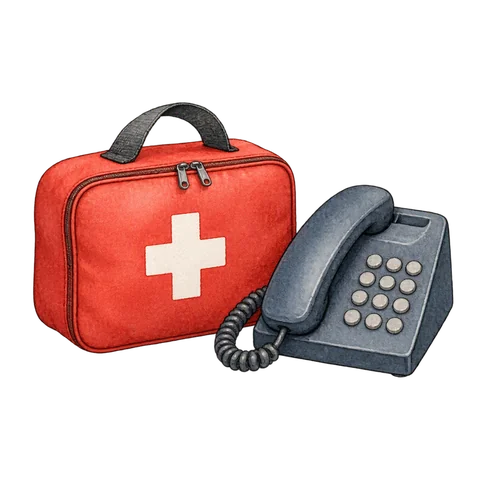
Aiuto!
Help!
Urgent
See it in a story: Il Sentiero delle Cinque Terre Dopo la Pioggia (A1)
See it in a story: Il Pettorale Cucito dalla Madre (A2)
Source noteChiami un'ambulanza!
Call an ambulance!
Polite singular
Familiar singular
Ho di un .
I need a doctor.
Neutral
Source noteDov'è la più vicina?
Where is the nearest pharmacy?
Neutral
Source noteHo il passaporto.
I have lost my passport.
Neutral
Source noteMi hanno rubato il telefono.
My phone has been stolen.
Neutral
Source noteSono alle arachidi.
I am allergic to peanuts.
Male speaker
Female speaker
Mi qui.
It hurts here.
Point to the location
Source noteMi in pace.
Leave me alone.
Firm; polite singular grammar
Familiar singular
Sono alla stazione.
I am at the station.
Location statement
Source noteExplore these words: Health & medicine (flashcards) · Emotions & feelings (flashcards) · Jobs & work (flashcards)
Put these words into context with a story at your level.
Read Italian storiesItalian phrases for phone calls and messages
Check whether the other person can hear you, then confirm the practical details. Messaging phrases can be less formal.

?
Hello?
On the phone
See it in a story: Il Gusto Mancante (A1)
See it in a story: La Valigia Scambiata sulla Circumvesuviana (A2)
Source noteMi ?
Can you hear me?
Polite singular
Familiar singular
La male.
I cannot hear you well.
Polite singular
Familiar singular
La richiamo fra minuti.
I will call you back in ten minutes.
Polite singular
Familiar singular
Può mandarmi l'indirizzo?
Can you send me the address?
Polite singular
Familiar singular
Le un .
I will send you a message.
Polite singular
Familiar singular
Arrivo fra minuti.
I will be there in five minutes.
Conversational
Source noteSono in .
I am running late.
Neutral
Source noteHo il telefono .
My phone has run out of battery.
Neutral
Source noteper la risposta.
Thank you for your reply.
Neutral
Source noteExplore these words: Technology & phones (flashcards) · Numbers (flashcards) · Greetings & polite phrases
Put these words into context with a story at your level.
Read Italian storiesItalian classroom phrases for learners
Ask for one repetition or explanation at a time. Keep using the language even when your sentence is short.

Non capisco.
I do not understand.
Neutral
Source notePuò , per ?
Can you repeat that, please?
Polite singular
Familiar singular
Può parlare più ?
Can you speak more slowly?
Polite singular
Familiar singular
Come si in italiano?
How do you say it in Italian?
Neutral
Source noteChe cosa questa ?
What does this word mean?
Neutral
Source noteCome si scrive?
How is it spelled?
Neutral
Source notePuò scriverlo?
Can you write it down?
Polite singular
Familiar singular
Ho una .
I have a question.
Neutral
Source noteA che siamo?
What page are we on?
Neutral
Source noteHo capito, .
I understand now, thank you.
Neutral
Source noteExplore these words: Greetings & polite phrases · Books & writing (flashcards) · Question words
Put these words into context with a story at your level.
Read Italian storiesA five-minute phrase routine
- Choose three phrases from one situation.
- Listen and repeat each phrase at an easy pace.
- Read the dialogue, then cover one speaker and answer aloud.
- Change one detail and use the phrase again tomorrow.
Italian common phrases: frequently asked questions
Which Italian phrases should I learn first?
Start with a greeting, please, thank you, excuse me, a request for repetition and a way to ask for help. The survival list adds practical meal and transport phrases.
How do I sound polite in Italian?
Use Lei with an unfamiliar adult, with third-person verb forms. Use tu with friends and children. Plural you is normally voi.
Are these Italian phrases suitable for travel?
Yes. The restaurant, shopping, travel and hotel sections focus on requests you can make as a visitor. Listen for the reply as well as rehearsing the question.
Should I memorize whole sentences?
Learn a short sentence you can use, then replace one part: a name, destination, item or time. Keep the request structure intact until it feels familiar.
What if I cannot understand the reply?
Ask the speaker to repeat or slow down. If needed, ask them to write the detail. The classroom section includes these repair phrases.
How can I practice without a conversation partner?
Read both parts of a dialogue aloud, pause and answer from memory, then change one detail. Repeat tomorrow before adding another situation.
Do I need perfect pronunciation before speaking?
No. Aim for clear words and a steady pace. Listen to the phrase, copy its rhythm and use a short request rather than rushing a long sentence.
Are the English translations always literal?
No. They express what the phrase does in the situation. Literal word order often sounds unnatural in English, especially in greetings and polite requests.
What does “ciao tutti” mean?
The intended meaning is “hello, everyone,” but the usual Italian wording is “ciao a tutti,” with the preposition a. Ciao is familiar; for a more formal group greeting, use a greeting appropriate to the time of day.
Make these words part of your day
Explore Italian stories, listen along, and save vocabulary as you go.
Find a story at your levelSources and verification
English translations and examples were written for this guide. Source notes distinguish documented expressions, original practice sentences, and literary quotations. Literary excerpts retain the language of their original period.
- Omniglot: useful Italian phrases — Reference for standard greeting, courtesy and repair formulas; extended situations and dialogues are independently composed by Inklingo, not quotations from this reference.
Source notes for all 120 entries
- Buongiorno.: Standard everyday wording; Inklingo’s own situation choice and English translation. Reference supports basic formulas, not an assertion that this exact sentence is quoted there. [phrase-reference]
- Buonasera.: Standard everyday wording; Inklingo’s own situation choice and English translation. Reference supports basic formulas, not an assertion that this exact sentence is quoted there. [phrase-reference]
- Ciao!: Standard everyday wording; Inklingo’s own situation choice and English translation. Reference supports basic formulas, not an assertion that this exact sentence is quoted there. [phrase-reference]
- Arrivederci.: Standard everyday wording; Inklingo’s own situation choice and English translation. Reference supports basic formulas, not an assertion that this exact sentence is quoted there. [phrase-reference]
- A presto.: Standard everyday wording; Inklingo’s own situation choice and English translation. Reference supports basic formulas, not an assertion that this exact sentence is quoted there. [phrase-reference]
- A domani.: Standard everyday wording; Inklingo’s own situation choice and English translation. Reference supports basic formulas, not an assertion that this exact sentence is quoted there. [phrase-reference]
- Buona giornata!: Standard everyday wording; Inklingo’s own situation choice and English translation. Reference supports basic formulas, not an assertion that this exact sentence is quoted there. [phrase-reference]
- Buona serata!: Standard everyday wording; Inklingo’s own situation choice and English translation. Reference supports basic formulas, not an assertion that this exact sentence is quoted there. [phrase-reference]
- Buonanotte.: Standard everyday wording; Inklingo’s own situation choice and English translation. Reference supports basic formulas, not an assertion that this exact sentence is quoted there. [phrase-reference]
- Come sta?: Standard everyday wording; Inklingo’s own situation choice and English translation. Reference supports basic formulas, not an assertion that this exact sentence is quoted there. [phrase-reference]
- Come si chiama?: Standard everyday wording; Inklingo’s own situation choice and English translation. Reference supports basic formulas, not an assertion that this exact sentence is quoted there. [phrase-reference]
- Mi chiamo Luca.: Standard everyday wording; Inklingo’s own situation choice and English translation. Reference supports basic formulas, not an assertion that this exact sentence is quoted there. [phrase-reference]
- Piacere di conoscerla.: Standard everyday wording; Inklingo’s own situation choice and English translation. Reference supports basic formulas, not an assertion that this exact sentence is quoted there. [phrase-reference]
- Da dove viene?: Standard everyday wording; Inklingo’s own situation choice and English translation. Reference supports basic formulas, not an assertion that this exact sentence is quoted there. [phrase-reference]
- Vengo dal Canada.: Standard everyday wording; Inklingo’s own situation choice and English translation. Reference supports basic formulas, not an assertion that this exact sentence is quoted there. [phrase-reference]
- Abito a Bologna.: Standard everyday wording; Inklingo’s own situation choice and English translation. Reference supports basic formulas, not an assertion that this exact sentence is quoted there. [phrase-reference]
- Sono qui in vacanza.: Standard everyday wording; Inklingo’s own situation choice and English translation. Reference supports basic formulas, not an assertion that this exact sentence is quoted there. [phrase-reference]
- Lavoro in una scuola.: Standard everyday wording; Inklingo’s own situation choice and English translation. Reference supports basic formulas, not an assertion that this exact sentence is quoted there. [phrase-reference]
- Parla inglese?: Standard everyday wording; Inklingo’s own situation choice and English translation. Reference supports basic formulas, not an assertion that this exact sentence is quoted there. [phrase-reference]
- Sto imparando l'italiano.: Standard everyday wording; Inklingo’s own situation choice and English translation. Reference supports basic formulas, not an assertion that this exact sentence is quoted there. [phrase-reference]
- Per favore.: Standard everyday wording; Inklingo’s own situation choice and English translation. Reference supports basic formulas, not an assertion that this exact sentence is quoted there. [phrase-reference]
- Grazie mille.: Standard everyday wording; Inklingo’s own situation choice and English translation. Reference supports basic formulas, not an assertion that this exact sentence is quoted there. [phrase-reference]
- Prego.: Standard everyday wording; Inklingo’s own situation choice and English translation. Reference supports basic formulas, not an assertion that this exact sentence is quoted there. [phrase-reference]
- Mi scusi.: Standard everyday wording; Inklingo’s own situation choice and English translation. Reference supports basic formulas, not an assertion that this exact sentence is quoted there. [phrase-reference]
- Mi dispiace.: Standard everyday wording; Inklingo’s own situation choice and English translation. Reference supports basic formulas, not an assertion that this exact sentence is quoted there. [phrase-reference]
- Non si preoccupi.: Standard everyday wording; Inklingo’s own situation choice and English translation. Reference supports basic formulas, not an assertion that this exact sentence is quoted there. [phrase-reference]
- Non c'è problema.: Standard everyday wording; Inklingo’s own situation choice and English translation. Reference supports basic formulas, not an assertion that this exact sentence is quoted there. [phrase-reference]
- Dopo di lei.: Standard everyday wording; Inklingo’s own situation choice and English translation. Reference supports basic formulas, not an assertion that this exact sentence is quoted there. [phrase-reference]
- Può aiutarmi?: Standard everyday wording; Inklingo’s own situation choice and English translation. Reference supports basic formulas, not an assertion that this exact sentence is quoted there. [phrase-reference]
- Volentieri.: Standard everyday wording; Inklingo’s own situation choice and English translation. Reference supports basic formulas, not an assertion that this exact sentence is quoted there. [phrase-reference]
- Un tavolo per due, per favore.: Standard everyday wording; Inklingo’s own situation choice and English translation. Reference supports basic formulas, not an assertion that this exact sentence is quoted there. [phrase-reference]
- Vorrei un caffè, per favore.: Standard everyday wording; Inklingo’s own situation choice and English translation. Reference supports basic formulas, not an assertion that this exact sentence is quoted there. [phrase-reference]
- Il menù, per favore.: Standard everyday wording; Inklingo’s own situation choice and English translation. Reference supports basic formulas, not an assertion that this exact sentence is quoted there. [phrase-reference]
- Che cosa ci consiglia?: Standard everyday wording; Inklingo’s own situation choice and English translation. Reference supports basic formulas, not an assertion that this exact sentence is quoted there. [phrase-reference]
- Non mangio carne.: Standard everyday wording; Inklingo’s own situation choice and English translation. Reference supports basic formulas, not an assertion that this exact sentence is quoted there. [phrase-reference]
- Ci sono noci in questo piatto?: Standard everyday wording; Inklingo’s own situation choice and English translation. Reference supports basic formulas, not an assertion that this exact sentence is quoted there. [phrase-reference]
- Il conto, per favore.: Standard everyday wording; Inklingo’s own situation choice and English translation. Reference supports basic formulas, not an assertion that this exact sentence is quoted there. [phrase-reference]
- Una bottiglia d'acqua naturale, per favore.: Standard everyday wording; Inklingo’s own situation choice and English translation. Reference supports basic formulas, not an assertion that this exact sentence is quoted there. [phrase-reference]
- Era tutto buonissimo.: Standard everyday wording; Inklingo’s own situation choice and English translation. Reference supports basic formulas, not an assertion that this exact sentence is quoted there. [phrase-reference]
- Posso avere un cucchiaio?: Standard everyday wording; Inklingo’s own situation choice and English translation. Reference supports basic formulas, not an assertion that this exact sentence is quoted there. [phrase-reference]
- Quanto costa?: Standard everyday wording; Inklingo’s own situation choice and English translation. Reference supports basic formulas, not an assertion that this exact sentence is quoted there. [phrase-reference]
- Sto solo guardando, grazie.: Standard everyday wording; Inklingo’s own situation choice and English translation. Reference supports basic formulas, not an assertion that this exact sentence is quoted there. [phrase-reference]
- Avete una taglia più grande?: Standard everyday wording; Inklingo’s own situation choice and English translation. Reference supports basic formulas, not an assertion that this exact sentence is quoted there. [phrase-reference]
- Posso provarlo?: Standard everyday wording; Inklingo’s own situation choice and English translation. Reference supports basic formulas, not an assertion that this exact sentence is quoted there. [phrase-reference]
- Posso pagare con la carta?: Standard everyday wording; Inklingo’s own situation choice and English translation. Reference supports basic formulas, not an assertion that this exact sentence is quoted there. [phrase-reference]
- Prendo questo.: Standard everyday wording; Inklingo’s own situation choice and English translation. Reference supports basic formulas, not an assertion that this exact sentence is quoted there. [phrase-reference]
- Mi dà un sacchetto, per favore?: Standard everyday wording; Inklingo’s own situation choice and English translation. Reference supports basic formulas, not an assertion that this exact sentence is quoted there. [phrase-reference]
- Vorrei lo scontrino.: Standard everyday wording; Inklingo’s own situation choice and English translation. Reference supports basic formulas, not an assertion that this exact sentence is quoted there. [phrase-reference]
- È troppo caro per me.: Standard everyday wording; Inklingo’s own situation choice and English translation. Reference supports basic formulas, not an assertion that this exact sentence is quoted there. [phrase-reference]
- A che ora chiudete?: Standard everyday wording; Inklingo’s own situation choice and English translation. Reference supports basic formulas, not an assertion that this exact sentence is quoted there. [phrase-reference]
- Dov'è il bagno?: Standard everyday wording; Inklingo’s own situation choice and English translation. Reference supports basic formulas, not an assertion that this exact sentence is quoted there. [phrase-reference]
- Dov'è la stazione?: Standard everyday wording; Inklingo’s own situation choice and English translation. Reference supports basic formulas, not an assertion that this exact sentence is quoted there. [phrase-reference]
- Cerco questo indirizzo.: Standard everyday wording; Inklingo’s own situation choice and English translation. Reference supports basic formulas, not an assertion that this exact sentence is quoted there. [phrase-reference]
- È lontano da qui?: Standard everyday wording; Inklingo’s own situation choice and English translation. Reference supports basic formulas, not an assertion that this exact sentence is quoted there. [phrase-reference]
- Deve andare sempre dritto.: Standard everyday wording; Inklingo’s own situation choice and English translation. Reference supports basic formulas, not an assertion that this exact sentence is quoted there. [phrase-reference]
- Giri a sinistra.: Standard everyday wording; Inklingo’s own situation choice and English translation. Reference supports basic formulas, not an assertion that this exact sentence is quoted there. [phrase-reference]
- Un biglietto per Roma, per favore.: Standard everyday wording; Inklingo’s own situation choice and English translation. Reference supports basic formulas, not an assertion that this exact sentence is quoted there. [phrase-reference]
- Da quale binario parte il treno?: Standard everyday wording; Inklingo’s own situation choice and English translation. Reference supports basic formulas, not an assertion that this exact sentence is quoted there. [phrase-reference]
- A che ora arriva l'autobus?: Standard everyday wording; Inklingo’s own situation choice and English translation. Reference supports basic formulas, not an assertion that this exact sentence is quoted there. [phrase-reference]
- Questo posto è libero?: Standard everyday wording; Inklingo’s own situation choice and English translation. Reference supports basic formulas, not an assertion that this exact sentence is quoted there. [phrase-reference]
- Ho una prenotazione a nome Rossi.: Standard everyday wording; Inklingo’s own situation choice and English translation. Reference supports basic formulas, not an assertion that this exact sentence is quoted there. [phrase-reference]
- Ecco il mio passaporto.: Standard everyday wording; Inklingo’s own situation choice and English translation. Reference supports basic formulas, not an assertion that this exact sentence is quoted there. [phrase-reference]
- A che ora è la colazione?: Standard everyday wording; Inklingo’s own situation choice and English translation. Reference supports basic formulas, not an assertion that this exact sentence is quoted there. [phrase-reference]
- La colazione è inclusa?: Standard everyday wording; Inklingo’s own situation choice and English translation. Reference supports basic formulas, not an assertion that this exact sentence is quoted there. [phrase-reference]
- Qual è la password del Wi-Fi?: Standard everyday wording; Inklingo’s own situation choice and English translation. Reference supports basic formulas, not an assertion that this exact sentence is quoted there. [phrase-reference]
- La chiave non funziona.: Standard everyday wording; Inklingo’s own situation choice and English translation. Reference supports basic formulas, not an assertion that this exact sentence is quoted there. [phrase-reference]
- Non c'è acqua calda.: Standard everyday wording; Inklingo’s own situation choice and English translation. Reference supports basic formulas, not an assertion that this exact sentence is quoted there. [phrase-reference]
- Vorrei un altro asciugamano.: Standard everyday wording; Inklingo’s own situation choice and English translation. Reference supports basic formulas, not an assertion that this exact sentence is quoted there. [phrase-reference]
- Posso lasciare qui i bagagli?: Standard everyday wording; Inklingo’s own situation choice and English translation. Reference supports basic formulas, not an assertion that this exact sentence is quoted there. [phrase-reference]
- A che ora devo lasciare la camera?: Standard everyday wording; Inklingo’s own situation choice and English translation. Reference supports basic formulas, not an assertion that this exact sentence is quoted there. [phrase-reference]
- Oggi è una bella giornata.: Standard everyday wording; Inklingo’s own situation choice and English translation. Reference supports basic formulas, not an assertion that this exact sentence is quoted there. [phrase-reference]
- Sì, ma fa un po' freddo.: Standard everyday wording; Inklingo’s own situation choice and English translation. Reference supports basic formulas, not an assertion that this exact sentence is quoted there. [phrase-reference]
- Le piace questa città?: Standard everyday wording; Inklingo’s own situation choice and English translation. Reference supports basic formulas, not an assertion that this exact sentence is quoted there. [phrase-reference]
- È la prima volta che vengo qui.: Standard everyday wording; Inklingo’s own situation choice and English translation. Reference supports basic formulas, not an assertion that this exact sentence is quoted there. [phrase-reference]
- Che cosa fa questo fine settimana?: Standard everyday wording; Inklingo’s own situation choice and English translation. Reference supports basic formulas, not an assertion that this exact sentence is quoted there. [phrase-reference]
- Vado al museo.: Standard everyday wording; Inklingo’s own situation choice and English translation. Reference supports basic formulas, not an assertion that this exact sentence is quoted there. [phrase-reference]
- Ha tempo per un caffè?: Standard everyday wording; Inklingo’s own situation choice and English translation. Reference supports basic formulas, not an assertion that this exact sentence is quoted there. [phrase-reference]
- Ottima idea!: Standard everyday wording; Inklingo’s own situation choice and English translation. Reference supports basic formulas, not an assertion that this exact sentence is quoted there. [phrase-reference]
- Ci vediamo alle sei?: Standard everyday wording; Inklingo’s own situation choice and English translation. Reference supports basic formulas, not an assertion that this exact sentence is quoted there. [phrase-reference]
- A dopo!: Standard everyday wording; Inklingo’s own situation choice and English translation. Reference supports basic formulas, not an assertion that this exact sentence is quoted there. [phrase-reference]
- Ho sete.: Standard everyday wording; Inklingo’s own situation choice and English translation. Reference supports basic formulas, not an assertion that this exact sentence is quoted there. [phrase-reference]
- Ho fame.: Standard everyday wording; Inklingo’s own situation choice and English translation. Reference supports basic formulas, not an assertion that this exact sentence is quoted there. [phrase-reference]
- Sono stanco.: Standard everyday wording; Inklingo’s own situation choice and English translation. Reference supports basic formulas, not an assertion that this exact sentence is quoted there. [phrase-reference]
- Ho freddo.: Standard everyday wording; Inklingo’s own situation choice and English translation. Reference supports basic formulas, not an assertion that this exact sentence is quoted there. [phrase-reference]
- Ho caldo.: Standard everyday wording; Inklingo’s own situation choice and English translation. Reference supports basic formulas, not an assertion that this exact sentence is quoted there. [phrase-reference]
- Sono contento.: Standard everyday wording; Inklingo’s own situation choice and English translation. Reference supports basic formulas, not an assertion that this exact sentence is quoted there. [phrase-reference]
- Sono preoccupato.: Standard everyday wording; Inklingo’s own situation choice and English translation. Reference supports basic formulas, not an assertion that this exact sentence is quoted there. [phrase-reference]
- Ho bisogno di riposare.: Standard everyday wording; Inklingo’s own situation choice and English translation. Reference supports basic formulas, not an assertion that this exact sentence is quoted there. [phrase-reference]
- Sto meglio, grazie.: Standard everyday wording; Inklingo’s own situation choice and English translation. Reference supports basic formulas, not an assertion that this exact sentence is quoted there. [phrase-reference]
- Mi manchi.: Standard everyday wording; Inklingo’s own situation choice and English translation. Reference supports basic formulas, not an assertion that this exact sentence is quoted there. [phrase-reference]
- Aiuto!: Standard everyday wording; Inklingo’s own situation choice and English translation. Reference supports basic formulas, not an assertion that this exact sentence is quoted there. [phrase-reference]
- Chiami un'ambulanza!: Standard everyday wording; Inklingo’s own situation choice and English translation. Reference supports basic formulas, not an assertion that this exact sentence is quoted there. [phrase-reference]
- Ho bisogno di un medico.: Standard everyday wording; Inklingo’s own situation choice and English translation. Reference supports basic formulas, not an assertion that this exact sentence is quoted there. [phrase-reference]
- Dov'è la farmacia più vicina?: Standard everyday wording; Inklingo’s own situation choice and English translation. Reference supports basic formulas, not an assertion that this exact sentence is quoted there. [phrase-reference]
- Ho perso il passaporto.: Standard everyday wording; Inklingo’s own situation choice and English translation. Reference supports basic formulas, not an assertion that this exact sentence is quoted there. [phrase-reference]
- Mi hanno rubato il telefono.: Standard everyday wording; Inklingo’s own situation choice and English translation. Reference supports basic formulas, not an assertion that this exact sentence is quoted there. [phrase-reference]
- Sono allergico alle arachidi.: Standard everyday wording; Inklingo’s own situation choice and English translation. Reference supports basic formulas, not an assertion that this exact sentence is quoted there. [phrase-reference]
- Mi fa male qui.: Standard everyday wording; Inklingo’s own situation choice and English translation. Reference supports basic formulas, not an assertion that this exact sentence is quoted there. [phrase-reference]
- Mi lasci in pace.: Standard everyday wording; Inklingo’s own situation choice and English translation. Reference supports basic formulas, not an assertion that this exact sentence is quoted there. [phrase-reference]
- Sono alla stazione.: Standard everyday wording; Inklingo’s own situation choice and English translation. Reference supports basic formulas, not an assertion that this exact sentence is quoted there. [phrase-reference]
- Pronto?: Standard everyday wording; Inklingo’s own situation choice and English translation. Reference supports basic formulas, not an assertion that this exact sentence is quoted there. [phrase-reference]
- Mi sente?: Standard everyday wording; Inklingo’s own situation choice and English translation. Reference supports basic formulas, not an assertion that this exact sentence is quoted there. [phrase-reference]
- La sento male.: Standard everyday wording; Inklingo’s own situation choice and English translation. Reference supports basic formulas, not an assertion that this exact sentence is quoted there. [phrase-reference]
- La richiamo fra dieci minuti.: Standard everyday wording; Inklingo’s own situation choice and English translation. Reference supports basic formulas, not an assertion that this exact sentence is quoted there. [phrase-reference]
- Può mandarmi l'indirizzo?: Standard everyday wording; Inklingo’s own situation choice and English translation. Reference supports basic formulas, not an assertion that this exact sentence is quoted there. [phrase-reference]
- Le mando un messaggio.: Standard everyday wording; Inklingo’s own situation choice and English translation. Reference supports basic formulas, not an assertion that this exact sentence is quoted there. [phrase-reference]
- Arrivo fra cinque minuti.: Standard everyday wording; Inklingo’s own situation choice and English translation. Reference supports basic formulas, not an assertion that this exact sentence is quoted there. [phrase-reference]
- Sono in ritardo.: Standard everyday wording; Inklingo’s own situation choice and English translation. Reference supports basic formulas, not an assertion that this exact sentence is quoted there. [phrase-reference]
- Ho il telefono scarico.: Standard everyday wording; Inklingo’s own situation choice and English translation. Reference supports basic formulas, not an assertion that this exact sentence is quoted there. [phrase-reference]
- Grazie per la risposta.: Standard everyday wording; Inklingo’s own situation choice and English translation. Reference supports basic formulas, not an assertion that this exact sentence is quoted there. [phrase-reference]
- Non capisco.: Standard everyday wording; Inklingo’s own situation choice and English translation. Reference supports basic formulas, not an assertion that this exact sentence is quoted there. [phrase-reference]
- Può ripetere, per favore?: Standard everyday wording; Inklingo’s own situation choice and English translation. Reference supports basic formulas, not an assertion that this exact sentence is quoted there. [phrase-reference]
- Può parlare più lentamente?: Standard everyday wording; Inklingo’s own situation choice and English translation. Reference supports basic formulas, not an assertion that this exact sentence is quoted there. [phrase-reference]
- Come si dice in italiano?: Standard everyday wording; Inklingo’s own situation choice and English translation. Reference supports basic formulas, not an assertion that this exact sentence is quoted there. [phrase-reference]
- Che cosa significa questa parola?: Standard everyday wording; Inklingo’s own situation choice and English translation. Reference supports basic formulas, not an assertion that this exact sentence is quoted there. [phrase-reference]
- Come si scrive?: Standard everyday wording; Inklingo’s own situation choice and English translation. Reference supports basic formulas, not an assertion that this exact sentence is quoted there. [phrase-reference]
- Può scriverlo?: Standard everyday wording; Inklingo’s own situation choice and English translation. Reference supports basic formulas, not an assertion that this exact sentence is quoted there. [phrase-reference]
- Ho una domanda.: Standard everyday wording; Inklingo’s own situation choice and English translation. Reference supports basic formulas, not an assertion that this exact sentence is quoted there. [phrase-reference]
- A che pagina siamo?: Standard everyday wording; Inklingo’s own situation choice and English translation. Reference supports basic formulas, not an assertion that this exact sentence is quoted there. [phrase-reference]
- Ho capito, grazie.: Standard everyday wording; Inklingo’s own situation choice and English translation. Reference supports basic formulas, not an assertion that this exact sentence is quoted there. [phrase-reference]