
THE INKLINGO LANGUAGE GUIDES
70 Japanese Poems with English Translations
Start with ten brief haiku, then explore sixty complete waka from the Ogura Hyakunin Isshu. Each poem includes its author, an original English translation and line-by-line readings. The haiku notice a moment; the waka often connect a landscape with love, memory or separation.

Start here
- The Old PondAn old pond—
- Summer GrassesSummer grasses—
- Cicadas in the RocksSuch stillness—
- The Spring SeaThe spring sea,
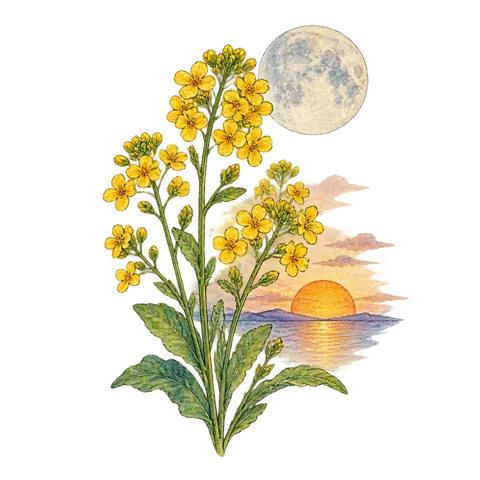
- Yellow Flowers at EveningYellow mustard flowers—
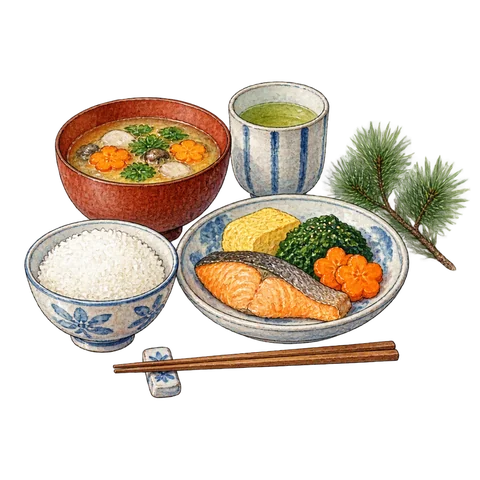
- My Modest New YearEven the celebration
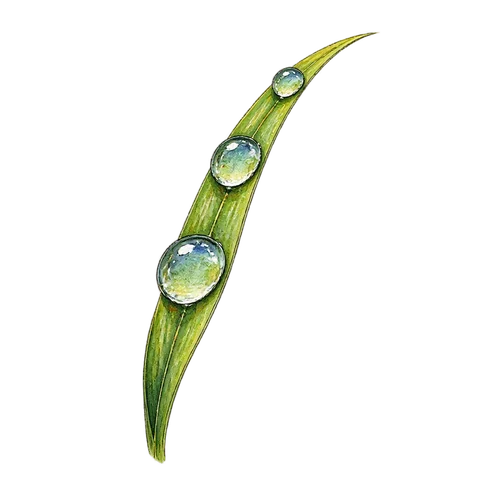
- A World of DewThis world of dew—
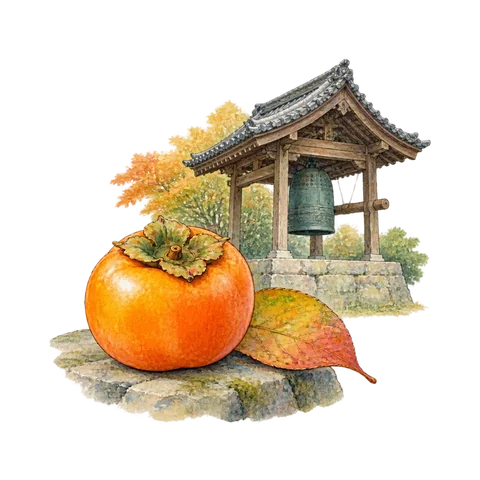
- A Persimmon and a Temple BellAs I eat a persimmon,
- Waka 9 — Ono no KomachiThe flowers' color
- Waka 57 — Murasaki ShikibuWe met again.
Ten Short Japanese Haiku
Bashō, Buson, Issa and Shiki offer four different ways to attend to a brief scene. English line breaks follow the three Japanese rhythmic phrases; English syllable counts are not forced into 5–7–5.

The Old Pond
Full public-domain text · The cited library, museum or scholarly publication record verifies the pre-1930 appearance of this complete poem; the author died more than seventy years ago.
Easy
— Matsuo Bashō (1644–1694), Kawazu Awase (1686)
A small sound makes the surrounding stillness perceptible. The museum's manuscript spelling is retained; the reading supplies the conventional inflection of 飛込.
 Source note
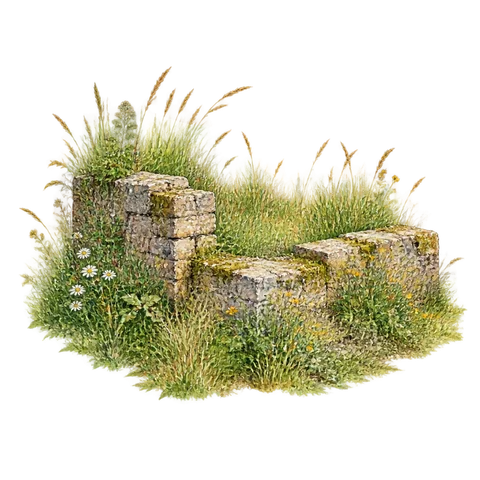
Summer Grasses
Full public-domain text · The cited library, museum or scholarly publication record verifies the pre-1930 appearance of this complete poem; the author died more than seventy years ago.
Easy
— Matsuo Bashō (1644–1694), Oku no Hosomichi (1702)
At Hiraizumi, vigorous summer plants occupy a place once shaped by military ambition. The poem mourns transience without describing a battle.
 Source note
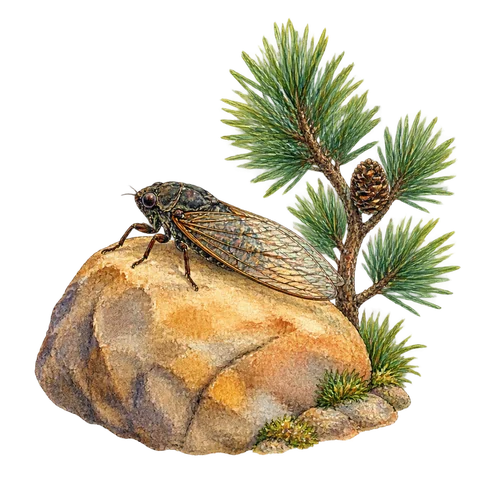
Cicadas in the Rocks
Full public-domain text · The cited library, museum or scholarly publication record verifies the pre-1930 appearance of this complete poem; the author died more than seventy years ago.
Easy
— Matsuo Bashō (1644–1694), Oku no Hosomichi (1702)
Sound and stillness coexist at the mountain temple of Risshakuji. The middle phrase asks the reader to imagine sound entering solid stone.
 Source note
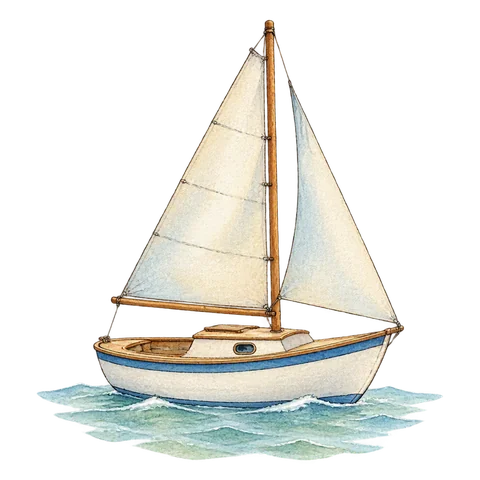
The Spring Sea
Full public-domain text · The cited library, museum or scholarly publication record verifies the pre-1930 appearance of this complete poem; the author died more than seventy years ago.
Easy
— Yosa Buson (1716–1784 (Gregorian calendar)), Buson Kushū (1784)
The repeated notari gives the water an unhurried motion. Hinemosu means throughout the day, rather than at sunset.
 Source note
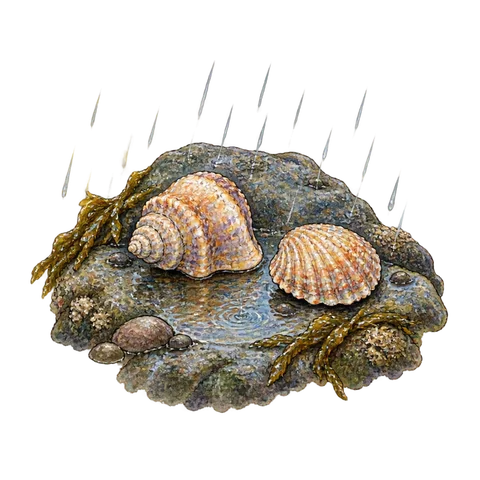
Small Shells in Spring Rain
Full public-domain text · The cited library, museum or scholarly publication record verifies the pre-1930 appearance of this complete poem; the author died more than seventy years ago.
Easy
— Yosa Buson (1716–1784 (Gregorian calendar)), Buson Kushū (1784)
The small scale of shore and shells matches the lightness of the rain. Koiso describes a small rocky stretch of coast.
 Source note
Yellow Flowers at Evening
Full public-domain text · The cited library, museum or scholarly publication record verifies the pre-1930 appearance of this complete poem; the author died more than seventy years ago.
Easy
— Yosa Buson (1716–1784 (Gregorian calendar)), Buson Kushū (1784)
Two directions frame one field at dusk. Na no hana names yellow flowering brassicas, often translated as rapeseed or mustard flowers.
 Source note
Two Houses by the River
Full public-domain text · The cited library, museum or scholarly publication record verifies the pre-1930 appearance of this complete poem; the author died more than seventy years ago.
Easy
— Yosa Buson (1716–1784 (Gregorian calendar)), Buson Kushū (1784)
The seasonal rain is the old-calendar fifth-month rain. Two small houses face an expanse of water; the poem does not say they are destroyed.
 Source note
My Modest New Year
Full public-domain text · The cited library, museum or scholarly publication record verifies the pre-1930 appearance of this complete poem; the author died more than seventy years ago. Issa died in January 1828 by the Gregorian calendar, corresponding to 1827 in the historical Japanese calendar.
Easy
— Kobayashi Issa (1763–1828 (Gregorian calendar)), Oraga Haru (1852)
Oraga is a familiar, regional way to say my or our. Historical ちう represents chū; the modest celebration resists a grand festive pose.
 Source note
A World of Dew
Full public-domain text · The cited library, museum or scholarly publication record verifies the pre-1930 appearance of this complete poem; the author died more than seventy years ago. Issa died in January 1828 by the Gregorian calendar, corresponding to 1827 in the historical Japanese calendar.
Easy
— Kobayashi Issa (1763–1828 (Gregorian calendar)), Oraga Haru (1852)
Written in the context of the death of Issa's small daughter, the unfinished turn resists easy consolation. Knowing that life is fleeting does not end grief.
 Source note
A Persimmon and a Temple Bell
Full public-domain text · The cited library, museum or scholarly publication record verifies the pre-1930 appearance of this complete poem; the author died more than seventy years ago.
Easy
— Masaoka Shiki (1867–1902), Newspaper publication, November 8, 1895
Taste and sound meet in one autumn moment. The bell is heard while eating; the poem does not claim that the persimmon causes the bell to ring.
 Source note
Explore these words: Nature & landscape (flashcards) · Seasons & celebrations (flashcards) · Weather (flashcards)
Put these words into context with a story at your level.
Read Japanese storiesJapanese Waka About Life and Time
Passing seasons, journeys and remembered places give these poems their view of human life.

Waka 7 — Abe no Nakamaro
Full public-domain text · This complete classical poem appears in the medieval Ogura Hyakunin Isshu and in the explicitly dated 1909 Porter edition. 1909 is a verified printed witness, not a claim of first publication. The named poet died in 770.
Classical literary Japanese; not a model for ordinary modern conversation.
Advanced
— Abe no Nakamaro (698–770), Ogura Hyakunin Isshu, poem 7; Kokin Wakashū, poem 406
A moon seen abroad recalls the speaker's Japanese home.
Source noteWaka 8 — Kisen Hōshi
Full public-domain text · This complete classical poem appears in the medieval Ogura Hyakunin Isshu and in the explicitly dated 1909 Porter edition. 1909 is a verified printed witness, not a claim of first publication. The exact death year is uncertain; the attribution belongs to a poet of the seventh to eleventh centuries, securely before 1956. No exact death year is invented.
Classical literary Japanese; not a model for ordinary modern conversation.
Advanced
— Kisen Hōshi (Active in the 9th century; dates uncertain), Ogura Hyakunin Isshu, poem 8; Kokin Wakashū, poem 983
Uji becomes wordplay with ushi, the feeling of sorrow or weariness with life.
Source noteWaka 9 — Ono no Komachi
Full public-domain text · This complete classical poem appears in the medieval Ogura Hyakunin Isshu and in the explicitly dated 1909 Porter edition. 1909 is a verified printed witness, not a claim of first publication. The exact death year is uncertain; the attribution belongs to a poet of the seventh to eleventh centuries, securely before 1956. No exact death year is invented.
Classical literary Japanese; not a model for ordinary modern conversation.
Advanced
— Ono no Komachi (Active in the 9th century; dates uncertain), Ogura Hyakunin Isshu, poem 9; Kokin Wakashū, poem 113
Rain, gazing and passing years overlap in the poem's wordplay; the translation keeps the changing flowers central.
Source noteWaka 10 — Semimaru
Full public-domain text · This complete classical poem appears in the medieval Ogura Hyakunin Isshu and in the explicitly dated 1909 Porter edition. 1909 is a verified printed witness, not a claim of first publication. The exact death year is uncertain; the attribution belongs to a poet of the seventh to eleventh centuries, securely before 1956. No exact death year is invented.
Classical literary Japanese; not a model for ordinary modern conversation.
Advanced
— Semimaru (Dates uncertain; traditionally 10th century), Ogura Hyakunin Isshu, poem 10; Gosen Wakashū, poem 1089
Ōsaka here names the historical barrier near Kyoto, not modern Osaka city.
Source noteWaka 11 — Ono no Takamura
Full public-domain text · This complete classical poem appears in the medieval Ogura Hyakunin Isshu and in the explicitly dated 1909 Porter edition. 1909 is a verified printed witness, not a claim of first publication. The named poet died in 853.
Classical literary Japanese; not a model for ordinary modern conversation.
Advanced
— Ono no Takamura (802–853), Ogura Hyakunin Isshu, poem 11; Kokin Wakashū, poem 407
The voice sends a message back from a voyage associated with exile.
Source noteWaka 23 — Ōe no Chisato
Full public-domain text · This complete classical poem appears in the medieval Ogura Hyakunin Isshu and in the explicitly dated 1909 Porter edition. 1909 is a verified printed witness, not a claim of first publication. The exact death year is uncertain; the attribution belongs to a poet of the seventh to eleventh centuries, securely before 1956. No exact death year is invented.
Classical literary Japanese; not a model for ordinary modern conversation.
Advanced
— Ōe no Chisato (Active in the late 9th–early 10th centuries), Ogura Hyakunin Isshu, poem 23; Kokin Wakashū, poem 193
A shared season becomes a private experience of sadness.
Source noteWaka 28 — Minamoto no Muneyuki
Full public-domain text · This complete classical poem appears in the medieval Ogura Hyakunin Isshu and in the explicitly dated 1909 Porter edition. 1909 is a verified printed witness, not a claim of first publication. The named poet died in 939.
Classical literary Japanese; not a model for ordinary modern conversation.
Advanced
— Minamoto no Muneyuki (Died 939; birth date uncertain), Ogura Hyakunin Isshu, poem 28; Kokin Wakashū, poem 315
Kare links withering plants with the absence of human company.
Source noteWaka 35 — Ki no Tsurayuki
Full public-domain text · This complete classical poem appears in the medieval Ogura Hyakunin Isshu and in the explicitly dated 1909 Porter edition. 1909 is a verified printed witness, not a claim of first publication. The named poet died in 945.
Classical literary Japanese; not a model for ordinary modern conversation.
Advanced
— Ki no Tsurayuki (c. 872–945), Ogura Hyakunin Isshu, poem 35; Kokin Wakashū, poem 42
The unchanged scent is set against uncertainty about whether people have changed.
Source noteWaka 47 — Egyō Hōshi
Full public-domain text · This complete classical poem appears in the medieval Ogura Hyakunin Isshu and in the explicitly dated 1909 Porter edition. 1909 is a verified printed witness, not a claim of first publication. The exact death year is uncertain; the attribution belongs to a poet of the seventh to eleventh centuries, securely before 1956. No exact death year is invented.
Classical literary Japanese; not a model for ordinary modern conversation.
Advanced
— Egyō Hōshi (Active in the 10th century), Ogura Hyakunin Isshu, poem 47; Shūi Wakashū, poem 140
The season becomes the visitor that human company has failed to provide.
Source noteExplore these words: Nature & landscape (flashcards) · Seasons & celebrations (flashcards) · Plants & trees (flashcards)
Put these words into context with a story at your level.
Read Japanese storiesJapanese Love Poems
These complete waka speak in poetic voices: waiting, concealment and parting are recurring situations.

Waka 3 — Kakinomoto no Hitomaro
Full public-domain text · This complete classical poem appears in the medieval Ogura Hyakunin Isshu and in the explicitly dated 1909 Porter edition. 1909 is a verified printed witness, not a claim of first publication. The exact death year is uncertain; the attribution belongs to a poet of the seventh to eleventh centuries, securely before 1956. No exact death year is invented.
Classical literary Japanese; not a model for ordinary modern conversation.
Advanced
— Kakinomoto no Hitomaro (Active in the late 7th and early 8th centuries), Ogura Hyakunin Isshu, poem 3; Shūi Wakashū, poem 778
The long bird's tail becomes a measure of the speaker's lonely night.
Source noteWaka 13 — Emperor Yōzei
Full public-domain text · This complete classical poem appears in the medieval Ogura Hyakunin Isshu and in the explicitly dated 1909 Porter edition. 1909 is a verified printed witness, not a claim of first publication. The named poet died in 949.
Classical literary Japanese; not a model for ordinary modern conversation.
Advanced
— Emperor Yōzei (868–949), Ogura Hyakunin Isshu, poem 13; Gosen Wakashū, poem 776
A small mountain stream growing into deeper water measures accumulating love.
Source noteWaka 14 — Minamoto no Tōru
Full public-domain text · This complete classical poem appears in the medieval Ogura Hyakunin Isshu and in the explicitly dated 1909 Porter edition. 1909 is a verified printed witness, not a claim of first publication. The named poet died in 895.
Classical literary Japanese; not a model for ordinary modern conversation.
Advanced
— Minamoto no Tōru (822–895), Ogura Hyakunin Isshu, poem 14; Kokin Wakashū, poem 724
The place-name and patterned cloth provide language for a lover's disturbed feelings.
Source noteWaka 15 — Emperor Kōkō
Full public-domain text · This complete classical poem appears in the medieval Ogura Hyakunin Isshu and in the explicitly dated 1909 Porter edition. 1909 is a verified printed witness, not a claim of first publication. The named poet died in 887.
Classical literary Japanese; not a model for ordinary modern conversation.
Advanced
— Emperor Kōkō (830–887), Ogura Hyakunin Isshu, poem 15; Kokin Wakashū, poem 21
A small gift and the effort of gathering it express care for the recipient.
Source noteWaka 18 — Fujiwara no Toshiyuki
Full public-domain text · This complete classical poem appears in the medieval Ogura Hyakunin Isshu and in the explicitly dated 1909 Porter edition. 1909 is a verified printed witness, not a claim of first publication. The exact death year is uncertain; the attribution belongs to a poet of the seventh to eleventh centuries, securely before 1956. No exact death year is invented.
Classical literary Japanese; not a model for ordinary modern conversation.
Advanced
— Fujiwara no Toshiyuki (Died c. 901; birth date uncertain), Ogura Hyakunin Isshu, poem 18; Kokin Wakashū, poem 559
Yoru connects waves drawing near with night; the absent lover does not arrive even in dreams.
Source noteWaka 19 — Ise
Full public-domain text · This complete classical poem appears in the medieval Ogura Hyakunin Isshu and in the explicitly dated 1909 Porter edition. 1909 is a verified printed witness, not a claim of first publication. The exact death year is uncertain; the attribution belongs to a poet of the seventh to eleventh centuries, securely before 1956. No exact death year is invented.
Classical literary Japanese; not a model for ordinary modern conversation.
Advanced
— Ise (c. 875–c. 938), Ogura Hyakunin Isshu, poem 19; Shin Kokin Wakashū, poem 1049
The tiny interval in a reed becomes the smallest imaginable meeting.
Source noteWaka 20 — Prince Motoyoshi
Full public-domain text · This complete classical poem appears in the medieval Ogura Hyakunin Isshu and in the explicitly dated 1909 Porter edition. 1909 is a verified printed witness, not a claim of first publication. The named poet died in 943.
Classical literary Japanese; not a model for ordinary modern conversation.
Advanced
— Prince Motoyoshi (890–943), Ogura Hyakunin Isshu, poem 20; Gosen Wakashū, poem 961
Miotsukushi evokes both a channel marker and giving all of oneself.
Source noteWaka 21 — Sosei Hōshi
Full public-domain text · This complete classical poem appears in the medieval Ogura Hyakunin Isshu and in the explicitly dated 1909 Porter edition. 1909 is a verified printed witness, not a claim of first publication. The exact death year is uncertain; the attribution belongs to a poet of the seventh to eleventh centuries, securely before 1956. No exact death year is invented.
Classical literary Japanese; not a model for ordinary modern conversation.
Advanced
— Sosei Hōshi (Active in the 9th–10th centuries), Ogura Hyakunin Isshu, poem 21; Kokin Wakashū, poem 691
A promised visit turns into a night of waiting.
Source noteWaka 25 — Fujiwara no Sadakata
Full public-domain text · This complete classical poem appears in the medieval Ogura Hyakunin Isshu and in the explicitly dated 1909 Porter edition. 1909 is a verified printed witness, not a claim of first publication. The named poet died in 932.
Classical literary Japanese; not a model for ordinary modern conversation.
Advanced
— Fujiwara no Sadakata (873–932), Ogura Hyakunin Isshu, poem 25; Gosen Wakashū, poem 701
The vine's name and the place-name help create a concealed invitation.
Source noteWaka 27 — Fujiwara no Kanesuke
Full public-domain text · This complete classical poem appears in the medieval Ogura Hyakunin Isshu and in the explicitly dated 1909 Porter edition. 1909 is a verified printed witness, not a claim of first publication. The named poet died in 933.
Classical literary Japanese; not a model for ordinary modern conversation.
Advanced
— Fujiwara no Kanesuke (877–933), Ogura Hyakunin Isshu, poem 27; Shin Kokin Wakashū, poem 996
Itsu miki, “when did I see,” echoes the river's name in a question about longing.
Source noteWaka 30 — Mibu no Tadamine
Full public-domain text · This complete classical poem appears in the medieval Ogura Hyakunin Isshu and in the explicitly dated 1909 Porter edition. 1909 is a verified printed witness, not a claim of first publication. The exact death year is uncertain; the attribution belongs to a poet of the seventh to eleventh centuries, securely before 1956. No exact death year is invented.
Classical literary Japanese; not a model for ordinary modern conversation.
Advanced
— Mibu no Tadamine (Active in the late 9th–early 10th centuries), Ogura Hyakunin Isshu, poem 30; Kokin Wakashū, poem 625
The recurring hour of separation becomes emotionally charged.
Source noteWaka 38 — Ukon
Full public-domain text · This complete classical poem appears in the medieval Ogura Hyakunin Isshu and in the explicitly dated 1909 Porter edition. 1909 is a verified printed witness, not a claim of first publication. The exact death year is uncertain; the attribution belongs to a poet of the seventh to eleventh centuries, securely before 1956. No exact death year is invented.
Classical literary Japanese; not a model for ordinary modern conversation.
Advanced
— Ukon (Active in the 10th century), Ogura Hyakunin Isshu, poem 38; Shūi Wakashū, poem 870
The abandoned speaker invokes the danger believed to attend a broken oath.
Source noteWaka 39 — Minamoto no Hitoshi
Full public-domain text · This complete classical poem appears in the medieval Ogura Hyakunin Isshu and in the explicitly dated 1909 Porter edition. 1909 is a verified printed witness, not a claim of first publication. The named poet died in 951.
Classical literary Japanese; not a model for ordinary modern conversation.
Advanced
— Minamoto no Hitoshi (880–951), Ogura Hyakunin Isshu, poem 39; Gosen Wakashū, poem 578
Shinohara and shinobu link the landscape to a feeling that cannot stay concealed.
Source noteWaka 40 — Taira no Kanemori
Full public-domain text · This complete classical poem appears in the medieval Ogura Hyakunin Isshu and in the explicitly dated 1909 Porter edition. 1909 is a verified printed witness, not a claim of first publication. The named poet died in 990.
Classical literary Japanese; not a model for ordinary modern conversation.
Advanced
— Taira no Kanemori (Died 990; birth date uncertain), Ogura Hyakunin Isshu, poem 40; Shūi Wakashū, poem 622
Concealed love becomes publicly visible through the speaker's expression.
Source noteWaka 41 — Mibu no Tadami
Full public-domain text · This complete classical poem appears in the medieval Ogura Hyakunin Isshu and in the explicitly dated 1909 Porter edition. 1909 is a verified printed witness, not a claim of first publication. The exact death year is uncertain; the attribution belongs to a poet of the seventh to eleventh centuries, securely before 1956. No exact death year is invented.
Classical literary Japanese; not a model for ordinary modern conversation.
Advanced
— Mibu no Tadami (Active in the 10th century), Ogura Hyakunin Isshu, poem 41; Shūi Wakashū, poem 621
A private beginning is overtaken by public rumor; tefu is read chō.
Source noteWaka 42 — Kiyohara no Motosuke
Full public-domain text · This complete classical poem appears in the medieval Ogura Hyakunin Isshu and in the explicitly dated 1909 Porter edition. 1909 is a verified printed witness, not a claim of first publication. The named poet died in 990.
Classical literary Japanese; not a model for ordinary modern conversation.
Advanced
— Kiyohara no Motosuke (908–990), Ogura Hyakunin Isshu, poem 42; Goshūi Wakashū, poem 770
The mountain's proverbial protection from waves becomes a measure for a promise now questioned.
Source noteWaka 43 — Fujiwara no Atsutada
Full public-domain text · This complete classical poem appears in the medieval Ogura Hyakunin Isshu and in the explicitly dated 1909 Porter edition. 1909 is a verified printed witness, not a claim of first publication. The named poet died in 943.
Classical literary Japanese; not a model for ordinary modern conversation.
Advanced
— Fujiwara no Atsutada (906–943), Ogura Hyakunin Isshu, poem 43; Shūi Wakashū, poem 710
Meeting the beloved transforms the speaker's understanding of earlier desire.
Source noteWaka 44 — Fujiwara no Asatada
Full public-domain text · This complete classical poem appears in the medieval Ogura Hyakunin Isshu and in the explicitly dated 1909 Porter edition. 1909 is a verified printed witness, not a claim of first publication. The named poet died in 966.
Classical literary Japanese; not a model for ordinary modern conversation.
Advanced
— Fujiwara no Asatada (910–966), Ogura Hyakunin Isshu, poem 44; Shūi Wakashū, poem 678
The speaker imagines never meeting as a way of escaping the pain that followed.
Source noteWaka 45 — Fujiwara no Koremasa
Full public-domain text · This complete classical poem appears in the medieval Ogura Hyakunin Isshu and in the explicitly dated 1909 Porter edition. 1909 is a verified printed witness, not a claim of first publication. The named poet died in 972.
Classical literary Japanese; not a model for ordinary modern conversation.
Advanced
— Fujiwara no Koremasa (924–972), Ogura Hyakunin Isshu, poem 45; Shūi Wakashū, poem 950
An isolated poetic speaker anticipates being unmourned; this is a dramatic expression of loneliness.
Source noteWaka 46 — Sone no Yoshitada
Full public-domain text · This complete classical poem appears in the medieval Ogura Hyakunin Isshu and in the explicitly dated 1909 Porter edition. 1909 is a verified printed witness, not a claim of first publication. The exact death year is uncertain; the attribution belongs to a poet of the seventh to eleventh centuries, securely before 1956. No exact death year is invented.
Classical literary Japanese; not a model for ordinary modern conversation.
Advanced
— Sone no Yoshitada (Active in the 10th century), Ogura Hyakunin Isshu, poem 46; Shin Kokin Wakashū, poem 1071
A drifting boat supplies the image for a lover who cannot direct events.
Source noteWaka 48 — Minamoto no Shigeyuki
Full public-domain text · This complete classical poem appears in the medieval Ogura Hyakunin Isshu and in the explicitly dated 1909 Porter edition. 1909 is a verified printed witness, not a claim of first publication. The exact death year is uncertain; the attribution belongs to a poet of the seventh to eleventh centuries, securely before 1956. No exact death year is invented.
Classical literary Japanese; not a model for ordinary modern conversation.
Advanced
— Minamoto no Shigeyuki (Died c. 1000; birth date uncertain), Ogura Hyakunin Isshu, poem 48; Shika Wakashū, poem 210
The unyielding rock and breaking waves reflect an unequal emotional encounter.
Source noteWaka 49 — Ōnakatomi no Yoshinobu
Full public-domain text · This complete classical poem appears in the medieval Ogura Hyakunin Isshu and in the explicitly dated 1909 Porter edition. 1909 is a verified printed witness, not a claim of first publication. The named poet died in 991.
Classical literary Japanese; not a model for ordinary modern conversation.
Advanced
— Ōnakatomi no Yoshinobu (921–991), Ogura Hyakunin Isshu, poem 49; Shika Wakashū, poem 224
The cycle of a watchfire becomes the rhythm of private yearning.
Source noteWaka 50 — Fujiwara no Yoshitaka
Full public-domain text · This complete classical poem appears in the medieval Ogura Hyakunin Isshu and in the explicitly dated 1909 Porter edition. 1909 is a verified printed witness, not a claim of first publication. The named poet died in 974.
Classical literary Japanese; not a model for ordinary modern conversation.
Advanced
— Fujiwara no Yoshitaka (954–974), Ogura Hyakunin Isshu, poem 50; Goshūi Wakashū, poem 669
Love changes the speaker's wish from sacrifice to a longer shared life.
Source noteWaka 51 — Fujiwara no Sanekata
Full public-domain text · This complete classical poem appears in the medieval Ogura Hyakunin Isshu and in the explicitly dated 1909 Porter edition. 1909 is a verified printed witness, not a claim of first publication. The named poet died in 998.
Classical literary Japanese; not a model for ordinary modern conversation.
Advanced
— Fujiwara no Sanekata (Died 998; birth date uncertain), Ogura Hyakunin Isshu, poem 51; Goshūi Wakashū, poem 612
The grass used for burning moxa becomes an image of hidden passion.
Source noteWaka 52 — Fujiwara no Michinobu
Full public-domain text · This complete classical poem appears in the medieval Ogura Hyakunin Isshu and in the explicitly dated 1909 Porter edition. 1909 is a verified printed witness, not a claim of first publication. The named poet died in 994.
Classical literary Japanese; not a model for ordinary modern conversation.
Advanced
— Fujiwara no Michinobu (972–994), Ogura Hyakunin Isshu, poem 52; Goshūi Wakashū, poem 672
Knowledge that night will return does not lessen the immediate pain of parting.
Source noteWaka 53 — The Mother of Michitsuna
Full public-domain text · This complete classical poem appears in the medieval Ogura Hyakunin Isshu and in the explicitly dated 1909 Porter edition. 1909 is a verified printed witness, not a claim of first publication. The named poet died in 995.
Classical literary Japanese; not a model for ordinary modern conversation.
Advanced
— The Mother of Michitsuna (c. 936–995), Ogura Hyakunin Isshu, poem 53; Shūi Wakashū, poem 912
A direct question asks the absent partner to recognize the experience of waiting.
Source noteWaka 54 — Takashina no Kishi
Full public-domain text · This complete classical poem appears in the medieval Ogura Hyakunin Isshu and in the explicitly dated 1909 Porter edition. 1909 is a verified printed witness, not a claim of first publication. The named poet died in 996.
Classical literary Japanese; not a model for ordinary modern conversation.
Advanced
— Takashina no Kishi (Died 996; birth date uncertain), Ogura Hyakunin Isshu, poem 54; Shin Kokin Wakashū, poem 1149
The poem's intense wish expresses fear that present love cannot remain unchanged.
Source noteWaka 56 — Izumi Shikibu
Full public-domain text · This complete classical poem appears in the medieval Ogura Hyakunin Isshu and in the explicitly dated 1909 Porter edition. 1909 is a verified printed witness, not a claim of first publication. The exact death year is uncertain; the attribution belongs to a poet of the seventh to eleventh centuries, securely before 1956. No exact death year is invented.
Classical literary Japanese; not a model for ordinary modern conversation.
Advanced
— Izumi Shikibu (Born c. 976; death date uncertain), Ogura Hyakunin Isshu, poem 56; Goshūi Wakashū, poem 763
The speaker imagines a final meeting as something to retain beyond life.
Source noteWaka 58 — Daini no Sanmi
Full public-domain text · This complete classical poem appears in the medieval Ogura Hyakunin Isshu and in the explicitly dated 1909 Porter edition. 1909 is a verified printed witness, not a claim of first publication. The exact death year is uncertain; the attribution belongs to a poet of the seventh to eleventh centuries, securely before 1956. No exact death year is invented.
Classical literary Japanese; not a model for ordinary modern conversation.
Advanced
— Daini no Sanmi (Born 999; death date uncertain), Ogura Hyakunin Isshu, poem 58; Goshūi Wakashū, poem 709
Soyo imitates the grass's rustle and also turns the reply into an emphatic reassurance.
Source noteWaka 59 — Akazome Emon
Full public-domain text · This complete classical poem appears in the medieval Ogura Hyakunin Isshu and in the explicitly dated 1909 Porter edition. 1909 is a verified printed witness, not a claim of first publication. The exact death year is uncertain; the attribution belongs to a poet of the seventh to eleventh centuries, securely before 1956. No exact death year is invented.
Classical literary Japanese; not a model for ordinary modern conversation.
Advanced
— Akazome Emon (Born c. 956; death date uncertain), Ogura Hyakunin Isshu, poem 59; Goshūi Wakashū, poem 680
The moon's movement records a wasted vigil for someone who did not come.
Source noteExplore these words: Time & dates (flashcards) · Nature & landscape (flashcards) · Age & life stages (flashcards)
Put these words into context with a story at your level.
Read Japanese storiesWaka About Friendship and Reunion
A farewell, the loss of old companions and a brief reunion make human ties visible.

Waka 16 — Ariwara no Yukihira
Full public-domain text · This complete classical poem appears in the medieval Ogura Hyakunin Isshu and in the explicitly dated 1909 Porter edition. 1909 is a verified printed witness, not a claim of first publication. The named poet died in 893.
Classical literary Japanese; not a model for ordinary modern conversation.
Advanced
— Ariwara no Yukihira (818–893), Ogura Hyakunin Isshu, poem 16; Kokin Wakashū, poem 365
Matsu means both pine and wait, making the farewell a promise of return.
Source noteWaka 34 — Fujiwara no Okikaze
Full public-domain text · This complete classical poem appears in the medieval Ogura Hyakunin Isshu and in the explicitly dated 1909 Porter edition. 1909 is a verified printed witness, not a claim of first publication. The exact death year is uncertain; the attribution belongs to a poet of the seventh to eleventh centuries, securely before 1956. No exact death year is invented.
Classical literary Japanese; not a model for ordinary modern conversation.
Advanced
— Fujiwara no Okikaze (Active in the early 10th century), Ogura Hyakunin Isshu, poem 34; Kokin Wakashū, poem 909
The long-lived pine emphasizes the speaker's lack of surviving companions.
Source noteWaka 57 — Murasaki Shikibu
Full public-domain text · This complete classical poem appears in the medieval Ogura Hyakunin Isshu and in the explicitly dated 1909 Porter edition. 1909 is a verified printed witness, not a claim of first publication. The exact death year is uncertain; the attribution belongs to a poet of the seventh to eleventh centuries, securely before 1956. No exact death year is invented.
Classical literary Japanese; not a model for ordinary modern conversation.
Advanced
— Murasaki Shikibu (Born c. 973; death date uncertain), Ogura Hyakunin Isshu, poem 57; Shin Kokin Wakashū, poem 1497
A fleeting reunion with an old acquaintance is compared with a briefly visible moon.
Source noteExplore these words: Nature & landscape (flashcards) · Directions & position (flashcards) · Family & relationships (flashcards)
Put these words into context with a story at your level.
Read Japanese storiesJapanese Poems About Nature
Snow, dew and blossoms are observed closely and also carry emotional meaning.

Waka 1 — Emperor Tenji
Full public-domain text · This complete classical poem appears in the medieval Ogura Hyakunin Isshu and in the explicitly dated 1909 Porter edition. 1909 is a verified printed witness, not a claim of first publication. The named poet died in 672.
Classical literary Japanese; not a model for ordinary modern conversation.
Advanced
— Emperor Tenji (626–672), Ogura Hyakunin Isshu, poem 1; Gosen Wakashū, poem 302
The humble field shelter creates an image of exposure and autumn labor; the anthology's traditional attribution is retained.
Source noteWaka 2 — Empress Jitō
Full public-domain text · This complete classical poem appears in the medieval Ogura Hyakunin Isshu and in the explicitly dated 1909 Porter edition. 1909 is a verified printed witness, not a claim of first publication. The named poet died in 703.
Classical literary Japanese; not a model for ordinary modern conversation.
Advanced
— Empress Jitō (645–703), Ogura Hyakunin Isshu, poem 2; Shin Kokin Wakashū, poem 175
Drying white clothes mark the change of season; tefu is conventionally read chō.
Source noteWaka 4 — Yamabe no Akahito
Full public-domain text · This complete classical poem appears in the medieval Ogura Hyakunin Isshu and in the explicitly dated 1909 Porter edition. 1909 is a verified printed witness, not a claim of first publication. The exact death year is uncertain; the attribution belongs to a poet of the seventh to eleventh centuries, securely before 1956. No exact death year is invented.
Classical literary Japanese; not a model for ordinary modern conversation.
Advanced
— Yamabe no Akahito (Active in the 8th century), Ogura Hyakunin Isshu, poem 4; Shin Kokin Wakashū, poem 675
The anthology transmits a version of a landscape poem also known from the Manyōshū.
Source noteWaka 5 — Sarumaru Dayū
Full public-domain text · This complete classical poem appears in the medieval Ogura Hyakunin Isshu and in the explicitly dated 1909 Porter edition. 1909 is a verified printed witness, not a claim of first publication. The exact death year is uncertain; the attribution belongs to a poet of the seventh to eleventh centuries, securely before 1956. No exact death year is invented.
Classical literary Japanese; not a model for ordinary modern conversation.
Advanced
— Sarumaru Dayū (Dates uncertain; traditionally early Heian period), Ogura Hyakunin Isshu, poem 5; Kokin Wakashū, poem 215
The deer's cry supplies the emotional focus; little is securely known about the attributed poet.
Source noteWaka 6 — Ōtomo no Yakamochi
Full public-domain text · This complete classical poem appears in the medieval Ogura Hyakunin Isshu and in the explicitly dated 1909 Porter edition. 1909 is a verified printed witness, not a claim of first publication. The named poet died in 785.
Classical literary Japanese; not a model for ordinary modern conversation.
Advanced
— Ōtomo no Yakamochi (718–785), Ogura Hyakunin Isshu, poem 6; Shin Kokin Wakashū, poem 620
The magpie bridge carries a celestial association; the anthology attributes the poem to Yakamochi.
Source noteWaka 12 — Henjō
Full public-domain text · This complete classical poem appears in the medieval Ogura Hyakunin Isshu and in the explicitly dated 1909 Porter edition. 1909 is a verified printed witness, not a claim of first publication. The named poet died in 890.
Classical literary Japanese; not a model for ordinary modern conversation.
Advanced
— Henjō (816–890), Ogura Hyakunin Isshu, poem 12; Kokin Wakashū, poem 872
The dancers are imagined as heavenly maidens whose departure the speaker wishes to delay.
Source noteWaka 17 — Ariwara no Narihira
Full public-domain text · This complete classical poem appears in the medieval Ogura Hyakunin Isshu and in the explicitly dated 1909 Porter edition. 1909 is a verified printed witness, not a claim of first publication. The named poet died in 880.
Classical literary Japanese; not a model for ordinary modern conversation.
Advanced
— Ariwara no Narihira (825–880), Ogura Hyakunin Isshu, poem 17; Kokin Wakashū, poem 294
Autumn leaves color the river; the poem describes them as a dyeing pattern.
Source noteWaka 22 — Fun'ya no Yasuhide
Full public-domain text · This complete classical poem appears in the medieval Ogura Hyakunin Isshu and in the explicitly dated 1909 Porter edition. 1909 is a verified printed witness, not a claim of first publication. The exact death year is uncertain; the attribution belongs to a poet of the seventh to eleventh centuries, securely before 1956. No exact death year is invented.
Classical literary Japanese; not a model for ordinary modern conversation.
Advanced
— Fun'ya no Yasuhide (Active in the 9th century), Ogura Hyakunin Isshu, poem 22; Kokin Wakashū, poem 249
The poem plays on the written character for storm, formed from mountain and wind.
Source noteWaka 24 — Sugawara no Michizane
Full public-domain text · This complete classical poem appears in the medieval Ogura Hyakunin Isshu and in the explicitly dated 1909 Porter edition. 1909 is a verified printed witness, not a claim of first publication. The named poet died in 903.
Classical literary Japanese; not a model for ordinary modern conversation.
Advanced
— Sugawara no Michizane (845–903), Ogura Hyakunin Isshu, poem 24; Kokin Wakashū, poem 420
The natural landscape substitutes for the customary offering.
Source noteWaka 26 — Fujiwara no Tadahira
Full public-domain text · This complete classical poem appears in the medieval Ogura Hyakunin Isshu and in the explicitly dated 1909 Porter edition. 1909 is a verified printed witness, not a claim of first publication. The named poet died in 949.
Classical literary Japanese; not a model for ordinary modern conversation.
Advanced
— Fujiwara no Tadahira (880–949), Ogura Hyakunin Isshu, poem 26; Shūi Wakashū, poem 1128
The leaves are addressed as if they could postpone falling.
Source noteWaka 29 — Ōshikōchi no Mitsune
Full public-domain text · This complete classical poem appears in the medieval Ogura Hyakunin Isshu and in the explicitly dated 1909 Porter edition. 1909 is a verified printed witness, not a claim of first publication. The exact death year is uncertain; the attribution belongs to a poet of the seventh to eleventh centuries, securely before 1956. No exact death year is invented.
Classical literary Japanese; not a model for ordinary modern conversation.
Advanced
— Ōshikōchi no Mitsune (Active in the late 9th–early 10th centuries), Ogura Hyakunin Isshu, poem 29; Kokin Wakashū, poem 277
Frost and petals merge into the same pale surface.
Source noteWaka 31 — Sakanoue no Korenori
Full public-domain text · This complete classical poem appears in the medieval Ogura Hyakunin Isshu and in the explicitly dated 1909 Porter edition. 1909 is a verified printed witness, not a claim of first publication. The exact death year is uncertain; the attribution belongs to a poet of the seventh to eleventh centuries, securely before 1956. No exact death year is invented.
Classical literary Japanese; not a model for ordinary modern conversation.
Advanced
— Sakanoue no Korenori (Active in the early 10th century), Ogura Hyakunin Isshu, poem 31; Kokin Wakashū, poem 332
The poem turns a mistaken first impression into a winter scene.
Source noteWaka 32 — Harumichi no Tsuraki
Full public-domain text · This complete classical poem appears in the medieval Ogura Hyakunin Isshu and in the explicitly dated 1909 Porter edition. 1909 is a verified printed witness, not a claim of first publication. The named poet died in 920.
Classical literary Japanese; not a model for ordinary modern conversation.
Advanced
— Harumichi no Tsuraki (Died 920; birth date uncertain), Ogura Hyakunin Isshu, poem 32; Kokin Wakashū, poem 303
Gathered leaves resemble a woven barrier in the water.
Source noteWaka 33 — Ki no Tomonori
Full public-domain text · This complete classical poem appears in the medieval Ogura Hyakunin Isshu and in the explicitly dated 1909 Porter edition. 1909 is a verified printed witness, not a claim of first publication. The exact death year is uncertain; the attribution belongs to a poet of the seventh to eleventh centuries, securely before 1956. No exact death year is invented.
Classical literary Japanese; not a model for ordinary modern conversation.
Advanced
— Ki no Tomonori (c. 845–c. 907), Ogura Hyakunin Isshu, poem 33; Kokin Wakashū, poem 84
The stillness of the day contrasts with restless falling petals.
Source noteWaka 36 — Kiyohara no Fukayabu
Full public-domain text · This complete classical poem appears in the medieval Ogura Hyakunin Isshu and in the explicitly dated 1909 Porter edition. 1909 is a verified printed witness, not a claim of first publication. The exact death year is uncertain; the attribution belongs to a poet of the seventh to eleventh centuries, securely before 1956. No exact death year is invented.
Classical literary Japanese; not a model for ordinary modern conversation.
Advanced
— Kiyohara no Fukayabu (Active in the early 10th century), Ogura Hyakunin Isshu, poem 36; Kokin Wakashū, poem 166
The short summer night is imagined as leaving the moon nowhere to stay.
Source noteWaka 37 — Fun'ya no Asayasu
Full public-domain text · This complete classical poem appears in the medieval Ogura Hyakunin Isshu and in the explicitly dated 1909 Porter edition. 1909 is a verified printed witness, not a claim of first publication. The exact death year is uncertain; the attribution belongs to a poet of the seventh to eleventh centuries, securely before 1956. No exact death year is invented.
Classical literary Japanese; not a model for ordinary modern conversation.
Advanced
— Fun'ya no Asayasu (Active in the late 9th–early 10th centuries), Ogura Hyakunin Isshu, poem 37; Gosen Wakashū, poem 308
Dewdrops are imagined as loose beads falling from an unstrung necklace.
Source noteExplore these words: Weather (flashcards) · Seasons & celebrations (flashcards) · Nature & landscape (flashcards)
Put these words into context with a story at your level.
Read Japanese storiesA Witty Waka About Poetry
Wordplay can make a reply both beautiful and decisive.
Waka 55 — Fujiwara no Kintō
Full public-domain text · This complete classical poem appears in the medieval Ogura Hyakunin Isshu and in the explicitly dated 1909 Porter edition. 1909 is a verified printed witness, not a claim of first publication. The named poet died in 1041.
Classical literary Japanese; not a model for ordinary modern conversation.
Advanced
— Fujiwara no Kintō (966–1041), Ogura Hyakunin Isshu, poem 55; Senzai Wakashū, poem 1035
A vanished waterfall survives through reputation and remembered language.
Source noteWaka 60 — Koshikibu no Naishi
Full public-domain text · This complete classical poem appears in the medieval Ogura Hyakunin Isshu and in the explicitly dated 1909 Porter edition. 1909 is a verified printed witness, not a claim of first publication. The named poet died in 1025.
Classical literary Japanese; not a model for ordinary modern conversation.
Advanced
— Koshikibu no Naishi (c. 999–1025), Ogura Hyakunin Isshu, poem 60; Kin’yō Wakashū, poem 586
Fumi means both a letter and stepping; the witty reply rejects a suggestion that her mother supplied her poems.
Source noteExplore these words: Directions & position (flashcards) · Transport (flashcards) · Time & dates (flashcards)
Put these words into context with a story at your level.
Read Japanese storiesJapanese poems: frequently asked questions
What is the difference between haiku and tanka?
A conventional haiku has three rhythmic units of 5, 7 and 5 morae. Tanka has five units of 5, 7, 5, 7 and 7 morae. The waka here are tanka from a classical anthology.
Are Japanese haiku always three written lines?
No. Japanese haiku are often written in one vertical or horizontal line. Three English lines are a convenient way to show the rhythmic divisions, not a requirement of the original writing.
Do Japanese poems count syllables?
Traditional counts use morae, short timing units. A long vowel, the final nasal n and a small tsu can each add a mora, so English syllable counts do not map neatly onto Japanese meter.
Which Japanese poem is a good starting point?
Bashō’s old-pond poem offers a concrete scene and very little vocabulary. Buson’s yellow-flower poem is also accessible because east, west, sun and moon create a clear picture.
What is the Ogura Hyakunin Isshu?
It is a medieval anthology of one hundred waka traditionally associated with Fujiwara no Teika. This page includes its first sixty poems, preserving their established anthology numbers.
Why do the spelling and audio sometimes differ?
The waka preserve historical spellings, while romaji and recordings follow conventional modern recitation. Written endings such as namu may therefore be heard as nan. This is a reading convention, not a modern rewrite of the poem.
Are all these poems public domain?
The included authors lived long before the seventy-year threshold and every complete text has a documented publication before 1930. For early poets with uncertain life dates, the note records the uncertainty instead of inventing a year.
Are these English translations literal?
They are original explanatory translations. The individual lines stay close to the images and syntax, while the complete translation reads more naturally. A brief translation cannot reproduce every classical pun.
Make these words part of your day
Explore Japanese stories, listen along, and save vocabulary as you go.
Find a story at your levelSources and verification
English translations and examples were written for this guide. Source notes distinguish documented expressions, original practice sentences, and literary quotations. Literary excerpts retain the language of their original period.
- Ogura Hyakunin Isshu: Japanese primary text — Primary anthology with poem numbers, historical-kana readings, traditional authors and earlier anthology citations. Original English translations and Hepburn were written for this guide.
- Bunkanet: poem 26 and the modern karuta reading convention — Its recorded-reader resource explicitly distinguishes historical 待たなむ from the modern spoken reading みゆきまたなん and describes its competitive-karuta pronunciation convention. Used to verify the audio reading convention, not as a replacement for the primary poem text.
- A Hundred Verses from Old Japan, 1909 title page and anthology — Primary text or bibliographic evidence for the poems, readings, author dates or pre-1930 publication identified in the entry notes.
- Idemitsu Museum: Bashō manuscript and 1686 Kawazu Awase publication — Primary text or bibliographic evidence for the poems, readings, author dates or pre-1930 publication identified in the entry notes.
- Bashō Memorial Association: the 50 poems of Oku no Hosomichi — Primary text or bibliographic evidence for the poems, readings, author dates or pre-1930 publication identified in the entry notes.
- Agency for Cultural Affairs: Oku no Hosomichi publication in 1702 — Primary text or bibliographic evidence for the poems, readings, author dates or pre-1930 publication identified in the entry notes.
- Hyogo Prefectural Museum of Art: Buson poems and readings — Primary text or bibliographic evidence for the poems, readings, author dates or pre-1930 publication identified in the entry notes.
- Hyogo Prefectural Museum of Art: Buson bibliography, 1784 collection — Primary text or bibliographic evidence for the poems, readings, author dates or pre-1930 publication identified in the entry notes.
- Nagano Prefectural Library: Oraga Haru, 1852 edition — Primary text or bibliographic evidence for the poems, readings, author dates or pre-1930 publication identified in the entry notes.
- University of Tokyo: Oraga Haru passage with the dew poem — Primary text or bibliographic evidence for the poems, readings, author dates or pre-1930 publication identified in the entry notes.
- Government of Japan: Issa life dates, 1763–1828 — Primary text or bibliographic evidence for the poems, readings, author dates or pre-1930 publication identified in the entry notes.
- Naoto Yoshikai: Shiki poem and its November 8, 1895 newspaper publication — Primary text or bibliographic evidence for the poems, readings, author dates or pre-1930 publication identified in the entry notes.
- Aozora Bunko: Masaoka Shiki dates and original publication bibliography — Primary text or bibliographic evidence for the poems, readings, author dates or pre-1930 publication identified in the entry notes.
Source notes for all 70 entries
- The Old Pond: Complete haiku, with spacing added at the three rhythmic phrases. English translation is original. Historical kana are read with conventional modern pronunciation. [basho-pond]
- Summer Grasses: Complete haiku, with spacing added at the three rhythmic phrases. English translation is original. Historical kana are read with conventional modern pronunciation. [basho-journey] [basho-publication]
- Cicadas in the Rocks: Complete haiku, with spacing added at the three rhythmic phrases. English translation is original. Historical kana are read with conventional modern pronunciation. [basho-journey] [basho-publication]
- The Spring Sea: Complete haiku, with spacing added at the three rhythmic phrases. English translation is original. Historical kana are read with conventional modern pronunciation. [buson-poems] [buson-publication]
- Small Shells in Spring Rain: Complete haiku, with spacing added at the three rhythmic phrases. English translation is original. Historical kana are read with conventional modern pronunciation. [buson-poems] [buson-publication]
- Yellow Flowers at Evening: Complete haiku, with spacing added at the three rhythmic phrases. English translation is original. Historical kana are read with conventional modern pronunciation. [buson-poems] [buson-publication]
- Two Houses by the River: Complete haiku, with spacing added at the three rhythmic phrases. English translation is original. Historical kana are read with conventional modern pronunciation. [buson-poems] [buson-publication]
- My Modest New Year: Complete haiku, with spacing added at the three rhythmic phrases. English translation is original. Historical kana are read with conventional modern pronunciation. [issa-publication] [issa-life]
- A World of Dew: Complete haiku, with spacing added at the three rhythmic phrases. English translation is original. Historical kana are read with conventional modern pronunciation. [issa-dew] [issa-publication] [issa-life]
- A Persimmon and a Temple Bell: Complete haiku, with spacing added at the three rhythmic phrases. English translation is original. Historical kana are read with conventional modern pronunciation. [shiki-publication] [shiki-life]
- Waka 7 — Abe no Nakamaro: Complete poem 7 in the linked primary anthology. Historical spelling and the anthology's author attribution are retained; the English translation is original. [hyakunin] [porter-1909]
- Waka 8 — Kisen Hōshi: Complete poem 8 in the linked primary anthology. Historical spelling and the anthology's author attribution are retained; the English translation is original. [hyakunin] [porter-1909]
- Waka 9 — Ono no Komachi: Complete poem 9 in the linked primary anthology. Historical spelling and the anthology's author attribution are retained; the English translation is original. [hyakunin] [porter-1909]
- Waka 10 — Semimaru: Complete poem 10 in the linked primary anthology. Historical spelling and the anthology's author attribution are retained; the English translation is original. [hyakunin] [porter-1909]
- Waka 11 — Ono no Takamura: Complete poem 11 in the linked primary anthology. Historical spelling and the anthology's author attribution are retained; the English translation is original. [hyakunin] [porter-1909]
- Waka 23 — Ōe no Chisato: Complete poem 23 in the linked primary anthology. Historical spelling and the anthology's author attribution are retained; the English translation is original. [hyakunin] [porter-1909]
- Waka 28 — Minamoto no Muneyuki: Complete poem 28 in the linked primary anthology. Historical spelling and the anthology's author attribution are retained; the English translation is original. [hyakunin] [porter-1909]
- Waka 35 — Ki no Tsurayuki: Complete poem 35 in the linked primary anthology. Historical spelling and the anthology's author attribution are retained; the English translation is original. [hyakunin] [porter-1909]
- Waka 47 — Egyō Hōshi: Complete poem 47 in the linked primary anthology. Historical spelling and the anthology's author attribution are retained; the English translation is original. [hyakunin] [porter-1909]
- Waka 3 — Kakinomoto no Hitomaro: Complete poem 3 in the linked primary anthology. Historical spelling and the anthology's author attribution are retained; the English translation is original. [hyakunin] [porter-1909]
- Waka 13 — Emperor Yōzei: Complete poem 13 in the linked primary anthology. Historical spelling and the anthology's author attribution are retained; the English translation is original. [hyakunin] [porter-1909]
- Waka 14 — Minamoto no Tōru: Complete poem 14 in the linked primary anthology. Historical spelling and the anthology's author attribution are retained; the English translation is original. [hyakunin] [porter-1909]
- Waka 15 — Emperor Kōkō: Complete poem 15 in the linked primary anthology. Historical spelling and the anthology's author attribution are retained; the English translation is original. [hyakunin] [porter-1909]
- Waka 18 — Fujiwara no Toshiyuki: Complete poem 18 in the linked primary anthology. Historical spelling and the anthology's author attribution are retained; the English translation is original. [hyakunin] [porter-1909]
- Waka 19 — Ise: Complete poem 19 in the linked primary anthology. Historical spelling and the anthology's author attribution are retained; the English translation is original. [hyakunin] [porter-1909]
- Waka 20 — Prince Motoyoshi: Complete poem 20 in the linked primary anthology. Historical spelling and the anthology's author attribution are retained; the English translation is original. [hyakunin] [porter-1909]
- Waka 21 — Sosei Hōshi: Complete poem 21 in the linked primary anthology. Historical spelling and the anthology's author attribution are retained; the English translation is original. [hyakunin] [porter-1909]
- Waka 25 — Fujiwara no Sadakata: Complete poem 25 in the linked primary anthology. Historical spelling and the anthology's author attribution are retained; the English translation is original. [hyakunin] [porter-1909]
- Waka 27 — Fujiwara no Kanesuke: Complete poem 27 in the linked primary anthology. Historical spelling and the anthology's author attribution are retained; the English translation is original. [hyakunin] [porter-1909]
- Waka 30 — Mibu no Tadamine: Complete poem 30 in the linked primary anthology. Historical spelling and the anthology's author attribution are retained; the English translation is original. [hyakunin] [porter-1909]
- Waka 38 — Ukon: Complete poem 38 in the linked primary anthology. Historical spelling and the anthology's author attribution are retained; the English translation is original. [hyakunin] [porter-1909]
- Waka 39 — Minamoto no Hitoshi: Complete poem 39 in the linked primary anthology. Historical spelling and the anthology's author attribution are retained; the English translation is original. [hyakunin] [porter-1909]
- Waka 40 — Taira no Kanemori: Complete poem 40 in the linked primary anthology. Historical spelling and the anthology's author attribution are retained; the English translation is original. [hyakunin] [porter-1909]
- Waka 41 — Mibu no Tadami: Complete poem 41 in the linked primary anthology. Historical spelling and the anthology's author attribution are retained; the English translation is original. [hyakunin] [porter-1909]
- Waka 42 — Kiyohara no Motosuke: Complete poem 42 in the linked primary anthology. Historical spelling and the anthology's author attribution are retained; the English translation is original. [hyakunin] [porter-1909]
- Waka 43 — Fujiwara no Atsutada: Complete poem 43 in the linked primary anthology. Historical spelling and the anthology's author attribution are retained; the English translation is original. [hyakunin] [porter-1909]
- Waka 44 — Fujiwara no Asatada: Complete poem 44 in the linked primary anthology. Historical spelling and the anthology's author attribution are retained; the English translation is original. [hyakunin] [porter-1909]
- Waka 45 — Fujiwara no Koremasa: Complete poem 45 in the linked primary anthology. Historical spelling and the anthology's author attribution are retained; the English translation is original. [hyakunin] [porter-1909]
- Waka 46 — Sone no Yoshitada: Complete poem 46 in the linked primary anthology. Historical spelling and the anthology's author attribution are retained; the English translation is original. [hyakunin] [porter-1909]
- Waka 48 — Minamoto no Shigeyuki: Complete poem 48 in the linked primary anthology. Historical spelling and the anthology's author attribution are retained; the English translation is original. [hyakunin] [porter-1909]
- Waka 49 — Ōnakatomi no Yoshinobu: Complete poem 49 in the linked primary anthology. Historical spelling and the anthology's author attribution are retained; the English translation is original. [hyakunin] [porter-1909]
- Waka 50 — Fujiwara no Yoshitaka: Complete poem 50 in the linked primary anthology. Historical spelling and the anthology's author attribution are retained; the English translation is original. [hyakunin] [porter-1909]
- Waka 51 — Fujiwara no Sanekata: Complete poem 51 in the linked primary anthology. Historical spelling and the anthology's author attribution are retained; the English translation is original. [hyakunin] [porter-1909]
- Waka 52 — Fujiwara no Michinobu: Complete poem 52 in the linked primary anthology. Historical spelling and the anthology's author attribution are retained; the English translation is original. [hyakunin] [porter-1909]
- Waka 53 — The Mother of Michitsuna: Complete poem 53 in the linked primary anthology. Historical spelling and the anthology's author attribution are retained; the English translation is original. [hyakunin] [porter-1909]
- Waka 54 — Takashina no Kishi: Complete poem 54 in the linked primary anthology. Historical spelling and the anthology's author attribution are retained; the English translation is original. [hyakunin] [porter-1909]
- Waka 56 — Izumi Shikibu: Complete poem 56 in the linked primary anthology. Historical spelling and the anthology's author attribution are retained; the English translation is original. [hyakunin] [porter-1909]
- Waka 58 — Daini no Sanmi: Complete poem 58 in the linked primary anthology. Historical spelling and the anthology's author attribution are retained; the English translation is original. [hyakunin] [porter-1909]
- Waka 59 — Akazome Emon: Complete poem 59 in the linked primary anthology. Historical spelling and the anthology's author attribution are retained; the English translation is original. [hyakunin] [porter-1909]
- Waka 16 — Ariwara no Yukihira: Complete poem 16 in the linked primary anthology. Historical spelling and the anthology's author attribution are retained; the English translation is original. [hyakunin] [porter-1909]
- Waka 34 — Fujiwara no Okikaze: Complete poem 34 in the linked primary anthology. Historical spelling and the anthology's author attribution are retained; the English translation is original. [hyakunin] [porter-1909]
- Waka 57 — Murasaki Shikibu: Complete poem 57 in the linked primary anthology. Historical spelling and the anthology's author attribution are retained; the English translation is original. [hyakunin] [porter-1909]
- Waka 1 — Emperor Tenji: Complete poem 1 in the linked primary anthology. Historical spelling and the anthology's author attribution are retained; the English translation is original. [hyakunin] [porter-1909]
- Waka 2 — Empress Jitō: Complete poem 2 in the linked primary anthology. Historical spelling and the anthology's author attribution are retained; the English translation is original. [hyakunin] [porter-1909]
- Waka 4 — Yamabe no Akahito: Complete poem 4 in the linked primary anthology. Historical spelling and the anthology's author attribution are retained; the English translation is original. [hyakunin] [porter-1909]
- Waka 5 — Sarumaru Dayū: Complete poem 5 in the linked primary anthology. Historical spelling and the anthology's author attribution are retained; the English translation is original. [hyakunin] [porter-1909]
- Waka 6 — Ōtomo no Yakamochi: Complete poem 6 in the linked primary anthology. Historical spelling and the anthology's author attribution are retained; the English translation is original. [hyakunin] [porter-1909]
- Waka 12 — Henjō: Complete poem 12 in the linked primary anthology. Historical spelling and the anthology's author attribution are retained; the English translation is original. [hyakunin] [porter-1909]
- Waka 17 — Ariwara no Narihira: Complete poem 17 in the linked primary anthology. Historical spelling and the anthology's author attribution are retained; the English translation is original. [hyakunin] [porter-1909]
- Waka 22 — Fun'ya no Yasuhide: Complete poem 22 in the linked primary anthology. Historical spelling and the anthology's author attribution are retained; the English translation is original. [hyakunin] [porter-1909]
- Waka 24 — Sugawara no Michizane: Complete poem 24 in the linked primary anthology. Historical spelling and the anthology's author attribution are retained; the English translation is original. [hyakunin] [porter-1909]
- Waka 26 — Fujiwara no Tadahira: Complete poem 26 in the linked primary anthology. Historical spelling and the anthology's author attribution are retained; the English translation is original. [hyakunin] [porter-1909]
- Waka 29 — Ōshikōchi no Mitsune: Complete poem 29 in the linked primary anthology. Historical spelling and the anthology's author attribution are retained; the English translation is original. [hyakunin] [porter-1909]
- Waka 31 — Sakanoue no Korenori: Complete poem 31 in the linked primary anthology. Historical spelling and the anthology's author attribution are retained; the English translation is original. [hyakunin] [porter-1909]
- Waka 32 — Harumichi no Tsuraki: Complete poem 32 in the linked primary anthology. Historical spelling and the anthology's author attribution are retained; the English translation is original. [hyakunin] [porter-1909]
- Waka 33 — Ki no Tomonori: Complete poem 33 in the linked primary anthology. Historical spelling and the anthology's author attribution are retained; the English translation is original. [hyakunin] [porter-1909]
- Waka 36 — Kiyohara no Fukayabu: Complete poem 36 in the linked primary anthology. Historical spelling and the anthology's author attribution are retained; the English translation is original. [hyakunin] [porter-1909]
- Waka 37 — Fun'ya no Asayasu: Complete poem 37 in the linked primary anthology. Historical spelling and the anthology's author attribution are retained; the English translation is original. [hyakunin] [porter-1909]
- Waka 55 — Fujiwara no Kintō: Complete poem 55 in the linked primary anthology. Historical spelling and the anthology's author attribution are retained; the English translation is original. [hyakunin] [porter-1909]
- Waka 60 — Koshikibu no Naishi: Complete poem 60 in the linked primary anthology. Historical spelling and the anthology's author attribution are retained; the English translation is original. [hyakunin] [porter-1909]