
THE INKLINGO LANGUAGE GUIDES
14 Arabic Tongue Twisters
These 14 attested Arabic tongue twisters turn difficult sound combinations into short practice challenges. Start with the easy section, keep the words clear and increase the speed only after three accurate repetitions. The collection distinguishes Levantine, Egyptian and classical-style Arabic instead of blending their pronunciation.

Start here: easy tongue twisters
- لِيرَة وَرَا لِيرَة وَرَا لِيرَة.One lira after another after another.
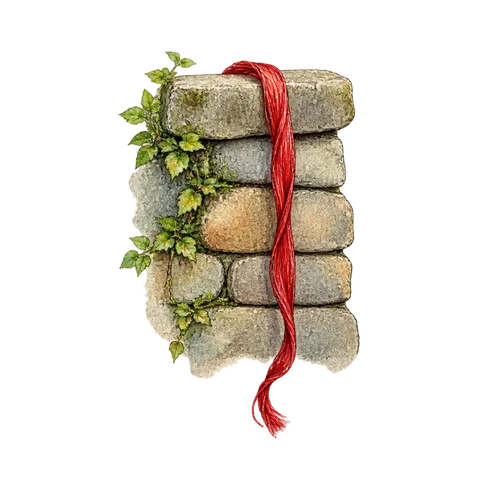
- خَيْطْ حَرِيرْ عَلَى حِيطْ خَلِيلْ.A silk thread on Khalil’s wall.
- خَمِيسْ الْخَبَّازْ خَبَزْ خَمْسْ خُبْزَاتْ.Khamis the baker baked five loaves.
- حُسَامْ حَاسَبْ حِسَابْ حَسَنْ.Husam settled Hasan’s bill.
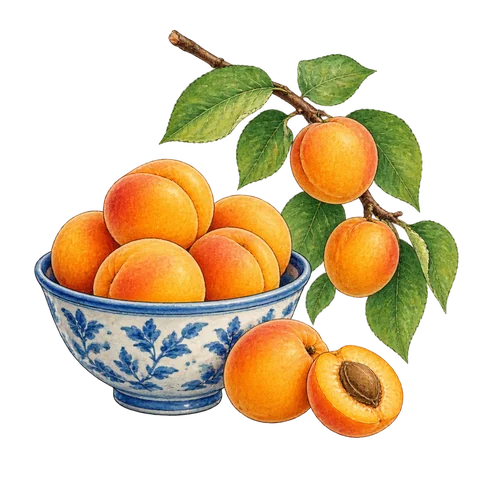
- هَادَا الْمِشْمِشْ مِشْ مِنْ مِشْمِشْتْنَا.These apricots are not from our apricot tree.
- شَرَفْ فَرَشْ شَرْشَفْ شَرِيفْ وَشَرِيفْ يِشْرِفْ عَلَى شَرَفْ.Sharaf spread Sharif’s sheet while Sharif watched over Sharaf.
- قَمِيصْ نَفِيسَة نِشِفْ وَلَّا مَا نِشِفْشْ؟Has Nafisa’s shirt dried, or has it not dried?
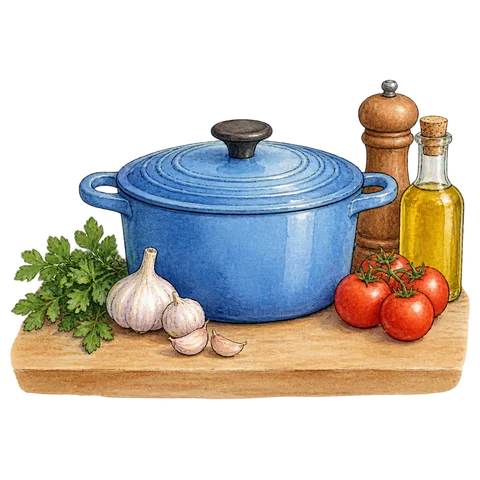
- طَبَخْنَا طَبْخِتْنَا بِمَطْبَخْكُنْ، طَبَخْنَا بِمَطْبَخْكُنْ طَبْخِتْنَا.We cooked our dish in your kitchen; in your kitchen we cooked our dish.
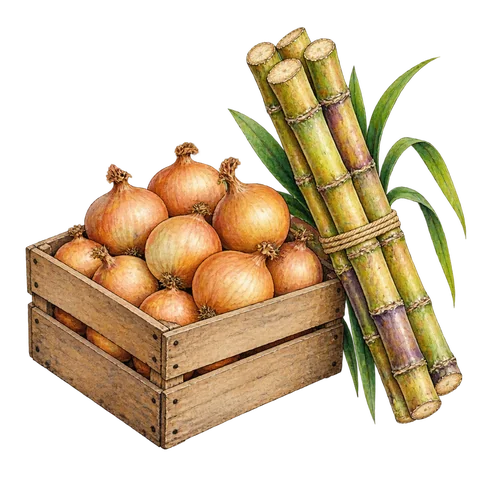
- كِلْتْ قَفَصْ بَصَلْ وَمَصِّيتْ قَفَصْ قَصَبْ.I ate a crate of onions and sucked a crate of sugar cane.
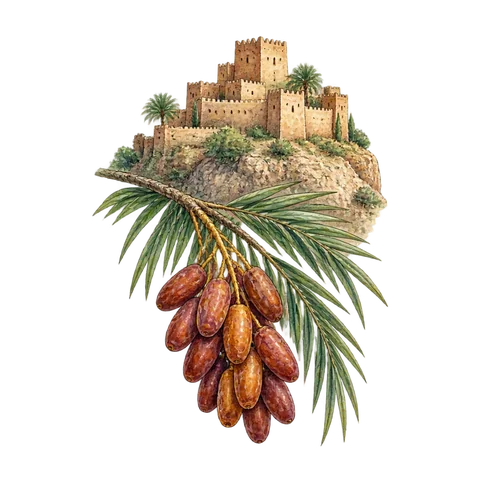
- بَلَحْ تْعَلَّقْ تَحْتْ قَلْعِةْ حَلَبْ.Dates hung below Aleppo’s citadel.
Easy Arabic Tongue Twisters and Repeated SH Sounds
Start slowly with short, attested colloquial lines. Later entries repeat sh and similar syllables; each entry labels its variety and keeps its source wording.

لِيرَة وَرَا لِيرَة وَرَا لِيرَة.
līra wara līra wara līra.
One lira after another after another.
Levantine colloquial
Easy · l and r
Pronunciation: Alternate a clear l with a brief r tap; wara is the spoken form here.
 Source note
عَلَى حِيطْ خَلِيلْ.
khayṭ ḥarīr ʿalā ḥīṭ Khalīl.
A silk thread on Khalil’s wall.
Levantine colloquial; ḥīṭ is dialectal
Easy · kh, ḥ and ʿ
Pronunciation: Kh is back-of-mouth friction; ḥ is a breathier throat sound; ʿ is voiced. Do not merge them.
 Source note
خَمِيسْ خَبَزْ خُبْزَاتْ.
Khamīs il-khabbāz khabaz khams khubzāt.
Khamis the baker baked five loaves.
Levantine colloquial reading
Easy · kh and b
Pronunciation: Keep the repeated kh separate from h. The long bb in khabbāz is held briefly.
 Source note
حُسَامْ حَاسَبْ حَسَنْ.
Ḥusām ḥāsab ḥisāb Ḥasan.
Husam settled Hasan’s bill.
Levantine colloquial reading
Easy · ḥ, s and long vowels
Pronunciation: Ḥ is stronger in the throat than English h; distinguish short i from long ā.
 Source note
هَادَا الْمِشْمِشْ مِشْ مِنْ مِشْمِشْتْنَا.
hāda l-mishmish mish min mishmishtnā.
These apricots are not from our apricot tree.
Levantine colloquial
Intermediate · sh and m
Pronunciation: Separate mish, meaning not, from the repeated mishmish in apricot. Do not rush the final consonants.
 Source note
شَرَفْ فَرَشْ شَرْشَفْ شَرِيفْ وَشَرِيفْ يِشْرِفْ عَلَى شَرَفْ.
Sharaf farash sharshaf Sharīf, w-Sharīf yishrif ʿalā Sharaf.
Sharaf spread Sharif’s sheet while Sharif watched over Sharaf.
Levantine colloquial reading
Hard · sh, r and f
Pronunciation: Break after each name first. Sharaf and Sharīf differ in vowel length as well as the last vowel.
 Source note
نَفِيسَة نِشِفْ وَلَّا مَا نِشِفْشْ؟
ʾamīṣ Nafīsa nishif walla ma nishifsh?
Has Nafisa’s shirt dried, or has it not dried?
Egyptian colloquial
Intermediate · s, sh and f
Pronunciation: The Egyptian reading uses a glottal stop for ق here; the final sh belongs to the negative ending.
 Source note
Explore these words: Clothes (flashcards) · Art (flashcards) · Shapes, sizes & materials (flashcards)
Put these words into context with a story at your level.
Read Arabic storiesArabic Emphatic Consonants and Clusters
The tongue and surrounding vowels change with emphatic sounds.
طَبْخِتْنَا بِكُنْ، بِكُنْ طَبْخِتْنَا.
ṭabakhna ṭabkhitna bi-maṭbakhkun, ṭabakhna bi-maṭbakhkun ṭabkhitna.
We cooked our dish in your kitchen; in your kitchen we cooked our dish.
Levantine colloquial
Hard · ṭ, kh and clusters
Pronunciation: Ṭ is emphatic; keep the back of the tongue involved without forcing the throat. The -kun ending addresses more than one person.
 Source note
كِلْتْ قَفَصْ بَصَلْ وَمَصِّيتْ قَفَصْ .
kilt ʾafaṣ baṣal w-maṣṣēt ʾafaṣ ʾaṣab.
I ate a crate of onions and sucked a crate of sugar cane.
Levantine colloquial reading
Hard · ṣ and b/l
Pronunciation: Ṣ is emphatic. In this Levantine reading qāf is a glottal stop; another region may retain q.
 Source note
بَلَحْ تْعَلَّقْ تَحْتْ حَلَبْ.
balaḥ tʿallaʾ taḥt ʾalʿit Ḥalab.
Dates hung below Aleppo’s citadel.
Levantine colloquial reading
Hard · ḥ, ʿ and l
Pronunciation: Keep the throat consonants distinct from l. This is a colloquial reading of the recorded formula.
 Source note
Explore these words: Food & cooking (flashcards) · House & rooms (flashcards) · Plants & trees (flashcards)
Put these words into context with a story at your level.
Read Arabic storiesLonger and Formal Arabic Tongue Twisters
These sequences demand careful rhythm. The first two are colloquial; the final two use formal or classical-style wording. Follow the variety label rather than treating them all as conversational MSA.
مِفْتَاحِي مَعْ مِفْتَاحْ عَبْدِ الْفَتَّاحْ، وَمِفْتَاحْ عَبْدِ الْفَتَّاحْ مَعْ مِفْتَاحِي. وَمِفْتَاحِي وَمِفْتَاحْ عَبْدِ الْفَتَّاحْ مَا .
miftāḥī maʿ miftāḥ ʿAbd il-Fattāḥ, w-miftāḥ ʿAbd il-Fattāḥ maʿ miftāḥī. W-miftāḥī fataḥ w-miftāḥ ʿAbd il-Fattāḥ ma fataḥ.
My key is with Abd al-Fattah’s key and his is with mine. My key opened the lock; his did not.
Levantine colloquial reading
Hard · f, t and ḥ
Pronunciation: Keep the doubled tt in the name separate from the single t in miftāḥ. Pause after each clause.
 Source note
رُوحِي وَرُوحَكْ يَا رُوحِي رُوحَيْنْ، مَطْرَحْ مَا رُوحَكْ رُوحِي بْتْرُوحْ.
rūḥī w-rūḥak yā rūḥī rūḥēn, maṭraḥ ma trūḥ rūḥak rūḥī btrūḥ.
My soul and yours, my dear, are two souls; wherever yours goes, mine goes.
Levantine colloquial; to a man
Hard · r, ḥ and long ū
Pronunciation: Hold the long ū consistently; do not replace ḥ with kh. The suffix -ak addresses a man.
 Source note
وَقَبْرُ حَرْبٍ قَفْرٍ، وَلَيْسَ قُرْبَ حَرْبٍ .
wa-qabru Ḥarbin bi-makānin qafr, wa-laysa qurba qabri Ḥarbin qabr.
Harb’s grave is in an empty place, and no grave is near Harb’s grave.
Classical-style / formal Arabic
Hard · q, b and r
Pronunciation: Keep q at the back of the mouth and r at the tongue tip. At the final pause, drop the final short case ending.
 Source note
مَنْ مَنَّ مِنْ مَنٍّ مُنَّ مِنَ الْمَنَّانِ.
man manna min mannin munna mina l-mannān.
Whoever gives of a gift is granted a gift by the Ever-Giving.
Classical-style / formal Arabic
Hard · m, n and doubled n
Pronunciation: The short vowels change while the consonants repeat; hold the doubled n without adding a new syllable.
 Source note
Explore these words: Directions & position (flashcards) · Age & life stages (flashcards)
Put these words into context with a story at your level.
Read Arabic storiesA five-minute pronunciation drill
- Read the translation so the sounds have a scene attached to them.
- Listen slowly, then say each short group on one comfortable breath. Do not whisper or force the throat.
- Repeat three times accurately at a normal pace. If a sound changes, slow down and practise the two troublesome words together.
- Try the fast version once as a challenge, then finish with a clear normal-speed repetition. Record yourself and compare the target consonants, not just the total speed.
Arabic tongue twisters: frequently asked questions
What is an Arabic tongue twister?
It is a deliberately difficult sequence of similar sounds. Traditional examples often have a funny or unlikely meaning; the pronunciation challenge matters more than practical vocabulary.
Which Arabic tongue twisters are easiest for beginners?
Start with the first short entries. Choose one sound contrast you already recognise and repeat it slowly before attempting longer verses.
Are tongue twisters useful for learning pronunciation?
They help you notice and repeat a specific sound contrast. They work best alongside ordinary speech: a clear tongue twister does not automatically teach natural conversation rhythm.
How fast should I practise?
Use the slow version until every sound is clear, then normal speed. Fast audio is a challenge, not the standard you need to meet in conversation.
Can children practise these?
The easy examples use short, concrete scenes. An adult can read first and let the child repeat a small group of words; never turn speed into a test of intelligence.
Why do I see different versions of the same twister?
Oral wordplay changes as speakers pass it on. The source note identifies the form used here; another documented version need not be wrong.
Should I translate a tongue twister word for word?
A literal translation helps explain the joke or scene. It usually loses the repeating sounds, so practise the original rather than expecting the English to be difficult too.
Are these Modern Standard Arabic or dialect?
The register label tells you. Everyday Levantine and Egyptian challenges keep their spoken grammar; classical-style examples keep a formal reading. Do not mix their vowels into a single invented accent.
How do I practise ع and خ?
ʿ represents ع, a voiced sound deep in the throat; kh represents خ, the friction sound near the back of the mouth. Listen and copy gently. Neither sound should require pain or exaggerated tension.
Make these words part of your day
Explore Arabic stories, listen along, and save vocabulary as you go.
Find a story at your levelSources and verification
English translations and examples were written for this guide. Source notes distinguish documented expressions, original practice sentences, and literary quotations. Literary excerpts retain the language of their original period.
- 1st International Collection: Arabic tongue twisters — Numbered folklore collection used to verify traditional wording. English translations, sound notes and difficulty judgments in this guide are original.
- Beirut.com: 19 Arabic tongue twisters — Tanya Maalouf, 18 December 2023; Lebanese community collection. Dialect and sound notes here are editorial.
- Learn Arabic with Maha: Arabic Tongue Twisters — Native Levantine speaker, 28 May 2012; three examples reproduced in the video description.
- Wiktionary: Arabic tongue twisters — Confirms the grave of Harb and the man/mann rhyme. We do not repeat unreliable author attributions.
Source notes for all 14 entries
- لِيرَة وَرَا لِيرَة وَرَا لِيرَة.: Beirut no. 1; collection no. 12 records the same formula in romanization. [collection] [beirut]
- خَيْطْ حَرِيرْ عَلَى حِيطْ خَلِيلْ.: Beirut no. 2; collection no. 15; Maha uses a related version with Umm Khalil. [collection] [beirut] [maha]
- خَمِيسْ الْخَبَّازْ خَبَزْ خَمْسْ خُبْزَاتْ.: Beirut no. 10. [collection] [beirut]
- حُسَامْ حَاسَبْ حِسَابْ حَسَنْ.: Beirut no. 7; collection no. 21. [collection] [beirut]
- هَادَا الْمِشْمِشْ مِشْ مِنْ مِشْمِشْتْنَا.: Maha tongue twister 2; collection no. 6 records a related short form. [collection] [maha]
- شَرَفْ فَرَشْ شَرْشَفْ شَرِيفْ وَشَرِيفْ يِشْرِفْ عَلَى شَرَفْ.: Beirut no. 8. [collection] [beirut]
- قَمِيصْ نَفِيسَة نِشِفْ وَلَّا مَا نِشِفْشْ؟: Beirut no. 18 records the familiar Egyptian negative -sh form. [collection] [beirut]
- طَبَخْنَا طَبْخِتْنَا بِمَطْبَخْكُنْ، طَبَخْنَا بِمَطْبَخْكُنْ طَبْخِتْنَا.: Beirut no. 11; collection no. 38 records the short kitchen formula. [collection] [beirut]
- كِلْتْ قَفَصْ بَصَلْ وَمَصِّيتْ قَفَصْ قَصَبْ.: Beirut no. 16. [collection] [beirut]
- بَلَحْ تْعَلَّقْ تَحْتْ قَلْعِةْ حَلَبْ.: Collection no. 4, romanized Balāḥ taʿallaq taḥt qalʿit Ḥalab. [collection]
- مِفْتَاحِي مَعْ مِفْتَاحْ عَبْدِ الْفَتَّاحْ، وَمِفْتَاحْ عَبْدِ الْفَتَّاحْ مَعْ مِفْتَاحِي. وَمِفْتَاحِي فَتَحْ وَمِفْتَاحْ عَبْدِ الْفَتَّاحْ مَا فَتَحْ.: Beirut no. 19. [collection] [beirut]
- رُوحِي وَرُوحَكْ يَا رُوحِي رُوحَيْنْ، مَطْرَحْ مَا تْرُوحْ رُوحَكْ رُوحِي بْتْرُوحْ.: Beirut no. 6 and collection no. 2 record this soul/goes wordplay. [collection] [beirut]
- وَقَبْرُ حَرْبٍ بِمَكَانٍ قَفْرٍ، وَلَيْسَ قُرْبَ قَبْرِ حَرْبٍ قَبْرٌ.: Wiktionary Appendix: Arabic tongue twisters; no author asserted. [wiktionary]
- مَنْ مَنَّ مِنْ مَنٍّ مُنَّ مِنَ الْمَنَّانِ.: Wiktionary Appendix: Arabic tongue twisters; traditional religious wordplay, no author asserted. [wiktionary]