
THE INKLINGO LANGUAGE GUIDES
15 Arabic Riddles with Hints and Answers
These fifteen verse riddles come from the classical anthology al-Mustatraf. Start with concrete objects, then try the letter puzzles. Their older literary Arabic often needs more help than a modern children’s riddle; hints and fresh English translations explain each clue.
Start here
- وَآكِلَةٍ بِغَيْرِ فَمٍ وَبَطْنٍ، لَهَا الْأَشْجَارُ وَالْحَيَوَانُ قُوتُ. إِذَا أَطْعَمْتَهَا انْتَعَشَتْ وَعَاشَتْ، وَإِنْ أَسْقَيْتَهَا مَاءً تَمُوتُ.An eater with neither mouth nor stomach: trees and animals are its food. If you feed it, it revives and lives; if you give it water, it dies.
- وَذِي أُذُنٍ بِلا سَمْعٍ، لَهُ قَلْبٌ بِلا لُبٍّ. إِذَا اسْتَوْلَى عَلَى صَبٍّ، فَقُلْ مَا شِئْتَ فِي الصَّبِّ.It has an ear without hearing and a heart without understanding. When it takes hold of a lovesick one, say what you like about the pouring.
- خَبِّرُونِي أَيُّ شَيْءٍ أَوْسَعُ مَا فِيهِ فَمُهُ، وَابْنُهُ فِي بَطْنِهِ يَرْفُسُهُ وَيَلْكُمُهُ، وَقَدْ عَلا صِيَاحُهُ وَلَمْ يَجِدْ مَنْ يَرْحَمُهُ.Tell me what thing has its mouth as its widest part. Its son is in its belly, kicking and punching it; its cries have grown loud, but it has found no one to pity it.
- بَصِيرٌ بِمَا يُوحَى إِلَيْهِ وَمَا لَهُ لِسَانٌ وَلا قَلْبٌ وَلا هُوَ سَامِعُ. كَأَنَّ ضَمِيرَ الْقَلْبِ بَاحَ بِسِرِّهِ إِلَيْهِ إِذَا مَا حَرَّكَتْهُ الْأَصَابِعُ.It understands what is communicated to it, though it has no tongue, no heart and no hearing. It is as though the heart’s inward thought has confided its secret to it whenever fingers move it.
- أَيُّ شَيْءٍ لَذَّ طَعْمُهُ نَاعِمُ الْمَلْمَسِ لَيِّنُ؟ كَيْفَ لا يَبْدُو وُضُوحًا وَهُوَ فِي التَّصْحِيفِ بَيِّنُ؟What tastes delicious and is soft and smooth to touch? How could it fail to be clear, when changing its dots makes it “clear”?
- مَا اسْمٌ لِشَيْءٍ حَسَنٍ شَكْلُهُ تَلْقَاهُ عِنْدَ النَّاسِ مَوْزُونَا؟ تَرَاهُ مَعْدُودًا فَإِنْ زِدْتَهُ وَاوًا وَنُونًا صَارَ مَوْزُونَا.What is the name of a nicely shaped thing that you find people weighing? You see it counted, but add a wāw and a nūn and it becomes “weighed.”
- اسْمُ مَنْ قَدْ هَوِيتُهُ ظَاهِرٌ فِي صُرُوفِهِ. فَإِذَا زَالَ رُبْعُهُ زَالَ بَاقِي حُرُوفِهِ.The name of the one I have loved is apparent in its transformations. When a quarter of it disappears, the rest of its letters say “disappeared.”
- يَا ذَا النُّهَى مَا اسْمٌ لَهُ حَالَةٌ يَحَارُ فِيهَا الذِّهْنُ وَالْفِكْرُ؟ لَهُ حُرُوفٌ خَمْسَةٌ إِنَّمَا ثَلَاثَةٌ مِنْهَا لَهُ شَطْرُ.You who have understanding, what name has a condition that puzzles mind and thought? It has five letters, yet three of them are its “half.”
Concrete Arabic Riddles to Try First
These familiar objects give younger learners something to picture, but the classical wording still benefits from an adult or teacher’s help.
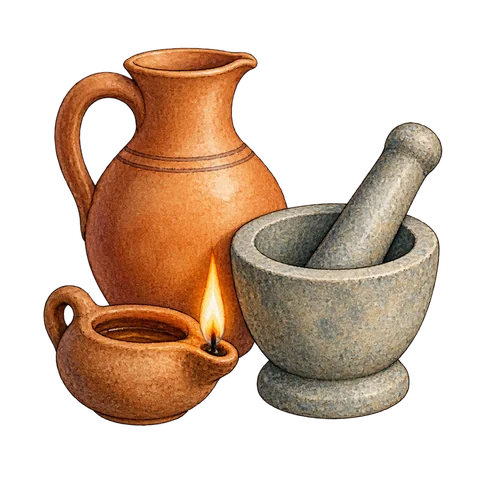
وَآكِلَةٍ بِغَيْرِ فَمٍ وَبَطْنٍ، لَهَا الْأَشْجَارُ وَالْحَيَوَانُ قُوتُ. إِذَا أَطْعَمْتَهَا انْتَعَشَتْ وَعَاشَتْ، وَإِنْ أَسْقَيْتَهَا مَاءً .
Wa-ākilatin bi-ghayri famin wa-baṭnin, lahā l-ashjāru wa-l-ḥayawānu qūtu. Idhā aṭʿamtahā intaʿashat wa-ʿāshat, wa-in asqaytahā māʾan tamūtu.
An eater with neither mouth nor stomach: trees and animals are its food. If you feed it, it revives and lives; if you give it water, it dies.
Easy
Source noteوَذِي بِلا سَمْعٍ، لَهُ قَلْبٌ بِلا لُبٍّ. إِذَا اسْتَوْلَى عَلَى صَبٍّ، فَقُلْ مَا شِئْتَ فِي الصَّبِّ.
Wa-dhī udhunin bi-lā samʿin, lahu qalbun bi-lā lubbin. Idhā istawlā ʿalā ṣabbin, fa-qul mā shiʾta fī ṣ-ṣabbi.
It has an ear without hearing and a heart without understanding. When it takes hold of a lovesick one, say what you like about the pouring.
Intermediate
Source noteخَبِّرُونِي أَيُّ شَيْءٍ أَوْسَعُ مَا فِيهِ فَمُهُ، وَابْنُهُ فِي يَرْفُسُهُ وَيَلْكُمُهُ، وَقَدْ عَلا صِيَاحُهُ وَلَمْ مَنْ يَرْحَمُهُ.
Khabbirūnī ayyu shayʾin awsaʿu mā fīhi famuhu, wa-bnuhu fī baṭnihi yarfusuhu wa-yalkumuhu, wa-qad ʿalā ṣiyāḥuhu wa-lam yajid man yarḥamuhu.
Tell me what thing has its mouth as its widest part. Its son is in its belly, kicking and punching it; its cries have grown loud, but it has found no one to pity it.
Intermediate
Source noteExplore these words: Body parts (flashcards) · Age & life stages (flashcards)
Put these words into context with a story at your level.
Read Arabic storiesArabic Riddles About Tools, Books and Nature
Picture the object in use. These riddles turn motion, pages, handles and seeds into human actions.

وَمُسْرِعَةٍ فِي سَيْرِهَا طُولَ دَهْرِهَا، تَرَاهَا مَدَى الْأَيَّامِ تَمْشِي وَلا تَتْعَبُ. وَفِي سَيْرِهَا مَا تَقْطَعُ الْأَكْلَ سَاعَةً، وَتَأْكُلُ مَعَ طُولِ الْمَدَى وَلا تَشْرَبُ. وَمَا قَطَعَتْ فِي السَّيْرِ أَذْرُعٍ، وَلا ثُلْثَ ثُمْنٍ مِنْ ذِرَاعٍ وَأَقْرَبُ.
Wa-musriʿatin fī sayrihā ṭūla dahrihā, tarāhā madā l-ayyāmi tamshī wa-lā tatʿabu. Wa-fī sayrihā mā taqṭaʿu l-akla sāʿatan, wa-taʾkulu maʿa ṭūli l-madā wa-lā tashrabu. Wa-mā qaṭaʿat fī s-sayri khamsata adhruʿin, wa-lā thultha thumnin min dhirāʿin wa-aqrabu.
It hurries along throughout its life; day after day you see it moving without tiring. As it moves, it never stops eating for an hour: it keeps eating but never drinks. Yet all that travel has not taken it five cubits, or even a third of an eighth of one cubit, or less.
Intermediate
Source noteبَصِيرٌ بِمَا يُوحَى إِلَيْهِ وَمَا لَهُ لِسَانٌ وَلا قَلْبٌ وَلا هُوَ سَامِعُ. كَأَنَّ ضَمِيرَ الْقَلْبِ بَاحَ بِسِرِّهِ إِلَيْهِ إِذَا مَا حَرَّكَتْهُ الْأَصَابِعُ.
Baṣīrun bi-mā yūḥā ilayhi wa-mā lahu lisānun wa-lā qalbun wa-lā huwa sāmiʿu. Ka-anna ḍamīra l-qalbi bāḥa bi-sirrihi ilayhi idhā mā ḥarrakat-hu l-aṣābiʿu.
It understands what is communicated to it, though it has no tongue, no heart and no hearing. It is as though the heart’s inward thought has confided its secret to it whenever fingers move it.
Intermediate
Source noteوَذِي أَوْجُهٍ لَكِنَّهُ غَيْرُ بَائِحٍ بِسِرٍّ وَذُو الْوَجْهَيْنِ لِلسِّرِّ يُظْهِرُ. تُنَاجِيكَ بِالْأَسْرَارِ أَسْرَارُ وَجْهِهِ فَتَسْمَعُهَا بِالْعَيْنِ مَا دُمْتَ تُبْصِرُ.
Wa-dhī awjuhin lākin-nahu ghayru bāʾiḥin bi-sirrin wa-dhū l-wajhayni li-s-sirri yuẓhiru. Tunājīka bi-l-asrāri asrāru wajhihi fa-tasmaʿuhā bi-l-ʿayni mā dumta tubṣiru.
It has many faces, yet does not betray a secret, while a two-faced person reveals secrets. The secrets of its face whisper secrets to you, and you hear them with your eye as long as you can see.
Hard
Source noteأَيَا عَجَبًا مِنْ صَابِرٍ وَلَمْ يَفُهْ بِكَلَامٍ قَطُّ فِي سَاعَةِ الضَّرْبِ. أَقَامَ وَلَمْ يَبْرَحْ مَكَانًا ثَوَى بِهِ عَلَى أَنَّهُ أَضْحَى يَدُورُ عَلَى الْكَعْبِ.
Ayā ʿajaban min ṣābirin ṣāmitin wa-lam yafuh bi-kalāmin qaṭṭu fī sāʿati ḍ-ḍarbi. Aqāma wa-lam yabraḥ makānan thawā bihi ʿalā annahu aḍḥā yadūru ʿalā l-kaʿbi.
How strange: a patient, silent thing that never spoke a word while being struck. It stayed where it settled and never left, although it came to turn around the ankle.
Hard
Source noteوَجَارِيَةٍ لَوْلا الْحَوَافِرُ مَا أُشَاهِدُهَا وَلَيْسَ لَهَا رِجْلُ. وَتُرْضِعُ أَطْفَالًا وَلا هِيَ أُمُّهُمْ وَلَيْسَ لَهَا ثَدْيٌ وَلَيْسَ لَهَا بَعْلُ.
Wa-jāriyatin lawlā l-ḥawāfiru mā jarat ushāhiduhā tajrī wa-laysa lahā rijlu. Wa-turḍiʿu aṭfālan wa-lā hiya ummuhum wa-laysa lahā thadyun wa-laysa lahā baʿlu.
A running thing that would not run without hooves: I watch it run, though it has no foot. It nurses children although it is not their mother, has no breast and has no husband.
Hard
Source noteوَمَا قُبَّةٌ مَبْنِيَّةٌ فَوْقَ شَاهِقٍ لَهَا عَلَمٌ يَحْكِي الْمَلَاحَةَ بِالظَّرْفِ. وَأَوْلَادُهَا فِي بَطْنِهَا فِي جَمَاعَةٍ يَكُونُونَ أَلْفًا أَوْ يَزِيدُونَ عَنْ . وَيَأْخُذُهَا الطِّفْلُ الصَّغِيرُ بِجَهْلِهِ وَيُقَلِّبُهَا عَسْفًا عَلَى رَاحَةِ الْكَفِّ.
Wa-mā qubbatun mabniyyatun fawqa shāhiqin lahā ʿalamun yaḥkī l-malāḥata bi-ẓ-ẓarfi. Wa-awlāduhā fī baṭnihā fī jamāʿatin yakūnūna alfan aw yazīdūna ʿan alfi. Wa-yaʾkhudhuhā ṭ-ṭiflu ṣ-ṣaghīru bi-jahlihi wa-yuqallibuhā ʿasfan ʿalā rāḥati l-kaffi.
What is a dome built high up, with a little crest displaying graceful beauty? Its children are gathered in its belly, a thousand or more than a thousand. A small child, not knowing its worth, takes it and roughly turns it over in the palm of a hand.
Hard
Source noteوَمَا آكِلٌ فِي قَعْدَةٍ لُقْمَةٍ وَلُقْمَتُهُ أَضْعَافُ أَضْعَافِ وَزْنِهِ. إِذَا أُنْزِلَ الْمَأْكُولُ جَنْبَيْهِ لَمْ يُقِمْ سِوَى لَحْظَةٍ أَوْ لَحْظَتَيْنِ بِبَطْنِهِ.
Wa-mā ākilun fī qaʿdatin alfa luqmatin wa-luqmatuhu aḍʿāfu aḍʿāfi waznihi. Idhā unzila l-maʾkūlu janbayhi lam yuqim siwā laḥẓatin aw laḥẓatayni bi-baṭnihi.
What eater takes a thousand mouthfuls at one sitting, each mouthful many times its own weight? When the food is placed between its sides, it stays in its belly only a moment or two.
Hard
Source noteExplore these words: Numbers (flashcards) · Directions & position (flashcards) · Books & writing (flashcards)
Put these words into context with a story at your level.
Read Arabic storiesArabic Wordplay Riddles and Letter Puzzles
These clues depend on Arabic spelling. Their English translations preserve the question, while the explanation shows the letter operation.
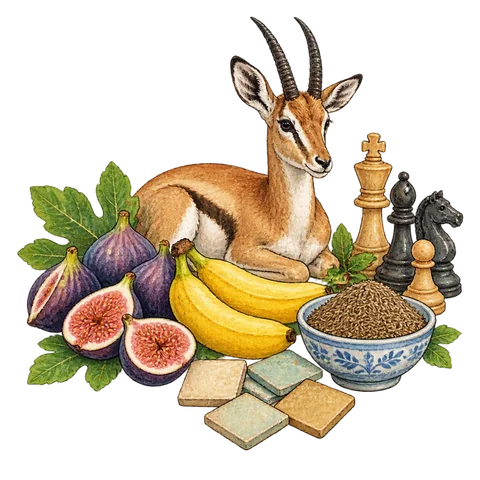
أَيُّ شَيْءٍ لَذَّ طَعْمُهُ نَاعِمُ الْمَلْمَسِ لَيِّنُ؟ كَيْفَ لا يَبْدُو وُضُوحًا وَهُوَ فِي التَّصْحِيفِ بَيِّنُ؟
Ayyu shayʾin ladhdha ṭaʿmuhu nāʿimu l-malmasi layyinu? Kayfa lā yabdū wuḍūḥan wa-huwa fī t-taṣḥīfi bayyinu?
What tastes delicious and is soft and smooth to touch? How could it fail to be clear, when changing its dots makes it “clear”?
Intermediate
Source noteمَا اسْمٌ لِشَيْءٍ حَسَنٍ شَكْلُهُ تَلْقَاهُ عِنْدَ النَّاسِ مَوْزُونَا؟ تَرَاهُ مَعْدُودًا فَإِنْ زِدْتَهُ وَاوًا وَنُونًا مَوْزُونَا.
Mā ismun li-shayʾin ḥasanin shakluhu talqāhu ʿinda n-nāsi mawzūnā? Tarāhu maʿdūdan fa-in zidtahu wāwan wa-nūnan ṣāra mawzūnā.
What is the name of a nicely shaped thing that you find people weighing? You see it counted, but add a wāw and a nūn and it becomes “weighed.”
Intermediate
Source noteاسْمُ مَنْ قَدْ هَوِيتُهُ ظَاهِرٌ فِي صُرُوفِهِ. فَإِذَا زَالَ رُبْعُهُ زَالَ حُرُوفِهِ.
Ismu man qad hawītuhu ẓāhirun fī ṣurūfihi. Fa-idhā zāla rubʿuhu zāla bāqī ḥurūfihi.
The name of the one I have loved is apparent in its transformations. When a quarter of it disappears, the rest of its letters say “disappeared.”
Hard
Source noteيَا ذَا النُّهَى مَا اسْمٌ لَهُ حَالَةٌ يَحَارُ فِيهَا وَالْفِكْرُ؟ لَهُ حُرُوفٌ إِنَّمَا ثَلَاثَةٌ مِنْهَا لَهُ شَطْرُ.
Yā dhā n-nuhā mā ismun lahu ḥālatun yaḥāru fīhā dh-dhihnu wa-l-fikru? Lahu ḥurūfun khamsatun innamā thalāthatun minhā lahu shaṭru.
You who have understanding, what name has a condition that puzzles mind and thought? It has five letters, yet three of them are its “half.”
Hard
Source noteيَا أَيُّهَا الْعَطَّارُ أَعْرِبْ لَنَا عَنْ اسْمِ شَيْءٍ فِي سَوْمِكَا. تَرَاهُ بِالْعَيْنِ فِي يَقَظَةٍ كَمَا بِالْقَلْبِ فِي نَوْمِكَا.
Yā ayyuhā l-ʿaṭṭāru aʿrib lanā ʿan ismi shayʾin qul fī sawmikā. Tarāhu bi-l-ʿayni fī yaqaẓatin ka-mā tarā bi-l-qalbi fī nawmikā.
Spice seller, explain the name of something; say it as you bargain. You see it with your eye while awake, just as you see inwardly in your sleep.
Hard
Source noteExplore these words: Quantities & measurements (flashcards) · Numbers (flashcards) · Food & cooking (flashcards)
Put these words into context with a story at your level.
Read Arabic storiesSolve the Clue Before Opening the Answer
- Read the riddle once for the image and again for the grammar.
- Open the hint and name two possible answers.
- Reveal the answer, then explain which detail rules out your other guess.
- For a letter puzzle, write the unvowelled Arabic letters before changing or reversing them.
Arabic riddles: frequently asked questions
Are these traditional Arabic riddles?
They are attested in the fifteenth-century literary anthology al-Mustatraf. That establishes a historical witness; it does not identify the first teller of every riddle.
Are these Arabic riddles suitable for beginners or children?
The first group has concrete answers that children can picture. The original literary wording is often intermediate or advanced, so beginners should use the translation and hints with a teacher.
Why do the riddles have vowel marks?
The source is mostly unvowelled. Teaching marks make its intended reading clearer, particularly in older vocabulary and wordplay.
Do the English translations preserve every pun?
No. A change of Arabic dots or a reversal of Arabic letters cannot usually be reproduced in English. The explanation shows the original operation explicitly.
Are the answers visible before I solve the riddle?
Each answer starts behind a reveal control. Try the hint first, then open the answer and its explanation.
Which Arabic variety is used?
The riddles are classical literary Arabic, read with an ar-XA voice. They are not presented as Egyptian, Levantine or another conversational dialect.
What should I practice after solving a riddle?
Name its concrete objects, describe what they do, and try to explain the clue in one simple Arabic sentence. The section’s vocabulary words help with that step.
Make these words part of your day
Explore Arabic stories, listen along, and save vocabulary as you go.
Find a story at your levelSources and verification
English translations and examples were written for this guide. Source notes distinguish documented expressions, original practice sentences, and literary quotations. Literary excerpts retain the language of their original period.
- Al-Ibshihi, al-Mustatraf, chapter 72: section on riddles — Primary Arabic transcription of the fifteenth-century anthology, section فصل في الألغاز. Each included riddle and answer heading was checked in the opened text. This is literary attestation, not evidence that every riddle originated with the compiler. Vowels, punctuation and English translations are supplied here.
- Al-Mustatraf, second transcription, p. 438 — Second primary-text witness corroborates حروفه in the gazelle riddle, correcting حروقه in the other transcription.
Source notes for all 15 entries
- وَآكِلَةٍ بِغَيْرِ فَمٍ وَبَطْنٍ، لَهَا الْأَشْجَارُ وَالْحَيَوَانُ قُوتُ. إِذَا أَطْعَمْتَهَا انْتَعَشَتْ وَعَاشَتْ، وَإِنْ أَسْقَيْتَهَا مَاءً تَمُوتُ.: Al-Mustatraf, chapter 72, riddles section; opened transcription lines 149–150, under the matching answer heading. Vowel marks and English translation are editorial. [mustatraf-riddles]
- وَذِي أُذُنٍ بِلا سَمْعٍ، لَهُ قَلْبٌ بِلا لُبٍّ. إِذَا اسْتَوْلَى عَلَى صَبٍّ، فَقُلْ مَا شِئْتَ فِي الصَّبِّ.: Al-Mustatraf, chapter 72, riddles section; opened transcription lines 160–161, under the matching answer heading. Vowel marks and English translation are editorial. [mustatraf-riddles]
- خَبِّرُونِي أَيُّ شَيْءٍ أَوْسَعُ مَا فِيهِ فَمُهُ، وَابْنُهُ فِي بَطْنِهِ يَرْفُسُهُ وَيَلْكُمُهُ، وَقَدْ عَلا صِيَاحُهُ وَلَمْ يَجِدْ مَنْ يَرْحَمُهُ.: Al-Mustatraf, chapter 72, riddles section; opened transcription lines 154–156, under the matching answer heading. Vowel marks and English translation are editorial. [mustatraf-riddles]
- وَمُسْرِعَةٍ فِي سَيْرِهَا طُولَ دَهْرِهَا، تَرَاهَا مَدَى الْأَيَّامِ تَمْشِي وَلا تَتْعَبُ. وَفِي سَيْرِهَا مَا تَقْطَعُ الْأَكْلَ سَاعَةً، وَتَأْكُلُ مَعَ طُولِ الْمَدَى وَلا تَشْرَبُ. وَمَا قَطَعَتْ فِي السَّيْرِ خَمْسَةَ أَذْرُعٍ، وَلا ثُلْثَ ثُمْنٍ مِنْ ذِرَاعٍ وَأَقْرَبُ.: Al-Mustatraf, chapter 72, riddles section; opened transcription lines 79–81, under the matching answer heading. Vowel marks and English translation are editorial. [mustatraf-riddles]
- بَصِيرٌ بِمَا يُوحَى إِلَيْهِ وَمَا لَهُ لِسَانٌ وَلا قَلْبٌ وَلا هُوَ سَامِعُ. كَأَنَّ ضَمِيرَ الْقَلْبِ بَاحَ بِسِرِّهِ إِلَيْهِ إِذَا مَا حَرَّكَتْهُ الْأَصَابِعُ.: Al-Mustatraf, chapter 72, riddles section; opened transcription lines 88–89, under the matching answer heading. Vowel marks and English translation are editorial. [mustatraf-riddles]
- وَذِي أَوْجُهٍ لَكِنَّهُ غَيْرُ بَائِحٍ بِسِرٍّ وَذُو الْوَجْهَيْنِ لِلسِّرِّ يُظْهِرُ. تُنَاجِيكَ بِالْأَسْرَارِ أَسْرَارُ وَجْهِهِ فَتَسْمَعُهَا بِالْعَيْنِ مَا دُمْتَ تُبْصِرُ.: Al-Mustatraf, chapter 72, riddles section; opened transcription lines 96–97, under the matching answer heading. Vowel marks and English translation are editorial. [mustatraf-riddles]
- أَيَا عَجَبًا مِنْ صَابِرٍ صَامِتٍ وَلَمْ يَفُهْ بِكَلَامٍ قَطُّ فِي سَاعَةِ الضَّرْبِ. أَقَامَ وَلَمْ يَبْرَحْ مَكَانًا ثَوَى بِهِ عَلَى أَنَّهُ أَضْحَى يَدُورُ عَلَى الْكَعْبِ.: Al-Mustatraf, chapter 72, riddles section; opened transcription lines 114–115, under the matching answer heading. Vowel marks and English translation are editorial. [mustatraf-riddles]
- وَجَارِيَةٍ لَوْلا الْحَوَافِرُ مَا جَرَتْ أُشَاهِدُهَا تَجْرِي وَلَيْسَ لَهَا رِجْلُ. وَتُرْضِعُ أَطْفَالًا وَلا هِيَ أُمُّهُمْ وَلَيْسَ لَهَا ثَدْيٌ وَلَيْسَ لَهَا بَعْلُ.: Al-Mustatraf, chapter 72, riddles section; opened transcription lines 127–128, under the matching answer heading. Vowel marks and English translation are editorial. [mustatraf-riddles]
- وَمَا قُبَّةٌ مَبْنِيَّةٌ فَوْقَ شَاهِقٍ لَهَا عَلَمٌ يَحْكِي الْمَلَاحَةَ بِالظَّرْفِ. وَأَوْلَادُهَا فِي بَطْنِهَا فِي جَمَاعَةٍ يَكُونُونَ أَلْفًا أَوْ يَزِيدُونَ عَنْ أَلْفِ. وَيَأْخُذُهَا الطِّفْلُ الصَّغِيرُ بِجَهْلِهِ وَيُقَلِّبُهَا عَسْفًا عَلَى رَاحَةِ الْكَفِّ.: Al-Mustatraf, chapter 72, riddles section; opened transcription lines 157–159, under the matching answer heading. Vowel marks and English translation are editorial. [mustatraf-riddles]
- وَمَا آكِلٌ فِي قَعْدَةٍ أَلْفَ لُقْمَةٍ وَلُقْمَتُهُ أَضْعَافُ أَضْعَافِ وَزْنِهِ. إِذَا أُنْزِلَ الْمَأْكُولُ جَنْبَيْهِ لَمْ يُقِمْ سِوَى لَحْظَةٍ أَوْ لَحْظَتَيْنِ بِبَطْنِهِ.: Al-Mustatraf, chapter 72, riddles section; opened transcription lines 177–178, under the matching answer heading. Vowel marks and English translation are editorial. [mustatraf-riddles]
- أَيُّ شَيْءٍ لَذَّ طَعْمُهُ نَاعِمُ الْمَلْمَسِ لَيِّنُ؟ كَيْفَ لا يَبْدُو وُضُوحًا وَهُوَ فِي التَّصْحِيفِ بَيِّنُ؟: Al-Mustatraf, chapter 72, riddles section; opened transcription lines 119–120, under the matching answer heading. Vowel marks and English translation are editorial. [mustatraf-riddles]
- مَا اسْمٌ لِشَيْءٍ حَسَنٍ شَكْلُهُ تَلْقَاهُ عِنْدَ النَّاسِ مَوْزُونَا؟ تَرَاهُ مَعْدُودًا فَإِنْ زِدْتَهُ وَاوًا وَنُونًا صَارَ مَوْزُونَا.: Al-Mustatraf, chapter 72, riddles section; opened transcription lines 121–122, under the matching answer heading. Vowel marks and English translation are editorial. [mustatraf-riddles]
- اسْمُ مَنْ قَدْ هَوِيتُهُ ظَاهِرٌ فِي صُرُوفِهِ. فَإِذَا زَالَ رُبْعُهُ زَالَ بَاقِي حُرُوفِهِ.: Al-Mustatraf, chapter 72, riddles section; opened transcription lines 73–74, under the matching answer heading. Vowel marks and English translation are editorial. The typo حروقه is corrected to حروفه against a second witness; the initial hamza in إسم is normalized to اسم. [mustatraf-riddles] [mustatraf-gazelle-witness]
- يَا ذَا النُّهَى مَا اسْمٌ لَهُ حَالَةٌ يَحَارُ فِيهَا الذِّهْنُ وَالْفِكْرُ؟ لَهُ حُرُوفٌ خَمْسَةٌ إِنَّمَا ثَلَاثَةٌ مِنْهَا لَهُ شَطْرُ.: Al-Mustatraf, chapter 72, riddles section; opened transcription lines 136–137, under the matching answer heading. Vowel marks and English translation are editorial. [mustatraf-riddles]
- يَا أَيُّهَا الْعَطَّارُ أَعْرِبْ لَنَا عَنْ اسْمِ شَيْءٍ قُلْ فِي سَوْمِكَا. تَرَاهُ بِالْعَيْنِ فِي يَقَظَةٍ كَمَا تَرَى بِالْقَلْبِ فِي نَوْمِكَا.: Al-Mustatraf, chapter 72, riddles section; opened transcription lines 175–176, under the matching answer heading. Vowel marks and English translation are editorial. [mustatraf-riddles]