
THE INKLINGO LANGUAGE GUIDES
25 Japanese Tongue Twisters (With Audio)
These 25 Japanese tongue twisters train specific sound contrasts, from short warm-ups to longer challenges. Read the meaning first, then keep every sound clear as you move from slow to natural to fast.

Start here: easy tongue twisters
- 生麦、生米、生卵。Uncooked barley, uncooked rice, raw egg.
- 赤巻紙、青巻紙、黄巻紙。Red paper roll, blue paper roll, yellow paper roll.
- 赤パジャマ、黄パジャマ、茶パジャマ。Red pajamas, yellow pajamas, brown pajamas.
- 右目、右耳、右耳、右目。Right eye, right ear; right ear, right eye.
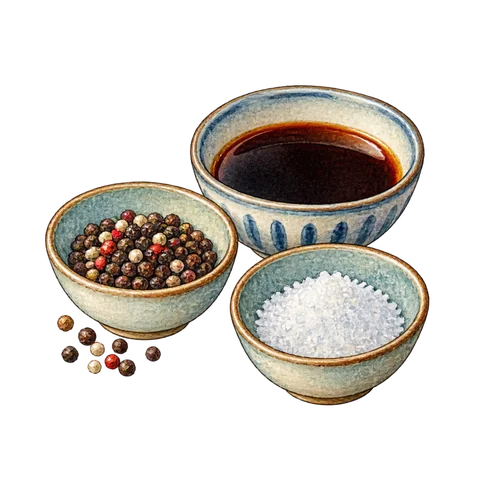
- 胡椒少々、塩少々、醤油少々。A little pepper, a little salt, a little soy sauce.
- ジャズ歌手、シャンソン歌手。A jazz singer, a chanson singer.
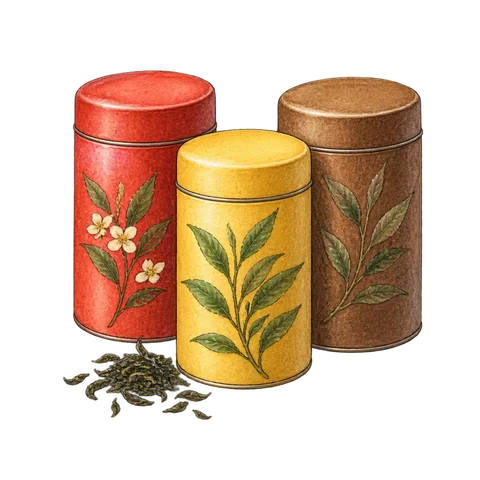
- 赤茶筒、黄茶筒、茶茶筒。A red tea caddy, a yellow tea caddy, a brown tea caddy.
- 親亀の上に子亀、子亀の上に孫亀。A child turtle on the parent turtle, and a grandchild turtle on the child turtle.
- この釘は引き抜きにくい釘だ。This nail is difficult to pull out.
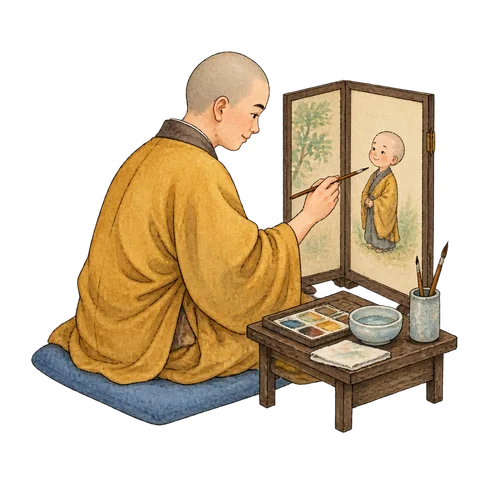
- 坊主が屏風に上手に坊主の絵を描いた。A monk skillfully drew a monk on a folding screen.
Easy Japanese tongue twisters to try first
Begin with a short line. Children and adults can both practice these; clear sounds matter more than speed.

生麦、生、生。
Namamugi, namagome, namatamago.
Uncooked barley, uncooked rice, raw egg.
Playful pronunciation exercise; some wording is deliberately absurd.
Easy · nama; g / m
Pronunciation: Give each mora a beat: na-ma-mu-gi. Keep g and m clear in the middle word.
 Source note
巻、巻、黄巻。
Aka makigami, ao makigami, ki makigami.
Red paper roll, blue paper roll, yellow paper roll.
Playful pronunciation exercise; some wording is deliberately absurd.
Easy · k / g; vowel transitions
Pronunciation: Keep a-o as two vowel beats. Do not turn makigami into makikami as you speed up.
 Source note
、黄、茶。
Aka pajama, ki pajama, cha pajama.
Red pajamas, yellow pajamas, brown pajamas.
Playful pronunciation exercise; some wording is deliberately absurd.
Easy · p / j / ch
Pronunciation: Japanese j begins with a brief closure, while ch has more air. Keep the three colors separate.
 Source note
右、右、右、右。
Migi me, migi mimi, migi mimi, migi me.
Right eye, right ear; right ear, right eye.
Playful pronunciation exercise; some wording is deliberately absurd.
Easy · me / mimi
Pronunciation: Use short, even vowels. The challenge is maintaining the extra mi in mimi.
 Source note
胡椒少々、少々、少々。
Koshō shōshō, shio shōshō, shōyu shōshō.
A little pepper, a little salt, a little soy sauce.
Playful pronunciation exercise; some wording is deliberately absurd.
Easy · sh; long ō
Pronunciation: Keep shio as two beats and shō as two beats too; their timing matches, but their vowels do not.
 Source note
ジャズ歌手、シャンソン歌手。
Jazu kashu, shanson kashu.
A jazz singer, a chanson singer.
Playful pronunciation exercise; some wording is deliberately absurd.
Easy · j / sh; shu
Pronunciation: Round the lips only as much as the vowel requires. Do not add a full y sound inside shu.
 Source note
筒、黄筒、筒。
Aka chazutsu, ki chazutsu, cha chazutsu.
A red tea caddy, a yellow tea caddy, a brown tea caddy.
Playful pronunciation exercise; some wording is deliberately absurd.
Easy · cha / tsu / zu
Pronunciation: Say cha-dzu-tsu slowly first. Hepburn writes the voiced づ as zu.
 Source note
Explore these words: Food & cooking (flashcards) · Colors (flashcards) · Body parts (flashcards)
Put these words into context with a story at your level.
Read Japanese storiesLonger Japanese tongue twisters and sound contrasts
Break the line at each comma, then join the pieces without swallowing the endings.

亀の上に子亀、子亀の上に亀。
Oyagame no ue ni kogame, kogame no ue ni magogame.
A child turtle on the parent turtle, and a grandchild turtle on the child turtle.
Playful pronunciation exercise; some wording is deliberately absurd.
Intermediate · g / m; repeated game
Pronunciation: Keep the vowel sequence u-e separate. The changing prefixes identify each generation.
 Source note
このは引き抜きにくいだ。
Kono kugi wa hikinuki nikui kugi da.
This nail is difficult to pull out.
Playful pronunciation exercise; some wording is deliberately absurd.
Intermediate · ki / ku / gi
Pronunciation: Say hiki-nuki and nikui as separate chunks, then join them without losing a vowel.
 Source note
坊主が屏風に上手に坊主の絵を描いた。
Bōzu ga byōbu ni jōzu ni bōzu no e o kaita.
A monk skillfully drew a monk on a folding screen.
Playful pronunciation exercise; some wording is deliberately absurd.
Intermediate · byō / jō / bō
Pronunciation: Keep each long ō for two beats. Byō is a single contracted consonant-vowel unit followed by a long vowel.
 Source note
の客は柿食う客だ。
Tonari no kyaku wa yoku kaki kū kyaku da.
The guest next door is a guest who eats a lot of persimmons.
Playful pronunciation exercise; some wording is deliberately absurd.
Intermediate · kya / ka / ku; long ū
Pronunciation: Contract kya rather than saying ki-ya. Hold kū for two beats.
 Source note
すももも桃も桃のうち。
Sumomo mo momo mo momo no uchi.
Plums and peaches are both in the peach family.
Playful pronunciation exercise; some wording is deliberately absurd.
Intermediate · mo; word boundaries
Pronunciation: Count su-mo-mo, mo, mo-mo, mo. Word boundaries matter even when the syllables repeat.
 Source note
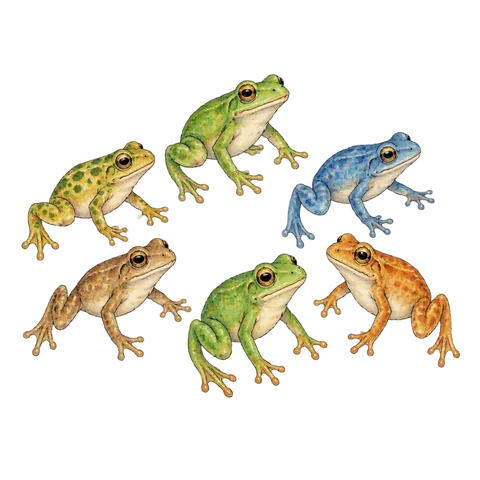
蛙ぴょこぴょこぴょこぴょこ、合わせてぴょこぴょこぴょこぴょこ。
Kaeru pyokopyoko mi pyokopyoko, awasete pyokopyoko mu pyokopyoko.
Frogs hop-hopping, three hop-hops; together hop-hopping, six hop-hops.
Playful pronunciation exercise; some wording is deliberately absurd.
Intermediate · pyo; contracted sounds
Pronunciation: Pyo occupies one beat, not pi-yo. Keep mi and mu short before the repeated hops.
 Source note
には羽、には羽鶏がいる。
Uraniwa ni wa niwa, niwa ni wa niwa niwatori ga iru.
Two chickens are in the back garden and two in the garden.
Playful pronunciation exercise; some wording is deliberately absurd.
Intermediate · ni / wa; repeated homophones
Pronunciation: The particle は is wa. Read each niwa with its meaning in mind: garden or two birds.
 Source note
パパのは黄、茶、縞。
Papa no pajama wa ki pajama, cha pajama, shima pajama.
Dad's pajamas are yellow pajamas, brown pajamas and striped pajamas.
Playful pronunciation exercise; some wording is deliberately absurd.
Intermediate · p / j; shi / cha
Pronunciation: Keep pa-pa even and resist turning pajama into pajaja after repeated starts.
 Source note
ばらばらなバナナババロア。
Barabara na banana babaroa.
A banana Bavarian cream dessert that has fallen apart.
Playful pronunciation exercise; some wording is deliberately absurd.
Intermediate · b / r / n
Pronunciation: Japanese r is a brief tap. Alternate ba-na-na and ba-ba-ro-a without merging the middle consonants.
 Source note
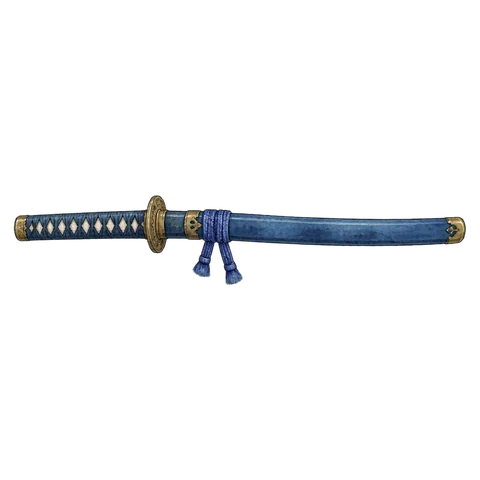
田中さんの長い高い硬い。
Tanaka-san no nagai takai katai katana.
Mr. Tanaka's long, expensive, hard sword.
Playful pronunciation exercise; some wording is deliberately absurd.
Intermediate · ka / ta / na
Pronunciation: Keep the adjective endings -ai audible, then finish katana with three distinct beats.
 Source note
Explore these words: Numbers (flashcards) · Clothes (flashcards) · Family & relationships (flashcards)
Put these words into context with a story at your level.
Read Japanese storiesHard Japanese tongue twisters for a final challenge
Use one breath group at a time. These are games, so the literal scene can be intentionally impossible.

東京特許局、今日遽却下。
Tōkyō tokkyo kyokakyoku, kyō kyūkyo kyoka kyakka.
The Tokyo patent-permission office suddenly rejects permission today.
Playful pronunciation exercise; some wording is deliberately absurd.
Hard · kyo / kyu / kya; small っ
Pronunciation: Close the consonant briefly for the small っ in tokkyo and kyakka. Keep kyū long but kyo short in kyūkyo.
 Source note
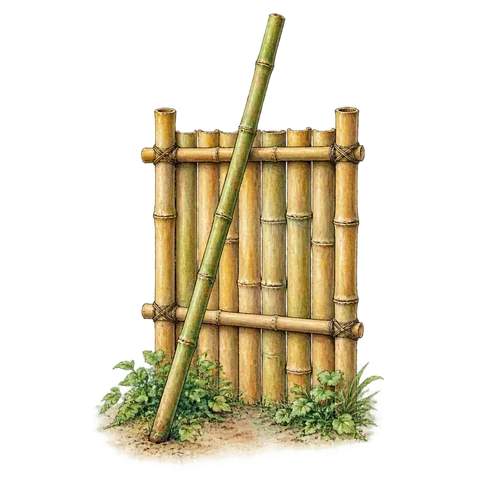
このをこの垣に立てかけたのは、を立てかけたかったから立てかけたのです。
Kono take o kono takegaki ni tatekaketa no wa, take o tatekaketakatta kara tatekaketa no desu.
I leaned this bamboo against this bamboo fence because I wanted to lean the bamboo there.
Playful pronunciation exercise; some wording is deliberately absurd.
Hard · t / k; repeated tatekake
Pronunciation: Build from ta-te-ka-ke, then add the endings. Pause briefly for the doubled tt in takatta.
 Source note
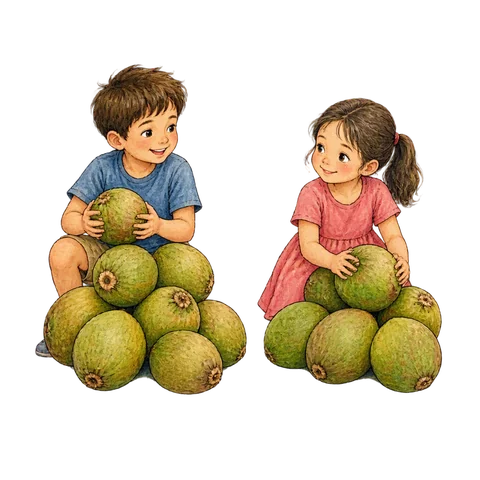
この子に常夏のココナツつ、あの子にも常夏のココナツつ。
Kono ko ni tokonatsu no kokonatsu kokonotsu, ano ko ni mo tokonatsu no kokonatsu kokonotsu.
Nine tropical coconuts for this child, and nine tropical coconuts for that child too.
Playful pronunciation exercise; some wording is deliberately absurd.
Hard · ko / to / no; natsu / notsu
Pronunciation: Distinguish ko-ko-na-tsu from ko-ko-no-tsu by keeping the vowel before tsu clear.
 Source note
カモシカももだが、確かアシカはではない。
Kamoshika mo shika mo shika da ga, tashika ashika wa shika de wa nai.
The serow and the deer are both called deer here, but surely the sea lion is not a deer.
Playful pronunciation exercise; some wording is deliberately absurd.
Hard · shika / ashika / tashika
Pronunciation: Keep the leading vowels: a-shi-ka and ta-shi-ka differ by a complete beat. The line's animal classification is deliberately loose.
 Source note
武具具、武具具、武具具、合わせて武具具武具具。
Bugu bagu, bugu bagu, mi bugu bagu, awasete bugu bagu mu bugu bagu.
Arms and horse tack, arms and horse tack: three sets, then six sets all together.
Playful pronunciation exercise; some wording is deliberately absurd.
Hard · bu / ba / gu
Pronunciation: The Japanese u is usually less rounded than English oo. Keep bugu distinct from bagu as the vowel changes.
 Source note
新春シャンソンの歌手による新春シャンソンショー。
Shinshun shanson no kashu ni yoru shinshun shanson shō.
A New Year chanson show by a New Year chanson singer.
Playful pronunciation exercise; some wording is deliberately absurd.
Hard · shin / shun / shan; long ō
Pronunciation: Keep the vowels i, u and a distinct after sh; hold the final shō for two beats.
 Source note
この垣に誰立てかけた。
Kono takegaki ni dare take tatekaketa.
Who leaned bamboo against this bamboo fence?
Playful pronunciation exercise; some wording is deliberately absurd.
Hard · take / tate / kake
Pronunciation: Practice the changing middle consonant in take, tate and kake before connecting the words.
 Source note
、、爆発。
Basu, gasu, bakuhatsu.
Bus, gas, explosion.
Playful pronunciation exercise; some wording is deliberately absurd.
Hard · b / g; su / hatsu
Pronunciation: Keep ba and ga distinct. The consonant in hatsu is a light h followed by a clean tsu ending.
 Source note
Explore these words: Animals (flashcards) · Plants & trees (flashcards) · Numbers (flashcards)
Put these words into context with a story at your level.
Read Japanese storiesA five-minute pronunciation drill
- Choose one short line and identify its target sound.
- Listen once, then say each phrase slowly while following the native script.
- Repeat the whole line three times clearly before trying natural speed.
- Record one attempt; compare only the target sounds, not your speaking speed.
- Finish with an ordinary sentence using one of the same words.
Japanese tongue twisters: frequently asked questions
What are tongue twisters called in Japanese?
They are 早口言葉 (hayakuchi kotoba), literally words for fast speech. Their repeated sounds make them challenging even when the vocabulary is simple.
Which tongue twister should a beginner try first?
Choose one from the easy section and say it correctly three times at a slow pace. Move to a longer line only after you can keep the sound contrast consistent.
Should I practice fast or slowly?
Start slowly enough to hear every syllable. Increase speed a little after three clear repetitions; return to the slow version whenever the words start to merge.
Do native speakers find tongue twisters difficult?
Yes. The challenge comes from switching between similar sounds quickly, so knowing every word does not make the line effortless.
Are these tongue twisters suitable for children?
The easy lines use simple scenes and are good starting games. An adult can explain unfamiliar words and let the child repeat a single phrase without a speed contest.
Will tongue twisters make me fluent?
They can help you notice specific sound contrasts and coordinate articulation. You still need listening, ordinary conversation and meaningful reading to build fluency.
Why does the same tongue twister have different wording elsewhere?
Many circulate orally and in several written versions. This guide identifies the source of the selected version instead of treating every variation as a separate new tongue twister.
How can I check my pronunciation?
Record one slow attempt, listen for the target contrast, and compare it with the model audio. Ask a proficient speaker about a specific sound rather than only asking whether the whole line was fast enough.
Make these words part of your day
Explore Japanese stories, listen along, and save vocabulary as you go.
Find a story at your levelSources and verification
English translations and examples were written for this guide. Source notes distinguish documented expressions, original practice sentences, and literary quotations. Literary excerpts retain the language of their original period.
- 1st International Collection of Tongue Twisters: Japanese — Collected circulating hayakuchi kotoba, including variants; Japanese spelling, Hepburn and English here were independently prepared.
- Nippon.com: Japanese Tongue Twisters — Japanese cultural publication documenting familiar forms.
Source notes for all 25 entries
- 生麦、生米、生卵。: Collection item 23; familiar traditional food twister. [collection] [nippon]
- 赤巻紙、青巻紙、黄巻紙。: Collection item 21; conventional red-blue-yellow form. [collection] [nippon]
- 赤パジャマ、黄パジャマ、茶パジャマ。: Collection item 15; ki means yellow, correcting the source's erroneous English green gloss. [collection]
- 右目、右耳、右耳、右目。: Collection item 32. [collection]
- 胡椒少々、塩少々、醤油少々。: Collection item 13. [collection]
- ジャズ歌手、シャンソン歌手。: Collection item 24. [collection]
- 赤茶筒、黄茶筒、茶茶筒。: Collection item 17; 茶筒 is a tea caddy, not a kettle. [collection]
- 親亀の上に子亀、子亀の上に孫亀。: Collection item 7. [collection]
- この釘は引き抜きにくい釘だ。: Collection item 8. [collection]
- 坊主が屏風に上手に坊主の絵を描いた。: Collection item 1; one of two listed word-order variants, counted once. [collection] [nippon]
- 隣の客はよく柿食う客だ。: Collection item 26; colloquial 食う is retained as part of the traditional wording. [collection] [nippon]
- すももも桃も桃のうち。: Traditional shortened form of collection item 19; the wording is a word game, not botanical classification. [collection] [nippon]
- 蛙ぴょこぴょこ三ぴょこぴょこ、合わせてぴょこぴょこ六ぴょこぴょこ。: Collection item 12; frogs hop in this playful rhyme, rather than literally croaking the syllables. [collection]
- 裏庭には二羽、庭には二羽鶏がいる。: Collection item 22, segmented according to its Japanese meaning. [collection]
- パパのパジャマは黄パジャマ、茶パジャマ、縞パジャマ。: Collection item 29; a separately attested longer pajama sentence. [collection]
- ばらばらなバナナババロア。: Collection item 34; ババロア is the dessert bavarois, not an adjective meaning Bavarian. [collection]
- 田中さんの長い高い硬い刀。: Collection item 35; a collected alliterative word game. [collection]
- 東京特許許可局、今日急遽許可却下。: Collection item 9; the bureau name is a fictional word-game office, not an official government title. [collection]
- この竹をこの竹垣に立てかけたのは、竹を立てかけたかったから立てかけたのです。: Collection item 3; the long traditional bamboo-fence form. [collection]
- この子に常夏のココナツ九つ、あの子にも常夏のココナツ九つ。: Collection items 4 and 6 are duplicates; included once. [collection]
- カモシカも鹿も鹿だが、確かアシカは鹿ではない。: Collection item 10; serows are bovids, so the literal claim is not presented as zoological fact. [collection]
- 武具馬具、武具馬具、三武具馬具、合わせて武具馬具六武具馬具。: Collection item 20; old counting forms mi and mu are part of this rhythm game. [collection]
- 新春シャンソンの歌手による新春シャンソンショー。: Collection item 40; full attested show phrase. [collection]
- この竹垣に誰竹立てかけた。: Collection item 28; short question variant documented separately, kept for the different rhythm. [collection]
- バス、ガス、爆発。: Collection item 25; a familiar clipped sound game, not a complete sentence. [collection]