
THE INKLINGO LANGUAGE GUIDES
20 Chinese Poems with Pinyin and English Translations
These twenty short Chinese poems begin with concrete scenes: moonlight, a bird, a red seed and a flowering branch. Read complete Tang and Song poems with pinyin and original line-by-line English translations, then explore the small details that carry homesickness, friendship and changing seasons.

Start here
- Quiet Night ThoughtsBright moonlight lies before the bed;
- Spring DawnIn spring sleep, I do not notice dawn;
- Climbing Stork TowerThe bright sun ends behind the mountains;
- Seeking a Hermit Who Is AwayBeneath a pine I ask a young attendant;
- LongingRed seeds grow in the southern land;
- Snow on the RiverOn a thousand mountains, no birds fly;
- Bamboo LodgeAlone I sit in secluded bamboo,
- An Invitation to Liu NineteenFreshly brewed wine has greenish foam,
- West Lake in Sun and RainThe water's rippling light is lovely in clear weather;
- A Guest on a Cold NightA guest comes on a cold night; tea takes the place of wine.
Easy Chinese Poems for Beginners
Six compact poems introduce familiar objects and short, memorable lines. Their classical grammar still differs from everyday Mandarin.
Quiet Night Thoughts
Full public-domain text · The author died in 762. 1763 is the dated printed anthology witness, not a claim of first appearance. The complete poem belongs to the older anthology tradition identified by the source.
Easy
— Li Bai (Died 762), Three Hundred Tang Poems, five-character quatrains
The familiar later anthology version is used. Earlier collected editions read 看月光 and 望山月; those are textual variants, not mistakes in this version.
 Source note
Spring Dawn
Full public-domain text · The author died in 740. 1763 is the dated printed anthology witness, not a claim of first appearance. The complete poem belongs to the older anthology tradition identified by the source.
Easy
— Meng Haoran (Died 740), Three Hundred Tang Poems, five-character quatrains
The speaker moves from sounds heard now to weather remembered from the night. The final question leaves the flowers unseen.
 Source note
Climbing Stork Tower
Full public-domain text · The author died in 742. 1763 is the dated printed anthology witness, not a claim of first appearance. The complete poem belongs to the older anthology tradition identified by the source.
Easy
— Wang Zhihuan (Died 742), Three Hundred Tang Poems, five-character quatrains
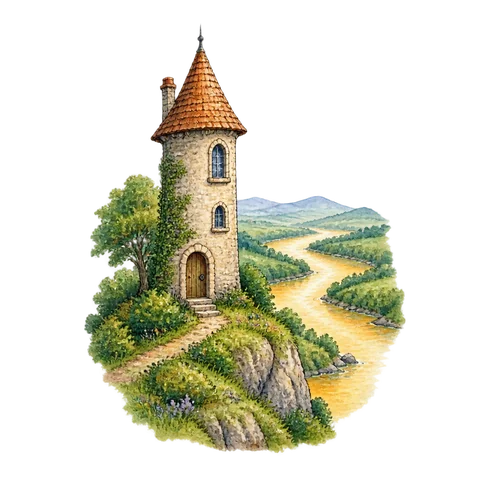
The anthology attributes this poem to Wang Zhihuan; an early collection also attributes it to Zhu Bin. Its literal act of climbing often becomes an image of gaining perspective.
 Source note
Seeking a Hermit Who Is Away
Full public-domain text · The author died in 843. 1763 is the dated printed anthology witness, not a claim of first appearance. The complete poem belongs to the older anthology tradition identified by the source.
Easy
— Jia Dao (Died 843), Three Hundred Tang Poems, five-character quatrains
A short conversation contains a whole unsuccessful visit. Jia Dao is the familiar anthology attribution; the source also records a competing attribution to Sun Ge.
 Source note
Longing
Full public-domain text · The author died in 761. 1763 is the dated printed anthology witness, not a claim of first appearance. The complete poem belongs to the older anthology tradition identified by the source.
Easy
— Wang Wei (Died 761), Three Hundred Tang Poems, five-character quatrains
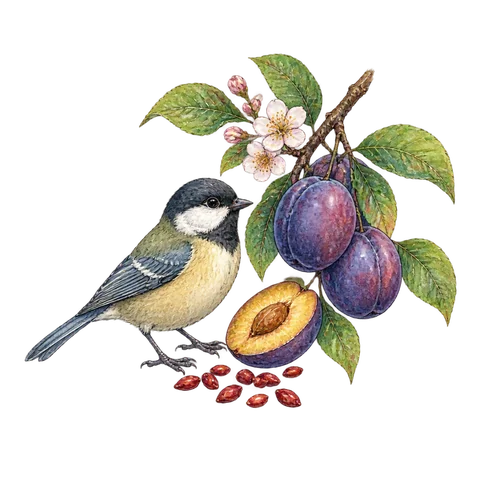
The red seeds are traditional tokens of remembrance. The poem can express affection between friends as well as romantic longing; the source records several variants.
 Source note
A Question About Home
Full public-domain text · The author died in 761. 1763 is the dated printed anthology witness, not a claim of first appearance. The complete poem belongs to the older anthology tradition identified by the source.
Easy
— Wang Wei (Died 761), Three Hundred Tang Poems, five-character quatrains
One small detail stands for the whole idea of home. 着 is read zhuó here, meaning to bear or put forth flowers, rather than the modern particle zhe.
 Source note
Explore these words: Nature & landscape (flashcards) · Time & dates (flashcards) · Weather (flashcards)
Put these words into context with a story at your level.
Read Chinese storiesTang Poems About Nature
Light, water and empty space can suggest a feeling without naming it. Notice how these poems move between a broad landscape and one small detail.

Snow on the River
Full public-domain text · The author died in 819. 1763 is the dated printed anthology witness, not a claim of first appearance. The complete poem belongs to the older anthology tradition identified by the source.
Intermediate
— Liu Zongyuan (Died 819), Three Hundred Tang Poems, five-character quatrains
The vast empty setting narrows to one person. A traditional straw rain cape and broad hat make the figure concrete; the poem does not explain his thoughts.
 Source note
Bamboo Lodge
Full public-domain text · The author died in 761. 1763 is the dated printed anthology witness, not a claim of first appearance. The complete poem belongs to the older anthology tradition identified by the source.
Intermediate
— Wang Wei (Died 761), Three Hundred Tang Poems, five-character quatrains
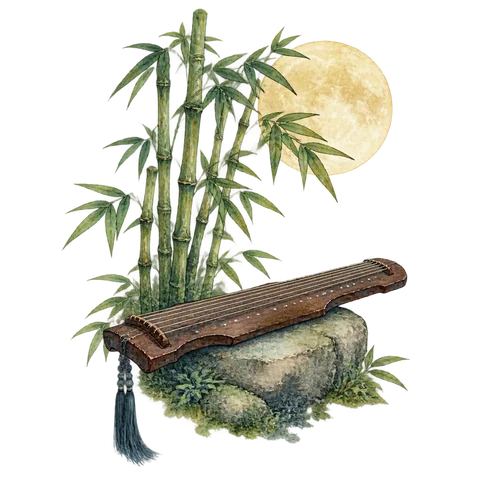
The qin is a plucked zither. Changxiao means a sustained voiced cry or whistle, so it is broader than ordinary conversation or a song with words.
 Source note
Deer Enclosure
Full public-domain text · The author died in 761. 1763 is the dated printed anthology witness, not a claim of first appearance. The complete poem belongs to the older anthology tradition identified by the source.
Intermediate
— Wang Wei (Died 761), Three Hundred Tang Poems, five-character quatrains
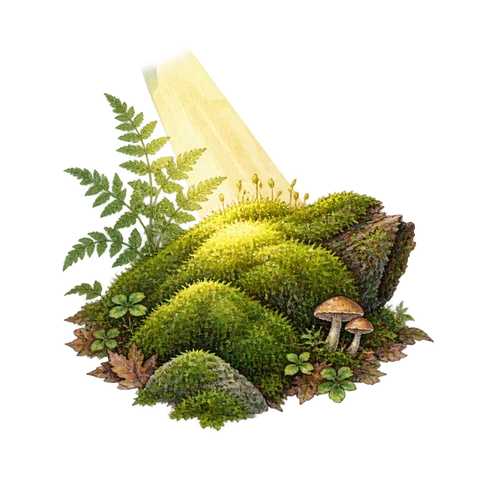
The title's 柴 is traditionally read zhài, meaning an enclosure. 景 here refers to light. A landscape can seem empty even while unseen people are audible.
 Source note
Mooring on the Jiande River
Full public-domain text · The author died in 740. 1763 is the dated printed anthology witness, not a claim of first appearance. The complete poem belongs to the older anthology tradition identified by the source.
Intermediate
— Meng Haoran (Died 740), Three Hundred Tang Poems, five-character quatrains
The final two lines pair a wide distant sky with an intimate reflection. 客 is the traveler away from home, not simply a customer.
 Source note
Explore these words: Nature & landscape (flashcards) · Shapes, sizes & materials (flashcards) · Animals (flashcards)
Put these words into context with a story at your level.
Read Chinese storiesChinese Poems About Love and Friendship
A dream, a shared drink and a departing traveler offer different kinds of connection. Not every expression of longing is romantic.

On Leyou Plain
Full public-domain text · The author died in 858. 1763 is the dated printed anthology witness, not a claim of first appearance. The complete poem belongs to the older anthology tradition identified by the source.
Intermediate
— Li Shangyin (Died 858), Three Hundred Tang Poems, five-character quatrains
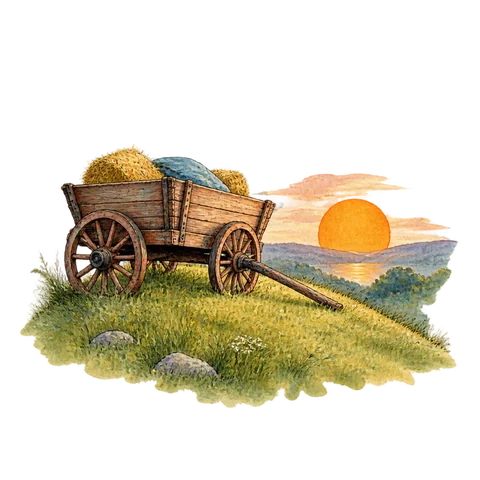
The brief contrast between beauty and passing time is famous. The translation keeps the ending open rather than turning it into a command to be optimistic or pessimistic.
 Source note
A Spring Complaint
Full public-domain text · The named poet is attested in the Tang dynasty, centuries before 1956; exact death year is not invented. 1763 is the dated printed anthology witness, not a claim of first appearance. The complete poem belongs to the older anthology tradition identified by the source.
Intermediate
— Jin Changxu (Tang dynasty; exact death year uncertain), Three Hundred Tang Poems, five-character quatrains
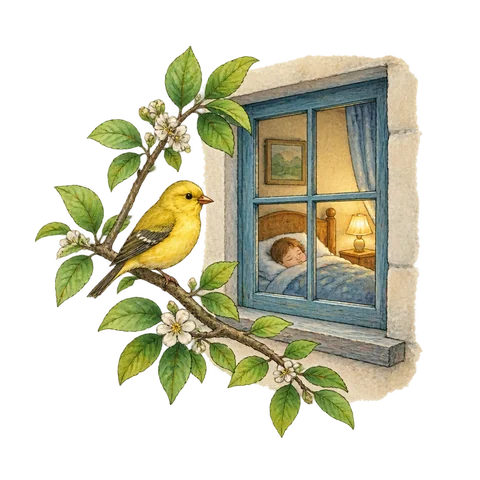
A woman hopes to reach an absent loved one in a dream. The bird interrupts that imagined journey. Jin Changxu's exact life dates are not securely known; he is a Tang poet.
 Source note
An Invitation to Liu Nineteen
Full public-domain text · The author died in 846. 1763 is the dated printed anthology witness, not a claim of first appearance. The complete poem belongs to the older anthology tradition identified by the source.
Intermediate
— Bai Juyi (Died 846), Three Hundred Tang Poems, five-character quatrains
The green ants are a metaphor for foam on new wine, not insects added to a drink. The final 無 is an old question ending, not a statement that no cup exists.
 Source note
Seeing Off the Monk Lingche
Full public-domain text · The named poet is attested in the Tang dynasty, centuries before 1956; exact death year is not invented. 1763 is the dated printed anthology witness, not a claim of first appearance. The complete poem belongs to the older anthology tradition identified by the source.
Intermediate
— Liu Changqing (Tang dynasty; exact death year uncertain), Three Hundred Tang Poems, five-character quatrains
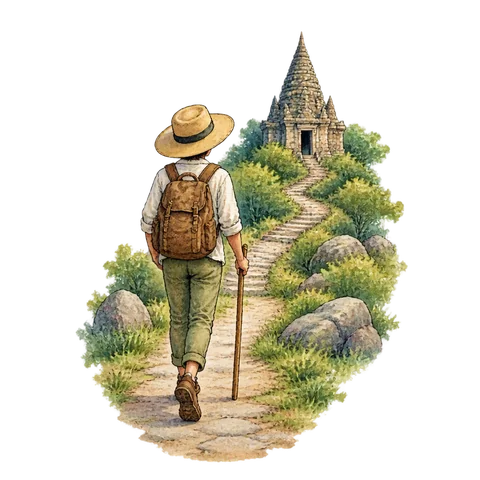
荷 is read hè here, meaning to carry. The receding monk and temple bell make this farewell quiet rather than dramatic. The poet's exact death year is disputed within the late eighth century.
 Source note
Explore these words: Nature & landscape (flashcards) · Directions & position (flashcards) · Colors (flashcards)
Put these words into context with a story at your level.
Read Chinese storiesFamous Tang Poems with Deeper Allusions
These poems are short but assume knowledge of older stories and history. The notes explain the allusions before you try to memorize the lines.
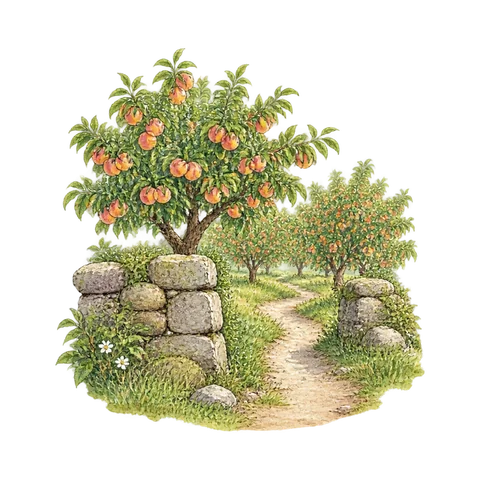
Seeing Off Cui Nine
Full public-domain text · The named poet is attested in the Tang dynasty, centuries before 1956; exact death year is not invented. 1763 is the dated printed anthology witness, not a claim of first appearance. The complete poem belongs to the older anthology tradition identified by the source.
Advanced
— Pei Di (Tang dynasty; exact death year uncertain), Three Hundred Tang Poems, five-character quatrains
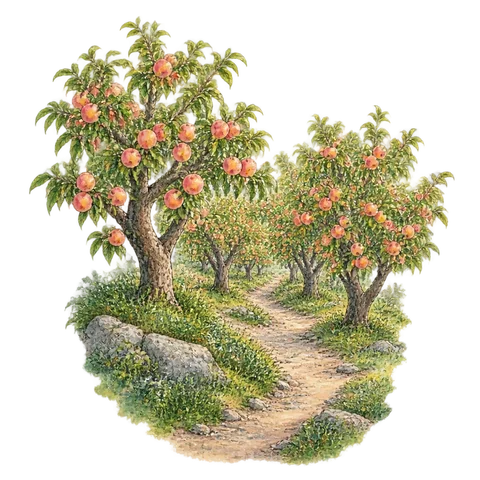
The advice refers to Tao Yuanming's famous story: its traveler leaves an idyllic hidden community. Pei Di urges his friend to commit to the mountain life; exact life dates remain uncertain.
 Source note
The Eight Formations
Full public-domain text · The author died in 770. 1763 is the dated printed anthology witness, not a claim of first appearance. The complete poem belongs to the older anthology tradition identified by the source.
Advanced
— Du Fu (Died 770), Three Hundred Tang Poems, five-character quatrains
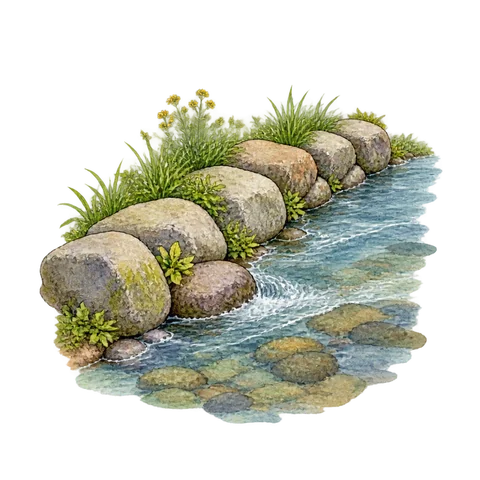
Du Fu reflects on Zhuge Liang and a stone formation traditionally associated with him. The last line recalls the disastrous attempt to conquer Wu; translating it needs historical context.
 Source note
Explore these words: Numbers (flashcards) · Directions & position (flashcards) · Nature & landscape (flashcards)
Put these words into context with a story at your level.
Read Chinese storiesSong Poems About the Seasons
Sun, rain, summer lotus flowers and a winter guest make these Song poems vividly picturable. Lunar-calendar months need not match modern calendar months.

West Lake in Sun and Rain
Full public-domain text · The author died in 1101. 1884 is the dated printed anthology witness, not a claim of first appearance. The complete poem belongs to the older anthology tradition identified by the source.
Intermediate
— Su Shi (Died 1101), Qianjia Shi, seven-character quatrains
This is the complete second poem of a two-poem sequence. Xizi is the celebrated beauty Xi Shi; the comparison lets sunny and rainy views have equal value. The anthology's 若 variant is retained.
 Source note
Leaving Jingci Temple at Dawn
Full public-domain text · The author died in 1206. 1884 is the dated printed anthology witness, not a claim of first appearance. The complete poem belongs to the older anthology tradition identified by the source.
Intermediate
— Yang Wanli (Died 1206), Qianjia Shi, seven-character quatrains
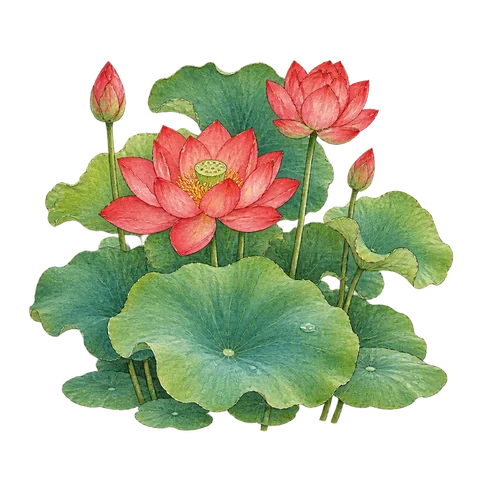
This is the complete second poem of a farewell sequence addressed to Lin Zifang. The sixth month belongs to the traditional lunar calendar, so it is not an exact label for modern June.
 Source note
Mid-Autumn Moon
Full public-domain text · The author died in 1101. 1884 is the dated printed anthology witness, not a claim of first appearance. The complete poem belongs to the older anthology tradition identified by the source.
Intermediate
— Su Shi (Died 1101), Qianjia Shi, seven-character quatrains
A clear festival moon becomes a question about future reunions. The jade disk is the full moon, not an object carried by a person.
 Source note
A Guest on a Cold Night
Full public-domain text · The author died in 1225. 1884 is the dated printed anthology witness, not a claim of first appearance. The complete poem belongs to the older anthology tradition identified by the source.
Intermediate
— Du Lei (Died 1225), Qianjia Shi, seven-character quatrains
湯 means hot water here, not soup. Tea, warmth and one flowering branch transform an ordinary visit. This is a Song poem by Du Lei, not Du Fu.
 Source note
Explore these words: Time & dates (flashcards) · Nature & landscape (flashcards) · Drinks (flashcards)
Put these words into context with a story at your level.
Read Chinese storiesChinese poems: frequently asked questions
Which Chinese poems are easiest for beginners?
Quiet Night Thoughts, Spring Dawn and Climbing Stork Tower are good starting points. Each has four lines of five characters and concrete images, though a teacher or the notes can help with classical grammar.
Why do these poems use pinyin?
Pinyin gives a modern Mandarin reading with tones. It helps pronunciation, but it does not reconstruct Tang or Song speech, and historical rhyme may sound different in Mandarin today.
What is the difference between Tang and Song poetry?
Both periods produced many forms of poetry. This page focuses on short shi poems: sixteen Tang quatrains and four Song quatrains. Song poetry is not limited to the song-lyric form called ci.
Do Chinese poems have to rhyme in English?
No. These original translations prioritize images and meaning. Forcing an English rhyme can add ideas or remove details that are present in the Chinese.
Are these complete poems?
Yes. Every entry is a complete individual quatrain. Two Song entries are individual poems within longer sequences; their notes identify that distinction.
Can children read these Chinese poems?
The opening group uses short lines and familiar images often encountered in early reading. Short does not always mean simple: historical allusions in The Eight Formations need extra explanation.
Why might another book use different characters?
Classical poems survive in multiple editions, and later anthologies sometimes choose different wording. Important variants and competing attributions are noted; this page does not pretend every version is identical.
Are the poems public domain?
The full poems come from authors who lived centuries ago and anthologies printed before 1930. Each entry names its publication witness, while uncertain medieval death years are left explicitly uncertain.
Make these words part of your day
Explore Chinese stories, listen along, and save vocabulary as you go.
Find a story at your levelSources and verification
English translations and examples were written for this guide. Source notes distinguish documented expressions, original practice sentences, and literary quotations. Literary excerpts retain the language of their original period.
- Three Hundred Tang Poems: anthology and dated 1763 preface — The dated Qing anthology identifies the selected Tang quatrains. Original works are much older; 1763 is a documented anthology publication, not the date of composition.
- Bibliographic record: Wulin Sanyutang edition, 1763 — Publisher and year corroborate the dated anthology witness.
- NII/CiNii Books: Qianjia Shi commentary, printed 1884 edition — Primary library catalogue identifies an 1884 printed seven-character Qianjia Shi edition held by Nara Prefectural Library. The linked transcription supplies the complete selected Song poems.
- Li Bai: Quiet Night Thoughts — primary poem text — Full original text, attribution and recorded variants were checked. Display uses simplified characters and modern punctuation; English translation is original.
- Meng Haoran: Spring Dawn — primary poem text — Full original text, attribution and recorded variants were checked. Display uses simplified characters and modern punctuation; English translation is original.
- Wang Zhihuan: Climbing Stork Tower — primary poem text — Full original text, attribution and recorded variants were checked. Display uses simplified characters and modern punctuation; English translation is original.
- Jia Dao: Seeking a Hermit Who Is Away — primary poem text — Full original text, attribution and recorded variants were checked. Display uses simplified characters and modern punctuation; English translation is original.
- Wang Wei: Longing — primary poem text — Full original text, attribution and recorded variants were checked. Display uses simplified characters and modern punctuation; English translation is original.
- Wang Wei: A Question About Home — primary poem text — Full original text, attribution and recorded variants were checked. Display uses simplified characters and modern punctuation; English translation is original.
- Liu Zongyuan: Snow on the River — primary poem text — Full original text, attribution and recorded variants were checked. Display uses simplified characters and modern punctuation; English translation is original.
- Wang Wei: Bamboo Lodge — primary poem text — Full original text, attribution and recorded variants were checked. Display uses simplified characters and modern punctuation; English translation is original.
- Wang Wei: Deer Enclosure — primary poem text — Full original text, attribution and recorded variants were checked. Display uses simplified characters and modern punctuation; English translation is original.
- Meng Haoran: Mooring on the Jiande River — primary poem text — Full original text, attribution and recorded variants were checked. Display uses simplified characters and modern punctuation; English translation is original.
- Li Shangyin: On Leyou Plain — primary poem text — Full original text, attribution and recorded variants were checked. Display uses simplified characters and modern punctuation; English translation is original.
- Jin Changxu: A Spring Complaint — primary poem text — Full original text, attribution and recorded variants were checked. Display uses simplified characters and modern punctuation; English translation is original.
- Bai Juyi: An Invitation to Liu Nineteen — primary poem text — Full original text, attribution and recorded variants were checked. Display uses simplified characters and modern punctuation; English translation is original.
- Liu Changqing: Seeing Off the Monk Lingche — primary poem text — Full original text, attribution and recorded variants were checked. Display uses simplified characters and modern punctuation; English translation is original.
- Pei Di: Seeing Off Cui Nine — primary poem text — Full original text, attribution and recorded variants were checked. Display uses simplified characters and modern punctuation; English translation is original.
- Du Fu: The Eight Formations — primary poem text — Full original text, attribution and recorded variants were checked. Display uses simplified characters and modern punctuation; English translation is original.
- Su Shi: West Lake in Sun and Rain — primary poem text — Full original text, attribution and recorded variants were checked. Display uses simplified characters and modern punctuation; English translation is original.
- Yang Wanli: Leaving Jingci Temple at Dawn — primary poem text — Full original text, attribution and recorded variants were checked. Display uses simplified characters and modern punctuation; English translation is original.
- Su Shi: Mid-Autumn Moon — primary poem text — Full original text, attribution and recorded variants were checked. Display uses simplified characters and modern punctuation; English translation is original.
- Du Lei: A Guest on a Cold Night — primary poem text — Full original text, attribution and recorded variants were checked. Display uses simplified characters and modern punctuation; English translation is original.
Source notes for all 20 entries
- Quiet Night Thoughts: Complete individual poem in the linked anthology tradition; any sequence membership and important variant are stated in the context note. Simplified-character presentation does not modernize the classical wording. [text-quiet-night] [tang-1763]
- Spring Dawn: Complete individual poem in the linked anthology tradition; any sequence membership and important variant are stated in the context note. Simplified-character presentation does not modernize the classical wording. [text-spring-dawn] [tang-1763]
- Climbing Stork Tower: Complete individual poem in the linked anthology tradition; any sequence membership and important variant are stated in the context note. Simplified-character presentation does not modernize the classical wording. [text-stork-tower] [tang-1763]
- Seeking a Hermit Who Is Away: Complete individual poem in the linked anthology tradition; any sequence membership and important variant are stated in the context note. Simplified-character presentation does not modernize the classical wording. [text-hermit] [tang-1763]
- Longing: Complete individual poem in the linked anthology tradition; any sequence membership and important variant are stated in the context note. Simplified-character presentation does not modernize the classical wording. [text-red-beans] [tang-1763]
- A Question About Home: Complete individual poem in the linked anthology tradition; any sequence membership and important variant are stated in the context note. Simplified-character presentation does not modernize the classical wording. [text-plum-at-home] [tang-1763]
- Snow on the River: Complete individual poem in the linked anthology tradition; any sequence membership and important variant are stated in the context note. Simplified-character presentation does not modernize the classical wording. [text-snow-river] [tang-1763]
- Bamboo Lodge: Complete individual poem in the linked anthology tradition; any sequence membership and important variant are stated in the context note. Simplified-character presentation does not modernize the classical wording. [text-bamboo] [tang-1763]
- Deer Enclosure: Complete individual poem in the linked anthology tradition; any sequence membership and important variant are stated in the context note. Simplified-character presentation does not modernize the classical wording. [text-deer-enclosure] [tang-1763]
- Mooring on the Jiande River: Complete individual poem in the linked anthology tradition; any sequence membership and important variant are stated in the context note. Simplified-character presentation does not modernize the classical wording. [text-jiande] [tang-1763]
- On Leyou Plain: Complete individual poem in the linked anthology tradition; any sequence membership and important variant are stated in the context note. Simplified-character presentation does not modernize the classical wording. [text-sunset] [tang-1763]
- A Spring Complaint: Complete individual poem in the linked anthology tradition; any sequence membership and important variant are stated in the context note. Simplified-character presentation does not modernize the classical wording. [text-spring-dream] [tang-1763]
- An Invitation to Liu Nineteen: Complete individual poem in the linked anthology tradition; any sequence membership and important variant are stated in the context note. Simplified-character presentation does not modernize the classical wording. [text-invitation] [tang-1763]
- Seeing Off the Monk Lingche: Complete individual poem in the linked anthology tradition; any sequence membership and important variant are stated in the context note. Simplified-character presentation does not modernize the classical wording. [text-farewell-monk] [tang-1763]
- Seeing Off Cui Nine: Complete individual poem in the linked anthology tradition; any sequence membership and important variant are stated in the context note. Simplified-character presentation does not modernize the classical wording. [text-cui-nine] [tang-1763]
- The Eight Formations: Complete individual poem in the linked anthology tradition; any sequence membership and important variant are stated in the context note. Simplified-character presentation does not modernize the classical wording. [text-eight-formations] [tang-1763]
- West Lake in Sun and Rain: Complete individual poem in the linked anthology tradition; any sequence membership and important variant are stated in the context note. Simplified-character presentation does not modernize the classical wording. [text-west-lake] [qianjia-1884]
- Leaving Jingci Temple at Dawn: Complete individual poem in the linked anthology tradition; any sequence membership and important variant are stated in the context note. Simplified-character presentation does not modernize the classical wording. [text-lotus-june] [qianjia-1884]
- Mid-Autumn Moon: Complete individual poem in the linked anthology tradition; any sequence membership and important variant are stated in the context note. Simplified-character presentation does not modernize the classical wording. [text-mid-autumn] [qianjia-1884]
- A Guest on a Cold Night: Complete individual poem in the linked anthology tradition; any sequence membership and important variant are stated in the context note. Simplified-character presentation does not modernize the classical wording. [text-cold-night] [qianjia-1884]