
THE INKLINGO LANGUAGE GUIDES
90 Japanese Idioms & Proverbs (Meanings + Audio)
Learn 60 Japanese idiomatic expressions, 20 four-character yojijukugo and 10 kotowaza. Each entry includes furigana, Hepburn romanization, a literal image and an original example, so you can connect the words to a real situation.

Essential 20
- 猫の手も借りたいBe so busy that any help would be welcome.
- 顔が広いKnow many people and have useful connections.
- 口が軽いReveal secrets too readily.
- 口が堅いKeep confidential information to yourself.
- 頭が下がるFeel deep respect or admiration for someone.
- 耳が痛いFind a criticism painful because it is true.
- 目から鱗が落ちるSuddenly understand or see something in a new way.
- 腹が立つFeel angry or irritated.
- 肩の荷が下りるFeel relieved after a responsibility or worry ends.
- 手が離せないBe occupied with something that cannot be interrupted.
- 気が合うGet along naturally with someone.
- 気が散るLose concentration.
- 首を長くして待つWait eagerly for something.
- 喉から手が出るWant something intensely.
- 足を引っ張るHold someone back or undermine their efforts.
- 水に流すForgive a past disagreement and stop bringing it up.
- 大目に見るOverlook a small fault or treat it leniently.
- 猫をかぶるHide one's real nature behind a quiet or innocent manner.
- 花より団子Prefer practical enjoyment or benefit to appearance.
- 高嶺の花Something or someone admired but considered out of reach.
20 essential Japanese idioms
Start with these expressions. Learn the situation and register alongside the literal image.
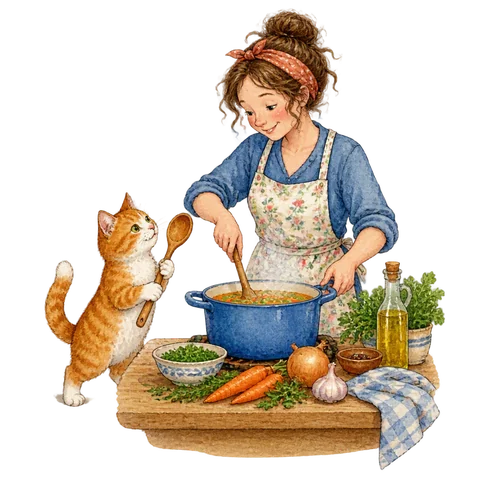
の手も借りたい
neko no te mo karitai
Be so busy that any help would be welcome.
Literally: Want to borrow even a cat's paws.
Closest English expression: Be rushed off your feet.
Conversational; describes extreme busyness. · Standard Japanese.
In a sentence
Source noteが広い
kao ga hiroi
Know many people and have useful connections.
Literally: Have a wide face.
Closest English expression: Be well connected.
Usually positive; not about face shape. · Standard Japanese.
In a sentence
 Source note
が軽い
kuchi ga karui
Reveal secrets too readily.
Literally: Have a light mouth.
Closest English expression: Be loose-lipped.
Critical; do not confuse it with being talkative in every context. · Standard Japanese.
In a sentence
 Source note
が堅い
kuchi ga katai
Keep confidential information to yourself.
Literally: Have a firm mouth.
Closest English expression: Be discreet.
Complimentary. · Standard Japanese.
In a sentence
 Source note
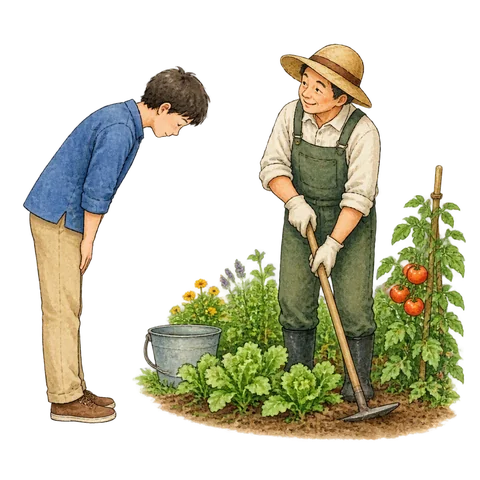
が下がる
atama ga sagaru
Feel deep respect or admiration for someone.
Literally: One's head lowers.
Closest English expression: Take your hat off to someone.
Respectful; expresses the speaker's admiration. · Standard Japanese.
In a sentence
 Source note
が痛い
mimi ga itai
Find a criticism painful because it is true.
Literally: The ears hurt.
Closest English expression: Hit close to home.
Usually self-reflective; can also be literal. · Standard Japanese.
In a sentence
 Source note
から鱗が落ちる
me kara uroko ga ochiru
Suddenly understand or see something in a new way.
Literally: Scales fall from the eyes.
Closest English expression: An eye-opening realization.
Positive; often shortened to 目から鱗. · Standard Japanese.
In a sentence
 Source note
が立つ
hara ga tatsu
Feel angry or irritated.
Literally: The belly stands up.
Closest English expression: Get annoyed.
Common; relatively direct about anger. · Standard Japanese.
In a sentence
 Source note
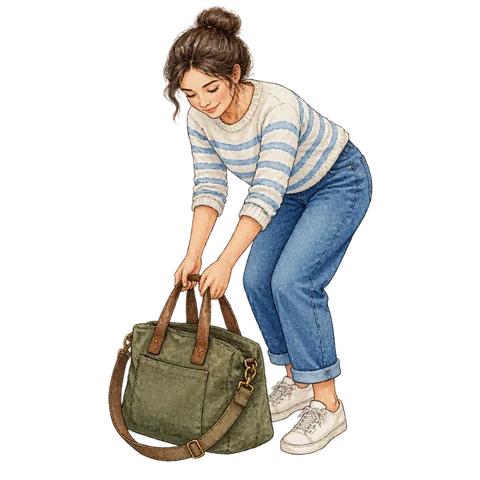
のが下りる
kata no ni ga oriru
Feel relieved after a responsibility or worry ends.
Literally: A load comes off the shoulders.
Closest English expression: A weight off your shoulders.
Positive relief. · Standard Japanese.
In a sentence
 Source note
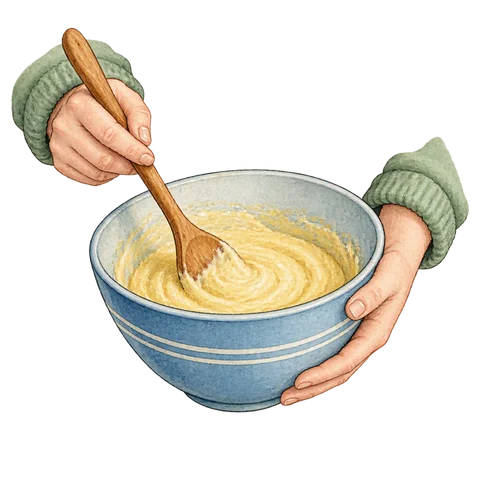
が離せない
te ga hanasenai
Be occupied with something that cannot be interrupted.
Literally: Cannot let go with one's hands.
Closest English expression: Have your hands full.
Useful when politely explaining a delay. · Standard Japanese.
In a sentence
 Source note
気が合う
ki ga au
Get along naturally with someone.
Literally: One's spirits fit together.
Closest English expression: Be on the same wavelength.
Positive; friendship rather than necessarily romance. · Standard Japanese.
In a sentence
 Source note
気が散る
ki ga chiru
Lose concentration.
Literally: One's attention scatters.
Closest English expression: Get distracted.
Neutral; work and study. · Standard Japanese.
In a sentence
 Source note
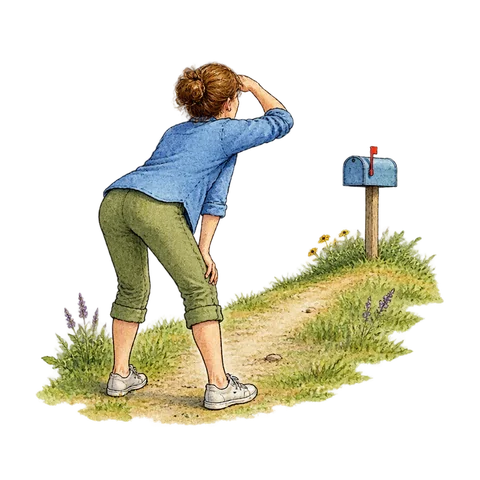
首を長く待つ
kubi o nagaku shite matsu
Wait eagerly for something.
Literally: Wait with a stretched neck.
Closest English expression: Look forward eagerly.
Warm, expectant. · Standard Japanese.
In a sentence
 Source note
喉からが出る
nodo kara te ga deru
Want something intensely.
Literally: A hand comes out of the throat.
Closest English expression: Be desperate to get something.
Vivid; often followed by ほど, to the extent that. · Standard Japanese.
In a sentence
 Source note
足を引っ張る
ashi o hipparu
Hold someone back or undermine their efforts.
Literally: Pull someone's leg.
Closest English expression: Drag someone down.
Negative; unlike English pull your leg, it does not mean joke. · Standard Japanese.
In a sentence
 Source note
に流す
mizu ni nagasu
Forgive a past disagreement and stop bringing it up.
Literally: Let it flow into the water.
Closest English expression: Let bygones be bygones.
Reconciliation; should not dismiss serious harm. · Standard Japanese.
In a sentence
 Source note
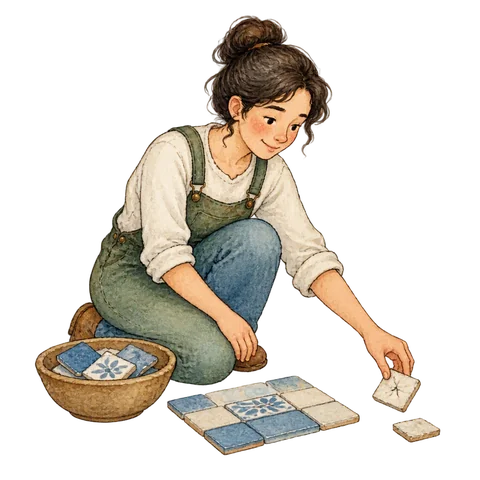
大に見る
ōme ni miru
Overlook a small fault or treat it leniently.
Literally: Look with a broad allowance.
Closest English expression: Let it slide.
Can ask for indulgence; not the same as approve. · Standard Japanese.
In a sentence
 Source note
をかぶる
neko o kaburu
Hide one's real nature behind a quiet or innocent manner.
Literally: Wear a cat.
Closest English expression: Put on an innocent act.
Critical or teasing. · Standard Japanese.
In a sentence
 Source note
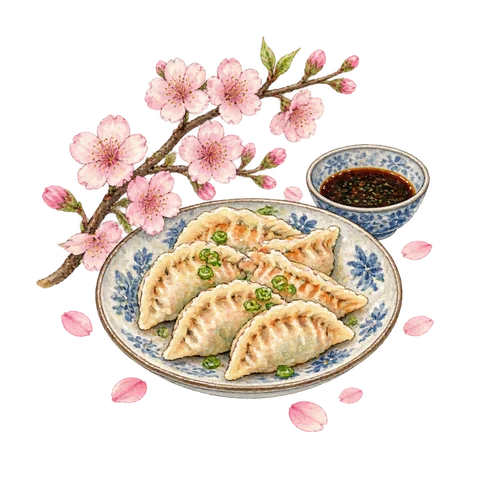
より団子
hana yori dango
Prefer practical enjoyment or benefit to appearance.
Literally: Dumplings rather than flowers.
Closest English expression: Substance over show.
Playful; especially natural around flower viewing and food. · Standard Japanese.
In a sentence
 Source note
高嶺の
takane no hana
Something or someone admired but considered out of reach.
Literally: A flower on a high peak.
Closest English expression: Out of one's league.
Can concern romance, luxury goods or ambitions. · Standard Japanese.
In a sentence
 Source note
Explore these words: Body parts (flashcards) · Transport (flashcards) · Animals (flashcards)
Put these words into context with a story at your level.
Read Japanese storiesJapanese body idioms
Eyes, ears and hands form memorable pictures; their figurative meanings must be learned as units.

を抱える
atama o kakaeru
Be troubled by a difficult problem.
Literally: Hold one's head.
Closest English expression: Be at one's wits' end.
Descriptive. · Standard Japanese.
In a sentence
が上がらない
atama ga agaranai
Feel unable to oppose someone because of obligation or unequal standing.
Literally: Cannot raise one's head.
Closest English expression: Be beholden to someone.
Context-sensitive; not simply respectful admiration. · Standard Japanese.
In a sentence
が高い
me ga takai
Have discerning taste and recognize quality.
Literally: Have high eyes.
Closest English expression: Have a good eye.
Complimentary. · Standard Japanese.
In a sentence
がない
me ga nai
Be unable to resist something you like.
Literally: Have no eyes.
Closest English expression: Have a weakness for something.
Use with に; other senses depend on context. · Standard Japanese.
In a sentence
を丸くする
me o maruku suru
Open your eyes wide in surprise.
Literally: Make the eyes round.
Closest English expression: Be wide-eyed with surprise.
Neutral. · Standard Japanese.
In a sentence
を貸す
mimi o kasu
Listen to another person's words or advice.
Literally: Lend an ear.
Closest English expression: Lend an ear.
Neutral; often negated for refusing to listen. · Standard Japanese.
In a sentence
耳にたこができる
mimi ni tako ga dekiru
Hear the same thing so often that you are tired of it.
Literally: Develop calluses on the ears.
Closest English expression: Hear it a thousand times.
Informal and potentially impatient. · Standard Japanese.
In a sentence
が高い
hana ga takai
Feel proud of an achievement or someone close to you.
Literally: Have a high nose.
Closest English expression: Be proud.
Can imply vanity, but often warm pride. · Standard Japanese.
In a sentence
にかける
hana ni kakeru
Make a show of an achievement or advantage.
Literally: Hang it on the nose.
Closest English expression: Show off.
Critical; more negative than 鼻が高い. · Standard Japanese.
In a sentence
を出す
kuchi o dasu
Interfere by offering unsolicited comments.
Literally: Put one's mouth out.
Closest English expression: Butt in.
Often negative; can simply mean have a say. · Standard Japanese.
In a sentence
Explore these words: Body parts (flashcards) · Greetings & polite phrases · Age & life stages (flashcards)
Put these words into context with a story at your level.
Read Japanese storiesJapanese idioms for work and effort
Use these expressions to discuss workload, care and practical effort.

を貸す
te o kasu
Help someone with a task.
Literally: Lend a hand.
Closest English expression: Lend a hand.
Neutral and common. · Standard Japanese.
In a sentence
を抜く
te o nuku
Put less effort or care into a task than it needs.
Literally: Pull out the hand.
Closest English expression: Cut corners.
Usually critical. · Standard Japanese.
In a sentence
手に負えない
te ni oenai
Be too difficult to manage.
Literally: Cannot bear it in one's hands.
Closest English expression: Be beyond one's control.
Descriptive. · Standard Japanese.
In a sentence
が回らない
te ga mawaranai
Lack the time or capacity to attend to everything.
Literally: The hands cannot reach around.
Closest English expression: Not get around to it.
Workload context. · Standard Japanese.
In a sentence
腰が重い
koshi ga omoi
Be slow or reluctant to take action.
Literally: Have a heavy waist.
Closest English expression: Be slow to get moving.
Often mildly critical. · Standard Japanese.
In a sentence
腰を据える
koshi o sueru
Commit to a task calmly and for the necessary time.
Literally: Settle one's waist in place.
Closest English expression: Settle down to work.
Positive. · Standard Japanese.
In a sentence
を折る
hone o oru
Make a considerable effort for a task or person.
Literally: Break one's bones.
Closest English expression: Go to great lengths.
Appreciative or descriptive; not literal injury. · Standard Japanese.
In a sentence
を流す
ase o nagasu
Work or exercise hard.
Literally: Let sweat flow.
Closest English expression: Work up a sweat.
Positive; literal and figurative senses overlap. · Standard Japanese.
In a sentence
油を売る
abura o uru
Waste time chatting instead of working.
Literally: Sell oil.
Closest English expression: Dawdle.
Critical or teasing. · Standard Japanese.
In a sentence
See it in a story: 小豆島の醤油蔵に残った最後の木桶 (B1)
Source note道を食う
michikusa o kuu
Stop or wander off on the way somewhere.
Literally: Eat grass along the road.
Closest English expression: Dawdle on the way.
Conversational. · Standard Japanese.
In a sentence
Explore these words: Body parts (flashcards) · Days & months · Sports & fitness (flashcards)
Put these words into context with a story at your level.
Read Japanese storiesJapanese idioms for feelings
Emotion often becomes a physical image. Match the strength of the expression to the situation.

をなで下ろす
mune o nadeorosu
Feel relieved after a worry is resolved.
Literally: Stroke the chest downward.
Closest English expression: Breathe a sigh of relief.
Common. · Standard Japanese.
In a sentence
胸が躍る
mune ga odoru
Feel excited with anticipation.
Literally: The chest dances.
Closest English expression: One's heart leaps.
Positive. · Standard Japanese.
In a sentence
がに
mune ga ippai ni naru
Be overwhelmed with emotion.
Literally: The chest becomes full.
Closest English expression: Be deeply moved.
Can be joy, gratitude or sadness. · Standard Japanese.
In a sentence
肝を冷やす
kimo o hiyasu
Experience a sudden fright.
Literally: Chill the liver.
Closest English expression: Have a heart-stopping moment.
Strong but common. · Standard Japanese.
In a sentence
血の気が引く
chi no ke ga hiku
Turn pale from fear or shock.
Literally: The blood drains away.
Closest English expression: Go white with shock.
Strong emotion. · Standard Japanese.
In a sentence
が重い
ki ga omoi
Feel reluctant or worried about something ahead.
Literally: The spirit is heavy.
Closest English expression: Dread something.
Common. · Standard Japanese.
In a sentence
がに
ki ga raku ni naru
Feel less worried or pressured.
Literally: The spirit becomes at ease.
Closest English expression: Feel a weight lift.
Common. · Standard Japanese.
In a sentence
虫が好か
mushi ga sukanai
Dislike someone instinctively without a clear reason.
Literally: The inner insect does not like it.
Closest English expression: Take an instinctive dislike.
Blunt and negative. · Standard Japanese.
In a sentence
図に乗る
zu ni noru
Grow overconfident after success or praise.
Literally: Ride the favorable pattern.
Closest English expression: Get carried away.
Critical. · Standard Japanese.
In a sentence
気を落とす
ki o otosu
Become discouraged.
Literally: Drop one's spirits.
Closest English expression: Lose heart.
Often in reassurance. · Standard Japanese.
In a sentence
Explore these words: Body parts (flashcards) · Emergencies & safety · Meals & restaurants (flashcards)
Put these words into context with a story at your level.
Read Japanese storiesJapanese idioms about people and relationships
These expressions describe friendship, cooperation and social friction.

が合う
uma ga au
Feel compatible and get along smoothly.
Literally: The horses match.
Closest English expression: Hit it off.
Conversational. · Standard Japanese.
In a sentence
を割る
hara o waru
Speak frankly about one's true thoughts.
Literally: Split open the belly.
Closest English expression: Have a heart-to-heart.
Informal metaphor; frank discussion. · Standard Japanese.
In a sentence
を立てる
kao o tateru
Act in a way that preserves someone's dignity or standing.
Literally: Make someone's face stand.
Closest English expression: Help someone save face.
Relationship-sensitive. · Standard Japanese.
In a sentence
にを塗る
kao ni doro o nuru
Damage someone's reputation or bring them shame.
Literally: Smear mud on someone's face.
Closest English expression: Disgrace someone.
Strongly critical. · Standard Japanese.
In a sentence
の他人
aka no tanin
Someone completely unrelated and unknown to you.
Literally: A red stranger.
Closest English expression: A complete stranger.
Red intensifies the expression; not about ethnicity. · Standard Japanese.
In a sentence
持ちつ持たれつ
mochitsu motaretsu
Help each other through a reciprocal relationship.
Literally: Supporting and being supported.
Closest English expression: Give and take.
Positive. · Standard Japanese.
In a sentence
判を押す
taikoban o osu
Give a confident endorsement.
Literally: Stamp a drum-sized seal.
Closest English expression: Give a stamp of approval.
Positive; an assurance of quality. · Standard Japanese.
In a sentence
おを濁す
ocha o nigosu
Avoid a clear answer or manage with a superficial response.
Literally: Cloud the tea.
Closest English expression: Fudge the issue.
Critical. · Standard Japanese.
In a sentence
を刺す
kugi o sasu
Give a firm warning in advance to prevent a problem.
Literally: Drive in a nail.
Closest English expression: Make something clear beforehand.
Firm; can sound controlling. · Standard Japanese.
In a sentence
サバを読む
saba o yomu
Misrepresent a number, especially one's age, to one's advantage.
Literally: Count mackerel.
Closest English expression: Fudge the numbers.
Conversational; usually critical or teasing. · Standard Japanese.
In a sentence
Explore these words: Body parts (flashcards) · Family & relationships (flashcards) · Animals (flashcards)
Put these words into context with a story at your level.
Read Japanese storiesJapanese four-character idioms: yojijukugo
Four kanji can compress an entire image or idea. The readings here are the established readings of the complete expression.
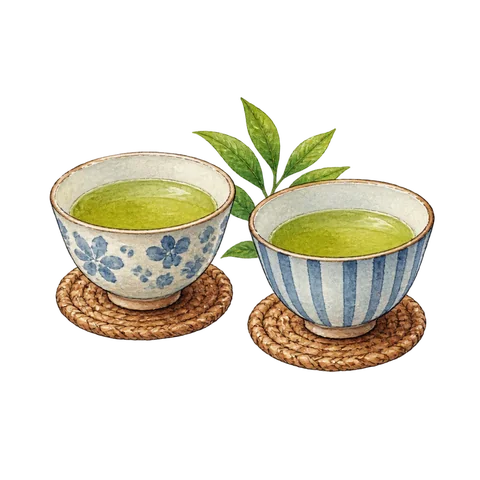
一期一
ichigo ichie
Value an encounter as something that will never recur in exactly the same way.
Literally: One lifetime, one meeting.
Closest English expression: A once-in-a-lifetime encounter.
Reflective; associated with tea ceremony. · Standard Japanese.
In a sentence
一石
isseki nichō
Gain two benefits from one action.
Literally: One stone, two birds.
Closest English expression: Kill two birds with one stone.
Common; positive efficiency. · Standard Japanese.
In a sentence
一生懸命
isshō kenmei
Work with great effort and commitment.
Literally: With one's whole life at stake.
Closest English expression: Do your very best.
Very common; an established four-kanji expression. · Standard Japanese.
In a sentence
See it in a story: 三十年間、同じ席に座り続けた男 (B1)
Source note以伝
ishin denshin
Understand each other without spelling everything out.
Literally: Transmit from heart to heart.
Closest English expression: Be on the same wavelength.
Positive; do not assume all Japanese communication works this way. · Standard Japanese.
In a sentence
自業自得
jigō jitoku
Suffer consequences caused by one's own behavior.
Literally: One's own actions, one's own result.
Closest English expression: You brought it on yourself.
Blunt and critical. · Standard Japanese.
In a sentence
試行錯誤
shikō sakugo
Improve a method by trying, noticing problems and trying again.
Literally: Trials and errors.
Closest English expression: Trial and error.
Neutral; learning and design. · Standard Japanese.
In a sentence
臨機応変
rinki ōhen
Adapt flexibly to the situation.
Literally: Respond to change as the occasion requires.
Closest English expression: Think on your feet.
Positive. · Standard Japanese.
In a sentence
十人十
jūnin toiro
People have different preferences and ways of thinking.
Literally: Ten people, ten colors.
Closest English expression: Different strokes for different folks.
Accepting; not a literal count. · Standard Japanese.
In a sentence
温故知新
onko chishin
Gain fresh insights from studying earlier knowledge.
Literally: Know the new by revisiting the old.
Closest English expression: Learn anew from the past.
Classical origin in the Analects. · Standard Japanese.
In a sentence
無我
muga muchū
Be completely absorbed in an activity.
Literally: Without self, within a dream.
Closest English expression: Lose yourself in something.
Neutral to positive. · Standard Japanese.
In a sentence
喜怒哀楽
kido airaku
The range of human emotions.
Literally: Joy, anger, sorrow and pleasure.
Closest English expression: Emotional ups and downs.
A collective noun; not an instruction to feel all four. · Standard Japanese.
In a sentence
起回生
kishi kaisei
Recover from a seemingly hopeless situation.
Literally: Rise from death and return to life.
Closest English expression: A dramatic comeback.
Emphatic; often sport or business. · Standard Japanese.
In a sentence
本末転倒
honmatsu tentō
Let secondary concerns displace the main purpose.
Literally: The root and the tip reverse places.
Closest English expression: Put the cart before the horse.
Critical. · Standard Japanese.
In a sentence
一長一短
itchō ittan
Have both advantages and disadvantages.
Literally: One long point and one short point.
Closest English expression: Pros and cons.
Neutral comparison. · Standard Japanese.
In a sentence
優柔不断
yūjū fudan
Hesitate too much to make a decision.
Literally: Soft and unable to decide.
Closest English expression: Indecisive.
Critical or self-deprecating. · Standard Japanese.
In a sentence
悪戦苦闘
akusen kutō
Struggle hard with a challenging task.
Literally: A difficult battle and a painful struggle.
Closest English expression: Have a hard battle.
Descriptive; not necessarily military. · Standard Japanese.
In a sentence
切磋琢磨
sessa takuma
Improve together through study and mutual encouragement or rivalry.
Literally: Cut, file, carve and polish.
Closest English expression: Sharpen one another's skills.
Positive; craft metaphor. · Standard Japanese.
In a sentence
大器晩成
taiki bansei
A person of great ability may develop later in life.
Literally: A great vessel is completed late.
Closest English expression: A late bloomer.
Encouraging; a traditional image, not a prediction. · Standard Japanese.
In a sentence
晴耕読
seikō udoku
Live a quiet life paced by nature, work and study.
Literally: Farm in sunshine and read in rain.
Closest English expression: A peaceful rural life.
Literary; often an ideal of retirement. · Standard Japanese.
In a sentence
電光石火
denkō sekka
Act with exceptional speed.
Literally: Lightning and sparks from flint.
Closest English expression: In a flash.
Emphatic. · Standard Japanese.
In a sentence
Explore these words: Emotions & feelings (flashcards) · Numbers (flashcards) · Weather (flashcards)
Put these words into context with a story at your level.
Read Japanese storiesJapanese proverbs and traditional sayings
These sayings make a general observation or offer advice. They are listed separately from the main idiom bank.

猿もから落ちる
saru mo ki kara ochiru
Even skilled people make mistakes.
Literally: Even monkeys fall from trees.
Closest English expression: Even Homer nods.
Reassuring or gently corrective. · Standard Japanese.
In a sentence
転び起き
nana korobi ya oki
Keep recovering and trying after setbacks.
Literally: Fall seven times, get up eight.
Closest English expression: Get back on your feet.
Encouraging; also written 七転八起. · Standard Japanese.
In a sentence
急がば回れ
isogaba maware
A safer, reliable route may be faster than a risky shortcut.
Literally: If in a hurry, go around.
Closest English expression: More haste, less speed.
Practical advice. · Standard Japanese.
In a sentence
石の上にも年
ishi no ue ni mo san nen
Patient perseverance can bring results.
Literally: Even on a stone, three years.
Closest English expression: Stick with it.
Traditional; three years is figurative, not a rule to endure harmful situations. · Standard Japanese.
In a sentence
塵も積もればと
chiri mo tsumoreba yama to naru
Small amounts add up over time.
Literally: Even dust becomes a mountain when it accumulates.
Closest English expression: Every little helps.
Can concern savings, effort or accumulating problems. · Standard Japanese.
In a sentence
兎を追う者は一兎をも得ず
ni to o ou mono wa itto o mo ezu
Trying to pursue competing goals can make both fail.
Literally: Who pursues two rabbits catches neither.
Closest English expression: Do not chase two hares.
A caution about divided effort, not a universal ban on multitasking. · Standard Japanese.
In a sentence
案ずるより産むが易
anzuru yori umu ga yasushi
A task may prove easier than the anxiety beforehand suggests.
Literally: Giving birth is easier than worrying about it.
Closest English expression: It may be easier than you fear.
Traditional childbirth metaphor; not medical advice. · Standard Japanese.
In a sentence
聞くは一時の恥、聞かぬは一生の恥
kiku wa ittoki no haji, kikanu wa isshō no haji
A brief embarrassment is worth gaining understanding.
Literally: Asking is a moment's shame; not asking is a lifetime's shame.
Closest English expression: Better to ask than remain ignorant.
Encourages questions; shame wording is traditional. · Standard Japanese.
In a sentence
降って地固まる
ame futte ji katamaru
A relationship or situation can become stronger after a dispute.
Literally: Rain falls and the ground becomes firm.
Closest English expression: Come out stronger after trouble.
Hopeful; not a claim that every conflict helps. · Standard Japanese.
In a sentence
聞は一見に如かず
hyakubun wa ikken ni shikazu
Seeing something directly can teach more than hearing about it.
Literally: A hundred reports do not equal one look.
Closest English expression: Seeing is believing.
Traditional; direct experience still needs judgment. · Standard Japanese.
In a sentence
Explore these words: Numbers (flashcards) · Time & dates (flashcards) · Emotions & feelings (flashcards)
Put these words into context with a story at your level.
Read Japanese storiesPractice Japanese idioms in context
- Choose one expression and picture its literal scene.
- Read the example, then identify the intended meaning and tone.
- Say a new sentence about a real situation.
- Return tomorrow and recall the expression from its meaning.
Japanese idioms: frequently asked questions
What is a Japanese idiom?
An idiom is an established expression whose intended meaning is not always predictable from its individual words. This guide also labels compact fixed expressions and puts general proverbs in a separate section.
Which Japanese idioms should I learn first?
Start with the 20 essential expressions, then choose a theme you often discuss. Learn each one with its example and register note rather than memorizing only the English equivalent.
Are the literal translations the actual meanings?
No. The literal line explains the image in the words. The meaning explains what a speaker communicates. An English equivalent is only an approximate comparison and may have a different tone.
Can I use these expressions in formal writing?
Some suit essays or presentations; others are conversational, blunt or playful. Follow the register note and avoid expressions that criticize a person when you need a neutral professional tone.
Are idioms and proverbs the same thing?
They overlap, but a proverb normally makes a general observation or gives advice. An idiom often fits inside a larger sentence. Traditional four-character expressions can function in more than one way.
How do I remember idioms without translating word by word?
Connect the image to a situation, read the original example aloud, then write a new example about your own life. Review the situation and retrieve the expression before looking at the English.
Are these invented expressions or attributed quotations?
The entries are established expressions checked against dictionary or published learning references. The practice sentences and English explanations are original. Proverbs are not assigned a famous author without evidence.
What is the difference between yojijukugo and kotowaza?
Yojijukugo are four-character compounds; kotowaza are proverbs. This guide labels four-character expressions separately and includes a dedicated proverb section. Not every four-kanji compound is figurative.
What are some memorable Japanese sayings?
Japanese has vivid expressions about borrowing a cat’s paw when overwhelmed, having a wide face when well connected, and even monkeys falling from trees when experts make mistakes. Their literal pictures help memory, but use the practical meaning and register notes to choose the right situation.
Make these words part of your day
Explore Japanese stories, listen along, and save vocabulary as you go.
Find a story at your levelSources and verification
English translations and examples were written for this guide. Source notes distinguish documented expressions, original practice sentences, and literary quotations. Literary excerpts retain the language of their original period.
- Kotobank dictionaries: 猫の手も借りたい — Dictionary reading and sense; the displayed spelling may use common kana or an inflected phrase. Original example and English explanation.
- Kotobank dictionaries: 顔が広い — Dictionary reading and sense; the displayed spelling may use common kana or an inflected phrase. Original example and English explanation.
- Kotobank dictionaries: 口が軽い — Dictionary reading and sense; the displayed spelling may use common kana or an inflected phrase. Original example and English explanation.
- Kotobank dictionaries: 口が堅い — Dictionary reading and sense; the displayed spelling may use common kana or an inflected phrase. Original example and English explanation.
- Kotobank dictionaries: 頭が下がる — Dictionary reading and sense; the displayed spelling may use common kana or an inflected phrase. Original example and English explanation.
- Kotobank dictionaries: 耳が痛い — Dictionary reading and sense; the displayed spelling may use common kana or an inflected phrase. Original example and English explanation.
- Kotobank dictionaries: 目から鱗が落ちる — Dictionary reading and sense; the displayed spelling may use common kana or an inflected phrase. Original example and English explanation.
- Kotobank dictionaries: 腹が立つ — Dictionary reading and sense; the displayed spelling may use common kana or an inflected phrase. Original example and English explanation.
- Kotobank dictionaries: 肩の荷が下りる — Dictionary reading and sense; the displayed spelling may use common kana or an inflected phrase. Original example and English explanation.
- Kotobank dictionaries: 手が離せない — Dictionary reading and sense; the displayed spelling may use common kana or an inflected phrase. Original example and English explanation.
- Kotobank dictionaries: 気が合う — Dictionary reading and sense; the displayed spelling may use common kana or an inflected phrase. Original example and English explanation.
- Kotobank dictionaries: 気が散る — Dictionary reading and sense; the displayed spelling may use common kana or an inflected phrase. Original example and English explanation.
- Kotobank dictionaries: 首を長くする — Dictionary reading and sense; the displayed spelling may use common kana or an inflected phrase. Original example and English explanation.
- Kotobank dictionaries: 喉から手が出る — Dictionary reading and sense; the displayed spelling may use common kana or an inflected phrase. Original example and English explanation.
- Kotobank dictionaries: 足を引っ張る — Dictionary reading and sense; the displayed spelling may use common kana or an inflected phrase. Original example and English explanation.
- Kotobank dictionaries: 水に流す — Dictionary reading and sense; the displayed spelling may use common kana or an inflected phrase. Original example and English explanation.
- Kotobank dictionaries: 大目に見る — Dictionary reading and sense; the displayed spelling may use common kana or an inflected phrase. Original example and English explanation.
- Kotobank dictionaries: 猫を被る — Dictionary reading and sense; the displayed spelling may use common kana or an inflected phrase. Original example and English explanation.
- Kotobank dictionaries: 花より団子 — Dictionary reading and sense; the displayed spelling may use common kana or an inflected phrase. Original example and English explanation.
- Kotobank dictionaries: 高嶺の花 — Dictionary reading and sense; the displayed spelling may use common kana or an inflected phrase. Original example and English explanation.
- Kotobank dictionaries: 頭を抱える — Dictionary reading and sense; the displayed spelling may use common kana or an inflected phrase. Original example and English explanation.
- Kotobank dictionaries: 頭が上がらない — Dictionary reading and sense; the displayed spelling may use common kana or an inflected phrase. Original example and English explanation.
- Kotobank dictionaries: 目が高い — Dictionary reading and sense; the displayed spelling may use common kana or an inflected phrase. Original example and English explanation.
- Kotobank dictionaries: 目が無い — Dictionary reading and sense; the displayed spelling may use common kana or an inflected phrase. Original example and English explanation.
- Kotobank dictionaries: 目を丸くする — Dictionary reading and sense; the displayed spelling may use common kana or an inflected phrase. Original example and English explanation.
- Kotobank dictionaries: 耳を貸す — Dictionary reading and sense; the displayed spelling may use common kana or an inflected phrase. Original example and English explanation.
- Kotobank dictionaries: 耳に胼胝ができる — Dictionary reading and sense; the displayed spelling may use common kana or an inflected phrase. Original example and English explanation.
- Kotobank dictionaries: 鼻が高い — Dictionary reading and sense; the displayed spelling may use common kana or an inflected phrase. Original example and English explanation.
- Kotobank dictionaries: 鼻に掛ける — Dictionary reading and sense; the displayed spelling may use common kana or an inflected phrase. Original example and English explanation.
- Kotobank dictionaries: 口を出す — Dictionary reading and sense; the displayed spelling may use common kana or an inflected phrase. Original example and English explanation.
- Kotobank dictionaries: 手を貸す — Dictionary reading and sense; the displayed spelling may use common kana or an inflected phrase. Original example and English explanation.
- Kotobank dictionaries: 手を抜く — Dictionary reading and sense; the displayed spelling may use common kana or an inflected phrase. Original example and English explanation.
- Kotobank dictionaries: 手に負えない — Dictionary reading and sense; the displayed spelling may use common kana or an inflected phrase. Original example and English explanation.
- Kotobank dictionaries: 手が回る — Dictionary reading and sense; the displayed spelling may use common kana or an inflected phrase. Original example and English explanation.
- Kotobank dictionaries: 腰が重い — Dictionary reading and sense; the displayed spelling may use common kana or an inflected phrase. Original example and English explanation.
- Kotobank dictionaries: 腰を据える — Dictionary reading and sense; the displayed spelling may use common kana or an inflected phrase. Original example and English explanation.
- Kotobank dictionaries: 骨を折る — Dictionary reading and sense; the displayed spelling may use common kana or an inflected phrase. Original example and English explanation.
- Kotobank dictionaries: 汗を流す — Dictionary reading and sense; the displayed spelling may use common kana or an inflected phrase. Original example and English explanation.
- Kotobank dictionaries: 油を売る — Dictionary reading and sense; the displayed spelling may use common kana or an inflected phrase. Original example and English explanation.
- Kotobank dictionaries: 道草を食う — Dictionary reading and sense; the displayed spelling may use common kana or an inflected phrase. Original example and English explanation.
- Kotobank dictionaries: 胸を撫で下ろす — Dictionary reading and sense; the displayed spelling may use common kana or an inflected phrase. Original example and English explanation.
- Kotobank dictionaries: 胸が躍る — Dictionary reading and sense; the displayed spelling may use common kana or an inflected phrase. Original example and English explanation.
- Kotobank dictionaries: 胸が一杯になる — Dictionary reading and sense; the displayed spelling may use common kana or an inflected phrase. Original example and English explanation.
- Kotobank dictionaries: 肝を冷やす — Dictionary reading and sense; the displayed spelling may use common kana or an inflected phrase. Original example and English explanation.
- Kotobank dictionaries: 血の気が引く — Dictionary reading and sense; the displayed spelling may use common kana or an inflected phrase. Original example and English explanation.
- Kotobank dictionaries: 気が重い — Dictionary reading and sense; the displayed spelling may use common kana or an inflected phrase. Original example and English explanation.
- Kotobank dictionaries: 気 — The dictionary sense of mental state includes 気が楽だ, feel at ease. This entry teaches its become-at-ease construction.
- Kotobank dictionaries: 虫が好かない — Dictionary reading and sense; the displayed spelling may use common kana or an inflected phrase. Original example and English explanation.
- Kotobank dictionaries: 図に乗る — Dictionary reading and sense; the displayed spelling may use common kana or an inflected phrase. Original example and English explanation.
- Kotobank dictionaries: 気を落とす — Dictionary reading and sense; the displayed spelling may use common kana or an inflected phrase. Original example and English explanation.
- Kotobank dictionaries: 馬が合う — Dictionary reading and sense; the displayed spelling may use common kana or an inflected phrase. Original example and English explanation.
- Kotobank dictionaries: 腹を割る — Dictionary reading and sense; the displayed spelling may use common kana or an inflected phrase. Original example and English explanation.
- Kotobank dictionaries: 顔を立てる — Dictionary reading and sense; the displayed spelling may use common kana or an inflected phrase. Original example and English explanation.
- Kotobank dictionaries: 顔に泥を塗る — Dictionary reading and sense; the displayed spelling may use common kana or an inflected phrase. Original example and English explanation.
- Kotobank dictionaries: 赤の他人 — Dictionary reading and sense; the displayed spelling may use common kana or an inflected phrase. Original example and English explanation.
- Kotobank dictionaries: 持ちつ持たれつ — Dictionary reading and sense; the displayed spelling may use common kana or an inflected phrase. Original example and English explanation.
- Kotobank dictionaries: 太鼓判 — Dictionary reading and sense; the displayed spelling may use common kana or an inflected phrase. Original example and English explanation.
- Kotobank dictionaries: 茶を濁す — Dictionary reading and sense; the displayed spelling may use common kana or an inflected phrase. Original example and English explanation.
- Kotobank dictionaries: 釘を刺す — Dictionary reading and sense; the displayed spelling may use common kana or an inflected phrase. Original example and English explanation.
- Kotobank dictionaries: 鯖を読む — Dictionary reading and sense; the displayed spelling may use common kana or an inflected phrase. Original example and English explanation.
- Kotobank dictionaries: 一期一会 — Dictionary reading and sense; the displayed spelling may use common kana or an inflected phrase. Original example and English explanation.
- Kotobank dictionaries: 一石二鳥 — Dictionary reading and sense; the displayed spelling may use common kana or an inflected phrase. Original example and English explanation.
- Kotobank dictionaries: 一生懸命 — Dictionary reading and sense; the displayed spelling may use common kana or an inflected phrase. Original example and English explanation.
- Kotobank dictionaries: 以心伝心 — Dictionary reading and sense; the displayed spelling may use common kana or an inflected phrase. Original example and English explanation.
- Kotobank dictionaries: 自業自得 — Dictionary reading and sense; the displayed spelling may use common kana or an inflected phrase. Original example and English explanation.
- Kotobank dictionaries: 試行錯誤 — Dictionary reading and sense; the displayed spelling may use common kana or an inflected phrase. Original example and English explanation.
- Kotobank dictionaries: 臨機応変 — Dictionary reading and sense; the displayed spelling may use common kana or an inflected phrase. Original example and English explanation.
- Kotobank dictionaries: 十人十色 — Dictionary reading and sense; the displayed spelling may use common kana or an inflected phrase. Original example and English explanation.
- Kotobank dictionaries: 温故知新 — Dictionary reading and sense; the displayed spelling may use common kana or an inflected phrase. Original example and English explanation.
- Kotobank dictionaries: 無我夢中 — Dictionary reading and sense; the displayed spelling may use common kana or an inflected phrase. Original example and English explanation.
- Kotobank dictionaries: 喜怒哀楽 — Dictionary reading and sense; the displayed spelling may use common kana or an inflected phrase. Original example and English explanation.
- Kotobank dictionaries: 起死回生 — Dictionary reading and sense; the displayed spelling may use common kana or an inflected phrase. Original example and English explanation.
- Kotobank dictionaries: 本末転倒 — Dictionary reading and sense; the displayed spelling may use common kana or an inflected phrase. Original example and English explanation.
- Kotobank dictionaries: 一長一短 — Dictionary reading and sense; the displayed spelling may use common kana or an inflected phrase. Original example and English explanation.
- Kotobank dictionaries: 優柔不断 — Dictionary reading and sense; the displayed spelling may use common kana or an inflected phrase. Original example and English explanation.
- Kotobank dictionaries: 悪戦苦闘 — Dictionary reading and sense; the displayed spelling may use common kana or an inflected phrase. Original example and English explanation.
- Kotobank dictionaries: 切磋琢磨 — Dictionary reading and sense; the displayed spelling may use common kana or an inflected phrase. Original example and English explanation.
- Kotobank dictionaries: 大器晩成 — Dictionary reading and sense; the displayed spelling may use common kana or an inflected phrase. Original example and English explanation.
- Kotobank dictionaries: 晴耕雨読 — Dictionary reading and sense; the displayed spelling may use common kana or an inflected phrase. Original example and English explanation.
- Kotobank dictionaries: 電光石火 — Dictionary reading and sense; the displayed spelling may use common kana or an inflected phrase. Original example and English explanation.
- Kotobank dictionaries: 猿も木から落ちる — Dictionary reading and sense; the displayed spelling may use common kana or an inflected phrase. Original example and English explanation.
- Kotobank dictionaries: 七転び八起き — Dictionary reading and sense; the displayed spelling may use common kana or an inflected phrase. Original example and English explanation.
- Kotobank dictionaries: 急がば回れ — Dictionary reading and sense; the displayed spelling may use common kana or an inflected phrase. Original example and English explanation.
- Kotobank dictionaries: 石の上にも三年 — Dictionary reading and sense; the displayed spelling may use common kana or an inflected phrase. Original example and English explanation.
- Kotobank dictionaries: 塵も積もれば山となる — Dictionary reading and sense; the displayed spelling may use common kana or an inflected phrase. Original example and English explanation.
- Kotobank dictionaries: 二兎を追う者は一兎をも得ず — Dictionary reading and sense; the displayed spelling may use common kana or an inflected phrase. Original example and English explanation.
- Kotobank dictionaries: 案ずるより産むが易し — Dictionary reading and sense; the displayed spelling may use common kana or an inflected phrase. Original example and English explanation.
- Kotobank dictionaries: 聞くは一時の恥、聞かぬは一生の恥 — Dictionary reading and sense; the displayed spelling may use common kana or an inflected phrase. Original example and English explanation.
- Kotobank dictionaries: 雨降って地固まる — Dictionary reading and sense; the displayed spelling may use common kana or an inflected phrase. Original example and English explanation.
- Kotobank dictionaries: 百聞は一見に如かず — Dictionary reading and sense; the displayed spelling may use common kana or an inflected phrase. Original example and English explanation.
Source notes for all 90 entries
- 猫の手も借りたい: Established dictionary expression, with original usage example. [kotobank-001]
- 顔が広い: Established dictionary expression, with original usage example. [kotobank-002]
- 口が軽い: Established dictionary expression, with original usage example. [kotobank-003]
- 口が堅い: Established dictionary expression, with original usage example. [kotobank-004]
- 頭が下がる: Established dictionary expression, with original usage example. [kotobank-005]
- 耳が痛い: Established dictionary expression, with original usage example. [kotobank-006]
- 目から鱗が落ちる: Established dictionary expression, with original usage example. [kotobank-007]
- 腹が立つ: Established dictionary expression, with original usage example. [kotobank-008]
- 肩の荷が下りる: Established dictionary expression, with original usage example. [kotobank-009]
- 手が離せない: Established dictionary expression, with original usage example. [kotobank-010]
- 気が合う: Established dictionary expression, with original usage example. [kotobank-011]
- 気が散る: Established dictionary expression, with original usage example. [kotobank-012]
- 首を長くして待つ: Established dictionary expression, with original usage example. The source headword is 首を長くする; this guide uses a common spelling or grammatical form. [kotobank-013]
- 喉から手が出る: Established dictionary expression, with original usage example. [kotobank-014]
- 足を引っ張る: Established dictionary expression, with original usage example. [kotobank-015]
- 水に流す: Established dictionary expression, with original usage example. [kotobank-016]
- 大目に見る: Established dictionary expression, with original usage example. [kotobank-017]
- 猫をかぶる: Established dictionary expression, with original usage example. The source headword is 猫を被る; this guide uses a common spelling or grammatical form. [kotobank-018]
- 花より団子: Established dictionary expression, with original usage example. [kotobank-019]
- 高嶺の花: Established dictionary expression, with original usage example. [kotobank-020]
- 頭を抱える: Established dictionary expression, with original usage example. [kotobank-021]
- 頭が上がらない: Established dictionary expression, with original usage example. [kotobank-022]
- 目が高い: Established dictionary expression, with original usage example. [kotobank-023]
- 目がない: Established dictionary expression, with original usage example. The source headword is 目が無い; this guide uses a common spelling or grammatical form. [kotobank-024]
- 目を丸くする: Established dictionary expression, with original usage example. [kotobank-025]
- 耳を貸す: Established dictionary expression, with original usage example. [kotobank-026]
- 耳にたこができる: Established dictionary expression, with original usage example. The source headword is 耳に胼胝ができる; this guide uses a common spelling or grammatical form. [kotobank-027]
- 鼻が高い: Established dictionary expression, with original usage example. [kotobank-028]
- 鼻にかける: Established dictionary expression, with original usage example. The source headword is 鼻に掛ける; this guide uses a common spelling or grammatical form. [kotobank-029]
- 口を出す: Established dictionary expression, with original usage example. [kotobank-030]
- 手を貸す: Established dictionary expression, with original usage example. [kotobank-031]
- 手を抜く: Established dictionary expression, with original usage example. [kotobank-032]
- 手に負えない: Established dictionary expression, with original usage example. [kotobank-033]
- 手が回らない: Established dictionary expression, with original usage example. The source headword is 手が回る; this guide uses a common spelling or grammatical form. [kotobank-034]
- 腰が重い: Established dictionary expression, with original usage example. [kotobank-035]
- 腰を据える: Established dictionary expression, with original usage example. [kotobank-036]
- 骨を折る: Established dictionary expression, with original usage example. [kotobank-037]
- 汗を流す: Established dictionary expression, with original usage example. [kotobank-038]
- 油を売る: Established dictionary expression, with original usage example. [kotobank-039]
- 道草を食う: Established dictionary expression, with original usage example. [kotobank-040]
- 胸をなで下ろす: Established dictionary expression, with original usage example. The source headword is 胸を撫で下ろす; this guide uses a common spelling or grammatical form. [kotobank-041]
- 胸が躍る: Established dictionary expression, with original usage example. [kotobank-042]
- 胸が一杯になる: Established dictionary expression, with original usage example. [kotobank-043]
- 肝を冷やす: Established dictionary expression, with original usage example. [kotobank-044]
- 血の気が引く: Established dictionary expression, with original usage example. [kotobank-045]
- 気が重い: Established dictionary expression, with original usage example. [kotobank-046]
- 気が楽になる: The dictionary entry for ki, mental state, attests the feel-at-ease expression. This guide uses the common become-at-ease construction. [kotobank-047]
- 虫が好かない: Established dictionary expression, with original usage example. [kotobank-048]
- 図に乗る: Established dictionary expression, with original usage example. [kotobank-049]
- 気を落とす: Established dictionary expression, with original usage example. [kotobank-050]
- 馬が合う: Established dictionary expression, with original usage example. [kotobank-051]
- 腹を割る: Established dictionary expression, with original usage example. [kotobank-052]
- 顔を立てる: Established dictionary expression, with original usage example. [kotobank-053]
- 顔に泥を塗る: Established dictionary expression, with original usage example. [kotobank-054]
- 赤の他人: Established dictionary expression, with original usage example. [kotobank-055]
- 持ちつ持たれつ: Established dictionary expression, with original usage example. [kotobank-056]
- 太鼓判を押す: Established dictionary expression, with original usage example. The source headword is 太鼓判; this guide uses a common spelling or grammatical form. [kotobank-057]
- お茶を濁す: Established dictionary expression, with original usage example. The source headword is 茶を濁す; this guide uses a common spelling or grammatical form. [kotobank-058]
- 釘を刺す: Established dictionary expression, with original usage example. [kotobank-059]
- サバを読む: Established dictionary expression, with original usage example. The source headword is 鯖を読む; this guide uses a common spelling or grammatical form. [kotobank-060]
- 一期一会: Established dictionary expression, with original usage example. [kotobank-061]
- 一石二鳥: Established dictionary expression, with original usage example. [kotobank-062]
- 一生懸命: Established dictionary expression, with original usage example. [kotobank-063]
- 以心伝心: Established dictionary expression, with original usage example. [kotobank-064]
- 自業自得: Established dictionary expression, with original usage example. [kotobank-065]
- 試行錯誤: Established dictionary expression, with original usage example. [kotobank-066]
- 臨機応変: Established dictionary expression, with original usage example. [kotobank-067]
- 十人十色: Established dictionary expression, with original usage example. [kotobank-068]
- 温故知新: Established dictionary expression, with original usage example. [kotobank-069]
- 無我夢中: Established dictionary expression, with original usage example. [kotobank-070]
- 喜怒哀楽: Established dictionary expression, with original usage example. [kotobank-071]
- 起死回生: Established dictionary expression, with original usage example. [kotobank-072]
- 本末転倒: Established dictionary expression, with original usage example. [kotobank-073]
- 一長一短: Established dictionary expression, with original usage example. [kotobank-074]
- 優柔不断: Established dictionary expression, with original usage example. [kotobank-075]
- 悪戦苦闘: Established dictionary expression, with original usage example. [kotobank-076]
- 切磋琢磨: Established dictionary expression, with original usage example. [kotobank-077]
- 大器晩成: Established dictionary expression, with original usage example. [kotobank-078]
- 晴耕雨読: Established dictionary expression, with original usage example. [kotobank-079]
- 電光石火: Established dictionary expression, with original usage example. [kotobank-080]
- 猿も木から落ちる: Established dictionary expression, with original usage example. [kotobank-081]
- 七転び八起き: Established dictionary expression, with original usage example. [kotobank-082]
- 急がば回れ: Established dictionary expression, with original usage example. [kotobank-083]
- 石の上にも三年: Established dictionary expression, with original usage example. [kotobank-084]
- 塵も積もれば山となる: Established dictionary expression, with original usage example. [kotobank-085]
- 二兎を追う者は一兎をも得ず: Established dictionary expression, with original usage example. [kotobank-086]
- 案ずるより産むが易し: Established dictionary expression, with original usage example. [kotobank-087]
- 聞くは一時の恥、聞かぬは一生の恥: Established dictionary expression, with original usage example. [kotobank-088]
- 雨降って地固まる: Established dictionary expression, with original usage example. [kotobank-089]
- 百聞は一見に如かず: Established dictionary expression, with original usage example. [kotobank-090]