
THE INKLINGO LANGUAGE GUIDES
25 French Tongue Twisters (With Audio)
These 25 attested French tongue twisters train specific sounds, from short warm-ups to longer challenges. Read the meaning, isolate the difficult sound, then move from clear slow speech to a natural pace.

Start here: easy tongue twisters
- Papier, panier, piano.Paper, basket, piano.
- Je cherche Serge.I am looking for Serge.
- Six saucisses sèches.Six dry sausages.
- La grosse cloche sonne.The large bell rings.
- Douze douches douces.Twelve gentle showers.
- Pruneau cuit, pruneau cru.Cooked prune, raw prune.
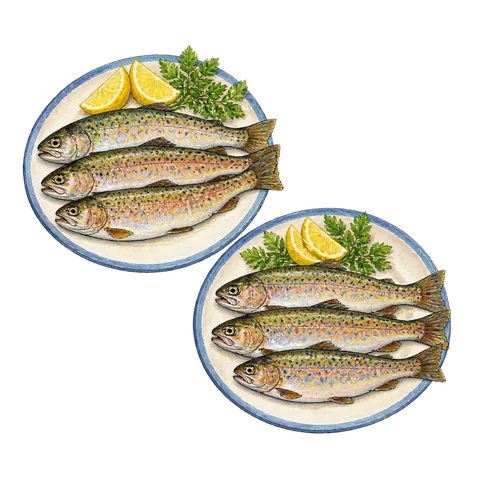
- Trois petites truites cuites, trois petites truites crues.Three small cooked trout, three small raw trout.
- Tonton, ton thé t'a-t-il ôté ta toux ?Uncle, has your tea taken away your cough?
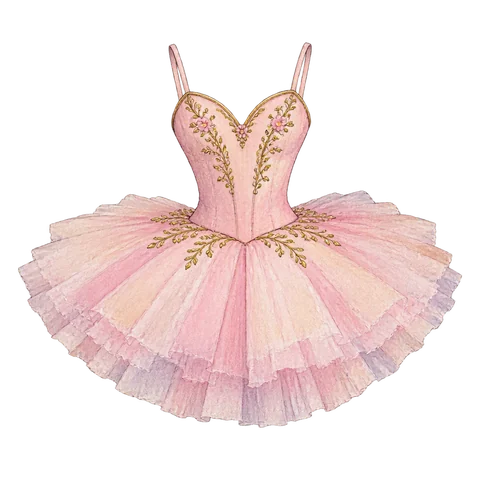
- As-tu vu le tutu de tulle de Lili d'Honolulu ?Have you seen the tulle tutu of Lili from Honolulu?
- Lulu lit la lettre lue à Lili et Lola alla à Lille où Lala lie le lilas.Lulu reads the letter read to Lili, and Lola went to Lille where Lala ties lilac.
Easy French tongue twisters for a first practice
Begin with compact lines. Leave a small pause between repetitions so the sounds stay distinct.
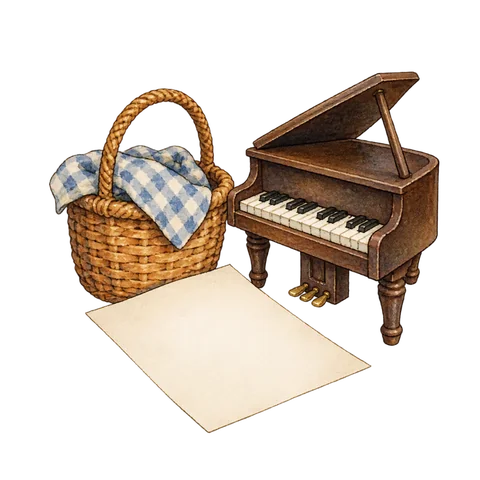
Papier, , .
Paper, basket, piano.
Playful pronunciation exercise · Standard language; oral variants circulate
Easy · /p/ with changing following sounds
Pronunciation: Keep p crisp; do not add a vowel between p and the following vowel or glide.
Source noteJe Serge.
I am looking for Serge.
Playful pronunciation exercise · Standard language; oral variants circulate
Easy · /ʃ/ and /ʒ/
Pronunciation: The sound in cherche is voiceless; the consonants in je and Serge use the voice.
 Source note
saucisses sèches.
Six dry sausages.
Playful pronunciation exercise · Standard language; oral variants circulate
Easy · /s/ and /ʃ/
Pronunciation: Keep s narrow and hissed; move the tongue slightly back for ch.
 Source note
La .
The large bell rings.
Playful pronunciation exercise · Standard language; oral variants circulate
Easy · /ɡʁ/ and /kl/
Pronunciation: Join each consonant cluster without inserting an extra vowel.
 Source note
douches douces.
Twelve gentle showers.
Playful pronunciation exercise · Standard language; oral variants circulate
Easy · /z/, /ʃ/ and /s/
Pronunciation: Keep the voice on for z in douze; contrast douches and douces.
 Source note
Explore these words: Numbers (flashcards) · Furniture (flashcards) · Music & dance (flashcards)
Put these words into context with a story at your level.
Read French storiesFrench u, ou and rounded vowels
French u and ou are different vowels. For u, hold an ee-like tongue position while rounding the lips.
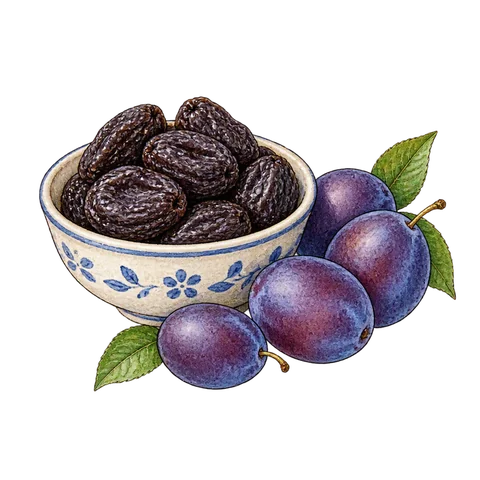
Pruneau cuit, pruneau .
Cooked prune, raw prune.
Playful pronunciation exercise · Standard language; oral variants circulate
Intermediate · /y/ and /ɥ/
Pronunciation: Keep lips rounded in cru; in cuit move quickly from the rounded glide into i.
Source noteTrois petites truites cuites, trois petites truites crues.
Three small cooked trout, three small raw trout.
Playful pronunciation exercise · Standard language; oral variants circulate
Intermediate · /tʁ/, /ɥ/ and /y/
Pronunciation: Separate the tr cluster from the rounded vowel; keep cuites and crues distinct.
 Source note
Tonton, ton t'a-t-il ôté ta toux ?
Uncle, has your tea taken away your cough?
Playful pronunciation exercise · Standard language; oral variants circulate
Intermediate · /t/ and contrasting vowels
Pronunciation: Keep each t light and precise; ou in toux is different from u.
 Source note
As-tu le tutu de tulle de Lili d'Honolulu ?
Have you seen the tulle tutu of Lili from Honolulu?
Playful pronunciation exercise · Standard language; oral variants circulate
Intermediate · Repeated /y/
Pronunciation: Round the lips without turning u into ou; keep the final place name’s ou sound distinct.
 Source note
Lulu lit la lue à Lili et Lola alla à Lille où Lala lie le lilas.
Lulu reads the letter read to Lili, and Lola went to Lille where Lala ties lilac.
Playful pronunciation exercise · Standard language; oral variants circulate
Intermediate · /l/, /i/ and /y/
Pronunciation: Touch the tongue tip lightly for l, then reset the lips for each vowel.
 Source note
Explore these words: Food & cooking (flashcards) · Books & writing (flashcards)
Put these words into context with a story at your level.
Read French storiesFrench r and consonant clusters
The usual French r is formed toward the back of the mouth. Aim for a relaxed sound rather than forcing a growl.

Trois tortues trottaient sur un très .
Three tortoises were trotting on a very narrow pavement.
Playful pronunciation exercise · Standard language; oral variants circulate
Intermediate · /tʁ/ and /ʁ/
Pronunciation: Keep the t distinct before r; use the same relaxed r through the line.
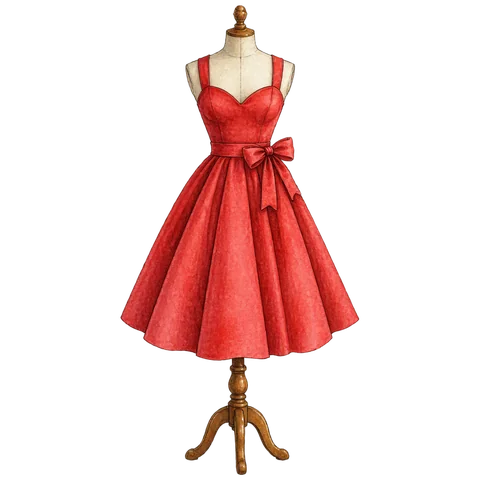
Source noteLa rouge de Rosalie est ravissante.
Rosalie’s red dress is lovely.
Playful pronunciation exercise · Standard language; oral variants circulate
Intermediate · /ʁ/ and /v/
Pronunciation: Round and relax the lips between the repeated r sounds; v uses lip and teeth.
 Source note
Un dragon gradé dégrade un gradé dragon.
A dragon with rank demotes a dragon with rank.
Playful pronunciation exercise · Standard language; oral variants circulate
Intermediate · /dʁ/ and /ɡʁ/
Pronunciation: Separate dr from gr; start the next cluster only after finishing the vowel.
 Source note
Fruits , fruits frits, fruits cuits, fruits crus.
Fresh fruit, fried fruit, cooked fruit, raw fruit.
Playful pronunciation exercise · Standard language; oral variants circulate
Intermediate · /fʁ/, /kʁ/ and /ɥ/
Pronunciation: Keep the order of consonants stable and avoid dropping r.
 Source note
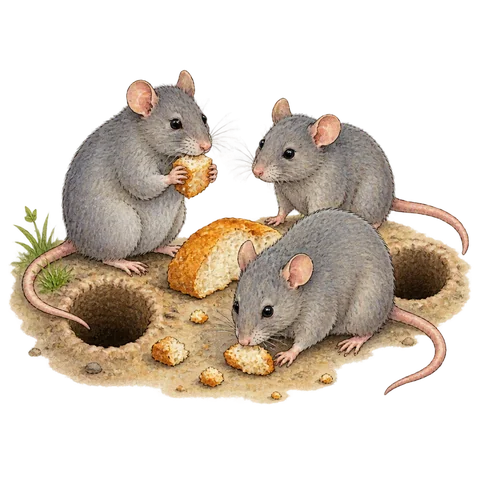
Trois gros rats gris dans trois gros trous ronds rongent trois gros croûtons ronds.
Three big grey rats in three big round holes gnaw three big round crusts.
Playful pronunciation exercise · Standard language; oral variants circulate
Intermediate · /ɡʁ/, /tʁ/ and /ʁ/
Pronunciation: Practice gros, gris and croûtons separately before joining the sentence.
 Source note
Explore these words: City & places (flashcards) · Shapes, sizes & materials (flashcards) · Clothes (flashcards)
Put these words into context with a story at your level.
Read French storiesFrench s, ch and j contrasts
Alternate voiceless s and ch with voiced j. Your throat should vibrate for j, but not for ch.
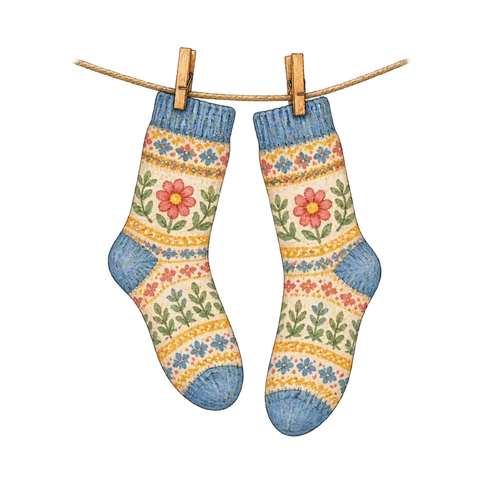
Les chaussettes de l'archiduchesse sont-elles sèches ? Archi-sèches !
Are the archduchess’s socks dry? Completely dry!
Playful pronunciation exercise · Standard language; oral variants circulate
Intermediate · /s/ and /ʃ/
Pronunciation: Keep the two consonants distinct in chaussettes and sèches; do not turn every s into ch.
Source noteUn chasser chasser sans son de chasse.
A hunter who knows how to hunt can hunt without his hunting dog.
Playful pronunciation exercise · Standard language; oral variants circulate
Intermediate · /s/ and /ʃ/
Pronunciation: Switch the tongue position deliberately between sachant, sait and sans.
 Source note
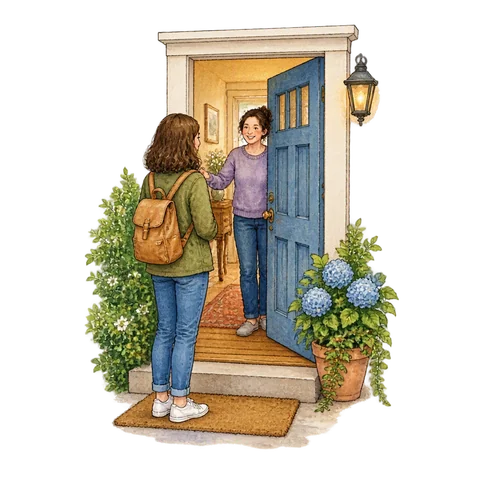
Suis-je bien chez ce Serge ?
Am I really at dear Serge’s home?
Playful pronunciation exercise · Standard language; oral variants circulate
Intermediate · /s/, /ʃ/ and /ʒ/
Pronunciation: Voice the j and g sounds; keep ce and suis separate from cher.
 Source note
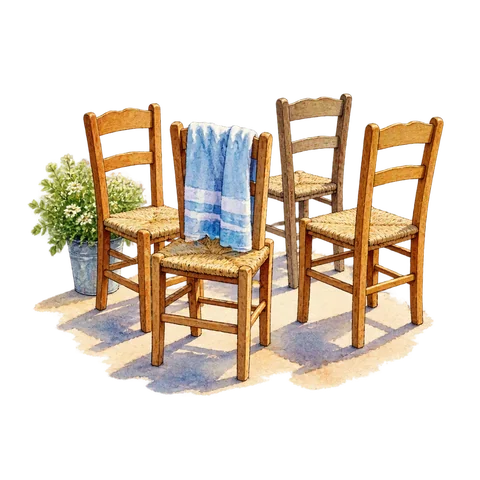
Seize sèchent.
Sixteen chairs are drying.
Playful pronunciation exercise · Standard language; oral variants circulate
Intermediate · /z/, /ʃ/ and /s/
Pronunciation: Voice z in seize and chaises; leave ch and final s voiceless.
 Source note
Zazie causait avec sa cousine en cousant.
Zazie was chatting with her cousin while sewing.
Playful pronunciation exercise · Standard language; oral variants circulate
Intermediate · /z/ and /s/
Pronunciation: Keep the voice on in causait and cousine; s at the start of sa stays voiceless.
 Source note
Explore these words: Animals (flashcards) · Greetings & polite phrases · Furniture (flashcards)
Put these words into context with a story at your level.
Read French storiesHard French tongue twisters
These longer patterns challenge sequencing and breath control. Divide them into meaningful groups first.

Je veux et j' d'exquises .
I want and demand exquisite apologies.
Playful pronunciation exercise · Standard language; oral variants circulate
Hard · /ɡz/, /ks/ and /ʒ/
Pronunciation: Keep exige, exquises and excuses separate; their consonant sequences are not identical.
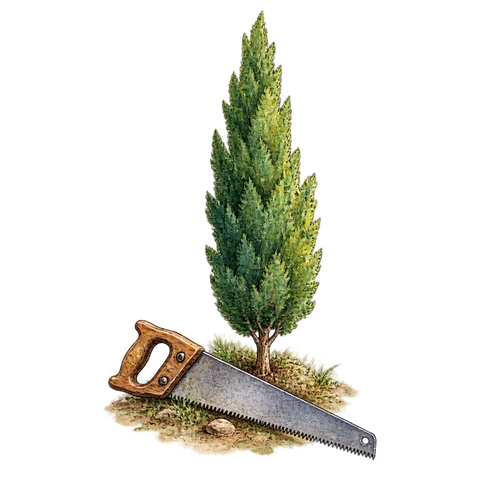
Source noteSi scies scient cyprès, scies scient cyprès.
If six saws saw six cypresses, six hundred and six saws saw six hundred and six cypresses.
Playful pronunciation exercise · Standard language; oral variants circulate
Hard · /s/ and number sequences
Pronunciation: Many words share the sound si; preserve the rhythm and nasal vowel in cent.
 Source note
Dans la , un gendarme , tous les gendarmes dans la .
At the gendarmerie, when one officer laughs, all the officers laugh at the gendarmerie.
Playful pronunciation exercise · Standard language; oral variants circulate
Hard · /ʒ/ and /ʁ/
Pronunciation: Do not add a consonant to silent final verb endings in rit and rient.
 Source note
Un pâtissier qui pâtissait chez un tapissier qui tapissait.
A pastry cook who was making pastries at an upholsterer’s who was upholstering.
Playful pronunciation exercise · Standard language; oral variants circulate
Hard · /p/, /t/ and /s/
Pronunciation: Keep pâtissier and tapissier in the right order; this is the opening of a longer attested twister.
 Source note
Cette taxe fixe excessive est fixée à Aix par le fisc.
This excessive fixed tax is deliberately set in Aix by the tax office.
Playful pronunciation exercise · Standard language; oral variants circulate
Hard · /ks/, /s/ and /f/
Pronunciation: Practice taxe fixe first, keeping both consonants of x clear.
 Source note
Explore these words: Numbers (flashcards) · Crime & law (flashcards) · Emotions & feelings (flashcards)
Put these words into context with a story at your level.
Read French storiesA three-minute pronunciation drill
- Listen once without speaking and identify the repeated sound.
- Say the hardest two words separately three times, keeping the mouth movement relaxed.
- Say the whole line slowly and clearly three times. Restart after an error rather than accelerating through it.
- Try a natural pace. Use the fast version only after three accurate repetitions.
- Record one attempt and compare the target sound, not just your speed.
French tongue twisters: frequently asked questions
What are French tongue twisters called?
They are called virelangues. The name suggests language that turns or twists.
Which tongue twisters are best for beginners?
Choose a short line in the easy section and work on one sound contrast. A short phrase repeated accurately is more useful than a long one rushed.
Can children use these tongue twisters?
The easy section uses short, playful lines. An adult can model the phrase and turn repetition into a game. Longer traditional examples can include absurd scenes, so check the meaning first.
Should I practice fast or slowly?
Start slowly. Speed is a challenge after the sounds are accurate; rushing can reinforce the very substitution you want to change.
Why do different sites use different wording?
Many tongue twisters circulate orally. Small substitutions, reordered clauses and shortened versions are common. The source note records the version used here.
Will tongue twisters make me fluent?
They train sound coordination, not the whole language. Follow the drill with a normal phrase or a short story containing the same sound.
How long should I practice each day?
A focused two or three minutes is enough for one line. Stop if the mouth feels tense, and return to a comfortable pace.
Are the translations natural sentences?
They explain the scene, including its nonsense. A tongue twister is chosen for sound patterns, so its literal meaning may be strange.
What is the hardest French tongue twister?
There is no objective winner for every speaker. The hardest item depends on which sound contrasts you find difficult. Try the advanced section slowly, identify the point where your sounds merge, and increase speed only when the whole line stays clear.
Make these words part of your day
Explore French stories, listen along, and save vocabulary as you go.
Find a story at your levelSources and verification
English translations and examples were written for this guide. Source notes distinguish documented expressions, original practice sentences, and literary quotations. Literary excerpts retain the language of their original period.
- International Collection: French tongue twisters — Long-running collection of attested tongue twisters; entry numbers below identify the selected wording. A collection attests circulation, not a provable date or author.
- Omniglot: French tongue twisters — Independent learner collection used to check several familiar versions; where versions differ, the source note specifies the form used.
Source notes for all 25 entries
- Papier, panier, piano.: International Collection, item 91; punctuation and obvious spelling accents normalized. [collection]
- Je cherche Serge.: International Collection, item 132; punctuation and obvious spelling accents normalized. [collection]
- Six saucisses sèches.: International Collection, item 71; punctuation and obvious spelling accents normalized. [collection]
- La grosse cloche sonne.: International Collection, item 85; punctuation and obvious spelling accents normalized. [collection]
- Douze douches douces.: International Collection, item 86; punctuation and obvious spelling accents normalized. [collection]
- Pruneau cuit, pruneau cru.: International Collection, item 20; punctuation and obvious spelling accents normalized. [collection]
- Trois petites truites cuites, trois petites truites crues.: International Collection, item 21; punctuation and obvious spelling accents normalized. [collection]
- Tonton, ton thé t'a-t-il ôté ta toux ?: International Collection, item 78; punctuation and obvious spelling accents normalized. [collection]
- As-tu vu le tutu de tulle de Lili d'Honolulu ?: International Collection, item 65; punctuation and obvious spelling accents normalized. [collection]
- Lulu lit la lettre lue à Lili et Lola alla à Lille où Lala lie le lilas.: International Collection, item 72; punctuation and obvious spelling accents normalized. [collection]
- Trois tortues trottaient sur un trottoir très étroit.: International Collection, item 42; punctuation and obvious spelling accents normalized. [collection]
- La robe rouge de Rosalie est ravissante.: International Collection, item 94; punctuation and obvious spelling accents normalized. [collection]
- Un dragon gradé dégrade un gradé dragon.: International Collection, item 9; punctuation and obvious spelling accents normalized. [collection]
- Fruits frais, fruits frits, fruits cuits, fruits crus.: International Collection, item 102; punctuation and obvious spelling accents normalized. [collection]
- Trois gros rats gris dans trois gros trous ronds rongent trois gros croûtons ronds.: International Collection, item 83; punctuation and obvious spelling accents normalized. [collection]
- Les chaussettes de l'archiduchesse sont-elles sèches ? Archi-sèches !: International Collection, item 3; punctuation and obvious spelling accents normalized. [collection]
- Un chasseur sachant chasser sait chasser sans son chien de chasse.: International Collection, item 54; punctuation and obvious spelling accents normalized. [collection]
- Suis-je bien chez ce cher Serge ?: International Collection, item 36; punctuation and obvious spelling accents normalized. [collection]
- Seize chaises sèchent.: International Collection, item 93; punctuation and obvious spelling accents normalized. [collection]
- Zazie causait avec sa cousine en cousant.: International Collection, item 53; punctuation and obvious spelling accents normalized. [collection]
- Je veux et j'exige d'exquises excuses.: International Collection, item 76; punctuation and obvious spelling accents normalized. [collection]
- Si six scies scient six cyprès, six cent six scies scient six cent six cyprès.: International Collection, item 97; punctuation and obvious spelling accents normalized. [collection]
- Dans la gendarmerie, quand un gendarme rit, tous les gendarmes rient dans la gendarmerie.: International Collection, item 13; punctuation and obvious spelling accents normalized. [collection]
- Un pâtissier qui pâtissait chez un tapissier qui tapissait.: International Collection, item 23; punctuation and obvious spelling accents normalized. [collection]
- Cette taxe fixe excessive est fixée exprès à Aix par le fisc.: International Collection, item 16; punctuation and obvious spelling accents normalized. [collection]