
THE INKLINGO LANGUAGE GUIDES
20 Italian Riddles With Answers & Translations
Explore twenty real Italian verse riddles by Michelangelo Buonarroti the Younger, printed with their answers in his 1863 collected works. Begin with the shortest puzzles, then try household objects and harder comparisons. These are historical literary riddles: their older vocabulary is explained, not presented as everyday conversation.

Start here
- Non sono uccello, e volo come lui; E uccello in qualche parte un tratto fui.I am not a bird, and I fly as it does; And part of me was once a bird.
- Qual animale (o sia paura o ira) È che dalle carezze si ritira, Ma non morde, non graffia, o cozza, o tira?What animal, whether through fear or anger, Withdraws from caresses, But does not bite, scratch, butt or kick?
- Quai son gli uomin che vivon d’odore?Which people live on scent?
- Ozioso sto bocconi, Operante, per aria m’arrovescio.Idle, I lie face down; At work, I turn upside down in the air.
- Nutriscomi di luce, e amo il bujo.I feed on light, and I love darkness.
- Quel ch’io son ognun sa, E pochi hanno di me pur conoscenza. Chiarite or voi come tal cosa sta.Everyone knows what I am, And few really know me. Now explain how that can be.
- Dormo ’l dì, veglio la sera, Non ho occhi e lume veggo, Ciondoloni in aria seggo, Olio beo e mangio cera.I sleep by day, keep watch at night, I have no eyes and see light, I sit dangling in the air, I drink oil and eat wax.
- Ho quattro orecchi, e con essi non sento: Son corpo il resto, e nol nutrisco mai, Perchè una volta si ben mi saziai, Ch’io non ho più timor morir di stento.I have four ears, and cannot hear with them; The rest is body, and I never feed it, Because once I filled myself so well That I no longer fear dying of hunger.
- Non ho capo, e la bocca ho nella gola: Di sotto mi nutrisco, E per la stessa bocca lo smaltisco.I have no head, and my mouth is in my throat; I feed from below, And through the same mouth I discharge it.
- Di due madri son molti figliolini Che l’un per uno si somiglian tutti, C’hanno altrettanti fratei consobrini, Simili e in simil modo, ma più brutti.From two mothers come many little children Who all resemble one another; They have just as many cousin-brothers, Similar in the same way, but less beautiful.
Short Italian Riddles to Try First
Small puzzles can hide a whole object behind a single action. Try a hint before revealing the answer.
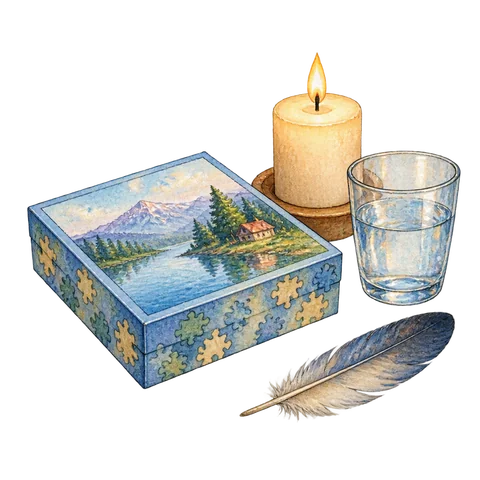
Non sono , e volo come lui; E in qualche tratto fui.
I am not a bird, and I fly as it does; And part of me was once a bird.
Easy
— Michelangelo Buonarroti il Giovane (1568–1646),
Source noteQual (o sia o ira) È che dalle carezze si ritira, Ma non , non graffia, o cozza, o tira?
What animal, whether through fear or anger, Withdraws from caresses, But does not bite, scratch, butt or kick?
Easy
— Michelangelo Buonarroti il Giovane (1568–1646),
Source noteQuai son gli uomin che vivon d’odore?
Which people live on scent?
Easy
— Michelangelo Buonarroti il Giovane (1568–1646),
Source noteOzioso sto bocconi, Operante, per aria m’arrovescio.
Idle, I lie face down; At work, I turn upside down in the air.
Intermediate
— Michelangelo Buonarroti il Giovane (1568–1646),
Source noteNutriscomi di luce, e amo il bujo.
I feed on light, and I love darkness.
Intermediate
— Michelangelo Buonarroti il Giovane (1568–1646),
Source noteQuel ch’io son ognun sa, E pochi hanno di me pur conoscenza. Chiarite or voi come tal cosa sta.
Everyone knows what I am, And few really know me. Now explain how that can be.
Intermediate
— Michelangelo Buonarroti il Giovane (1568–1646),
Source noteExplore these words: Animals (flashcards) · Time & dates (flashcards) · Emotions & feelings (flashcards)
Put these words into context with a story at your level.
Read Italian storiesItalian Riddles About Everyday Objects
The objects speak as if they had bodies, mouths and feelings. Many clues come from old household tools.
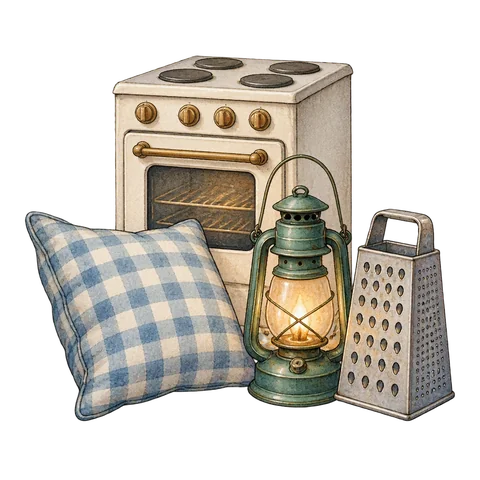
’l , veglio la sera, Non ho occhi e lume veggo, Ciondoloni in aria seggo, Olio beo e mangio .
I sleep by day, keep watch at night, I have no eyes and see light, I sit dangling in the air, I drink oil and eat wax.
Intermediate
— Michelangelo Buonarroti il Giovane (1568–1646),
Source noteMangio per man d’altrui un ; E benchè caldo di io sia, Vomito quel ch’io mangio tuttavía, Perchè ’l ventre ch’io ho non è forato.
I eat from another’s hand like a sick person; And although my stomach is hot, I keep throwing up what I eat, Because the belly I have has no outlet.
Intermediate
— Michelangelo Buonarroti il Giovane (1568–1646),
Source noteSon tutta corpo e rene: Con bocche rodo: Nulla di quel ch’io mangio non ritengo: Per non cader, mangiando, pur m’attengo A un pal di sodo.
I am all body and back; With a hundred mouths I gnaw; I retain none of what I eat; To keep from falling, while eating I hold on To a sturdy iron post.
Hard
— Michelangelo Buonarroti il Giovane (1568–1646),
Source noteDitemi un poco, qual è quella cosa C’ha duo corpi, e con l’un l’altro nutrisce; E che sta ferma, e non posa, E ’l nonnulla e scompartisce.
Tell me, what is the thing That has two bodies and feeds one with the other; That always stands still and never rests, And divides and portions out nothingness?
Hard
— Michelangelo Buonarroti il Giovane (1568–1646),
Source notetutti i fatti e banditore, Non però ch’io favelli, sono e son tutto strambelli, E son marchiato com’un falsatore.
I proclaim every deed and saying, Yet I do not speak; I am poor and all in rags, And I am marked like a counterfeiter.
Hard
— Michelangelo Buonarroti il Giovane (1568–1646),
Source noteNon son nè , Ma mordo senza gnuna discrezione; E ho due come le persone, Ma mi servo, è ben ver, dell’altrui mane.
I am neither wolf nor dog, But I bite without any restraint; And I have two arms like people, But I use someone else’s hands.
Intermediate
— Michelangelo Buonarroti il Giovane (1568–1646),
Source noteHo orecchi, e con essi non : Son corpo il , e nol nutrisco , Perchè si ben mi saziai, Ch’io non ho più timor morir di stento.
I have four ears, and cannot hear with them; The rest is body, and I never feed it, Because once I filled myself so well That I no longer fear dying of hunger.
Intermediate
— Michelangelo Buonarroti il Giovane (1568–1646),
Source noteExplore these words: Time & dates (flashcards) · Health & medicine (flashcards) · Shapes, sizes & materials (flashcards)
Put these words into context with a story at your level.
Read Italian storiesHarder Italian Riddles and Wordplay
Watch for body parts used as metaphors, and for historical names that differ from modern Italian.

Ho più e non fui mai visto andare, E con più bocche inghiotto tuttavia; Nè mai si sazia l’ingordigia mia, Ma ciò ch’io ’ngojo digerisco in . Son gobbo e reggo ogni gran peso addosso, E ’l porto or or la senz’esser mosso.
I have many legs and have never been seen walking, And with many mouths I keep swallowing; My greed is never satisfied, But what I swallow I digest in the sea. I am humped and bear every great weight, And carry it here and there without being moved.
Hard
— Michelangelo Buonarroti il Giovane (1568–1646),
Source notePorto la cappa in casa, e fuor non già: Di ho ’l , e le di sasso, Con le quai non vo passo, E pure il nome mio par d’uom che va.
I wear my hood indoors, but not outside; My head is of earth and my legs of stone, With which I take no step, Yet my name seems to belong to someone who walks.
Hard
— Michelangelo Buonarroti il Giovane (1568–1646),
Source noteSono un palazzo senza più entrate Che una porta tonda: Ho duo finestre, e quelle invetrïate; E di sopra ho la gronda Ora d’, or di , ora d’argento: E ’n su le cantonate Esposte ho duo bandiere a ogni .
I am a palace with no more entrances Than one round door; I have two windows, and they are glazed; Above I have an eave, Now gold, now bronze, now silver; And on the corners I display two flags to every wind.
Hard
— Michelangelo Buonarroti il Giovane (1568–1646),
Source noteNon ho , e la bocca ho nella : Di mi nutrisco, E per la stessa bocca lo smaltisco.
I have no head, and my mouth is in my throat; I feed from below, And through the same mouth I discharge it.
Intermediate
— Michelangelo Buonarroti il Giovane (1568–1646),
Source noteDue binate, Ci riscontriamo per la : Or ci baciamo, or diam delle ceffate, Ma pur stiamo abbracciate tuttavia.
Two sisters born together, We often meet along the way; Now we kiss, now we slap each other, Yet we remain embraced all the while.
Hard
— Michelangelo Buonarroti il Giovane (1568–1646),
Source noteDi due madri son molti figliolini Che l’un per uno si somiglian tutti, C’hanno altrettanti fratei consobrini, e in simil , ma più brutti.
From two mothers come many little children Who all resemble one another; They have just as many cousin-brothers, Similar in the same way, but less beautiful.
Intermediate
— Michelangelo Buonarroti il Giovane (1568–1646),
Source noteDitemi, per mia fè, Donne, qual è quel re Che non porta corona in giovinezza, Ma la porta in vecchiezza.
Tell me, on my word, Ladies, which king Wears no crown in youth, But wears one in old age?
Intermediate
— Michelangelo Buonarroti il Giovane (1568–1646),
Source noteExplore these words: Body parts (flashcards) · Nature & landscape (flashcards) · Directions & position (flashcards)
Put these words into context with a story at your level.
Read Italian storiesItalian riddles: frequently asked questions
What is the Italian word for riddle?
An indovinello is a guessing riddle; indovinare means to guess correctly. Enigma is also used, often for a more elaborate puzzle or mystery.
Are these Italian riddles traditional or invented?
They are attested literary riddles by Michelangelo Buonarroti the Younger (1568–1646), not the famous sculptor. Every selected riddle and its printed solution comes from his Opere varie, published by Le Monnier in 1863.
Can beginners use these riddles?
Start with the very short arrow, snail and perfumer riddles. The hints and translations help, but the collection uses historical Italian, so some entries are better for intermediate or advanced readers.
Why are some Italian words spelled differently?
Forms such as bujo, ingojo and oriolo preserve the historical edition. Their modern equivalents include buio, ingoio and orologio. The notes explain old meanings instead of treating them as mistakes.
Do these Italian riddles rely on wordplay?
Some do, especially the fireplace riddle’s cammino/camino play. Others use visual comparisons, such as a poppy capsule as a crown or the holes of a grater as mouths.
How can I practice Italian with an indovinello?
Read the question, try a hint, and only then reveal the solution. Compare the historical answer with any modern equivalent in the explanation. Retell the clue in simple modern Italian rather than memorizing an old form as everyday speech.
Make these words part of your day
Explore Italian stories, listen along, and save vocabulary as you go.
Find a story at your levelSources and verification
English translations and examples were written for this guide. Source notes distinguish documented expressions, original practice sentences, and literary quotations. Literary excerpts retain the language of their original period.
- Buonarroti the Younger, Indovinelli, no. 46 (edition 1863) — The historical verse and printed answer appear together; spelling retained, indentation removed. Author lived 1568–1646.
- Buonarroti the Younger, Indovinelli, no. 60 (edition 1863) — The historical verse and printed answer appear together; spelling retained, indentation removed. Author lived 1568–1646.
- Buonarroti the Younger, Indovinelli, no. 64 (edition 1863) — The historical verse and printed answer appear together; spelling retained, indentation removed. Author lived 1568–1646.
- Buonarroti the Younger, Indovinelli, no. 55 (edition 1863) — The historical verse and printed answer appear together; spelling retained, indentation removed. Author lived 1568–1646.
- Buonarroti the Younger, Indovinelli, no. 54 (edition 1863) — The historical verse and printed answer appear together; spelling retained, indentation removed. Author lived 1568–1646.
- Buonarroti the Younger, Indovinelli, no. 40 (edition 1863) — The historical verse and printed answer appear together; spelling retained, indentation removed. Author lived 1568–1646.
- Buonarroti the Younger, Indovinelli, no. 3 (edition 1863) — The historical verse and printed answer appear together; spelling retained, indentation removed. Author lived 1568–1646.
- Buonarroti the Younger, Indovinelli, no. 11 (edition 1863) — The historical verse and printed answer appear together; spelling retained, indentation removed. Author lived 1568–1646.
- Buonarroti the Younger, Indovinelli, no. 27 (edition 1863) — The historical verse and printed answer appear together; spelling retained, indentation removed. Author lived 1568–1646.
- Buonarroti the Younger, Indovinelli, no. 28 (edition 1863) — The historical verse and printed answer appear together; spelling retained, indentation removed. Author lived 1568–1646.
- Buonarroti the Younger, Indovinelli, no. 29 (edition 1863) — The historical verse and printed answer appear together; spelling retained, indentation removed. Author lived 1568–1646.
- Buonarroti the Younger, Indovinelli, no. 30 (edition 1863) — The historical verse and printed answer appear together; spelling retained, indentation removed. Author lived 1568–1646.
- Buonarroti the Younger, Indovinelli, no. 34 (edition 1863) — The historical verse and printed answer appear together; spelling retained, indentation removed. Author lived 1568–1646.
- Buonarroti the Younger, Indovinelli, no. 13 (edition 1863) — The historical verse and printed answer appear together; spelling retained, indentation removed. Author lived 1568–1646.
- Buonarroti the Younger, Indovinelli, no. 18 (edition 1863) — The historical verse and printed answer appear together; spelling retained, indentation removed. Author lived 1568–1646.
- Buonarroti the Younger, Indovinelli, no. 21 (edition 1863) — The historical verse and printed answer appear together; spelling retained, indentation removed. Author lived 1568–1646.
- Buonarroti the Younger, Indovinelli, no. 23 (edition 1863) — The historical verse and printed answer appear together; spelling retained, indentation removed. Author lived 1568–1646.
- Buonarroti the Younger, Indovinelli, no. 26 (edition 1863) — The historical verse and printed answer appear together; spelling retained, indentation removed. Author lived 1568–1646.
- Buonarroti the Younger, Indovinelli, no. 31 (edition 1863) — The historical verse and printed answer appear together; spelling retained, indentation removed. Author lived 1568–1646.
- Buonarroti the Younger, Indovinelli, no. 42 (edition 1863) — The historical verse and printed answer appear together; spelling retained, indentation removed. Author lived 1568–1646.
Source notes for all 20 entries
- Non sono uccello, e volo come lui; E uccello in qualche parte un tratto fui.: Opere varie di Michel Angelo Buonarroti il Giovane, Le Monnier, 1863, Indovinello 46; complete riddle and printed answer. Historical wording retained. [it-riddle-46]
- Qual animale (o sia paura o ira) È che dalle carezze si ritira, Ma non morde, non graffia, o cozza, o tira?: Opere varie di Michel Angelo Buonarroti il Giovane, Le Monnier, 1863, Indovinello 60; complete riddle and printed answer. Historical wording retained. [it-riddle-60]
- Quai son gli uomin che vivon d’odore?: Opere varie di Michel Angelo Buonarroti il Giovane, Le Monnier, 1863, Indovinello 64; complete riddle and printed answer. Historical wording retained. [it-riddle-64]
- Ozioso sto bocconi, Operante, per aria m’arrovescio.: Opere varie di Michel Angelo Buonarroti il Giovane, Le Monnier, 1863, Indovinello 55; complete riddle and printed answer. Historical wording retained. [it-riddle-55]
- Nutriscomi di luce, e amo il bujo.: Opere varie di Michel Angelo Buonarroti il Giovane, Le Monnier, 1863, Indovinello 54; complete riddle and printed answer. Historical wording retained. [it-riddle-54]
- Quel ch’io son ognun sa, E pochi hanno di me pur conoscenza. Chiarite or voi come tal cosa sta.: Opere varie di Michel Angelo Buonarroti il Giovane, Le Monnier, 1863, Indovinello 40; complete riddle and printed answer. Historical wording retained. [it-riddle-40]
- Dormo ’l dì, veglio la sera, Non ho occhi e lume veggo, Ciondoloni in aria seggo, Olio beo e mangio cera.: Opere varie di Michel Angelo Buonarroti il Giovane, Le Monnier, 1863, Indovinello 3; complete riddle and printed answer. Historical wording retained. [it-riddle-03]
- Mangio per man d’altrui com’un malato; E benchè caldo di stomaco io sia, Vomito quel ch’io mangio tuttavía, Perchè ’l ventre ch’io ho non è forato.: Opere varie di Michel Angelo Buonarroti il Giovane, Le Monnier, 1863, Indovinello 11; complete riddle and printed answer. Historical wording retained. [it-riddle-11]
- Son tutta corpo e rene: Con cento bocche rodo: Nulla di quel ch’io mangio non ritengo: Per non cader, mangiando, pur m’attengo A un pal di ferro sodo.: Opere varie di Michel Angelo Buonarroti il Giovane, Le Monnier, 1863, Indovinello 27; complete riddle and printed answer. Historical wording retained. [it-riddle-27]
- Ditemi un poco, qual è quella cosa C’ha duo corpi, e con l’un l’altro nutrisce; E che sempre sta ferma, e mai non posa, E ’l nonnulla divide e scompartisce.: Opere varie di Michel Angelo Buonarroti il Giovane, Le Monnier, 1863, Indovinello 28; complete riddle and printed answer. Historical wording retained. [it-riddle-28]
- Di tutti i fatti e detti banditore, Non però ch’io favelli, Povero sono e son tutto strambelli, E son marchiato com’un falsatore.: Opere varie di Michel Angelo Buonarroti il Giovane, Le Monnier, 1863, Indovinello 29; complete riddle and printed answer. Historical wording retained. [it-riddle-29]
- Non son lupo nè cane, Ma mordo senza gnuna discrezione; E ho due braccia come le persone, Ma mi servo, è ben ver, dell’altrui mane.: Opere varie di Michel Angelo Buonarroti il Giovane, Le Monnier, 1863, Indovinello 30; complete riddle and printed answer. Historical wording retained. [it-riddle-30]
- Ho quattro orecchi, e con essi non sento: Son corpo il resto, e nol nutrisco mai, Perchè una volta si ben mi saziai, Ch’io non ho più timor morir di stento.: Opere varie di Michel Angelo Buonarroti il Giovane, Le Monnier, 1863, Indovinello 34; complete riddle and printed answer. Historical wording retained. [it-riddle-34]
- Ho più gambe e non fui mai visto andare, E con più bocche inghiotto tuttavia; Nè mai si sazia l’ingordigia mia, Ma ciò ch’io ’ngojo digerisco in mare. Son gobbo e reggo ogni gran peso addosso, E ’l porto or qua or la senz’esser mosso.: Opere varie di Michel Angelo Buonarroti il Giovane, Le Monnier, 1863, Indovinello 13; complete riddle and printed answer. Historical wording retained. [it-riddle-13]
- Porto la cappa in casa, e fuor non già: Di terra ho ’l capo, e le gambe di sasso, Con le quai non vo passo, E pure il nome mio par d’uom che va.: Opere varie di Michel Angelo Buonarroti il Giovane, Le Monnier, 1863, Indovinello 18; complete riddle and printed answer. Historical wording retained. [it-riddle-18]
- Sono un palazzo senza più entrate Che una porta tonda: Ho duo finestre, e quelle invetrïate; E di sopra ho la gronda Ora d’oro, or di bronzo, ora d’argento: E ’n su le cantonate Esposte ho duo bandiere a ogni vento.: Opere varie di Michel Angelo Buonarroti il Giovane, Le Monnier, 1863, Indovinello 21; complete riddle and printed answer. Historical wording retained. [it-riddle-21]
- Non ho capo, e la bocca ho nella gola: Di sotto mi nutrisco, E per la stessa bocca lo smaltisco.: Opere varie di Michel Angelo Buonarroti il Giovane, Le Monnier, 1863, Indovinello 23; complete riddle and printed answer. Historical wording retained. [it-riddle-23]
- Due sorelle binate, Ci riscontriamo spesso per la via: Or ci baciamo, or diam delle ceffate, Ma pur stiamo abbracciate tuttavia.: Opere varie di Michel Angelo Buonarroti il Giovane, Le Monnier, 1863, Indovinello 26; complete riddle and printed answer. Historical wording retained. [it-riddle-26]
- Di due madri son molti figliolini Che l’un per uno si somiglian tutti, C’hanno altrettanti fratei consobrini, Simili e in simil modo, ma più brutti.: Opere varie di Michel Angelo Buonarroti il Giovane, Le Monnier, 1863, Indovinello 31; complete riddle and printed answer. Historical wording retained. [it-riddle-31]
- Ditemi, per mia fè, Donne, qual è quel re Che non porta corona in giovinezza, Ma la porta in vecchiezza.: Opere varie di Michel Angelo Buonarroti il Giovane, Le Monnier, 1863, Indovinello 42; complete riddle and printed answer. Historical wording retained. [it-riddle-42]