
THE INKLINGO LANGUAGE GUIDES
120 Common Arabic Phrases
These 120 Arabic phrases cover greetings, food, transport and the moments when you need help. Start with the survival list, then use the short dialogues to practise taking both sides of a conversation. The main phrases are Modern Standard Arabic (MSA): clear formal Arabic, not the everyday dialect of every country.

Survival 25
- مَرْحَبًا!Hello!
- السَّلَامُ عَلَيْكُمْ.Peace be upon you.
- وَعَلَيْكُمُ السَّلَامُ.And peace be upon you.
- صَبَاحُ الْخَيْرِ.Good morning.
- صَبَاحُ النُّورِ.Good morning to you.
- مَسَاءُ الْخَيْرِ.Good evening.
- مَا اسْمُكَ؟What is your name?
- اِسْمِي سَارَةُ.My name is Sarah.
- أَنَا مِنْ كَنَدَا.I am from Canada.
- مِنْ فَضْلِكَ.Please.
- شُكْرًا.Thank you.
- شُكْرًا جَزِيلًا.Thank you very much.
- عَفْوًا.You are welcome. / Excuse me.
- قَائِمَةُ الطَّعَامِ، مِنْ فَضْلِكَ.The menu, please.
- أُرِيدُ مَاءً.I would like water.
- كَمْ ثَمَنُ هَذَا؟How much does this cost?
- هَلْ يُمْكِنُنِي الدَّفْعُ بِالْبِطَاقَةِ؟Can I pay by card?
- أَيْنَ الْحَمَّامُ؟Where is the bathroom?
- أَيْنَ مَحَطَّةُ الْقِطَارِ؟Where is the railway station?
- لَدَيَّ حَجْزٌ.I have a reservation.
- سَاعِدُونِي!Help me!
- أَحْتَاجُ إِلَى طَبِيبٍ.I need a doctor.
- اِتَّصِلْ بِالْإِسْعَافِ!Call an ambulance!
- لَا أَفْهَمُ.I do not understand.
- أَعِدْ، مِنْ فَضْلِكَ.Repeat that, please.
Arabic greetings and goodbyes
Start with a greeting, then leave space for the reply.

!
marḥaban!
Hello!
MSA; neutral/polite
See it in a story: النافذة التي تُضاء في منتصف الليل (B1)
Source noteعَلَيْكُمْ.
as-salāmu ʿalaykum.
Peace be upon you.
MSA and widely used across dialects; conventional greeting
See it in a story: لماذا لا يرد جاري على السلام؟ (A2)
Source noteوَعَلَيْكُمُ .
wa-ʿalaykumu s-salām.
And peace be upon you.
Reply to the preceding greeting
See it in a story: لماذا لا يرد جاري على السلام؟ (A2)
Source noteصَبَاحُ الْخَيْرِ.
ṣabāḥu l-khayr.
Good morning.
MSA; neutral/polite
See it in a story: لماذا لا يرد جاري على السلام؟ (A2)
Source noteصَبَاحُ .
ṣabāḥu n-nūr.
Good morning to you.
Conventional reply
Source noteمَسَاءُ الْخَيْرِ.
masāʾu l-khayr.
Good evening.
MSA; neutral/polite
Source noteأَهْلًا !
ahlan wa-sahlan!
Welcome!
MSA; neutral/polite
Source noteكَيْفَ حَالُكَ؟
kayfa ḥāluka?
How are you?
MSA; to a man
MSA; to a woman
See it in a story: الصديق الذي نسي اسمي (A1)
Source note، شُكْرًا.
bi-khayr, shukran.
Fine, thank you.
MSA; neutral/polite
Source noteمَعَ السَّلَامَةِ.
maʿa s-salāma.
Goodbye.
MSA; neutral/polite
Source noteExplore these words: Greetings & polite phrases · War & military (flashcards) · Politics & government (flashcards)
Put these words into context with a story at your level.
Read Arabic storiesIntroducing yourself in Arabic
Names and origins are useful first steps; give only the details you want to share.

مَا ؟
mā smuka?
What is your name?
MSA; to a man
MSA; to a woman
اِسْمِي سَارَةُ.
ismī Sāra.
My name is Sarah.
MSA; neutral/polite
Source noteتَشَرَّفْنَا.
tasharrafnā.
Pleased to meet you.
MSA; neutral/polite
Source noteمِنْ أَيْنَ أَنْتَ؟
min ayna anta?
Where are you from?
MSA; to a man
MSA; to a woman
أَنَا مِنْ كَنَدَا.
anā min Kanadā.
I am from Canada.
MSA; neutral/polite
Source noteأَيْنَ ؟
ayna taskunu?
Where do you live?
MSA; to a man
MSA; to a woman
See it in a story: الفاتورة التي دفعها شخص مجهول (B1)
Source noteأَسْكُنُ فِي لَنْدَنَ.
askunu fī Landan.
I live in London.
MSA; neutral/polite
Source noteمَا ؟
mā ʿamaluka?
What do you do for work?
MSA; to a man
MSA; to a woman
أَنَا طَالِبٌ.
anā ṭālib.
I am a student.
MSA; male speaker
MSA; female speaker
اللُّغَةَ الْعَرَبِيَّةَ.
ataʿallamu l-lughata l-ʿarabiyya.
I am learning Arabic.
MSA; neutral/polite
Source noteExplore these words: House & rooms (flashcards) · Jobs & work (flashcards) · School & university (flashcards)
Put these words into context with a story at your level.
Read Arabic storiesPolite Arabic phrases for requests and replies
A short thank-you or apology can do more than a long explanation.

مِنْ فَضْلِكَ.
min faḍlika.
Please.
MSA; to a man
MSA; to a woman
See it in a story: أُمِّي تُعْطِينِي مَاءً (A0)
See it in a story: الدُّفُّ الصَّغِيرُ (A0)
Source note.
shukran.
Thank you.
MSA; neutral/polite
See it in a story: أَبِي وَكِتَابِي (A0)
See it in a story: أُمِّي تُعْطِينِي مَاءً (A0)
Source noteشُكْرًا جَزِيلًا.
shukran jazīlan.
Thank you very much.
MSA; neutral/polite
Source note.
ʿafwan.
You are welcome. / Excuse me.
MSA; neutral/polite
Source noteأَنَا .
anā āsif.
I am sorry.
MSA; male speaker
MSA; female speaker
See it in a story: الصديق الذي نسي اسمي (A1)
See it in a story: الصديقان اللذان لم يتصافحا في العيد (A2)
Source noteلَا .
lā mushkila.
No problem.
MSA; neutral/polite
Source noteلَوْ .
law samaḥta.
Excuse me. / Please.
MSA; to a man
MSA; to a woman
نَعَمْ.
naʿam.
Yes.
MSA; neutral/polite
Source noteلَا، شُكْرًا.
lā, shukran.
No, thank you.
MSA; neutral/polite
Source note.
bi-t-taʾkīd.
Certainly.
MSA; neutral/polite
See it in a story: لماذا يخفي جدي الزعفران؟ (A1)
Source noteExplore these words: Greetings & polite phrases · Emotions & feelings (flashcards)
Put these words into context with a story at your level.
Read Arabic storiesArabic restaurant phrases and ordering food
Order clearly and state allergies directly before choosing a dish.
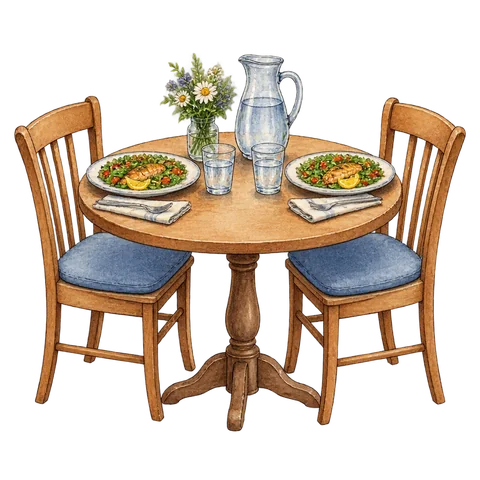
قَائِمَةُ الطَّعَامِ، مِنْ فَضْلِكَ.
qāʾimatu ṭ-ṭaʿām, min faḍlika.
The menu, please.
MSA; to a man
Source noteلِشَخْصَيْنِ، مِنْ فَضْلِكَ.
ṭāwila li-shakhṣayn, min faḍlika.
A table for two, please.
MSA; to a man
Source noteأُرِيدُ مَاءً.
urīdu māʾan.
I would like water.
MSA; neutral/polite
See it in a story: أُمِّي تُعْطِينِي مَاءً (A0)
Source noteأُرِيدُ شَايًا بِدُونِ .
urīdu shāyan bi-dūni sukkar.
I would like tea without sugar.
MSA; neutral/polite
Source noteلَا آكُلُ .
lā ākulu l-laḥm.
I do not eat meat.
MSA; neutral/polite
Source noteلَدَيَّ حَسَاسِيَّةٌ مِنَ الْمُكَسَّرَاتِ.
ladayya ḥasāsiyya mina l-mukassarāt.
I have a nut allergy.
MSA; neutral/polite
Source noteهَلْ هَذَا حَارٌّ؟
hal hādhā ḥārr?
Is this spicy?
MSA; neutral/polite
Source noteهَذَا لَذِيذٌ.
hādhā ladhīdh.
This is delicious.
MSA; neutral/polite
Source note، مِنْ فَضْلِكَ.
al-ḥisāb, min faḍlika.
The bill, please.
MSA; to a man
Source noteهَلْ يُمْكِنُنِي أَخْذُهُ مَعِي؟
hal yumkinunī akhdhuhu maʿī?
Can I take it with me?
MSA; neutral/polite
Source noteExplore these words: Food & cooking (flashcards) · Furniture (flashcards) · Money & banking (flashcards)
Put these words into context with a story at your level.
Read Arabic storiesArabic shopping phrases and prices
Ask about price, size and payment before agreeing to buy.

ثَمَنُ هَذَا؟
kam thamanu hādhā?
How much does this cost?
MSA; neutral/polite
Source noteهَذَا غَالٍ جِدًّا.
hādhā ghālin jiddan.
This is very expensive.
MSA; neutral/polite
Source noteهَلْ لَدَيْكُمْ مَقَاسٌ ؟
hal ladaykum maqāsun ākhar?
Do you have another size?
MSA; to staff or a group
Source noteهَلْ يُمْكِنُنِي تَجْرِبَتُهُ؟
hal yumkinunī tajribatuhu?
Can I try it?
MSA; neutral/polite
Source noteهَلْ يُمْكِنُنِي ؟
hal yumkinunī d-dafʿu bi-l-biṭāqa?
Can I pay by card?
MSA; neutral/polite
Source noteنَقْدًا فَقَطْ.
naqdan faqaṭ.
Cash only.
MSA; neutral/polite
Source noteسَآخُذُ هَذَا.
sa-ākhudhu hādhā.
I will take this.
MSA; neutral/polite
Source noteإِلَى .
aḥtāju ilā kīs.
I need a bag.
MSA; neutral/polite
Source noteأُرِيدُ إِيصَالًا.
urīdu īṣālan.
I would like a receipt.
MSA; neutral/polite
Source noteأَنَا أَنْظُرُ .
anā anẓuru faqaṭ.
I am just looking.
MSA; neutral/polite
Source noteExplore these words: Shopping (flashcards) · Money & banking (flashcards)
Put these words into context with a story at your level.
Read Arabic storiesArabic travel phrases and asking for directions
Combine a destination with a direction question; repeat the answer to check it.

أَيْنَ ؟
ayna l-ḥammām?
Where is the bathroom?
MSA; neutral/polite
Source noteأَيْنَ مَحَطَّةُ الْقِطَارِ؟
ayna maḥaṭṭatu l-qiṭār?
Where is the railway station?
MSA; neutral/polite
Source noteكَيْفَ أَصِلُ إِلَى الْوَسَطِ؟
kayfa aṣilu ilā l-wasaṭ?
How do I get to the centre?
MSA; neutral/polite
Source noteاِذْهَبْ مُبَاشَرَةً.
idhhab mubāsharatan.
Go straight ahead.
MSA; to a man
Source noteاِنْعَطِفْ .
inʿaṭif yamīnan.
Turn right.
MSA; to a man
Source noteاِنْعَطِفْ يَسَارًا.
inʿaṭif yasāran.
Turn left.
MSA; to a man
Source noteوَاحِدَةٌ، مِنْ فَضْلِكَ.
tadhkira wāḥida, min faḍlika.
One ticket, please.
MSA; to a man
Source noteمَتَى يَنْطَلِقُ الْقِطَارُ؟
matā yanṭaliqu l-qiṭār?
When does the train leave?
MSA; neutral/polite
Source noteهُنَا، مِنْ فَضْلِكَ.
tawaqqaf hunā, min faḍlika.
Stop here, please.
MSA; to a male driver
Source noteأَضَعْتُ .
aḍaʿtu ṭ-ṭarīq.
I have lost my way.
MSA; neutral/polite
Source noteExplore these words: House & rooms (flashcards) · Directions & position (flashcards) · Travel & hotels (flashcards)
Put these words into context with a story at your level.
Read Arabic storiesUseful Arabic phrases for hotels
A reservation, a room request and a check-out time cover many first conversations.

لَدَيَّ .
ladayya ḥajz.
I have a reservation.
MSA; neutral/polite
Source noteبِأَيِّ اسْمٍ؟
bi-ayyi sm?
Under what name?
MSA; neutral/polite
Source noteبِاسْمِ سَارَةَ.
bi-smi Sāra.
Under the name Sarah.
MSA; neutral/polite
Source noteأُرِيدُ غُرْفَةً لِلَيْلَةٍ وَاحِدَةٍ.
urīdu ghurfatan li-laylatin wāḥida.
I would like a room for one night.
MSA; neutral/polite
Source noteهَلِ مَشْمُولٌ؟
hali l-fuṭūru mashmūl?
Is breakfast included?
MSA; neutral/polite
Source noteمَتَى يَجِبُ أَنْ أُغَادِرَ الْغُرْفَةَ؟
matā yajibu an ughādira l-ghurfa?
When must I leave the room?
MSA; neutral/polite
Source noteأَيْنَ ؟
ayna l-miṣʿad?
Where is the lift?
MSA; neutral/polite
Source noteالْمِفْتَاحُ، مِنْ فَضْلِكَ.
al-miftāḥ, min faḍlika.
The key, please.
MSA; to a man
Source noteلَا يُوجَدُ .
lā yūjadu māʾun sākhin.
There is no hot water.
MSA; neutral/polite
Source noteهَلْ يُمْكِنُنِي تَرْكُ حَقِيبَتِي هُنَا؟
hal yumkinunī tarku ḥaqībatī hunā?
Can I leave my bag here?
MSA; neutral/polite
Source noteExplore these words: Travel & hotels (flashcards) · House & rooms (flashcards) · City & places (flashcards)
Put these words into context with a story at your level.
Read Arabic storiesArabic conversation phrases for small talk
Weather, free time and tomorrow’s plans help a conversation continue.

كَيْفَ كَانَ يَوْمُكَ؟
kayfa kāna yawmuka?
How was your day?
MSA; to a man
Source noteكَانَ .
kāna jayyidan.
It was good.
MSA; neutral/polite
Source noteجَمِيلٌ .
al-jawwu jamīlun al-yawm.
The weather is lovely today.
MSA; neutral/polite
Source noteالْجَوُّ بَارِدٌ.
al-jawwu bārid.
It is cold.
MSA; neutral/polite
See it in a story: الغيمة التي غطت قمة الشيخ (A1)
Source noteمَاذَا تُحِبُّ أَنْ تَفْعَلَ؟
mādhā tuḥibbu an tafʿala?
What do you like doing?
MSA; to a man
Source noteأُحِبُّ الْقِرَاءَةَ.
uḥibbu l-qirāʾa.
I like reading.
MSA; neutral/polite
Source noteهَلْ لَدَيْكَ وَقْتٌ؟
hal ladayka waqt?
Do you have time?
MSA; to a man
Source noteأَرَاكَ .
arāka ghadan.
See you tomorrow.
MSA; to a man
Source noteمَتَى نَلْتَقِي؟
matā naltaqī?
When shall we meet?
MSA; neutral/polite
Source noteفِي السَّاعَةِ الثَّالِثَةِ.
fī s-sāʿati th-thālitha.
At three o’clock.
MSA; neutral/polite
Source noteExplore these words: Time & dates (flashcards) · Weather (flashcards)
Put these words into context with a story at your level.
Read Arabic storiesExpressing feelings and everyday needs in Arabic
Learn short statements for your physical needs as well as emotions.

أَنَا .
anā saʿīd.
I am happy.
MSA; male speaker
MSA; female speaker
See it in a story: أَبِي وَكِتَابِي (A0)
See it in a story: أُمِّي تُعْطِينِي مَاءً (A0)
Source noteأَنَا .
anā mutʿab.
I am tired.
MSA; male speaker
MSA; female speaker
أَنَا جَائِعٌ.
anā jāʾiʿ.
I am hungry.
MSA; male speaker
MSA; female speaker
أَنَا عَطْشَانُ.
anā ʿaṭshān.
I am thirsty.
MSA; male speaker
MSA; female speaker
بِالْبَرْدِ.
ashʿuru bi-l-bard.
I feel cold.
MSA; neutral/polite
Source noteبِالْحَرِّ.
ashʿuru bi-l-ḥarr.
I feel hot.
MSA; neutral/polite
Source noteأَنَا .
anā ḥazīn.
I am sad.
MSA; male speaker
MSA; female speaker
See it in a story: لماذا غضبت أختي من الهدية؟ (A1)
Source noteأَنَا قَلِقٌ.
anā qaliq.
I am worried.
MSA; male speaker
MSA; female speaker
.
uḥibbuka.
I love you.
MSA; to a man
MSA; to a woman
أَشْتَاقُ إِلَيْكَ.
ashtāqu ilayka.
I miss you.
MSA; to a man
MSA; to a woman
Explore these words: Emotions & feelings (flashcards) · Health & medicine (flashcards)
Put these words into context with a story at your level.
Read Arabic storiesArabic emergency phrases and getting help
Use short direct sentences. Point to a location or written information when words are difficult.

سَاعِدُونِي!
sāʿidūnī!
Help me!
MSA; addressed to a group
Source noteإِلَى طَبِيبٍ.
aḥtāju ilā ṭabīb.
I need a doctor.
MSA; neutral/polite
Source noteبِالْإِسْعَافِ!
ittaṣil bi-l-isʿāf!
Call an ambulance!
MSA; to a man
Source noteبِالشُّرْطَةِ!
ittaṣil bi-sh-shurṭa!
Call the police!
MSA; to a man
Source noteأَيْنَ الْمُسْتَشْفَى؟
ayna l-mustashfā?
Where is the hospital?
MSA; neutral/polite
Source noteلَا بِخَيْرٍ.
lā ashʿuru bi-khayr.
I do not feel well.
MSA; neutral/polite
Source noteرَأْسِي يُؤْلِمُنِي.
raʾsī yuʾlimunī.
My head hurts.
MSA; neutral/polite
Source noteفَقَدْتُ جَوَازَ سَفَرِي.
faqadtu jawāza safarī.
I have lost my passport.
MSA; neutral/polite
Source noteاُتْرُكْنِي وَحْدِي.
utruknī waḥdī.
Leave me alone.
MSA; to a man; firm request
Source noteهَذَا أَمْرٌ .
hādhā amrun ʿājil.
This is urgent.
MSA; neutral/polite
Source noteExplore these words: Technology & phones (flashcards) · Emotions & feelings (flashcards)
Put these words into context with a story at your level.
Read Arabic storiesArabic phrases for phone calls and messages
Confirm whether the other person can hear you and when you will reply.
أَلُو!
alū!
Hello!
Phone greeting, widely used in speech
Source noteهَلْ تَسْمَعُنِي؟
hal tasmaʿunī?
Can you hear me?
MSA; to a man
Source noteلَا .
lā asmaʿuka.
I cannot hear you.
MSA; to a man
Source note.
al-ittiṣālu ḍaʿīf.
The connection is weak.
MSA; neutral/polite
Source noteسَأَتَّصِلُ بِكَ .
sa-attaṣilu bika lāḥiqan.
I will call you later.
MSA; to a man
Source noteاُكْتُبْ لِي، مِنْ فَضْلِكَ.
uktub lī, min faḍlika.
Write to me, please.
MSA; to a man
Source noteأَرْسِلْ لِي .
arsil lī l-ʿunwān.
Send me the address.
MSA; to a man
Source noteأَرْسَلْتُ .
arsaltu risālatan.
I sent a message.
MSA; neutral/polite
Source noteهَلْ رِسَالَتِي؟
hal waṣalat risālatī?
Did my message arrive?
MSA; neutral/polite
Source noteسَأَرُدُّ .
sa-aruddu lāḥiqan.
I will reply later.
MSA; neutral/polite
Source noteExplore these words: Time & dates (flashcards) · City & places (flashcards) · Travel & hotels (flashcards)
Put these words into context with a story at your level.
Read Arabic storiesArabic classroom phrases and language learning
Asking for repetition is part of speaking a language, not a failure.

لَا أَفْهَمُ.
lā afham.
I do not understand.
MSA; neutral/polite
Source noteأَعِدْ، مِنْ فَضْلِكَ.
aʿid, min faḍlika.
Repeat that, please.
MSA; to a man
MSA; to a woman
بِبُطْءٍ، مِنْ فَضْلِكَ.
takallam bi-buṭʾ, min faḍlika.
Speak slowly, please.
MSA; to a man
MSA; to a woman
مَاذَا يَعْنِي هَذَا؟
mādhā yaʿnī hādhā?
What does this mean?
MSA; neutral/polite
Source noteكَيْفَ هَذِهِ الْكَلِمَةُ؟
kayfa tuktabu hādhihi l-kalima?
How is this word written?
MSA; neutral/polite
Source noteكَيْفَ نَقُولُ هَذَا بِالْعَرَبِيَّةِ؟
kayfa naqūlu hādhā bi-l-ʿarabiyya?
How do we say this in Arabic?
MSA; neutral/polite
Source noteهَلْ يُمْكِنُنِي أَنْ ؟
hal yumkinunī an asʾala?
May I ask a question?
MSA; neutral/polite
Source noteلَدَيَّ .
ladayya suʾāl.
I have a question.
MSA; neutral/polite
Source noteفَهِمْتُ الْآنَ.
fahimtu l-ān.
I understand now.
MSA; neutral/polite
Source noteشُكْرًا عَلَى .
shukran ʿalā l-musāʿada.
Thank you for your help.
MSA; neutral/polite
Source noteExplore these words: Question words · Books & writing (flashcards)
Put these words into context with a story at your level.
Read Arabic storiesTurn a list into a conversation
- Choose one situation and learn three phrases that you can use today.
- Read the dialogue as A, then repeat it as B. Pause before checking the translation.
- Change one detail, such as a name, drink or destination, while keeping the same sentence pattern.
- Find a story at your level and notice who speaks politely, who speaks casually and how the other person answers.
Arabic common phrases: frequently asked questions
Which Arabic phrases should I learn first?
Start with hello, please, thank you, I do not understand and I need help. Add the phrases from the situation you will face next.
How many Arabic phrases should I study each day?
Five useful phrases are a manageable starting point. Reuse yesterday’s phrases in a short exchange before adding new ones.
Should I memorise full sentences?
Learn a complete phrase first so that you can use it immediately. Then notice the words that can change, such as a destination or an item you want.
How can I practise without a partner?
Take both parts of the dialogues. Read one turn, cover the next turn and try to answer before looking.
Can I use these phrases while travelling?
Yes: the food, hotel, shopping and transport sections are designed for common travel situations. A reply may be longer than your question, so learn how to ask for repetition too.
What should I do when I do not understand the answer?
Say that you do not understand, ask the person to speak more slowly and ask them to write the important word or place name. Avoid pretending to understand directions or urgent information.
Should I learn MSA or an Arabic dialect?
MSA is useful for reading and formal communication. For daily conversation in a particular country, learn its spoken dialect as well. These phrases are labeled MSA so you can make that choice consciously.
Do Arabic phrases change for men and women?
Often. A suffix may describe the person you speak to, while an adjective may describe the speaker. Read each variant label: “to a woman” and “female speaker” are different grammatical choices.
Make these words part of your day
Explore Arabic stories, listen along, and save vocabulary as you go.
Find a story at your levelSources and verification
English translations and examples were written for this guide. Source notes distinguish documented expressions, original practice sentences, and literary quotations. Literary excerpts retain the language of their original period.
- Omniglot: useful Arabic phrases — Reference for conventional greetings, politeness and personal questions; additional productive sentences and all dialogues are original editorial compositions.
- MSA Arabic: common phrases — Teaching reference for restaurant, shopping and everyday request constructions. Vocalization and translations here are our own.
Source notes for all 120 entries
- مَرْحَبًا!: A conventional phrase or original sentence built from standard language patterns; see the reference for the relevant greeting, request or question construction. [phrase-reference]
- السَّلَامُ عَلَيْكُمْ.: A conventional phrase or original sentence built from standard language patterns; see the reference for the relevant greeting, request or question construction. [phrase-reference]
- وَعَلَيْكُمُ السَّلَامُ.: A conventional phrase or original sentence built from standard language patterns; see the reference for the relevant greeting, request or question construction. [phrase-reference]
- صَبَاحُ الْخَيْرِ.: A conventional phrase or original sentence built from standard language patterns; see the reference for the relevant greeting, request or question construction. [phrase-reference]
- صَبَاحُ النُّورِ.: A conventional phrase or original sentence built from standard language patterns; see the reference for the relevant greeting, request or question construction. [phrase-reference]
- مَسَاءُ الْخَيْرِ.: A conventional phrase or original sentence built from standard language patterns; see the reference for the relevant greeting, request or question construction. [phrase-reference]
- أَهْلًا وَسَهْلًا!: A conventional phrase or original sentence built from standard language patterns; see the reference for the relevant greeting, request or question construction. [phrase-reference]
- كَيْفَ حَالُكَ؟: A conventional phrase or original sentence built from standard language patterns; see the reference for the relevant greeting, request or question construction. [phrase-reference]
- بِخَيْرٍ، شُكْرًا.: A conventional phrase or original sentence built from standard language patterns; see the reference for the relevant greeting, request or question construction. [phrase-reference]
- مَعَ السَّلَامَةِ.: A conventional phrase or original sentence built from standard language patterns; see the reference for the relevant greeting, request or question construction. [phrase-reference]
- مَا اسْمُكَ؟: A conventional phrase or original sentence built from standard language patterns; see the reference for the relevant greeting, request or question construction. [phrase-reference]
- اِسْمِي سَارَةُ.: A conventional phrase or original sentence built from standard language patterns; see the reference for the relevant greeting, request or question construction. [phrase-reference]
- تَشَرَّفْنَا.: A conventional phrase or original sentence built from standard language patterns; see the reference for the relevant greeting, request or question construction. [phrase-reference]
- مِنْ أَيْنَ أَنْتَ؟: A conventional phrase or original sentence built from standard language patterns; see the reference for the relevant greeting, request or question construction. [phrase-reference]
- أَنَا مِنْ كَنَدَا.: A conventional phrase or original sentence built from standard language patterns; see the reference for the relevant greeting, request or question construction. [phrase-reference]
- أَيْنَ تَسْكُنُ؟: A conventional phrase or original sentence built from standard language patterns; see the reference for the relevant greeting, request or question construction. [phrase-reference]
- أَسْكُنُ فِي لَنْدَنَ.: A conventional phrase or original sentence built from standard language patterns; see the reference for the relevant greeting, request or question construction. [phrase-reference]
- مَا عَمَلُكَ؟: A conventional phrase or original sentence built from standard language patterns; see the reference for the relevant greeting, request or question construction. [phrase-reference]
- أَنَا طَالِبٌ.: A conventional phrase or original sentence built from standard language patterns; see the reference for the relevant greeting, request or question construction. [phrase-reference]
- أَتَعَلَّمُ اللُّغَةَ الْعَرَبِيَّةَ.: A conventional phrase or original sentence built from standard language patterns; see the reference for the relevant greeting, request or question construction. [phrase-reference]
- مِنْ فَضْلِكَ.: A conventional phrase or original sentence built from standard language patterns; see the reference for the relevant greeting, request or question construction. [phrase-reference]
- شُكْرًا.: A conventional phrase or original sentence built from standard language patterns; see the reference for the relevant greeting, request or question construction. [phrase-reference]
- شُكْرًا جَزِيلًا.: A conventional phrase or original sentence built from standard language patterns; see the reference for the relevant greeting, request or question construction. [phrase-reference]
- عَفْوًا.: A conventional phrase or original sentence built from standard language patterns; see the reference for the relevant greeting, request or question construction. [phrase-reference]
- أَنَا آسِفٌ.: A conventional phrase or original sentence built from standard language patterns; see the reference for the relevant greeting, request or question construction. [phrase-reference]
- لَا مُشْكِلَةَ.: A conventional phrase or original sentence built from standard language patterns; see the reference for the relevant greeting, request or question construction. [phrase-reference]
- لَوْ سَمَحْتَ.: A conventional phrase or original sentence built from standard language patterns; see the reference for the relevant greeting, request or question construction. [phrase-reference]
- نَعَمْ.: A conventional phrase or original sentence built from standard language patterns; see the reference for the relevant greeting, request or question construction. [phrase-reference]
- لَا، شُكْرًا.: A conventional phrase or original sentence built from standard language patterns; see the reference for the relevant greeting, request or question construction. [phrase-reference]
- بِالتَّأْكِيدِ.: A conventional phrase or original sentence built from standard language patterns; see the reference for the relevant greeting, request or question construction. [phrase-reference]
- قَائِمَةُ الطَّعَامِ، مِنْ فَضْلِكَ.: A conventional phrase or original sentence built from standard language patterns; see the reference for the relevant greeting, request or question construction. [phrase-reference]
- طَاوِلَةٌ لِشَخْصَيْنِ، مِنْ فَضْلِكَ.: A conventional phrase or original sentence built from standard language patterns; see the reference for the relevant greeting, request or question construction. [phrase-reference]
- أُرِيدُ مَاءً.: A conventional phrase or original sentence built from standard language patterns; see the reference for the relevant greeting, request or question construction. [phrase-reference]
- أُرِيدُ شَايًا بِدُونِ سُكَّرٍ.: A conventional phrase or original sentence built from standard language patterns; see the reference for the relevant greeting, request or question construction. [phrase-reference]
- لَا آكُلُ اللَّحْمَ.: A conventional phrase or original sentence built from standard language patterns; see the reference for the relevant greeting, request or question construction. [phrase-reference]
- لَدَيَّ حَسَاسِيَّةٌ مِنَ الْمُكَسَّرَاتِ.: A conventional phrase or original sentence built from standard language patterns; see the reference for the relevant greeting, request or question construction. [phrase-reference]
- هَلْ هَذَا حَارٌّ؟: A conventional phrase or original sentence built from standard language patterns; see the reference for the relevant greeting, request or question construction. [phrase-reference]
- هَذَا لَذِيذٌ.: A conventional phrase or original sentence built from standard language patterns; see the reference for the relevant greeting, request or question construction. [phrase-reference]
- الْحِسَابُ، مِنْ فَضْلِكَ.: A conventional phrase or original sentence built from standard language patterns; see the reference for the relevant greeting, request or question construction. [phrase-reference]
- هَلْ يُمْكِنُنِي أَخْذُهُ مَعِي؟: A conventional phrase or original sentence built from standard language patterns; see the reference for the relevant greeting, request or question construction. [phrase-reference]
- كَمْ ثَمَنُ هَذَا؟: A conventional phrase or original sentence built from standard language patterns; see the reference for the relevant greeting, request or question construction. [phrase-reference]
- هَذَا غَالٍ جِدًّا.: A conventional phrase or original sentence built from standard language patterns; see the reference for the relevant greeting, request or question construction. [phrase-reference]
- هَلْ لَدَيْكُمْ مَقَاسٌ آخَرُ؟: A conventional phrase or original sentence built from standard language patterns; see the reference for the relevant greeting, request or question construction. [phrase-reference]
- هَلْ يُمْكِنُنِي تَجْرِبَتُهُ؟: A conventional phrase or original sentence built from standard language patterns; see the reference for the relevant greeting, request or question construction. [phrase-reference]
- هَلْ يُمْكِنُنِي الدَّفْعُ بِالْبِطَاقَةِ؟: A conventional phrase or original sentence built from standard language patterns; see the reference for the relevant greeting, request or question construction. [phrase-reference]
- نَقْدًا فَقَطْ.: A conventional phrase or original sentence built from standard language patterns; see the reference for the relevant greeting, request or question construction. [phrase-reference]
- سَآخُذُ هَذَا.: A conventional phrase or original sentence built from standard language patterns; see the reference for the relevant greeting, request or question construction. [phrase-reference]
- أَحْتَاجُ إِلَى كِيسٍ.: A conventional phrase or original sentence built from standard language patterns; see the reference for the relevant greeting, request or question construction. [phrase-reference]
- أُرِيدُ إِيصَالًا.: A conventional phrase or original sentence built from standard language patterns; see the reference for the relevant greeting, request or question construction. [phrase-reference]
- أَنَا أَنْظُرُ فَقَطْ.: A conventional phrase or original sentence built from standard language patterns; see the reference for the relevant greeting, request or question construction. [phrase-reference]
- أَيْنَ الْحَمَّامُ؟: A conventional phrase or original sentence built from standard language patterns; see the reference for the relevant greeting, request or question construction. [phrase-reference]
- أَيْنَ مَحَطَّةُ الْقِطَارِ؟: A conventional phrase or original sentence built from standard language patterns; see the reference for the relevant greeting, request or question construction. [phrase-reference]
- كَيْفَ أَصِلُ إِلَى الْوَسَطِ؟: A conventional phrase or original sentence built from standard language patterns; see the reference for the relevant greeting, request or question construction. [phrase-reference]
- اِذْهَبْ مُبَاشَرَةً.: A conventional phrase or original sentence built from standard language patterns; see the reference for the relevant greeting, request or question construction. [phrase-reference]
- اِنْعَطِفْ يَمِينًا.: A conventional phrase or original sentence built from standard language patterns; see the reference for the relevant greeting, request or question construction. [phrase-reference]
- اِنْعَطِفْ يَسَارًا.: A conventional phrase or original sentence built from standard language patterns; see the reference for the relevant greeting, request or question construction. [phrase-reference]
- تَذْكِرَةٌ وَاحِدَةٌ، مِنْ فَضْلِكَ.: A conventional phrase or original sentence built from standard language patterns; see the reference for the relevant greeting, request or question construction. [phrase-reference]
- مَتَى يَنْطَلِقُ الْقِطَارُ؟: A conventional phrase or original sentence built from standard language patterns; see the reference for the relevant greeting, request or question construction. [phrase-reference]
- تَوَقَّفْ هُنَا، مِنْ فَضْلِكَ.: A conventional phrase or original sentence built from standard language patterns; see the reference for the relevant greeting, request or question construction. [phrase-reference]
- أَضَعْتُ الطَّرِيقَ.: A conventional phrase or original sentence built from standard language patterns; see the reference for the relevant greeting, request or question construction. [phrase-reference]
- لَدَيَّ حَجْزٌ.: A conventional phrase or original sentence built from standard language patterns; see the reference for the relevant greeting, request or question construction. [phrase-reference]
- بِأَيِّ اسْمٍ؟: A conventional phrase or original sentence built from standard language patterns; see the reference for the relevant greeting, request or question construction. [phrase-reference]
- بِاسْمِ سَارَةَ.: A conventional phrase or original sentence built from standard language patterns; see the reference for the relevant greeting, request or question construction. [phrase-reference]
- أُرِيدُ غُرْفَةً لِلَيْلَةٍ وَاحِدَةٍ.: A conventional phrase or original sentence built from standard language patterns; see the reference for the relevant greeting, request or question construction. [phrase-reference]
- هَلِ الْفُطُورُ مَشْمُولٌ؟: A conventional phrase or original sentence built from standard language patterns; see the reference for the relevant greeting, request or question construction. [phrase-reference]
- مَتَى يَجِبُ أَنْ أُغَادِرَ الْغُرْفَةَ؟: A conventional phrase or original sentence built from standard language patterns; see the reference for the relevant greeting, request or question construction. [phrase-reference]
- أَيْنَ الْمِصْعَدُ؟: A conventional phrase or original sentence built from standard language patterns; see the reference for the relevant greeting, request or question construction. [phrase-reference]
- الْمِفْتَاحُ، مِنْ فَضْلِكَ.: A conventional phrase or original sentence built from standard language patterns; see the reference for the relevant greeting, request or question construction. [phrase-reference]
- لَا يُوجَدُ مَاءٌ سَاخِنٌ.: A conventional phrase or original sentence built from standard language patterns; see the reference for the relevant greeting, request or question construction. [phrase-reference]
- هَلْ يُمْكِنُنِي تَرْكُ حَقِيبَتِي هُنَا؟: A conventional phrase or original sentence built from standard language patterns; see the reference for the relevant greeting, request or question construction. [phrase-reference]
- كَيْفَ كَانَ يَوْمُكَ؟: A conventional phrase or original sentence built from standard language patterns; see the reference for the relevant greeting, request or question construction. [phrase-reference]
- كَانَ جَيِّدًا.: A conventional phrase or original sentence built from standard language patterns; see the reference for the relevant greeting, request or question construction. [phrase-reference]
- الْجَوُّ جَمِيلٌ الْيَوْمَ.: A conventional phrase or original sentence built from standard language patterns; see the reference for the relevant greeting, request or question construction. [phrase-reference]
- الْجَوُّ بَارِدٌ.: A conventional phrase or original sentence built from standard language patterns; see the reference for the relevant greeting, request or question construction. [phrase-reference]
- مَاذَا تُحِبُّ أَنْ تَفْعَلَ؟: A conventional phrase or original sentence built from standard language patterns; see the reference for the relevant greeting, request or question construction. [phrase-reference]
- أُحِبُّ الْقِرَاءَةَ.: A conventional phrase or original sentence built from standard language patterns; see the reference for the relevant greeting, request or question construction. [phrase-reference]
- هَلْ لَدَيْكَ وَقْتٌ؟: A conventional phrase or original sentence built from standard language patterns; see the reference for the relevant greeting, request or question construction. [phrase-reference]
- أَرَاكَ غَدًا.: A conventional phrase or original sentence built from standard language patterns; see the reference for the relevant greeting, request or question construction. [phrase-reference]
- مَتَى نَلْتَقِي؟: A conventional phrase or original sentence built from standard language patterns; see the reference for the relevant greeting, request or question construction. [phrase-reference]
- فِي السَّاعَةِ الثَّالِثَةِ.: A conventional phrase or original sentence built from standard language patterns; see the reference for the relevant greeting, request or question construction. [phrase-reference]
- أَنَا سَعِيدٌ.: A conventional phrase or original sentence built from standard language patterns; see the reference for the relevant greeting, request or question construction. [phrase-reference]
- أَنَا مُتْعَبٌ.: A conventional phrase or original sentence built from standard language patterns; see the reference for the relevant greeting, request or question construction. [phrase-reference]
- أَنَا جَائِعٌ.: A conventional phrase or original sentence built from standard language patterns; see the reference for the relevant greeting, request or question construction. [phrase-reference]
- أَنَا عَطْشَانُ.: A conventional phrase or original sentence built from standard language patterns; see the reference for the relevant greeting, request or question construction. [phrase-reference]
- أَشْعُرُ بِالْبَرْدِ.: A conventional phrase or original sentence built from standard language patterns; see the reference for the relevant greeting, request or question construction. [phrase-reference]
- أَشْعُرُ بِالْحَرِّ.: A conventional phrase or original sentence built from standard language patterns; see the reference for the relevant greeting, request or question construction. [phrase-reference]
- أَنَا حَزِينٌ.: A conventional phrase or original sentence built from standard language patterns; see the reference for the relevant greeting, request or question construction. [phrase-reference]
- أَنَا قَلِقٌ.: A conventional phrase or original sentence built from standard language patterns; see the reference for the relevant greeting, request or question construction. [phrase-reference]
- أُحِبُّكَ.: A conventional phrase or original sentence built from standard language patterns; see the reference for the relevant greeting, request or question construction. [phrase-reference]
- أَشْتَاقُ إِلَيْكَ.: A conventional phrase or original sentence built from standard language patterns; see the reference for the relevant greeting, request or question construction. [phrase-reference]
- سَاعِدُونِي!: A conventional phrase or original sentence built from standard language patterns; see the reference for the relevant greeting, request or question construction. [phrase-reference]
- أَحْتَاجُ إِلَى طَبِيبٍ.: A conventional phrase or original sentence built from standard language patterns; see the reference for the relevant greeting, request or question construction. [phrase-reference]
- اِتَّصِلْ بِالْإِسْعَافِ!: A conventional phrase or original sentence built from standard language patterns; see the reference for the relevant greeting, request or question construction. [phrase-reference]
- اِتَّصِلْ بِالشُّرْطَةِ!: A conventional phrase or original sentence built from standard language patterns; see the reference for the relevant greeting, request or question construction. [phrase-reference]
- أَيْنَ الْمُسْتَشْفَى؟: A conventional phrase or original sentence built from standard language patterns; see the reference for the relevant greeting, request or question construction. [phrase-reference]
- لَا أَشْعُرُ بِخَيْرٍ.: A conventional phrase or original sentence built from standard language patterns; see the reference for the relevant greeting, request or question construction. [phrase-reference]
- رَأْسِي يُؤْلِمُنِي.: A conventional phrase or original sentence built from standard language patterns; see the reference for the relevant greeting, request or question construction. [phrase-reference]
- فَقَدْتُ جَوَازَ سَفَرِي.: A conventional phrase or original sentence built from standard language patterns; see the reference for the relevant greeting, request or question construction. [phrase-reference]
- اُتْرُكْنِي وَحْدِي.: A conventional phrase or original sentence built from standard language patterns; see the reference for the relevant greeting, request or question construction. [phrase-reference]
- هَذَا أَمْرٌ عَاجِلٌ.: A conventional phrase or original sentence built from standard language patterns; see the reference for the relevant greeting, request or question construction. [phrase-reference]
- أَلُو!: A conventional phrase or original sentence built from standard language patterns; see the reference for the relevant greeting, request or question construction. [phrase-reference]
- هَلْ تَسْمَعُنِي؟: A conventional phrase or original sentence built from standard language patterns; see the reference for the relevant greeting, request or question construction. [phrase-reference]
- لَا أَسْمَعُكَ.: A conventional phrase or original sentence built from standard language patterns; see the reference for the relevant greeting, request or question construction. [phrase-reference]
- الاِتِّصَالُ ضَعِيفٌ.: A conventional phrase or original sentence built from standard language patterns; see the reference for the relevant greeting, request or question construction. [phrase-reference]
- سَأَتَّصِلُ بِكَ لَاحِقًا.: A conventional phrase or original sentence built from standard language patterns; see the reference for the relevant greeting, request or question construction. [phrase-reference]
- اُكْتُبْ لِي، مِنْ فَضْلِكَ.: A conventional phrase or original sentence built from standard language patterns; see the reference for the relevant greeting, request or question construction. [phrase-reference]
- أَرْسِلْ لِي الْعُنْوَانَ.: A conventional phrase or original sentence built from standard language patterns; see the reference for the relevant greeting, request or question construction. [phrase-reference]
- أَرْسَلْتُ رِسَالَةً.: A conventional phrase or original sentence built from standard language patterns; see the reference for the relevant greeting, request or question construction. [phrase-reference]
- هَلْ وَصَلَتْ رِسَالَتِي؟: A conventional phrase or original sentence built from standard language patterns; see the reference for the relevant greeting, request or question construction. [phrase-reference]
- سَأَرُدُّ لَاحِقًا.: A conventional phrase or original sentence built from standard language patterns; see the reference for the relevant greeting, request or question construction. [phrase-reference]
- لَا أَفْهَمُ.: A conventional phrase or original sentence built from standard language patterns; see the reference for the relevant greeting, request or question construction. [phrase-reference]
- أَعِدْ، مِنْ فَضْلِكَ.: A conventional phrase or original sentence built from standard language patterns; see the reference for the relevant greeting, request or question construction. [phrase-reference]
- تَكَلَّمْ بِبُطْءٍ، مِنْ فَضْلِكَ.: A conventional phrase or original sentence built from standard language patterns; see the reference for the relevant greeting, request or question construction. [phrase-reference]
- مَاذَا يَعْنِي هَذَا؟: A conventional phrase or original sentence built from standard language patterns; see the reference for the relevant greeting, request or question construction. [phrase-reference]
- كَيْفَ تُكْتَبُ هَذِهِ الْكَلِمَةُ؟: A conventional phrase or original sentence built from standard language patterns; see the reference for the relevant greeting, request or question construction. [phrase-reference]
- كَيْفَ نَقُولُ هَذَا بِالْعَرَبِيَّةِ؟: A conventional phrase or original sentence built from standard language patterns; see the reference for the relevant greeting, request or question construction. [phrase-reference]
- هَلْ يُمْكِنُنِي أَنْ أَسْأَلَ؟: A conventional phrase or original sentence built from standard language patterns; see the reference for the relevant greeting, request or question construction. [phrase-reference]
- لَدَيَّ سُؤَالٌ.: A conventional phrase or original sentence built from standard language patterns; see the reference for the relevant greeting, request or question construction. [phrase-reference]
- فَهِمْتُ الْآنَ.: A conventional phrase or original sentence built from standard language patterns; see the reference for the relevant greeting, request or question construction. [phrase-reference]
- شُكْرًا عَلَى الْمُسَاعَدَةِ.: A conventional phrase or original sentence built from standard language patterns; see the reference for the relevant greeting, request or question construction. [phrase-reference]