
THE INKLINGO LANGUAGE GUIDES
25 Chinese Tongue Twisters (With Audio)
These 25 Chinese tongue twisters train specific sound contrasts, from short warm-ups to longer challenges. Read the meaning first, then keep every sound clear as you move from slow to natural to fast.
Start here: easy tongue twisters
- 四是四,十是十,十四是十四,四十是四十。Four is four; ten is ten; fourteen is fourteen; forty is forty.
- 妈妈骑马,马慢,妈妈骂马。Mother rides a horse; the horse is slow, and Mother scolds it.
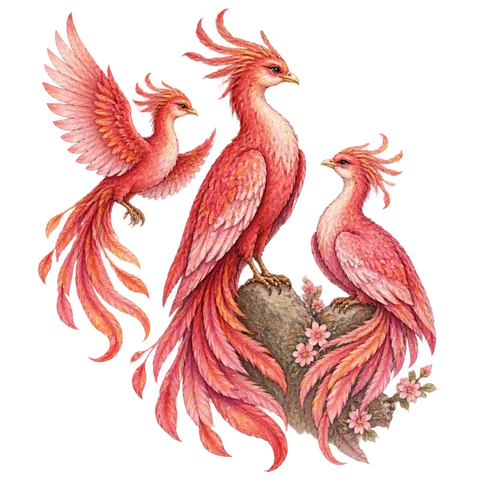
- 红凤凰,粉凤凰,粉红凤凰。A red phoenix, a pink phoenix, a rosy-pink phoenix.
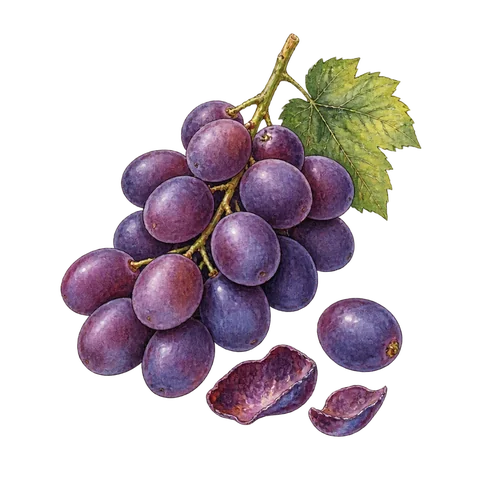
- 吃葡萄不吐葡萄皮,不吃葡萄倒吐葡萄皮。Eat grapes without spitting out the skins; do not eat grapes, yet spit out their skins.
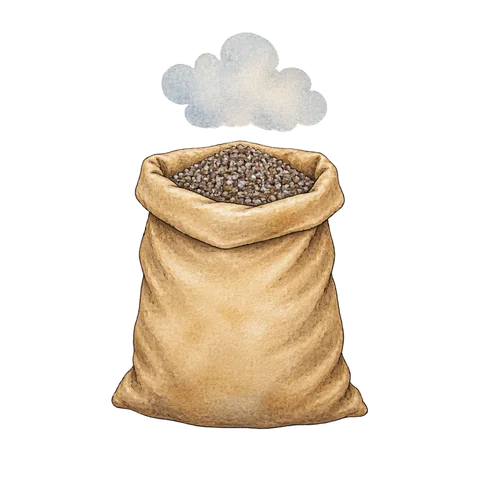
- 化肥会挥发。Chemical fertilizer can evaporate.
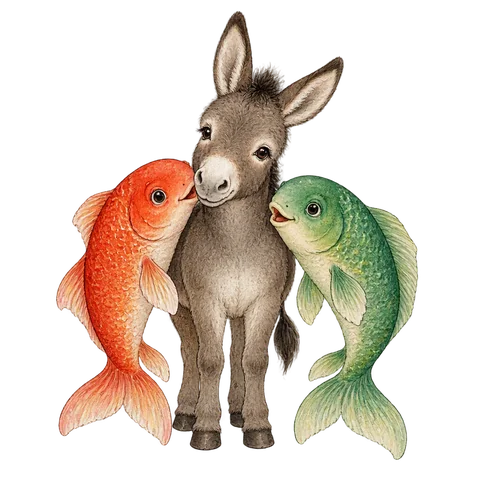
- 红鲤鱼与绿鲤鱼与驴。A red carp and a green carp and a donkey.
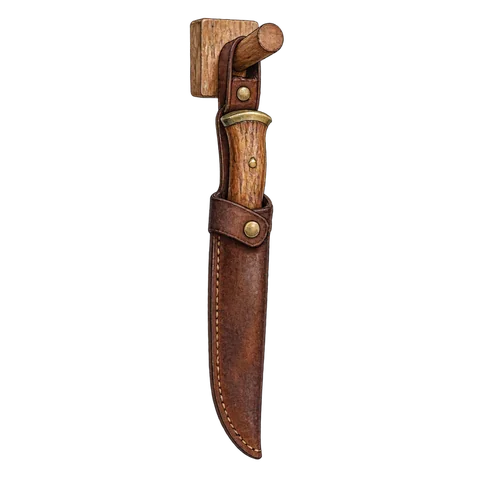
- 门口吊刀,刀倒吊着。A knife hangs at the doorway; the knife hangs upside down.
- 桌上有个盆,盆里有个瓶,碰碰碰,是瓶碰盆,还是盆碰瓶?A basin sits on the table with a bottle inside. Bump, bump, bump: is the bottle hitting the basin, or the basin hitting the bottle?
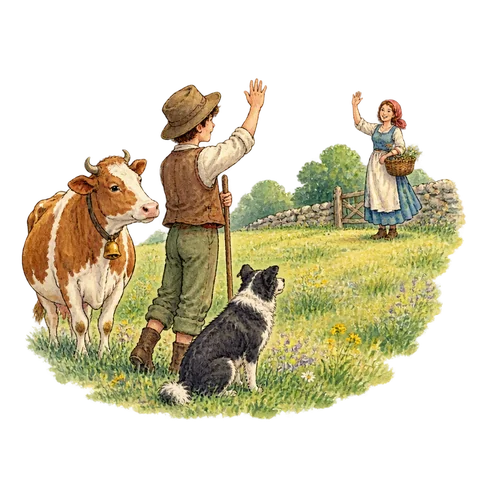
- 牛郎念刘娘,刘娘念牛郎,牛郎年年念刘娘,刘娘年年念牛郎。The cowherd thinks of Lady Liu, and Lady Liu thinks of him; year after year they think of each other.
- 老头儿端汤上塔,汤烫,塔滑,汤洒,汤烫塔。An old man carries soup up a tower. The soup is hot, the tower is slippery, the soup spills, and it scalds the tower.
Easy Chinese tongue twisters to try first
Begin with a short line. Children and adults can both practice these; clear sounds matter more than speed.

是,是,是,是。
Sì shì sì, shí shì shí, shísì shì shísì, sìshí shì sìshí.
Four is four; ten is ten; fourteen is fourteen; forty is forty.
Playful pronunciation exercise; some wording is deliberately absurd.
Easy · s / sh; fourth and second tones
Pronunciation: For s keep the tongue tip forward; sh has a raised, slightly retracted tongue tip. Keep shí rising and sì falling.
 Source note
,,骂。
Māma qí mǎ, mǎ màn, māma mà mǎ.
Mother rides a horse; the horse is slow, and Mother scolds it.
Playful pronunciation exercise; some wording is deliberately absurd.
Easy · m; first, third and fourth tones
Pronunciation: The second syllable of māma is neutral. Contrast low mǎ with sharply falling mà without adding extra stress.
 Source note
凤凰,粉凤凰,粉凤凰。
Hóng fènghuáng, fěn fènghuáng, fěnhóng fènghuáng.
A red phoenix, a pink phoenix, a rosy-pink phoenix.
Playful pronunciation exercise; some wording is deliberately absurd.
Easy · f / h; nasal endings
Pronunciation: Touch lower lip to upper teeth for f; h is made farther back. Do not turn final -ng into -n.
 Source note
葡萄不吐葡萄皮,不葡萄倒吐葡萄皮。
Chī pútao bù tǔ pútao pí, bù chī pútao dào tǔ pútao pí.
Eat grapes without spitting out the skins; do not eat grapes, yet spit out their skins.
Playful pronunciation exercise; some wording is deliberately absurd.
Easy · p / t; aspiration
Pronunciation: Release a small puff of air with p and t. The tao in pútao is commonly neutral in everyday Mandarin.
 Source note
化肥会挥发。
Huàféi huì huīfā.
Chemical fertilizer can evaporate.
Playful pronunciation exercise; some wording is deliberately absurd.
Easy · h / f; hu / hui
Pronunciation: Change from back-of-mouth h to lip-and-teeth f without letting the vowels collapse together.
 Source note
鲤鱼与鲤鱼与驴。
Hóng lǐyú yǔ lǜ lǐyú yǔ lǘ.
A red carp and a green carp and a donkey.
Playful pronunciation exercise; some wording is deliberately absurd.
Easy · ü; third-tone sequences
Pronunciation: For ü round your lips while keeping the tongue position of ee. Pinyin yu also contains this ü vowel.
 Source note
吊刀,刀吊着。
Ménkǒu diào dāo, dāo dào diào zhe.
A knife hangs at the doorway; the knife hangs upside down.
Playful pronunciation exercise; some wording is deliberately absurd.
Easy · dao / diao; falling versus level tone
Pronunciation: Keep diào as one syllable with a glide. Contrast high dāo with falling dào.
 Source note
Explore these words: Numbers (flashcards) · Colors (flashcards) · Family & relationships (flashcards)
Put these words into context with a story at your level.
Read Chinese storiesLonger Chinese tongue twisters and sound contrasts
Break the line at each comma, then join the pieces without swallowing the endings.

有个盆,盆里有个瓶,碰碰碰,是瓶碰盆,还是盆碰瓶?
Zhuō shàng yǒu ge pén, pén lǐ yǒu ge píng, pèng pèng pèng, shì píng pèng pén, háishi pén pèng píng?
A basin sits on the table with a bottle inside. Bump, bump, bump: is the bottle hitting the basin, or the basin hitting the bottle?
Playful pronunciation exercise; some wording is deliberately absurd.
Intermediate · -en / -ing / -eng
Pronunciation: Keep the three vowel-and-nasal endings distinct; do not rely only on the initial p.
 Source note
牛郎念刘娘,刘娘念牛郎,牛郎念刘娘,刘娘念牛郎。
Niúláng niàn Liúniáng, Liúniáng niàn Niúláng, Niúláng niánnián niàn Liúniáng, Liúniáng niánnián niàn Niúláng.
The cowherd thinks of Lady Liu, and Lady Liu thinks of him; year after year they think of each other.
Playful pronunciation exercise; some wording is deliberately absurd.
Intermediate · n / l
Pronunciation: For n let air pass through the nose; for l the tongue touches the ridge but air escapes around its sides.
 Source note
老头儿端上塔,,塔,洒,塔。
Lǎotóur duān tāng shàng tǎ, tāng tàng, tǎ huá, tāng sǎ, tāng tàng tǎ.
An old man carries soup up a tower. The soup is hot, the tower is slippery, the soup spills, and it scalds the tower.
Playful pronunciation exercise; some wording is deliberately absurd.
Intermediate · tang / ta; tone changes
Pronunciation: Say tāng with a high level tone, tàng with a falling tone, and tǎ with a low third tone.
 Source note
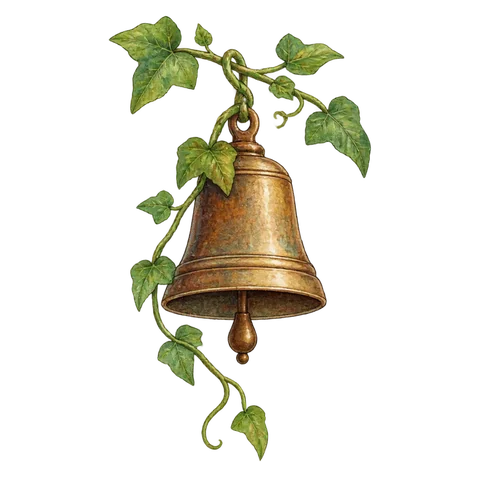
青青山上一根藤,青藤底下挂铜铃。吹藤铜铃,藤铜铃。
Qīngqīng shān shàng yī gēn téng, qīngténg dǐxia guà tónglíng. Fēng chuī téng dòng tónglíng dòng, fēng tíng téng tíng tónglíng tíng.
A vine grows on a green hill; a bronze bell hangs below it. Wind moves vine and bell; when the wind stops, both stop.
Playful pronunciation exercise; some wording is deliberately absurd.
Intermediate · -eng / -ing / -ong
Pronunciation: Keep the vowel before -ng audible. Link the repeated verbs in even groups rather than rushing the last word.
 Source note
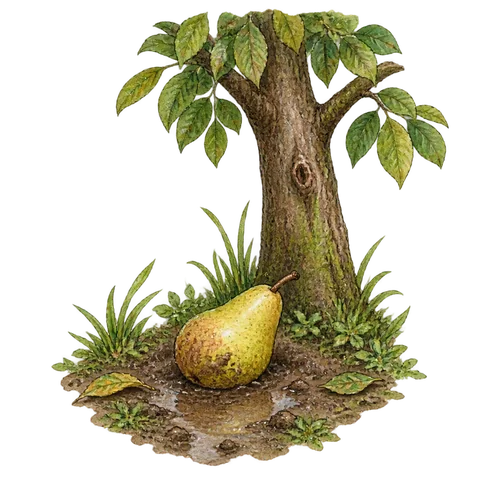
上有梨,有。梨,梨落。梨滚,沾梨。
Shù shàng yǒu lí, dì shàng yǒu ní. Fēng guā lí, lí luò dì. Lí gǔn ní, ní zhān lí.
Pears are on the tree and mud is on the ground. Wind blows a pear down; it rolls in the mud, which sticks to it.
Playful pronunciation exercise; some wording is deliberately absurd.
Intermediate · l / n
Pronunciation: Hold the same rising tone on lí and ní so the consonant contrast stays clear.
 Source note
知道就知道,不知道就不知道,不要知道不知道,也不要不知道知道。
Zhīdào jiù shuō zhīdào, bù zhīdào jiù shuō bù zhīdào, bù yào zhīdào shuō bù zhīdào, yě bù yào bù zhīdào shuō zhīdào.
If you know, say you know; if you do not, say you do not. Do not claim ignorance when you know, or knowledge when you do not.
Playful pronunciation exercise; some wording is deliberately absurd.
Intermediate · zh / sh; repeated negatives
Pronunciation: Keep the curled-tongue start of zh distinct from the continuous airflow of sh. Pause at each comma to track the negatives.
 Source note
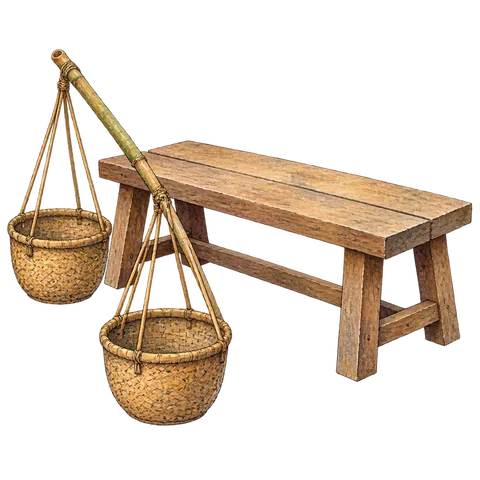
,板凳,比板凳,板凳比。
Biǎndan cháng, bǎndèng kuān, biǎndan bǐ bǎndèng cháng, bǎndèng bǐ biǎndan kuān.
The carrying pole is long and the bench is wide; the pole is longer than the bench, and the bench is wider than the pole.
Playful pronunciation exercise; some wording is deliberately absurd.
Intermediate · b / d; -an / -eng
Pronunciation: Keep b unaspirated and distinguish dan from dèng. Compare the same two objects slowly before speeding up.
 Source note
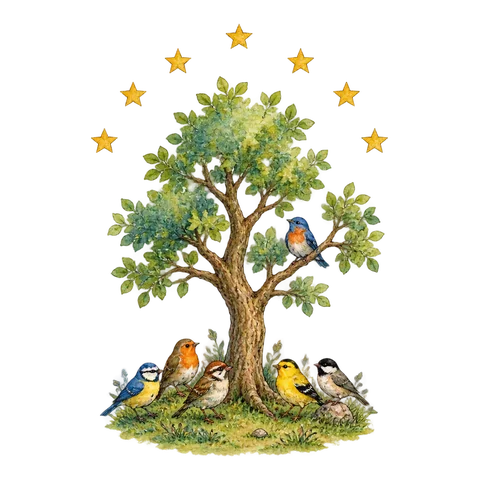
颗星,块,上只鹰,梁上根钉。
Tiān shàng qī kē xīng, dì shàng qī kuài bīng, shù shàng qī zhī yīng, liáng shàng qī gēn dīng.
Seven stars in the sky, seven ice blocks on the ground, seven hawks in the tree, and seven nails in the beam.
Playful pronunciation exercise; some wording is deliberately absurd.
Intermediate · x / y / d before -ing
Pronunciation: Hold the high first tone while changing the opening consonant; count with a steady rhythm.
 Source note
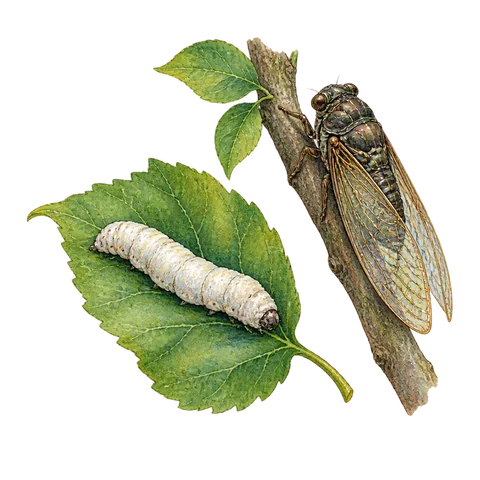
这是蚕,那是蝉,蚕常在叶里,蝉常在林里。
Zhè shì cán, nà shì chán, cán cháng zài yè lǐ cáng, chán cháng zài lín lǐ chàng.
This is a silkworm, that is a cicada; one hides in leaves, the other sings in the woods.
Playful pronunciation exercise; some wording is deliberately absurd.
Intermediate · c / ch; ang / an
Pronunciation: Both c and ch are aspirated; c begins forward like ts, while ch uses a retracted tongue tip.
 Source note
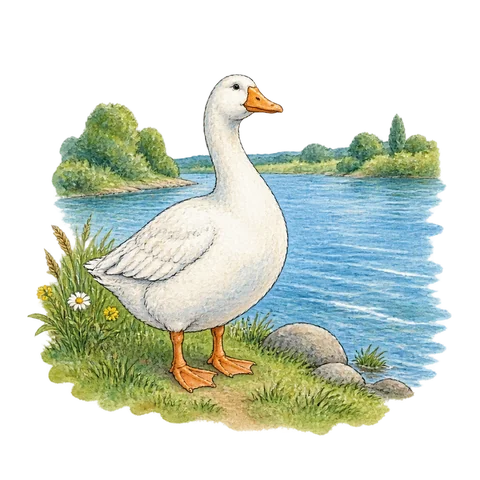
坡上立着一只鹅,坡下就是一条。的,肥肥的鹅,鹅过,渡鹅。
Pō shàng lì zhe yī zhī é, pō xià jiù shì yī tiáo hé. Kuānkuān de hé, féiféi de é, é yào guò hé, hé yào dù é.
A goose stands on the slope above a river. The river is wide, the goose is plump; the goose wants to cross and the river is to carry it over.
Playful pronunciation exercise; some wording is deliberately absurd.
Intermediate · e / he
Pronunciation: The Mandarin e is not English ee. Keep the same vowel shape in é and hé, adding only the initial h.
 Source note
Explore these words: Nature & landscape (flashcards) · Directions & position (flashcards) · Shapes, sizes & materials (flashcards)
Put these words into context with a story at your level.
Read Chinese storiesHard Chinese tongue twisters for a final challenge
Use one breath group at a time. These are games, so the literal scene can be intentionally impossible.
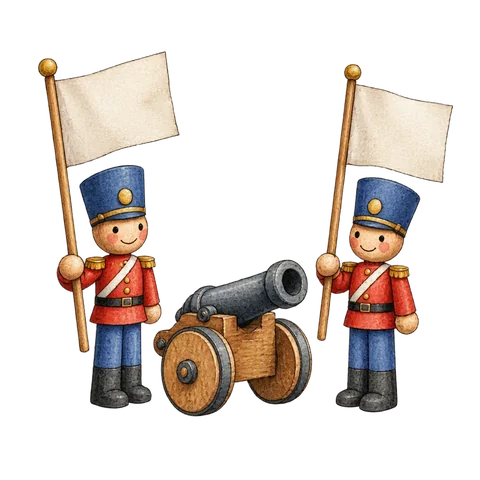
百标兵奔北坡,炮兵并排北边。炮兵把标兵碰,标兵碰炮兵炮。
Bā bǎi biāobīng bēn běi pō, pàobīng bìngpái běibian pǎo. Pàobīng pà bǎ biāobīng pèng, biāobīng pà pèng pàobīng pào.
Eight hundred standard-bearers head for the north slope; artillery soldiers run abreast to the north. Each group fears bumping into the other or its cannon.
Playful pronunciation exercise; some wording is deliberately absurd.
Hard · b / p; aspiration
Pronunciation: Mandarin b is unaspirated; p has a clear puff of air. Keep that contrast even when both are next to rounded vowels.
 Source note
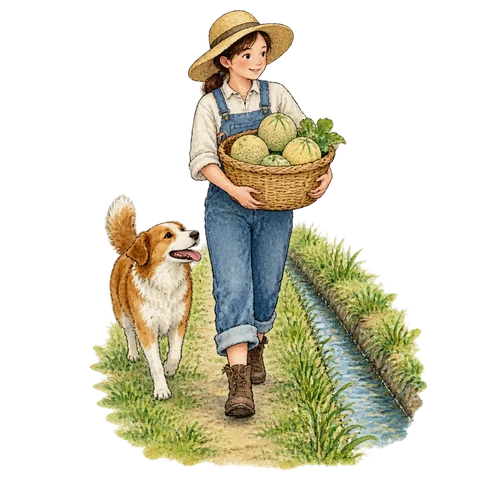
哥挎瓜过沟,过沟看怪狗。
Gē kuà guākuāng guò kuān gōu, kuài guò kuān gōu kàn guài gǒu.
Big brother carries a melon basket across a wide ditch; hurry across the ditch to see the odd dog.
Playful pronunciation exercise; some wording is deliberately absurd.
Hard · g / k; gua / kua
Pronunciation: Keep g unaspirated and k aspirated. The lip rounding should not erase the consonant difference.
 Source note
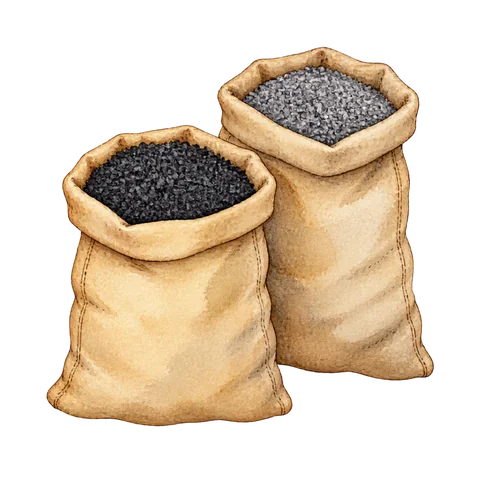
黑化肥发灰,灰化肥发黑。黑化肥发灰会挥发,灰化肥挥发会发黑。
Hēi huàféi fā huī, huī huàféi fā hēi. Hēi huàféi fā huī huì huīfā, huī huàféi huīfā huì fā hēi.
Black fertilizer turns gray and gray fertilizer turns black. Black fertilizer turns gray and can evaporate; gray fertilizer can evaporate and turn black.
Playful pronunciation exercise; some wording is deliberately absurd.
Hard · h / f; hui / hei
Pronunciation: Separate huī, huì and hēi before joining the line. The short fertilizer warm-up prepares the same mouth movements.
 Source note
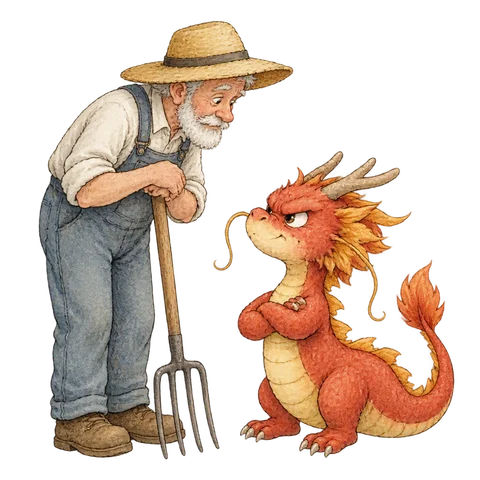
老恼怒闹老农,老农恼怒闹老。
Lǎo lóng nǎonù nào lǎo nóng, lǎo nóng nǎonù nào lǎo lóng.
The angry old dragon troubles the old farmer; the angry old farmer troubles the old dragon.
Playful pronunciation exercise; some wording is deliberately absurd.
Hard · l / n; ao / ong
Pronunciation: Begin l with oral airflow and n with nasal airflow. Keep the falling tone on nào distinct from the low nǎo.
 Source note
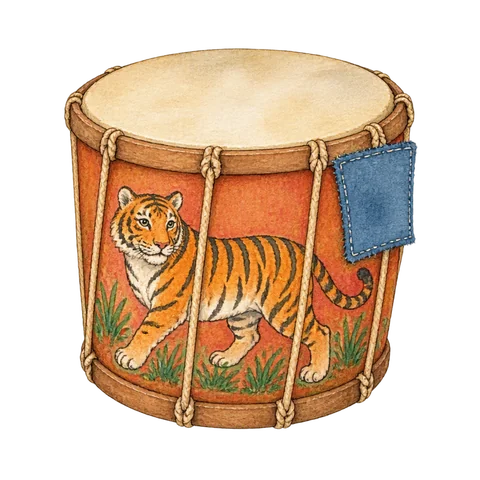
墙上挂面鼓,鼓上画老虎。老虎抓破了鼓,拿块,不知道是鼓,还是虎。
Qiáng shàng guà miàn gǔ, gǔ shàng huà lǎohǔ. Lǎohǔ zhuāpò le gǔ, ná kuài bù lái bǔ, bù zhīdào shì bù bǔ gǔ, háishi bù bǔ hǔ.
A drum on the wall has a tiger painted on it. The tiger tears the drum; a cloth patch arrives, but is it mending the drum or the tiger?
Playful pronunciation exercise; some wording is deliberately absurd.
Hard · b / g / h; third-tone chains
Pronunciation: Practice bù bǔ gǔ alone first. Consecutive third tones change in connected speech; avoid three exaggerated dipping tones.
 Source note
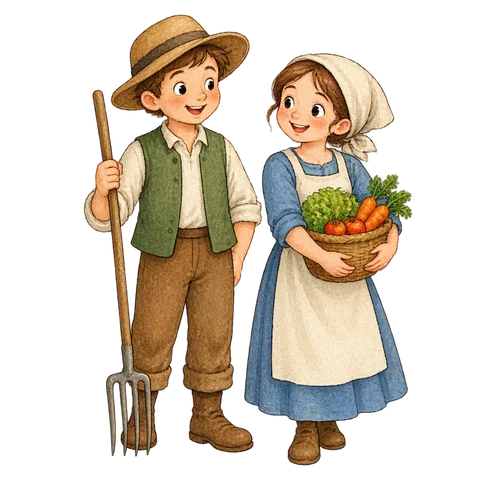
有个颜眼,后有个颜眼。不知颜眼的眼,还是颜眼的眼?
Cūn qián yǒu ge Yán Yuányǎn, cūn hòu yǒu ge Yán Yǎnyuán. Bù zhī Yán Yuányǎn de yǎn yuán, háishi Yán Yǎnyuán de yǎn yuán?
Yan Round-Eyes lives before the village and Yan Eyes-Round behind it. Whose eyes are rounder?
Playful pronunciation exercise; some wording is deliberately absurd.
Hard · yan / yuan
Pronunciation: The vowel in yuán starts with rounded lips; yǎn does not. Keep the comic names in separate rhythm groups.
 Source note
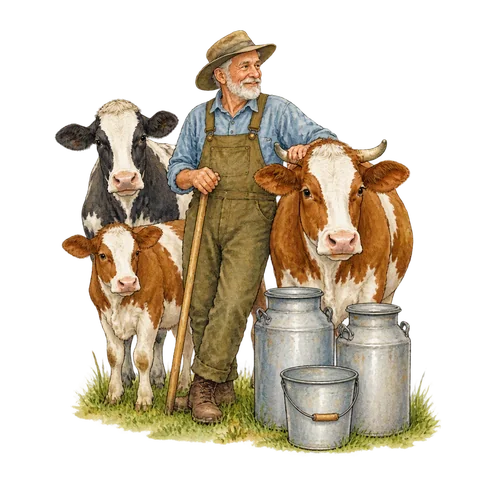
岁的陆老头,盖了间楼,买了篓,养了头牛。
Liùshíliù suì de Lù lǎotóu, gài le liùshíliù jiān lóu, mǎi le liùshíliù lǒu yóu, yǎng le liùshíliù tóu niú.
Sixty-six-year-old Mr. Lu built sixty-six rooms, bought sixty-six baskets of oil, and raised sixty-six cattle.
Playful pronunciation exercise; some wording is deliberately absurd.
Hard · liu / lou / niu; second and third tones
Pronunciation: Contrast lóu rising with low lǒu. The spelling iu represents the combined vowel sequence in liù and niú.
 Source note
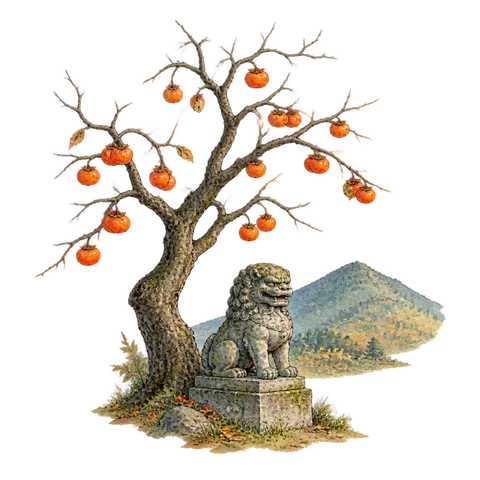
有棵死涩柿子,后有只石狮子。
Shān qián yǒu sìshísì kē sǐ sè shìzi shù, shān hòu yǒu sìshísì zhī shí shīzi.
Before the mountain stand forty-four dead astringent-persimmon trees; behind it are forty-four stone lions.
Playful pronunciation exercise; some wording is deliberately absurd.
Hard · s / sh; si / se / shi
Pronunciation: Separate the initial sound from the vowel: sè is not sì, and shì is not sǐ. Slow the whole number down first.
 Source note
Explore these words: Numbers (flashcards) · Shapes, sizes & materials (flashcards) · Nature & landscape (flashcards)
Put these words into context with a story at your level.
Read Chinese storiesA five-minute pronunciation drill
- Choose one short line and identify its target sound.
- Listen once, then say each phrase slowly while following the native script.
- Repeat the whole line three times clearly before trying natural speed.
- Record one attempt; compare only the target sounds, not your speaking speed.
- Finish with an ordinary sentence using one of the same words.
Chinese tongue twisters: frequently asked questions
What are tongue twisters called in Chinese?
绕口令 (ràokǒulìng) is the usual term: a short sound game that makes similar syllables hard to keep apart.
Which tongue twister should a beginner try first?
Choose one from the easy section and say it correctly three times at a slow pace. Move to a longer line only after you can keep the sound contrast consistent.
Should I practice fast or slowly?
Start slowly enough to hear every syllable. Increase speed a little after three clear repetitions; return to the slow version whenever the words start to merge.
Do native speakers find tongue twisters difficult?
Yes. The challenge comes from switching between similar sounds quickly, so knowing every word does not make the line effortless.
Are these tongue twisters suitable for children?
The easy lines use simple scenes and are good starting games. An adult can explain unfamiliar words and let the child repeat a single phrase without a speed contest.
Will tongue twisters make me fluent?
They can help you notice specific sound contrasts and coordinate articulation. You still need listening, ordinary conversation and meaningful reading to build fluency.
Why does the same tongue twister have different wording elsewhere?
Many circulate orally and in several written versions. This guide identifies the source of the selected version instead of treating every variation as a separate new tongue twister.
How can I check my pronunciation?
Record one slow attempt, listen for the target contrast, and compare it with the model audio. Ask a proficient speaker about a specific sound rather than only asking whether the whole line was fast enough.
Make these words part of your day
Explore Chinese stories, listen along, and save vocabulary as you go.
Find a story at your levelSources and verification
English translations and examples were written for this guide. Source notes distinguish documented expressions, original practice sentences, and literary quotations. Literary excerpts retain the language of their original period.
- 1st International Collection of Tongue Twisters: Mandarin — Traditional circulating wordplay; forms vary. Pinyin and English here were independently written and source transcription errors were not copied.
- Chénjìn: Chinese Tongue Twisters — Contemporary learner collection used to corroborate familiar circulating forms.
Source notes for all 25 entries
- 四是四,十是十,十四是十四,四十是四十。: Traditional four-and-ten opening, collection item 12; final stone-lion line omitted as a marked short excerpt. [collection] [chenjin]
- 妈妈骑马,马慢,妈妈骂马。: Collection item 5, a traditional tone contrast. [collection] [chenjin]
- 红凤凰,粉凤凰,粉红凤凰。: Collection item 7; one of several circulating phoenix versions. [collection] [chenjin]
- 吃葡萄不吐葡萄皮,不吃葡萄倒吐葡萄皮。: Collection item 11; the deliberately illogical second half is part of the word game. [collection] [chenjin]
- 化肥会挥发。: Attested short fertilizer twister, item 3; the scientific wording is wordplay rather than chemistry instruction. [chenjin]
- 红鲤鱼与绿鲤鱼与驴。: Attested short carp-and-donkey form, item 14. [chenjin]
- 门口吊刀,刀倒吊着。: Attested doorway-and-knife form, item 6. [chenjin]
- 桌上有个盆,盆里有个瓶,碰碰碰,是瓶碰盆,还是盆碰瓶?: Collection item 1; characters transcribed from the collection's pinyin and image text. [collection]
- 牛郎念刘娘,刘娘念牛郎,牛郎年年念刘娘,刘娘年年念牛郎。: Collection item 2, following the written 念 form rather than inconsistent liàn in its romanization. [collection]
- 老头儿端汤上塔,汤烫,塔滑,汤洒,汤烫塔。: Collection item 3, simplified characters; a comic impossible ending. [collection]
- 青青山上一根藤,青藤底下挂铜铃。风吹藤动铜铃动,风停藤停铜铃停。: Collection item 9, with 底下 matching its reading and sense. [collection]
- 树上有梨,地上有泥。风刮梨,梨落地。梨滚泥,泥沾梨。: Collection item 13; the meaning confirms 梨 throughout, despite typographical tone inconsistencies in its pinyin. [collection]
- 知道就说知道,不知道就说不知道,不要知道说不知道,也不要不知道说知道。: Collection item 16, four-clause excerpt; final rhetorical question omitted. [collection] [chenjin]
- 扁担长,板凳宽,扁担比板凳长,板凳比扁担宽。: First four clauses of collection item 10, explicitly a short excerpt of the longer traditional twister. [collection]
- 天上七颗星,地上七块冰,树上七只鹰,梁上七根钉。: Attested four-clause seven-stars form, item 8. [chenjin]
- 这是蚕,那是蝉,蚕常在叶里藏,蝉常在林里唱。: Attested silkworm-and-cicada form, item 9. [chenjin]
- 坡上立着一只鹅,坡下就是一条河。宽宽的河,肥肥的鹅,鹅要过河,河要渡鹅。: Attested goose-and-river form, item 10. [chenjin]
- 八百标兵奔北坡,炮兵并排北边跑。炮兵怕把标兵碰,标兵怕碰炮兵炮。: Attested four-line military twister, item 15; retained as a historical word game. [chenjin]
- 哥挎瓜筐过宽沟,快过宽沟看怪狗。: Attested opening of the melon-basket twister, item 16; two-line excerpt. [chenjin]
- 黑化肥发灰,灰化肥发黑。黑化肥发灰会挥发,灰化肥挥发会发黑。: Collection item 23; one established longer version, not an extra invented extension. [collection] [chenjin]
- 老龙恼怒闹老农,老农恼怒闹老龙。: Attested opening couplet, item 18; a short excerpt of the longer dragon-and-farmer version. [chenjin]
- 墙上挂面鼓,鼓上画老虎。老虎抓破了鼓,拿块布来补,不知道是布补鼓,还是布补虎。: Collection item 4, simplified spelling; the animated painted tiger is intentional fantasy. [collection]
- 村前有个颜圆眼,村后有个颜眼圆。不知颜圆眼的眼圆,还是颜眼圆的眼圆?: Collection item 22; names are wordplay and not claims about real people. [collection]
- 六十六岁的陆老头,盖了六十六间楼,买了六十六篓油,养了六十六头牛。: Attested sixty-six form, item 13; the odd baskets of oil belong to the rhyme. [chenjin]
- 山前有四十四棵死涩柿子树,山后有四十四只石狮子。: Attested persimmon-and-lion form, item 19. [chenjin]