
THE INKLINGO LANGUAGE GUIDES
120 Common Japanese Phrases (Meanings + Audio)
These 120 common Japanese phrases cover greetings, food, travel and the small requests that keep a conversation going. Start with the survival list, then practice the short exchanges in the situations you need.
Survival 25
- こんにちは。Hello. (Polite greeting.)
- おはようございます。Good morning.
- また明日。See you tomorrow.
- ありがとうございます。Thank you.
- すみません。Excuse me.
- ごめんなさい。I am sorry.
- 手伝っていただけますか。Could you help me?
- 少々お待ちください。Please wait a moment.
- メニューをお願いします。May I see the menu?
- これをお願いします。This one, please.
- お水をお願いします。Water, please.
- お会計をお願いします。The bill, please.
- これはいくらですか。How much is this?
- カードは使えますか。Can I pay by card?
- 見ているだけです。I am just looking.
- 駅はどこですか。Where is the station?
- トイレはどこですか。Where is the restroom?
- このバスは空港に行きますか。Does this bus go to the airport?
- 予約しています。I have a reservation.
- チェックインをお願いします。I would like to check in.
- 疲れましたか。Are you tired?
- 助けてください!Help me, please!
- 救急車を呼んでください。Please call an ambulance.
- もう一度言ってください。Please say it once more.
- もう少しゆっくり話してください。Please speak more slowly.
Japanese phrases: greetings and goodbyes
A greeting opens the exchange. Match your politeness to the person and the setting.

。
Konnichiwa.
Hello. (Polite greeting.)
Polite everyday Japanese unless a usage note says otherwise.
See it in a story: ともだちが きます (A0)
See it in a story: 閉店日の駄菓子屋に残った最後の飴 (A1)
Source noteようこそ。
Yōkoso.
Welcome.
A welcome to a place or event. Shop staff often use a different service greeting.
Source note。
Ohayō gozaimasu.
Good morning.
Polite everyday Japanese unless a usage note says otherwise.
Casual
See it in a story: 隣の席の人が毎日置いていく折り鶴 (A1)
Source note眠れましたか。
Yoku nemuremashita ka.
Did you sleep well?
Polite everyday Japanese unless a usage note says otherwise.
Source noteまた明日。
Mata ashita.
See you tomorrow.
A friendly short farewell; with someone senior, add the appropriate polite context.
See it in a story: 二十年ぶりの手紙 (A2)
See it in a story: 跳び箱を跳べなかった最後の体育の授業 (A2)
Source noteでは、失礼。
Sore de wa, shitsurei shimasu.
Well then, I will be leaving.
Polite when taking your leave, including an office or a visit.
Source noteお久しぶりです。
Ohisashiburi desu.
Long time no see.
Polite everyday Japanese unless a usage note says otherwise.
Casual
お元気でしたか。
Ogenki deshita ka.
Have you been well?
Polite everyday Japanese unless a usage note says otherwise.
Source note。
Oyasuminasai.
Good night.
Polite everyday Japanese unless a usage note says otherwise.
Casual
お元気で。
Ogenki de.
Take care.
Often used for a longer parting, rather than every casual goodbye.
Source noteExplore these words: Greetings & polite phrases · Time & dates (flashcards) · Health & medicine (flashcards)
Put these words into context with a story at your level.
Read Japanese storiesJapanese phrases: introducing yourself
Names, home countries and a simple explanation of what you are learning are enough to begin.

おは何ですか。
Onamae wa nan desu ka.
What is your name?
Polite everyday Japanese unless a usage note says otherwise.
Casual
See it in a story: 神保町の古書店で三十年売れなかった本 (A2)
Source noteアンナです。
Anna desu.
My name is Anna.
Polite everyday Japanese unless a usage note says otherwise.
Source noteはじめまして。
Hajimemashite.
Nice to meet you.
Polite everyday Japanese unless a usage note says otherwise.
Source noteどちらから来ましたか。
Dochira kara kimashita ka.
Where are you from?
Polite everyday Japanese unless a usage note says otherwise.
Source noteオランダから来ました。
Oranda kara kimashita.
I am from the Netherlands.
Polite everyday Japanese unless a usage note says otherwise.
Source noteです。
Gakusei desu.
I am a student.
Polite everyday Japanese unless a usage note says otherwise.
Source noteで来ました。
Ryokō de kimashita.
I am here on vacation.
Polite everyday Japanese unless a usage note says otherwise.
Source noteこちらはです。
Kochira wa tomodachi desu.
This is my friend.
Polite everyday Japanese unless a usage note says otherwise.
Source noteをしています。
Nihongo o benkyō shite imasu.
I am learning the language.
Polite everyday Japanese unless a usage note says otherwise.
Source note少し話せます。
Sukoshi hanasemasu.
I can speak a little.
Polite everyday Japanese unless a usage note says otherwise.
Source noteExplore these words: School & university (flashcards) · Travel & hotels (flashcards) · Family & relationships (flashcards)
Put these words into context with a story at your level.
Read Japanese storiesJapanese phrases: politeness and asking for help
A short apology or request is useful even when you cannot explain everything yet.

ありがとうございます。
Arigatō gozaimasu.
Thank you.
Polite everyday Japanese unless a usage note says otherwise.
Casual
See it in a story: 絵の具が一色だけ足りなかった日 (A1)
See it in a story: 路面電車に忘れられた広島弁のテープ (A1)
Source noteいえいえ。
Ie ie.
You are welcome. (Modest reply.)
A modest conversational reply that waves away the thanks.
Source note。
Sumimasen.
Excuse me.
Polite everyday Japanese unless a usage note says otherwise.
See it in a story: 宅配便に書かれた存在しない部屋番号 (A1)
See it in a story: 隣の席の人が毎日置いていく折り鶴 (A1)
Source note、何でしょうか。
Hai, nan deshō ka.
Yes? (Responding to someone.)
Polite everyday Japanese unless a usage note says otherwise.
Source noteなさい。
Gomennasai.
I am sorry.
An ordinary personal apology; the formal variant fits a more serious professional apology.
Casual
Formal apology
See it in a story: 発表会の前夜に消えた楽譜 (A1)
See it in a story: 二十年ぶりの手紙 (A2)
Source note大丈夫です。
Daijōbu desu.
It is all right.
Polite everyday Japanese unless a usage note says otherwise.
See it in a story: 発表会の前夜に消えた楽譜 (A1)
See it in a story: 嵐の翌朝、海岸に現れた白い鳥 (A2)
Source note手伝っていただけますか。
Tetsudatte itadakemasu ka.
Could you help me?
Polite everyday Japanese unless a usage note says otherwise.
Casual
です。
Mochiron desu.
Of course.
Polite everyday Japanese unless a usage note says otherwise.
Source noteお待ち。
Shōshō omachi kudasai.
Please wait a moment.
Polite everyday Japanese unless a usage note says otherwise.
Casual
ご親切にありがとうございます。
Goshinsetsu ni arigatō gozaimasu.
That is very kind of you.
Polite everyday Japanese unless a usage note says otherwise.
Source noteExplore these words: Greetings & polite phrases · Time & dates (flashcards) · Quantities & measurements (flashcards)
Put these words into context with a story at your level.
Read Japanese storiesJapanese phrases: at a restaurant
Pointing at the menu is fine. State dietary requirements clearly and check that the server understood.
をお願いします。
Menyū o onegai shimasu.
May I see the menu?
Polite everyday Japanese unless a usage note says otherwise.
Source note。
Dōzo.
Here you are.
Polite everyday Japanese unless a usage note says otherwise.
Source noteこれをお願いします。
Kore o onegai shimasu.
This one, please.
Polite everyday Japanese unless a usage note says otherwise.
Source noteおすすめは何ですか。
Osusume wa nan desu ka.
What do you recommend?
Polite everyday Japanese unless a usage note says otherwise.
Source noteおをお願いします。
Omizu o onegai shimasu.
Water, please.
Polite everyday Japanese unless a usage note says otherwise.
Source note氷なしでお願いします。
Kōri nashi de onegai shimasu.
No ice, please.
Polite everyday Japanese unless a usage note says otherwise.
Source noteお会計をお願いします。
Okaikei o onegai shimasu.
The bill, please.
Polite everyday Japanese unless a usage note says otherwise.
Source noteは食べません。
Niku wa tabemasen.
I do not eat meat.
Polite everyday Japanese unless a usage note says otherwise.
Source noteピーナッツアレルギーがあります。
Pīnattsu arerugī ga arimasu.
I am allergic to peanuts.
Polite everyday Japanese unless a usage note says otherwise.
Source note辛くしないで。
Karaku shinaide kudasai.
Please make it mild.
Polite everyday Japanese unless a usage note says otherwise.
Source noteExplore these words: Greetings & polite phrases · Food & cooking (flashcards) · Meals & restaurants (flashcards)
Put these words into context with a story at your level.
Read Japanese storiesJapanese phrases: shopping and paying
Ask about price and payment before agreeing to a purchase.
これはいくらですか。
Kore wa ikura desu ka.
How much is this?
Polite everyday Japanese unless a usage note says otherwise.
Source noteです。
Hyaku en desu.
It is one hundred yen.
円 (en) is yen. This is an illustrative amount.
See it in a story: 初詣で引いた大凶のおみくじ (A1)
Source noteは使えますか。
Kādo wa tsukaemasu ka.
Can I pay by card?
Polite everyday Japanese unless a usage note says otherwise.
Source note現金のみです。
Genkin nomi desu.
Cash only.
Polite everyday Japanese unless a usage note says otherwise.
Source note見ているだけです。
Mite iru dake desu.
I am just looking.
Polite everyday Japanese unless a usage note says otherwise.
Source noteもっと小さいサイズはありますか。
Motto chiisai saizu wa arimasu ka.
Do you have a smaller size?
Polite everyday Japanese unless a usage note says otherwise.
Source note試着もいいですか。
Shichaku shite mo ii desu ka.
May I try it on?
Polite everyday Japanese unless a usage note says otherwise.
Source noteこれにします。
Kore ni shimasu.
I will take it.
Polite everyday Japanese unless a usage note says otherwise.
Source noteはいりません。
Fukuro wa irimasen.
I do not need a bag.
Polite everyday Japanese unless a usage note says otherwise.
Source noteレシートをください。
Reshīto o kudasai.
Please give me a receipt.
Polite everyday Japanese unless a usage note says otherwise.
Source noteExplore these words: Numbers (flashcards) · Money & banking (flashcards)
Put these words into context with a story at your level.
Read Japanese storiesJapanese phrases: directions and travel
Show an address when possible, then confirm the destination or stop.
はどこですか。
Eki wa doko desu ka.
Where is the station?
Polite everyday Japanese unless a usage note says otherwise.
Source noteあそこです。
Asoko desu.
It is over there.
Polite everyday Japanese unless a usage note says otherwise.
Source noteトイレはどこですか。
Toire wa doko desu ka.
Where is the restroom?
Polite everyday Japanese unless a usage note says otherwise.
Source noteまっすぐ行って。
Massugu itte kudasai.
Please go straight.
Polite everyday Japanese unless a usage note says otherwise.
Source noteこのはに行きますか。
Kono basu wa kūkō ni ikimasu ka.
Does this bus go to the airport?
Polite everyday Japanese unless a usage note says otherwise.
Source noteを一枚。
Kippu o ichimai kudasai.
One ticket, please.
Polite everyday Japanese unless a usage note says otherwise.
Source noteどこで降りればいいですか。
Doko de orireba ii desu ka.
Where should I get off?
Polite everyday Japanese unless a usage note says otherwise.
Source noteここで止めて。
Koko de tomete kudasai.
Please stop here.
Polite everyday Japanese unless a usage note says otherwise.
Source noteどのくらいかかりますか。
Dono kurai kakarimasu ka.
How long does it take?
Polite everyday Japanese unless a usage note says otherwise.
Source note道に迷いました。
Michi ni mayoimashita.
I am lost.
Polite everyday Japanese unless a usage note says otherwise.
Source noteExplore these words: Transport (flashcards) · Greetings & polite phrases · Travel & hotels (flashcards)
Put these words into context with a story at your level.
Read Japanese storiesJapanese phrases: at a hotel
These requests cover arrival, the room and departure.
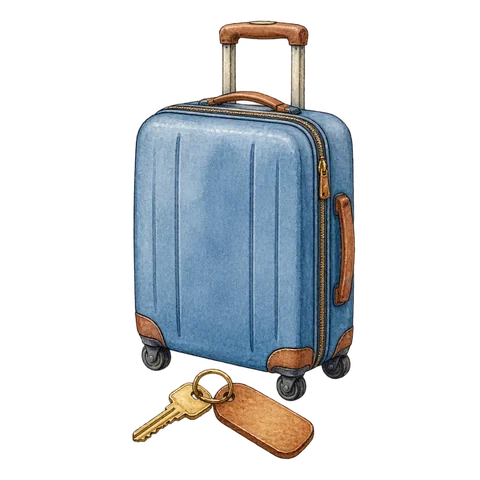
しています。
Yoyaku shite imasu.
I have a reservation.
Polite everyday Japanese unless a usage note says otherwise.
Source noteお名前をお願いします。
Onamae o onegai shimasu.
May I have your name?
Polite everyday Japanese unless a usage note says otherwise.
Source noteチェックインをお願いします。
Chekku-in o onegai shimasu.
I would like to check in.
Polite everyday Japanese unless a usage note says otherwise.
Source noteチェックアウトはですか。
Chekku-auto wa nanji desu ka.
What time is check-out?
Polite everyday Japanese unless a usage note says otherwise.
Source noteは付いていますか。
Chōshoku wa tsuite imasu ka.
Is breakfast included?
Polite everyday Japanese unless a usage note says otherwise.
Source noteワイファイのは何ですか。
Waifai no pasuwādo wa nan desu ka.
What is the Wi-Fi password?
Polite everyday Japanese unless a usage note says otherwise.
Source noteエアコンが動きません。
Eakon ga ugokimasen.
The air conditioner does not work.
Polite everyday Japanese unless a usage note says otherwise.
Source noteタオルをもう一枚ください。
Taoru o mō ichimai kudasai.
Please give me another towel.
Polite everyday Japanese unless a usage note says otherwise.
Source noteを預かっていただけますか。
Nimotsu o azukatte itadakemasu ka.
May I leave my luggage here?
The Japanese asks the listener to look after the luggage, rather than merely allow it to remain somewhere.
Source noteチェックアウトをお願いします。
Chekku-auto o onegai shimasu.
I would like to check out.
Polite everyday Japanese unless a usage note says otherwise.
Source noteExplore these words: Travel & hotels (flashcards) · Meals & restaurants (flashcards) · Question words
Put these words into context with a story at your level.
Read Japanese storiesJapanese phrases: small talk and making plans
A small question gives your partner an easy way to continue the conversation.

今日はいいですね。
Kyō wa ii tenki desu ne.
It is nice weather today.
Polite everyday Japanese unless a usage note says otherwise.
Source noteそうですね。暖かいですね。
Sō desu ne. Atatakai desu ne.
Yes, it is warm.
Polite everyday Japanese unless a usage note says otherwise.
Source note何をするのが好きですか。
Nani o suru no ga suki desu ka.
What do you like to do?
Polite everyday Japanese unless a usage note says otherwise.
Source noteを読むのが好きです。
Hon o yomu no ga suki desu.
I like reading.
Polite everyday Japanese unless a usage note says otherwise.
Source noteは空いていますか。
Ashita wa aite imasu ka.
Are you free tomorrow?
Polite everyday Japanese unless a usage note says otherwise.
Source note一緒にを飲みませんか。
Issho ni kōhī o nomimasen ka.
Shall we have a coffee?
Polite everyday Japanese unless a usage note says otherwise.
Source noteね。
Ii desu ne.
That sounds good.
Polite everyday Japanese unless a usage note says otherwise.
See it in a story: 八百年生きた尼が最後に選んだ洞窟 (B1)
Source noteに会いましょうか。
Nanji ni aimashō ka.
What time shall we meet?
Polite everyday Japanese unless a usage note says otherwise.
Source note今日は忙しいです。
Kyō wa isogashii desu.
I am busy today.
Polite everyday Japanese unless a usage note says otherwise.
Source noteまたお願いします。
Mata kondo onegai shimasu.
Maybe next time.
Polite everyday Japanese unless a usage note says otherwise.
Source noteExplore these words: Time & dates (flashcards) · Weather (flashcards) · Books & writing (flashcards)
Put these words into context with a story at your level.
Read Japanese storiesJapanese phrases: feelings and everyday needs
Say how you feel with short, direct sentences.

疲れましたか。
Tsukaremashita ka.
Are you tired?
Polite everyday Japanese unless a usage note says otherwise.
Casual
、少し。
Hai, sukoshi.
Yes, a little.
Polite everyday Japanese unless a usage note says otherwise.
Source noteおなかがすきました。
Onaka ga sukimashita.
I am hungry.
Polite everyday Japanese unless a usage note says otherwise.
See it in a story: おばあちゃんだけが知る味噌汁の秘密 (A2)
Source noteのどが渇きました。
Nodo ga kawakimashita.
I am thirsty.
Polite everyday Japanese unless a usage note says otherwise.
Source note寒いです。
Samui desu.
I am cold.
Polite everyday Japanese unless a usage note says otherwise.
Source note暑いです。
Atsui desu.
It is hot.
Polite everyday Japanese unless a usage note says otherwise.
Source noteうれしいです。
Ureshii desu.
I am happy.
Polite everyday Japanese unless a usage note says otherwise.
See it in a story: あおい かばん (A0)
See it in a story: あかい え (A0)
Source noteです。
Shinpai desu.
I am worried.
Polite everyday Japanese unless a usage note says otherwise.
See it in a story: 佐渡の鬼太鼓に入った新しい音 (A1)
See it in a story: 初詣で引いた大凶のおみくじ (A1)
Source note少し休みたいです。
Sukoshi yasumitai desu.
I want to rest.
Polite everyday Japanese unless a usage note says otherwise.
Source noteはなりました。
Ima wa yoku narimashita.
I feel better now.
Polite everyday Japanese unless a usage note says otherwise.
Source noteExplore these words: Emotions & feelings (flashcards) · Time & dates (flashcards) · Health & medicine (flashcards)
Put these words into context with a story at your level.
Read Japanese storiesJapanese phrases: emergencies and urgent help
Speak clearly, show the problem and ask for a person who can help. These are language examples, not local emergency-service instructions.
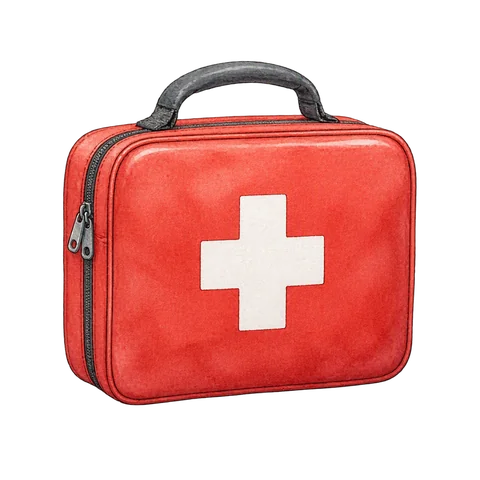
助けて!
Tasukete kudasai!
Help me, please!
Polite everyday Japanese unless a usage note says otherwise.
Source noteどうしましたか。
Dō shimashita ka.
What happened?
Polite everyday Japanese unless a usage note says otherwise.
See it in a story: となりの席の子が泣いた理由 (A2)
See it in a story: 屋久島の千年杉を守る男 (B1)
Source note救急車を呼んで。
Kyūkyūsha o yonde kudasai.
Please call an ambulance.
Polite everyday Japanese unless a usage note says otherwise.
Source noteを呼んで。
Keisatsu o yonde kudasai.
Please call the police.
Polite everyday Japanese unless a usage note says otherwise.
Source noteに診てもらです。
Isha ni mite moraitai desu.
I need a doctor.
Polite everyday Japanese unless a usage note says otherwise.
Source noteここが痛いです。
Koko ga itai desu.
It hurts here.
Polite everyday Japanese unless a usage note says otherwise.
Source noteパスポートをなくしました。
Pasupōto o nakushimashita.
I lost my passport.
Polite everyday Japanese unless a usage note says otherwise.
Source note一番近いはどこですか。
Ichiban chikai byōin wa doko desu ka.
Where is the nearest hospital?
Polite everyday Japanese unless a usage note says otherwise.
Source note具合が悪いです。
Guai ga warui desu.
I do not feel well.
Polite everyday Japanese unless a usage note says otherwise.
Source noteにして。
Kazoku ni renraku shite kudasai.
Please contact my family.
Polite everyday Japanese unless a usage note says otherwise.
Source noteExplore these words: Greetings & polite phrases · Health & medicine (flashcards) · Crime & law (flashcards)
Put these words into context with a story at your level.
Read Japanese storiesJapanese phrases: phone calls and messages
Confirm what you can hear and how you will contact the other person.
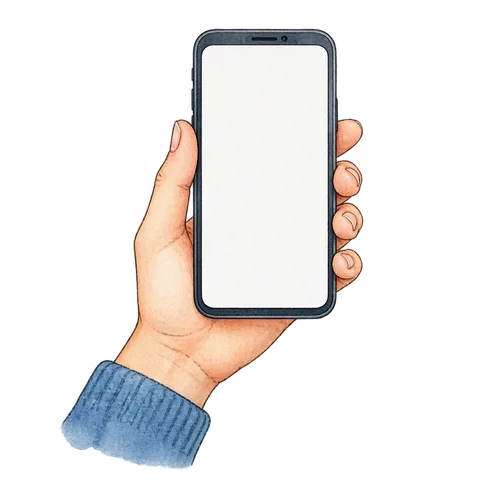
聞こえますか。
Kikoemasu ka.
Can you hear me?
Polite everyday Japanese unless a usage note says otherwise.
Source note、聞こえます。
Hai, kikoemasu.
Yes, I can hear you.
Polite everyday Japanese unless a usage note says otherwise.
Source noteよく聞こえません。
Yoku kikoemasen.
I cannot hear you clearly.
Polite everyday Japanese unless a usage note says otherwise.
Source noteで電話します。
Ato de denwa shimasu.
I will call you later.
Polite everyday Japanese unless a usage note says otherwise.
Source noteを送って。
Messēji o okutte kudasai.
Please send me a message.
Polite everyday Japanese unless a usage note says otherwise.
Source noteは何番ですか。
Denwa bangō wa nanban desu ka.
What is your phone number?
Polite everyday Japanese unless a usage note says otherwise.
Source note住所を送って。
Jūsho o okutte kudasai.
Please send me the address.
Polite everyday Japanese unless a usage note says otherwise.
Source note今向かっています。
Ima mukatte imasu.
I am on my way.
Polite everyday Japanese unless a usage note says otherwise.
Source note少し遅れます。
Sukoshi okuremasu.
I will be a little late.
Polite everyday Japanese unless a usage note says otherwise.
Source noteを受け取りました。
Messēji o uketorimashita.
I got your message.
Polite everyday Japanese unless a usage note says otherwise.
Source noteExplore these words: Technology & phones (flashcards) · Greetings & polite phrases · Time & dates (flashcards)
Put these words into context with a story at your level.
Read Japanese storiesJapanese phrases: in class and when learning
Ask for repetition or clarification as soon as you need it.
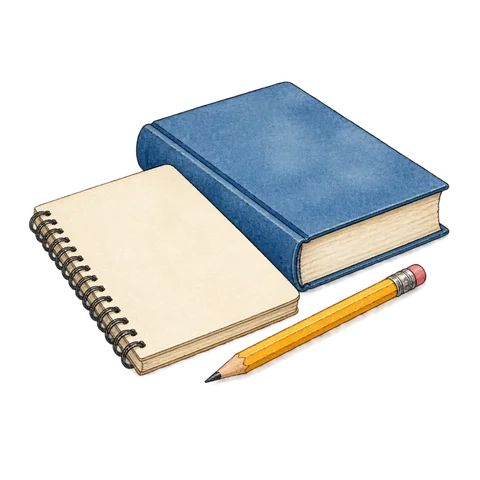
もう言って。
Mō ichido itte kudasai.
Please say it once more.
Polite everyday Japanese unless a usage note says otherwise.
Casual
、わかりました。
Hai, wakarimashita.
Yes, all right.
Polite everyday Japanese unless a usage note says otherwise.
Source noteもう少し話して。
Mō sukoshi yukkuri hanashite kudasai.
Please speak more slowly.
Polite everyday Japanese unless a usage note says otherwise.
Source note。
Wakarimasen.
I do not understand.
Polite everyday Japanese unless a usage note says otherwise.
Casual
See it in a story: 商店街で一軒だけ看板のない店 (A1)
See it in a story: 七夕の夜に願いごとが書けなかった少女 (A2)
Source noteこれはどういう意味ですか。
Kore wa dō iu imi desu ka.
What does this mean?
Polite everyday Japanese unless a usage note says otherwise.
Source noteこれは何と言いますか。
Kore wa nan to iimasu ka.
How do you say this?
Polite everyday Japanese unless a usage note says otherwise.
Source note書いて。
Kaite kudasai.
Please write it down.
Polite everyday Japanese unless a usage note says otherwise.
Source noteこれで合っていますか。
Kore de atte imasu ka.
Is this correct?
Polite everyday Japanese unless a usage note says otherwise.
Source noteがあります。
Shitsumon ga arimasu.
I have a question.
Polite everyday Japanese unless a usage note says otherwise.
Source note。
Ima wakarimashita.
I understand now.
Polite everyday Japanese unless a usage note says otherwise.
Source noteExplore these words: Time & dates (flashcards) · Greetings & polite phrases · Question words
Put these words into context with a story at your level.
Read Japanese storiesJapanese common phrases: frequently asked questions
Which Japanese phrases should a beginner learn first?
Begin with hello, thank you, excuse me, a request to repeat, and a question about the price or location. Choose five from the survival list and use them in a short exchange.
How many Japanese phrases do I need for a trip?
There is no fixed number. A small set that you can recognize and pronounce is more useful than a long list you cannot retrieve. Add phrases for your actual transport, accommodation and dietary needs.
Can I learn Japanese with romanization alone?
Romaji is a useful starting aid. Learn hiragana and katakana early, then use the furigana above kanji to connect sound and writing.
Should I use formal or informal language?
Use the polite forms here with strangers, staff and new acquaintances. Plain forms are useful among people who already share an informal relationship; dropping polite endings is not always enough to make a natural casual sentence.
What should I do if I cannot understand the reply?
Ask the person to repeat more slowly, show the phrase in writing, or ask them to write their answer. Practice recognizing replies as well as making requests.
How should I practice these phrases?
Listen once, read aloud once, and then say the phrase without looking. Put two or three phrases into a small conversation and review them the next day.
Are the English meanings word-for-word translations?
No. They describe what a speaker is communicating in the situation. Word order, omitted subjects and courtesy formulas often differ from English.
What are the most useful Japanese phrases for a first trip?
Start with the survival list: greetings, thanks, a polite way to get attention, asking for a price or location, and asking someone to repeat slowly. Practice the short dialogues so you can recognize a likely reply.
Is "I suki you" natural Japanese?
It mixes English words with a Japanese word and is not a standard Japanese sentence. Expressions of liking or affection depend on who is speaking and what is already understood. Learn a complete phrase with its context rather than assembling one word at a time.
Make these words part of your day
Explore Japanese stories, listen along, and save vocabulary as you go.
Find a story at your levelSources and verification
English translations and examples were written for this guide. Source notes distinguish documented expressions, original practice sentences, and literary quotations. Literary excerpts retain the language of their original period.
- Japan Foundation: Irodori Starter — Reference for basic vocabulary and practical language learning; the selection, English wording and practice dialogues here are original editorial work, not a reproduction of a phrasebook.
Source notes for all 120 entries
- こんにちは。: Original practical learning phrase; ordinary vocabulary and grammar, with English meaning written for this guide. [phrases-reference]
- ようこそ。: Original practical learning phrase; ordinary vocabulary and grammar, with English meaning written for this guide. [phrases-reference]
- おはようございます。: Original practical learning phrase; ordinary vocabulary and grammar, with English meaning written for this guide. [phrases-reference]
- よく眠れましたか。: Original practical learning phrase; ordinary vocabulary and grammar, with English meaning written for this guide. [phrases-reference]
- また明日。: Original practical learning phrase; ordinary vocabulary and grammar, with English meaning written for this guide. [phrases-reference]
- それでは、失礼します。: Original practical learning phrase; ordinary vocabulary and grammar, with English meaning written for this guide. [phrases-reference]
- お久しぶりです。: Original practical learning phrase; ordinary vocabulary and grammar, with English meaning written for this guide. [phrases-reference]
- お元気でしたか。: Original practical learning phrase; ordinary vocabulary and grammar, with English meaning written for this guide. [phrases-reference]
- おやすみなさい。: Original practical learning phrase; ordinary vocabulary and grammar, with English meaning written for this guide. [phrases-reference]
- お元気で。: Original practical learning phrase; ordinary vocabulary and grammar, with English meaning written for this guide. [phrases-reference]
- お名前は何ですか。: Original practical learning phrase; ordinary vocabulary and grammar, with English meaning written for this guide. [phrases-reference]
- アンナです。: Original practical learning phrase; ordinary vocabulary and grammar, with English meaning written for this guide. [phrases-reference]
- はじめまして。: Original practical learning phrase; ordinary vocabulary and grammar, with English meaning written for this guide. [phrases-reference]
- どちらから来ましたか。: Original practical learning phrase; ordinary vocabulary and grammar, with English meaning written for this guide. [phrases-reference]
- オランダから来ました。: Original practical learning phrase; ordinary vocabulary and grammar, with English meaning written for this guide. [phrases-reference]
- 学生です。: Original practical learning phrase; ordinary vocabulary and grammar, with English meaning written for this guide. [phrases-reference]
- 旅行で来ました。: Original practical learning phrase; ordinary vocabulary and grammar, with English meaning written for this guide. [phrases-reference]
- こちらは友達です。: Original practical learning phrase; ordinary vocabulary and grammar, with English meaning written for this guide. [phrases-reference]
- 日本語を勉強しています。: Original practical learning phrase; ordinary vocabulary and grammar, with English meaning written for this guide. [phrases-reference]
- 少し話せます。: Original practical learning phrase; ordinary vocabulary and grammar, with English meaning written for this guide. [phrases-reference]
- ありがとうございます。: Original practical learning phrase; ordinary vocabulary and grammar, with English meaning written for this guide. [phrases-reference]
- いえいえ。: Original practical learning phrase; ordinary vocabulary and grammar, with English meaning written for this guide. [phrases-reference]
- すみません。: Original practical learning phrase; ordinary vocabulary and grammar, with English meaning written for this guide. [phrases-reference]
- はい、何でしょうか。: Original practical learning phrase; ordinary vocabulary and grammar, with English meaning written for this guide. [phrases-reference]
- ごめんなさい。: Original practical learning phrase; ordinary vocabulary and grammar, with English meaning written for this guide. [phrases-reference]
- 大丈夫です。: Original practical learning phrase; ordinary vocabulary and grammar, with English meaning written for this guide. [phrases-reference]
- 手伝っていただけますか。: Original practical learning phrase; ordinary vocabulary and grammar, with English meaning written for this guide. [phrases-reference]
- もちろんです。: Original practical learning phrase; ordinary vocabulary and grammar, with English meaning written for this guide. [phrases-reference]
- 少々お待ちください。: Original practical learning phrase; ordinary vocabulary and grammar, with English meaning written for this guide. [phrases-reference]
- ご親切にありがとうございます。: Original practical learning phrase; ordinary vocabulary and grammar, with English meaning written for this guide. [phrases-reference]
- メニューをお願いします。: Original practical learning phrase; ordinary vocabulary and grammar, with English meaning written for this guide. [phrases-reference]
- どうぞ。: Original practical learning phrase; ordinary vocabulary and grammar, with English meaning written for this guide. [phrases-reference]
- これをお願いします。: Original practical learning phrase; ordinary vocabulary and grammar, with English meaning written for this guide. [phrases-reference]
- おすすめは何ですか。: Original practical learning phrase; ordinary vocabulary and grammar, with English meaning written for this guide. [phrases-reference]
- お水をお願いします。: Original practical learning phrase; ordinary vocabulary and grammar, with English meaning written for this guide. [phrases-reference]
- 氷なしでお願いします。: Original practical learning phrase; ordinary vocabulary and grammar, with English meaning written for this guide. [phrases-reference]
- お会計をお願いします。: Original practical learning phrase; ordinary vocabulary and grammar, with English meaning written for this guide. [phrases-reference]
- 肉は食べません。: Original practical learning phrase; ordinary vocabulary and grammar, with English meaning written for this guide. [phrases-reference]
- ピーナッツアレルギーがあります。: Original practical learning phrase; ordinary vocabulary and grammar, with English meaning written for this guide. [phrases-reference]
- 辛くしないでください。: Original practical learning phrase; ordinary vocabulary and grammar, with English meaning written for this guide. [phrases-reference]
- これはいくらですか。: Original practical learning phrase; ordinary vocabulary and grammar, with English meaning written for this guide. [phrases-reference]
- 百円です。: Original practical learning phrase; ordinary vocabulary and grammar, with English meaning written for this guide. [phrases-reference]
- カードは使えますか。: Original practical learning phrase; ordinary vocabulary and grammar, with English meaning written for this guide. [phrases-reference]
- 現金のみです。: Original practical learning phrase; ordinary vocabulary and grammar, with English meaning written for this guide. [phrases-reference]
- 見ているだけです。: Original practical learning phrase; ordinary vocabulary and grammar, with English meaning written for this guide. [phrases-reference]
- もっと小さいサイズはありますか。: Original practical learning phrase; ordinary vocabulary and grammar, with English meaning written for this guide. [phrases-reference]
- 試着してもいいですか。: Original practical learning phrase; ordinary vocabulary and grammar, with English meaning written for this guide. [phrases-reference]
- これにします。: Original practical learning phrase; ordinary vocabulary and grammar, with English meaning written for this guide. [phrases-reference]
- 袋はいりません。: Original practical learning phrase; ordinary vocabulary and grammar, with English meaning written for this guide. [phrases-reference]
- レシートをください。: Original practical learning phrase; ordinary vocabulary and grammar, with English meaning written for this guide. [phrases-reference]
- 駅はどこですか。: Original practical learning phrase; ordinary vocabulary and grammar, with English meaning written for this guide. [phrases-reference]
- あそこです。: Original practical learning phrase; ordinary vocabulary and grammar, with English meaning written for this guide. [phrases-reference]
- トイレはどこですか。: Original practical learning phrase; ordinary vocabulary and grammar, with English meaning written for this guide. [phrases-reference]
- まっすぐ行ってください。: Original practical learning phrase; ordinary vocabulary and grammar, with English meaning written for this guide. [phrases-reference]
- このバスは空港に行きますか。: Original practical learning phrase; ordinary vocabulary and grammar, with English meaning written for this guide. [phrases-reference]
- 切符を一枚ください。: Original practical learning phrase; ordinary vocabulary and grammar, with English meaning written for this guide. [phrases-reference]
- どこで降りればいいですか。: Original practical learning phrase; ordinary vocabulary and grammar, with English meaning written for this guide. [phrases-reference]
- ここで止めてください。: Original practical learning phrase; ordinary vocabulary and grammar, with English meaning written for this guide. [phrases-reference]
- どのくらいかかりますか。: Original practical learning phrase; ordinary vocabulary and grammar, with English meaning written for this guide. [phrases-reference]
- 道に迷いました。: Original practical learning phrase; ordinary vocabulary and grammar, with English meaning written for this guide. [phrases-reference]
- 予約しています。: Original practical learning phrase; ordinary vocabulary and grammar, with English meaning written for this guide. [phrases-reference]
- お名前をお願いします。: Original practical learning phrase; ordinary vocabulary and grammar, with English meaning written for this guide. [phrases-reference]
- チェックインをお願いします。: Original practical learning phrase; ordinary vocabulary and grammar, with English meaning written for this guide. [phrases-reference]
- チェックアウトは何時ですか。: Original practical learning phrase; ordinary vocabulary and grammar, with English meaning written for this guide. [phrases-reference]
- 朝食は付いていますか。: Original practical learning phrase; ordinary vocabulary and grammar, with English meaning written for this guide. [phrases-reference]
- ワイファイのパスワードは何ですか。: Original practical learning phrase; ordinary vocabulary and grammar, with English meaning written for this guide. [phrases-reference]
- エアコンが動きません。: Original practical learning phrase; ordinary vocabulary and grammar, with English meaning written for this guide. [phrases-reference]
- タオルをもう一枚ください。: Original practical learning phrase; ordinary vocabulary and grammar, with English meaning written for this guide. [phrases-reference]
- 荷物を預かっていただけますか。: Original practical learning phrase; ordinary vocabulary and grammar, with English meaning written for this guide. [phrases-reference]
- チェックアウトをお願いします。: Original practical learning phrase; ordinary vocabulary and grammar, with English meaning written for this guide. [phrases-reference]
- 今日はいい天気ですね。: Original practical learning phrase; ordinary vocabulary and grammar, with English meaning written for this guide. [phrases-reference]
- そうですね。暖かいですね。: Original practical learning phrase; ordinary vocabulary and grammar, with English meaning written for this guide. [phrases-reference]
- 何をするのが好きですか。: Original practical learning phrase; ordinary vocabulary and grammar, with English meaning written for this guide. [phrases-reference]
- 本を読むのが好きです。: Original practical learning phrase; ordinary vocabulary and grammar, with English meaning written for this guide. [phrases-reference]
- 明日は空いていますか。: Original practical learning phrase; ordinary vocabulary and grammar, with English meaning written for this guide. [phrases-reference]
- 一緒にコーヒーを飲みませんか。: Original practical learning phrase; ordinary vocabulary and grammar, with English meaning written for this guide. [phrases-reference]
- いいですね。: Original practical learning phrase; ordinary vocabulary and grammar, with English meaning written for this guide. [phrases-reference]
- 何時に会いましょうか。: Original practical learning phrase; ordinary vocabulary and grammar, with English meaning written for this guide. [phrases-reference]
- 今日は忙しいです。: Original practical learning phrase; ordinary vocabulary and grammar, with English meaning written for this guide. [phrases-reference]
- また今度お願いします。: Original practical learning phrase; ordinary vocabulary and grammar, with English meaning written for this guide. [phrases-reference]
- 疲れましたか。: Original practical learning phrase; ordinary vocabulary and grammar, with English meaning written for this guide. [phrases-reference]
- はい、少し。: Original practical learning phrase; ordinary vocabulary and grammar, with English meaning written for this guide. [phrases-reference]
- おなかがすきました。: Original practical learning phrase; ordinary vocabulary and grammar, with English meaning written for this guide. [phrases-reference]
- のどが渇きました。: Original practical learning phrase; ordinary vocabulary and grammar, with English meaning written for this guide. [phrases-reference]
- 寒いです。: Original practical learning phrase; ordinary vocabulary and grammar, with English meaning written for this guide. [phrases-reference]
- 暑いです。: Original practical learning phrase; ordinary vocabulary and grammar, with English meaning written for this guide. [phrases-reference]
- うれしいです。: Original practical learning phrase; ordinary vocabulary and grammar, with English meaning written for this guide. [phrases-reference]
- 心配です。: Original practical learning phrase; ordinary vocabulary and grammar, with English meaning written for this guide. [phrases-reference]
- 少し休みたいです。: Original practical learning phrase; ordinary vocabulary and grammar, with English meaning written for this guide. [phrases-reference]
- 今はよくなりました。: Original practical learning phrase; ordinary vocabulary and grammar, with English meaning written for this guide. [phrases-reference]
- 助けてください!: Original practical learning phrase; ordinary vocabulary and grammar, with English meaning written for this guide. [phrases-reference]
- どうしましたか。: Original practical learning phrase; ordinary vocabulary and grammar, with English meaning written for this guide. [phrases-reference]
- 救急車を呼んでください。: Original practical learning phrase; ordinary vocabulary and grammar, with English meaning written for this guide. [phrases-reference]
- 警察を呼んでください。: Original practical learning phrase; ordinary vocabulary and grammar, with English meaning written for this guide. [phrases-reference]
- 医者に診てもらいたいです。: Original practical learning phrase; ordinary vocabulary and grammar, with English meaning written for this guide. [phrases-reference]
- ここが痛いです。: Original practical learning phrase; ordinary vocabulary and grammar, with English meaning written for this guide. [phrases-reference]
- パスポートをなくしました。: Original practical learning phrase; ordinary vocabulary and grammar, with English meaning written for this guide. [phrases-reference]
- 一番近い病院はどこですか。: Original practical learning phrase; ordinary vocabulary and grammar, with English meaning written for this guide. [phrases-reference]
- 具合が悪いです。: Original practical learning phrase; ordinary vocabulary and grammar, with English meaning written for this guide. [phrases-reference]
- 家族に連絡してください。: Original practical learning phrase; ordinary vocabulary and grammar, with English meaning written for this guide. [phrases-reference]
- 聞こえますか。: Original practical learning phrase; ordinary vocabulary and grammar, with English meaning written for this guide. [phrases-reference]
- はい、聞こえます。: Original practical learning phrase; ordinary vocabulary and grammar, with English meaning written for this guide. [phrases-reference]
- よく聞こえません。: Original practical learning phrase; ordinary vocabulary and grammar, with English meaning written for this guide. [phrases-reference]
- 後で電話します。: Original practical learning phrase; ordinary vocabulary and grammar, with English meaning written for this guide. [phrases-reference]
- メッセージを送ってください。: Original practical learning phrase; ordinary vocabulary and grammar, with English meaning written for this guide. [phrases-reference]
- 電話番号は何番ですか。: Original practical learning phrase; ordinary vocabulary and grammar, with English meaning written for this guide. [phrases-reference]
- 住所を送ってください。: Original practical learning phrase; ordinary vocabulary and grammar, with English meaning written for this guide. [phrases-reference]
- 今向かっています。: Original practical learning phrase; ordinary vocabulary and grammar, with English meaning written for this guide. [phrases-reference]
- 少し遅れます。: Original practical learning phrase; ordinary vocabulary and grammar, with English meaning written for this guide. [phrases-reference]
- メッセージを受け取りました。: Original practical learning phrase; ordinary vocabulary and grammar, with English meaning written for this guide. [phrases-reference]
- もう一度言ってください。: Original practical learning phrase; ordinary vocabulary and grammar, with English meaning written for this guide. [phrases-reference]
- はい、わかりました。: Original practical learning phrase; ordinary vocabulary and grammar, with English meaning written for this guide. [phrases-reference]
- もう少しゆっくり話してください。: Original practical learning phrase; ordinary vocabulary and grammar, with English meaning written for this guide. [phrases-reference]
- わかりません。: Original practical learning phrase; ordinary vocabulary and grammar, with English meaning written for this guide. [phrases-reference]
- これはどういう意味ですか。: Original practical learning phrase; ordinary vocabulary and grammar, with English meaning written for this guide. [phrases-reference]
- これは何と言いますか。: Original practical learning phrase; ordinary vocabulary and grammar, with English meaning written for this guide. [phrases-reference]
- 書いてください。: Original practical learning phrase; ordinary vocabulary and grammar, with English meaning written for this guide. [phrases-reference]
- これで合っていますか。: Original practical learning phrase; ordinary vocabulary and grammar, with English meaning written for this guide. [phrases-reference]
- 質問があります。: Original practical learning phrase; ordinary vocabulary and grammar, with English meaning written for this guide. [phrases-reference]
- 今わかりました。: Original practical learning phrase; ordinary vocabulary and grammar, with English meaning written for this guide. [phrases-reference]