

つよい · tsuyoi
strong, in a linking form
Also means: strong
92 words · Story levels: A0–B2
Including: 美味しい · 米 · 味 · 甘い · 料理
strong, in a linking form
Also means: strong

delicious
Also means: delicious, in the -く form

rice
菌は米と水と空気の中に生き、その蔵だけの酒を生み出してきた。
The mold lived in the rice, water, and air, and had produced the sake unique to that brewery.
シベリア抑留から持ち帰った酒蔵の麹菌 · B2
taste
Also means: flavor

sweet
Also means: sweet-smelling · be out of focus

cooking
Also means: cooked dishes or food

bread
Also means: bang
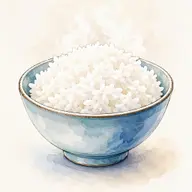
cooked rice
Also means: meal

salt
Also means: saltiness
今日の塩は届けられません」店主の健一は困りました。
I cannot deliver the salt for today. The owner of the restaurant, Kenichi, was troubled.
台風で塩が届かなかった讃岐うどん店 · A2
food
食べ物は少なく、けがをした人もたくさんいました。
There was little food, and there were also many injured people.
五稜郭から消えた一枚の旗 · A1
food

noodles
健一が生地を踏み、美咲が麺を切りました。
Kenichi stepped on the dough, and Misaki cut the noodles.
台風で塩が届かなかった讃岐うどん店 · A2
warm
Also means: warm and · warmly, and…

recipe
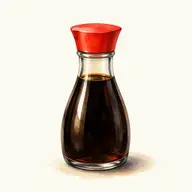
soy sauce
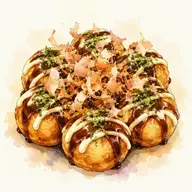
takoyaki, an octopus-filled snack
Also means: takoyaki-

bite
Also means: sip

japanese-style fried chicken

egg
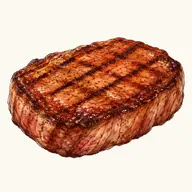
meat
「若い頃、父が宴から帰るとき、珍しい魚の肉を持ち帰りました。
"When I was young, when my father was returning from a banquet, he brought back the meat of a rare fish.
八百年生きた尼が最後に選んだ洞窟 · B1
ramen
Also means: rāmen
food
廃墟の中で生まれたその料理が、やがて日本の食文化の一部になるまで、そう時間はかからなかった。
That dish, born amid the ruins, until it eventually became part of Japan's food culture, it didn't take much time.
戦後の闇市で生まれたソース焼きそば · B2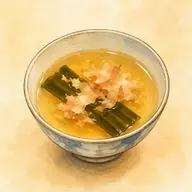
soup stock
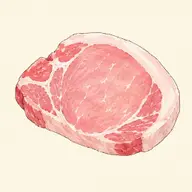
pork
豚の脂とソースが絡み合い、麺の表面に食欲をそそる茶色い艶が生まれた。
The pork fat and the sauce intertwined, and an appetizing brown glaze was born on the surface of the noodles.
戦後の闇市で生まれたソース焼きそば · B2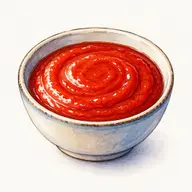
sauce
翌朝、清は決意を固め、棚の奥に隠していたソースの瓶を手に取った。
The next morning, Kiyoshi made up his mind, and picked up the bottle of sauce he had hidden in the back of the shelf.
戦後の闇市で生まれたソース焼きそば · B2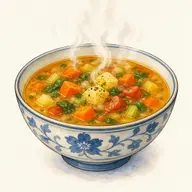
soup
なべから、みそしるのいいにおいがします。
From the pot, miso soup's a good smell comes out / is made.
おばあちゃんだけが知る味噌汁の秘密 · A2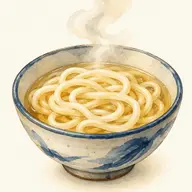
udon noodles
朝六時、讃岐うどんの店「白波」に電話がありました。
At six in the morning, There was a phone call to the Sanuki udon restaurant called Shiranami.
台風で塩が届かなかった讃岐うどん店 · A2soup
スープの味は同じはずなのに、なぜか違う気がした。
Even though the soup's flavor was supposed to be the same, for some reason, it felt different.
閉店前夜に残された祖父の隠し味 · B1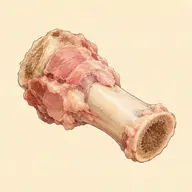
pork bones
豚骨を煮て、醤油を加えて、ずっと火の前に立っていた。
She boiled the pork bones, added soy sauce, and stood in front of the stove for a long time.
閉店前夜に残された祖父の隠し味 · B1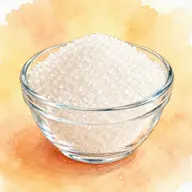
sugar
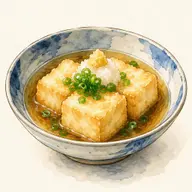
deep-fried and served in broth
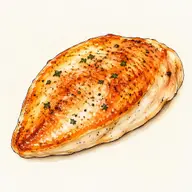
chicken
「チキンライス食べたよ」ってランチの写真を送ってきて。
He sent a photo of lunch saying "I ate chicken rice."
海外赴任中の夫が送ってくる写真の背景がおかしい · B1
tofu

octopus
ケンはたこ、ねぎ、生地をたこ焼き器に入れます。
Ken puts octopus, green onions, and batter into the takoyaki pan.
たこ焼きを丸くできない大阪の弟子 · A1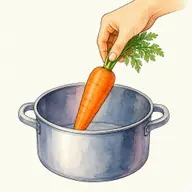
food ingredients
彼女は厨房に戻り、残っていた食材でスープを作り始めた。
She returned to the kitchen, and started making soup with the remaining ingredients.
閉店前夜に残された祖父の隠し味 · B1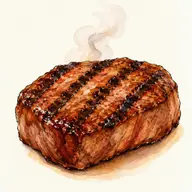
japanese-style grilled meat
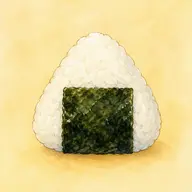
rice ball
「お父さん、これを食べて」父がふたを開けると、卵焼きとおにぎりが入っていました。
“Dad, eat this.” When father opened the lid, there were rolled omelet and rice balls inside.
輪島の朝市で交換された二つの弁当 · A2
appetite
豚の脂とソースが絡み合い、麺の表面に食欲をそそる茶色い艶が生まれた。
The pork fat and the sauce intertwined, and an appetizing brown glaze was born on the surface of the noodles.
戦後の闇市で生まれたソース焼きそば · B2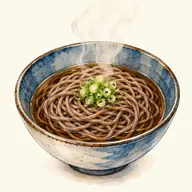
soba noodles
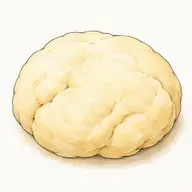
dough
Also means: batter
讃岐うどんの生地には、小麦粉、水、そして塩が必要です。
Sanuki udon dough needs flour, water, and salt.
台風で塩が届かなかった讃岐うどん店 · A2
animal fat
豚の脂とソースが絡み合い、麺の表面に食欲をそそる茶色い艶が生まれた。
The pork fat and the sauce intertwined, and an appetizing brown glaze was born on the surface of the noodles.
戦後の闇市で生まれたソース焼きそば · B2rice
「チキンライス食べたよ」ってランチの写真を送ってきて。
He sent a photo of lunch saying "I ate chicken rice."
海外赴任中の夫が送ってくる写真の背景がおかしい · B1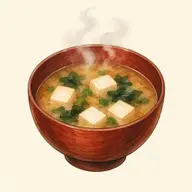
miso soup
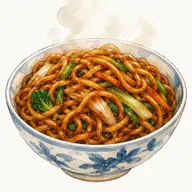
stir-fried noodles
焼きそばの前に水色の浴衣の子がいた!
There was a girl in a light blue yukata in front of the yakisoba!
地元の祭りに自分のそっくりさんが参加していた · A2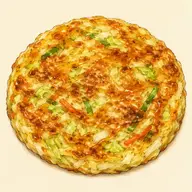
okonomiyaki (savory pancake)
お好み焼きが冷めるけえ」ミカには意味が分かりません。
The okonomiyaki will get cold.” Mika does not understand what it means.
路面電車に忘れられた広島弁のテープ · A1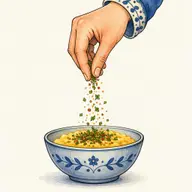
seasoning
seasoning
戦前、父の中華料理屋では洋食の要素を取り入れたメニューがあり、このウスターソースは特別な場面にだけ使う調味料だった。
Before the war, at his father's Chinese restaurant, there were dishes incorporating elements of Western cuisine, This Worcestershire sauce was a condiment used only on special occasions.
戦後の闇市で生まれたソース焼きそば · B2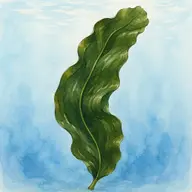
kelp
花は棚から昆布を取り出しましたが、足りません。
Hana, from the shelf took out the kombu (kelp), but there wasn't enough.
捨てられるはずだった昆布が変えた出汁の味 · A2
bitterly
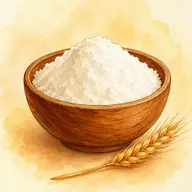
wheat flour
讃岐うどんの生地には、小麦粉、水、そして塩が必要です。
Sanuki udon dough needs flour, water, and salt.
台風で塩が届かなかった讃岐うどん店 · A2
japanese cuisine
花は和食レストラン「松」で見習いとして働いています。
Hana (subject) at a Japanese restaurant called 'Matsu' as an apprentice is working.
捨てられるはずだった昆布が変えた出汁の味 · A2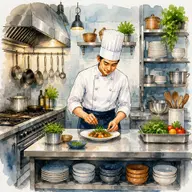
kitchen
「あと少しだけ」と春子は自分に言い聞かせながら、厨房の棚を拭いていた。
Saying to herself, "Just a little more," Haruko was wiping the kitchen shelves.
閉店前夜に残された祖父の隠し味 · B1
konjac

koji mold culture
mirin

pickled plum

food tasting

western-style food
戦前、父の中華料理屋では洋食の要素を取り入れたメニューがあり、このウスターソースは特別な場面にだけ使う調味料だった。
Before the war, at his father's Chinese restaurant, there were dishes incorporating elements of Western cuisine, This Worcestershire sauce was a condiment used only on special occasions.
戦後の闇市で生まれたソース焼きそば · B2
taste
花が味見をすると、その味は深くて豊かでした。
When Hana tasted it, the flavor was deep and rich.
捨てられるはずだった昆布が変えた出汁の味 · A2
chanko hot pot

rolled omelet
pleasantly roasty-smelling
焙煎された豆の香ばしい匂いが、鼻をくすぐった。
The fragrant aroma of roasted beans tickled his nose.
六十年間同じ道を歩いた男が初めて曲がった角 · B2
rice porridge
隣の屋台のおばさんが作る雑炊には毎日長い列ができるが、清の前には誰も並ばなかった。
The rice porridge made by the woman at the neighboring stall A long line forms every day, but no one lined up in front of Kiyoshi.
戦後の闇市で生まれたソース焼きそば · B2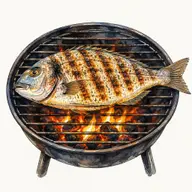
grilled fish
海から冷たい風が来て、焼き魚のいいにおいがしました。
A cold wind came from the sea, and there was a pleasant smell of grilled fish.
輪島の朝市で交換された二つの弁当 · A2
food shortage
戦時中の食糧難、夫の戦死、子供の受験、息子の結婚式。
Food shortages during the war, husbands dying in battle, children's entrance exams, a son's wedding.
解体前の古民家の天井裏から出た百年分の日記 · B2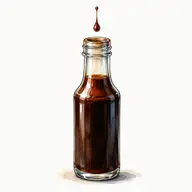
worcestershire sauce
戦前、父の中華料理屋では洋食の要素を取り入れたメニューがあり、このウスターソースは特別な場面にだけ使う調味料だった。
Before the war, at his father's Chinese restaurant, there were dishes incorporating elements of Western cuisine, This Worcestershire sauce was a condiment used only on special occasions.
戦後の闇市で生まれたソース焼きそば · B2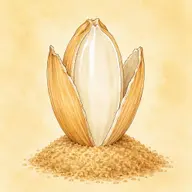
rice bran
へしこは、さばに塩をつけ、米ぬかの中で長い時間ねかせる食べ物だ。
Heshiko is made by salting mackerel and letting it rest in rice bran for a long time.
二つの家が同じ名で売る若狭のへしこ · A2rice ball
源蔵は黙って、握り飯を一つずつ手渡した。
Genzo, in silence, handed out the rice balls one by one.
関東大震災の翌朝に炊き出しを始めた板前 · B1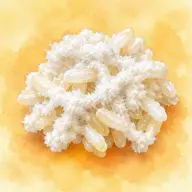
koji mold
百年以上続く蔵で、その麹菌は代々、同じ菌株を受け継いできた。
In a brewery that had lasted over a hundred years, that kōji mold had, for generations, inherited the same strain.
シベリア抑留から持ち帰った酒蔵の麹菌 · B2
eat
Also means: eat, then … · do not eat · cannot eat

drinking
その夜、評論家は椀物を飲み、言いました。
That night, the critic drank the soup (bowl dish) and said.
捨てられるはずだった昆布が変えた出汁の味 · A2
to eat
Also means: eat and…
ちゃんと食べや」電話の最後には、いつもそう言った。
Make sure you eat properly.” At the end of every phone call, she always said that.
母が標準語で残した最後の留守電 · A2
heated
「もったいないか」と思いながらも、彼は熱した鉄板の上の麺にそっとソースを垂らした。
While thinking 'Is it a waste?' he gently drizzled the sauce over the noodles on the heated iron griddle.
戦後の闇市で生まれたソース焼きそば · B2
feed

boil or simmer

cool down
お好み焼きが冷めるけえ」ミカには意味が分かりません。
The okonomiyaki will get cold.” Mika does not understand what it means.
路面電車に忘れられた広島弁のテープ · A1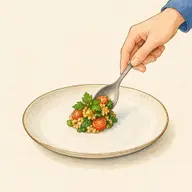
put food in a dish
清は少し迷ってから、器に盛って渡した。
Kiyoshi hesitated for a moment, then served it in a bowl and handed it over.
戦後の闇市で生まれたソース焼きそば · B2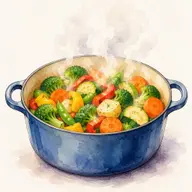
steamed
彼は蒸した米を用意し、袋の中の粉を静かに振りかけた。
He prepared steamed rice, and quietly sprinkled the powder from inside the bag.
シベリア抑留から持ち帰った酒蔵の麹菌 · B2
pour
静かな店内に、お湯を注ぐ音だけが響く。
In the quiet shop, only the sound of pouring hot water echoed.
六十年間同じ道を歩いた男が初めて曲がった角 · B2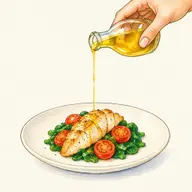
drizzle
「もったいないか」と思いながらも、彼は熱した鉄板の上の麺にそっとソースを垂らした。
While thinking 'Is it a waste?' he gently drizzled the sauce over the noodles on the heated iron griddle.
戦後の闇市で生まれたソース焼きそば · B2depth of flavor
麺は粉っぽく、肉は硬く、塩だけでは深みが出ない。
The noodles were floury, the meat was tough, and with only salt, there was no depth of flavor.
戦後の闇市で生まれたソース焼きそば · B2
whet the appetite
豚の脂とソースが絡み合い、麺の表面に食欲をそそる茶色い艶が生まれた。
The pork fat and the sauce intertwined, and an appetizing brown glaze was born on the surface of the noodles.
戦後の闇市で生まれたソース焼きそば · B2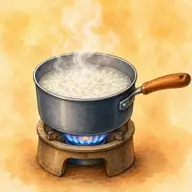
cook rice
でも、米を炊く技も、包丁の腕も、誰かを喜ばせたいという気持ちも、地震には奪えなかった。
But, neither the skill of cooking rice, nor his proficiency with a knife, nor the desire to make someone happy, could the earthquake steal away.
関東大震災の翌朝に炊き出しを始めた板前 · B1
rinse
米を研いで、水を量り、蓋を置いた。
He washed the rice, measured the water, and placed the lid.
関東大震災の翌朝に炊き出しを始めた板前 · B1
sprinkle
彼は蒸した米を用意し、袋の中の粉を静かに振りかけた。
He prepared steamed rice, and quietly sprinkled the powder from inside the bag.
シベリア抑留から持ち帰った酒蔵の麹菌 · B2
add
Also means: put into · let in · obtain

extinguish
Also means: quit · quit and … · stop and …
「スープの最後の一歩:火を止める三分前に、昆布を一枚だけ入れること。
"The final step for the soup: three minutes before turning off the heat, add just one piece of kombu (kelp).
閉店前夜に残された祖父の隠し味 · B1
delicious
Also means: well · smoothly · skillfully

rich
Also means: deep · deeply · deep and

cup

hot pot
Also means: pot

soy sauce brewery
Also means: sake brewery · storehouse
子どものころ、祖母の醤油蔵でよく遊んでいた。
When she was a child, she used to play often in her grandmother's soy sauce brewery.
小豆島の醤油蔵に残った最後の木桶 · B1
おいしい · おいしい
delicious
Five free formats for A4 and US Letter. Your browser can print or save a PDF.