
THE INKLINGO LANGUAGE GUIDES
90 Russian Idioms and Proverbs
Learn Russian idioms through the picture behind each expression, its real meaning and an example you could use in conversation. The essential list gets you started; proverbs have their own section because they express a complete piece of advice.

Essential 20
- Брать себя́ в ру́киPull yourself together
- Бить баклу́шиIdle away your time
- Води́ть за́ носLead someone on
- Ве́шать лапшу́ на́ ушиFeed someone a load of lies
- Де́лать из му́хи слона́Make a mountain out of a molehill
- Как две ка́пли воды́As alike as two peas in a pod
- Ни пу́ха ни пера́Good luck
- В пух и прахUtter defeat or destruction
- Руко́й пода́тьA stone’s throw away
- Кот напла́калHardly any
- Бе́лая воро́наThe odd one out
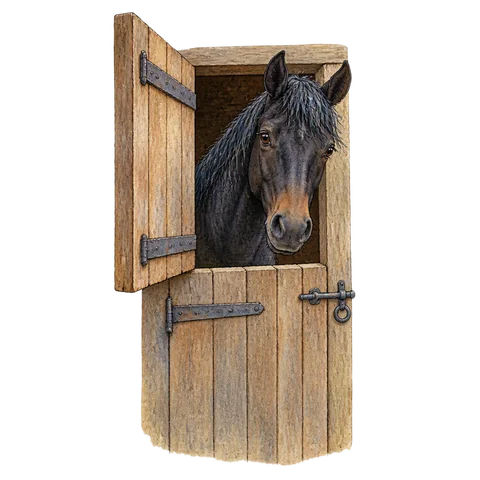
- Тёмная лоша́дкаAn unknown quantity
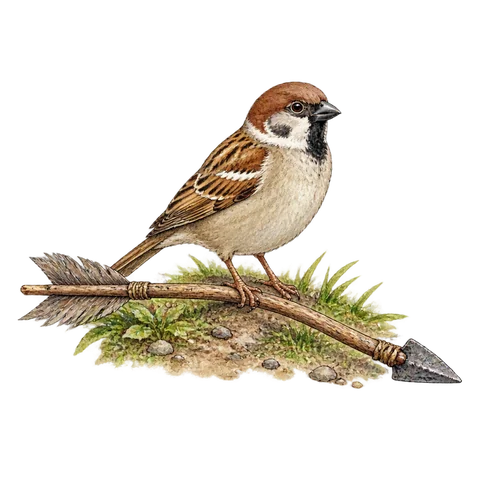
- Стре́ляный воробе́йAn old hand
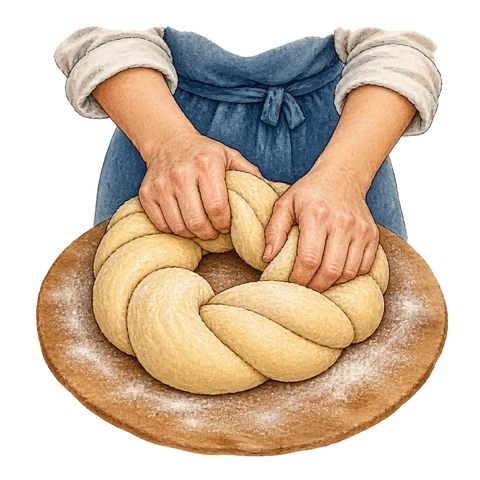
- Тёртый кала́чA seasoned operator
- Душа́ компа́нииThe life of the party
- Золоты́е ру́киA real gift for making or fixing things
- Семи́ пя́дей во лбу́Exceptionally clever
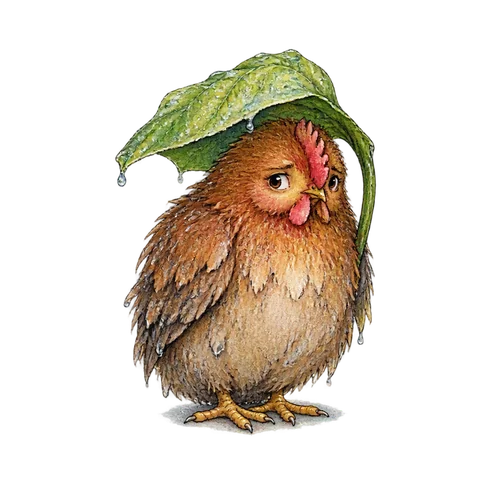
- Мо́края ку́рицаA timid, ineffectual person
- Соба́ка на се́неA dog in the manger
- Волк в ове́чьей шку́реSomeone dangerous who seems harmless
Essential everyday Russian idioms
Read the whole expression as a unit, then compare the literal picture with the situation in the example.

Брать себя́ в ру́ки
Bratʹ sebjá v rúki
Pull yourself together
Literally: To take oneself into one’s hands
Closest English expression: Pull yourself together
Conversational · Widely understood Russian
In a sentence
 Source note
Бить баклу́ши
Bitʹ baklúši
Idle away your time
Literally: To beat wooden blanks
Closest English expression: Idle away your time
Conversational; mildly critical · Widely understood Russian
In a sentence
 Source note
Води́ть за́ нос
Vodítʹ zá nos
Lead someone on
Literally: To lead by the nose
Closest English expression: Lead someone on
Conversational; critical · Widely understood Russian
In a sentence
 Source note
лапшу́ на́ уши
Véšatʹ lapšú ná uši
Feed someone a load of lies
Literally: To hang noodles on ears
Closest English expression: Feed someone a load of lies
Informal; accusatory · Widely understood Russian
In a sentence
 Source note
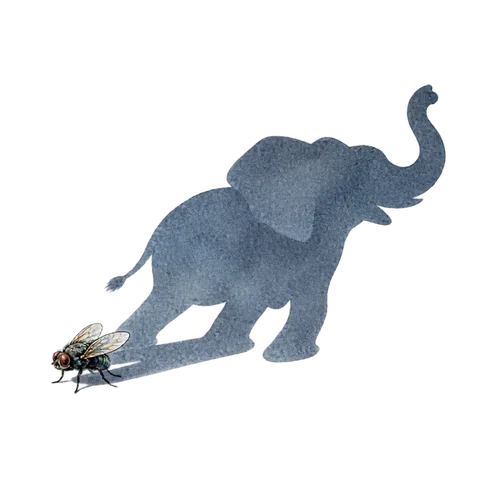
Де́лать из слона́
Délatʹ iz múkhi sloná
Make a mountain out of a molehill
Literally: To make an elephant out of a fly
Closest English expression: Make a mountain out of a molehill
Conversational · Widely understood Russian
In a sentence
 Source note
Как
Kak dve kápli vodý
As alike as two peas in a pod
Literally: Like two drops of water
Closest English expression: As alike as two peas in a pod
Neutral · Widely understood Russian
In a sentence
 Source note
Ни пу́ха ни пера́
Ni púkha ni perá
Good luck
Literally: Neither down nor feather
Closest English expression: Good luck
Informal good-luck formula; conventional reply к чёрту · Widely understood Russian
In a sentence
 Source note
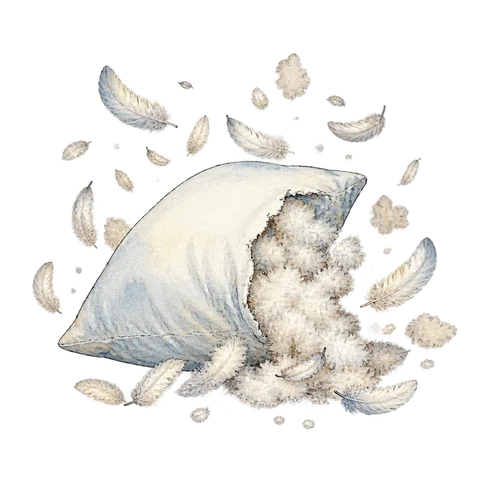
В пух и прах
V pukh i prakh
Utter defeat or destruction
Literally: Down and dust
Closest English expression: Utter defeat or destruction
Conversational; commonly в пух и прах · Widely understood Russian
In a sentence
 Source note
Руко́й пода́ть
Rukój podátʹ
A stone’s throw away
Literally: Within a hand’s reach
Closest English expression: A stone’s throw away
Conversational · Widely understood Russian
In a sentence
 Source note
Кот напла́кал
Kot naplákal
Hardly any
Literally: A cat has cried
Closest English expression: Hardly any
Informal · Widely understood Russian
In a sentence
 Source note
Explore these words: Numbers (flashcards) · Animals (flashcards) · Quantities & measurements (flashcards)
Put these words into context with a story at your level.
Read Russian storiesRussian idioms about people
Read the whole expression as a unit, then compare the literal picture with the situation in the example.
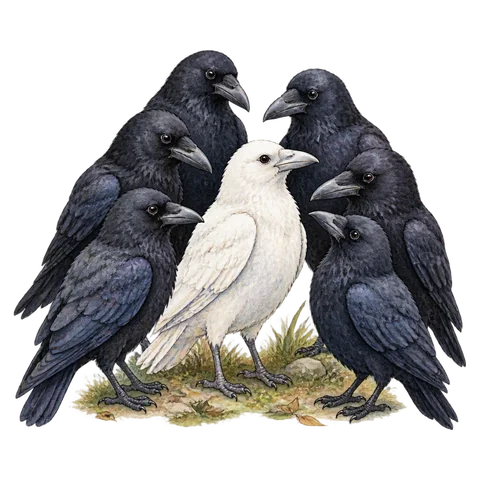
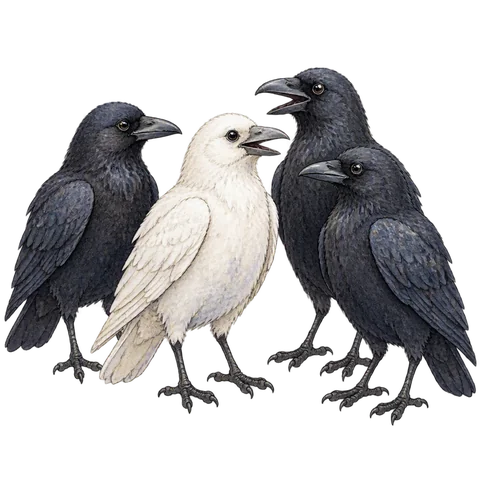
воро́на
Bélaja voróna
The odd one out
Literally: A white crow
Closest English expression: The odd one out
Conversational · Widely understood Russian
In a sentence
 Source note
лоша́дка
Tëmnaja lošádka
An unknown quantity
Literally: A dark horse
Closest English expression: An unknown quantity
Conversational · Widely understood Russian
In a sentence
 Source note
Стре́ляный воробе́й
Stréljanyj vorobéj
An old hand
Literally: A sparrow that has been shot at
Closest English expression: An old hand
Conversational · Widely understood Russian
In a sentence
 Source note
Тёртый кала́ч
Tërtyj kaláč
A seasoned operator
Literally: A well-kneaded kalach loaf
Closest English expression: A seasoned operator
Conversational · Widely understood Russian
In a sentence
 Source note
Душа́ компа́нии
Dušá kompánii
The life of the party
Literally: The soul of the company
Closest English expression: The life of the party
Conversational · Widely understood Russian
In a sentence
 Source note
ру́ки
Zolotýe rúki
A real gift for making or fixing things
Literally: Golden hands
Closest English expression: A real gift for making or fixing things
Approving · Widely understood Russian
In a sentence
 Source note
Семи́ пя́дей во
Semí pjádej vo lbú
Exceptionally clever
Literally: Seven spans across the forehead
Closest English expression: Exceptionally clever
Conversational; often in a negative construction · Widely understood Russian
In a sentence
 Source note
Мо́края ку́рица
Mókraja kúrica
A timid, ineffectual person
Literally: A wet hen
Closest English expression: A timid, ineffectual person
Informal; insulting when used of character · Widely understood Russian
In a sentence
 Source note
Соба́ка на се́не
Sobáka na séne
A dog in the manger
Literally: A dog on the hay
Closest English expression: A dog in the manger
Disapproving · Widely understood Russian
In a sentence
 Source note
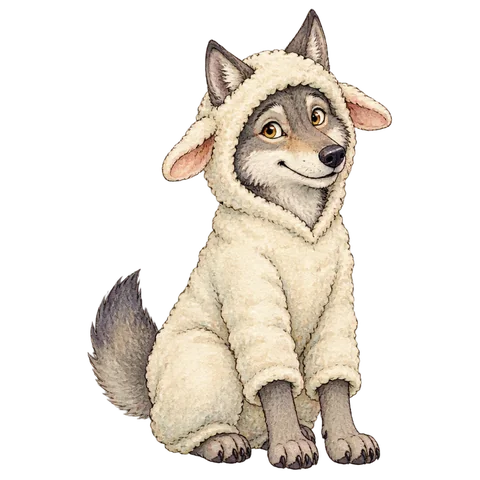
Волк в ове́чьей шку́ре
Volk v ovéčʹej škúre
Someone dangerous who seems harmless
Literally: A wolf in sheep’s clothing
Closest English expression: Someone dangerous who seems harmless
Disapproving · Widely understood Russian
In a sentence
 Source note
Explore these words: Colors (flashcards) · Family & relationships (flashcards) · Time & dates (flashcards)
Put these words into context with a story at your level.
Read Russian storiesRussian idioms about feelings
Read the whole expression as a unit, then compare the literal picture with the situation in the example.

Душа́ в пя́тки ушла́
Dušá v pjátki ušlá
Be scared stiff
Literally: The soul went into the heels
Closest English expression: Be scared stiff
Conversational · Widely understood Russian
In a sentence
Ка́мень с души́
Kámenʹ s duší
A weight off your mind
Literally: A stone off the soul
Closest English expression: A weight off your mind
Conversational · Widely understood Russian
In a sentence
Быть на седьмо́м не́бе
Bytʹ na sedʹmóm nébe
Be over the moon
Literally: To be in the seventh heaven
Closest English expression: Be over the moon
Conversational · Widely understood Russian
In a sentence
Рвать на себе́
Rvatʹ na sebé vólosy
Be beside yourself with regret
Literally: To tear out one’s hair
Closest English expression: Be beside yourself with regret
Expressive · Widely understood Russian
In a sentence
Выходи́ть из себя́
Vykhodítʹ iz sebjá
Lose your temper
Literally: To go out of oneself
Closest English expression: Lose your temper
Neutral · Widely understood Russian
In a sentence
нос
Véšatʹ nos
Lose heart
Literally: To hang one’s nose
Closest English expression: Lose heart
Conversational · Widely understood Russian
In a sentence
Не в свое́й таре́лке
Ne v svoéj tarélke
Ill at ease
Literally: Not in one’s own plate
Closest English expression: Ill at ease
Conversational · Widely understood Russian
In a sentence
Ко́шки скребу́т на душе́
Kóški skrebút na dušé
Feel troubled or miserable inside
Literally: Cats scratch at the soul
Closest English expression: Feel troubled or miserable inside
Conversational · Widely understood Russian
In a sentence
Как с плеч
Kak gorá s pleč
A huge relief
Literally: Like a mountain off the shoulders
Closest English expression: A huge relief
Conversational · Widely understood Russian
In a sentence
Не себе́ ме́ста
Ne nakhodítʹ sebé mésta
Be unable to settle from worry
Literally: To find no place for oneself
Closest English expression: Be unable to settle from worry
Neutral · Widely understood Russian
In a sentence
Explore these words: Body parts (flashcards) · Appearance · Time & dates (flashcards)
Put these words into context with a story at your level.
Read Russian storiesRussian idioms about speech and secrets
Read the whole expression as a unit, then compare the literal picture with the situation in the example.

язы́к за зуба́ми
Deržátʹ jazýk za zubámi
Keep your mouth shut
Literally: To keep the tongue behind the teeth
Closest English expression: Keep your mouth shut
Informal; direct · Widely understood Russian
In a sentence
Прикуси́ть язы́к
Prikusítʹ jazýk
Stop yourself from saying more
Literally: To bite the tongue
Closest English expression: Stop yourself from saying more
Conversational · Widely understood Russian
In a sentence
Язы́к без косте́й
Jazýk bez kostéj
A tongue that never stops
Literally: A tongue without bones
Closest English expression: A tongue that never stops
Informal; often critical · Widely understood Russian
In a sentence
Сло́во за́ слово
Slóvo zá slovo
One thing led to another in conversation
Literally: Word after word
Closest English expression: One thing led to another in conversation
Conversational · Widely understood Russian
In a sentence
Броса́ть слова́ на
Brosátʹ slová na véter
Make empty promises
Literally: To throw words to the wind
Closest English expression: Make empty promises
Neutral · Widely understood Russian
In a sentence
Из пу́стого в поро́жнее
Iz pústogo v poróžnee
Pointless repetition
Literally: From empty into empty
Closest English expression: Pointless repetition
Conversational; commonly with переливать · Widely understood Russian
In a sentence
Не в бровь, а в
Ne v brovʹ, a v glaz
Right on target
Literally: Not in the eyebrow but in the eye
Closest English expression: Right on target
Conversational · Widely understood Russian
In a sentence
Загова́ривать
Zagovárivatʹ zúby
Distract someone with chatter
Literally: To talk someone’s teeth away
Closest English expression: Distract someone with chatter
Informal; critical · Widely understood Russian
In a sentence
Моло́ть языко́м
Molótʹ jazykóm
Talk idly
Literally: To grind with one’s tongue
Closest English expression: Talk idly
Informal; disapproving · Widely understood Russian
In a sentence
Заруби́ть на носу́
Zarubítʹ na nosú
Remember once and for all
Literally: To cut a notch on the nose
Closest English expression: Remember once and for all
Informal; stern · Widely understood Russian
In a sentence
Explore these words: Body parts (flashcards) · Opinions & agreeing · Weather (flashcards)
Put these words into context with a story at your level.
Read Russian storiesRussian idioms about work and effort
Read the whole expression as a unit, then compare the literal picture with the situation in the example.

Засучи́в
Zasučív rukavá
With determined effort
Literally: With sleeves rolled up
Closest English expression: With determined effort
Neutral · Widely understood Russian
In a sentence
Спустя́
Spustjá rukavá
Half-heartedly or carelessly
Literally: With sleeves hanging down
Closest English expression: Half-heartedly or carelessly
Disapproving · Widely understood Russian
In a sentence
В по́те
V póte licá
By the sweat of your brow
Literally: In the sweat of the face
Closest English expression: By the sweat of your brow
Literary or expressive · Widely understood Russian
In a sentence
Сиде́ть сложа́ ру́ки
Sidétʹ složá rúki
Sit back and do nothing
Literally: To sit with folded hands
Closest English expression: Sit back and do nothing
Neutral · Widely understood Russian
In a sentence
Лома́ть го́лову
Lomátʹ gólovu
Rack your brains
Literally: To break the head
Closest English expression: Rack your brains
Conversational · Widely understood Russian
In a sentence
Наби́ть ру́ку
Nabítʹ rúku
Get the knack
Literally: To train up the hand
Closest English expression: Get the knack
Conversational · Widely understood Russian
In a sentence
соба́ку
Sʺestʹ sobáku
Know a field inside out
Literally: To eat a dog
Closest English expression: Know a field inside out
Informal; expertise · Widely understood Russian
In a sentence
Вставля́ть па́лки в колёса
Vstavljátʹ pálki v kolësa
Put obstacles in someone’s way
Literally: To put sticks into wheels
Closest English expression: Put obstacles in someone’s way
Conversational · Widely understood Russian
In a sentence
Второ́е дыха́ние
Vtoróe dykhánie
A second wind
Literally: A second breath
Closest English expression: A second wind
Neutral · Widely understood Russian
In a sentence
Брать быка́ за рога́
Bratʹ byká za rogá
Tackle a problem directly
Literally: To take the bull by the horns
Closest English expression: Tackle a problem directly
Conversational · Widely understood Russian
In a sentence
Explore these words: Clothes (flashcards) · Jobs & work (flashcards) · Body parts (flashcards)
Put these words into context with a story at your level.
Read Russian storiesRussian idioms about money and time
Read the whole expression as a unit, then compare the literal picture with the situation in the example.

Затяну́ть по́яс
Zatjanútʹ pójas
Cut back on spending
Literally: To tighten the belt
Closest English expression: Cut back on spending
Conversational · Widely understood Russian
In a sentence
В долга́х как в шелка́х
V dolgákh kak v šelkákh
Up to your ears in debt
Literally: In debts as if in silks
Closest English expression: Up to your ears in debt
Conversational; ironic · Widely understood Russian
In a sentence
Де́нег ку́ры не клюю́т
Déneg kúry ne kljujút
Have money to burn
Literally: Hens do not peck the money
Closest English expression: Have money to burn
Informal · Widely understood Russian
In a sentence
жи́ла
Zolotája žíla
A gold mine
Literally: A gold vein
Closest English expression: A gold mine
Neutral · Widely understood Russian
In a sentence
Копе́йка в копе́йку
Kopéjka v kopéjku
Exactly, down to the last penny
Literally: Kopeck for kopeck
Closest English expression: Exactly, down to the last penny
Conversational · Widely understood Russian
In a sentence
На зо́лота
Na ves zólota
Extremely valuable
Literally: Worth its weight in gold
Closest English expression: Extremely valuable
Neutral · Widely understood Russian
In a sentence
В мгнове́ние о́ка
V mgnovénie óka
In a flash
Literally: In the blink of an eye
Closest English expression: In a flash
Literary or expressive · Widely understood Russian
In a sentence
Че́рез по ча́йной ло́жке
Čérez čas po čájnoj lóžke
Painfully slowly
Literally: A teaspoon an hour
Closest English expression: Painfully slowly
Informal; impatient · Widely understood Russian
In a sentence
Би́тый
Bítyj čas
A whole long hour
Literally: A beaten hour
Closest English expression: A whole long hour
Conversational; frustration · Widely understood Russian
In a sentence
На носу́
Na nosú
Just around the corner in time
Literally: On the nose
Closest English expression: Just around the corner in time
Conversational · Widely understood Russian
In a sentence
Explore these words: Time & dates (flashcards) · Sports & fitness (flashcards) · Jobs & work (flashcards)
Put these words into context with a story at your level.
Read Russian storiesRussian idioms for problems and luck
Read the whole expression as a unit, then compare the literal picture with the situation in the example.

Попа́сть впроса́к
Popástʹ vprosák
Get into an embarrassing predicament
Literally: To get into a fix
Closest English expression: Get into an embarrassing predicament
Conversational · Widely understood Russian
In a sentence
в лу́жу
Sestʹ v lúžu
Make a fool of yourself
Literally: To sit in a puddle
Closest English expression: Make a fool of yourself
Informal · Widely understood Russian
In a sentence
Вы́йти сухи́м из
Výjti sukhím iz vodý
Get away unscathed
Literally: To come out of the water dry
Closest English expression: Get away unscathed
Conversational; often disapproving · Widely understood Russian
In a sentence
Из да в по́лымя
Iz ognjá da v pólymja
Out of the frying pan into the fire
Literally: Out of fire into flame
Closest English expression: Out of the frying pan into the fire
Conversational · Widely understood Russian
In a sentence
Ме́жду огне́й
Méždu dvukh ognéj
Caught between two opposing sides
Literally: Between two fires
Closest English expression: Caught between two opposing sides
Neutral · Widely understood Russian
In a sentence
Медве́жья услу́га
Medvéžʹja uslúga
A favour that does harm
Literally: A bear’s service
Closest English expression: A favour that does harm
Neutral · Widely understood Russian
In a sentence
Подли́вать ма́сла в
Podlívatʹ másla v ogónʹ
Add fuel to the fire
Literally: To pour oil on the fire
Closest English expression: Add fuel to the fire
Neutral · Widely understood Russian
In a sentence
Как на го́лову
Kak sneg na gólovu
Completely out of the blue
Literally: Like snow on the head
Closest English expression: Completely out of the blue
Conversational · Widely understood Russian
In a sentence
Сесть на мель
Sestʹ na melʹ
Get stuck, especially financially
Literally: To run aground
Closest English expression: Get stuck, especially financially
Conversational · Widely understood Russian
In a sentence
в
Rodítʹsja v rubáške
Be extraordinarily lucky
Literally: To be born wearing a shirt
Closest English expression: Be extraordinarily lucky
Conversational · Widely understood Russian
In a sentence
Explore these words: Emergencies & safety (flashcards) · Numbers (flashcards) · City & places (flashcards)
Put these words into context with a story at your level.
Read Russian storiesRussian idioms about relationships and judgment
Read the whole expression as a unit, then compare the literal picture with the situation in the example.

Душа́ в ду́шу
Dušá v dúšu
In perfect harmony
Literally: Soul to soul
Closest English expression: In perfect harmony
Approving · Widely understood Russian
In a sentence
о́бщий
Nakhodítʹ óbščij jazýk
Find common ground
Literally: To find a common language
Closest English expression: Find common ground
Neutral · Widely understood Russian
In a sentence
Води́ть хорово́ды
Vodítʹ khorovódy
Spend time fussing around someone
Literally: To lead round dances
Closest English expression: Spend time fussing around someone
Conversational; disapproving · Widely understood Russian
In a sentence
ка́мень за па́зухой
Deržátʹ kámenʹ za pázukhoj
Harbour a grudge
Literally: To keep a stone inside one’s shirt
Closest English expression: Harbour a grudge
Conversational · Widely understood Russian
In a sentence
Смо́треть сквозь
Smótretʹ skvozʹ pálʹcy
Turn a blind eye
Literally: To look through one’s fingers
Closest English expression: Turn a blind eye
Neutral · Widely understood Russian
In a sentence
Ме́рить на свой арши́н
Méritʹ na svoj aršín
Judge by your own standards
Literally: To measure with one’s own arshin
Closest English expression: Judge by your own standards
Conversational · Widely understood Russian
In a sentence
Закады́чный
Zakadýčnyj drug
A bosom friend
Literally: A close-to-the-bosom friend
Closest English expression: A bosom friend
Conversational · Widely understood Russian
In a sentence
За три́девять земе́ль
Za trídevjatʹ zemélʹ
A very long way away
Literally: Beyond three-times-nine lands
Closest English expression: A very long way away
Fairy-tale wording; humorous in conversation · Widely understood Russian
In a sentence
Знать как свои́ па́льцев
Znatʹ kak svoí pjatʹ pálʹcev
Know like the back of your hand
Literally: To know like one’s own five fingers
Closest English expression: Know like the back of your hand
Conversational · Widely understood Russian
In a sentence
рак на сви́стнет
Kogdá rak na goré svístnet
When pigs fly
Literally: When a crayfish whistles on a mountain
Closest English expression: When pigs fly
Informal; sarcastic · Widely understood Russian
In a sentence
Explore these words: Family & relationships (flashcards) · Countries & languages (flashcards) · Directions & position (flashcards)
Put these words into context with a story at your level.
Read Russian storiesRussian proverbs and sayings
Read the whole expression as a unit, then compare the literal picture with the situation in the example.

Без труда́ не вы́тащишь и ры́бку из пруда́.
Bez trudá ne výtaščišʹ i rýbku iz prudá.
Nothing comes without effort.
Literally: Without effort you cannot pull even a fish from a pond.
Closest English expression: Nothing comes without effort.
Traditional proverb · Widely understood Russian
In a sentence
Семь раз отме́рь, оди́н раз отре́жь.
Semʹ raz otmérʹ, odín raz otréžʹ.
Think carefully before acting.
Literally: Measure seven times, cut once.
Closest English expression: Think carefully before acting.
Traditional proverb · Widely understood Russian
In a sentence
Ти́ше е́дешь — бу́дешь.
Tíše édešʹ — dálʹše búdešʹ.
Slow and steady wins the race.
Literally: Go more quietly and you will get farther.
Closest English expression: Slow and steady wins the race.
Traditional proverb · Widely understood Russian
In a sentence
Лу́чше по́здно, чем .
Lúčše pózdno, čem nikogdá.
Better late than never.
Literally: Better late than never.
Closest English expression: Better late than never.
Traditional proverb · Widely understood Russian
In a sentence
лу́чше но́вых .
Stáryj drug lúčše nóvykh dvukh.
Value longstanding friendships.
Literally: An old friend is better than two new ones.
Closest English expression: Value longstanding friendships.
Traditional proverb · Widely understood Russian
In a sentence
Не име́й , а име́й друзе́й.
Ne iméj sto rubléj, a iméj sto druzéj.
Friends are worth more than money.
Literally: Have a hundred friends rather than a hundred rubles.
Closest English expression: Friends are worth more than money.
Traditional proverb · Widely understood Russian
In a sentence
Что посе́ешь, то и пожнёшь.
Čto poséešʹ, to i požnëšʹ.
You reap what you sow.
Literally: What you sow, you will reap.
Closest English expression: You reap what you sow.
Traditional proverb · Widely understood Russian
In a sentence
Не всё то зо́лото, что блести́т.
Ne vsë to zóloto, čto blestít.
All that glitters is not gold.
Literally: Not everything that shines is gold.
Closest English expression: All that glitters is not gold.
Traditional proverb · Widely understood Russian
In a sentence
Век живи́ — век учи́сь.
Vek živí — vek učísʹ.
Live and learn.
Literally: Live a lifetime, learn a lifetime.
Closest English expression: Live and learn.
Traditional proverb · Widely understood Russian
In a sentence
Сло́во не воробе́й: вы́летит — не пойма́ешь.
Slóvo ne vorobéj: výletit — ne pojmáešʹ.
You cannot take back what you have said.
Literally: A word is not a sparrow: once it flies out, you cannot catch it.
Closest English expression: You cannot take back what you have said.
Traditional proverb · Widely understood Russian
In a sentence
Explore these words: Time & dates (flashcards) · Numbers (flashcards) · Age & life stages (flashcards)
Put these words into context with a story at your level.
Read Russian storiesUse an idiom in a real situation
- Choose one expression whose example fits your life.
- Say the original example, then change one detail while preserving the idiom.
- Notice the register: a joking expression can be unsuitable in a serious apology.
- Look for the phrase in a story before trying to use several idioms in one conversation.
Russian idioms: frequently asked questions
What is a Russian idiom?
An idiom is a fixed expression whose intended meaning differs from a straightforward translation of its words. The literal picture can be a useful memory aid, but the example shows how it is used.
What is the difference between an idiom and a proverb?
An idiom usually fits inside a sentence. A proverb is usually a complete saying that comments on life or gives advice. Both can be figurative.
Which Russian idioms should a beginner learn first?
Start with the essential list. Choose expressions you encounter in stories or conversation rather than memorising the whole page at once.
Can I translate English idioms word for word?
Sometimes languages share a picture, but many expressions do not transfer. Check the target-language meaning and example before using a literal translation.
Are all these expressions formal?
No. Read the register label. Many are conversational, some are literary and a few are pointed or critical; those can sound rude when aimed directly at another person.
Does every idiom have an exact English equivalent?
No. The English equivalent is a close functional match or a short paraphrase. It does not promise that the expressions fit every identical context.
How can I remember figurative expressions?
Connect the literal image to a specific situation. Retell the example in your own words and look for another occurrence before learning the next expression.
Why do the Russian idioms have stress marks?
Russian stress is not reliably predicted from spelling and can move when a word changes form. The acute marks help you learn each expression; ordinary native writing usually omits them.
Do Russian idioms change their grammar?
Often. The verb changes for tense and person, and a noun or pronoun may change case. Learn the complete example rather than treating the dictionary infinitive as a ready-made sentence.
Make these words part of your day
Explore Russian stories, listen along, and save vocabulary as you go.
Find a story at your levelSources and verification
English translations and examples were written for this guide. Source notes distinguish documented expressions, original practice sentences, and literary quotations. Literary excerpts retain the language of their original period.
- Wiktionary: брать себя в руки — Dictionary entry for the expression. Definitions are paraphrased; the example and English translation here are original.
- Wiktionary: бить баклуши — Dictionary entry for the expression. Definitions are paraphrased; the example and English translation here are original.
- Wiktionary: водить за нос — Dictionary entry for the expression. Definitions are paraphrased; the example and English translation here are original.
- Wiktionary: вешать лапшу на уши — Dictionary entry for the expression. Definitions are paraphrased; the example and English translation here are original.
- Wiktionary: делать из мухи слона — Dictionary entry for the expression. Definitions are paraphrased; the example and English translation here are original.
- Russian Wiktionary: как две капли воды — Dictionary entry for the expression. Definitions are paraphrased; the example and English translation here are original.
- Wiktionary: ни пуха ни пера — Dictionary entry for the expression. Definitions are paraphrased; the example and English translation here are original.
- Wiktionary: в пух и прах — Dictionary entry for the complete adverbial expression.
- Wiktionary: рукой подать — Dictionary entry for the expression. Definitions are paraphrased; the example and English translation here are original.
- Russian Wiktionary: кот наплакал — Dictionary entry for the expression. Definitions are paraphrased; the example and English translation here are original.
- Wiktionary: белая ворона — Dictionary entry for the expression. Definitions are paraphrased; the example and English translation here are original.
- Russian Wiktionary: тёмная лошадка — Dictionary entry for the expression. Definitions are paraphrased; the example and English translation here are original.
- Russian Wiktionary: стреляный воробей — Dictionary entry for the expression. Definitions are paraphrased; the example and English translation here are original.
- Russian Wiktionary: тёртый калач — Dictionary entry for the expression. Definitions are paraphrased; the example and English translation here are original.
- Russian Wiktionary: душа компании — Dictionary entry for the expression. Definitions are paraphrased; the example and English translation here are original.
- Russian Wiktionary: золотые руки — Dictionary entry for the expression. Definitions are paraphrased; the example and English translation here are original.
- Wiktionary: семи пядей во лбу — Dictionary entry for the expression. Definitions are paraphrased; the example and English translation here are original.
- Wiktionary: мокрая курица — Dictionary entry for the expression. Definitions are paraphrased; the example and English translation here are original.
- Russian Wiktionary: собака на сене — Dictionary entry for the expression. Definitions are paraphrased; the example and English translation here are original.
- Wiktionary: волк в овечьей шкуре — Dictionary entry for the expression. Definitions are paraphrased; the example and English translation here are original.
- Russian Wiktionary: душа в пятки ушла — Dictionary entry for the expression. Definitions are paraphrased; the example and English translation here are original.
- Russian Academy of Sciences: Active Dictionary, КАМЕНЬ — Active Dictionary of Russian, volume 4 part 2, printed page54: камень с души свалился; meaning and usage examples.
- Russian Wiktionary: на седьмом небе — Dictionary entry for the expression. Definitions are paraphrased; the example and English translation here are original.
- Fyodorov: Рвать на себе волосы — Phraseological Dictionary of the Russian Literary Language, A. I. Fyodorov, 2008; dictionary text reproduced by Academic.
- Wiktionary: выходить из себя — Dictionary entry for the expression. Definitions are paraphrased; the example and English translation here are original.
- Russian Wiktionary: вешать нос — Dictionary entry for the expression. Definitions are paraphrased; the example and English translation here are original.
- Wiktionary: не в своей тарелке — Dictionary entry for the expression. Definitions are paraphrased; the example and English translation here are original.
- Fyodorov: Кошки скребут на душе — Phraseological Dictionary of the Russian Literary Language; dictionary text reproduced by Academic.
- Ozhegov and Shvedova: ГОРА — The headword includes Как гора с плеч (свалилась), explained as release from a heavy worry.
- Russian Wiktionary: не находить себе места — Dictionary entry for the expression. Definitions are paraphrased; the example and English translation here are original.
- Russian Wiktionary: держать язык за зубами — Dictionary entry for the expression. Definitions are paraphrased; the example and English translation here are original.
- Russian Wiktionary: прикусить язык — Dictionary entry for the expression. Definitions are paraphrased; the example and English translation here are original.
- Russian Wiktionary: язык без костей — Dictionary entry for the expression. Definitions are paraphrased; the example and English translation here are original.
- Russian Wiktionary: слово за слово — Dictionary entry for the expression. Definitions are paraphrased; the example and English translation here are original.
- Fyodorov: Бросить на ветер слова — Dictionary includes imperfective бросать and both word orders; definition paraphrased, our example newly written.
- Russian Wiktionary: из пустого в порожнее — Dictionary entry for the expression. Definitions are paraphrased; the example and English translation here are original.
- Russian Wiktionary: не в бровь, а в глаз — Dictionary entry for the expression. Definitions are paraphrased; the example and English translation here are original.
- Russian Wiktionary: заговаривать зубы — Dictionary entry for the expression. Definitions are paraphrased; the example and English translation here are original.
- Russian Wiktionary: молоть языком — Dictionary entry for the expression. Definitions are paraphrased; the example and English translation here are original.
- Russian Wiktionary: зарубить на носу — Dictionary entry for the expression. Definitions are paraphrased; the example and English translation here are original.
- Russian Wiktionary: засучив рукава — Dictionary entry for the expression. Definitions are paraphrased; the example and English translation here are original.
- Wiktionary: спустя рукава — Dictionary entry for the expression. Definitions are paraphrased; the example and English translation here are original.
- Wiktionary: в поте лица — Dictionary entry for the expression. Definitions are paraphrased; the example and English translation here are original.
- Russian Wiktionary: сложа руки — Dictionary headword for the adverbial expression used with сидеть.
- Russian Wiktionary: ломать голову — Dictionary entry for the expression. Definitions are paraphrased; the example and English translation here are original.
- Wiktionary: набить руку — Dictionary entry for the expression. Definitions are paraphrased; the example and English translation here are original.
- Russian Wiktionary: собаку съесть — Dictionary headword in the alternative component order, with the same figurative meaning.
- Russian Wiktionary: вставлять палки в колёса — Dictionary entry for the expression. Definitions are paraphrased; the example and English translation here are original.
- Wiktionary: второе дыхание — Dictionary entry for the expression. Definitions are paraphrased; the example and English translation here are original.
- Wiktionary: брать быка за рога — Dictionary entry for the expression. Definitions are paraphrased; the example and English translation here are original.
- Gramota: Big Explanatory Dictionary, затянуть — Figurative phrase З. пояс, пояса (потуже): restrict expenditure; prepare for hardship.
- Wiktionary: в долгах как в шелках — Dictionary entry for the expression. Definitions are paraphrased; the example and English translation here are original.
- Russian Wiktionary: денег куры не клюют — Dictionary entry for the expression. Definitions are paraphrased; the example and English translation here are original.
- Russian Wiktionary: золотая жила — Dictionary entry for the expression. Definitions are paraphrased; the example and English translation here are original.
- Russian Wiktionary: копейка в копейку — Dictionary entry for the expression. Definitions are paraphrased; the example and English translation here are original.
- Russian Wiktionary: на вес золота — Dictionary entry for the expression. Definitions are paraphrased; the example and English translation here are original.
- Wiktionary: в мгновение ока — Dictionary entry for the expression. Definitions are paraphrased; the example and English translation here are original.
- Russian Wiktionary: через час по чайной ложке — Dictionary entry for the expression. Definitions are paraphrased; the example and English translation here are original.
- Russian Wiktionary: битый час — Dictionary entry for the expression. Definitions are paraphrased; the example and English translation here are original.
- Gramota: НОС — Kuznetsov’s dictionary entry includes на носу: something close or about to happen.
- Russian Wiktionary: попасть впросак — Dictionary entry for the expression. Definitions are paraphrased; the example and English translation here are original.
- Russian Wiktionary: сесть в лужу — Dictionary entry for the expression. Definitions are paraphrased; the example and English translation here are original.
- Russian Wiktionary: выйти сухим из воды — Dictionary entry for the expression. Definitions are paraphrased; the example and English translation here are original.
- Russian Wiktionary: из огня да в полымя — Dictionary entry for the expression. Definitions are paraphrased; the example and English translation here are original.
- Wiktionary: между двух огней — Dictionary entry for the expression. Definitions are paraphrased; the example and English translation here are original.
- Wiktionary: медвежья услуга — Dictionary entry for the expression. Definitions are paraphrased; the example and English translation here are original.
- Wiktionary: подливать масло в огонь — Dictionary headword uses accusative масло; the entry uses the usual partitive масла variant.
- Russian Wiktionary: как снег на голову — Dictionary entry for the expression. Definitions are paraphrased; the example and English translation here are original.
- Russian Wiktionary: сесть на мель — Dictionary entry for the expression. Definitions are paraphrased; the example and English translation here are original.
- Russian Wiktionary: родиться в рубашке — Dictionary entry for the expression. Definitions are paraphrased; the example and English translation here are original.
- Russian Wiktionary: душа в душу — Dictionary entry for the expression. Definitions are paraphrased; the example and English translation here are original.
- Russian Wiktionary: находить общий язык — Dictionary entry for the expression. Definitions are paraphrased; the example and English translation here are original.
- Ideographic dictionary: excessive compliance — Section209.5.4 explicitly includes водить хороводы вокруг кого under obsequiousness. The example supplies вокруг него to make the figurative reading clear.
- Russian Wiktionary: держать камень за пазухой — Dictionary entry for the expression. Definitions are paraphrased; the example and English translation here are original.
- Wiktionary: смотреть сквозь пальцы — Dictionary entry for the expression. Definitions are paraphrased; the example and English translation here are original.
- Russian Wiktionary: мерить на свой аршин — Dictionary entry for the expression. Definitions are paraphrased; the example and English translation here are original.
- Russian Wiktionary: закадычный друг — Dictionary entry for the expression. Definitions are paraphrased; the example and English translation here are original.
- Wiktionary: за тридевять земель — Dictionary entry for the expression. Definitions are paraphrased; the example and English translation here are original.
- Wiktionary: знать как свои пять пальцев — Dictionary entry for the expression. Definitions are paraphrased; the example and English translation here are original.
- Wiktionary: когда рак на горе свистнет — Dictionary entry for the expression. Definitions are paraphrased; the example and English translation here are original.
- Gramota: ВЫТАЩИТЬ — Kuznetsov’s explanatory dictionary explicitly records Без труда не вытащишь и рыбку из пруда as a proverb.
- Russian Wiktionary: семь раз отмерь, один раз отрежь — Dictionary entry for the expression. Definitions are paraphrased; the example and English translation here are original.
- Felitsyna and Prokhorov: Russian proverbs (1988) — Linguocultural dictionary includes the proverb Тише едешь — дальше будешь and multiple literary examples.
- Russian Wiktionary: лучше поздно, чем никогда — Dictionary entry for the expression. Definitions are paraphrased; the example and English translation here are original.
- Dictionary of proverbs: Старый друг лучше новых двух — Dictionary entry records the proverb with examples from Ostrovsky and other writers, and references Dal and Mikhelson.
- Russian Academy of Sciences: Active Dictionary, ИМЕТЬ — Active Dictionary of Russian volume4 part1, ИМЕТЬ, records Не имей сто рублей, а имей сто друзей as a proverb.
- Wiktionary: что посеешь, то и пожнёшь — Dictionary entry for the expression. Definitions are paraphrased; the example and English translation here are original.
- Wiktionary: не всё то золото, что блестит — Dictionary entry for the expression. Definitions are paraphrased; the example and English translation here are original.
- Wiktionary: век живи — век учись — Dictionary entry for the expression. Definitions are paraphrased; the example and English translation here are original.
- Dictionary of proverbs: Слово не воробей — Dictionary records the full proverb and word-order/punctuation variants with literary examples.
Source notes for all 90 entries
- Брать себя́ в ру́ки: Dictionary headword “брать себя в руки”; displayed learner diacritics are editorial. [essential-1-source]
- Бить баклу́ши: Dictionary headword “бить баклуши”; displayed learner diacritics are editorial. [essential-2-source]
- Води́ть за́ нос: Dictionary headword “водить за нос”; displayed learner diacritics are editorial. [essential-3-source]
- Ве́шать лапшу́ на́ уши: Dictionary headword “вешать лапшу на уши”; displayed learner diacritics are editorial. [essential-4-source]
- Де́лать из му́хи слона́: Dictionary headword “делать из мухи слона”; displayed learner diacritics are editorial. [essential-5-source]
- Как две ка́пли воды́: Dictionary headword “как две капли воды”; displayed learner diacritics are editorial. [essential-6-source]
- Ни пу́ха ни пера́: Dictionary headword “ни пуха ни пера”; displayed learner diacritics are editorial. [essential-7-source]
- В пух и прах: Dictionary entry for the complete adverbial expression. English meaning and example sentence are original editorial writing. [essential-8-source]
- Руко́й пода́ть: Dictionary headword “рукой подать”; displayed learner diacritics are editorial. [essential-9-source]
- Кот напла́кал: Dictionary headword “кот наплакал”; displayed learner diacritics are editorial. [essential-10-source]
- Бе́лая воро́на: Dictionary headword “белая ворона”; displayed learner diacritics are editorial. [people-1-source]
- Тёмная лоша́дка: Dictionary headword “тёмная лошадка”; displayed learner diacritics are editorial. [people-2-source]
- Стре́ляный воробе́й: Dictionary headword “стреляный воробей”; displayed learner diacritics are editorial. [people-3-source]
- Тёртый кала́ч: Dictionary headword “тёртый калач”; displayed learner diacritics are editorial. [people-4-source]
- Душа́ компа́нии: Dictionary headword “душа компании”; displayed learner diacritics are editorial. [people-5-source]
- Золоты́е ру́ки: Dictionary headword “золотые руки”; displayed learner diacritics are editorial. [people-6-source]
- Семи́ пя́дей во лбу́: Dictionary headword “семи пядей во лбу”; displayed learner diacritics are editorial. [people-7-source]
- Мо́края ку́рица: Dictionary headword “мокрая курица”; displayed learner diacritics are editorial. [people-8-source]
- Соба́ка на се́не: Dictionary headword “собака на сене”; displayed learner diacritics are editorial. [people-9-source]
- Волк в ове́чьей шку́ре: Dictionary headword “волк в овечьей шкуре”; displayed learner diacritics are editorial. [people-10-source]
- Душа́ в пя́тки ушла́: Dictionary headword “душа в пятки ушла”; displayed learner diacritics are editorial. [feelings-1-source]
- Ка́мень с души́: Active Dictionary of Russian, volume 4 part 2, printed page54: камень с души свалился; meaning and usage examples. English meaning and example sentence are original editorial writing. [feelings-2-source]
- Быть на седьмо́м не́бе: Dictionary headword “на седьмом небе”; displayed learner diacritics are editorial. [feelings-3-source]
- Рвать на себе́ во́лосы: Phraseological Dictionary of the Russian Literary Language, A. I. Fyodorov, 2008; dictionary text reproduced by Academic. English meaning and example sentence are original editorial writing. [feelings-4-source]
- Выходи́ть из себя́: Dictionary headword “выходить из себя”; displayed learner diacritics are editorial. [feelings-5-source]
- Ве́шать нос: Dictionary headword “вешать нос”; displayed learner diacritics are editorial. [feelings-6-source]
- Не в свое́й таре́лке: Dictionary headword “не в своей тарелке”; displayed learner diacritics are editorial. [feelings-7-source]
- Ко́шки скребу́т на душе́: Phraseological Dictionary of the Russian Literary Language; dictionary text reproduced by Academic. English meaning and example sentence are original editorial writing. [feelings-8-source]
- Как гора́ с плеч: The headword includes Как гора с плеч (свалилась), explained as release from a heavy worry. English meaning and example sentence are original editorial writing. [feelings-9-source]
- Не находи́ть себе́ ме́ста: Dictionary headword “не находить себе места”; displayed learner diacritics are editorial. [feelings-10-source]
- Держа́ть язы́к за зуба́ми: Dictionary headword “держать язык за зубами”; displayed learner diacritics are editorial. [speech-1-source]
- Прикуси́ть язы́к: Dictionary headword “прикусить язык”; displayed learner diacritics are editorial. [speech-2-source]
- Язы́к без косте́й: Dictionary headword “язык без костей”; displayed learner diacritics are editorial. [speech-3-source]
- Сло́во за́ слово: Dictionary headword “слово за слово”; displayed learner diacritics are editorial. [speech-4-source]
- Броса́ть слова́ на ве́тер: Dictionary includes imperfective бросать and both word orders; definition paraphrased, our example newly written. English meaning and example sentence are original editorial writing. [speech-5-source]
- Из пу́стого в поро́жнее: Dictionary headword “из пустого в порожнее”; displayed learner diacritics are editorial. [speech-6-source]
- Не в бровь, а в глаз: Dictionary headword “не в бровь, а в глаз”; displayed learner diacritics are editorial. [speech-7-source]
- Загова́ривать зу́бы: Dictionary headword “заговаривать зубы”; displayed learner diacritics are editorial. [speech-8-source]
- Моло́ть языко́м: Dictionary headword “молоть языком”; displayed learner diacritics are editorial. [speech-9-source]
- Заруби́ть на носу́: Dictionary headword “зарубить на носу”; displayed learner diacritics are editorial. [speech-10-source]
- Засучи́в рукава́: Dictionary headword “засучив рукава”; displayed learner diacritics are editorial. [work-1-source]
- Спустя́ рукава́: Dictionary headword “спустя рукава”; displayed learner diacritics are editorial. [work-2-source]
- В по́те лица́: Dictionary headword “в поте лица”; displayed learner diacritics are editorial. [work-3-source]
- Сиде́ть сложа́ ру́ки: Dictionary headword for the adverbial expression used with сидеть. English meaning and example sentence are original editorial writing. [work-4-source]
- Лома́ть го́лову: Dictionary headword “ломать голову”; displayed learner diacritics are editorial. [work-5-source]
- Наби́ть ру́ку: Dictionary headword “набить руку”; displayed learner diacritics are editorial. [work-6-source]
- Съесть соба́ку: Dictionary headword in the alternative component order, with the same figurative meaning. English meaning and example sentence are original editorial writing. [work-7-source]
- Вставля́ть па́лки в колёса: Dictionary headword “вставлять палки в колёса”; displayed learner diacritics are editorial. [work-8-source]
- Второ́е дыха́ние: Dictionary headword “второе дыхание”; displayed learner diacritics are editorial. [work-9-source]
- Брать быка́ за рога́: Dictionary headword “брать быка за рога”; displayed learner diacritics are editorial. [work-10-source]
- Затяну́ть по́яс: Dictionary imperfective headword for the expression; our entry gives perfective затянуть. English meaning and example sentence are original editorial writing. [money-1-source]
- В долга́х как в шелка́х: Dictionary headword “в долгах как в шелках”; displayed learner diacritics are editorial. [money-2-source]
- Де́нег ку́ры не клюю́т: Dictionary headword “денег куры не клюют”; displayed learner diacritics are editorial. [money-3-source]
- Золота́я жи́ла: Dictionary headword “золотая жила”; displayed learner diacritics are editorial. [money-4-source]
- Копе́йка в копе́йку: Dictionary headword “копейка в копейку”; displayed learner diacritics are editorial. [money-5-source]
- На вес зо́лота: Dictionary headword “на вес золота”; displayed learner diacritics are editorial. [money-6-source]
- В мгнове́ние о́ка: Dictionary headword “в мгновение ока”; displayed learner diacritics are editorial. [money-7-source]
- Че́рез час по ча́йной ло́жке: Dictionary headword “через час по чайной ложке”; displayed learner diacritics are editorial. [money-8-source]
- Би́тый час: Dictionary headword “битый час”; displayed learner diacritics are editorial. [money-9-source]
- На носу́: Kuznetsov’s dictionary entry includes на носу: something close or about to happen. English meaning and example sentence are original editorial writing. [money-10-source]
- Попа́сть впроса́к: Dictionary headword “попасть впросак”; displayed learner diacritics are editorial. [trouble-1-source]
- Сесть в лу́жу: Dictionary headword “сесть в лужу”; displayed learner diacritics are editorial. [trouble-2-source]
- Вы́йти сухи́м из воды́: Dictionary headword “выйти сухим из воды”; displayed learner diacritics are editorial. [trouble-3-source]
- Из огня́ да в по́лымя: Dictionary headword “из огня да в полымя”; displayed learner diacritics are editorial. [trouble-4-source]
- Ме́жду двух огне́й: Dictionary headword “между двух огней”; displayed learner diacritics are editorial. [trouble-5-source]
- Медве́жья услу́га: Dictionary headword “медвежья услуга”; displayed learner diacritics are editorial. [trouble-6-source]
- Подли́вать ма́сла в ого́нь: Dictionary headword uses accusative масло; the entry uses the usual partitive масла variant. English meaning and example sentence are original editorial writing. [trouble-7-source]
- Как снег на го́лову: Dictionary headword “как снег на голову”; displayed learner diacritics are editorial. [trouble-8-source]
- Сесть на мель: Dictionary headword “сесть на мель”; displayed learner diacritics are editorial. [trouble-9-source]
- Роди́ться в руба́шке: Dictionary headword “родиться в рубашке”; displayed learner diacritics are editorial. [trouble-10-source]
- Душа́ в ду́шу: Dictionary headword “душа в душу”; displayed learner diacritics are editorial. [relationships-1-source]
- Находи́ть о́бщий язы́к: Dictionary headword “находить общий язык”; displayed learner diacritics are editorial. [relationships-2-source]
- Води́ть хорово́ды: Section209.5.4 explicitly includes водить хороводы вокруг кого under obsequiousness. The example supplies вокруг него to make the figurative reading clear. English meaning and example sentence are original editorial writing. [relationships-3-source]
- Держа́ть ка́мень за па́зухой: Dictionary headword “держать камень за пазухой”; displayed learner diacritics are editorial. [relationships-4-source]
- Смо́треть сквозь па́льцы: Dictionary headword “смотреть сквозь пальцы”; displayed learner diacritics are editorial. [relationships-5-source]
- Ме́рить на свой арши́н: Dictionary headword “мерить на свой аршин”; displayed learner diacritics are editorial. [relationships-6-source]
- Закады́чный друг: Dictionary headword “закадычный друг”; displayed learner diacritics are editorial. [relationships-7-source]
- За три́девять земе́ль: Dictionary headword “за тридевять земель”; displayed learner diacritics are editorial. [relationships-8-source]
- Знать как свои́ пять па́льцев: Dictionary headword “знать как свои пять пальцев”; displayed learner diacritics are editorial. [relationships-9-source]
- Когда́ рак на горе́ сви́стнет: Dictionary headword “когда рак на горе свистнет”; displayed learner diacritics are editorial. [relationships-10-source]
- Без труда́ не вы́тащишь и ры́бку из пруда́.: Kuznetsov’s explanatory dictionary explicitly records Без труда не вытащишь и рыбку из пруда as a proverb. English meaning and example sentence are original editorial writing. [proverbs-1-source]
- Семь раз отме́рь, оди́н раз отре́жь.: Dictionary headword “семь раз отмерь, один раз отрежь”; displayed learner diacritics are editorial. [proverbs-2-source]
- Ти́ше е́дешь — да́льше бу́дешь.: Linguocultural dictionary includes the proverb Тише едешь — дальше будешь and multiple literary examples. English meaning and example sentence are original editorial writing. [proverbs-3-source]
- Лу́чше по́здно, чем никогда́.: Dictionary headword “лучше поздно, чем никогда”; displayed learner diacritics are editorial. [proverbs-4-source]
- Ста́рый друг лу́чше но́вых двух.: Dictionary entry records the proverb with examples from Ostrovsky and other writers, and references Dal and Mikhelson. English meaning and example sentence are original editorial writing. [proverbs-5-source]
- Не име́й сто рубле́й, а име́й сто друзе́й.: Active Dictionary of Russian volume4 part1, ИМЕТЬ, records Не имей сто рублей, а имей сто друзей as a proverb. English meaning and example sentence are original editorial writing. [proverbs-6-source]
- Что посе́ешь, то и пожнёшь.: Dictionary headword “что посеешь, то и пожнёшь”; displayed learner diacritics are editorial. [proverbs-7-source]
- Не всё то зо́лото, что блести́т.: Dictionary headword “не всё то золото, что блестит”; displayed learner diacritics are editorial. [proverbs-8-source]
- Век живи́ — век учи́сь.: Dictionary headword “век живи — век учись”; displayed learner diacritics are editorial. [proverbs-9-source]
- Сло́во не воробе́й: вы́летит — не пойма́ешь.: Dictionary records the full proverb and word-order/punctuation variants with literary examples. English meaning and example sentence are original editorial writing. [proverbs-10-source]