
THE INKLINGO LANGUAGE GUIDES
30 Russian Tongue Twisters
These 30 attested Russian tongue twisters turn difficult sound combinations into short practice challenges. Start with the easy section, keep the words clear and increase the speed only after three accurate repetitions.

Start here: easy tongue twisters
- Пе́карь Пётр пёк пироги́.Pyotr the baker baked pies.
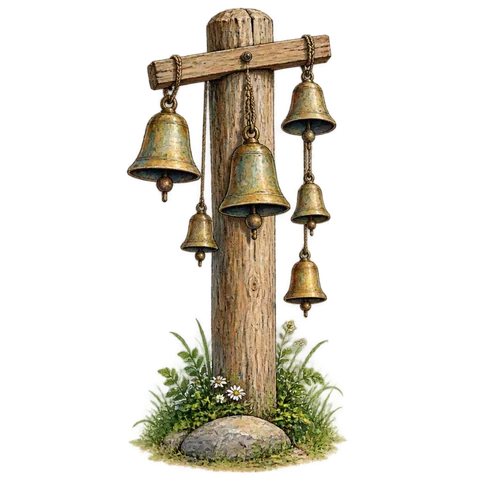
- О́коло кола́ колокола́.There are bells around the post.
- Купи́ ки́пу пик!Buy a bundle of pikes!
- Ма́ма мы́ла Ми́лу мы́лом. Ми́ла мы́ло не люби́ла.Mum washed Mila with soap. Mila did not like the soap.
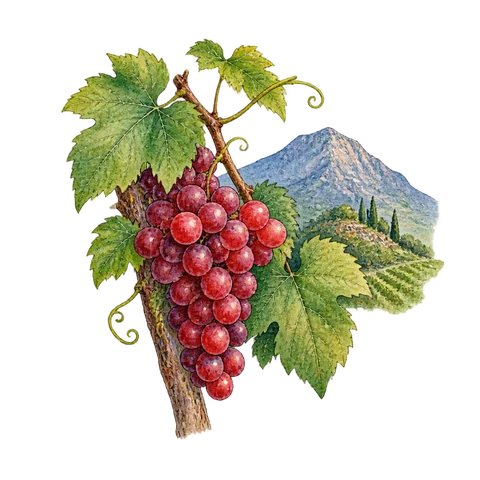
- На горе́ Арара́т растёт кра́сный виногра́д.Red grapes grow on Mount Ararat.
- Шла Са́ша по шоссе́ и соса́ла су́шку.Sasha walked along the highway sucking a ring-shaped biscuit.
- Два щенка́ щека́ к щеке́ щи́плют щётку в уголке́.Two puppies, cheek to cheek, nibble a brush in the corner.
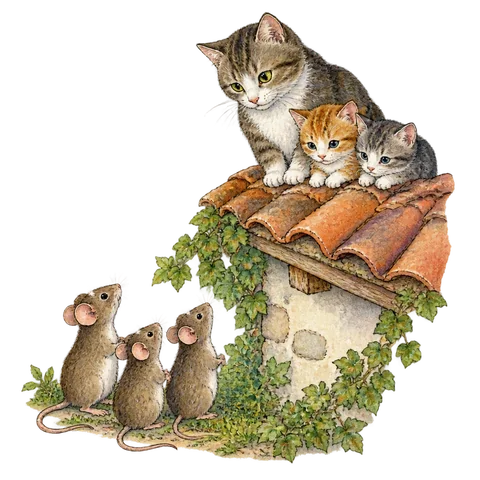
- Ти́ше, мы́ши, кот на кры́ше, а котя́та ещё вы́ше.Quiet, mice: the cat is on the roof and the kittens are even higher.
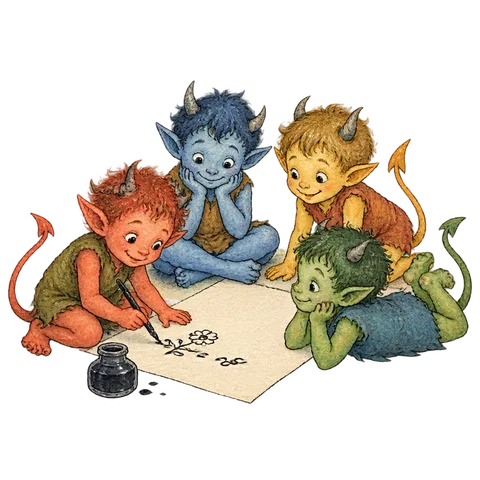
- Четы́ре чёрненьких чума́зеньких чертёнка черти́ли чёрными черни́лами чертёж.Four little black, grubby imps drew a diagram in black ink.
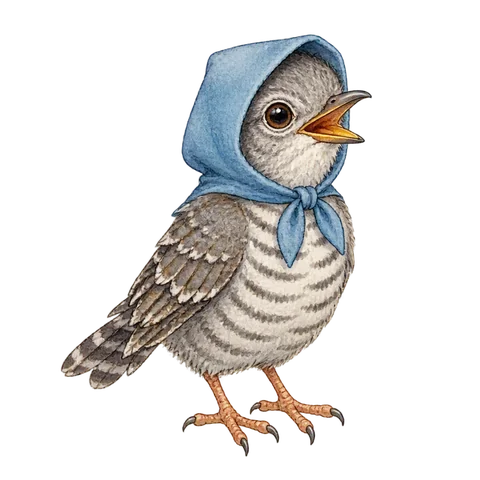
- Куку́шка кукушо́нку купи́ла капюшо́н. Наде́л кукушо́нок капюшо́н. Как в капюшо́не он смешо́н!The cuckoo bought her chick a hood. The chick put it on. How funny he looks in it!
Easy Russian tongue twisters for beginners
Short lines let you keep stress and consonants clear.

Пе́карь Пётр пёк .
Pékarʹ Pëtr pëk pirogí.
Pyotr the baker baked pies.
Traditional; wording varies by collection
Easy · п and р
Pronunciation: Keep п unaspirated and tap or trill р without adding a vowel.
 Source note
О́коло кола́ колокола́.
Ókolo kolá kolokolá.
There are bells around the post.
Traditional; wording varies by collection
Easy · к, л and stress
Pronunciation: The stress shifts: ókolo, kolá, kolokolá. Keep every unstressed vowel short.
 Source note
ки́пу пик!
Kupí kípu pik!
Buy a bundle of pikes!
Traditional; wording varies by collection
Easy · к, п and и
Pronunciation: Alternate the lips for п and the back of the tongue for к.
 Source note
мы́ла Ми́лу мы́лом. Ми́ла мы́ло не люби́ла.
Máma mýla Mílu mýlom. Míla mýlo ne ljubíla.
Mum washed Mila with soap. Mila did not like the soap.
Traditional; wording varies by collection
Easy · ы versus и
Pronunciation: И softens the preceding consonant; ы follows a hard one. Avoid saying English ee for both.
 Source note
На Арара́т виногра́д.
Na goré Ararát rastët krásnyj vinográd.
Red grapes grow on Mount Ararat.
Traditional; wording varies by collection
Easy · р and г
Pronunciation: Keep the р in grape clusters clear; г stays a hard g before a.
 Source note
Explore these words: Food & cooking (flashcards) · Shopping (flashcards) · Family & relationships (flashcards)
Put these words into context with a story at your level.
Read Russian storiesRussian Tongue Twisters: Hissing Sounds and Other Challenges
Practise the contrasts between ш, щ, с and ч, then try the extra vowel and consonant patterns in these memorable pictures. Keep each sound clear before increasing speed.
Шла Са́ша по и соса́ла су́шку.
Šla Sáša po šossé i sosála súšku.
Sasha walked along the highway sucking a ring-shaped biscuit.
Traditional; wording varies by collection
Intermediate · ш and с
Pronunciation: Ш is hard and darker than English sh; keep с narrow and hissed.
 Source note
щенка́ к щеке́ щи́плют щётку в уголке́.
Dva ščenká ščeká k ščeké ščípljut ščëtku v ugolké.
Two puppies, cheek to cheek, nibble a brush in the corner.
Traditional; wording varies by collection
Intermediate · щ and ч
Pronunciation: Щ is a long soft sh sound; do not turn every instance into sh-ch.
 Source note
Ти́ше, мы́ши, кот на кры́ше, а котя́та вы́ше.
Tíše, mýši, kot na krýše, a kotjáta eščë výše.
Quiet, mice: the cat is on the roof and the kittens are even higher.
Traditional; wording varies by collection
Intermediate · ш and soft т
Pronunciation: The ш remains hard even before и in spelling; ещё contains soft щ.
 Source note
Четы́ре чёрненьких чума́зеньких чертёнка черти́ли черни́лами чертёж.
Četýre čërnenʹkikh čumázenʹkikh čertënka čertíli čërnymi černílami čertëž.
Four little black, grubby imps drew a diagram in black ink.
Traditional; wording varies by collection
Hard · ч and soft consonants
Pronunciation: Ч is always soft. Keep чёр separate from че́р patterns as the vowels change.
 Source note
Куку́шка кукушо́нку капюшо́н. кукушо́нок капюшо́н. Как в капюшо́не он смешо́н!
Kukúška kukušónku kupíla kapjušón. Nadél kukušónok kapjušón. Kak v kapjušóne on smešón!
The cuckoo bought her chick a hood. The chick put it on. How funny he looks in it!
Traditional; wording varies by collection
Intermediate · к and ш
Pronunciation: Keep the long word кукушо́нок in four beats, with stress on шо.
 Source note
Ай, вы львы, не вы ли вы́ли у Невы́?
Aj, vy lʹvy, ne vy li výli u Nevý?
Hey, lions, was it you who howled beside the Neva?
Traditional; wording varies by collection
Hard · ы, и and soft ль
Pronunciation: Contrast hard вы with soft львы; avoid an extra vowel in льв.
 Source note
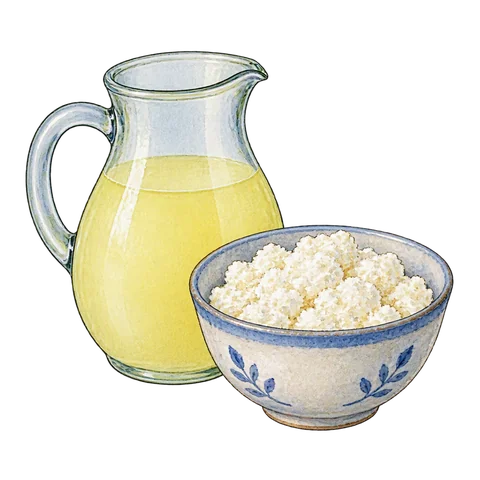
Сы́воротка из-под простоква́ши.
Sývorotka iz-pod prostokváši.
Whey from curdled milk.
Traditional; wording varies by collection
Intermediate · ы and clusters
Pronunciation: Say the final cluster ква smoothly; the first vowel of сы́воротка is ы.
 Source note
я по вы́боинам, из вы́боин не вы́еду я.
Édu ja po výboinam, iz výboin ne výedu ja.
I drive over potholes, but cannot drive out of the potholes.
Traditional; wording varies by collection
Hard · вы and vowel boundaries
Pronunciation: Keep вы́боин and вы́еду distinct; the vowel after ы starts a new syllable.
 Source note
Рододе́ндроны из дендра́рия.
Rododéndrony iz dendrárija.
Rhododendrons from the arboretum.
Traditional; wording varies by collection
Intermediate · др and ндр
Pronunciation: Start slowly at ден-дра; do not swallow the д.
 Source note
Хохла́тые хохоту́шки хо́хотом хохота́ли: ха-ха-ха-ха!
Khokhlátye khokhotúški khókhotom khokhotáli: kha-kha-kha-kha!
The tuft-haired gigglers laughed aloud: ha-ha-ha-ha!
Traditional; wording varies by collection
Intermediate · х
Pronunciation: Х is friction at the back of the mouth, like ch in Scottish loch, not an English h.
 Source note
Explore these words: Transport (flashcards) · Numbers (flashcards) · Body parts (flashcards)
Put these words into context with a story at your level.
Read Russian storiesRussian R and L tongue twisters
Russian р is a tongue-tip sound; л changes when softened.
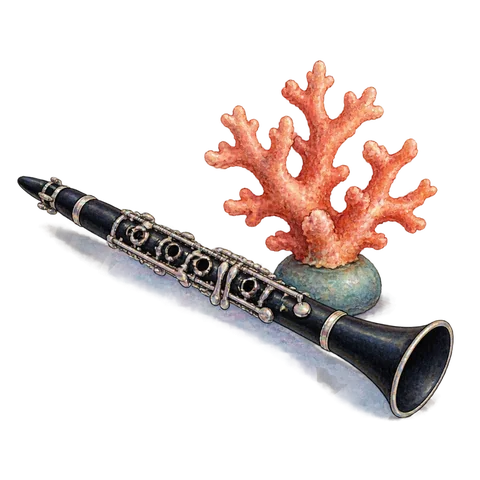
Карл у Кла́ры кора́ллы, а Кла́ра укра́ла у Ка́рла кларне́т.
Karl ukrál u Kláry korálly, a Klára ukrála u Kárla klarnét.
Karl stole Clara’s coral, and Clara stole Karl’s clarinet.
Traditional; wording varies by collection
Intermediate · р, л and clusters
Pronunciation: Say клар- without an extra vowel between к and л.
 Source note
лави́ровали, лави́ровали, да не вы́лавировали.
Korablí lavírovali, lavírovali, da ne výlavirovali.
The ships tacked and tacked, but did not tack their way out.
Traditional; wording varies by collection
Hard · л and р
Pronunciation: Keep the same root stress in лави́ровали; the negative result uses вы́-.
 Source note
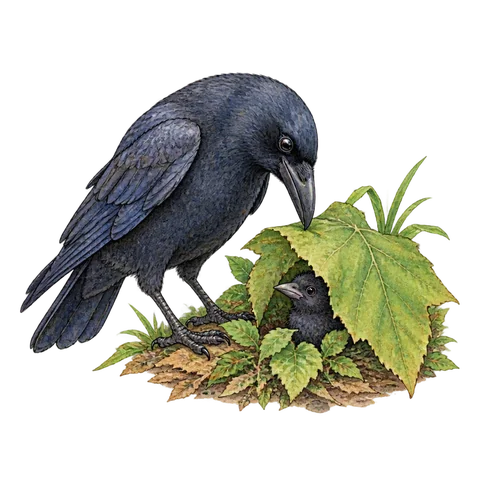
Проворо́нила воро́на воронёнка.
Provorónila voróna voronënka.
The crow lost track of her chick.
Traditional; wording varies by collection
Intermediate · р and в
Pronunciation: Keep the first unstressed syllables light; make the stressed ро and нё clear.
 Source note
Гре́ка че́рез ре́ку. Гре́ка: в реке́ рак. Су́нул Гре́ка в ре́ку, рак за Гре́ка — цап!
Ékhal Gréka čérez réku. Vídit Gréka: v reké rak. Súnul Gréka rúku v réku, rak za rúku Gréka — cap!
Greka crossed the river. He saw a crayfish in it, put his hand in, and the crayfish pinched him.
Traditional; wording varies by collection
Hard · р and к
Pronunciation: Treat each short sentence as a breath group. Alternate ре́ку and реке́ carefully.
 Source note
На мели́ мы лени́во лови́ли нали́ма.
Na melí my lenívo lovíli nalíma.
In the shallows we lazily caught burbot.
Traditional; wording varies by collection
Intermediate · л and soft л
Pronunciation: Keep ли soft throughout, and stress the final и in мели́.
 Source note
Explore these words: Body parts (flashcards) · Crime & law (flashcards) · Transport (flashcards)
Put these words into context with a story at your level.
Read Russian storiesStops, clusters and Russian ы
These lines train clean transitions between consonants.
От то́пота копы́т по .
Ot tópota kopýt pylʹ po pólju letít.
The pounding of hooves sends dust flying across the field.
Traditional; wording varies by collection
Intermediate · т, п and ы
Pronunciation: Keep пыль as one syllable with ы and a soft final л.
 Source note
Ткач ткёт тка́ни на платки́ Та́не.
Tkač tkët tkáni na platkí Táne.
The weaver weaves cloth for Tanya’s scarves.
Traditional; wording varies by collection
Hard · тк and т
Pronunciation: Start тк together without a tiny vowel between the consonants.
 Source note
Во , на траве́ .
Vo dvoré travá, na travé drová.
There is grass in the yard and firewood on the grass.
Traditional; wording varies by collection
Easy · тр and др
Pronunciation: The change is in voicing: т is unvoiced, д voiced. Keep ра and ро distinct.
 Source note
Стои́т поп на копне́, колпа́к на попе́, копна́ под попо́м, поп под колпако́м.
Stoít pop na kopné, kolpák na popé, kopná pod popóm, pop pod kolpakóm.
A priest stands on a haystack with a cap on; the haystack is under him and he is under the cap.
Traditional; wording varies by collection
Hard · п, к and shifting stress
Pronunciation: Read the ending of each noun carefully; the stress changes with the case.
 Source note
В оди́н, Клим, клин колоти́.
V odín, Klim, klin kolotí.
Klim, hammer into one wedge.
Traditional; wording varies by collection
Intermediate · кл and н/м
Pronunciation: Separate the name Клим from клин; only the last consonant changes.
 Source note
Explore these words: Nature & landscape (flashcards) · House & rooms (flashcards) · Animals (flashcards)
Put these words into context with a story at your level.
Read Russian storiesLonger Russian tongue twisters
Practise in clauses so length does not erase the individual sounds.
попуга́й попуга́ю: «Я тебя́, попуга́й, попуга́ю!» Попуга́ю в попуга́й: «Попуга́й, попуга́й, попуга́й!»
Govorít popugáj popugáju: «Ja tebjá, popugáj, popugáju!» Popugáju v otvét popugáj: «Popugáj, popugáj, popugáj!»
One parrot says to another, “I will scare you, parrot!” The other replies, “Go on, parrot, scare me!”
Traditional; wording varies by collection
Hard · п and г; repeated word forms
Pronunciation: The joke reuses попуга́й as a noun and a command; keep their rhythm identical.
 Source note
мне про поку́пки! Про каки́е про поку́пки? Про поку́пки, про поку́пки, про поку́почки твои́!
Rasskaží mne pro pokúpki! Pro kakíe pro pokúpki? Pro pokúpki, pro pokúpki, pro pokúpočki tvoí!
Tell me about the shopping! What shopping? Your shopping, your shopping, your little purchases!
Traditional; wording varies by collection
Hard · п, к and р
Pronunciation: Break at the questions first. The diminutive поку́почки adds an extra syllable.
 Source note
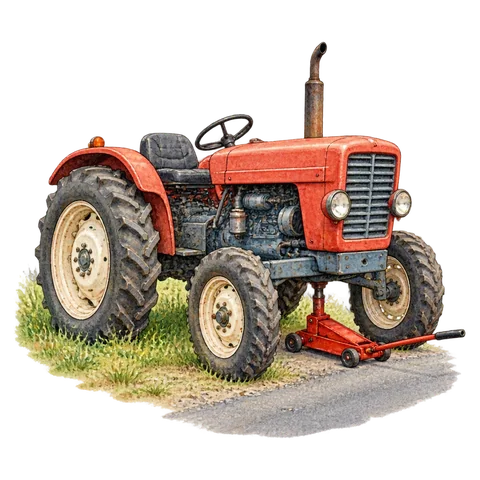
Забы́л Панкра́т Кондра́тов домкра́т, а Панкра́ту без домкра́та не на тра́кте тра́ктор.
Zabýl Pankrát Kondrátov domkrát, a Pankrátu bez domkráta ne podnjátʹ na trákte tráktor.
Pankrat forgot Kondrat’s jack, and without it he cannot lift the tractor on the road.
Traditional; wording varies by collection
Hard · кр, тр and др
Pronunciation: Read the names slowly, then keep the consonant clusters intact.
 Source note
Была́ у Фро́ла, на Ла́вра Фро́лу наврала́. Пойду́ ко Ла́вру, на Фро́ла Ла́вру навру́.
Bylá u Fróla, na Lávra Frólu navralá. Pojdú ko Lávru, na Fróla Lávru navrú.
I visited Frol and lied to him about Lavr. I will visit Lavr and lie to him about Frol.
Traditional; wording varies by collection
Hard · фр and вр; л/р
Pronunciation: Keep Фрол and Лавр distinct even as the case endings change.
 Source note
Все́х скорогово́рок не перескороговори́шь, не перевыскороговори́шь.
Vsékh skorogovórok ne pereskorogovoríšʹ, ne perevyskorogovoríšʹ.
You cannot tongue-twist and re-tongue-twist every tongue twister.
Traditional; wording varies by collection
Hard · long consonant-vowel sequences
Pronunciation: The comic verbs are deliberately built from скороговорка. Divide after each prefix while learning.
 Source note
Explore these words: Directions & position (flashcards)
Put these words into context with a story at your level.
Read Russian storiesA five-minute pronunciation drill
- Read the translation so the sounds have a scene attached to them.
- Listen slowly, then say each short group on one comfortable breath. Do not whisper or force the throat.
- Repeat three times accurately at a normal pace. If a sound changes, slow down and practise the two troublesome words together.
- Try the fast version once as a challenge, then finish with a clear normal-speed repetition. Record yourself and compare the target consonants, not just the total speed.
Russian tongue twisters: frequently asked questions
What is a Russian tongue twister?
It is a deliberately difficult sequence of similar sounds. Traditional examples often have a funny or unlikely meaning; the pronunciation challenge matters more than practical vocabulary.
Which Russian tongue twisters are easiest for beginners?
Start with the first short entries. Choose one sound contrast you already recognise and repeat it slowly before attempting longer verses.
Are tongue twisters useful for learning pronunciation?
They help you notice and repeat a specific sound contrast. They work best alongside ordinary speech: a clear tongue twister does not automatically teach natural conversation rhythm.
How fast should I practise?
Use the slow version until every sound is clear, then normal speed. Fast audio is a challenge, not the standard you need to meet in conversation.
Can children practise these?
The easy examples use short, concrete scenes. An adult can read first and let the child repeat a small group of words; never turn speed into a test of intelligence.
Why do I see different versions of the same twister?
Oral wordplay changes as speakers pass it on. The source note identifies the form used here; another documented version need not be wrong.
Should I translate a tongue twister word for word?
A literal translation helps explain the joke or scene. It usually loses the repeating sounds, so practise the original rather than expecting the English to be difficult too.
What is the difference between ш and щ?
Ш is a hard, darker sh-like sound. Щ is soft and usually longer. Do not insert an English ch into щ; use the listening examples to compare them.
Make these words part of your day
Explore Russian stories, listen along, and save vocabulary as you go.
Find a story at your levelSources and verification
English translations and examples were written for this guide. Source notes distinguish documented expressions, original practice sentences, and literary quotations. Literary excerpts retain the language of their original period.
- 1st International Collection: Russian tongue twisters — Numbered folklore collection used to verify traditional wording. English translations, sound notes and difficulty judgments in this guide are original.
- DLI Russian SOLT: Sound and Script — Printed page 42 contains the cap, Sasha, Karl/Clara and grass/firewood twisters.
- Omniglot: Russian tongue twisters — Corroborates common Karl/Clara, ship, Sasha and burbot formulas.
- Russian Academy of Sciences, Akademos: кол (stake), genitive кола́ — Primary academic orthographic dictionary; the кол entry gives the genitive кола́. Opened and read on 4 October 2026; the manual independently reproduces the same entry.
Source notes for all 30 entries
- Пе́карь Пётр пёк пироги́.: Collection no. 9. [collection]
- О́коло кола́ колокола́.: Collection no. 15. The Russian Academy of Sciences Akademos dictionary confirms genitive кола́ (of a stake), with ending stress; the displayed stress marks and learner reading follow this form. [collection] [akademos-kol-stress]
- Купи́ ки́пу пик!: Collection no. 31. [collection]
- Ма́ма мы́ла Ми́лу мы́лом. Ми́ла мы́ло не люби́ла.: Collection no. 48. [collection]
- На горе́ Арара́т растёт кра́сный виногра́д.: Collection no. 8. [collection]
- Шла Са́ша по шоссе́ и соса́ла су́шку.: Collection no. 47; DLI printed p. 42. [collection] [dli]
- Два щенка́ щека́ к щеке́ щи́плют щётку в уголке́.: Collection no. 3. [collection]
- Ти́ше, мы́ши, кот на кры́ше, а котя́та ещё вы́ше.: Collection no. 25. [collection]
- Четы́ре чёрненьких чума́зеньких чертёнка черти́ли чёрными черни́лами чертёж.: Collection no. 35; spelling regularized to чёрненьких. [collection]
- Куку́шка кукушо́нку купи́ла капюшо́н. Наде́л кукушо́нок капюшо́н. Как в капюшо́не он смешо́н!: Collection no. 33. [collection]
- Ай, вы львы, не вы ли вы́ли у Невы́?: Collection no. 24. [collection]
- Сы́воротка из-под простоква́ши.: Collection no. 11. [collection]
- Е́ду я по вы́боинам, из вы́боин не вы́еду я.: Collection no. 12. [collection]
- Рододе́ндроны из дендра́рия.: Collection no. 39. [collection]
- Хохла́тые хохоту́шки хо́хотом хохота́ли: ха-ха-ха-ха!: Collection no. 41. [collection]
- Карл укра́л у Кла́ры кора́ллы, а Кла́ра укра́ла у Ка́рла кларне́т.: Collection no. 46; DLI records a closely related word order. [collection] [dli]
- Корабли́ лави́ровали, лави́ровали, да не вы́лавировали.: Collection no. 23. [collection]
- Проворо́нила воро́на воронёнка.: Collection no. 14. [collection]
- Е́хал Гре́ка че́рез ре́ку. Ви́дит Гре́ка: в реке́ рак. Су́нул Гре́ка ру́ку в ре́ку, рак за ру́ку Гре́ка — цап!: Collection no. 34. [collection]
- На мели́ мы лени́во лови́ли нали́ма.: Opening sentence of collection no. 4; excerpt explicitly retained as a short form. [collection]
- От то́пота копы́т пыль по по́лю лети́т.: Collection no. 32. [collection]
- Ткач ткёт тка́ни на платки́ Та́не.: Collection no. 16. [collection]
- Во дворе́ трава́, на траве́ дрова́.: DLI printed p. 42; the same formula occurs inside collection no. 26. [collection] [dli]
- Стои́т поп на копне́, колпа́к на попе́, копна́ под попо́м, поп под колпако́м.: Collection no. 29. [collection]
- В оди́н, Клим, клин колоти́.: Collection no. 40. [collection]
- Говори́т попуга́й попуга́ю: «Я тебя́, попуга́й, попуга́ю!» Попуга́ю в отве́т попуга́й: «Попуга́й, попуга́й, попуга́й!»: Collection no. 10. [collection]
- Расскажи́ мне про поку́пки! Про каки́е про поку́пки? Про поку́пки, про поку́пки, про поку́почки твои́!: Collection no. 19; spelling regularized to расскажи. [collection]
- Забы́л Панкра́т Кондра́тов домкра́т, а Панкра́ту без домкра́та не подня́ть на тра́кте тра́ктор.: Collection no. 37. [collection]
- Была́ у Фро́ла, на Ла́вра Фро́лу наврала́. Пойду́ ко Ла́вру, на Фро́ла Ла́вру навру́.: Collection no. 22. [collection]
- Все́х скорогово́рок не перескороговори́шь, не перевыскороговори́шь.: Collection no. 13. [collection]