
THE INKLINGO LANGUAGE GUIDES
15 Arabic Fairy Tales, Folk Tales and Fables
Explore Kalila wa Dimna, the Thousand and One Nights and Juha’s comic wisdom through fifteen sourced tales. Five have complete new A2 retellings in Modern Standard Arabic, with vowel marks, romanization and paragraph translations. The original key lines are labeled separately from the adaptations.
Start here
- The Ring-Dove and the NetThen the hunter set his net, scattered grain over it and hid nearby.
- The Monkey and the TurtleHe found a fig tree, climbed it and made it his home.
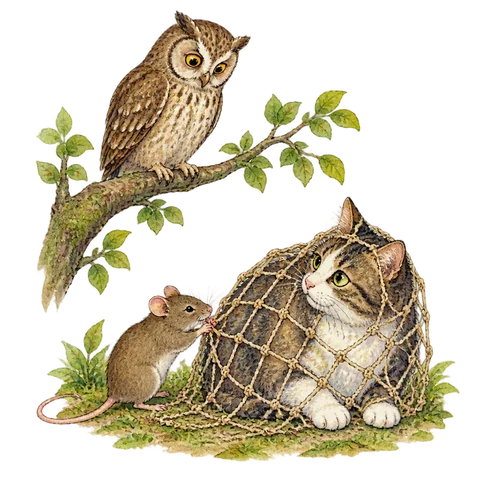
- The Rat and the CatThe rat came creeping out in search of food, wary of Rumi.
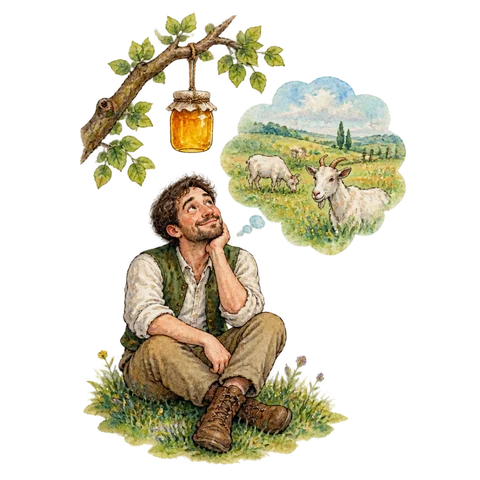
- The Dreamer and the Jar of HoneyI will sell what is in this jar for a dinar and buy ten goats with it.
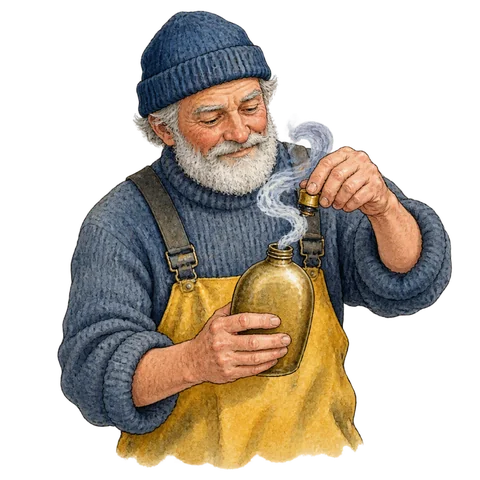
- The Fisherman and the JinniI will never believe you until I see you inside the flask with my own eyes.
Arabic Fairy Tales for Beginners: Five A2 Retellings
Start with the cooperation, cleverness and caution in these five complete graded adaptations. Their original source lines remain above the learner version.
The Ring-Dove and the Net
ثُمَّ إِنَّ الصَّيَّادَ نَصَبَ شَبَكَتَهُ، وَنَثَرَ عَلَيْهَا ، وَكَمَنَ قَرِيبًا مِنْهَا.
Thumma inna ṣ-ṣayyāda naṣaba shabakatahu, wa-nathara ʿalayhā l-ḥabba, wa-kamana qarīban minhā.
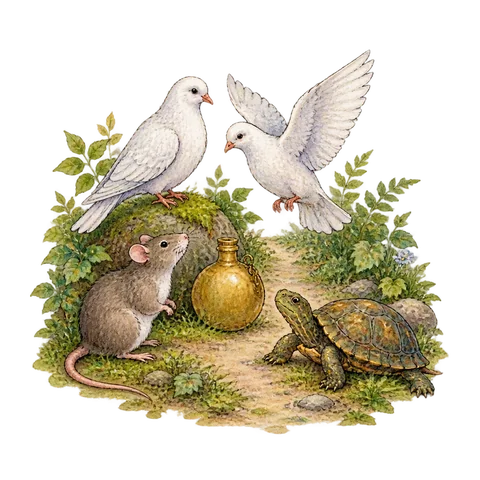
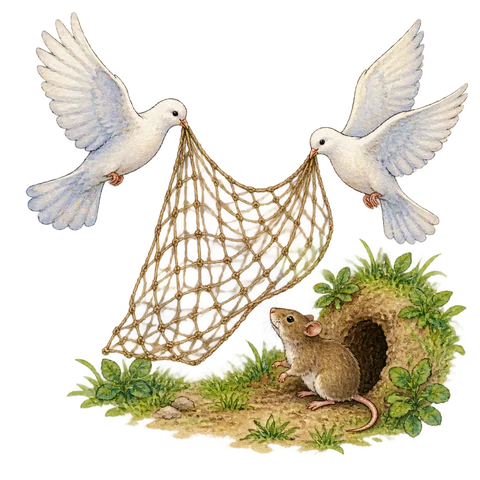
Then the hunter set his net, scattered grain over it and hid nearby.
A flock is caught in a hunter’s net. Its leader persuades the birds to lift it together and fly to a rat, who cuts them free. She insists that her companions be freed before her.
Cultural note: Cooperation and responsible leadership both matter: escape requires the whole flock, and the leader puts others first.
An A2 retelling to read and listen to
New Codex-authored A2 adaptation of the cited public-domain plot. Dialogue and scene-setting are newly written; this is not the original Arabic text. Vowel marks and romanization are editorial reading aids.
فِي يَوْمٍ مِنَ الْأَيَّامِ، خَرَجَ صَيَّادٌ وَمَعَهُ كَبِيرَةٌ. وَضَعَ تَحْتَ شَجَرَةٍ، وَوَضَعَ فَوْقَهَا حَبًّا كَثِيرًا. ثُمَّ اخْتَبَأَ وَرَاءَ شَجَرَةٍ أُخْرَى وَانْتَظَرَ. فِي السَّمَاءِ، كَانَتْ حَمَامَةٌ مَعَ صَدِيقَاتِهَا. رَأَتِ الْحَمَامَاتُ الطَّعَامَ عَلَى الْأَرْضِ، وَكَانَتْ جَائِعَةً. نَزَلَتْ كُلُّهَا إِلَى الْحَبِّ، وَلَمْ تَرَ تَحْتَهُ. فَجْأَةً أَغْلَقَتِ عَلَيْهَا، وَصَارَتِ الْحَمَامَاتُ فِي خَطَرٍ. سَمِعَ الصَّيَّادُ حَرَكَتَهَا، فَخَرَجَ مِنْ مَكَانِهِ.
Fī yawmin mina l-ayyāmi, kharaja ṣayyādun wa-maʿahu shabakatun kabīratun. Waḍaʿa sh-shabakata taḥta shajaratin, wa-waḍaʿa fawqahā ḥabban kathīran. Thumma khtabaʾa warāʾa shajaratin ukhrā wa-ntaẓara. Fī s-samāʾi, kānat ḥamāmatun taṭīru maʿa ṣadīqātihā. Raʾati l-ḥamāmātu ṭ-ṭaʿāma ʿalā l-arḍi, wa-kānat jāʾiʿatan. Nazalat kulluhā ilā l-ḥabbi, wa-lam tara sh-shabakata taḥtahu. Fajʾatan aghlaqati sh-shabakatu ʿalayhā, wa-ṣārati l-ḥamāmātu fī khaṭarin. Samiʿa ṣ-ṣayyādu ḥarakatahā, fa-kharaja min makānihi.
حَاوَلَتْ كُلُّ حَمَامَةٍ أَنْ تَخْرُجَ وَحْدَهَا. وَاحِدَةٌ تَجْذِبُ إِلَى الْيَمِينِ، وَأُخْرَى تَجْذِبُ إِلَى الْيَسَارِ. لَكِنَّ لَمْ . قَالَتْ قَائِدَتُهَا: «لَا تَعْمَلْ كُلُّ وَاحِدَةٍ وَحْدَهَا. نَحْنُ كَثِيرَاتٌ، وَيُمْكِنُنَا أَنْ نَطِيرَ . عِنْدَمَا أَقُولُ الْآنَ، اِفْتَحْنَ أَجْنِحَتَكُنَّ وَطِرْنَ إِلَى أَعْلَى». سَمِعَتِ الصَّدِيقَاتُ كَلَامَهَا. وَفِي لَحْظَةٍ وَاحِدَةٍ، حَمَلَتِ الْحَمَامَاتُ فِي الْهَوَاءِ. تَرَكَتِ الْأَرْضَ وَطَارَتْ عَالِيًا.
Ḥāwalat kullu ḥamāmatin an takhruja waḥdahā. Wāḥidatun tajdhibu ilā l-yamīni, wa-ukhrā tajdhibu ilā l-yasāri. Lākinna sh-shabakata lam tataḥarrak. Qālat qāʾidatuhā: “Lā taʿmal kullu wāḥidatin waḥdahā. Naḥnu kathīrātun, wa-yumkinunā an naṭīra maʿan. ʿIndamā aqūlu l-āna, iftaḥna ajniḥatakunna wa-ṭirna ilā aʿlā.” Samiʿati ṣ-ṣadīqātu kalāmahā. Wa-fī laḥẓatin wāḥidatin, ḥamalati l-ḥamāmātu sh-shabakata fī l-hawāʾi. Tarakati l-arḍa wa-ṭārat ʿāliyan.
رَكَضَ الصَّيَّادُ خَلْفَهَا، لَكِنَّهُ لَمْ يَسْتَطِعْ أَنْ يَلْحَقَ بِهَا. قَالَتِ الْقَائِدَةُ: «لِي صَدِيقٌ يَسْكُنُ قَرِيبًا مِنْ هُنَا. إِنَّهُ جُرَذٌ صَغِيرٌ، وَلَهُ أَسْنَانٌ قَوِيَّةٌ. سَوْفَ يُسَاعِدُنَا». طَارَتِ الْحَمَامَاتُ إِلَى مَكَانِهِ، وَنَزَلَتْ أَمَامَ بَيْتِهِ. نَادَتِ الْقَائِدَةُ: «يَا صَدِيقِي، اُخْرُجْ! نَحْنُ بِحَاجَةٍ إِلَيْكَ». خَرَجَ الْجُرَذُ بِحَذَرٍ، وَتَعَجَّبَ مِنَ وَمِنْ الطُّيُورِ. سَأَلَ صَدِيقَتَهُ عَمَّا حَدَثَ.
Rakaḍa ṣ-ṣayyādu khalfahā, lākinnahu lam yastaṭiʿ an yalḥaqa bihā. Qālati l-qāʾidatu: “Lī ṣadīqun yaskunu qarīban min hunā. Innahu juradhun ṣaghīrun, wa-lahu asnānun qawiyyatun. Sawfa yusāʿidunā.” Ṭārati l-ḥamāmātu ilā makānihi, wa-nazalat amāma baytihi. Nādati l-qāʾidatu: “Yā ṣadīqī, ukhruj! Naḥnu bi-ḥājatin ilayka.” Kharaja l-juradhu bi-ḥadharin, wa-taʿajjaba mina sh-shabakati wa-min ʿadadi ṭ-ṭuyūri. Saʾala ṣadīqatahu ʿammā ḥadatha.
شَرَحَتِ الْحَمَامَةُ الْأَمْرَ، فَاقْتَرَبَ الْجُرَذُ مِنْهَا وَبَدَأَ يَقْطَعُ الْخُيُوطَ حَوْلَهَا. لَكِنَّهَا قَالَتْ: «اِبْدَأْ بِصَدِيقَاتِي أَوَّلًا، مِنْ فَضْلِكَ». سَأَلَهَا: «لِمَاذَا؟ أَنْتِ صَدِيقَتِي، أَنْ أُخْرِجَكِ». قَالَتْ: «إِذَا تَعِبْتَ بَعْدَ خُرُوجِي، فَقَدْ تَبْقَى بَعْضُهُنَّ هُنَا. أَمَّا إِذَا بَقِيتُ أَنَا، فَأَنْتَ لَنْ تَتْرُكَنِي». فَهِمَ الْجُرَذُ أَنَّهَا تُفَكِّرُ فِي الْجَمِيعِ. بَدَأَ بِالْحَمَامَاتِ الْأُخْرَى، ثُمَّ عَادَ إِلَيْهَا.
Sharaḥati l-ḥamāmatu l-amra, fa-qtaraba l-juradhu minhā wa-badaʾa yaqṭaʿu l-khuyūṭa ḥawlahā. Lākinnahā qālat: “Ibdaʾ bi-ṣadīqātī awwalan, min faḍlika.” Saʾalahā: “Limādhā? Anti ṣadīqatī, wa-urīdu an ukhrijaki.” Qālat: “Idhā taʿibta baʿda khurūjī, fa-qad tabqā baʿḍuhunna hunā. Ammā idhā baqītu anā, fa-anta lan tatrukanī.” Fahima l-juradhu annahā tufakkiru fī l-jamīʿi. Badaʾa bi-l-ḥamāmāti l-ukhrā, thumma ʿāda ilayhā.
أَخِيرًا، قَطَعَ الْجُرَذُ آخِرَ خَيْطٍ. صَارَتْ كُلُّ الْحَمَامَاتِ حُرَّةً، وَشَكَرَتْهُ عَلَى مُسَاعَدَتِهِ. قَالَتِ الْقَائِدَةُ لِصَدِيقَاتِهَا: «نَجَوْنَا لِأَنَّنَا طِرْنَا ، وَلِأَنَّ صَدِيقَنَا لَمْ يَتْرُكْ وَاحِدَةً مِنَّا فِي ». ثُمَّ طَارَتْ مَعَهُنَّ بَعِيدًا عَنِ الصَّيَّادِ. بَقِيَتِ الْمَقْطُوعَةُ عَلَى الْأَرْضِ، وَعَادَ الْجُرَذُ إِلَى بَيْتِهِ. لَمْ يَكُنْ أَكْبَرَ الْحَيَوَانَاتِ، وَلَكِنَّ أَسْنَانَهُ الصَّغِيرَةَ أَنْقَذَتْ صَدِيقَاتٍ كَثِيرَاتٍ فِي ذَلِكَ الْيَوْمِ.
Akhīran, qaṭaʿa l-juradhu ākhira khayṭin. Ṣārat kullu l-ḥamāmāti ḥurratan, wa-shakarat-hu ʿalā musāʿadatihi. Qālati l-qāʾidatu li-ṣadīqātihā: “Najawnā li-annanā ṭirnā maʿan, wa-li-anna ṣadīqanā lam yatruk wāḥidatan minnā fī sh-shabakati.” Thumma ṭārat maʿahunna baʿīdan ʿani ṣ-ṣayyādi. Baqiyati sh-shabakatu l-maqṭūʿatu ʿalā l-arḍi, wa-ʿāda l-juradhu ilā baytihi. Lam yakun akbara l-ḥayawānāti, wa-lākinna asnānahu ṣ-ṣaghīrata anqadhat ṣadīqātin kathīrātin fī dhālika l-yawmi.
Easy
 Source note
The Monkey and the Turtle
شَجَرَةً مِنْ شَجَرِ فَارْتَقَى إِلَيْهَا وَجَعَلَهَا مَقَامَهُ.
Fa-wajada shajaratan min shajari t-tīni fa-rtaqā ilayhā wa-jaʿalahā maqāmahu.
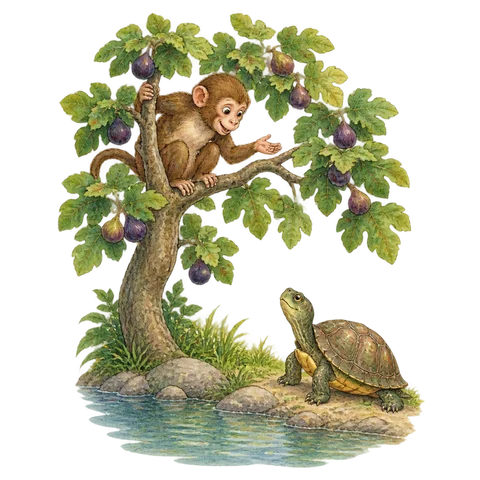
He found a fig tree, climbed it and made it his home.
A monkey befriends a turtle by sharing figs. The turtle’s wife wants the monkey’s heart, so her husband invites him across the water. Once he learns the danger, the monkey claims to have left his heart in the tree and escapes.
Cultural note: This Arabic witness has a male turtle, ghaylam, rather than the crocodile found in some other versions. The monkey’s invented detachable heart is a survival trick.
An A2 retelling to read and listen to
New Codex-authored A2 adaptation of the cited public-domain plot. Dialogue and scene-setting are newly written; this is not the original Arabic text. Vowel marks and romanization are editorial reading aids.
كَانَ قِرْدٌ يَسْكُنُ فَوْقَ شَجَرَةِ قُرْبَ الْمَاءِ. كَانَ يَأْكُلُ مِنْ ثَمَرِهَا وَيَجْلِسُ بَيْنَ أَغْصَانِهَا. وَفِي يَوْمٍ، سَقَطَتْ مِنْهُ تِينَةٌ فِي الْمَاءِ. سَمِعَ صَوْتَهَا فَأَعْجَبَهُ، وَأَلْقَى تِينَةً أُخْرَى. كَانَ هُنَاكَ غَيْلَمٌ، أَيْ ذَكَرُ سُلَحْفَاةٍ، فَأَكَلَ . ظَنَّ أَنَّ الْقِرْدَ يُعْطِيهِ الطَّعَامَ، فَشَكَرَهُ. بَدَأَ الْحَيَوَانَانِ يَتَحَدَّثَانِ كُلَّ يَوْمٍ. وَصَارَ الْغَيْلَمُ يَقْضِي وَقْتًا طَوِيلًا عِنْدَ الشَّجَرَةِ. كَانَ الْقِرْدُ سَعِيدًا بِصَدِيقِهِ الْجَدِيدِ، فَلَمْ يَعُدْ وَحْدَهُ. فِي كُلِّ صَبَاحٍ كَانَ يَنْتَظِرُهُ وَيَبْحَثُ عَنْهُ فِي الْمَاءِ. كَانَ مِنَ الْجَمِيلِ أَنْ يَجِدَ مَنْ يُحَدِّثُهُ وَيَسْمَعُهُ.
Kāna qirdun yaskunu fawqa shajarati tīnin qurba l-māʾi. Kāna yaʾkulu min thamarihā wa-yajlisu bayna aghṣānihā. Wa-fī yawmin, saqaṭat minhu tīnatun fī l-māʾi. Samiʿa ṣawtahā fa-aʿjabahu, wa-alqā tīnatan ukhrā. Kāna hunāka ghaylamun, ay dhakaru sulaḥfātin, fa-akala t-tīna. Ẓanna anna l-qirda yuʿṭīhi ṭ-ṭaʿāma, fa-shakarahu. Badaʾa l-ḥayawānāni yataḥaddathāni kulla yawmin. Wa-ṣāra l-ghaylamu yaqḍī waqtan ṭawīlan ʿinda sh-shajarati. Kāna l-qirdu saʿīdan bi-ṣadīqihi l-jadīdi, fa-lam yaʿud waḥdahu. Fī kulli ṣabāḥin kāna yantaẓiruhu wa-yabḥathu ʿanhu fī l-māʾi. Kāna mina l-jamīli an yajida man yuḥaddithuhu wa-yasmaʿuhu.
لَمْ تَكُنْ الْغَيْلَمِ سَعِيدَةً. كَانَ يَبْقَى عِنْدَ الْقِرْدِ كَثِيرًا، وَهِيَ تُرِيدُ أَنْ يَبْقَى مَعَهَا. قَالَتْ لَهُ إِنَّهَا مَرِيضَةٌ، وَإِنَّ دَوَاءَهَا هُوَ قَلْبُ قِرْدٍ. حَزِنَ الْغَيْلَمُ وَفَكَّرَ فِي صَدِيقِهِ. ثُمَّ ذَهَبَ إِلَى الشَّجَرَةِ وَقَالَ: «أَنْتَ تُعْطِينِي دَائِمًا. إِلَى بَيْتِي الْيَوْمَ، فَعِنْدَنَا فَاكِهَةٌ لَذِيذَةٌ أَيْضًا». قَالَ الْقِرْدُ: «وَلَكِنِّي لَا أَسْبَحُ». أَجَابَهُ: «اِجْلِسْ عَلَى ظَهْرِي، وَأَنَا أَحْمِلُكَ».
Lam takun zawjatu l-ghaylami saʿīdatan. Kāna zawjuhā yabqā ʿinda l-qirdi kathīran, wa-hiya turīdu an yabqā maʿahā. Qālat lahu innahā marīḍatun, wa-inna dawāʾahā huwa qalbu qirdin. Ḥazina l-ghaylamu wa-fakkara fī ṣadīqihi. Thumma dhahaba ilā sh-shajarati wa-qāla: “Anta tuʿṭīnī t-tīna dāʾiman. Taʿāla ilā baytī l-yawma, fa-ʿindanā fākihatun ladhīdhatun ayḍan.” Qāla l-qirdu: “Wa-lākinnī lā asbaḥu.” Ajābahu: “Ijlis ʿalā ẓahrī, wa-anā aḥmiluka.”
جَلَسَ الْقِرْدُ عَلَى ظَهْرِ الْغَيْلَمِ، وَابْتَعَدَا عَنِ الشَّاطِئِ. كَانَ الْغَيْلَمُ ، فَسَأَلَهُ الْقِرْدُ عَنْ سَبَبِ حُزْنِهِ. أَخِيرًا أَخْبَرَهُ بِمَرَضِ وَبِحَاجَتِهَا إِلَى قَلْبِهِ. خَافَ الْقِرْدُ كَثِيرًا، لَكِنَّهُ لَمْ يُظْهِرْ خَوْفَهُ. قَالَ بِهُدُوءٍ: «لِمَاذَا لَمْ تُخْبِرْنِي قَبْلَ أَنْ نَذْهَبَ؟ لَقَدْ تَرَكْتُ قَلْبِي فِي الشَّجَرَةِ. نَحْنُ الْقُرُودَ نَفْعَلُ ذَلِكَ عِنْدَمَا نَخْرُجُ. عُدْ بِي إِلَيْهَا، وَسَوْفَ آخُذُهُ مَعِي». صَدَّقَ الْغَيْلَمُ هَذَا الْكَلَامَ الْغَرِيبَ.
Jalasa l-qirdu ʿalā ẓahri l-ghaylami, wa-btaʿadā ʿani sh-shāṭiʾi. Kāna l-ghaylamu ṣāmitan, fa-saʾalahu l-qirdu ʿan sababi ḥuznihi. Akhīran akhbarahu bi-maraḍi zawjatihi wa-bi-ḥājatihā ilā qalbihi. Khāfa l-qirdu kathīran, lākinnahu lam yuẓhir khawfahu. Qāla bi-hudūʾin: “Limādhā lam tukhbirnī qabla an nadhhaba? Laqad taraktu qalbī fī sh-shajarati. Naḥnu l-qurūda nafʿalu dhālika ʿindamā nakhruju. ʿUd bī ilayhā, wa-sawfa ākhudhuhu maʿī.” Ṣaddaqa l-ghaylamu hādhā l-kalāma l-gharība.
عَادَ الْغَيْلَمُ إِلَى الشَّاطِئِ. وَمَا إِنْ وَصَلَا حَتَّى قَفَزَ الْقِرْدُ إِلَى الشَّجَرَةِ وَصَعِدَ سَرِيعًا. اِنْتَظَرَ الْغَيْلَمُ تَحْتَهَا وَقَالَ: «أَيْنَ قَلْبُكَ؟ هَيَّا بِنَا». أَجَابَ الْقِرْدُ: «قَلْبِي مَعِي. هَلْ يَعِيشُ حَيَوَانٌ بِلَا قَلْبٍ؟ قُلْتُ ذَلِكَ لِأَنْجُوَ مِنَ الْخَطَرِ. لَقَدْ كُنْتُ صَدِيقَكَ، وَأَنْتَ أَرَدْتَ قَتْلِي». حَاوَلَ الْغَيْلَمُ أَنْ يَدْعُوَهُ مَرَّةً أُخْرَى، لَكِنَّ الْقِرْدَ لَمْ يَنْزِلْ. بَقِيَ فَوْقَ شَجَرَتِهِ، الطَّعَامُ وَالْأَمَانُ، وَلَمْ يَعُدْ يَثِقُ بِكَلَامِ الْغَيْلَمِ.
ʿĀda l-ghaylamu ilā sh-shāṭiʾi. Wa-mā in waṣalā ḥattā qafaza l-qirdu ilā sh-shajarati wa-ṣaʿida sarīʿan. Intaẓara l-ghaylamu taḥtahā wa-qāla: “Ayna qalbuka? Hayyā binā.” Ajāba l-qirdu: “Qalbī maʿī. Hal yaʿīshu ḥayawānun bi-lā qalbin? Qultu dhālika li-anjūwa mina l-khaṭari. Laqad kuntu ṣadīqaka, wa-anta aradta qatlī.” Ḥāwala l-ghaylamu an yadʿuwahu marratan ukhrā, lākinna l-qirda lam yanzil. Baqiya fawqa shajaratihi, ḥaythu ṭ-ṭaʿāmu wa-l-amānu, wa-lam yaʿud yathiqu bi-kalāmi l-ghaylami.
Easy
 Source note
The Rat and the Cat
فَخَرَجَ الْجُرَذُ يَدِبُّ، وَيَطْلُبُ مَا يَأْكُلُ، وَهُوَ حَذِرٌ مِنْ رُومِي.
Fa-kharaja l-juradhu yadibbu, wa-yaṭlubu mā yaʾkulu, wa-huwa ḥadhirun min Rūmī.
The rat came creeping out in search of food, wary of Rumi.
A rat is threatened by an owl and a weasel while a cat is trapped nearby. It bargains with the cat for protection and chews through the net, leaving one last knot until the hunter arrives. Both escape, but the rat keeps a prudent distance afterward.
Cultural note: The story distinguishes a temporary alliance from unconditional trust. Rumi is the cat’s name in this witness.
An A2 retelling to read and listen to
New Codex-authored A2 adaptation of the cited public-domain plot. Dialogue and scene-setting are newly written; this is not the original Arabic text. Vowel marks and romanization are editorial reading aids.
قُرْبَ شَجَرَةٍ كَبِيرَةٍ كَانَ يَعِيشُ جُرَذٌ صَغِيرٌ وَقِطٌّ. كَانَ الْجُرَذُ يَخَافُ الْقِطَّ، وَلِذَلِكَ كَانَ يَخْرُجُ مِنْ بَيْتِهِ بِحَذَرٍ. ذَاتَ لَيْلَةٍ، وَضَعَ صَيَّادٌ قُرْبَ الشَّجَرَةِ. خَرَجَ الْقِطُّ يَبْحَثُ عَنْ طَعَامٍ، فَوَقَعَ فِيهَا. بَعْدَ ذَلِكَ خَرَجَ الْجُرَذُ. رَأَى الْقِطَّ فِي ، فَشَعَرَ بِالْفَرَحِ. قَالَ فِي نَفْسِهِ: «الْآنَ أَسْتَطِيعُ أَنْ أَبْحَثَ عَنْ طَعَامِي دُونَ خَوْفٍ. الْقِطُّ لَا يَسْتَطِيعُ أَنْ يَلْحَقَ بِي». تَوَقَّفَ لَحْظَةً لِيَنْظُرَ حَوْلَهُ. لَمْ يَكُنِ الْقِطُّ وَحْدَهُ يَعِيشُ فِي هَذَا الْمَكَانِ، وَالْجُرَذُ طَعَامٌ لِحَيَوَانَاتٍ أُخْرَى أَيْضًا.
Qurba shajaratin kabīratin kāna yaʿīshu juradhun ṣaghīrun wa-qiṭṭun. Kāna l-juradhu yakhāfu l-qiṭṭa, wa-li-dhālika kāna yakhruju min baytihi bi-ḥadharin. Dhāta laylatin, waḍaʿa ṣayyādun shabakatan qurba sh-shajarati. Kharaja l-qiṭṭu yabḥathu ʿan ṭaʿāmin, fa-waqaʿa fīhā. Baʿda dhālika kharaja l-juradhu. Raʾā l-qiṭṭa fī sh-shabakati, fa-shaʿara bi-l-faraḥi. Qāla fī nafsihi: “Al-āna astaṭīʿu an abḥatha ʿan ṭaʿāmī dūna khawfin. Al-qiṭṭu lā yastaṭīʿu an yalḥaqa bī.” Tawaqqafa laḥẓatan li-yanẓura ḥawlahu. Lam yakuni l-qiṭṭu waḥdahu yaʿīshu fī hādhā l-makāni, wa-l-juradhu ṭaʿāmun li-ḥayawānātin ukhrā ayḍan.
لَكِنَّ فَرَحَهُ لَمْ يَدُمْ طَوِيلًا. نَظَرَ خَلْفَهُ، فَرَأَى ابْنَ عِرْسٍ يَنْتَظِرُهُ. وَنَظَرَ إِلَى أَعْلَى، فَرَأَى بُومَةً عَلَى غُصْنٍ. كِلَاهُمَا يُرِيدُ أَنْ يَأْكُلَهُ. فَكَّرَ الْجُرَذُ بِسُرْعَةٍ، ثُمَّ اقْتَرَبَ مِنَ الْقِطِّ. قَالَ: «أَنْتَ فِي خَطَرٍ، وَأَنَا أَيْضًا. أَسْتَطِيعُ أَنْ أَقْطَعَ بِأَسْنَانِي. اِحْمِنِي مِنَ الْحَيَوَانَيْنِ، وَسَأُخْرِجُكَ مِنْ هُنَا». وَافَقَ الْقِطُّ، وَوَعَدَهُ أَلَّا يُؤْذِيَهُ. اِقْتَرَبَ الْجُرَذُ أَكْثَرَ وَجَلَسَ بِجَانِبِهِ.
Lākinna faraḥahu lam yadum ṭawīlan. Naẓara khalfahu, fa-raʾā bna ʿirsin yantaẓiruhu. Wa-naẓara ilā aʿlā, fa-raʾā būmatan ʿalā ghuṣnin. Kilāhumā yurīdu an yaʾkulahu. Fakkara l-juradhu bi-surʿatin, thumma qtaraba mina l-qiṭṭi. Qāla: “Anta fī khaṭarin, wa-anā ayḍan. Astaṭīʿu an aqṭaʿa sh-shabakata bi-asnānī. Iḥminī mina l-ḥayawānayni, wa-sa-ukhrijuka min hunā.” Wāfaqa l-qiṭṭu, wa-waʿadahu allā yuʾdhiyahu. Iqtaraba l-juradhu akthara wa-jalasa bi-jānibihi.
رَأَتِ الْبُومَةُ وَابْنُ عِرْسٍ الْجُرَذَ قُرْبَ الْقِطِّ، فَابْتَعَدَا. بَدَأَ الْجُرَذُ يَقْطَعُ خُيُوطَ ، لَكِنَّهُ عَمِلَ بِبُطْءٍ. قَالَ الْقِطُّ: «أَسْرِعْ! سَيَأْتِي الصَّيَّادُ قَرِيبًا». أَجَابَ الْجُرَذُ: «لَا تَخَفْ. سَأَفِي بِوَعْدِي». تَرَكَ خَيْطًا أَخِيرًا، وَانْتَظَرَ. كَانَ يَعْرِفُ أَنَّ الْقِطَّ قَدْ يَأْكُلُهُ إِذَا خَرَجَ قَبْلَ وُصُولِ الصَّيَّادِ. وَعِنْدَ الصَّبَاحِ، رَأَى الرَّجُلَ . قَطَعَ الْخَيْطَ الْأَخِيرَ فَوْرًا. صَعِدَ الْقِطُّ إِلَى الشَّجَرَةِ، وَدَخَلَ الْجُرَذُ بَيْتَهُ.
Raʾati l-būmatu wa-bnu ʿirsin al-juradha qurba l-qiṭṭi, fa-btaʿadā. Badaʾa l-juradhu yaqṭaʿu khuyūṭa sh-shabakati, lākinnahu ʿamila bi-buṭʾin. Qāla l-qiṭṭu: “Asriʿ! Sa-yaʾtī ṣ-ṣayyādu qarīban.” Ajāba l-juradhu: “Lā takhaf. Sa-afī bi-waʿdī.” Taraka khayṭan akhīran, wa-ntaẓara. Kāna yaʿrifu anna l-qiṭṭa qad yaʾkuluhu idhā kharaja qabla wuṣūli ṣ-ṣayyādi. Wa-ʿinda ṣ-ṣabāḥi, raʾā r-rajula yaqtaribu. Qaṭaʿa l-khayṭa l-akhīra fawran. Ṣaʿida l-qiṭṭu ilā sh-shajarati, wa-dakhala l-juradhu baytahu.
بَعْدَ أَنْ رَحَلَ الصَّيَّادُ، نَادَى الْقِطُّ جَارَهُ وَقَالَ: «اُخْرُجْ يَا صَدِيقِي. لَقَدْ أَنْقَذْتَ حَيَاتِي، أَنْ أَشْكُرَكَ». لَكِنَّ الْجُرَذَ بَقِيَ فِي بَيْتِهِ. قَالَ: «أَنَا سَعِيدٌ لِأَنَّنَا نَجَوْنَا. كُنْتَ تَحْتَاجُ إِلَيَّ، وَكُنْتُ أَحْتَاجُ إِلَيْكَ. لَكِنَّ الْخَطَرَ انْتَهَى الْآنَ، وَأَنْتَ قِطٌّ وَأَنَا جُرَذٌ. سَأَبْقَى فِي مَكَانِي الْآمِنِ». لَمْ يَخْرُجْ إِلَيْهِ. فِي تِلْكَ اللَّيْلَةِ تَعَاوَنَ الْحَيَوَانَانِ، لَكِنَّ الْجُرَذَ لَمْ يَنْسَ أَنْ يَحْمِيَ نَفْسَهُ بَعْدَ ذَلِكَ.
Baʿda an raḥala ṣ-ṣayyādu, nādā l-qiṭṭu jārahu wa-qāla: “Ukhruj yā ṣadīqī. Laqad anqadhta ḥayātī, wa-urīdu an ashkuraka.” Lākinna l-juradha baqiya fī baytihi. Qāla: “Anā saʿīdun li-annanā najawnā. Kunta taḥtāju ilayya, wa-kuntu aḥtāju ilayka. Lākinna l-khaṭara ntahā l-āna, wa-anta qiṭṭun wa-anā juradhun. Sa-abqā fī makānī l-āmini.” Lam yakhruj ilayhi. Fī tilka l-laylati taʿāwana l-ḥayawānāni, lākinna l-juradha lam yansa an yaḥmiya nafsahu baʿda dhālika.
Easy
 Source note
The Dreamer and the Jar of Honey
سَأَبِيعُ مَا فِي هَذِهِ بِدِينَارٍ بِهِ عَشْرَةَ أَعْنُزٍ.
Sa-abīʿu mā fī hādhihi l-jarrati bi-dīnārin wa-ashtarī bihi ʿashrata aʿnuzin.
I will sell what is in this jar for a dinar and buy ten goats with it.
An ascetic saves butter and honey in a jar. Imagining the profits from goats, cattle and crops, he dreams of wealth and a future family. A careless flourish of his stick breaks the jar and destroys the only wealth he actually has.
Cultural note: This embedded fable warns against treating an imagined chain of profits as a certainty. The original daydream includes harsh parenting; the adaptation identifies it as part of the character’s mistake.
An A2 retelling to read and listen to
New Codex-authored A2 adaptation of the cited public-domain plot. Dialogue and scene-setting are newly written; this is not the original Arabic text. Vowel marks and romanization are editorial reading aids.
كَانَ رَجُلٌ يَعِيشُ فِي بَيْتٍ صَغِيرٍ. وَكَانَ تَاجِرٌ كَرِيمٌ يُعْطِيهِ كُلَّ يَوْمٍ قَلِيلًا مِنَ السَّمْنِ وَالْعَسَلِ. يَأْكُلُ الرَّجُلُ بَعْضَهُ، وَيَضَعُ الْبَاقِيَ فِي . وَبَعْدَ أَيَّامٍ كَثِيرَةٍ، امْتَلَأَتِ . عَلَّقَهَا فَوْقَ مَكَانِ نَوْمِهِ، وَصَارَ يَنْظُرُ إِلَيْهَا بِسَعَادَةٍ. لَمْ يَكُنْ يَمْلِكُ مَالًا كَثِيرًا، لَكِنَّ هَذِهِ كَانَتْ لَهُ. وَفِي مَسَاءٍ هَادِئٍ، جَلَسَ تَحْتَهَا وَفِي يَدِهِ عَصًا طَوِيلَةٌ. بَدَأَ يُفَكِّرُ فِي الْمُسْتَقْبَلِ. تَخَيَّلَ أَيَّامًا سَهْلَةً لَا فِيهَا إِلَى مُسَاعَدَةِ التَّاجِرِ. سَيَكُونُ عِنْدَهُ طَعَامٌ كَثِيرٌ، وَسَيَشْتَرِي كُلَّ مَا إِلَيْهِ.
Kāna rajulun faqīrun yaʿīshu fī baytin ṣaghīrin. Wa-kāna tājirun karīmun yuʿṭīhi kulla yawmin qalīlan mina s-samni wa-l-ʿasali. Yaʾkulu r-rajulu baʿḍahu, wa-yaḍaʿu l-bāqiya fī jarratin. Wa-baʿda ayyāmin kathīratin, imtalaʾati l-jarratu. ʿAllaqahā fawqa makāni nawmihi, wa-ṣāra yanẓuru ilayhā bi-saʿādatin. Lam yakun yamliku mālan kathīran, lākinna hādhihi l-jarrata kānat lahu. Wa-fī masāʾin hādiʾin, jalasa taḥtahā wa-fī yadihi ʿaṣan ṭawīlatun. Badaʾa yufakkiru fī l-mustaqbali. Takhayyala ayyāman sahlatan lā yaḥtāju fīhā ilā musāʿadati t-tājiri. Sa-yakūnu ʿindahu ṭaʿāmun kathīrun, wa-sa-yashtarī kulla mā yaḥtāju ilayhi.
قَالَ فِي نَفْسِهِ: «سَأَبِيعُ هَذَا السَّمْنَ وَالْعَسَلَ بِدِينَارٍ. ثُمَّ أَشْتَرِي عَشْرَةَ أَعْنُزٍ. سَتَلِدُ الْأَعْنُزُ صِغَارًا، وَيَكْبَرُ الصِّغَارُ، وَيَصِيرُ عِنْدِي قَطِيعٌ كَبِيرٌ. بَعْدَ ذَلِكَ، أَبِيعُ بَعْضَ الْمَاعِزِ وَأَشْتَرِي أَبْقَارًا وَأَرْضًا. أَزْرَعُ الْأَرْضَ، وَأَبِيعُ مَا يَخْرُجُ مِنْهَا. كُلَّ سَأَكْسَبُ مَالًا أَكْثَرَ». كَانَ يَنْظُرُ إِلَى ، لَكِنَّهُ يَرَى فِي خَيَالِهِ حَيَوَانَاتٍ كَثِيرَةً وَحُقُولًا وَاسِعَةً. لَمْ يَتْرُكْ مَكَانَهُ، وَمَعَ ذَلِكَ شَعَرَ أَنَّهُ صَارَ غَنِيًّا.
Qāla fī nafsihi: “Sa-abīʿu hādhā s-samna wa-l-ʿasala bi-dīnārin. Thumma ashtarī ʿashrata aʿnuzin. Sa-talidu l-aʿnuzu ṣighāran, wa-yakbaru ṣ-ṣighāru, wa-yaṣīru ʿindī qaṭīʿun kabīrun. Baʿda dhālika, abīʿu baʿḍa l-māʿizi wa-ashtarī abqāran wa-arḍan. Azraʿu l-arḍa, wa-abīʿu mā yakhruju minhā. Kulla sanatin sa-aksabu mālan akthara.” Kāna yanẓuru ilā l-jarrati, lākinnahu yarā fī khayālihi ḥayawānātin kathīratan wa-ḥuqūlan wāsiʿatan. Lam yatruk makānahu, wa-maʿa dhālika shaʿara annahu ṣāra ghaniyyan.
وَاصَلَ الرَّجُلُ حُلْمَهُ وَقَالَ: «سَأَبْنِي بَيْتًا كَبِيرًا، وَأَتَزَوَّجُ، وَيَكُونُ لِي ابْنٌ. أُعَلِّمُهُ الْقِرَاءَةَ وَالْكِتَابَةَ، وَأُحْسِنُ تَرْبِيَتَهُ». ثُمَّ تَخَيَّلَ أَنَّ ابْنَهُ لَا يَسْمَعُ كَلَامَهُ. غَضِبَ فِي خَيَالِهِ، وَقَالَ: «إِذَا لَمْ يَسْمَعْنِي، سَأُخِيفُهُ بِهَذِهِ الْعَصَا». وَرَفَعَ يَدَهُ لِيُرِيَ ذَلِكَ الِابْنَ الْخَيَالِيَّ الْعَصَا. لَكِنْ لَمْ يَكُنْ هُنَاكَ ابْنٌ وَلَا بَيْتٌ كَبِيرٌ. كَانَتْ هُنَاكَ حَقِيقِيَّةٌ فَوْقَ رَأْسِهِ، وَالْعَصَا تَتَحَرَّكُ نَحْوَهَا.
Wāṣala r-rajulu ḥulmahu wa-qāla: “Sa-abnī baytan kabīran, wa-atazawwaju, wa-yakūnu lī bnun. Uʿallimuhu l-qirāʾata wa-l-kitābata, wa-uḥsinu tarbiyatahu.” Thumma takhayyala anna bnahu lā yasmaʿu kalāmahu. Ghaḍiba fī khayālihi, wa-qāla: “Idhā lam yasmaʿnī, sa-ukhīfuhu bi-hādhihi l-ʿaṣā.” Wa-rafaʿa yadahu li-yuriya dhālika l-ibna l-khayāliyya l-ʿaṣā. Lākin lam yakun hunāka bnun wa-lā baytun kabīrun. Kānat hunāka jarratun ḥaqīqiyyatun fawqa raʾsihi, wa-l-ʿaṣā tataḥarraku naḥwahā.
ضَرَبَتِ الْعَصَا فَانْكَسَرَتْ. سَقَطَ السَّمْنُ وَالْعَسَلُ عَلَى رَأْسِ الرَّجُلِ وَوَجْهِهِ. نَظَرَ إِلَى أَعْلَى، ثُمَّ نَظَرَ إِلَى الْأَرْضِ. كُلُّ مَا جَمَعَهُ فِي أَيَّامٍ كَثِيرَةٍ ضَاعَ فِي لَحْظَةٍ. لَمْ يَشْتَرِ الْأَعْنُزَ، وَلَمْ يَبْنِ الْبَيْتَ، بَلْ فَقَدَ أَيْضًا. جَلَسَ حَزِينًا، وَالْعَصَا فِي يَدِهِ. كَانَ يُخَطِّطُ لِأَعْمَالٍ كَبِيرَةٍ فِي الْمُسْتَقْبَلِ، لَكِنَّهُ لَمْ يَنْتَبِهْ إِلَى مَا يَفْعَلُهُ الْآنَ. أَضَاعَ الْحَقِيقَةَ وَهُوَ يُطَارِدُ الْخَيَالَ.
Ḍarabati l-ʿaṣā l-jarrata fa-nkasarat. Saqaṭa s-samnu wa-l-ʿasalu ʿalā raʾsi r-rajuli wa-wajhihi. Naẓara ilā aʿlā, thumma naẓara ilā l-arḍi. Kullu mā jamaʿahu fī ayyāmin kathīratin ḍāʿa fī laḥẓatin. Lam yashtari l-aʿnuza, wa-lam yabni l-bayta, bal faqada l-jarrata ayḍan. Jalasa ḥazīnan, wa-l-ʿaṣā fī yadihi. Kāna yukhaṭṭiṭu li-aʿmālin kabīratin fī l-mustaqbali, lākinnahu lam yantabih ilā mā yafʿaluhu l-āna. Aḍāʿa l-ḥaqīqata wa-huwa yuṭāridu l-khayāla.
Easy
 Source note
The Fisherman and the Jinni
لَا أُصَدِّقُكَ حَتَّى أَنْظُرَكَ بِعَيْنِي فِي الْقُمْقُمِ.
Lā uṣaddiquka abadan ḥattā anẓuraka bi-ʿaynī fī l-qumqumi.
I will never believe you until I see you inside the flask with my own eyes.
A fisherman releases a jinni from a sealed brass flask and receives a threat instead of thanks. He tricks the spirit into returning inside, then negotiates a promise of safety. The jinni leads him to a pond of extraordinary fish.
Cultural note: The flask episode rewards composure and clever questions. It continues into the separate enchanted-prince story, rather than ending every version at the resealing of the flask.
An A2 retelling to read and listen to
New Codex-authored A2 adaptation of the cited public-domain plot. Dialogue and scene-setting are newly written; this is not the original Arabic text. Vowel marks and romanization are editorial reading aids.
كَانَ يَعِيشُ مَعَ وَأَوْلَادِهِ الثَّلَاثَةِ. كُلَّ يَوْمٍ يَذْهَبُ إِلَى الْبَحْرِ وَيُلْقِي شَبَكَتَهُ أَرْبَعَ مَرَّاتٍ. فِي يَوْمٍ صَعْبٍ، لَمْ يَجِدْ سَمَكًا فِي الْمَرَّاتِ الثَّلَاثِ الْأُولَى. كَانَ مُتْعَبًا وَقَلِقًا عَلَى أُسْرَتِهِ. أَلْقَى لِلْمَرَّةِ الْأَخِيرَةِ، ثُمَّ جَذَبَهَا. وَجَدَ فِيهَا قُمْقُمًا مِنَ النُّحَاسِ، أَيْ إِنَاءً صَغِيرًا مُغْلَقًا. قَالَ: «رُبَّمَا أَسْتَطِيعُ أَنْ أَبِيعَهُ». لَكِنَّهُ أَرَادَ أَوَّلًا أَنْ يَعْرِفَ مَا فِي دَاخِلِهِ. فَتَحَ الْغِطَاءَ بِحَذَرٍ. لَمْ يَعْرِفْ أَنَّ هَذَا الْإِنَاءَ الْقَدِيمَ سَيُغَيِّرُ يَوْمَهُ كُلَّهُ بَعْدَ لَحَظَاتٍ قَلِيلَةٍ.
Kāna ṣayyādun faqīrun yaʿīshu maʿa zawjatihi wa-awlādihi th-thalāthati. Kulla yawmin yadhhabu ilā l-baḥri wa-yulqī shabakatahu arbaʿa marrātin. Fī yawmin ṣaʿbin, lam yajid samakan fī l-marrāti th-thalāthi l-ūlā. Kāna mutʿaban wa-qaliqan ʿalā usratihi. Alqā sh-shabakata li-l-marrati l-akhīrati, thumma jadhabahā. Wajada fīhā qumquman mina n-nuḥāsi, ay ināʾan ṣaghīran mughlaqan. Qāla: “Rubbamā astaṭīʿu an abīʿahu.” Lākinnahu arāda awwalan an yaʿrifa mā fī dākhilihi. Fataḥa l-ghiṭāʾa bi-ḥadharin. Lam yaʿrif anna hādhā l-ināʾa l-qadīma sa-yughayyiru yawmahu kullahu baʿda laḥẓātin qalīlatin.
خَرَجَ كَثِيرٌ مِنَ الْقُمْقُمِ، وَارْتَفَعَ فِي الْهَوَاءِ. ثُمَّ صَارَ جِنِّيًّا ضَخْمًا. خَافَ ، وَازْدَادَ خَوْفُهُ عِنْدَمَا قَالَ الْجِنِّيُّ: «سَأَقْتُلُكَ». سَأَلَهُ: «لِمَاذَا؟ أَنَا أَخْرَجْتُكَ مِنَ الْقُمْقُمِ!» أَخْبَرَهُ الْجِنِّيُّ أَنَّهُ انْتَظَرَ قُرُونًا طَوِيلَةً. فِي الْبِدَايَةِ أَرَادَ أَنْ يُكَافِئَ مَنْ يُخْرِجُهُ، ثُمَّ غَضِبَ وَوَعَدَ أَنْ يَقْتُلَهُ. طَلَبَ الرَّحْمَةَ، لَكِنَّ الْجِنِّيَّ رَفَضَ. فَهِمَ الرَّجُلُ أَنَّهُ يَحْتَاجُ إِلَى حِيلَةٍ، لَا إِلَى قُوَّةٍ.
Kharaja dukhānun kathīrun mina l-qumqumi, wa-rtafaʿa fī l-hawāʾi. Thumma ṣāra d-dukhānu jinniyyan ḍakhman. Khāfa ṣ-ṣayyādu, wa-zdāda khawfuhu ʿindamā qāla l-jinniyyu: “Sa-aqtuluka.” Saʾalahu: “Limādhā? Anā akhrajtuka mina l-qumqumi!” Akhbarahu l-jinniyyu annahu ntaẓara qurūnan ṭawīlatan. Fī l-bidāyati arāda an yukāfiʾa man yukhrijuhu, thumma ghaḍiba wa-waʿada an yaqtulahu. Ṭalaba ṣ-ṣayyādu r-raḥmata, lākinna l-jinniyya rafaḍa. ʿIndaʾidhin fahima r-rajulu annahu yaḥtāju ilā ḥīlatin, lā ilā quwwatin.
قَالَ : «قَبْلَ أَنْ تَقْتُلَنِي، عَنْ وَاحِدٍ. كَيْفَ كُنْتَ فِي هَذَا الْإِنَاءِ الصَّغِيرِ؟ أَنْتَ كَبِيرٌ جِدًّا. أَنَا لَا أُصَدِّقُكَ». أَرَادَ الْجِنِّيُّ أَنْ يُثْبِتَ كَلَامَهُ، فَعَادَ دُخَانًا وَدَخَلَ الْقُمْقُمَ. بِسُرْعَةٍ، وَضَعَ الْغِطَاءَ وَأَغْلَقَهُ. صَارَ الْجِنِّيُّ فِي الدَّاخِلِ مَرَّةً أُخْرَى. قَالَ الرَّجُلُ: «الْآنَ أَسْتَطِيعُ أَنْ أُعِيدَكَ إِلَى الْبَحْرِ. أَنْتَ أَرَدْتَ قَتْلَ مَنْ سَاعَدَكَ». فَطَلَبَ الْجِنِّيُّ أَنْ يَخْرُجَ، وَهَذِهِ الْمَرَّةَ لَمْ يَأْمُرْ وَلَمْ يُهَدِّدْ.
Qāla ṣ-ṣayyādu: “Qabla an taqtulanī, ajib ʿan suʾālin wāḥidin. Kayfa kunta fī hādhā l-ināʾi ṣ-ṣaghīri? Anta kabīrun jiddan. Anā lā uṣaddiquka.” Arāda l-jinniyyu an yuthbita kalāmahu, fa-ʿāda dukhānan wa-dakhala l-qumquma. Bi-surʿatin, waḍaʿa ṣ-ṣayyādu l-ghiṭāʾa wa-aghlaqahu. Ṣāra l-jinniyyu fī d-dākhili marratan ukhrā. Qāla r-rajulu: “Al-āna astaṭīʿu an uʿīdaka ilā l-baḥri. Anta aradta qatla man sāʿadaka.” Fa-ṭalaba l-jinniyyu an yakhruja, wa-hādhihi l-marrata lam yaʾmur wa-lam yuhaddid.
لَمْ يَفْتَحِ الْقُمْقُمَ فَوْرًا. طَلَبَ وَعْدًا وَاضِحًا بِالْأَمَانِ. وَعَدَهُ الْجِنِّيُّ أَلَّا يُؤْذِيَهُ، وَأَنْ يُسَاعِدَهُ أَيْضًا. عِنْدَ ذَلِكَ فَتَحَ الْقُمْقُمَ. أَخَذَهُ الْجِنِّيُّ إِلَى بِرْكَةٍ فِيهَا سَمَكٌ مِنْ أَرْبَعَةِ أَلْوَانٍ. صَادَ الرَّجُلُ أَرْبَعَ سَمَكَاتٍ، وَذَهَبَ بِهَا إِلَى الْمَلِكِ كَمَا قَالَ لَهُ الْجِنِّيُّ. أَعْطَاهُ الْمَلِكُ . عَادَ إِلَى أُسْرَتِهِ بِفَرَحٍ، بَعْدَ يَوْمٍ بَدَأَ بِالْخَوْفِ وَالْجُوعِ. أَمَّا سِرُّ السَّمَكِ، فَكَانَ حِكَايَةٍ أُخْرَى.
Lam yaftaḥi ṣ-ṣayyādu l-qumquma fawran. Ṭalaba waʿdan wāḍiḥan bi-l-amāni. Waʿadahu l-jinniyyu allā yuʾdhiyahu, wa-an yusāʿidahu ayḍan. ʿInda dhālika fataḥa l-qumquma. Akhadhahu l-jinniyyu ilā birkatin fīhā samakun min arbaʿati alwānin. Ṣāda r-rajulu arbaʿa samakātin, wa-dhahaba bihā ilā l-maliki kamā qāla lahu l-jinniyyu. Aʿṭāhu l-maliku arbaʿamiʾati dīnārin. ʿĀda ṣ-ṣayyādu ilā usratihi bi-faraḥin, baʿda yawmin badaʾa bi-l-khawfi wa-l-jūʿi. Ammā sirru s-samaki, fa-kāna bidāyata ḥikāyatin ukhrā.
Easy
 Source note
Explore these words: Sports & fitness (flashcards) · Kitchen · Jobs & work (flashcards)
Put these words into context with a story at your level.
Read Arabic storiesArabic Animal Fables from Kalila wa Dimna
These classical fables ask readers to judge advice, appearances and power. Several have tragic endings and are better discussed than treated as simple moral slogans.
The Ascetic and the Weasel
فَخَرَجَ مِنْ بَعْضِ أَحْجَارِ حَيَّةٌ فَدَنَتْ مِنَ الْغُلَامِ.
Fa-kharaja min baʿḍi aḥjāri l-bayti ḥayyatun sawdāʾu fa-danat mina l-ghulāmi.
A black snake came out from among the stones of the house and approached the boy.
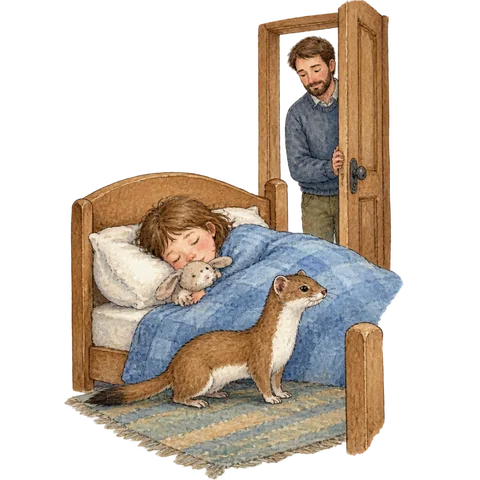
A tame weasel saves an infant from a snake. Returning home, the father sees blood on the animal and kills it before checking the child. He then discovers both the safe baby and the dead snake.
Cultural note: This is a tragic warning against judging before checking evidence. The Arabic title names ibn ʿirs, a weasel; related versions elsewhere feature a mongoose.
Intermediate
 Source note
The Dove, the Fox and the Heron
زَعَمُوا أَنَّ حَمَامَةً كَانَتْ تُفَرِّخُ فِي رَأْسِ ذَاهِبَةٍ فِي السَّمَاءِ.
Zaʿamū anna ḥamāmatan kānat tufarrikhu fī raʾsi nakhlatin ṭawīlatin dhāhibatin fī s-samāʾi.
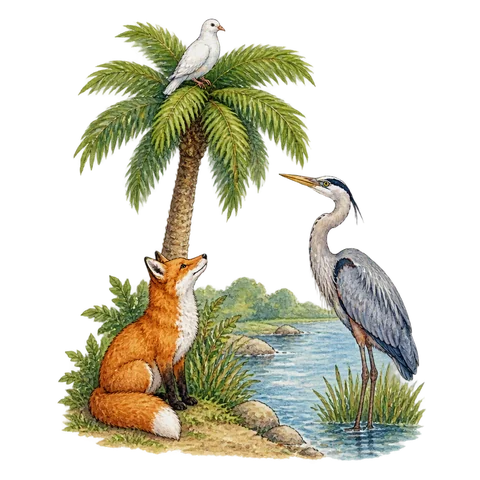
They tell of a dove that nested at the top of a tall palm reaching into the sky.
A fox frightens a dove into surrendering her chicks. A heron teaches her to challenge the fox’s empty threat, but then falls for the fox’s flattery and demonstrates a vulnerable posture. The fox kills the adviser.
Cultural note: Good advice is not enough if the adviser cannot apply the same caution personally. The original has a bleak ending.
Intermediate
 Source note
The Lion and the Bull
فَلَمَّا سَمِنَ وَأَمِنَ جَعَلَ يَخُورُ بِالْخُوَارِ.
Fa-lammā samina wa-amina jaʿala yakhūru wa-yarfaʿu ṣawtahu bi-l-khuwāri.
Once he grew strong and felt safe, he began to bellow, raising his voice in lowing.
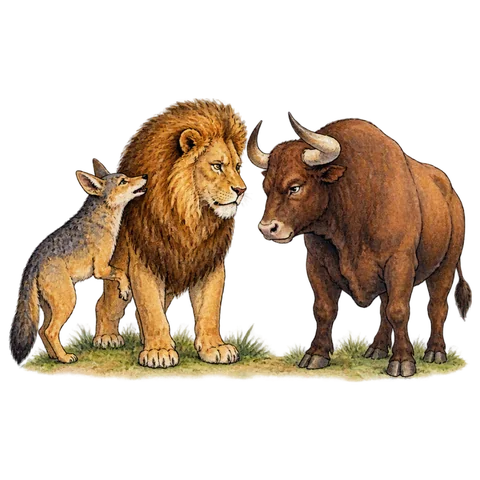
An abandoned bull recovers near a lion’s domain. The jackal Dimna introduces them, then resents their friendship and invents suspicions on both sides. The deceived lion kills the bull and regrets it.
Cultural note: The frame fable examines slander, court ambition and a ruler’s responsibility to question advisers. It is political animal literature, not simply a children’s friendship story.
Hard
 Source note
The Hare and the Lion’s Reflection
ثُمَّ إِنَّ أَرْنَبًا أَصَابَتْهَا الْقُرْعَةُ، وَصَارَتْ غَدَاءَ الْأَسَدِ.
Thumma inna arnaban aṣābat-hā l-qurʿatu, wa-ṣārat ghadāʾa l-asadi.
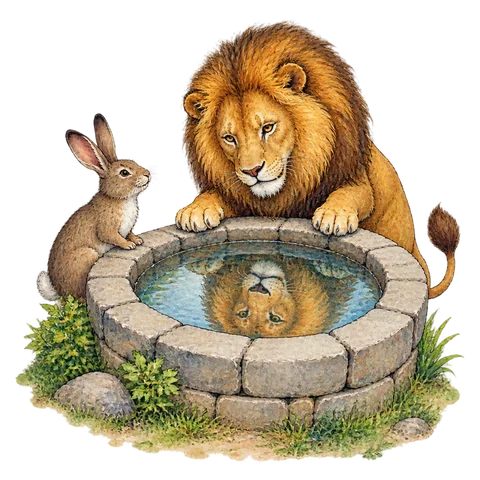
Then the lot fell on a hare, and she became the lion’s allotted meal.
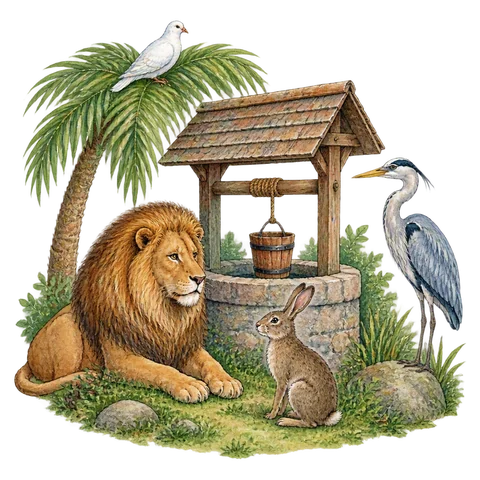
Animals agree to send a daily victim to a lion. A hare arrives late and claims that another lion took his meal. She leads him to a well, where he mistakes his reflection for a rival and leaps to his death.
Cultural note: The weaker character defeats brute force by understanding pride. This is an embedded story in The Lion and the Bull, with a female hare in the Arabic grammar.
Intermediate
 Source note
Explore these words: Colors (flashcards) · Plants & trees (flashcards) · Shapes, sizes & materials (flashcards)
Put these words into context with a story at your level.
Read Arabic storiesFamous Tales from the Thousand and One Nights
The Nights place stories inside stories. These entries preserve the distinctions between a frame adventure, its embedded warning tale and its later resolution.

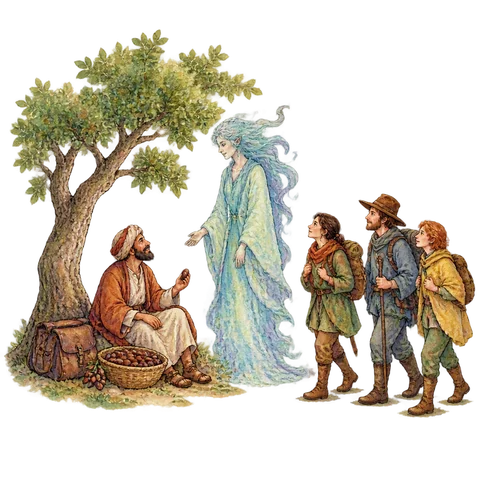
The Merchant and the Jinni
فَجَلَسَ تَحْتَ شَجَرَةٍ يَدَهُ فِي خُرْجِهِ.
Fa-jalasa taḥta shajaratin wa-ḥaṭṭa yadahu fī khurjihi.
He sat beneath a tree and put his hand into his saddlebag.
A merchant accidentally kills a jinni’s unseen son with a date stone. Granted time to settle his affairs, he returns as promised. Three old travelers tell extraordinary stories that persuade the jinni to spare him.
Cultural note: The tale sets up storytelling as a way to delay violence and win mercy, echoing the larger Shahrazad frame.
Intermediate
 Source note
King Yunan and the Physician
وَهَا أَنَا أُدَاوِيكَ أَيُّهَا ، وَلَا أَسْقِيكَ دَوَاءً، وَلَا أَدْهَنُكَ بِدُهْنٍ.
Wa-hā anā udāwīka ayyuhā l-maliku, wa-lā asqīka dawāʾan, wa-lā adh-hanuka bi-duhnin.
Here I am to treat you, O king, without giving you a potion or anointing you with an ointment.
A physician cures a king through a specially prepared playing stick. A jealous minister turns the king against him. Condemned unjustly, the physician leaves a poisoned book whose pages bring the king’s own death.
Cultural note: In this Arabic witness the physician is Ruyan; English versions often call him Duban. The nested tale warns against betrayal and gullible rule, and ends violently.
Hard
 Source note
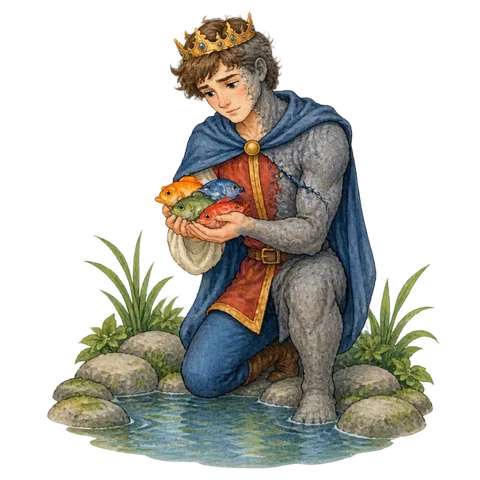
The Enchanted Prince and the Colored Fish
يَا سَيِّدِي، اعْذُرْنِي فِي عَدَمِ الْقِيَامِ.
Yā sayyidī, iʿdhurnī fī ʿadami l-qiyāmi.
Sir, forgive me for not standing up.
A king follows the mystery of four-colored fish to a palace. Its young ruler is half stone, and his subjects have been transformed into fish. The visiting king confronts the enchantress and obtains the restoration of the prince and his city.
Cultural note: This completes the fisherman’s larger story. The original contains marital betrayal, enslavement and violence; the short guide focuses on the enchantment and rescue.
Hard
 Source note
The Three Apples
فَطَلَعَ فِي صُنْدُوقٌ مَقْفُولٌ الْوَزْنِ.
Fa-ṭalaʿa fī sh-shabakati ṣundūqun maqfūlun thaqīlu l-wazni.
A locked, heavy chest came up in the net.
A chest recovered from the river contains a murdered woman. Her husband’s confession leads to a rare apple, a child’s lost fruit and a lie that caused his fatal suspicion. The investigation then turns toward the person who told that lie.
Cultural note: This is a dark mystery about jealousy and false inference, not a gentle bedtime tale. The original’s punishments and social hierarchy require context.
Hard
 Source note
Explore these words: Directions & position (flashcards) · Politics & government (flashcards) · Sports & fitness (flashcards)
Put these words into context with a story at your level.
Read Arabic storiesShort Juha Folk Tales and Jokes
Juha’s comic persona travels through many traditions. These two anecdotes are identified by the specific printed witness used here, not presented as historical events in one man’s life.
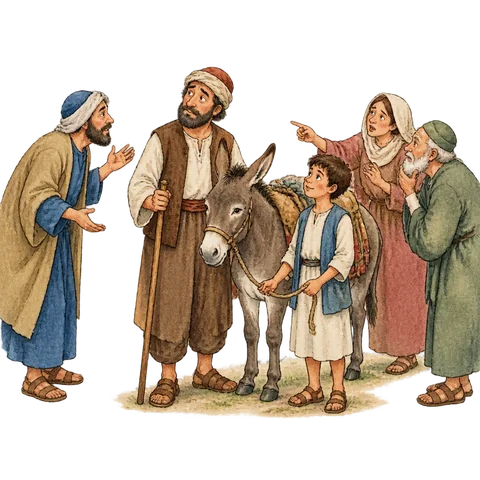
Juha, His Son and the Donkey
؟ نَرْكَبِ .
A-samiʿta? Taʿāla idhan narkabi l-ḥimāra maʿan.
Did you hear? Come, then: let us ride the donkey together.
Juha and his son try riding in different arrangements and walking beside their donkey. Every passerby criticizes them, until their attempt to please everyone becomes absurd.
Cultural note: The joke exposes the impossibility of satisfying every audience. This version is documented in al-Aqqad’s twentieth-century discussion of Juha, so only a brief key line is quoted.
Intermediate
— Abbas Mahmoud al-Aqqad, documenting Juha tradition (1889–1964), Al-Aqqad, Juha the Laughing Laugh-Maker, chapter7, anecdote1-2
 Source note
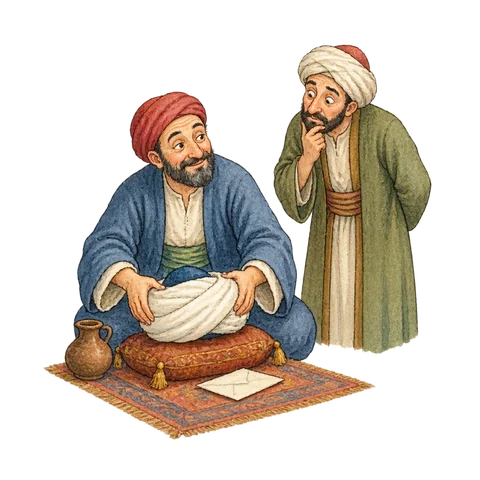
Juha’s Learned Turban
دُونَكَ الْعِمَامَةَ فَاسْأَلْهَا.
Dūnaka l-ʿimāmata fa-sʾalhā.
Here is the turban: ask it.
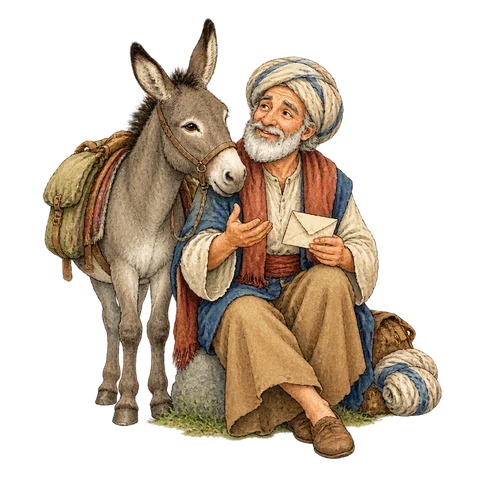
A man expects Juha to read a Persian letter because he wears a scholar’s turban. Juha removes the turban and invites the man to consult it instead.
Cultural note: Clothes do not guarantee knowledge. The old joke is attested in al-Aqqad’s collection; the quoted punch line is only four Arabic words.
Easy
— Abbas Mahmoud al-Aqqad, documenting Juha tradition (1889–1964), Al-Aqqad, Juha the Laughing Laugh-Maker, chapter7, anecdote1-15
 Source note
Explore these words: Directions & position (flashcards) · Animals (flashcards)
Put these words into context with a story at your level.
Read Arabic storiesRead a Tale in Small Steps
- Read its English summary and identify the main characters.
- Try each Arabic paragraph before revealing the English translation.
- Listen while following the vowel marks, then retell the problem and solution in simple sentences.
- Save useful concrete words and meet them again in a related story.
Arabic fairy tales: frequently asked questions
Which Arabic tale should a beginner start with?
Try The Ring-Dove and the Net. Its A2 adaptation follows a concrete problem and a cooperative solution, with repeated words for birds, a net and a hunter.
Are the retellings in a spoken Arabic dialect?
No. They use Modern Standard Arabic with ar-XA audio. The short original excerpts are literary Arabic, and the guide does not label them as Egyptian or Levantine conversation.
Why do these Arabic stories have vowel marks and romanization?
The reading aids help learners follow unfamiliar words and connected pronunciation. They are editorial additions; many source editions do not mark every short vowel.
Are all the stories originally Arabian?
No. The Arabic literary tradition includes plots that traveled through India, Persia and elsewhere. Kalila wa Dimna is a clear example, and Juha anecdotes also circulate across languages.
Are the five full texts original quotations?
No. Their A2 paragraphs are new adaptations written for this guide. The short original key line above each retelling is separately sourced and translated.
Are all the Arabian Nights stories suitable for children?
No. The unabridged Nights include violence, sexuality, enslavement and older prejudices. This guide selects short non-explicit excerpts and flags darker plots such as The Three Apples.
Why is the monkey’s companion a turtle rather than a crocodile?
The cited Arabic chapter calls it a ghaylam, a male turtle. Other tellings use a crocodile; this guide follows the particular Arabic witness rather than blending versions.
Who was Juha?
Juha is a comic figure attached to many anecdotes and traditions. These stories should not all be read as a single verified biography. Each item identifies the printed source used to establish its wording.
Make these words part of your day
Explore Arabic stories, listen along, and save vocabulary as you go.
Find a story at your levelSources and verification
English translations and examples were written for this guide. Source notes distinguish documented expressions, original practice sentences, and literary quotations. Literary excerpts retain the language of their original period.
- Kalila wa Dimna, The Ring-Dove, opening net episode — Primary Arabic text checked in the named chapter, including the embedded tale where specified. Vowels and fresh English translation are supplied here.
- Kalila wa Dimna, The Monkey and the Turtle — Primary Arabic text checked in the named chapter, including the embedded tale where specified. Vowels and fresh English translation are supplied here.
- Kalila wa Dimna, The Rat and the Cat — Primary Arabic text checked in the named chapter, including the embedded tale where specified. Vowels and fresh English translation are supplied here.
- Kalila wa Dimna, The Ascetic and the Weasel, embedded jar fable — Primary Arabic text checked in the named chapter, including the embedded tale where specified. Vowels and fresh English translation are supplied here.
- The Thousand and One Nights, nights 3–6 — Primary Arabic literary text in the indicated night. The source line is a brief narrative or dialogue excerpt, not an invented opening. Related nights are named in the work field.
- Kalila wa Dimna, The Ascetic and the Weasel — Primary Arabic text checked in the named chapter, including the embedded tale where specified. Vowels and fresh English translation are supplied here.
- Kalila wa Dimna, The Dove, the Fox and the Heron — Primary Arabic text checked in the named chapter, including the embedded tale where specified. Vowels and fresh English translation are supplied here.
- Kalila wa Dimna, The Lion and the Bull — Primary Arabic text checked in the named chapter, including the embedded tale where specified. Vowels and fresh English translation are supplied here.
- Kalila wa Dimna, The Lion and the Bull, embedded hare fable — Primary Arabic text checked in the named chapter, including the embedded tale where specified. Vowels and fresh English translation are supplied here.
- The Thousand and One Nights, nights 1–3 — Primary Arabic literary text in the indicated night. The source line is a brief narrative or dialogue excerpt, not an invented opening. Related nights are named in the work field.
- The Thousand and One Nights, nights 4–5 — Primary Arabic literary text in the indicated night. The source line is a brief narrative or dialogue excerpt, not an invented opening. Related nights are named in the work field.
- The Thousand and One Nights, nights 7–9 — Primary Arabic literary text in the indicated night. The source line is a brief narrative or dialogue excerpt, not an invented opening. Related nights are named in the work field.
- The Thousand and One Nights, nights 18–19 — Primary Arabic literary text in the indicated night. The source line is a brief narrative or dialogue excerpt, not an invented opening. Related nights are named in the work field.
- Al-Aqqad, Juha the Laughing Laugh-Maker, chapter7, anecdote1-2 — Al-Aqqad, 1956, chapter 7: anecdotes 1-2 and 1-15. Short quotation only; English summary/commentary independently written. Author died 1964, so no full text is treated as qualifying for the handoff’s public-domain rule.
- The Thousand and One Nights, night 6: continuation — Opened continuation used to check the plot and ending in the original Arabic.
- The Thousand and One Nights, night 3: continuation — Opened continuation used to check the plot and ending in the original Arabic.
- The Thousand and One Nights, night 5: continuation — Opened continuation used to check the plot and ending in the original Arabic.
- The Thousand and One Nights, night 9: continuation — Opened continuation used to check the plot and ending in the original Arabic.
- The Thousand and One Nights, night 19: continuation — Opened continuation used to check the plot and ending in the original Arabic.
Source notes for all 15 entries
- The Ring-Dove and the Net: Primary Arabic text checked in the named chapter, including the embedded tale where specified. Vowels and fresh English translation are supplied here. [kalila-pigeon]
- The Monkey and the Turtle: Primary Arabic text checked in the named chapter, including the embedded tale where specified. Vowels and fresh English translation are supplied here. [kalila-monkey]
- The Rat and the Cat: Primary Arabic text checked in the named chapter, including the embedded tale where specified. Vowels and fresh English translation are supplied here. [kalila-rat-cat]
- The Dreamer and the Jar of Honey: Primary Arabic text checked in the named chapter, including the embedded tale where specified. Vowels and fresh English translation are supplied here. [kalila-jar]
- The Fisherman and the Jinni: Primary Arabic literary text in the indicated night. The source line is a brief narrative or dialogue excerpt, not an invented opening. Related nights are named in the work field. [nights-fisherman] [nights-fisherman-ending]
- The Ascetic and the Weasel: Primary Arabic text checked in the named chapter, including the embedded tale where specified. Vowels and fresh English translation are supplied here. [kalila-weasel]
- The Dove, the Fox and the Heron: Primary Arabic text checked in the named chapter, including the embedded tale where specified. Vowels and fresh English translation are supplied here. [kalila-heron]
- The Lion and the Bull: Primary Arabic text checked in the named chapter, including the embedded tale where specified. Vowels and fresh English translation are supplied here. [kalila-lion-bull]
- The Hare and the Lion’s Reflection: Primary Arabic text checked in the named chapter, including the embedded tale where specified. Vowels and fresh English translation are supplied here. [kalila-hare]
- The Merchant and the Jinni: Primary Arabic literary text in the indicated night. The source line is a brief narrative or dialogue excerpt, not an invented opening. Related nights are named in the work field. [nights-merchant] [nights-merchant-ending]
- King Yunan and the Physician: Primary Arabic literary text in the indicated night. The source line is a brief narrative or dialogue excerpt, not an invented opening. Related nights are named in the work field. [nights-physician] [nights-physician-ending]
- The Enchanted Prince and the Colored Fish: Primary Arabic literary text in the indicated night. The source line is a brief narrative or dialogue excerpt, not an invented opening. Related nights are named in the work field. [nights-prince] [nights-prince-ending]
- The Three Apples: Primary Arabic literary text in the indicated night. The source line is a brief narrative or dialogue excerpt, not an invented opening. Related nights are named in the work field. [nights-apples] [nights-apples-ending]
- Juha, His Son and the Donkey: Al-Aqqad, 1956, chapter7: anecdotes1-2 and1-15. Short quotation only; English summary/commentary independently written. Author died1964, so no full text is treated as qualifying for the handoff’s public-domain rule. [juha-anecdotes]
- Juha’s Learned Turban: Al-Aqqad, 1956, chapter7: anecdotes1-2 and1-15. Short quotation only; English summary/commentary independently written. Author died1964, so no full text is treated as qualifying for the handoff’s public-domain rule. [juha-anecdotes]